
REVIEW · NARA DEER PARK AND TODAI-JI
Kyoto and Nara UNESCO Highlights Full-day Tour From Osaka
Kansai in one packed day. This full-day tour strings together Kyoto temples and streets plus Nara’s big-buddha moment without making you do the logistics alone. I like that it’s built around iconic stops, with walking time for the old lanes like Ninenzaka and Sannenzaka, then breaks that let you breathe.
You also get a clear rhythm with Fushimi Inari first, then Nara Park later, which helps you avoid the worst crowd build-ups when you time your photos and wandering.
The biggest plus for me is the guide support. You are not just dropped off, you get explanations in multiple languages and help building an easy plan for where to go inside each area. In the feedback I’ve seen, guides like Leo and Lu stood out for being funny, punctual, and quick to point out what to do with your free time, including practical group communication.
One consideration: the day is long and warm weather can make it feel longer. You’ll walk hills and steps near Kiyomizu-dera, and the bus comfort can be inconsistent when it’s hot outside, so plan for the possibility of a sweaty ride.
In This Review
- Kyoto and Nara UNESCO highlights from Osaka, quick hits
- Price and value at $62.75, what you’re really buying
- Pickup in Osaka, timing, and where the day ends
- The Kiyomizu-dera start: classic views, big steps, and autumn-foliage energy
- Ninenzaka, Sannenzaka, and Ishibe Alley: old streets that reward slow walking
- Fushimi Inari’s senbon torii gates: use the free time wisely
- Gion and Hanamikoji Street walking: the Kyoto flavor before you head to Nara
- Nara Park at 4pm: deer encounters and crowd control for families
- Todaiji Temple and the Great Buddha: the awe factor, plus time pressure
- Guides can make or break a day like this: what you’ll want to look for
- Transport comfort, heat, and why this tour needs smart expectations
- Food planning for a day when lunch is not included
- Who this tour fits best, and who should consider alternatives
- Should you book this Kyoto and Nara day tour from Osaka?
- FAQ
- How long is the tour from Osaka?
- What does the tour cost and what’s included?
- What’s not included in the price?
- Where do I meet in Osaka?
- What are the pickup times in Osaka and Kyoto?
- Where do I get dropped off at the end of the day?
- Do I get free time at Fushimi Inari and Nara Park?
- How big is the group?
- Should I bring cash?
- What is the cancellation policy?
Kyoto and Nara UNESCO highlights from Osaka, quick hits
- Kiyomizu-dera first thing for classic views, then a walking route through Ninenzaka and Sannenzaka
- Fushimi Inari with free time to explore the senbon torii gates at your own pace
- Nara Park deer time plus the wow factor of Todaiji Temple and the Great Buddha area
- Multilingual guide support, with group messaging and easy navigation help from some guides (like Lu, Jason, and Zhao in the feedback)
- Maximum 40 travelers means you stay in a group, not a crowd
A half day in Nara goes several ways
- Ancient Capital Tour: Kyoto and Nara Highlights from Kyoto/Osaka
★ 4.5 · 332 reviews - Kyoto and Nara Day Trip from Osaka
★ 4.0 · 175 reviews - Discover Himeji, Kobe and Nara from Osaka
★ 5.0 · 101 reviews - Kyoto & Nara Private customized tour with English speaking Guide
★ 4.5 · 99 reviews
Price and value at $62.75, what you’re really buying
At $62.75 per person for a 9 hours 20 minutes day, you’re paying for three things: transportation from Osaka, a guide who explains what you’re looking at, and a structured way to hit Kyoto and Nara without switching lines and timing yourself all day.
The not-included costs are important for your math. You’ll likely add entrance fees for Kiyomizu-dera (listed as $5.00) and Todaiji Temple (listed as $7.00). Lunch is also not included. So your real budget is the base tour price plus those two admissions, then whatever you spend for food when you decide to eat.
Where it’s best value is when you want the highlights but you also want someone to handle the big picture. If you are comfortable navigating on your own, the sites are doable independently. But if you’d rather spend your energy walking the temples and taking photos instead of planning transfers, this kind of guided loop is usually a good deal.
Also, this tour has strong demand. It’s listed as having been booked 5+ times last week, and the rating is 4.7 out of 5 across 50 reviews with 92% recommended. That doesn’t guarantee your day will be perfect, but it is a sign the route and pacing work for lots of people.
Pickup in Osaka, timing, and where the day ends
This tour is designed for easy pickup from Osaka, with an optional Kyoto meeting point. In Osaka, the timing details matter because you must show up on time or you can get left behind.
Your Osaka meeting window includes:
- 8:40am at Nipponbashi Exit 2
- Then the bus loading area in Kyoto is listed as 9:50am at Kyoto-Hachijoguchi Bus Loading Area
The Osaka start location is also given as 1-chōme-3-6 Nipponbashi, Chuo Ward, Osaka 542-0073. The tour guide is supposed to hold a yellow flag with the Gogoday logo, and you’re asked to arrive 15 minutes early.
A key detail: even though there are two meeting points (Osaka or Kyoto), the only drop-off location is Osaka. So you’ll want to plan your evening after the tour with the assumption you end back in Osaka, not in Kyoto.
The Kiyomizu-dera start: classic views, big steps, and autumn-foliage energy
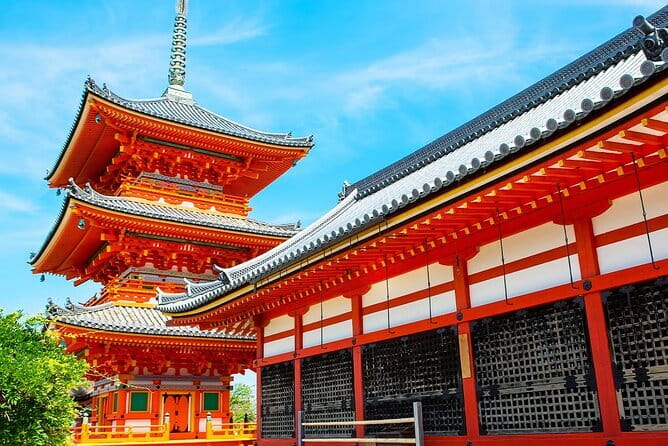
Kiyomizu-dera is your morning anchor, and it makes sense. You start early in Kyoto, then spend about 2 hours 30 minutes here (admission is not included).
Why this stop is worth leading the day:
- It’s one of the most recognizable temple scenes in Kyoto.
- You’re high up on a hillside, which means you get real visual payoff as the day brightens.
- The surrounding streets nearby are part of what makes Higashiyama feel Kyoto, not just a temple checklist.
What to expect, practically: there will be uphill walking and steps. Even if your legs are fine, your pace will slow because the area encourages wandering. The itinerary style here is not rush-rush, but you still need to treat it like a walking day.
Admission is listed at $5.00 per person, so consider paying attention when you budget. Also, the tour notes that parking areas for the bus can be a bit of a walk away from the scenic spot, so don’t assume the entrance is right next to where you park.
If your priority is photos, I’d focus first on getting oriented inside the complex and then doing the fun wandering. If you wait until later in your window, you might find the best viewpoints get more crowded.
- Osaka Go Karting Tour with Funny Costume★ 5.0 · 2,658 reviews
- Osaka Castle: Museum and Tower Entry Ticket★ 4.5 · 2,380 reviews
- Osaka: Shinsekai Food Tour with 13-15 Dishes at 5 Eateries★ 4.8 · 2,204 reviews
- Osaka Food Tour: 13 Dishes at 5 Local Eateries★ 5.0 · 2,149 reviews
- Hungry Osaka Street Food Tour:15 Tastings & 3 Drinks with a Local★ 5.0 · 1,727 reviews
Ninenzaka, Sannenzaka, and Ishibe Alley: old streets that reward slow walking
Between Kiyomizu-dera and the next big sites, the tour route includes time to walk Kyoto’s preserved neighborhoods, including Ninenzaka and Sannenzaka and Ishibe Alley lined with traditional wooden houses.
This is one of those parts that can feel like a bonus if you just want temples, or it can become the real memory if you like atmosphere. These lanes give you the Kyoto rhythm: small storefronts, old stone steps, and the sense that you’re walking through something designed for foot traffic rather than cars.
The best way to enjoy this segment is to treat it like a stroll, not a sprint. If you’re traveling with people who want shopping, snacks, or quick photos, this is where the group typically absorbs that energy without breaking the main schedule.
Big practical note: shoes matter. Cobblestones, steps, and slight slopes add up over a long day. Bring footwear you’d wear for a full afternoon of walking, not for a casual evening out.
Fushimi Inari’s senbon torii gates: use the free time wisely
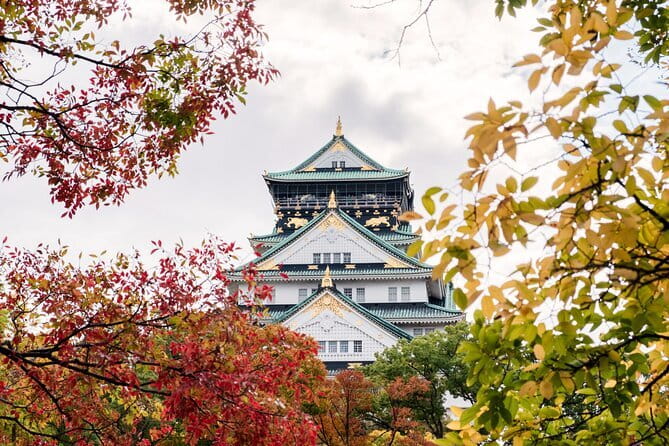
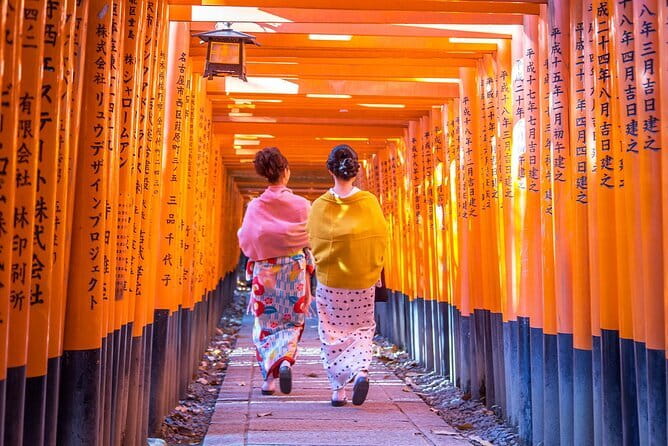
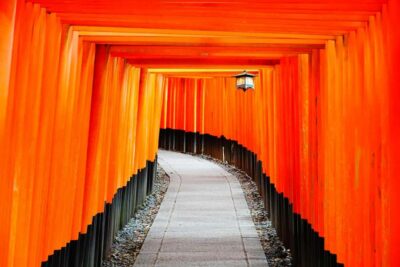
Fushimi Inari-taisha is one of the most famous shrines in Japan for a reason. Your tour includes a stop here with free time of about 70 minutes, and admission is listed as free.
You’ll come for the thousand torii gates feeling, then you’ll discover that the shrine is more than a single photo point. The torii paths stretch, and your experience changes depending on how far you go.
How to make this free time work for you:
- Decide early if you want a shorter loop for photos and the main view, or if you want a longer wander along the paths.
- Move with purpose at the start, then loosen up once you find a rhythm.
- If you’re aiming for specific angles, give yourself a few minutes to re-check your position rather than rushing only for the first shot.
Because your schedule is tight later in the day, Fushimi Inari is a great place to remember the guide’s timing and then stop overthinking. Most of the value is in seeing the torii run through the hills and then walking it at a pace that feels good.
Gion and Hanamikoji Street walking: the Kyoto flavor before you head to Nara
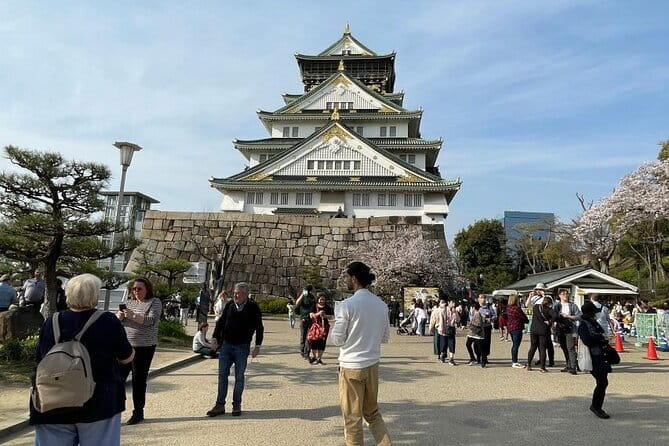
After Fushimi Inari, the tour includes the classic Kyoto vibe walk through Gion and Hanamikoji Street.
This isn’t necessarily about rushing to a landmark. It’s about atmosphere. You’re transitioning from shrine intensity into a more elegant old-town feeling, and it helps break up the day so you don’t just stack temples back-to-back.
Here’s how I’d approach it: use this time for calm wandering and simple observation. Look for the traditional street textures, the way buildings frame the sidewalks, and the general sense of old Kyoto style. If you’re hungry, this is also a good window to spot food options along your later travel path, since lunch isn’t included.
The walking is part of the deal, so keep your energy for Nara deer and Todaiji later.
Nara Park at 4pm: deer encounters and crowd control for families
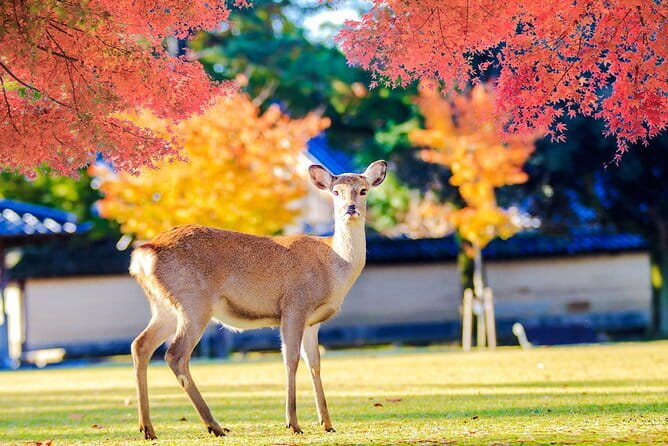
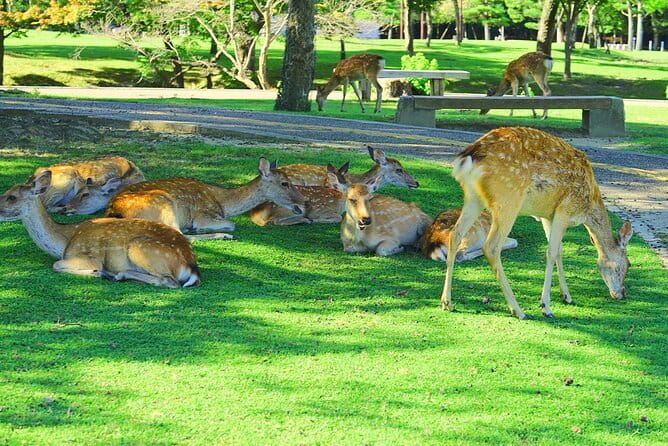
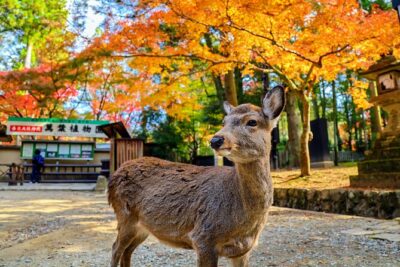
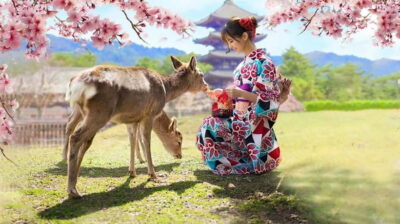
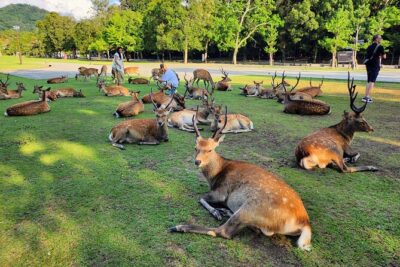
Nara Park is where the day gets instantly playful. You get about 1.5 hours of free time here, and admission is free.
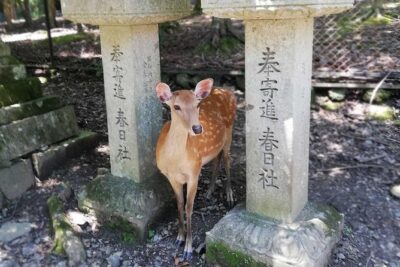
You’ll interact with deer in the park area, and this is usually the most memorable non-temple moment of the day for families. The deer are used to visitors, but you still need to be careful. Keep a respectful distance when you can, and hold your pace steady so you don’t get swept into a crowd.
Timing also helps. You’re scheduled to arrive around 16:00, which can be a more comfortable light for photos and a calmer-feeling park than earlier in the day. Still, expect people.
If you want the best experience:
- Go into the deer area with a calm mindset.
- Keep your phone secure and your hands controlled while you move.
- If someone in your group gets nervous, it’s fine to observe from the edge rather than pushing into the middle of the activity.
Todaiji Temple and the Great Buddha: the awe factor, plus time pressure
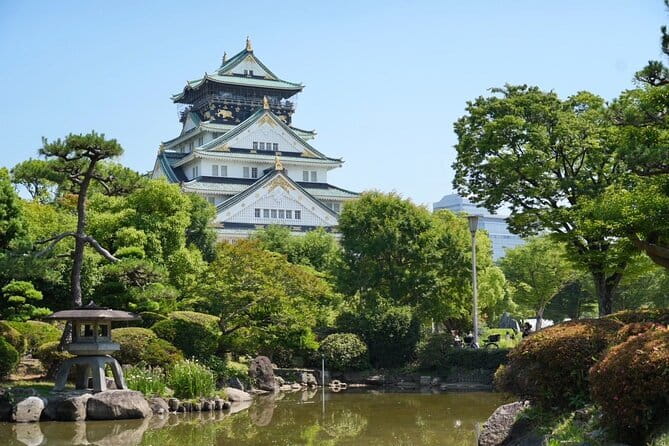
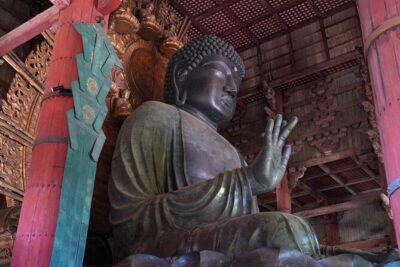
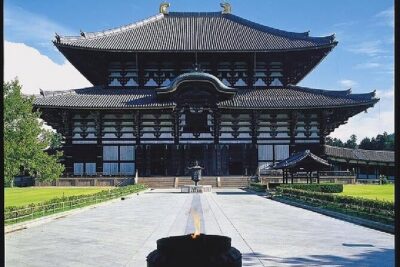
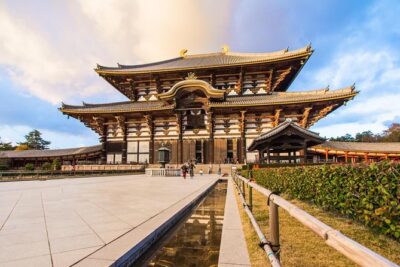
Todaiji Temple is the big UNESCO-style capstone in Nara, and the tour specifically calls out the world-famous Great Buddha.
You should plan for this as a high-impact visit: huge scale, iconic bronze Buddha presence, and a feeling that you’re stepping into something important. The tour lists an entrance fee for Todaiji Temple at $7.00 per person, so budget for it.
The only caution I’d give is about timing. This is a packed itinerary, and the overall schedule is shared with many stops. That means you might not get the leisurely pace you’d have if you were staying in Nara for a night.
So how do you make the most of the time you have?
- Prioritize the main Buddha area first.
- Give yourself a quick circuit to see the scale, then slow down if you have energy.
- If you’re traveling with older adults or kids, don’t treat it like a museum where you have to see every nook. Focus on the main sight.
In one piece of feedback, the stop felt short because of closing time. That’s a good reminder to not assume you’ll have extra minutes at the end.
Guides can make or break a day like this: what you’ll want to look for
This tour runs with a multilingual guide in English, Mandarin, and Japanese, and that matters because it’s not just translation. The guide helps you avoid the mental load of “Where are we going next?” so you can spend your time actually in the sights.
From the feedback I saw, the best guides do three things well:
- Clear explanations on the bus, so you know what to look for before you arrive.
- Humor and local context, like the guide Leo who brought knowledge plus a lighter mood.
- Practical group support. People referenced WhatsApp-style group communication and guidance like where to go and how to fit in free time.
Examples that show what “good” can look like:
- Lu is mentioned for punctuality, humor, and bilingual explanations (English and Chinese).
- Jason is praised for giving directions and suggestions in both English and Japanese.
- Zhao is noted for being careful, friendly, and sharing history while keeping the plan moving.
You won’t know which guide you’ll get, but you can use this as a checklist. When you meet your group, pay attention to whether the guide explains your next steps clearly and encourages you to ask questions.
Transport comfort, heat, and why this tour needs smart expectations
The tour includes air-conditioned bus transportation, and that’s great on paper. But one caution from feedback is real: on an extremely hot day, someone reported the bus felt like a hot box because the air conditioning couldn’t stay running during certain stops. That kind of situation can happen on routes where the bus is parked or waiting.
So your best plan is to be practical:
- Bring water and drink it earlier than you think you need to.
- Wear breathable clothes and consider a small cooling towel.
- Plan for stops where you’ll get out and walk, even if the bus feels uncomfortable.
Also, the schedule can change due to traffic, weather, or other unforeseen circumstances, with possible shorter sightseeing times or cancellations of attractions for safety.
That’s not ideal, but it’s a normal reality for Kyoto and Nara days. Build your expectations around flexibility, not around a rigid script.
Food planning for a day when lunch is not included
Lunch is not included. That means you have to handle food yourself, and in Japan that can actually be easier than you’d think if you treat meals as quick wins rather than long sit-down breaks.
The smart way to do it on this itinerary:
- Eat when you find something you’re comfortable with, not only when you reach a specific named spot.
- If you need a sit-down lunch, aim for earlier in the day when you have more buffer.
- If you prefer snacks, use Ninenzaka and Sannenzaka walking time as your snack hunting window.
Also, the tour advises you to bring some cash since some locations may not accept credit cards. That’s a small detail, but it saves headaches when you decide to buy a drink or a snack on the fly.
Who this tour fits best, and who should consider alternatives
This tour is best for you if:
- You want the big-name Kyoto and Nara sights but you don’t want to coordinate trains and timing all day.
- You like walking and you’re okay with hills around Kiyomizu-dera.
- You value a guide who keeps explanations organized and helps you navigate quickly.
It might be less ideal if:
- You want lots of free time at each stop and you dislike tight schedules.
- You are very sensitive to heat and you’re not comfortable with the possibility of bus discomfort during long hot waits.
- You want a slower pace where you can linger for hours at one place.
If you’re first-timing in Japan, this kind of day can help you get your bearings fast. If you already know Kyoto well and just want one signature shrine and one temple, you may feel the day is too compressed.
Should you book this Kyoto and Nara day tour from Osaka?
I’d book it if you want a high-efficiency day with strong UNESCO-style highlights, and you’re comfortable with a walking-heavy schedule and a self-managed lunch plan. At $62.75, plus modest added admissions for Kiyomizu-dera and Todaiji, you’re paying for convenience, guidance, and the ability to see a lot without getting tangled in transit.
I would hesitate if you hate crowds, hate hills, or expect perfect comfort on a hot day. Also, if you have a hard deadline that depends on returning to Osaka at a specific time, remember this is a shared-group schedule that can shift if traffic or weather changes the plan.
My practical verdict: this is a solid value option when your goal is highlights in one day, with guide help that makes the route feel doable. If you pack smart and stay flexible, you’ll likely come away thinking you squeezed a lot of Japan into a single, memorable day.
FAQ
How long is the tour from Osaka?
The tour duration is approximately 9 hours 20 minutes.
What does the tour cost and what’s included?
The price is $62.75 per person. Included are pickup and drop-off from designated areas (Osaka or Kyoto), air-conditioned bus transportation, and a multilingual tour guide (English, Mandarin, Japanese).
What’s not included in the price?
Lunch is not included. Entrance fees are not included for Kiyomizu-dera Temple ($5.00 per person) and Todaiji Temple ($7.00 per person).
Where do I meet in Osaka?
You meet at Nipponbashi Exit 2 around 8:40am, and the listed Osaka address is 1-chōme-3-6 Nipponbashi, Chuo Ward, Osaka 542-0073.
What are the pickup times in Osaka and Kyoto?
The tour lists 8:40am for Osaka pickup and 9:50am for the Kyoto bus loading area at Kyoto-Hachijoguchi Bus Loading Area.
Where do I get dropped off at the end of the day?
The tour notes that the only drop-off location for this trip is Osaka.
Do I get free time at Fushimi Inari and Nara Park?
Yes. Fushimi Inari has about 70 minutes of free time, and Nara Park has about 1.5 hours of free time.
How big is the group?
This tour has a maximum of 40 travelers and is described as a shared group tour.
Should I bring cash?
Yes. The tour advises you to bring some cash because some locations may not accept credit cards.
What is the cancellation policy?
Free cancellation is available up to 24 hours in advance for a full refund. If you cancel less than 24 hours before the start time, the amount paid is not refunded.
Half a Day in Nara


Newest Osaka write-ups from the Loving Japan desk


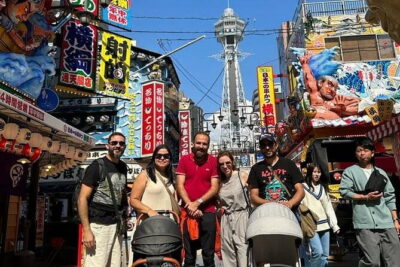
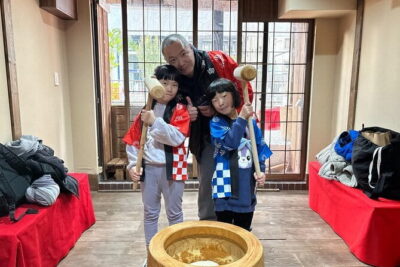
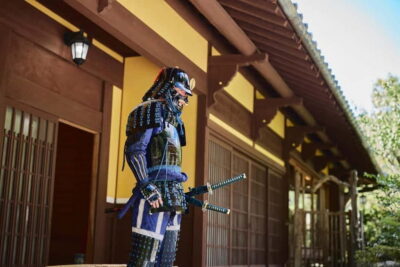
Nara Deer Park and Todai-ji, side by side.
 ★ 5.0World Heritage Kyoto & Nara Uji Authentic Matcha ExperienceFrom $1291,573 reviews
 ★ 4.7Kyoto/Osaka: Nara, Fushimi Inari Taisha, Arashiyama Bus TourFrom $521,275 reviews
 ★ 5.0Nara Half Day Trip Walking Tour (Private Option Available)From $105937 reviews
 ★ 4.4Osaka/Kyoto: Arashiyama, Nara & Fushimi Inari Shrine w/LunchFrom $61754 reviews
 ★ 5.0Nara Early Morning Tour (Kyoto or Osaka Departure Available)From $61676 reviews
 ★ 4.5Kyoto and Nara Day Trip from KyotoFrom $194445 reviews
 ★ 5.0Full Day Guided Tour to Kyoto and Nara from Osaka by VanFrom $106420 reviews
 ★ 4.5Nara Afternoon Tour from Kyoto or OsakaFrom $102390 reviews
Filed on these lists too