
REVIEW · NARA DEER PARK AND TODAI-JI
From Osaka/Kyoto: Private Kyoto & Nara Day Trip with Pickup
Ten hours can feel like a greatest-hits album. You get hotel pickup plus a tight route through Nara and Kyoto, including the deer at Nara Park, the vermilion torii of Fushimi Inari, and the bamboo at Arashiyama. My favorite part is how smoothly the day runs when your host helps with lines and tickets, and you still get breathing room at each stop. The one drawback to plan for: this is a lot of icons in one day, so time on site is short at each highlight, and entry tickets and meals are on you.
I also like that this is a true private-group format with an English-speaking driver or host, and you can benefit from real guidance when you need it. People leading this trip (like Yosuke, Bong Yamaguchi, Keiko, Bill, John, and Steven) are often praised for making the history easier to understand and the logistics simpler, whether it is translation help or walking right up to key spots. If you want a slow, deep temple day with lots of extra stops, you will probably feel the pace.
In This Review
- Key points before you go
- A 10-hour private circuit of Nara and Kyoto from Osaka, Kyoto, or Kobe
- Nara Park deer time and Todaiji’s Great Buddha, what you really get
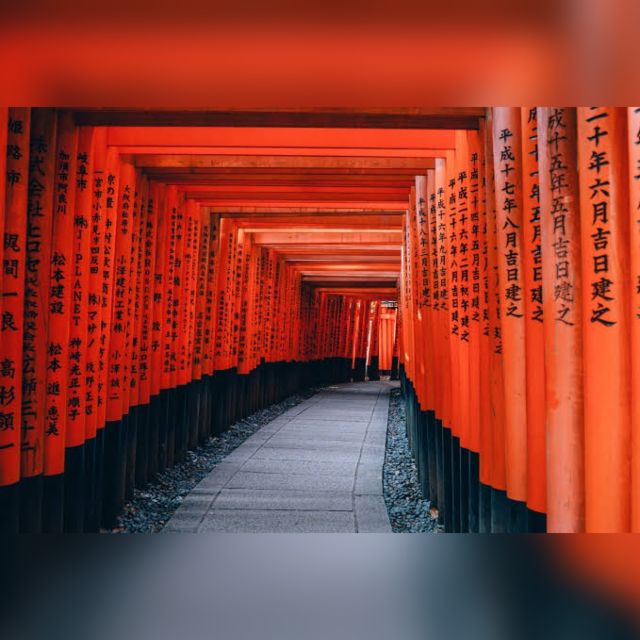
- Fushimi Inari Taisha, planning your torii gate walk in 40 minutes
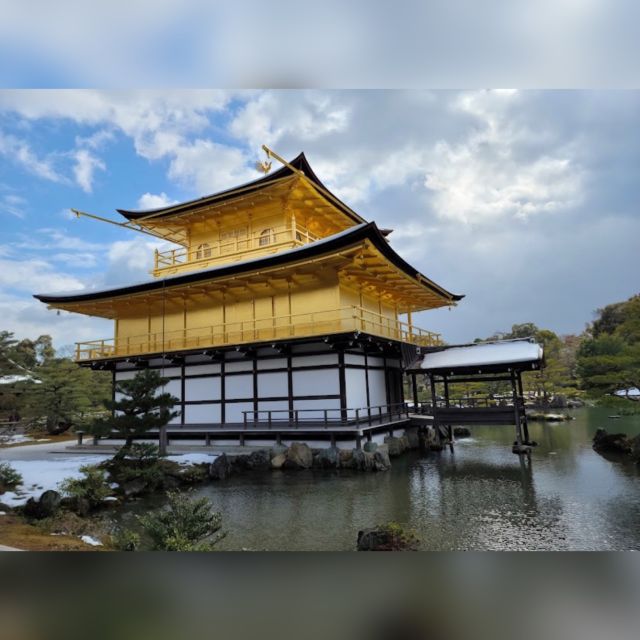
- Kinkaku-ji Golden Pavilion in a self-guided 40-minute window
- Arashiyama bamboo forest, Kimono Forest photos, and Togetsu-kyo bridge
- When the host guides and when you go self-guided
- Price and Logistics, and why the value can be real
- Seasonal add-on: the Sagano Romantic Train for cherry blossoms or maples
- Who this tour fits best, and who might want a different plan
- Should you book this Kyoto and Nara private day trip?
Key points before you go
- Private pickup and drop-off from Osaka, Kyoto, or Kobe keeps you from spending the day on trains
- Icon-heavy itinerary, so you see the big names: Todaiji, Fushimi Inari, Kinkaku-ji, Arashiyama
- Host support for tickets and lines, but sites still include self-guided time
- Nara deer fun at human scale, with time to feed them and reach the Great Buddha area
- Arashiyama photo stops are built in, including Kimono Forest and bamboo time
- Expect extra costs for port-area pickups like Kobe Port Terminal and Maizuru Port Terminal
A half day in Nara goes several ways
- Kyoto/Osaka: Nara, Fushimi Inari Taisha, Arashiyama Bus Tour
★ 4.7 · 1,275 reviews - Osaka/Kyoto: Arashiyama, Nara & Fushimi Inari Shrine w/Lunch
★ 4.4 · 754 reviews - Kyoto and Nara Day Trip from Kyoto
★ 4.5 · 445 reviews - Full Day Guided Tour to Kyoto and Nara from Osaka by Van
★ 5.0 · 420 reviews
A 10-hour private circuit of Nara and Kyoto from Osaka, Kyoto, or Kobe
This is the kind of day trip that makes sense when your Kansai schedule is tight. You are starting in one place, getting picked up by an English-speaking driver or host, and finishing with drop-off in Osaka, Kyoto, or Kobe. The vehicle is air-conditioned, which matters on warm days and on any day when Kyoto crowds turn sidewalks into slow motion.
The big tradeoff is distance and time. Nara and Kyoto each deserve their own day, but this tour strings the essentials together in about 10 hours, with specific time blocks at each stop. That means you should show up ready to make quick decisions, from where you want to eat in Arashiyama to how much you want to push along at Fushimi Inari.
In past experience, the host role can be the difference between chaos and calm. Several guides have been praised for practical help like Japanese translation and help figuring out what to do first at busy shrines. If you want your day to feel organized, this private setup is built for that.
Nara Park deer time and Todaiji’s Great Buddha, what you really get
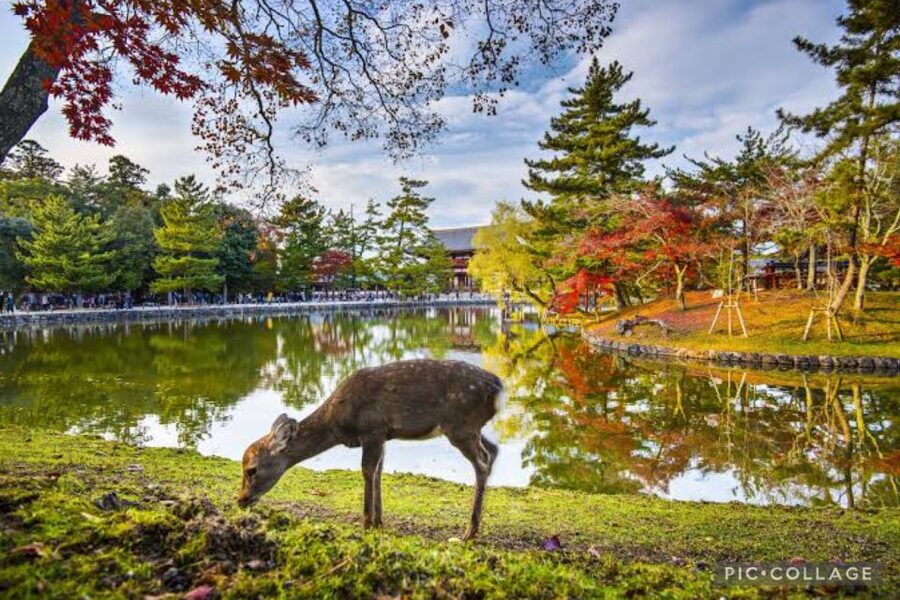
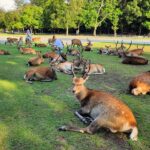
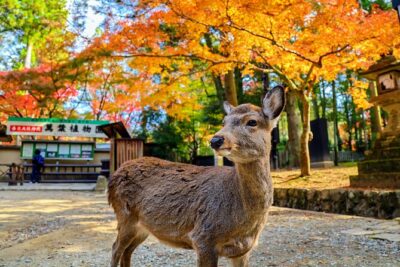
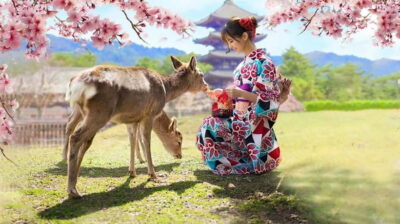
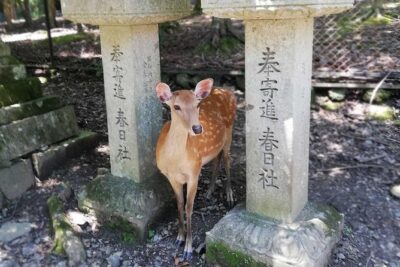
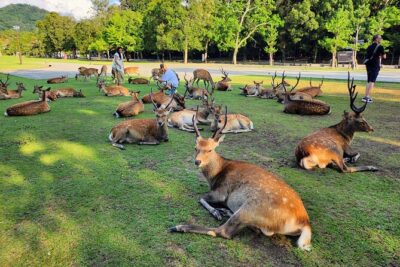
Nara Park is one of those places where you immediately understand why people come. Thousands of deer roam freely, and the classic move is buying crackers to feed them. It is simple, a bit funny, and surprisingly memorable. You will also want to keep your eye on where you step, because the deer are not just background characters, they are active.
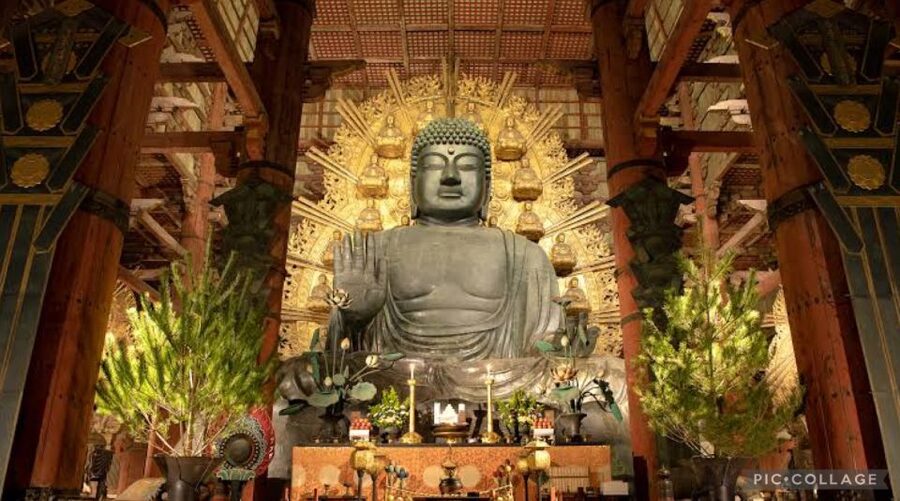
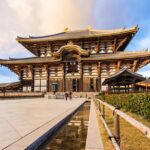
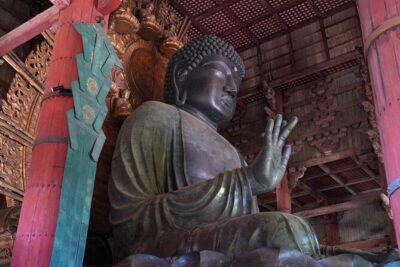
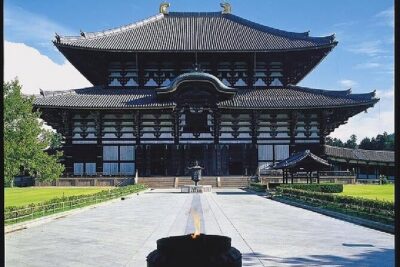
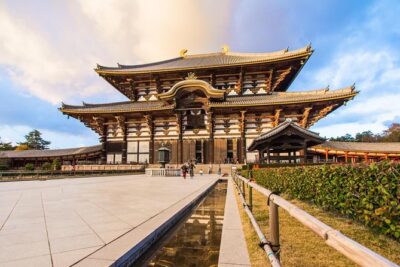
From there, you head toward Todaiji Temple, specifically the Daibutsuden (Big Buddha Hall). This is a UNESCO World Heritage stop, and the headline is the massive bronze Buddha statue, described here as a large 15-meter-tall figure. Even if you are not a history nerd, the scale hits fast. You can feel why this hall is a centerpiece of Japanese Buddhist culture.
Timing matters here. You get about 30 minutes at Nara Park, then about 40 minutes around the Daibutsuden area, with a self-guided portion. That is enough time to do the key sights if you keep your walking efficient, but it is not enough for a long wander through every corner of the complex. Think of this as your big “see the icon” block, then leave room to enjoy the moments, like the deer feeding and your first real view inside the Buddha hall.
One more practical note: the host provides guidance with purchasing tickets and waiting in line. That helps you avoid the classic situation where you do not know which counter to approach or where the line starts. If you like to get your bearings quickly, you will appreciate that kind of hand-holding.
Fushimi Inari Taisha, planning your torii gate walk in 40 minutes
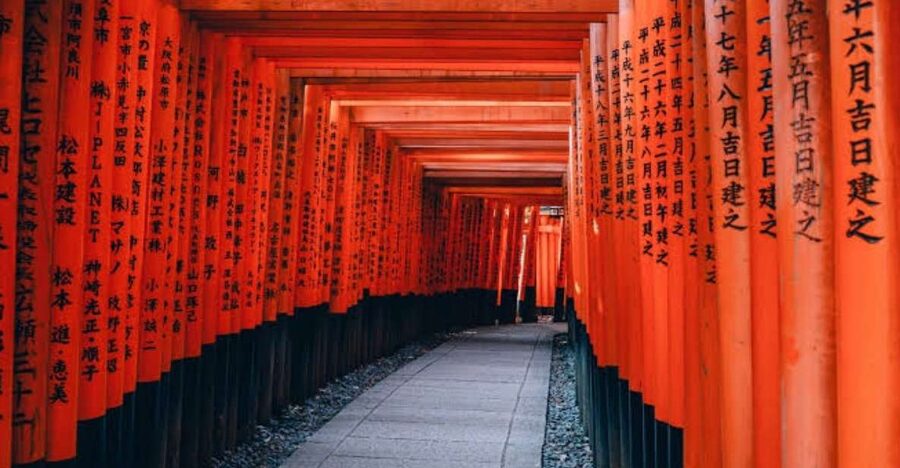
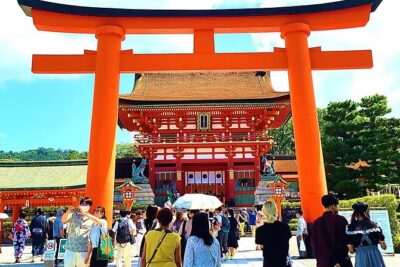
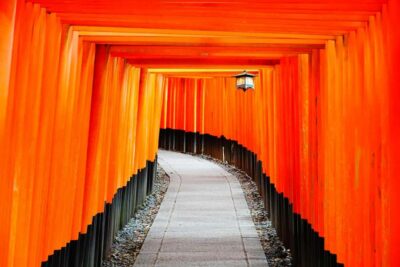
Fushimi Inari Taisha is famous for a reason: the torii gates create that endless red corridor effect. This stop is about 40 minutes, and it is listed as a guided tour plus walking and sightseeing time.
In practice, you have two jobs here. First, you need to pick a stopping point for photos so you do not end up rushing back to the vehicle. Second, you want to avoid moving at the pace of the crowd bottlenecks. When you have limited time, it is smarter to go for a few strong photo zones rather than trying to walk every way up the hill.
The host’s guidance is useful because Fushimi Inari can be confusing if you are trying to navigate quickly. Also, waiting in line for tickets or entry flows can eat time when you do not have a plan. Having an English-speaking driver or host guiding you through what to do first can help you get more of the walk and fewer minutes stuck.
If you are a photographer, this is also where your day starts looking like a real story: deer silhouettes in Nara, then red gates in Kyoto. Keep moving with intention, because 40 minutes disappears faster than you think.
- PERFECT KYOTO 1-Day Bus Tour★ 5.0 · 13,518 reviews
- Kyoto: Fushimi Inari, Kinkakuji, Bamboo Grove 1 Day Bus Tour★ 4.8 · 4,316 reviews
- Kyoto: Tea Ceremony in a Traditional Tea House in Kiyomizu★ 4.9 · 3,519 reviews
- Kyoto Geisha Walking Tour: Gion District & Hidden Gems★ 4.7 · 3,273 reviews
- Kyoto: Tea Ceremony Ju-An at Jotokuji Temple★ 4.9 · 3,207 reviews
Kinkaku-ji Golden Pavilion in a self-guided 40-minute window
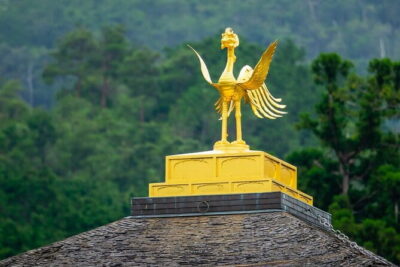
Kinkaku-ji (the Golden Pavilion) is the other Kyoto “must” on this itinerary, and you get around 40 minutes for sightseeing, walking, and self-guided exploration.
You are seeing the 3 floors, with a big visual payoff: the top 2 floors are covered in gold leaf. Even when the crowds are thick, the pavilion itself stays the star. What I like about a self-guided block is that you can slow down for the view angles that matter most to you, instead of trying to follow someone else’s pace.
Still, self-guided means you should arrive with at least a basic idea of what you want to see. If you just follow the crowd without paying attention, you can miss better angles. My practical suggestion is to start by looking for the broadest view, then work your way toward the details you care about, like the way the pavilion reflects the light at different points.
If you prefer more structure, consider using the host at the start to help with ticket timing and where to walk first. The tour notes that the host helps with purchasing tickets and waiting in line, even when the site time is self-directed.
Arashiyama bamboo forest, Kimono Forest photos, and Togetsu-kyo bridge
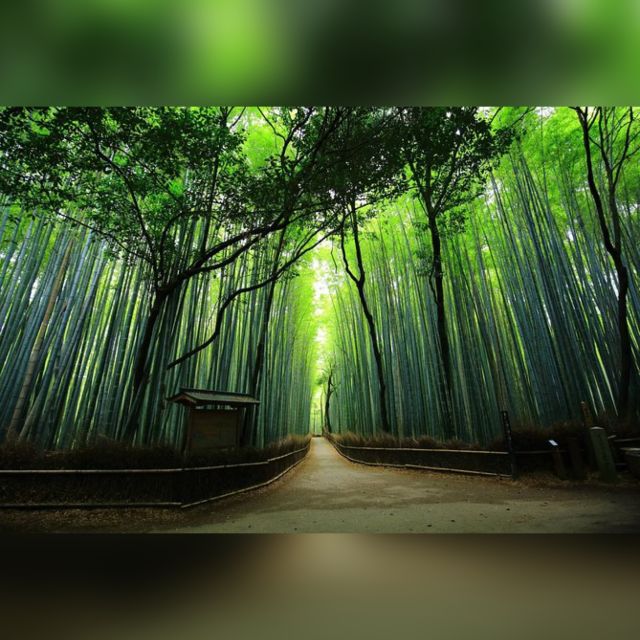
Arashiyama is where the day becomes cinematic. You have a longer block here, about 70 minutes, and it includes lunch and guided tour, shopping, and scenic viewing along the way. After that, you get a short stop at Togetsu-kyo Bridge, then quick photo and shopping stops at Arashiyama Kimono Forest, and finally about 30 minutes at the Arashiyama Bamboo Forest.
The bamboo forest time is your main event. Standing among tall stalks feels very different from seeing bamboo in photos. It is also visually strong for any season, but the most important thing is how you manage your time. Bamboo walkways can get crowded fast, so treat your 30 minutes as your photo and wonder window, then move on before the day starts to feel like a race.
Togetsu-kyo Bridge adds a classic Kyoto river-crossing moment over the Katsura River. A quick walk here is a good reset after the bamboo. Then you have the Kimono Forest stop, which is listed as a photo stop with a short guided component and time to shop. This is one of the spots where you should decide what you want from it. If you love outfit photos and quick shopping breaks, it fits perfectly. If you only want the nature and temples, you might treat it as a quick pause and keep your eyes on the bamboo forest timing.
Also, this tour builds in scenic viewing time on the way to the bridge and between stops. That matters because Arashiyama spread is not tiny. Even if you do not get a long scenic walk, you do get that sense of place.
When the host guides and when you go self-guided
This is not a constant narration the entire day. The tour description is clear that a full guided tour of the attraction is not provided. What you do get is a mix: guided segments at several stops, plus self-guided time where you explore independently.
The host provides guidance with purchasing tickets and waiting in line. That is a big deal on popular stops like Fushimi Inari, Kinkaku-ji, and the major Todaiji areas, where lines and entry points can shift. It also reduces decision fatigue. You can focus on walking, photos, and the actual sights.
At the same time, you should expect that certain sections are on you. Nara Park time is guided, but you still have to move through it and decide what to do with your cracker feeding moment. The Daibutsuden hall is partly self-guided. Kinkaku-ji is also self-guided. In other words, you are buying “help with the flow,” not a guide walking you step-by-step for every minute inside every site.
In feedback, multiple guides are praised for going beyond the basics, like explaining religious context so the temples make more sense. People have also mentioned translation help and even extra personal touches like helping with ramen lunch planning. That is not guaranteed every day, but the best way to get that experience is to be open about what you want, history level and photo level included.
Price and Logistics, and why the value can be real
The price is $632 per group, up to 2 people, for a 10-hour private day trip with hotel pickup and drop-off from Osaka, Kyoto, or Kobe. Entry tickets and food and drinks are not included.
Here is the practical way I think about value. You are paying for:
- Private door-to-door transport that saves time and stress compared to figuring out trains and transfers
- A host who can help with ticket and line flow
- A single-day route that strings together multiple top Kyoto and Nara icons
If you were to do this on your own, the cost breakdown can get messy fast once you add transport, time lost to navigation, and the mental load of building a workable schedule. Private tours cost more, but they buy back time and calm. That is the value.
However, the cost can feel steep if you expected a lot of included admissions or a slow guided tour at each site. Since entry tickets and meals are extra, budget for that. Also remember that 10 hours means limited time per stop. If you want deep exploration, this format is more about highlights than depth.
One more cost consideration: there are additional charges for Kobe Port Terminal and Maizuru Port Terminal pickup and drop-off. If you are starting from a cruise port, confirm the exact extra transport fee early so you are not surprised later.
Transport quality has also scored very highly, with 89% of past feedback giving transport a perfect score. That aligns with what you want for a day full of walking, lines, and tight timing.
Seasonal add-on: the Sagano Romantic Train for cherry blossoms or maples
The tour info points out that you can choose to ride the Sagano Romantic Train. It is most noted for spring cherry blossom scenery and fall maple leaf colors.
Because this is presented as an option, treat it as a possible add-on rather than a guaranteed part of the core experience. If the train matters to you, ask your host early how it would fit into your timing at Arashiyama and the surrounding stops. In a packed day, even one extra planning step can shift your time.
If you are traveling in spring or fall, this add-on can turn an already beautiful Arashiyama day into something more special. If you are visiting in a shoulder season with less dramatic scenery, you might prefer to focus your time on the bamboo forest and river views instead.
Who this tour fits best, and who might want a different plan
This private Kyoto and Nara day trip is a strong match if you:
- Want to see the headline sights without handling transfers
- Like having a driver or host manage the flow and help with ticket lines
- Prefer a one-day overview rather than separate full-day trips in each city
- Value the convenience of hotel pickup and drop-off
It is less ideal if you:
- Want lots of free time at one place to wander slowly
- Expect that admissions are included (they are not)
- Care more about “small details and long explanations” than about hitting many icons in one day
Mobility and pace are also worth thinking about. There is at least one past day where a guide was praised for step-by-step help for a handicapped traveler. That is encouraging, but it is still smart to communicate your needs to the host when you book, so the plan matches your pace.
Should you book this Kyoto and Nara private day trip?
Book it if you want a clean, well-paced highlights route with private pickup, deer at Nara Park, the Great Buddha at Todaiji, Fushimi Inari torii gates, and Kyoto’s big icon stops, all wrapped into one day.
I would not book it if your priority is deep time in one temple complex or lots of long, unstructured wandering. This tour is built to move, not to linger forever in one place.
If you do book, I suggest you plan for three things: bring some cash for meals and admissions, set expectations that self-guided time is part of the experience, and tell your host what matters most so the limited time at each stop goes to your top picks.
Half a Day in Nara

Newest Kyoto write-ups from the Loving Japan desk

Nara Deer Park and Todai-ji, side by side.
 ★ 5.0World Heritage Kyoto & Nara Uji Authentic Matcha ExperienceFrom $1291,573 reviews
 ★ 4.7Kyoto/Osaka: Nara, Fushimi Inari Taisha, Arashiyama Bus TourFrom $521,275 reviews
 ★ 5.0Nara Half Day Trip Walking Tour (Private Option Available)From $105937 reviews
 ★ 4.4Osaka/Kyoto: Arashiyama, Nara & Fushimi Inari Shrine w/LunchFrom $61754 reviews
 ★ 5.0Nara Early Morning Tour (Kyoto or Osaka Departure Available)From $61676 reviews
 ★ 4.5Kyoto and Nara Day Trip from KyotoFrom $194445 reviews
 ★ 5.0Full Day Guided Tour to Kyoto and Nara from Osaka by VanFrom $106420 reviews
 ★ 4.5Nara Afternoon Tour from Kyoto or OsakaFrom $102390 reviews
Filed on these lists too