
REVIEW · HIROSHIMA PEACE MEMORIAL PARK AND MUSEUM
Hiroshima: Tour of Atomic Bomb Dome & Peace Memorial Museum
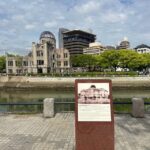
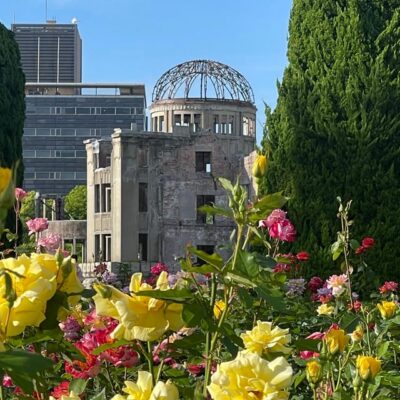
A single frame tells a whole story. This Hiroshima tour is interesting because it pairs the exposed Atomic Bomb Dome with a guided explanation of what the bomb did to a real city, on a real morning in 1945. I also love how the experience is led by local guides, including people who bring personal and family-level context into the story.
Just be aware this is not a comfortable walk. You are shown damage caused by radiation, heat, and shock, and you learn about long-term injuries and the social discrimination survivors faced, so plan for an emotionally heavy few hours.
In This Review
- Key moments you will care about
- Hiroshima, Aug 6, 1945, in two unforgettable stops
- Choosing your meeting point at Hiroshima Port or Otemachi Seven-Eleven
- Atomic Bomb Dome: 20 minutes that sets the tone
- Hiroshima Peace Memorial Museum: 2.5 hours where the story becomes human
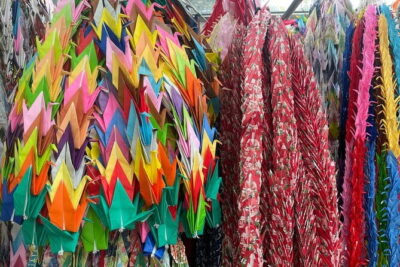
- When Sadako comes up, you will understand why paper birds are used
- What good local guiding looks like in Hiroshima
- Value and price: what you are paying for at $105 per person
- How the 3 to 4 hour pace works for a half-day plan
- What to bring and how to prepare emotionally
- Drop-off choices: where the tour ends
- Should you book this Hiroshima Atomic Bomb Dome and Peace Memorial Museum tour?
- FAQ
- What does this Hiroshima tour include?
- How long is the tour?
- Where do I meet the guide?
- How much time do we spend at the Atomic Bomb Dome?
- How much time do we spend at the Peace Memorial Museum?
- What languages are available for the live guide?
- Is this tour a private group?
- Where do you drop passengers off?
- What is the price per person?
- Are drinks and food included?
Key moments you will care about
- A-bomb Dome exposure: you spend time looking at the surviving steel frame and hearing what it represents
- Museum focus on people: exhibits connect the damage to human suffering, not just dates and facts
- Local guide storytelling: some guides share personal family connections, including direct ties to the bombing
- Hands-on meaning with paper birds: you may make paper birds linked to Sadako, to help the story land
- A short, clear pace: around 20 minutes at the Dome, then about 2.5 hours in the museum
Indoors instead? Galleries and light rooms we visited
- Hiroshima; Hiroshima Peace Memorial Museum and Castle Tour
★ 5.0 · 89 reviews - Hiroshima: Tour of Atomic Bomb Dome & Peace Memorial Museum
★ 5.0 · 20 reviews
Hiroshima, Aug 6, 1945, in two unforgettable stops
Hiroshima hits different because it is both place and evidence. On Aug 6, 1945 at 8:15 in the morning, an atomic bomb was dropped on a city where many people were living, and the blast created radiation, heat rays, and shock waves that devastated buildings across roughly a 10-square-kilometer area around the hypocenter.
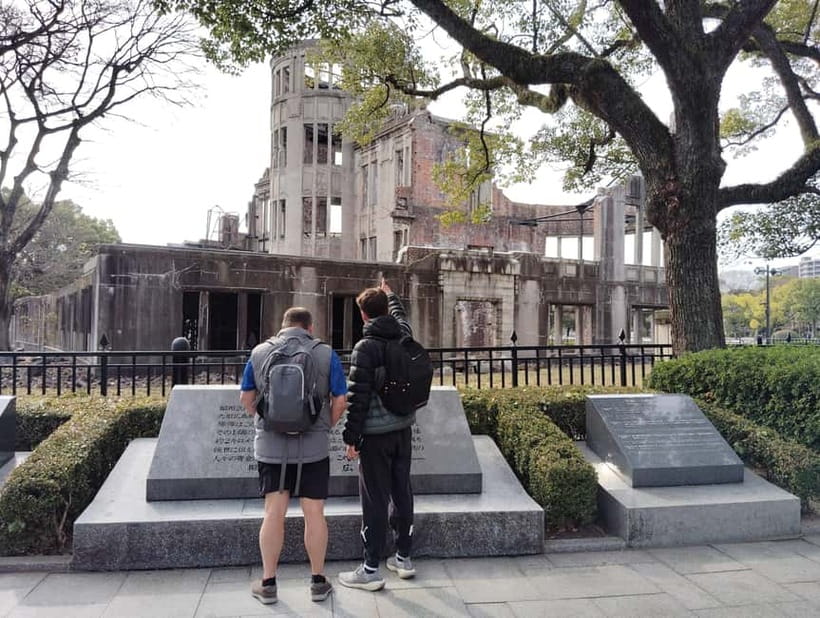
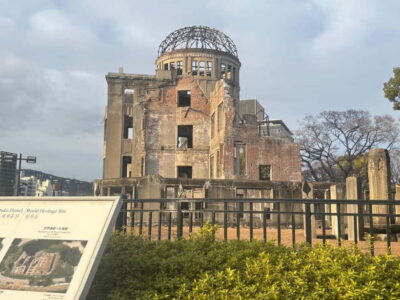
When you see the exposed steel structure of the A-bomb Dome, you are looking at a physical remnant that still asks questions. The Peace Memorial Museum answers those questions with exhibits that explain the damage and the long-lasting impact on survivors, including burns, radiation damage, and discrimination from others.
The best part, for me, is that this is not a quick photo stop. You get a guided route that helps you make sense of what you are seeing, without turning it into something casual.
Choosing your meeting point at Hiroshima Port or Otemachi Seven-Eleven
Your morning starts at one of two locations. You will either meet at Hiroshima Port, or at the Seven-Eleven in Hiroshima Otémachi 1-chome, and your specific meeting point can vary based on the option you book.
I like this because it gives you flexibility if you are arriving from different directions. If you are starting your day by ferry or port area access, Hiroshima Port is an easy anchor. If you are already near the Otemachi area, the Seven-Eleven is a simple landmark to find.
Because this is a private group tour, you are not trying to keep up with a crowd. That matters here, since the subject is intense and you might want a slower rhythm, especially in the museum.
Atomic Bomb Dome: 20 minutes that sets the tone
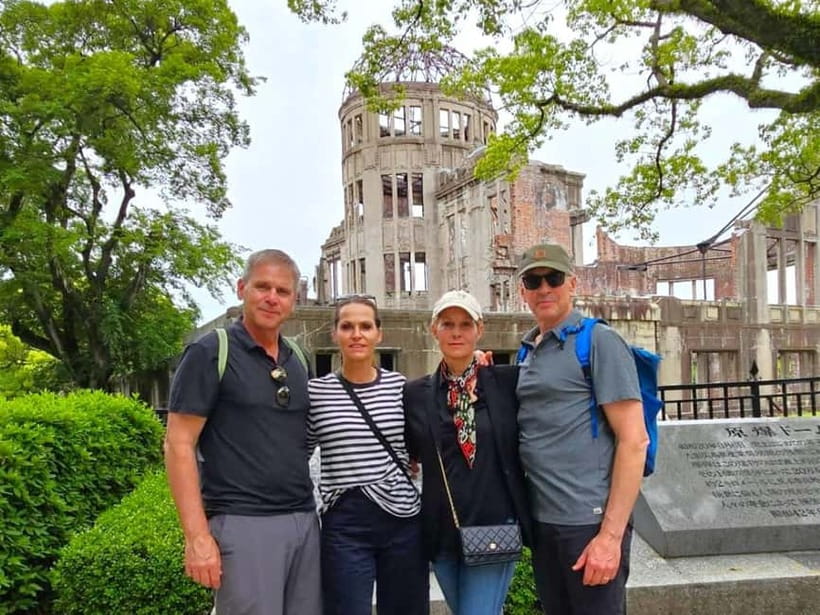
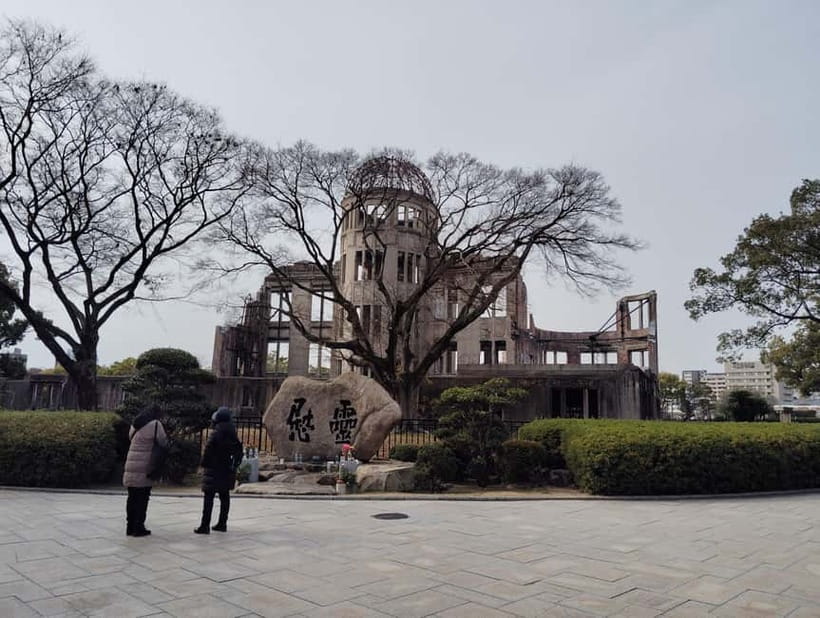
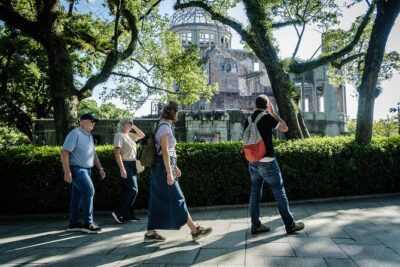
The tour begins with a visit to the Atomic Bomb Dome with guided context, plus sightseeing and a short walk. The time on site is about 20 minutes, so you are not rushing through it, but you are also not stuck too long right away.
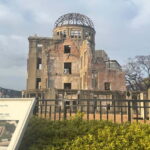
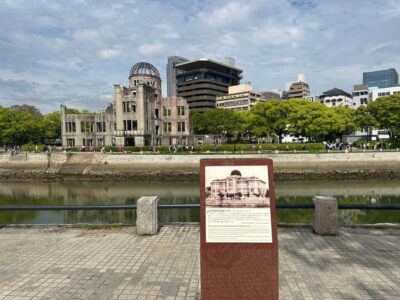
The Dome is UNESCO-listed, and that helps explain why it feels so carefully protected and preserved. More important than the label is the structure itself, especially the exposed steel frame that remains. That detail gives the whole place a strange clarity, like the city is still showing you where the force landed.
What I would do with your guide is listen for the cause and effect links. Radiation, heat rays, and shock waves are not just concepts when you hear how they translate into real-world damage to structures and people. Even in a short visit, that framing changes the way you look at the building.
Practical note: this stop can feel very quiet, even if people are around. Take a breath, plan to stand still for a minute, and let the story settle before you move on.
The Peace Memorial Park and Museum, further guided visits
- Hiroshima Historical Walking Tour – Why A-Bomb was Dropped★ 4.8 · 893 reviews
- Hiroshima Peace (Heiwa) Walking Tour at World Heritage Sites★ 5.0 · 872 reviews
- Hiroshima: Miyajima Peace Memorial Icons of Peace and Beauty★ 4.9 · 361 reviews
- Hiroshima/Guided Virtual Tour of Peace Park/PEACE PARK TOUR VR★ 5.0 · 157 reviews
- Hiroshima: Peace Memorial Park and Atomic Bomb Dome Tour★ 4.9 · 91 reviews
Hiroshima Peace Memorial Museum: 2.5 hours where the story becomes human
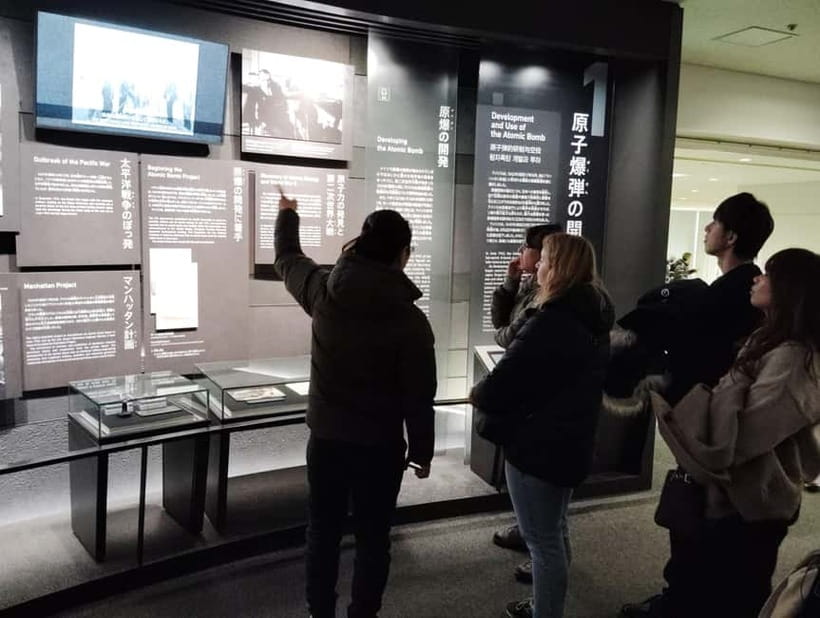
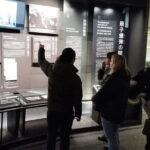
After the Dome, you will head to the Peace Memorial Museum for a guided visit that lasts about 2.5 hours. This is where the tour does its real work, because the museum is built to help you understand what happened and what followed.
You will not just see artifacts. You will learn how the atomic bomb caused catastrophic damage and why more than 100,000 people died in the area centered on the hypocenter. Then you will also hear about what happened to those who survived, including burns and radiation damage, plus the discrimination they faced afterward.
In places like this, a guide can matter more than people expect. With the right pacing, you are not overwhelmed with facts, you are given a path through them. The goal is understanding, not shock for shock’s sake.
I also appreciate that the museum experience is paired with the earlier Dome visit. The Dome gives you a visual anchor. The museum then turns that anchor into a full explanation of impact, timelines, and the human cost.
When Sadako comes up, you will understand why paper birds are used
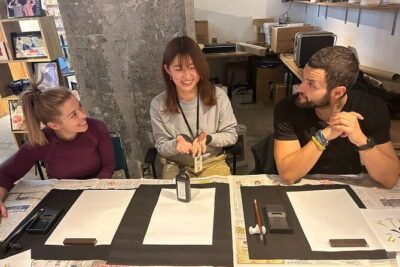
One especially memorable moment from guides on this tour is tying the Hiroshima story to Sadako and the tradition of making paper birds. You might make paper birds as part of the experience, which sounds small, but it is a useful way to help the meaning stick.
This kind of hands-on moment does not replace the museum exhibits. It helps you carry a specific human thread after you leave the galleries, so the story does not evaporate once you walk back outside.
If you are sensitive to emotional content, give yourself permission to pause during those segments. Sit when you can, step away if you need a reset, and come back. A good guide will keep the flow respectful.
What good local guiding looks like in Hiroshima
This tour is led by live guides in English and Japanese, and the private group format gives the guide room to tailor the pacing. I think that is one of the highest-value parts of the experience here, because Hiroshima is full of details that can confuse you if you are trying to self-navigate.
Some guides bring personal family history into the story, including guides like Gordon Michasiw. That type of connection changes the tone. Instead of feeling like a lecture, it can feel like a careful act of remembrance, shared with real care for your understanding.
Another example is Emiko, who is praised for being relaxed while still providing strong background information. That blend is important. You want clarity, but you also need a calm pace so you can absorb what you are learning.
Also, in at least some cases, your guide will add practical local value beyond the main sites. One guide, Gordon Michasiw, has been described as walking guests back and sharing local food tips afterward, which is a nice bonus if you are continuing your day in Hiroshima.
Value and price: what you are paying for at $105 per person
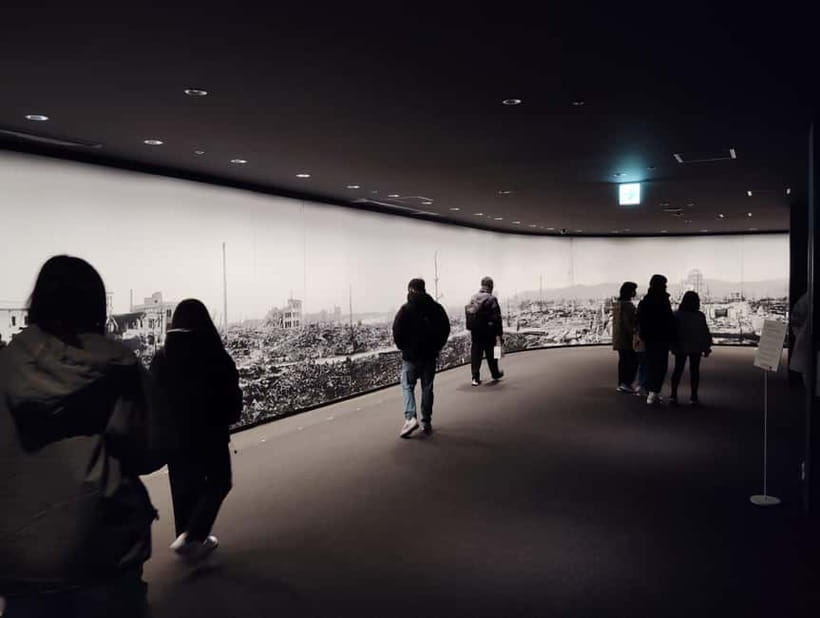
The tour price is $105 per person for a 3 to 4 hour experience. You are not paying only for tickets. Admission to the Peace Memorial Museum and the guide fee are included, and the guided structure is built into the time.
That matters because museum context is hard to recreate on your own. You can absolutely visit both sites independently, but you will be paying in your own attention and effort. A good guide turns a confusing set of exhibits and symbols into a coherent story, which is exactly what you want in Hiroshima.
Drinks and food are not included, so you should budget for a simple snack or water break on your own. If you know you get hungry during intense visits, plan your timing so you do not end up rushing your meal later.
To me, the value here is not just convenience. It is the difference between seeing the sites and understanding what the sites are trying to tell you.
How the 3 to 4 hour pace works for a half-day plan
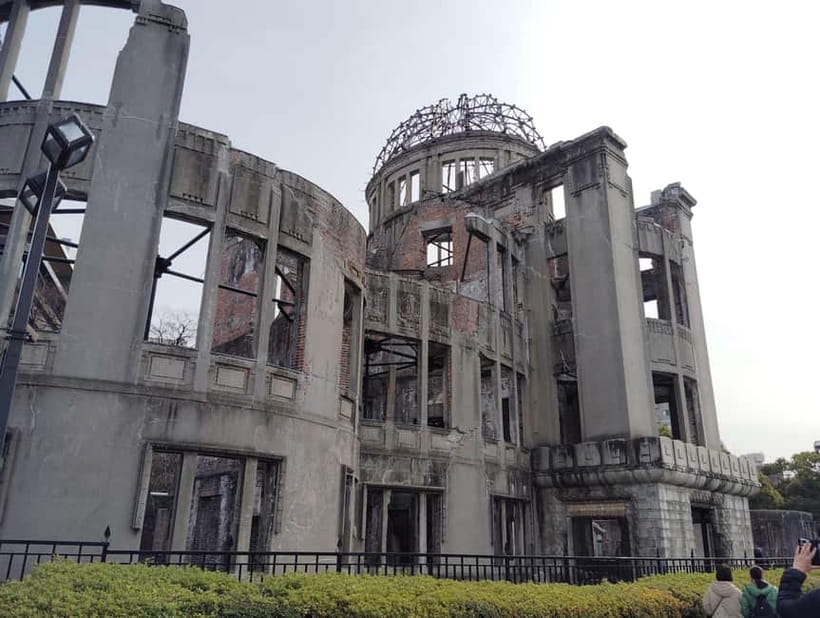
The itinerary is short enough to fit into a day trip, but structured enough to avoid feeling like a checklist. You spend about 20 minutes at the Atomic Bomb Dome and then about 2.5 hours at the museum, with walking time in between.
Because the tour includes guided time rather than only sightseeing, it is easier to keep your attention where it matters. You also avoid the common problem of wandering the museum feeling lost, then rushing the exit.
If you are planning a busy day in Hiroshima, treat this as the main event. Fit other plans around it, not the other way around.
Who this suits best:
- People who want guided context for the Dome and museum
- Anyone who prefers a private group pace rather than a large crowd rhythm
- Visitors who want to leave with a clearer understanding of the bomb’s impact on people
What to bring and how to prepare emotionally
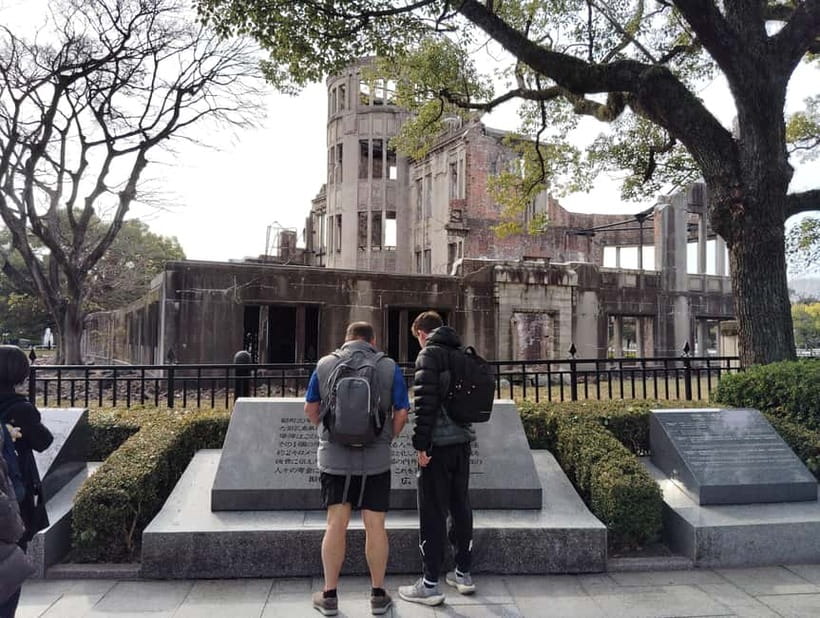
You cannot fully prepare for Hiroshima, but you can prepare your logistics. Since drinks and food are not included, bring water and consider a light snack for before or after the tour. Wear comfortable shoes, because there is walking between stops and time spent standing and moving through museum spaces.
For the emotional side, I recommend mentally switching from sightseeing mode to listening mode. This is about damage caused by radiation, heat, and shock waves, plus what survivors endured afterward. If you are the type who takes notes, bring a small notebook, or at least plan to pause and remember what hits you.
If you feel overwhelmed, it is okay to take a short break. A tour like this is most helpful when you can actually absorb it, not just get through it.
Drop-off choices: where the tour ends
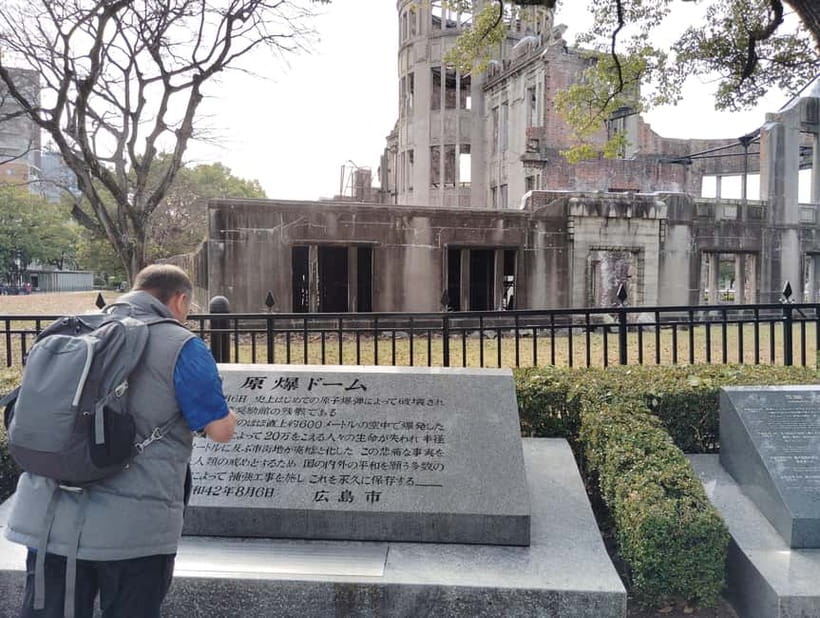
Your drop-off can be at either the Hiroshima Peace Memorial Museum or at Hiroshima Port, depending on the option booked. I like having an end point that lines up with your next move, since Hiroshima days often include extra walking or connections to other plans.
If you plan to stay in the Peace Memorial area longer, ending at the museum makes sense. If you want to keep your day moving toward transport or the port-side zone, dropping at Hiroshima Port can help you avoid backtracking.
Should you book this Hiroshima Atomic Bomb Dome and Peace Memorial Museum tour?
I would book this if you want a guided, respectful way to understand what happened on Aug 6, 1945. The combination of the Atomic Bomb Dome visit and the Peace Memorial Museum, with live English or Japanese guiding, gives you context you would likely miss if you moved through on your own.
I would also book it if you care about how the story is told, not only what is shown. The fact that some guides share personal family history, and that you might do a paper bird moment connected to Sadako, makes the experience feel human and memorable.
Skip it only if you know you are not ready for heavy content. This tour includes information about catastrophic death in the affected area, survivor injuries, and discrimination faced afterward. If that is too much for your current mental state, you can still visit Hiroshima independently later when you feel steadier.
If you are ready for truth, in a guided format, this is a strong use of a half day in Hiroshima. You will leave with the Dome not as a photo, but as an evidence marker, and the museum not as a building, but as a lesson in what people endured.
FAQ
What does this Hiroshima tour include?
It includes a visit to the Atomic Bomb Dome and a visit to the Hiroshima Peace Memorial Museum, with guided time at both stops. Museum admission and the guide fee are included.
How long is the tour?
The duration is listed as 3 to 4 hours.
Where do I meet the guide?
The meeting point may be either Hiroshima Port or Seven-Eleven Hiroshima Otémachi 1-chome, depending on the option booked.
How much time do we spend at the Atomic Bomb Dome?
The Dome visit is scheduled for about 20 minutes, with a guided tour, sightseeing, and walking time.
How much time do we spend at the Peace Memorial Museum?
You spend about 2.5 hours at the Hiroshima Peace Memorial Museum, including guided tour time and sightseeing.
What languages are available for the live guide?
The live tour guide is available in English and Japanese.
Is this tour a private group?
Yes, it is listed as a private group.
Where do you drop passengers off?
Drop-off locations can be either at the Hiroshima Peace Memorial Museum or at Hiroshima Port, depending on the option booked.
What is the price per person?
The price is $105 per person.
Are drinks and food included?
No, drinks and food are not included.
Guided Visits to the Peace Memorial Park

Tokyo Indoors: Galleries and Light Rooms
Newest Hiroshima write-ups from the Loving Japan desk

Hiroshima Peace Memorial Park and Museum, side by side.
 ★ 4.8Hiroshima Historical Walking Tour – Why A-Bomb was DroppedFrom $35893 reviews
 ★ 5.0Hiroshima Peace (Heiwa) Walking Tour at World Heritage SitesFrom $94872 reviews
 ★ 4.9Miyajima Peace Memorial Icons of Peace and BeautyFrom $163361 reviews
 ★ 5.0Hiroshima/Guided Virtual Tour of Peace Park/PEACE PARK TOUR VRFrom $33157 reviews
 ★ 4.9Peace Memorial Park and Atomic Bomb Dome TourFrom $2391 reviews
 ★ 5.0Hiroshima; Hiroshima Peace Memorial Museum and Castle TourFrom $6789 reviews
 ★ 5.0Hiroshima & Miyajima: UNESCO A-Bomb Dome & ItsukushimaFrom $17776 reviews
 ★ 5.0Hiroshima History Tour : A-Bomb Dome, Peace Memorial & CityFrom $10343 reviews