
REVIEW · HIROSHIMA PEACE MEMORIAL PARK AND MUSEUM
Hiroshima & Miyajima: UNESCO A-Bomb Dome & Itsukushima with Local
Miyajima and Hiroshima in one calm, guided day. This private tour strings together UNESCO moments like the Itsukushima Shrine and the Atomic Bomb Dome with a guide who focuses on meaning, not just names and dates. You get hotel pickup from inside Hiroshima and a pace that keeps you moving, but not herded.
Two things I really like: the experience is customizable, so the guide can steer more time toward what matters to you, and the group stays small enough to ask questions as you go. One possible drawback: this is still a walking tour with public transit and several stops, so you should only book if you’re comfortable covering ground.
In This Review
- Key highlights to know before you go
- A 7-hour private route that avoids the rush
- Entering Miyajima through Itsukushima Shrine and the Floating Torii
- Daishoin Temple, Senjokaku, and Omotesando shopping street for local color
- Ferry to Hiroshima, plus your options if you want faster travel
- Atomic Bomb Dome and the Hypocenter monument: what you’ll feel there
- Peace Memorial Park and Hiroshima Peace Memorial Museum (the included core)
- Sadako and the Children’s Peace Monument
- Value, price, and the real cost of getting around
- Guide quality that actually affects your day
- Quick planning checklist (what to do before you book)
- Should you book this Hiroshima and Miyajima private tour?
- FAQ
- What does the $181.19 per person price include?
- Is lunch included in the tour?
- Do I have to pay for transportation during the tour?
- How does pickup work?
- Is this tour private?
- Is this a walking tour?
- Will the Floating Torii Gate look depend on timing?
- Are the Itsukushima Shrine and Peace Memorial Museum entrances included?
- What if the weather is poor?
Key highlights to know before you go
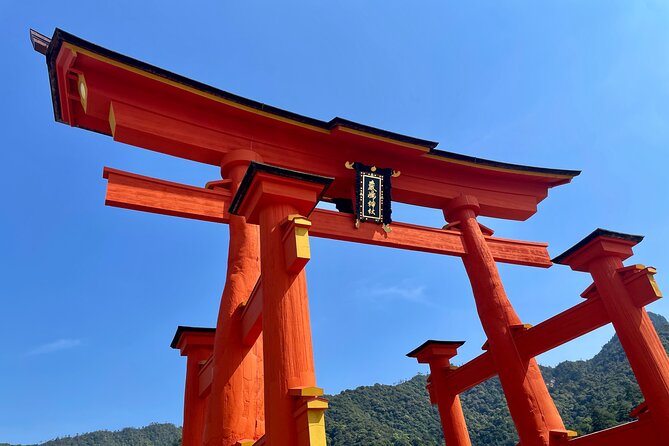
- Floating Torii planning matters, since the gate sits above the water or is partly submerged depending on tide
- Hotel pickup and guide-led timing help you avoid the rush feeling that comes with big group tours
- Itsukushima Shrine and Miyajima temples add depth beyond the postcard view
- Peace Memorial Museum is included, with time set aside to take in photos and documents
- Peace Park key monuments get real context, not just a quick stop photo
The Peace Memorial Park and Museum, further guided visits
- Hiroshima Historical Walking Tour – Why A-Bomb was Dropped
★ 4.8 · 893 reviews - Hiroshima Peace (Heiwa) Walking Tour at World Heritage Sites
★ 5.0 · 872 reviews - Hiroshima: Miyajima Peace Memorial Icons of Peace and Beauty
★ 4.9 · 361 reviews - Hiroshima/Guided Virtual Tour of Peace Park/PEACE PARK TOUR VR
★ 5.0 · 157 reviews
A 7-hour private route that avoids the rush
This is a private tour in the truest sense: it’s built for your group only, with a local guide and live conversation throughout. The tour runs about 7 hours, and you’ll use public transportation most of the time. That combo matters, because you get local rhythm without the stress of coordinating buses and trains yourself.
You also get the kind of help that feels small until you need it: pickup on foot from your Hiroshima hotel or a train station, plus advance consultation where you can talk through what you want to see. Guides in this set-up, including Yuka and Massa, are described as very strong in English and willing to answer lots of questions, which makes the day feel more like a guided visit with a friend who cares.
The route starts on Miyajima and then moves into Hiroshima for the peace sites. One smart detail: the order can be adjusted between Miyajima and Peace Park, depending on your priorities and what timing gives you the best chance of seeing the Floating Torii Gate the way you want.
Entering Miyajima through Itsukushima Shrine and the Floating Torii
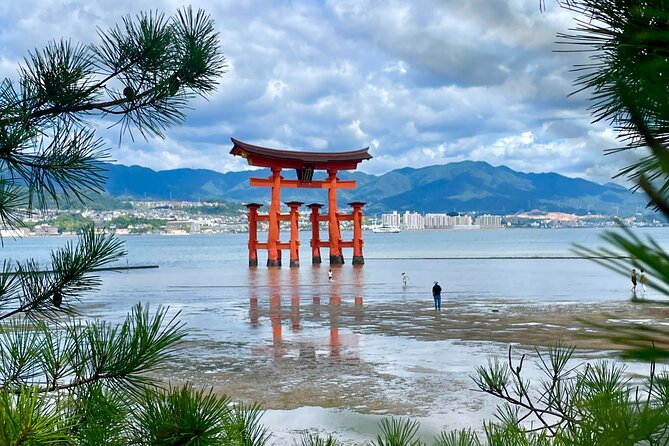
Miyajima is the kind of place where you quickly understand why people call it an island of faith. The tour begins with Itsukushima, a UNESCO-listed sacred island with a long history of worship. If you’re coming for one iconic image, this is it, but the visit works better when you treat it like a living shrine area rather than a photo stop.
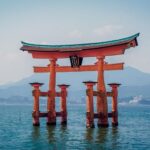
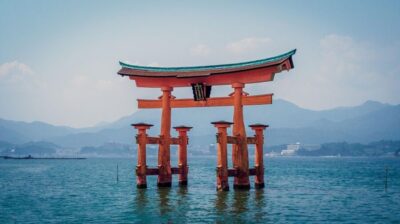
The best-known moment is the Torii Gate that appears to float on the sea. The timing is tide-dependent, so the guide’s plan and your visit window are key. Your best practical move is simple: show up with the mindset that tide can change what you see, and follow the guide’s timing suggestion. The tour note explicitly encourages you to try for high tide if that’s your target look.
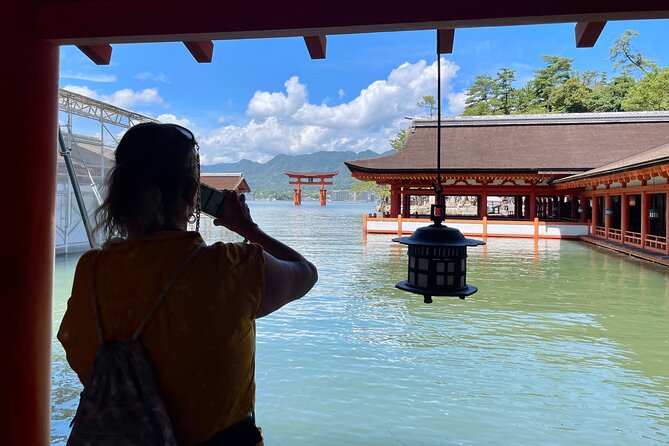
After you see the gate area, you’ll spend time at Itsukushima Shrine itself, including the shrine admission that’s marked as included. This part tends to feel quieter than the walkway chaos near the port, because the space is designed for reverence and slow movement. It’s also a chance to read the place as Shinto space, not just architecture.
Daishoin Temple, Senjokaku, and Omotesando shopping street for local color
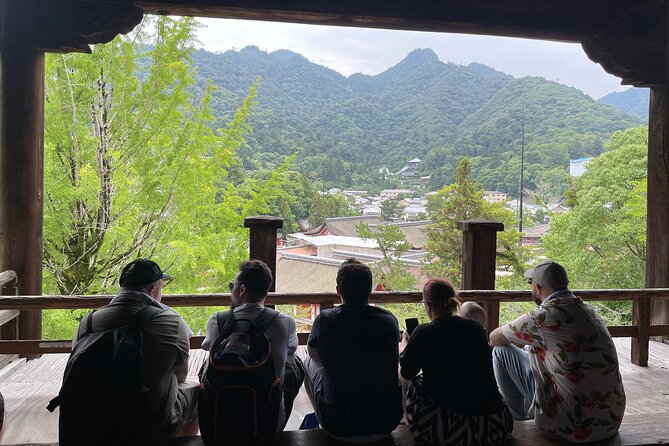
Miyajima isn’t only about the main shrine. You’ll also visit Daishoin Temple, described as Miyajima’s oldest and dating back over 1,200 years. That long timeline can feel abstract until you’re standing in a temple area that still draws pilgrims. Expect a lot to see and do during the allotted time, with free admission for this stop.
Next up is Senjokaku, part of the Itsukushima complex and noted as a UNESCO World Heritage component. It’s from the 16th century and has large hall-like spaces without walls, which can make it feel airy and calm. The tour description flags it as quiet and peaceful, and that fits the overall rhythm of Miyajima when you step away from the busiest viewpoints.
Then you’ll hit Miyajima Omotesando, the main shopping street. This is where the island identity becomes snack-shaped. The route includes time to walk through and look for local specialties like oysters, conger eel rice, momiji manju, plus souvenirs. Since lunch isn’t included in the tour price, this area can become your practical meal plan. Even if you don’t shop much, it’s a useful break from the sacred-site pace.
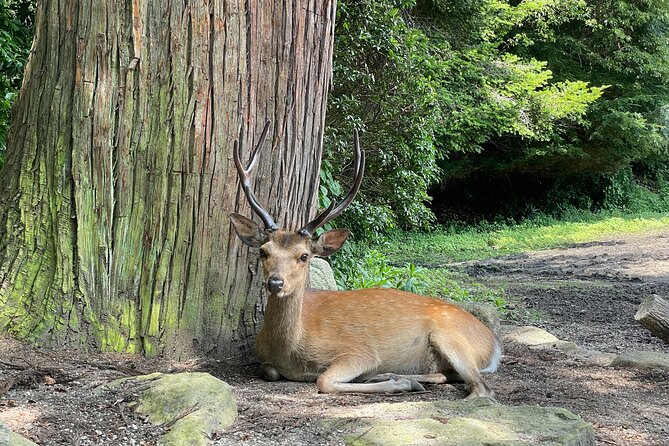
A small but important detail from the on-the-ground vibe: Miyajima has lots of deer roaming around. Keep an eye on footing and bags, and you’ll have less of those little stop-and-start moments that happen when you’re surprised by deer near pathways.
Pairing the city with Miyajima. Other itineraries
- Peaceful Hiroshima & Miyajima UNESCO 1 Day Bus Tour★ 5.0 · 5,309 reviews
- Hiroshima: Hiroshima and Miyajima UNESCO Sites 1-Day Tour★ 4.9 · 2,330 reviews
- Hiroshima / Miyajima Full-day Private Tour with Government Licensed Guide★ 5.0 · 1,298 reviews
- Hiroshima in a Nutshell: Morning Bike Adventure★ 5.0 · 524 reviews
- Hiroshima City 4hr Private Walking Tour with Licensed Guide★ 5.0 · 437 reviews
Ferry to Hiroshima, plus your options if you want faster travel
Once you’re done on Miyajima, you cross back toward Hiroshima. The itinerary includes the move from the Miyajima area toward the Peace Memorial Park area, using ferry, JR, or train, with about 1 hour of travel time noted. There’s also an optional faster route mentioned: a direct boat option that’s about 45 minutes.
This matters because your Peace Park time is the heart of the Hiroshima portion, and it’s easy to lose momentum if transit drags. If you want a more relaxed pace, take the standard public transit plan. If you’re tight on timing or want more time at the museum, ask the guide about the direct boat option and factor in any extra cost that isn’t included.
The itinerary also mentions the option of taking private transportation like fast boats, direct boats, or taxis, with costs ranging broadly depending on the choice. You can treat this as a flexibility tool, not a requirement.
Atomic Bomb Dome and the Hypocenter monument: what you’ll feel there
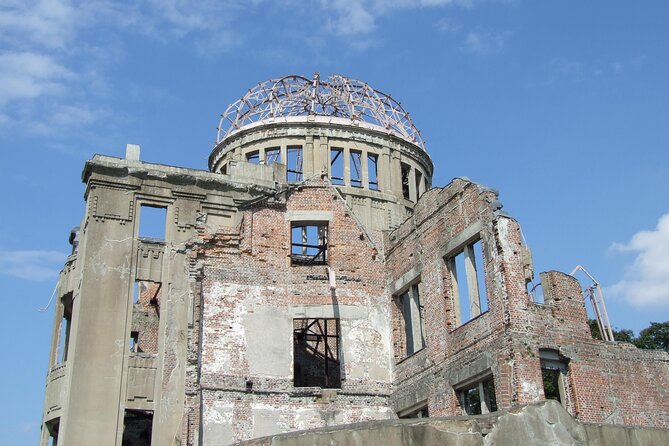
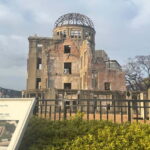
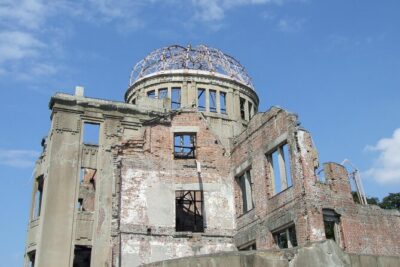
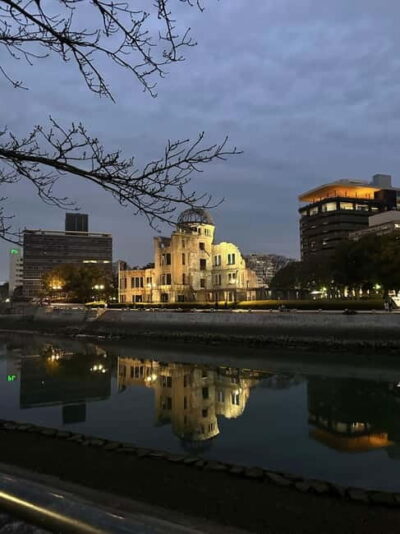
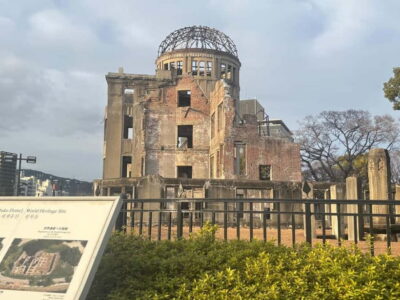
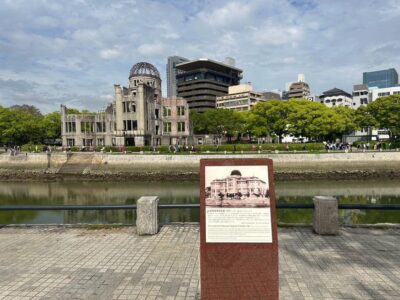
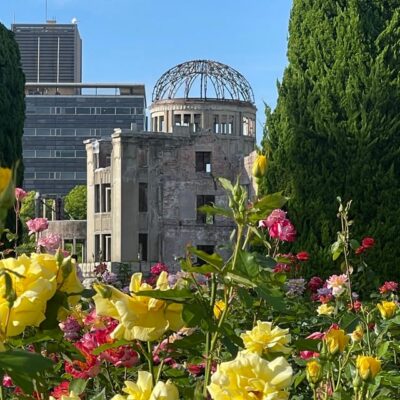
In Hiroshima, you’ll shift from island quiet to city-scale remembrance. The first major Hiroshima stop is the Atomic Bomb Dome, another UNESCO World Heritage site. The structure is famously preserved as a living witness to the devastation of the atomic bombing. Expect a short stop, around 15 minutes, but the guide context is what makes it land.
Right after that is the Hypocenter monument. This is tied directly to where the bomb exploded, noted as 600 meters above a hospital. Even with a brief visit window, being at the hypocenter area helps you grasp the bombing’s scale in a way that a book or video can’t quite replicate.
This is also where the value of a local guide really shows. Guides on this tour, such as Massa, are described as walking people through why the bomb was dropped and what the effects were, with a focus on thoughtful context rather than just timeline facts. If your goal is understanding, not just sightseeing, this is the part of the day that does the heavy lifting.
Peace Memorial Park and Hiroshima Peace Memorial Museum (the included core)
Next is Peace Memorial Park, followed by the Hiroshima Peace Memorial Museum. Peace Park gives you monuments and space to absorb what happened and what rebuilt after. You’ll get about 20 minutes there, which is enough to see the key pieces, especially with a guide pointing out what matters.
Then you move to the museum, where admission is included and about 1 hour is allocated. The museum is described as featuring photos and documents and giving a glimpse into radiation exposure reality. That mix can be intense, and the guided conversation is helpful for making sense of what you’re seeing without feeling lost.
A practical tip from how these sites work: pace your viewing. Don’t try to read everything at once. Let the guide highlight the themes to look for, then spend your time on the sections that hit you personally.
Sadako and the Children’s Peace Monument
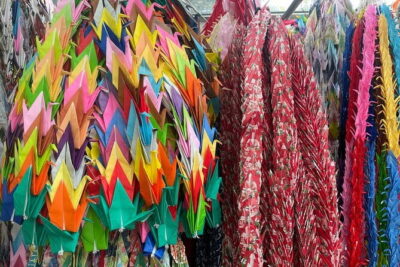
The tour wraps Hiroshima sightseeing with the Children’s Peace Monument, including time to see the story of Sadako and the display of many origami cranes. This stop is shorter, around 10 minutes, but it often becomes one of the most personal moments of the day because it narrows the historical event into human scale.
If you’re traveling with kids or if you want a softer landing after the museum intensity, this is a good final emotional chapter. It isn’t a replacement for the museum, but it gives a different kind of meaning.
Value, price, and the real cost of getting around
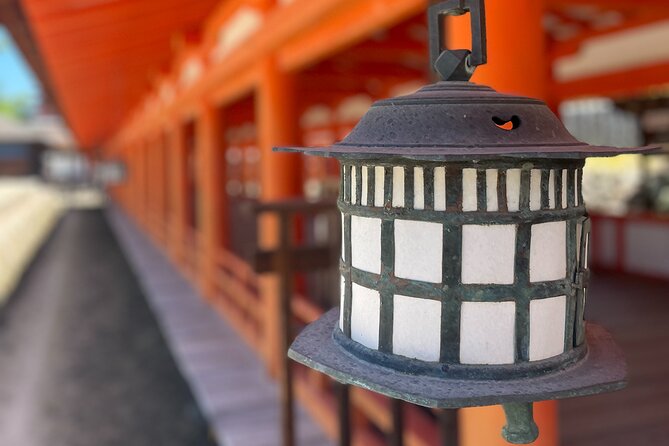
The tour price is listed at $181.19 per person, for about 7 hours with a private local guide, hotel pickup on foot, and included admissions. Included fees specifically cover Itsukushima Shrine and the Peace Memorial Museum.
But you should plan for transportation costs separately. Public transit is noted as ¥1,340 per person (not included). The itinerary also depends on ferry or train timing, and optional upgrades like direct boats or taxis can add cost.
Here’s how I’d think about value: you’re paying for a guide who handles routing, timing, and context, plus included museum and shrine admissions. If you tried to do this on your own, you’d spend time coordinating transit, figuring out shrine complex movement, and deciding how to frame the peace sites. This tour buys you that structure and a more meaningful narrative.
Guide quality that actually affects your day
This kind of day can go one of two ways. You either rush through stops, or you slow down enough to understand why the places matter. The best reviews associated with this experience emphasize guides who are not only fluent, but also flexible.
Yuka and Ally are repeatedly described as engaging, friendly, and ready to answer questions, and Massa is highlighted for adapting pace to visitors while keeping you on track. That pacing piece is underrated on itineraries like this, because Miyajima can eat time quickly and Peace Park can feel emotionally heavy. A guide who adjusts to your rhythm helps you leave feeling informed, not just exhausted.
You also get included tour photo data, plus an advance customization conversation. Those details are small, but they reduce friction and help you focus on the sights instead of managing logistics.
Quick planning checklist (what to do before you book)
This day works best when you prepare for walking and for meaning. Here’s what I’d do:
- Wear comfortable shoes, since it’s a walking tour using public transit
- Decide if you care most about the Floating Torii look at high tide, then align your expectations
- Plan a light snack or meal during Omotesando, since lunch isn’t included
- If you’re sensitive to emotionally intense spaces, slow your pace in Peace Park and the museum
Should you book this Hiroshima and Miyajima private tour?
Book it if you want a day that links UNESCO sights with real context, and you value a guide who can answer questions and adjust pace. The included shrine and museum tickets also help it feel like better value than a basic sightseeing-only plan.
Skip it if you cannot manage a walking tour and several transit segments, or if you’re currently unwell. The experience notes it’s not recommended if you have cold symptoms, and it depends on good weather. If you’re traveling with limited mobility or you dislike standing in lots of lines, you might find a self-guided plan less stressful.
FAQ
What does the $181.19 per person price include?
It includes entrance fees for the Peace Memorial Museum and Itsukushima Shrine, tour photo data, advance customization consultation, a live local tour guide, and pickup service on foot.
Is lunch included in the tour?
No. Lunch is not included, and no food or drinks are listed as included.
Do I have to pay for transportation during the tour?
Yes. Public transportation costs are excluded, and the listed public transport fee is ¥1,340 per person. Private transport options like direct boats or taxis are also listed as optional with separate costs.
How does pickup work?
Pickup is offered from your Hiroshima hotel or a train station, and the itinerary notes pickup on foot.
Is this tour private?
Yes. It’s a private tour, and only your group will participate.
Is this a walking tour?
Yes. The tour is described as a walking tour, and it is not recommended for those who cannot walk long distances.
Will the Floating Torii Gate look depend on timing?
Yes. The Torii Gate floating look depends on the tide, and the tour notes recommend planning your visit around high tide.
Are the Itsukushima Shrine and Peace Memorial Museum entrances included?
Yes. The entrance fee for Itsukushima Shrine and the Peace Memorial Museum is included.
What if the weather is poor?
The experience requires good weather. If it’s canceled due to poor weather, you’ll be offered a different date or a full refund. Free cancellation is also available up to 24 hours before the experience starts.
Hiroshima and Miyajima Together
Guided Visits to the Peace Memorial Park

Newest Hiroshima write-ups from the Loving Japan desk
Hiroshima Peace Memorial Park and Museum, side by side.
 ★ 4.8Hiroshima Historical Walking Tour – Why A-Bomb was DroppedFrom $35893 reviews
 ★ 5.0Hiroshima Peace (Heiwa) Walking Tour at World Heritage SitesFrom $94872 reviews
 ★ 4.9Miyajima Peace Memorial Icons of Peace and BeautyFrom $163361 reviews
 ★ 5.0Hiroshima/Guided Virtual Tour of Peace Park/PEACE PARK TOUR VRFrom $33157 reviews
 ★ 4.9Peace Memorial Park and Atomic Bomb Dome TourFrom $2391 reviews
 ★ 5.0Hiroshima; Hiroshima Peace Memorial Museum and Castle TourFrom $6789 reviews
 ★ 5.0Hiroshima & Miyajima: UNESCO A-Bomb Dome & ItsukushimaFrom $17776 reviews
 ★ 5.0Hiroshima History Tour : A-Bomb Dome, Peace Memorial & CityFrom $10343 reviews
Filed on these lists too