
REVIEW · HIROSHIMA PEACE MEMORIAL PARK AND MUSEUM
Hiroshima Peace Memorial Park: A Guided Tour
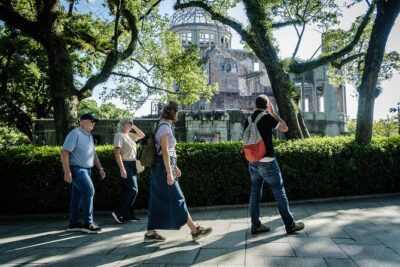
War memory in Japan hits fast. This 2-hour guided walk in Hiroshima Peace Memorial Park brings you face to face with the Atomic Bomb Dome and the Peace Memorial Museum, with an English guide who helps you make sense of what you are seeing without rushing past it.
I especially like the way Shera Alvi keeps the pace human, so you get time to look, absorb, and ask questions. I also like that you do not just tick off famous spots, you pause at several memorials that each highlight a different group of victims and a different thread of the city’s push for peace.
One consideration, this tour is mostly walking on memorial grounds, and it may not feel comfortable if you have heart problems or if you are traveling with kids under 6.
In This Review
- Key Highlights Worth Your Time
- Walking Hiroshima Peace Memorial Park With a Real Guide
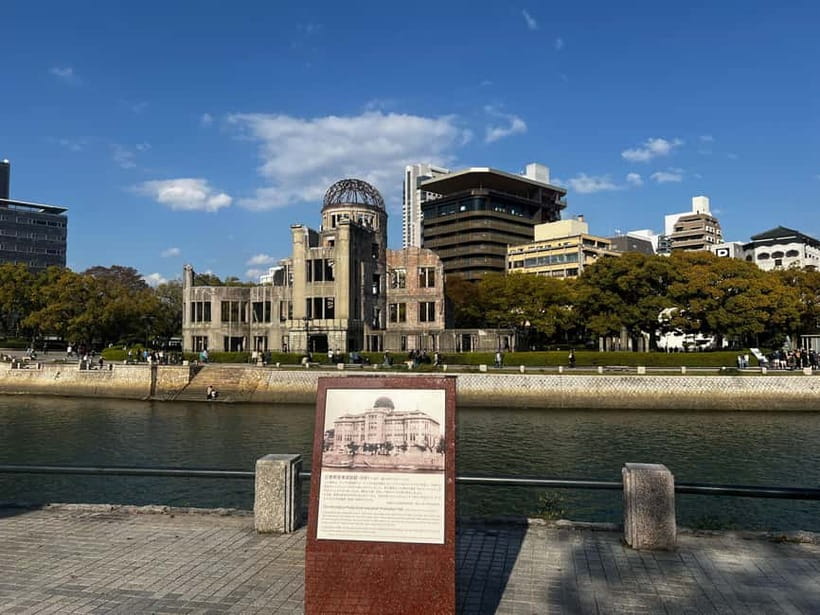
- Atomic Bomb Dome: Start Here, Understand Everything Else Later
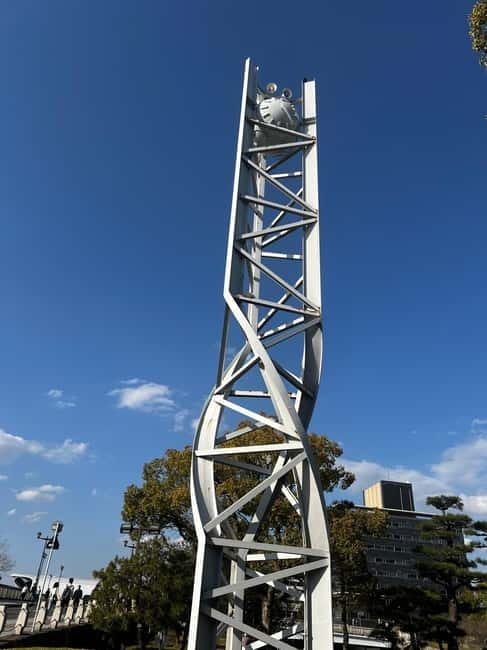
- Clock Tower of Peace and Bell of Peace: Sounds and Time Matter
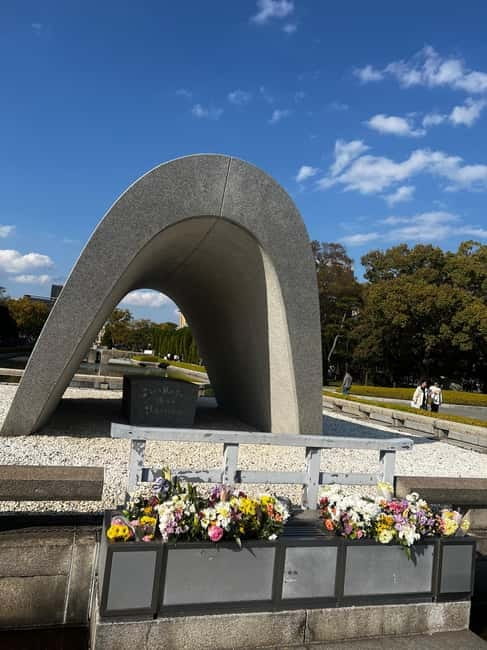
- Korean Atomic Bomb Victims Cenotaph: Remembrance Beyond One Story
- Children’s Peace Monument: The Young Victims You Can’t Ignore
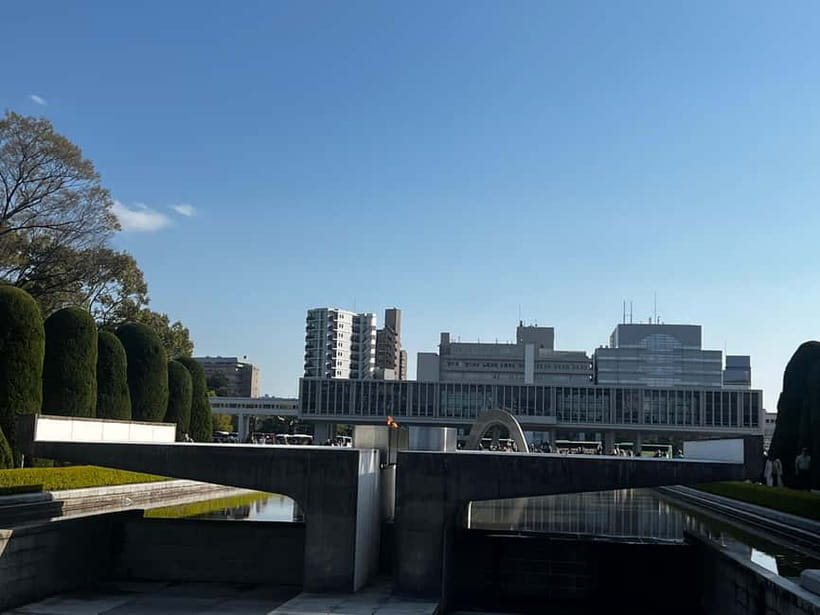
- Hiroshima National Peace Memorial Hall and Peace Flame: Hope in the Middle of Grief
- Bell, Cenotaphs, and the Museum: How the Tour Makes Meaning Stick
- Prayer Fountain, Gates of Peace, and How to End the Walk
- What You Get for $19, and Why It Feels Like Good Value
- Who This Tour Suits Best
- Should You Book Shera Alvi’s Hiroshima Peace Memorial Park Tour?
- FAQ
- How long is the Hiroshima Peace Memorial Park guided tour?
- Where do I meet the guide?
- Is the tour offered in English?
- How many people are in the group?
- What key sites are included, and are there rules at memorial areas?
- What should I bring?
- Is the tour suitable for young children or people with health concerns?
- Is free cancellation available?
Key Highlights Worth Your Time
- Atomic Bomb Dome first, so the tour starts with the strongest visual impact right away
- Peace Memorial Museum explained clearly, helping you connect August 6, 1945 to what came after
- Cenotaph for the A-bomb Victims and Peace Flame, for quiet reflection and a clear peace message
- Children’s Peace Monument, focused on young victims and the loss felt by families
- Smaller group size (up to 10), which makes it easier to hear the guide and keep a thoughtful pace
- More than one memorial, including Korean Atomic Bomb Victims memorials and the Mobilized Students area
The Peace Memorial Park and Museum, further guided visits
- Hiroshima Historical Walking Tour – Why A-Bomb was Dropped
★ 4.8 · 893 reviews - Hiroshima Peace (Heiwa) Walking Tour at World Heritage Sites
★ 5.0 · 872 reviews - Hiroshima: Miyajima Peace Memorial Icons of Peace and Beauty
★ 4.9 · 361 reviews - Hiroshima/Guided Virtual Tour of Peace Park/PEACE PARK TOUR VR
★ 5.0 · 157 reviews
Walking Hiroshima Peace Memorial Park With a Real Guide
Hiroshima Peace Memorial Park can feel heavy in a way that is hard to describe before you are there. The big benefit of a guided tour is simple: someone puts order on the emotions. They help you understand what each stone, wall, and building is asking you to notice.
This is a small-group experience, limited to 10 participants, and it runs for about 2 hours. That matters. You are not stuck in a long bus-style shuffle, and you are not sprinting from stop to stop. You get guided time at each point, plus a little breathing space so your brain catches up.
English guidance is another practical win. You will still need to slow down on your own at memorial sites, but having Shera Alvi translating the meaning and background helps you avoid that frustrating feeling of walking through without really knowing what you are looking at.
Atomic Bomb Dome: Start Here, Understand Everything Else Later
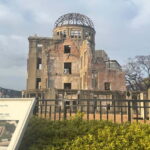
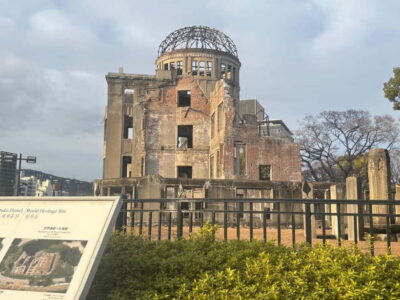
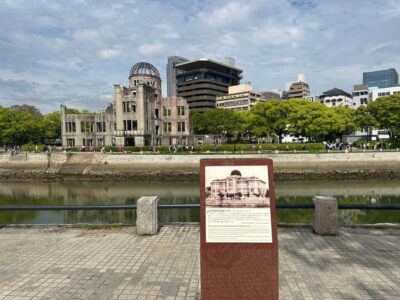
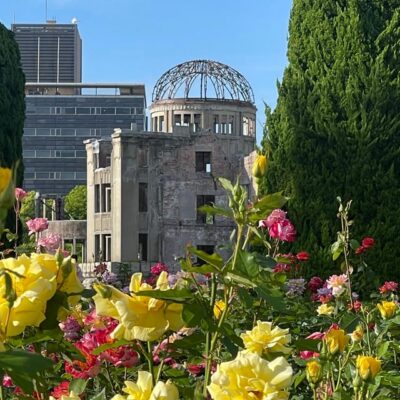
You begin at the Atomic Bomb Dome, and it makes sense. Seeing it first anchors the whole tour. The building is a haunting reminder of what survived, what did not, and how Hiroshima rebuilt around memory.
During the guided time at the Dome, you get context for why it is such a powerful symbol. It is not only about the structure itself. It is about what the city chose to keep visible and what that choice says to the present.
Practical tip: bring your camera, but also plan a minute with your eyes only. Photography is allowed, yet the site is designed for reflection. I find it helps to take one photo early, then spend the rest of the time looking without trying to capture everything.
Clock Tower of Peace and Bell of Peace: Sounds and Time Matter
After the Dome, the route moves toward two spots that deal in time and signal.
The Clock Tower of Peace is a short stop, but it is a meaningful one. A clock is not subtle. It turns history into something measurable, and it hints at urgency, waiting, and responsibility.
Then comes the Bell of Peace in Hiroshima. Bells are meant to carry across distance. Here, the sound theme connects directly to the tour’s overall message: remembering the dead is part of building a future where the same disaster is not repeated.
Even if you only spend about 10 minutes at each of these points with the guide, the value is in what you learn about them. You start noticing how the park uses small details to teach big ideas.
Pairing the city with Miyajima. Other itineraries
- Peaceful Hiroshima & Miyajima UNESCO 1 Day Bus Tour★ 5.0 · 5,309 reviews
- Hiroshima: Hiroshima and Miyajima UNESCO Sites 1-Day Tour★ 4.9 · 2,330 reviews
- Hiroshima / Miyajima Full-day Private Tour with Government Licensed Guide★ 5.0 · 1,298 reviews
- Hiroshima in a Nutshell: Morning Bike Adventure★ 5.0 · 524 reviews
- Hiroshima City 4hr Private Walking Tour with Licensed Guide★ 5.0 · 437 reviews
Korean Atomic Bomb Victims Cenotaph: Remembrance Beyond One Story
One of the strongest reasons to take a guided route here is coverage. The park does not focus on Hiroshima alone in a narrow way. You also visit the Korean Atomic Bomb Victims Cenotaph, a dedicated memorial that recognizes victims whose stories are sometimes left out of mainstream retellings.
This stop is brief, but it is not superficial. The guide’s role is to help you understand who the memorial is honoring and why it belongs in the broader pattern of remembrance.
If you care about accuracy and context, this is the sort of addition that makes the tour feel worth it. Without help, you might notice the memorial, take a photo, and move on. With a guide, you are more likely to pause long enough to truly read the intent.
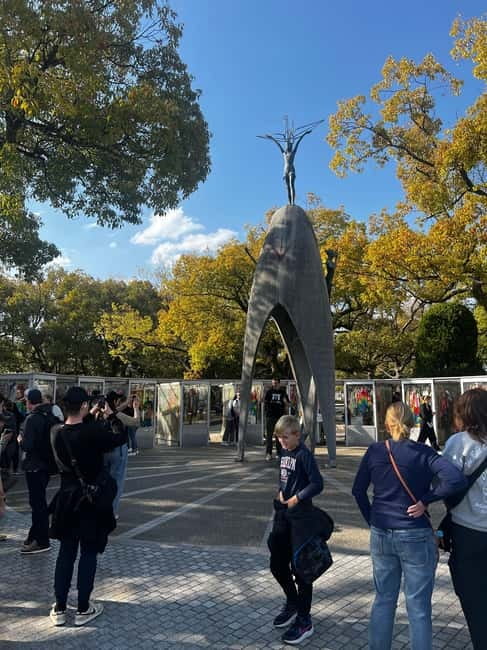
Children’s Peace Monument: The Young Victims You Can’t Ignore
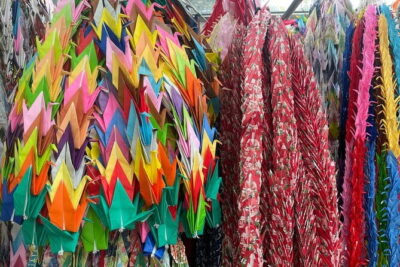
The Children’s Peace Monument is one of the stops that visitors tend to remember most. It centers young victims, reminding you that war damage is not only numbers, it is lives cut short and families changed forever.
This is another about 10-minute guided stop, which is just enough time to take in the message without turning it into a quick photo stop. The guide helps you connect the monument’s focus to the rest of the park’s themes.
If you are visiting with teenagers or you are traveling as a family group, this stop can be especially powerful. For little kids, though, keep in mind the tour is not suited for children under 6. The subject matter and the pace are not built for small attention spans.
Hiroshima National Peace Memorial Hall and Peace Flame: Hope in the Middle of Grief
Next on the route, you reach Hiroshima National Peace Memorial Hall and the Peace Flame.
The hall adds structure. It is where the story expands beyond monuments and into a wider explanation of the war’s impact and what Hiroshima chose to do afterward. The point is not to overwhelm you. It is to give you a clearer map of the events surrounding August 6, 1945 and the aftermath.
Then you reach the Peace Flame, which is a symbol of hope for a nuclear-free world. This is one of those places where the emotional tone changes slightly. Not because the tragedy is forgotten, but because the park insists on action.
That is a big deal for a visitor. If all you get is sorrow, you leave heavy and helpless. If you also get hope, even quiet hope, the experience feels like it has a direction.
Bell, Cenotaphs, and the Museum: How the Tour Makes Meaning Stick
The route includes several memorial points where you pause at cenotaph-style tributes. You will also visit additional memorial areas, including the Hiroshima Victims Memorial Cenotaph and parts of the park that recognize specific groups, such as mobilized students and the Korean Atomic Bomb Victims Memorial area.
Why does this matter? Because the park is not one single narrative. It is a collection of perspectives. The guided format helps you notice how each memorial contributes a different angle.
Then comes the Hiroshima Peace Memorial Museum. The museum is where the tour gains depth. During the guided time inside, you learn about what happened on August 6, 1945 and how survivors and the city were affected in the aftermath.
A good guide makes a museum visit feel organized, not chaotic. In this case, Shera Alvi’s style stands out. The pace is described as easy, and the guidance includes just enough background that the exhibits start making sense quickly. You also get time to absorb instead of being yanked through like a checklist.
Practical tip: wear comfortable shoes. Even with guided timing, you will be moving around the park. This tour is best for people who can handle steady walking without rushing.
Prayer Fountain, Gates of Peace, and How to End the Walk
The last stretch is built for closure. You pass the Prayer Fountain, then finish at the Gates of Peace.
That ending location is not an accident. It frames the experience with a final visual cue that the park is about more than remembering. It is also about continuing. The gates are a literal boundary, but they also feel like a symbolic transition from the memorial spaces into your own next steps.
When I think about value here, I think about this finish. If you go alone, it is easy to feel unsure about what to focus on. With the guided route, you get a clear emotional arc, from the Dome’s raw impact, to the museum’s explanation, to the park’s peace symbolism.
What You Get for $19, and Why It Feels Like Good Value
At $19 per person for about 2 hours, this tour is priced like a practical add-on rather than a luxury experience. The value comes from three things.
First, you get a guided explanation at multiple locations. You are not paying just for a walk. You are paying for someone to help you understand what you are seeing.
Second, the small-group format matters. Up to 10 participants means it is easier to hear the guide and easier for Shera Alvi to keep the pace thoughtful. A larger group often turns memorial sites into a fast line. Here, the tempo stays calm.
Third, the tour covers a wide set of memorials, including the Atomic Bomb Dome, Peace Memorial Museum, cenotaphs, Children’s Peace Monument, Peace Flame, and additional remembrance areas. That breadth makes it harder to replicate on your own without doing lots of pre-reading.
Who This Tour Suits Best
This is a strong choice if you want:
- an organized, respectful route through Hiroshima Peace Memorial Park
- English explanations that help you connect the Dome, museum, and memorial symbols
- a small group experience with a guide who responds to the group dynamic
It may not be your best fit if:
- you cannot handle walking through memorial grounds
- you have heart problems
- you are traveling with kids under 6
- you are looking for a casual, cheerful sightseeing vibe (this is remembrance, not entertainment)
Should You Book Shera Alvi’s Hiroshima Peace Memorial Park Tour?
If you want to understand Hiroshima Peace Memorial Park instead of just visiting it, I would book this. The main reason is the combination of a clear route, a calm pace, and an English guide who knows how to explain what the park is saying.
If you already have deep background and you like reading everything at your own speed, you might be able to do parts alone. But for most visitors, the guided stops make the experience more meaningful and less confusing.
My call: book it if you want a respectful, well-timed visit with Shera Alvi guiding you through the Dome, museum, cenotaphs, and the memorial symbols of peace.
FAQ
How long is the Hiroshima Peace Memorial Park guided tour?
The tour lasts about 2 hours.
Where do I meet the guide?
Meet at the Atomic Bomb Dome. Coordinates: 34.395483, 132.453592.
Is the tour offered in English?
Yes, the tour guide provides the tour in English.
How many people are in the group?
The tour is a small group with a maximum of 10 participants.
What key sites are included, and are there rules at memorial areas?
The tour includes the Atomic Bomb Dome and the Peace Memorial Museum, plus stops such as the Clock Tower of Peace, Bell of Peace, Cenotaph for the A-bomb Victims, Children’s Peace Monument, Peace Flame, and Gates of Peace. Photography is allowed, and food is not allowed. Respectful behavior is expected at all memorial sites.
What should I bring?
Bring comfortable shoes, a camera, and water.
Is the tour suitable for young children or people with health concerns?
It is not suitable for children under 6. It is also noted as not suitable for people with heart problems.
Is free cancellation available?
Yes, you can cancel up to 24 hours in advance for a full refund.
Hiroshima and Miyajima Together
Guided Visits to the Peace Memorial Park

Newest Hiroshima write-ups from the Loving Japan desk

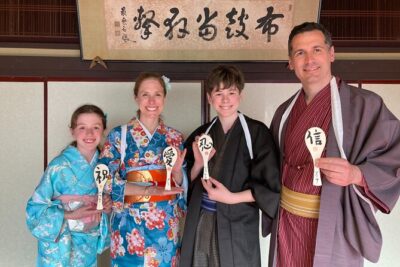
Hiroshima Peace Memorial Park and Museum, side by side.
 ★ 4.8Hiroshima Historical Walking Tour – Why A-Bomb was DroppedFrom $35893 reviews
 ★ 5.0Hiroshima Peace (Heiwa) Walking Tour at World Heritage SitesFrom $94872 reviews
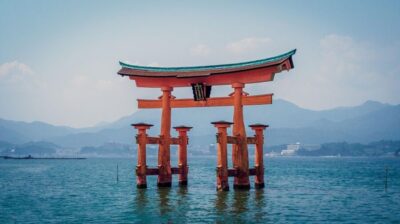 ★ 4.9Miyajima Peace Memorial Icons of Peace and BeautyFrom $163361 reviews
 ★ 5.0Hiroshima/Guided Virtual Tour of Peace Park/PEACE PARK TOUR VRFrom $33157 reviews
 ★ 4.9Peace Memorial Park and Atomic Bomb Dome TourFrom $2391 reviews
 ★ 5.0Hiroshima; Hiroshima Peace Memorial Museum and Castle TourFrom $6789 reviews
 ★ 5.0Hiroshima & Miyajima: UNESCO A-Bomb Dome & ItsukushimaFrom $17776 reviews
 ★ 5.0Hiroshima History Tour : A-Bomb Dome, Peace Memorial & CityFrom $10343 reviews
Filed on these lists too