
REVIEW · HIROSHIMA PEACE MEMORIAL PARK AND MUSEUM
Hiroshima Peace Park & Atomic Bomb Dome Guided Walk
This tour asks you to slow down, then look closely. It guides you through Hiroshima Peace Memorial Park with stop-by-stop context, from the Gates of Peace to the Atomic Bomb Dome. Even if you think you already know the basics, the way the route is paced makes it easier to connect the dots without rushing.
I especially love the moments of reflection, like the Fountain of Prayer. Another standout is the Peace Memorial Museum stop, where you get a structured look at what happened on August 6, 1945. One possible drawback: this is a lot of walking with timed segments, and the info notes it is not suitable for people with mobility impairments, and it also says wheelchair users may not be a good fit.
In This Review
- Key Points That Make This Walk Worth It
- Why This Walk Works Better Than a Self-Guided Stroll
- Meeting at the Gates of Peace, and How the 2-Hour Pace Feels
- The Guided Route, Stop by Stop at the Peace Memorial Park
- Gates of Peace, where unity is the starting point
- Dr. Marcel Junod’s monument, a reminder that help reached survivors
- Fountain of Prayer and Flame of Peace, remembrance with purpose
- Peace Memorial Museum and the Rest House, where you learn the timeline
- Hiroshima Victims Memorial Cenotaph, then the Children’s Peace Monument
- Korean Victims Memorial, a perspective that deserves time
- Peace Bell and Peace Tower, where the park turns hope into an action
- Atomic Bomb Dome, the final visual anchor
- Hypocenter Monument, the pause that brings it back to a single moment
- Value and Price, Is $21 a Good Deal for Two Hours?
- Who This Tour Fits Best (and Who Should Rethink It)
- Practical Tips to Make Your Visit More Comfortable
- Should You Book This Hiroshima Peace Memorial Park Guided Walk?
- FAQ
- How long is the Hiroshima Peace Park & Atomic Bomb Dome guided walk?
- What is the price per person?
- Where do I meet for the tour?
- What languages are the live guides available in?
- Is Peace Memorial Museum entry included?
- What memorial stops are included in the tour?
- Are meals included?
- Are you allowed to eat inside the museum?
- Is hotel pickup and drop-off included?
- Is this tour wheelchair accessible?
- What is the cancellation policy?
Key Points That Make This Walk Worth It
- Adina’s explanations make the memorials feel intentional, not just scenic
- Peace Memorial Museum entry is included, so you are not piecing things together on your own
- Dr. Marcel Junod’s monument highlights how aid and care mattered to survivors
- Korean victims and Children’s Peace Monument add perspectives that many first-time visits miss
- Peace Bell and Peace Tower turn commemoration into an active gesture of hope
- Atomic Bomb Dome and the Hypocenter Monument help you end with the clearest, most grounded sense of place
The Peace Memorial Park and Museum, further guided visits
- Hiroshima Historical Walking Tour – Why A-Bomb was Dropped
★ 4.8 · 893 reviews - Hiroshima Peace (Heiwa) Walking Tour at World Heritage Sites
★ 5.0 · 872 reviews - Hiroshima: Miyajima Peace Memorial Icons of Peace and Beauty
★ 4.9 · 361 reviews - Hiroshima/Guided Virtual Tour of Peace Park/PEACE PARK TOUR VR
★ 5.0 · 157 reviews
Why This Walk Works Better Than a Self-Guided Stroll
Hiroshima’s Peace Memorial Park can feel like a lot at once. You are surrounded by powerful symbols, and if you do not have a guide, it is easy to treat it like a checklist. This guided format helps you take in each stop with context, then move on while the meaning is still fresh.
What I like most is that the tour builds a message. You start at the Gates of Peace, then progress through memorials that cover victims, aid, remembrance, and hopes for a nuclear-free world. The route ends with the Atomic Bomb Dome and a pause at the Hypocenter, so the final impression is not abstract. It is specific, physical, and hard to forget.
Meeting at the Gates of Peace, and How the 2-Hour Pace Feels
You meet at the Gates of Peace, in front of an Italian restaurant. The tour runs about 2 hours, and the schedule is organized as short guided segments, so you are not stuck in one long lecture.
The practical stuff matters here. Wear comfortable shoes, and bring water and sunscreen. A camera helps, but the lighting can change quickly, so try to plan for a mix of wider shots and close details. The tour includes the museum entry, but food and drinks are not allowed inside the museum, so keep snacks for outside if you need them.
One more thing to flag: the activity info says wheelchair accessible, yet it also lists not suitable for wheelchair users and people with mobility impairments. If accessibility matters for you, I would treat that as a red flag and double-check with the provider before booking.
The Guided Route, Stop by Stop at the Peace Memorial Park
This is not just a tour of famous monuments. It is a guided sequence of places that each carry a different role in the story, from prayers to evidence to remembrance. Below is what you can expect as the tour moves through the grounds.
Pairing the city with Miyajima. Other itineraries
- Peaceful Hiroshima & Miyajima UNESCO 1 Day Bus Tour★ 5.0 · 5,309 reviews
- Hiroshima: Hiroshima and Miyajima UNESCO Sites 1-Day Tour★ 4.9 · 2,330 reviews
- Hiroshima / Miyajima Full-day Private Tour with Government Licensed Guide★ 5.0 · 1,298 reviews
- Hiroshima in a Nutshell: Morning Bike Adventure★ 5.0 · 524 reviews
- Hiroshima City 4hr Private Walking Tour with Licensed Guide★ 5.0 · 437 reviews
Gates of Peace, where unity is the starting point
The tour begins at the Gates of Peace, a symbolic entry point meant to represent global unity. Even before you get to the heavier memorials, this stop sets the tone. You are reminded that this space is not only about mourning. It is also about the idea that people can choose a different future.
The guided moment here is short, but it helps you look at everything that follows as part of one overall message rather than separate sights.
Dr. Marcel Junod’s monument, a reminder that help reached survivors
Next you visit the Monument of Dr. Marcel Junod, a Swiss doctor who aided survivors. This is one of those stops that changes the emotional balance. It is not only about loss, it is about actions and people who tried to care for others in the aftermath.
If you only know Hiroshima in broad strokes, this monument adds a human layer. You start to see the story as events that moved through real lives, not only headline moments.
Fountain of Prayer and Flame of Peace, remembrance with purpose
The tour includes the Fountain of Prayer, a quiet place designed for reflection on the victims of the atomic bomb. You pause in a way that feels more respectful than a quick photo stop.
After that, you see the Flame of Peace, which represents a commitment to a nuclear-free world. I like that this is not treated like a slogan. It is tied to the rest of the park’s message, so hope feels like a decision, not a mood.
Peace Memorial Museum and the Rest House, where you learn the timeline
The Peace Memorial Museum is a major part of the experience because it gives you the historical backbone for everything else you will see. The tour includes entry, so you do not have to buy anything separately.
You also visit the Rest House, which works like a witness to the past. Together, these stops give context that makes the outdoor memorials more legible. Without that background, some people walk past the signs and symbols without really knowing what they refer to. With the museum stop included, your outdoor route feels less confusing.
Practical note: the museum has rules, and you will want to respect them. Food and drinks are not allowed inside the museum, so plan to keep hands free for listening and photos.
Hiroshima Victims Memorial Cenotaph, then the Children’s Peace Monument
You stop at the Hiroshima victims memorial area, a victims memorial cenotaph that centers the people lost. This is one of those places where you notice how the park directs attention. It is not random. The design nudges you toward the meaning.
Then you visit the Children’s Peace Monument. This is a heavy stop, but it matters because it prevents the tragedy from becoming too general. It forces the story down to the scale of young lives lost, not just damage and numbers.
Korean Victims Memorial, a perspective that deserves time
The tour includes the Korean Victims Memorial. This stop specifically pays tribute to Koreans who perished. I appreciate that the route does not treat this as a side note. It is presented as part of the memorial landscape, which helps you understand that the impact was broader than one community.
If you want your Hiroshima visit to feel complete, this is the kind of stop that makes it so. It also helps you avoid the common trap of thinking about one group only.
Peace Bell and Peace Tower, where the park turns hope into an action
Later, you experience the Peace Bell and visit the Peace Tower. The bell experience is a real moment, not just a photo. Ringing it for global harmony fits the park’s theme of hope and accountability.
The Peace Tower stop ties it together visually, helping you connect the symbolism to the human desire for a safer world. If you are visiting with family or friends, this part can be the easiest to share, because it has a simple, physical action paired with a serious message.
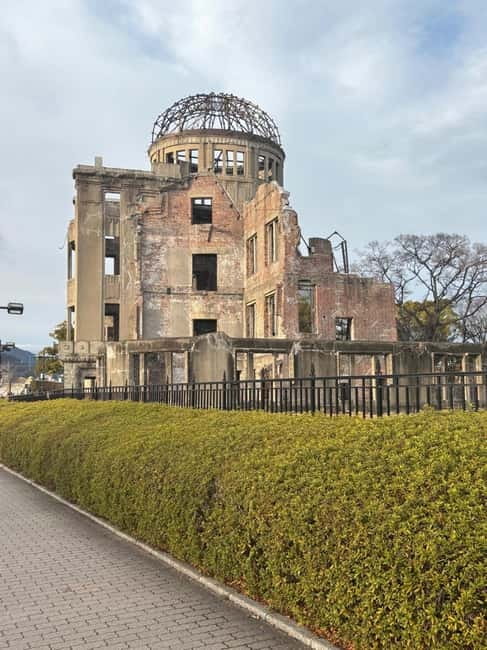
Atomic Bomb Dome, the final visual anchor
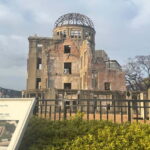
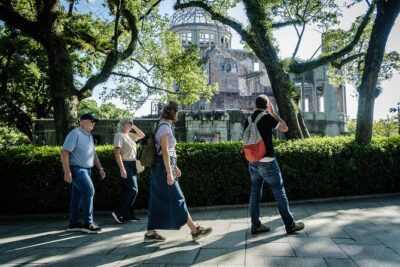
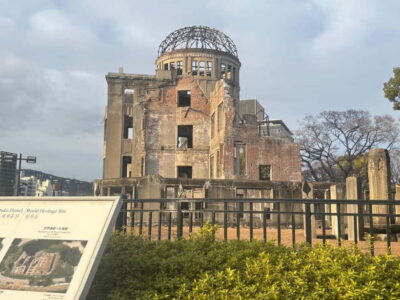
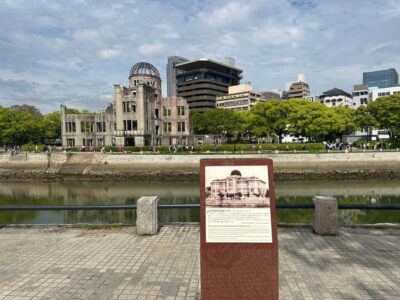
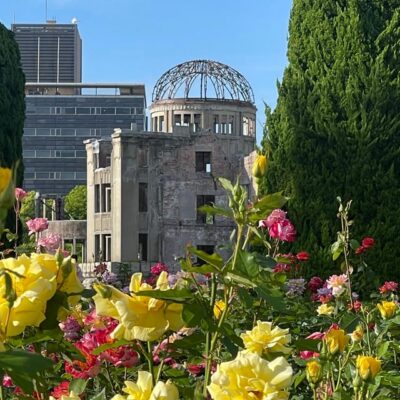
The tour ends with the Atomic Bomb Dome, one of the most recognizable reminders of devastation. Even if you have seen pictures already, being there changes the feeling. The building’s presence makes the story harder to file away as distant history.
This stop functions like a visual anchor for everything you learned earlier. You have already reflected at the prayer fountain, learned in the museum, and paid tribute at the memorials. The Dome then becomes the place where that knowledge and emotion converge.
Hypocenter Monument, the pause that brings it back to a single moment
The experience also includes the Hypocenter Monument, where you pause to reflect on the moment that changed history. I like that the tour does not rush past this. It gives you a chance to hold the significance of a single, defining moment and consider what it means in the present.
Value and Price, Is $21 a Good Deal for Two Hours?
At $21 per person, this tour can feel like a bargain because it includes far more than outdoor narration. You get a guided walk through multiple memorial sites, plus Peace Memorial Museum entry. If you are comparing it to what you would spend assembling the same route on your own, the included museum access and guided pacing make the value clearer.
It is also efficient for time. Two hours is long enough to cover the major stops without turning into a full day project. If you are in Hiroshima for a tight schedule, this can be a strong use of your limited sightseeing window.
Where value gets even better is the way the guide handles meaning. From the reviews, the name that comes up most is Adina, and the praise focuses on how well he explains what you are looking at, taking time to answer and make the experience feel purposeful. That kind of guiding is not just comfort. It is how you actually get value from a memorial setting.
Who This Tour Fits Best (and Who Should Rethink It)
This walk is a good fit if you want:
- A guided route through Peace Memorial Park with museum context included
- A focus on remembrance that covers multiple perspectives, including the Korean victims memorial and the Children’s Peace Monument
- Explanations in English, Urdu, and Hindi, which helps if you are traveling with friends or family who prefer a specific language
It may be less suitable if:
- You cannot do sustained walking, since the experience is organized around short timed stops across the grounds
- You use a wheelchair or have mobility limitations, since the information includes both a wheelchair-accessible note and a separate warning that wheelchair users are not suitable
If you are in doubt, check your needs against the walking demands and confirm details before you book.
Practical Tips to Make Your Visit More Comfortable
A memorial tour deserves attention, not logistics stress. Here are simple things you can do to make it smoother:
- Bring comfortable shoes first. You will feel it in your legs if you do not
- Use sunscreen and carry water, especially if it is warm when you visit
- Bring your camera, but remember that some of the most meaningful moments are not about shots
- Leave food plans outside the museum. Food and drinks are not allowed inside the museum
Also, if you like asking questions, this is a good environment for it. A guided experience only feels “worth it” when the guide can translate what you see into something you can understand.
Should You Book This Hiroshima Peace Memorial Park Guided Walk?
If you want a guided, meaning-focused Hiroshima experience in a 2-hour window, I think this is a solid choice. The included Peace Memorial Museum entry, the stop sequence from the Gates of Peace to the Atomic Bomb Dome, and the way the route includes the Korean victims memorial and the Children’s Peace Monument all add up to more than a simple tour.
I would book it if you value context, clear explanations, and a respectful pacing. I would hesitate only if your mobility needs are significant, given the mixed accessibility notes, or if you prefer totally freeform exploration without timed segments.
If you are going to Hiroshima and you want your visit to feel structured and human, not rushed and confusing, this guided walk is the kind of experience that turns a visit into an understanding you can carry with you.
FAQ
How long is the Hiroshima Peace Park & Atomic Bomb Dome guided walk?
The duration is listed as 2 hours.
What is the price per person?
The price is listed as $21 per person.
Where do I meet for the tour?
You meet at the Gates of Peace, in front of an Italian restaurant. The provided coordinates are 34.3906308, 132.4516662.
What languages are the live guides available in?
The live guide languages listed are English, Urdu, and Hindi.
Is Peace Memorial Museum entry included?
Yes, Peace Memorial Museum entry is included.
What memorial stops are included in the tour?
Included stops are: Gates of Peace, Monument of Dr. Marcel Junod, Fountain of Prayer, Flame of Peace, Peace Memorial Museum, Rest House, Children’s Peace Monument, Korean Victims Memorial, Peace Bell experience, Peace Tower, Atomic Bomb Dome, and Hypocenter Monument.
Are meals included?
No, meals are not included.
Are you allowed to eat inside the museum?
No. Food and drinks are not allowed inside the museum.
Is hotel pickup and drop-off included?
No. Hotel pickup and drop-off are not included.
Is this tour wheelchair accessible?
The details list wheelchair accessible, but they also state it is not suitable for wheelchair users and people with mobility impairments. If you need accessibility support, it is best to confirm fit with the provider before booking.
What is the cancellation policy?
There is free cancellation up to 24 hours in advance for a full refund.
Hiroshima and Miyajima Together
Guided Visits to the Peace Memorial Park

Newest Hiroshima write-ups from the Loving Japan desk

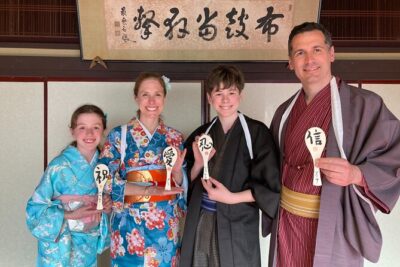
Hiroshima Peace Memorial Park and Museum, side by side.
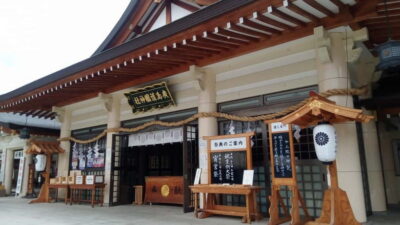 ★ 4.8Hiroshima Historical Walking Tour – Why A-Bomb was DroppedFrom $35893 reviews
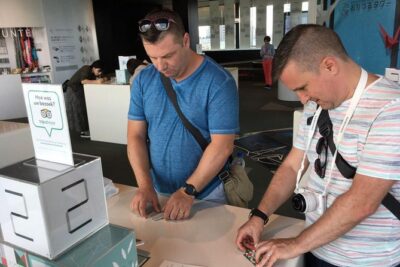 ★ 5.0Hiroshima Peace (Heiwa) Walking Tour at World Heritage SitesFrom $94872 reviews
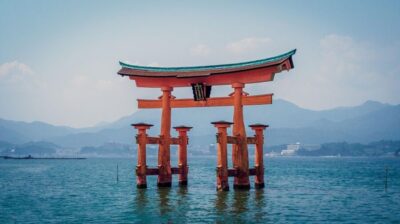 ★ 4.9Miyajima Peace Memorial Icons of Peace and BeautyFrom $163361 reviews
 ★ 5.0Hiroshima/Guided Virtual Tour of Peace Park/PEACE PARK TOUR VRFrom $33157 reviews
 ★ 4.9Peace Memorial Park and Atomic Bomb Dome TourFrom $2391 reviews
 ★ 5.0Hiroshima; Hiroshima Peace Memorial Museum and Castle TourFrom $6789 reviews
 ★ 5.0Hiroshima & Miyajima: UNESCO A-Bomb Dome & ItsukushimaFrom $17776 reviews
 ★ 5.0Hiroshima History Tour : A-Bomb Dome, Peace Memorial & CityFrom $10343 reviews
Filed on these lists too