
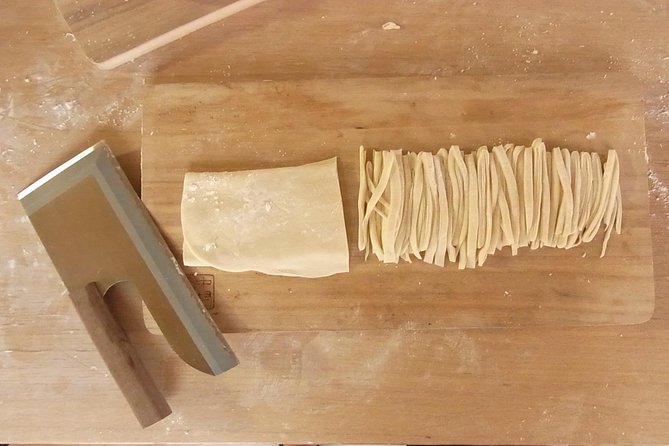
REVIEW · JAPANESE COOKING CLASSES
Japanese Cooking and Udon Making Class in Tokyo with Masako
Want cooking class in a real home?
This private Japanese cooking and udon-making class with Masako feels personal fast, starting with green tea and ending with Kanji calligraphy made for your name. I especially like that you get one-to-one teaching, plus a full meal you can actually cook again later without grocery shopping. The main thing to consider: Masako does not accept children for safety reasons, and since her English is limited, a translator is part of the experience.
You’ll meet in Senju (Adachi City), not a hotel kitchen or a show room. That matters, because you’re watching and working like a guest in her daily life, including kitchen etiquette. You also get to pick from four menu options, so you’re not stuck with a random set of dishes.
At $142 per person for about 2.5 hours, it’s not the cheapest meal in Tokyo, but the value is in what you leave with. You get ingredients handled for you, hands-on instruction, drinks with your meal, and take-home items like a calligraphy souvenir.
In This Review
- Key highlights that make this class worth your time
- A Tokyo cooking class that starts like you’re visiting, not performing
- Your first minutes: green tea, your Kanji name, and what to expect in the kitchen
- Choosing your meal: four menu options, and how to set yourself up for success
- Making udon from scratch: the technique is the whole point
- Tamagoyaki and tempura: learning Japanese frying and the rolled omelet basics
- The meal part: drinks included, plus the calligraphy gift moment
- Logistics that matter: Senju meeting point, no hotel pickup, and timing
- Value check: is $142 worth it?
- Who this class is perfect for, and who might want a different option
- Should you book Masako’s udon and Japanese cooking class?
- FAQ
- What dishes will I learn and eat during the class?
- Do I need to shop for ingredients before the class?
- Is there a souvenir included?
- Are drinks included?
- Does Masako speak English?
- Can children join the cooking class?
- Can I cancel and get a full refund?
Key highlights that make this class worth your time
- Kanji name calligraphy as a souvenir, written by a qualified calligraphy professional
- No ingredient shopping because everything you need is included
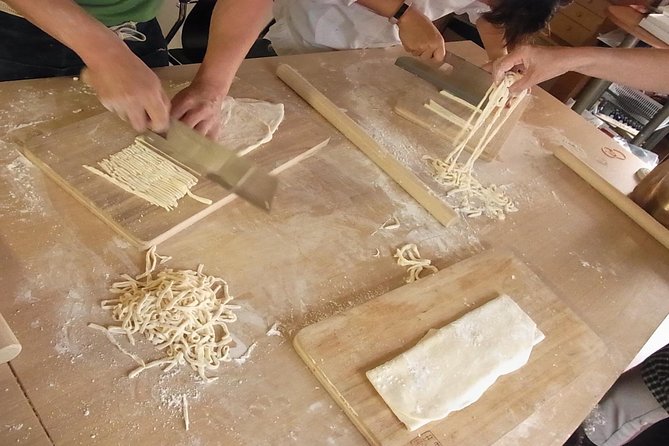
- True hands-on udon work, from kneading to cutting and cooking
- Multiple classic dishes like tamagoyaki (rolled omelet) and tempura, not just one course
- A relaxed home-kitchen vibe, with a translator helping when needed
- Take-home gifts beyond the food, including calligraphy-related items
Cook it yourself instead. Other kitchens in Tokyo
- Tokyo: Roll and Authentic Sushi Making Class in Asakusa
★ 4.9 · 1,957 reviews - Tokyo: Sushi Making Class in a Happi Coat near a Famous Spot
★ 4.9 · 1,377 reviews - Tokyo Sushi Making Class in Tsukiji with Professional Chef
★ 5.0 · 1,177 reviews - Ramen & Gyoza Cooking Class in Tokyo with Local Supermarket Visit
★ 5.0 · 823 reviews
A Tokyo cooking class that starts like you’re visiting, not performing
Most cooking classes in Tokyo feel staged. This one starts in a home setting, so the pace is gentler and the focus is on technique. You’re welcomed with green tea, and Masako writes your name in Kanji. That small moment sets the tone: you’re learning Japanese food in Japanese ways, not just getting a recipe dump.
I also like how clearly the class is framed around repeatable skills. The host cooks simple, nutritious dishes for her family, and her goal is that you can remake the food at home without guessing. In reviews, people consistently mention detailed step-by-step guidance, including kneading technique and other practical tips.
The translator detail matters too. Masako’s English is limited, so you’ll have someone there to help you follow instructions smoothly. For me, that’s a plus, because it reduces the usual confusion when you’re working with dough, oil, and timing.
Your first minutes: green tea, your Kanji name, and what to expect in the kitchen
Before you cook, you get the welcome ritual. You’ll have green tea, and Masako writes your name in Kanji on the spot. She’s a calligraphy professional, so this isn’t treated like a novelty photo op.
Then you move into kitchen flow. The biggest “what you should know” is that you’ll likely be working directly at the cooking space, not standing behind a counter at a safe distance. People in reviews describe learning kitchen etiquette first, then going right into making dough. That means you’ll want to show up ready to roll up your sleeves.
Also, this is a private activity for your group. That helps a lot if you want questions answered clearly, and it lets Masako pace the tasks. Group sizes can still vary by booking, but the promise is one-to-one assistance rather than a crowded class where you watch more than you do.
Choosing your meal: four menu options, and how to set yourself up for success
One of the smartest things about this experience is that you’re not locked into a single menu. Masako offers four menu choices for your meal, and you’re asked to message your preference in advance.
Here’s how I’d think about choosing. If you’re mainly interested in udon, pick a menu that centers dough and noodle steps. If your priority is Japanese comfort food, choose the set that includes tamagoyaki and tempura so you get a spread of textures. If you’re curious about how Japanese flavors are built, consider the menu that includes broth and dashi components, which come up in the class content people talk about.
Since Masako’s English is limited, sending your choice clearly in advance also helps the translator and host set up ingredients properly. It’s a small step that improves the whole evening.
A bowl somewhere else in Tokyo
- Ramen & Gyoza Cooking Class in Tokyo with Local Supermarket Visit★ 5.0 · 823 reviews
- Tokyo: Ramen Tasting Tour with 6 Mini Bowls of Ramen★ 4.9 · 432 reviews
- Tokyo: Easy Ramen Cooking Experience in Kabukicho, Shinjuku★ 4.6 · 321 reviews
- Ramen and Sushi Cooking Class with Sake Pairing Set in Tokyo★ 5.0 · 291 reviews
- Professional Ramen & Gyoza with Ramen Chef in a restaurant!★ 5.0 · 223 reviews
Making udon from scratch: the technique is the whole point
This class earns its reputation because udon is not treated like a quick worksheet. You’ll work the dough, rest it, and then cut it into noodles. In reviews, people highlight several practical points: water ratios matter, flour choice and mixing matter, and kneading technique affects texture.
What makes this valuable for you is transferability. Tokyo udon shops are great, but when you learn the process, you understand why certain noodles feel springy or chewy. You’re learning the “why” behind the final bowl.
A typical rhythm goes like this: you start with dough work, then you rest and shape, then you cut and cook. Reviews also mention learning details like flattening the dough and then cutting it for noodles, plus how to cook so your noodles don’t get mushy or uneven. Even if your first bowl at home is imperfect, the method is what you’ll reuse.
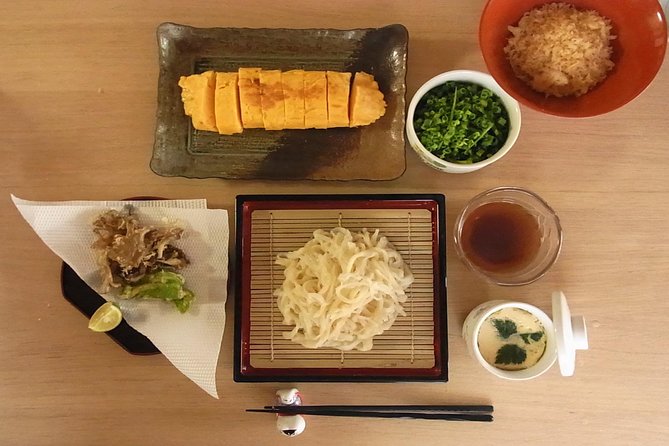
And yes, you eat what you make. That part is underrated. You’re not spending two hours making something that never hits your plate. You get to taste your results while it’s still fresh, which helps your brain connect technique to flavor.
Tamagoyaki and tempura: learning Japanese frying and the rolled omelet basics
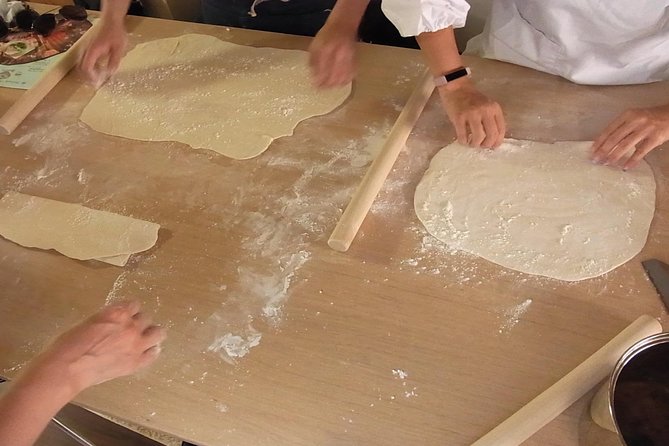
Udon is the headline, but the other dishes are where the evening becomes a real meal. Many people mention tamagoyaki, the sweet-savory rolled omelet, plus tempura vegetables and shrimp.
For tamagoyaki, people talk about making a rolled egg with a specific flavor profile, and they describe learning technique rather than just mixing eggs in a bowl. Rolled omelet is one of those foods where method matters. You need the right pour, timing, and shaping so the layers turn out tidy. When a teacher guides you through step-by-step, it’s much easier to get that classic look.
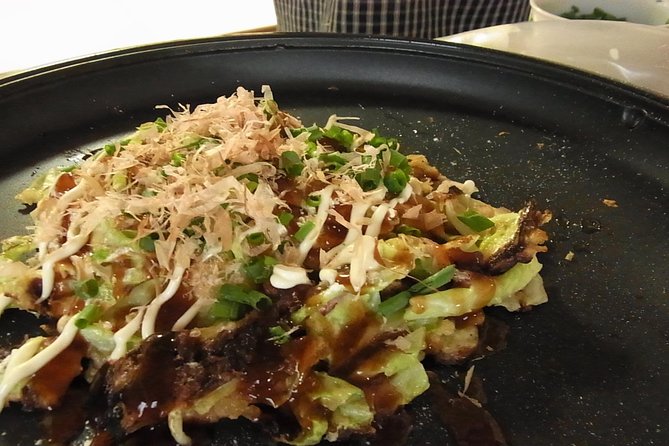
Tempura is another skill. Frying sounds simple until you’re doing it for the first time and trying to keep oil temperature and batter texture right. Reviews describe frying vegetables and shrimp, and they also mention learning tricks of the trade. That’s exactly what you want from a class like this: not just ingredients, but small, repeatable habits.
The nice part is that even people without cooking experience report feeling capable by the end. The class is designed around simple dishes with clear steps, and Masako seems to adapt the workload as needed within the group.
The meal part: drinks included, plus the calligraphy gift moment
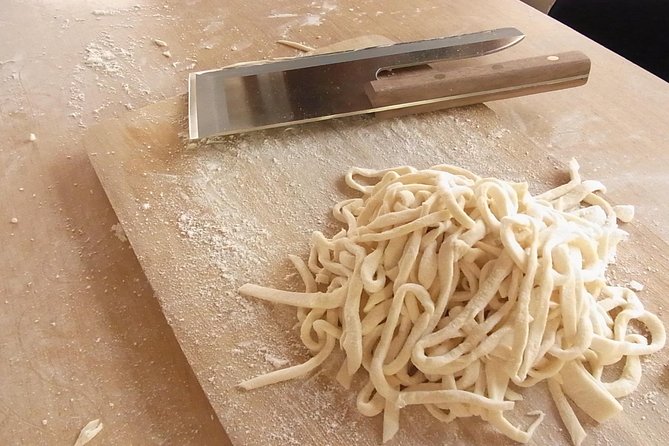
You’ll eat everything you prepare, and you’ll have drinks with the meal. The tour includes alcoholic beverages, so this is one of those Tokyo food experiences that doubles as an evening social meal.
In reviews, people mention sake tasting as part of the experience. Since the official info only says alcoholic beverages are included, treat sake as a possibility rather than a guarantee, but you can expect a drinks component tied to the meal.
Then comes the memorable finale: calligraphy. You get a souvenir with your name written in Kanji, and some guests mention extra calligraphy-related items like fans. That matters because it turns the class into more than dinner. You leave with something you can frame or keep, and it helps your brain remember details from the cooking steps.
There are also mentions of other small, thoughtful gifts, like origami and even umbrellas in rainy conditions. Those extras are not something you should plan around, but they reinforce the overall vibe: generous host, lots of care.
Logistics that matter: Senju meeting point, no hotel pickup, and timing
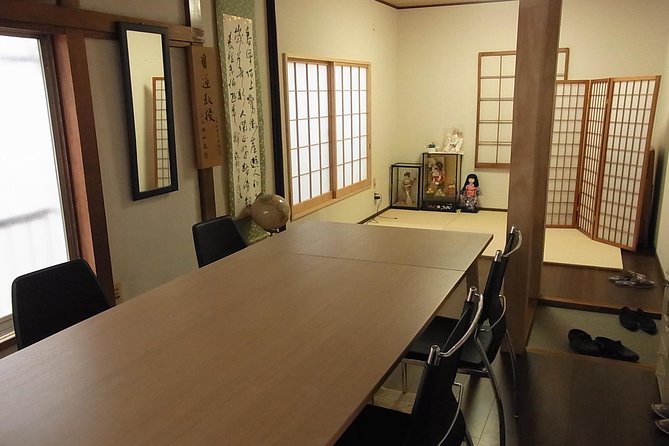
This class ends back at the meeting point, and there’s no hotel pickup or drop-off. That’s common for local home experiences, but it’s still something to plan for. You’ll need to get to the meeting address in Senju, Adachi City: Japan, 120-0034 Tokyo, Adachi City, Senju, 4-chōme275 長円寺.
It’s described as near public transportation, which is good news if you’re using train and foot travel. Still, expect you’ll spend a little time getting there, and build buffer in case the weather is messy. One review even mentions a typhoon and rainy commute, and the overall point was that once you arrive, the experience stays warm and welcoming.
Duration is about 2 hours 30 minutes. That’s a strong length for an evening food class, enough time to learn technique, cook, and eat without feeling rushed. If you’re trying to cram Tokyo into a tight schedule, this is a clean fit: you don’t need a full half-day block.
Value check: is $142 worth it?
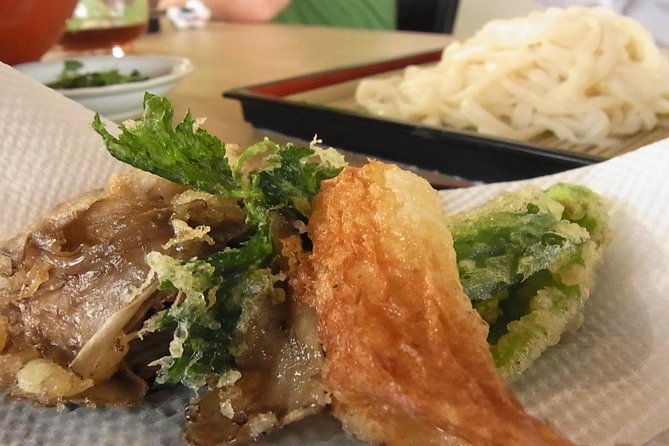
For $142 per person, you’re paying for several things at once, and that’s why it can feel fair even though it’s not bargain pricing.
You get:
- A private-style class with one-to-one assistance
- No ingredient shopping (all ingredients are included)
- A multi-course meal made from scratch
- Alcoholic beverages included
- A take-home Kanji calligraphy souvenir, plus other small gifts
In Tokyo, you can easily spend that much on a nice restaurant meal. The difference here is that your money buys skill, plus a dinner you make yourself. If you’ve done cooking classes before and know that “watching” is boring, this one leans toward doing, especially with udon dough and noodle work.
The biggest value angle for me is that the class is designed so you can recreate dishes at home. Recipes are nice, but technique is what actually changes your cooking results. This experience spends time on kneading, resting, rolling, and frying methods, which are hard to learn from a cookbook alone.
Who this class is perfect for, and who might want a different option
This fits best if you want an evening that feels local, hands-on, and personal. If you love Japanese food and you’re curious about how daily family cooking works, you’ll likely enjoy the home-kitchen setting and Masako’s approach.
It’s also a good choice for couples or small groups who like interactive activities more than lectures. Since the class is private for your group, questions and attention stay focused.
The main mismatch is families with children. Masako does not accept children for safety reasons, so plan around that. Also, if you prefer very high English immersion with no translator support, note that Masako’s English is limited and a translator will be present.
Should you book Masako’s udon and Japanese cooking class?
If you want a Tokyo experience that’s more than eating, I think this is a strong yes. The class checks the boxes that matter: hands-on udon technique, classic dishes like tamagoyaki and tempura, drinks included, and a calligraphy souvenir tied directly to your name.
Book it if you can handle a local meeting point and you’re excited to work in a real kitchen. Skip it if you need a child-friendly activity, or if you’re expecting a polished, fully English-only show. For most adults who like food and technique, Masako’s class is the kind of evening you remember for the specific steps, not just the final meal.
FAQ
What dishes will I learn and eat during the class?
You’ll learn Japanese cooking basics including udon noodle making. The class also covers other dishes such as tamagoyaki (rolled omelet) and tempura, and you’ll eat everything you prepare. Masako offers four menu choices for your meal, so you should message your preference in advance.
Do I need to shop for ingredients before the class?
No. Everything is included, and there’s no need to shop for ingredients.
Is there a souvenir included?
Yes. You’ll have your name written in Kanji by Masako, and you’ll take the calligraphy souvenir home.
Are drinks included?
Yes. Alcoholic beverages are included as part of the experience.
Does Masako speak English?
Masako has limited English, so a translator will be present during the experience.
Can children join the cooking class?
No. Masako does not accept children for safety reasons.
Can I cancel and get a full refund?
Yes, free cancellation is available. You can cancel up to 24 hours in advance of the experience start time for a full refund. If you cancel less than 24 hours before, the amount you paid will not be refunded.
One More Bowl



Kitchens You Can Book Into

Newest Tokyo write-ups from the Loving Japan desk



Japanese Cooking Classes, side by side.
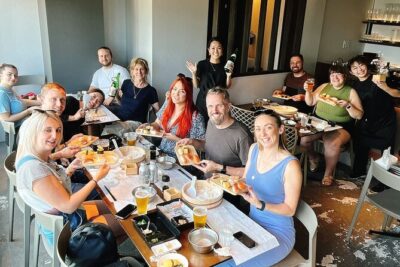 ★ 5.0Sushi Making Tokyo Roll and Authentic Japanese Sushi ClassFrom $593,971 reviews
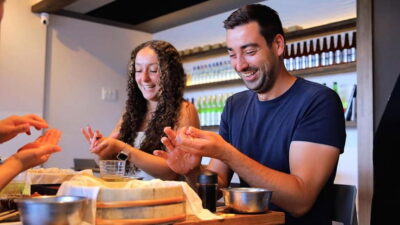 ★ 4.9Roll and Authentic Sushi Making Class in AsakusaFrom $581,957 reviews
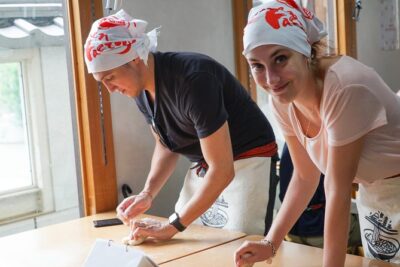 ★ 5.0Ramen Cooking Class at Ramen Factory in KyotoFrom $1311,937 reviews
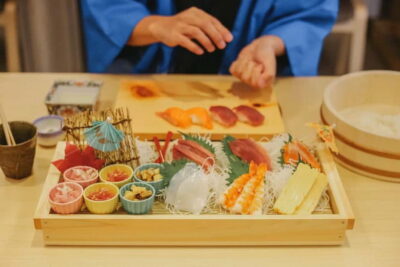 ★ 4.9Sushi Making Class in a Happi Coat near a Famous SpotFrom $421,377 reviews
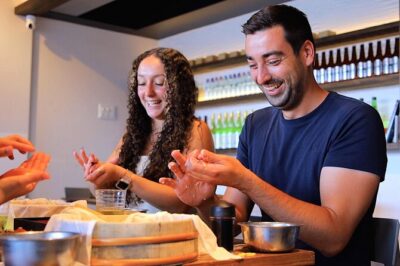 ★ 5.0Sushi Making Osaka Roll and Authentic Japanese Sushi ClassFrom $311,220 reviews
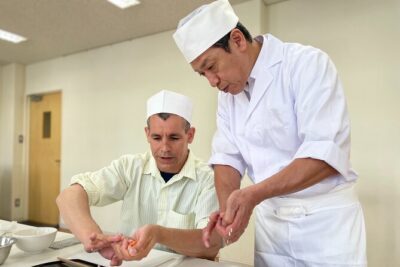 ★ 5.0Tokyo Sushi Making Class in Tsukiji with Professional ChefFrom $491,177 reviews
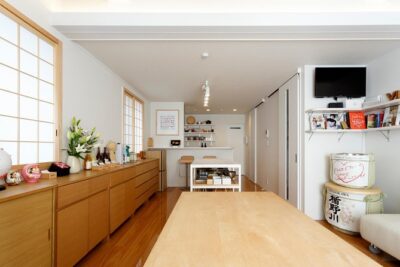 ★ 5.0Ramen & Gyoza Cooking Class in Tokyo with Local Supermarket VisitFrom $122823 reviews
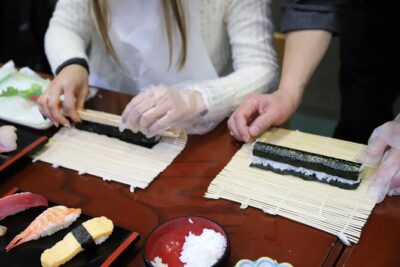 ★ 5.0Tsukiji Fish Market Guided Tour and Sushi Making with Pro ChefFrom $104775 reviews
Filed on these lists too