
REVIEW · SHIBUYA, SHINJUKU AND HARAJUKU WALKS
Japanese Wine Omakase in Shibuya – Guided Tasting, Not Sake
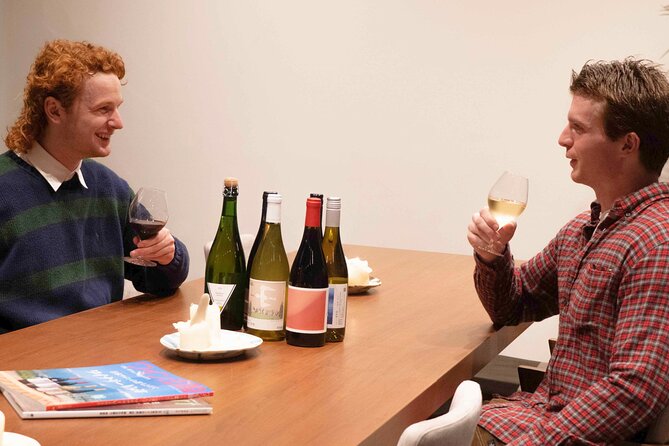
Skip the sake script in Shibuya. This Japanese wine tasting is built for curious drinkers who want native Japanese grapes and a guided experience with real stories, not just pouring. You get five Japanese wines paired with refined small plates in an intimate group, steps from Meiji Jingu, for a focused 1.5 hours that feels calmer than a typical nightlife stop. One consideration: at $97.98, it is a treat, so you will get the most value if you actually enjoy learning with each glass.
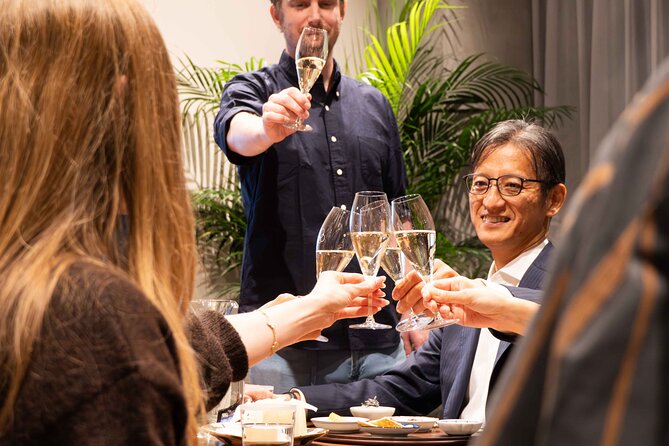
The sweet spot here is the small size, a 12-guest limit that keeps the pace from turning into a loud bar rush. The English guidance is designed to make the flavors make sense, and hosts like Alex get praised for staying friendly and translating wine talk into plain, useful observations. If you are only looking for a quick, casual drink with no education, this may feel a bit structured.
In This Review
- Key things to know before you go
- Japanese wine omakase in Shibuya, what makes it different
- The 75-minute structure, how the time is likely to feel
- The stars: five Japanese wines and what they are trying to teach
- Small plates pairing, why the food matters here
- Why the 12-guest limit feels like real value
- English guidance that turns wine talk into something usable
- Optional bar time and taking bottles home
- Where you meet and why the location helps your day
- Price and value: what $97.98 is buying you
- Who this experience is best for
- Practical tips so you enjoy every glass
- Should you book this Japanese wine omakase in Shibuya?
- FAQ
- FAQ
- What wines are included in the tasting?
- How long is the Japanese wine omakase experience?
- Where is the meeting point for the tour?
- Is the tasting guided in English?
- How big is the group?
- Is there an optional part after the main tasting?
Key things to know before you go
- 5 Japanese wines, not a sake tasting: the whole session is about wine, including harder-to-find styles
- 12 guests max: you get attention and room to ask questions
- English-guided and story-led: each pour comes with context about grapes and flavor
- Refined small plates: food is meant to guide your palate between wines
- Optional bar time after the tasting: you can keep drinking and choose bottles to take home
- Near Meiji Jingu in Shibuya: easy to combine with shrine and neighborhood wandering
Other routes through the west side of Tokyo, compared
- Tokyo: Shinjuku Food Tour (13 Dishes at 4 Local Eateries)
★ 5.0 · 6,603 reviews - Tokyo Bar Hopping Tour in Shinjuku (All-You-Can-Drink + Dinner)
★ 5.0 · 3,587 reviews - Official Street Go-Kart in Shibuya
★ 5.0 · 3,435 reviews - Tokyo: Shinjuku Food Tour (15 Dishes and 4 Eateries)
★ 4.9 · 2,033 reviews
Japanese wine omakase in Shibuya, what makes it different
Tokyo can make wine feel like a side quest. Beer, whiskey, and sake are the louder headlines. This experience flips that script. You are not doing a sake comparison or a mixed drink sampler. You are here for an omakase-style flow, where the host guides you through a sequence of Japanese wines and explains how they connect to place, grape, and winemaking choices.
What I like most is that it stays practical. You are not trying to memorize wine trivia. You are tasting, pairing, and learning at the pace of a real conversation. And you can expect a small group setup, which matters in Tokyo. When you keep the guest list to a tight group, the tasting becomes readable. You can actually focus on the differences between pours instead of shouting over music.
The 75-minute structure, how the time is likely to feel
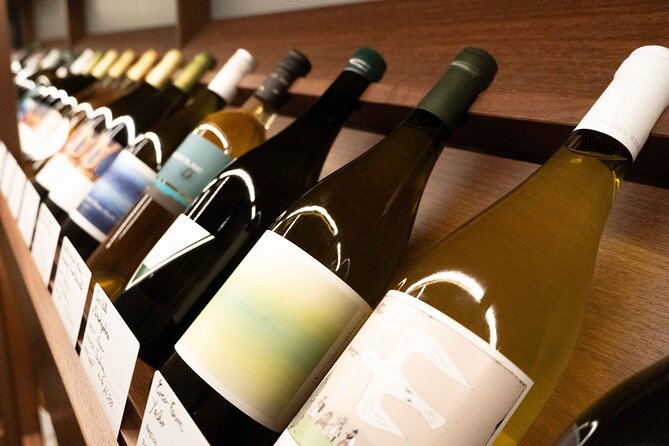
You are looking at about 1 hour 30 minutes on the clock, and that is exactly long enough to do a proper tasting without dragging. The format is built around a guided session, paired with small plates, so the experience has built-in pacing.
A good rule for yourself: treat this like an organized meal, not like a “walk in and see” bar stop. Go in with a light appetite. The wines come in a planned order, so if you are starving you might feel impatient waiting for the first pour, and if you are stuffed you may miss the subtle changes between glasses. Small plates help here. They reset your palate and keep the education from becoming abstract.
After the guided portion, you have the option to stay for bar time. That is a smart extra because the tasting ends, but your curiosity may not. If you find one style you really like, the follow-on bar time gives you a chance to go deeper at your own pace.
The stars: five Japanese wines and what they are trying to teach
This is the heart of the deal, five Japanese wines during the guided tasting. The point is not just variety. It is showing you what Japanese wine can do, especially using native Japanese grapes and flavors shaped by Japanese terroir.
In plain terms, the host is guiding you to notice:
- How different grapes taste in real glass form
- How acidity, sweetness, and aroma show up in Japanese bottles
- How food pairings change your perception of the same wine
The reviews also hint at specific highlights that you should keep an eye out for, like ice wine. That kind of style tends to be memorable because it is not what most people expect in Japan, especially if their only reference point is sake and standard Western wine labels. Even if you do not know much about Japanese wine, you should leave with at least a few flavors you can describe without needing a translator.
Counters and courses we sat at around Tokyo
- Sushi Making Tokyo Roll and Authentic Japanese Sushi Class★ 5.0 · 3,971 reviews
- Tokyo: Roll and Authentic Sushi Making Class in Asakusa★ 4.9 · 1,957 reviews
- Make Sushi and Create Unforgettable Memories in Tokyo★ 5.0 · 1,413 reviews
- Tokyo: Sushi Making Class in a Happi Coat near a Famous Spot★ 4.9 · 1,377 reviews
- Tokyo Night Foodie Tour in Shinjuku – Seasonal Sushi, Wagyu Beef★ 5.0 · 1,161 reviews
Small plates pairing, why the food matters here
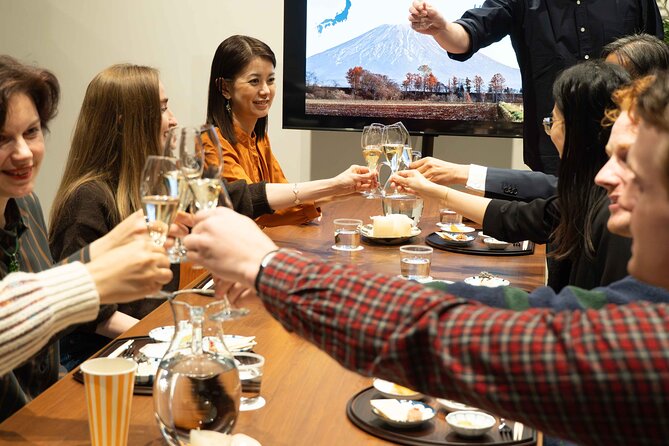
Wine tastings often fail for one reason: the food is either an afterthought or it is not designed to help you learn. This one pairs the wines with refined small plates, which tells you the pairing is part of the lesson plan.
Think of the small plates as palate management. Each plate helps you move from one wine to the next without your taste buds getting overwhelmed. It also makes the experience feel more like a guided meal than a quick alcohol test.
If you love food, you will probably enjoy this more than a generic wine flight. And if you are still learning, pairing makes it easier to connect flavor to structure. You start noticing whether a wine tastes sharper, rounder, fruit-forward, or more savory after a bite, instead of relying only on smell.
Why the 12-guest limit feels like real value
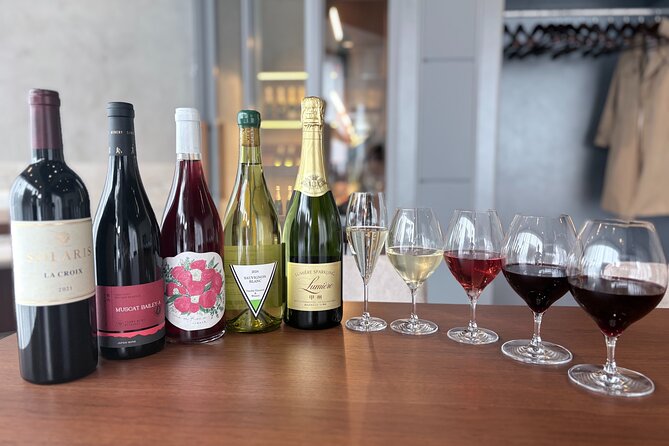
You can find tastings in Tokyo that technically offer “a guided experience,” but the group size can quietly ruin it. When a dozen-plus people crowd around, you get the same two questions over and over, and you stop caring what you taste.
Here, the limit is 12 travelers. That changes the vibe. It usually means:
- The host can keep the pace without rushing
- You can ask follow-up questions without feeling intrusive
- You get more coherent explanations from glass to glass
For me, that is where the value hides. You are paying for the combination of wine and guidance, and guidance works best when it is not a performance for the whole room.
English guidance that turns wine talk into something usable
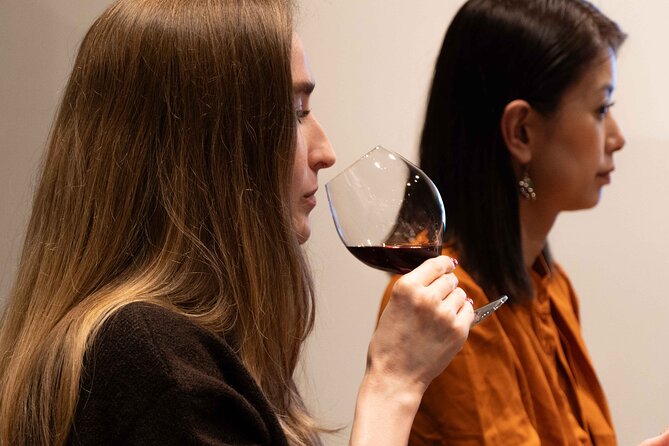
The tour is English-guided, and that matters more than people think. Wine terms can be intimidating, and Japanese wine can feel even more unfamiliar if your mental shelf is limited to international brands.
The best part is that the host is there to make the experience click. Reviews highlight hosts being friendly, explaining well in English, and offering good suggestions. One specific name that pops up is Alex, praised for knowing what he is talking about and for being great at recommendations.
You can treat this as a crash course in Japanese wine style and grape character. Even if you are not an expert, you can still learn enough to order confidently later.
Optional bar time and taking bottles home
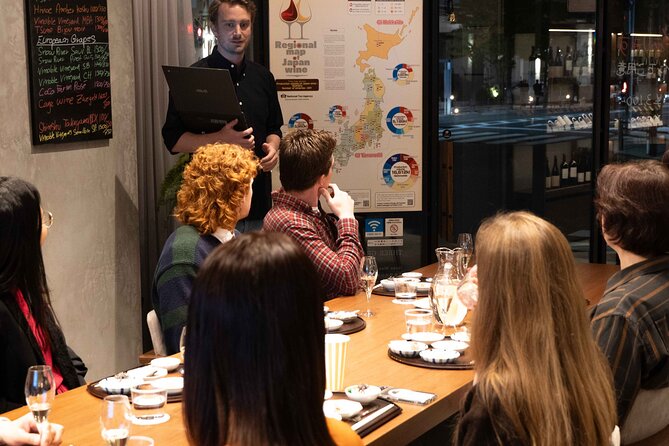
The guided tasting ends, then you have optional bar time. That is more than a “linger if you want” add-on. It is a built-in chance to convert what you learned into a decision.
If you discover a style you want to revisit, bar time gives you a way to taste more without the pressure of squeezing everything into the 75 minutes. And if you want souvenirs that actually feel like Japan, you can choose bottles to take home. The information also says hotel or airport delivery is available, which can save you from the usual packing stress.
One practical thought: decide your transport plan before you order. If you are taking bottles to your hotel, delivery can be a relief. If you plan to fly out soon, airport delivery may be the smoother choice. Either way, you are not stuck lugging heavy glass.
Where you meet and why the location helps your day
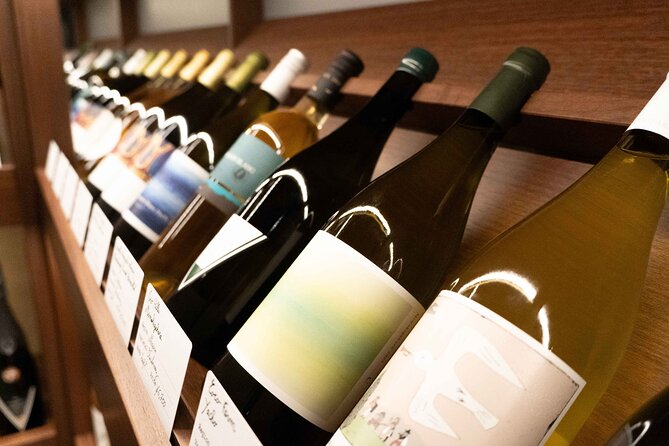
The meeting point is Sangū Building, 3-chōme-38-12 Yoyogi, Shibuya, Tokyo 151-0053. It is near public transportation, and the tasting happens close to Meiji Jingu, which is handy.
This location is good travel design. You can pair it with an earlier shrine visit or a short neighborhood walk, then come back to a calmer, wine-focused evening plan. Shibuya is busy, but this experience is positioned in a way that can feel more relaxed than the loudest tourist corridors.
If you like to structure your days around one anchor activity, this gives you that anchor. Do something cultural, then reward yourself with wine and guided conversation.
Price and value: what $97.98 is buying you
At $97.98 per person, this is not a budget tasting. But it is not priced like a luxury private tour either. The value comes from the combination:
- Five Japanese wines during the guided session
- Refined small plates, so you are not just buying drinks
- A small group cap of 12, which keeps the experience personal
- Optional bar time afterward, plus the possibility of take-home bottles
If you compare it to ordering individual glasses in Tokyo, the math can swing either way depending on your drinking style. But the real advantage is that you get structured tasting guidance. That saves you from paying for repeated trial and error at random bars.
Who gets the best value? People who:
- Enjoy learning while they taste
- Want to try Japanese bottles they would not easily find abroad
- Like intimate settings instead of crowded pub energy
If you mainly want a cheap buzz, you will likely feel the price more sharply. If you want a thoughtful night with enough wine to feel like a real tasting, it is easier to justify.
Who this experience is best for
This Japanese wine omakase fits well if you are:
- A wine lover who wants to broaden beyond familiar imports
- Someone curious about Japanese grapes, especially native varieties
- A traveler who likes English guidance and practical explanations
- Traveling solo or as a couple and preferring small groups
It is open to ages 20 and up. And because the pace is guided, it also works for people who do not drink often. You are not expected to be a sommelier. You just need to be curious and willing to taste, ask, and compare.
If you are the type who loves Tokyo nightlife, you might still enjoy it, but think of it as a wine education stop with a stylish atmosphere, not a high-energy club night. Some people like that contrast a lot.
Practical tips so you enjoy every glass
A few simple choices can make this smoother:
- Plan to arrive a few minutes early so you are not rushed at the start
- Eat beforehand, then keep your appetite ready for small plates
- Wear something comfortable enough to settle in for the full 75 minutes
- If you have strong preferences, share them with the host when you can, since the tasting is guided
Also, this experience requires good weather. If conditions are poor, you may be offered a different date or a full refund. So keep an eye on the forecast if your schedule is tight.
Should you book this Japanese wine omakase in Shibuya?
If you want a Tokyo wine experience that is specifically about Japanese wine, with native grapes, and you appreciate English guidance in a small group, I think you should book. The combination of five wines, paired small plates, and the intimate group size is where the value really shows up.
Skip it only if your goal is purely casual drinking with no structured pacing. Otherwise, this is a smart way to learn Japanese wine styles without guessing your way through a crowded bar menu.
FAQ
FAQ
What wines are included in the tasting?
The guided session includes five Japanese wines paired with refined small plates.
How long is the Japanese wine omakase experience?
It runs about 1 hour 30 minutes.
Where is the meeting point for the tour?
Meet at Sangū Building, 3-chōme-38-12 Yoyogi, Shibuya, Tokyo 151-0053, Japan.
Is the tasting guided in English?
Yes, the tasting is guided in English.
How big is the group?
The experience is limited to a maximum of 12 travelers.
Is there an optional part after the main tasting?
Yes. After the session, you can stay for optional bar time at a wine-focused bar area and choose bottles to take home, with hotel or airport delivery available.
Counters and Courses


West Tokyo on Foot: Seven More



Newest Tokyo write-ups from the Loving Japan desk






Shibuya, Shinjuku and Harajuku Walks, side by side.
 ★ 5.0Shinjuku Food Tour (13 Dishes at 4 Local Eateries)From $866,603 reviews
 ★ 5.0Tokyo Bar Hopping Tour in Shinjuku (All-You-Can-Drink + Dinner)From $1063,587 reviews
 ★ 5.0Official Street Go-Kart in ShibuyaFrom $763,435 reviews
 ★ 4.9Shinjuku Food Tour (15 Dishes and 4 Eateries)From $852,033 reviews
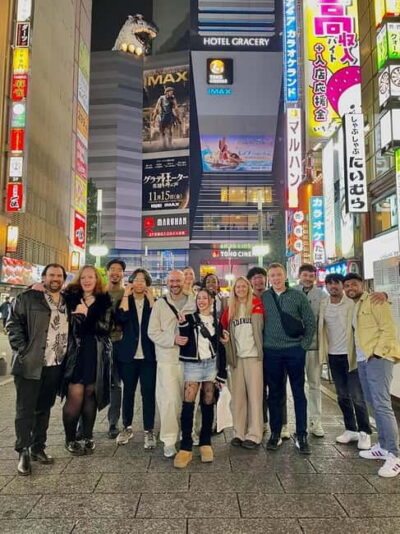 ★ 4.9Shinjuku Local Bar and Izakaya Guided Walking TourFrom $341,794 reviews
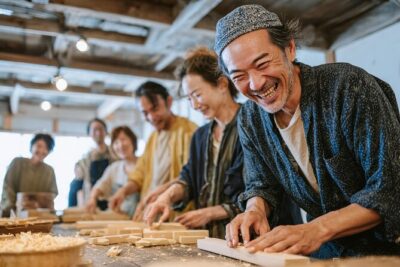 ★ 5.0Tokyo Shinjuku Chopsticks Making ClassFrom $201,763 reviews
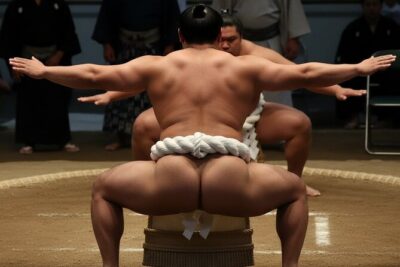 ★ 5.0Tokyo Shinjuku Sumo Show & Experience with PhotoFrom $791,750 reviews
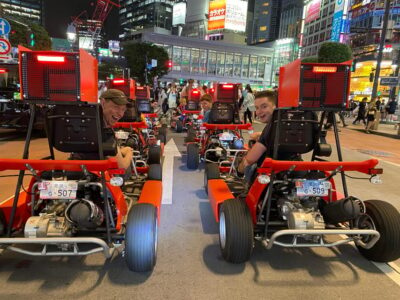 ★ 4.9Street Kart Experience in ShibuyaFrom $741,484 reviews