
REVIEW · SAMURAI, NINJA AND SWORD EXPERIENCES
Kendo and samurai experience in Kyoto
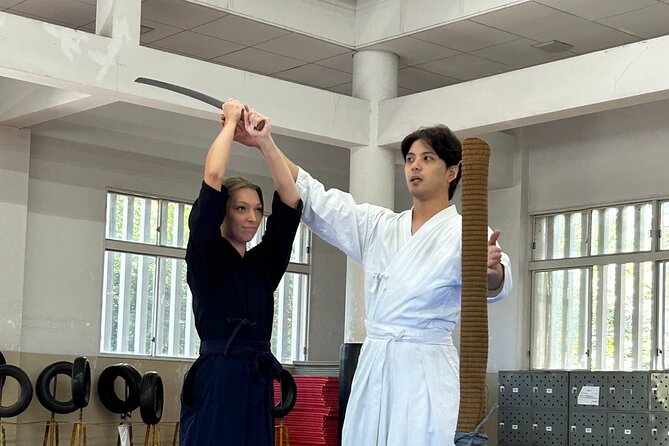
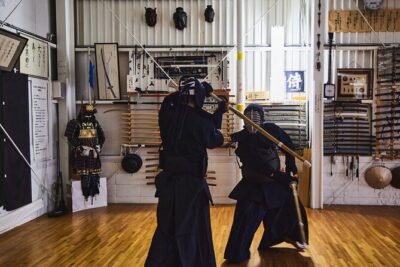
Swinging a sword in quiet Kyoto is wild. This private kendo experience at Atelier NIN pairs basic kendo coaching with classic samurai culture, ending with sword practice that some sessions include as tatami cutting. You get the small-class feel (up to 15), with time for gear, technique, and photos.
I like the no-pressure setup. The class is built for beginners, using training tools like bamboo practice swords, foam swords, and blunt replica blades, so you can learn safely without feeling rushed.
One drawback to plan for: the tatami cutting part may not be offered in every session. If tatami cutting is your must-do, confirm what your specific class can legally do before you go.
In This Review
- Key Highlights You Should Care About
- Finding Studio NIN by Shugakuin Imperial Villa
- What Happens in 2 Hours of Kendo Basics
- Learning the Grip, Stance, and Safe Sword Handling
- Gear, Photo Moments, and the Samurai Look
- Tatami Cutting and Tameshigiri Expectations
- Price and Value at $105.68 Per Person
- Who Should Book This Kyoto Kendo Lesson
- Should You Book It?
- FAQ
- How long is the kendo and samurai experience?
- How much does it cost?
- Where do I meet for the class?
- Do I need any previous martial arts experience?
- What training equipment is used?
- Is tatami mat cutting included?
- Is the class private?
- Do I get a mobile ticket?
- Is the meeting location near public transportation?
- What is the cancellation policy?
Key Highlights You Should Care About
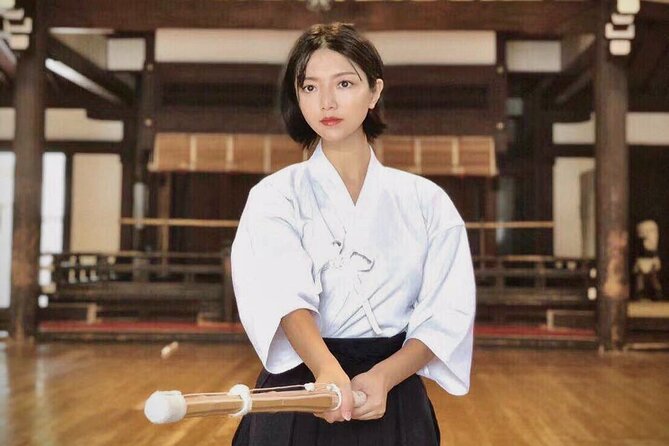
- Private attention: You’re taught step by step with your instructor focused on you, not a big crowd.
- Beginner-friendly tools: Bamboo sticks, foam swords, and blunt replicas help you learn safe handling first.
- Authentic training gear: You’ll wear kendo-style practice equipment, with chances for photos and videos.
- Clear technique focus: Expect posture and movement coaching, not just swinging harder.
- Tatami cutting varies: Some sessions include it, some do not, depending on what can be offered legally.
- Small location feel: The dojo/studio is on the quieter outskirts of Kyoto, and it can be easy to miss if you rely on guesswork.
Blade work and stagecraft, other sessions
- Kyoto: Kendo and Samurai Experience with Uniform and Gear
★ 4.9 · 815 reviews - Kyoto: Samurai Sword Class by Experts in Traditional Arts
★ 4.9 · 657 reviews - Skip the lines Basic Ticket at SAMURAI NINJA MUSEUM KYOTO
★ 4.5 · 632 reviews - Ninja 1-hour Hands-on Lesson by Japanese master in Kyoto -Entry
★ 5.0 · 489 reviews
Finding Studio NIN by Shugakuin Imperial Villa
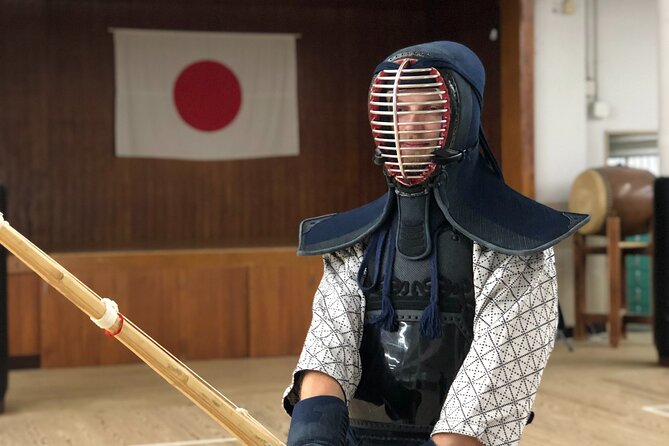
You’ll start at studio NIN (修学院16 Shūgakuin Daidōchō, Sakyo Ward, Kyoto). It’s in the Shugakuin area, which means the surroundings feel calmer than central Kyoto, even if you’re still close to public transport. That matters, because kendo works best when you can hear instructions clearly and focus on your own form.
The meeting point is straightforward on paper, but one practical lesson from past classes is simple: don’t leave this to the last minute. This is the kind of activity where being a few minutes late can be the difference between a smooth start and stress. If you’re using maps, double-check your walking route, since you may be moving through quieter streets with fewer obvious signs.
Also, keep your expectations aligned with how these classes feel. Even when you arrive on time, expect some downtime while you settle in, get oriented, and get geared up. That’s part of the experience, but it also affects how much time you spend actually swinging a sword.
What Happens in 2 Hours of Kendo Basics
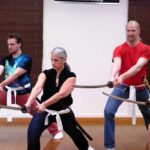
This is a hands-on kendo class designed for people with no martial arts experience. The goal is to teach you the foundations of kendo and traditional sword handling in a safe way, so you walk away understanding the discipline behind it, not just random moves.
In practice, the lesson typically follows a rhythm:
- You learn how to hold and handle training blades properly.
- You work on stance and posture so your cuts come from correct body alignment.
- You practice movements with training tools before any advanced moment.
The time is about 2 hours (approx.), and that’s another important value point. Many people think sword classes will be mostly swinging. Here, a portion is spent on dressing in training equipment, instruction, and photos. If you want a workout-style experience, you should mentally budget your time for learning and form checks.
Learning the Grip, Stance, and Safe Sword Handling
If you’re worried about doing it wrong, good news: this style of class is built to correct you without drama. Instructors commonly focus on small technique details like grip consistency, how you bring the sword up, and how you move your body so the cut is controlled and repeatable.
A theme that shows up clearly is technique over force. You’ll feel it in the way instructors explain efficient cutting, how to use your body weight, and how to keep your form steady. That’s valuable for you even if your background is zero, because it gives you a framework you can remember later when you try to recreate the feel.
You’ll also learn basic handling rules, like how to manage your sword safely within training, and what correct posture looks like in kendo practice. This is the part that makes the class feel authentic. Kendo is not just about speed, it’s about discipline, timing, and respect for training rules.
- PERFECT KYOTO 1-Day Bus Tour★ 5.0 · 13,518 reviews
- Kyoto: Fushimi Inari, Kinkakuji, Bamboo Grove 1 Day Bus Tour★ 4.8 · 4,316 reviews
- Kyoto: Tea Ceremony in a Traditional Tea House in Kiyomizu★ 4.9 · 3,519 reviews
- Kyoto Geisha Walking Tour: Gion District & Hidden Gems★ 4.7 · 3,273 reviews
- Kyoto: Tea Ceremony Ju-An at Jotokuji Temple★ 4.9 · 3,207 reviews
Gear, Photo Moments, and the Samurai Look
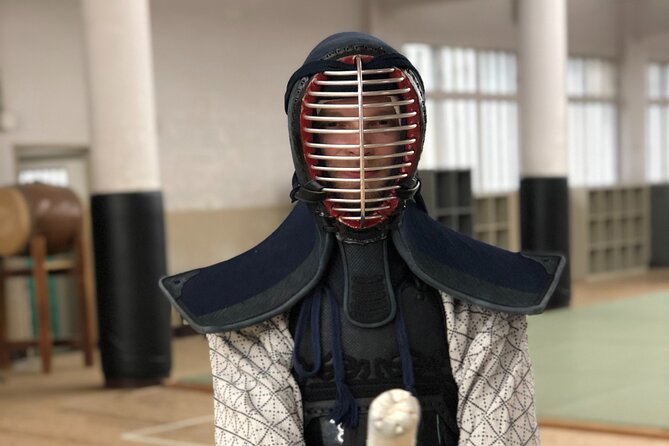
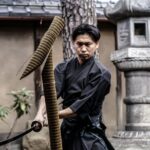
Expect a real gear moment. You’ll wear training equipment, and the class is set up so you can take photos and videos as you go. Some sessions include full kendo-style presentation moments, while others can feel more limited, like you may see fewer items of uniform than you hoped for. That’s worth noting if you’re coming for the full armor-and-helmet look.
The studio vibe can be part of the charm. Past participants describe the experience as peaceful and away from Kyoto’s busiest areas. At the same time, one practical caution is that the space may feel small, and a few people noted the studio looking dusty or not fully maintained. That doesn’t always affect the teaching quality, but it can matter if you’re sensitive to cleanliness or strong smells.
Communication style can also vary. Some instructors speak very good English, and others may rely more on slower explanations or tools like translation apps. If English is a must-have for you, bring a backup plan: a translation app and the willingness to learn through demonstration. Kendo is visual, so you can still follow even when language is limited.
Tatami Cutting and Tameshigiri Expectations
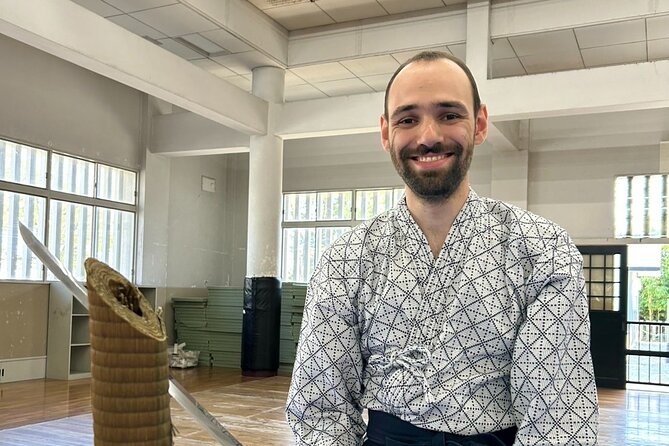
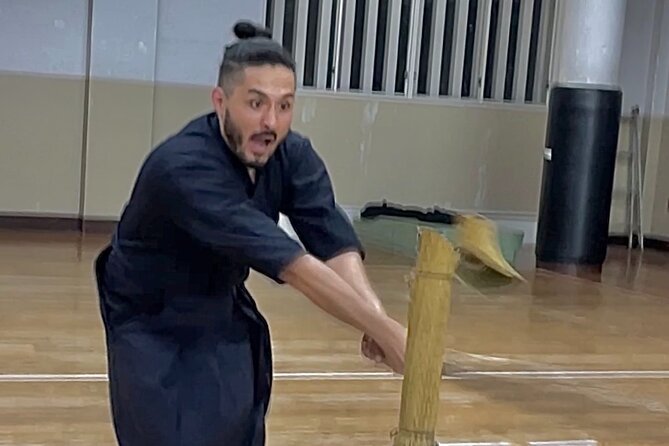
The big headline promise is slicing a tatami mat with a sword, but you should treat tatami cutting as a conditional highlight, not a guaranteed finale.
Here’s the reality check from what has happened in different classes:
- Some groups report getting to cut tatami with a katana in a satisfying one-stroke moment.
- Others report that tatami cutting did not happen even though it’s mentioned as a goal of the experience.
Why this matters for you: if tatami cutting is the sole reason you booked, you’ll want to confirm what is actually offered on your date. Recent legal rules can limit what’s allowed, and the instructor will be working within what they can legally do. Asking ahead is not picky, it’s smart planning.
Even when tatami cutting is limited, you can still get a meaningful experience. You’ll practice sword handling with training blades and learn how disciplined movement leads to controlled cutting. And if tatami cutting is offered, it’s typically the moment that feels the most “real” compared to anime-style sword play, because it translates technique into a visible result.
Price and Value at $105.68 Per Person
At $105.68 per person for about 2 hours, this sits in the “experience class” price range, not the “hourly activity” range. So the value question is simple: do you want a guided, private-feeling lesson with authentic gear and a cultural element, rather than a casual demo?
For many people, the answer is yes, because the class is designed to include:
- hands-on coaching,
- attention from your instructor,
- beginner-safe practice tools,
- and a memorable photo and sword-handling moment.
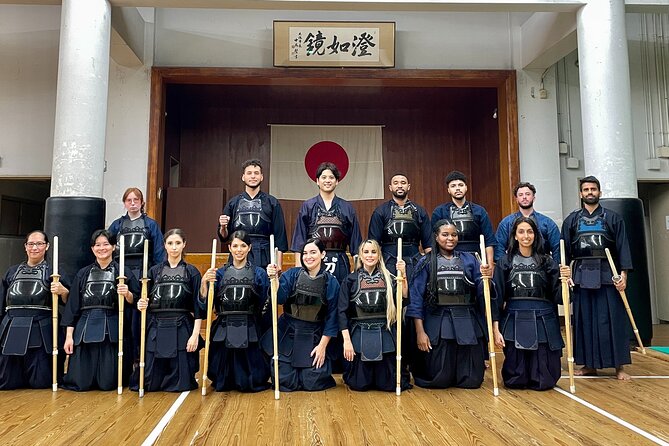
This is also the kind of activity where class size matters. You’re capped at 15 travelers, and some time slots end up essentially private, which boosts the value because your form gets corrected more directly.
Where value can feel weaker is when the session time is used heavily for dressing and photos, leaving less practice time than you hoped. If you want maximum sword reps, show up on time, keep your photo preferences clear, and don’t assume you’ll get unlimited attempts at every technique.
Who Should Book This Kyoto Kendo Lesson
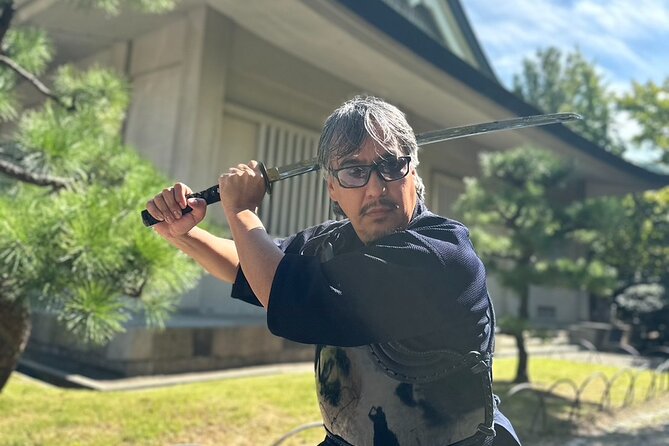
This is a strong pick if you want a hands-on taste of feudal-era sword culture without needing prior training. It also fits well if:
- you love Japan culture and want more than castles and temples,
- you want a small, guided activity rather than a crowded attraction,
- you want a focused lesson you can learn from quickly,
- you’re visiting with friends and want an activity that feels different.
It’s not ideal if your priority is a long, intense workout where you mostly swing. This class is about instruction and safe form. Even if you get a finale moment like tatami cutting, it’s still a guided cultural lesson first.
If you’re sensitive to space conditions, consider that the studio setting may be small. If full uniform presentation is a big deal for you, confirm what gear you will get.
Should You Book It?
If your goal is technique, discipline, and a memorable samurai-style training moment, I think booking makes sense. The high approval rate (94% recommended) and strong ratings point to quality instruction and a rewarding “learn and do” structure.
My advice is straightforward:
- Book if you want a guided beginner-friendly kendo class with gear, photos, and hands-on coaching.
- If tatami cutting is the main reason you’re going, confirm in advance that it will be included on your exact date.
- Plan your timing so you can focus from the start, because a lesson like this works best when you arrive calm and ready to learn.
FAQ
How long is the kendo and samurai experience?
The experience is listed at about 2 hours.
How much does it cost?
The price is $105.68 per person.
Where do I meet for the class?
You meet at studio NIN, 修学院16 Shūgakuin Daidōchō, Sakyo Ward, Kyoto, 606-8037, Japan.
Do I need any previous martial arts experience?
No martial arts experience is needed.
What training equipment is used?
You use training tools such as bamboo practice swords, foam swords, and blunt replica blades, plus authentic training gear.
Is tatami mat cutting included?
The experience is described as including slicing a tatami mat with a sword, but the details can vary by session. If tatami cutting is important to you, confirm what your class will include.
Is the class private?
It’s described as a private class and has a small group size, with a maximum of 15 travelers.
Do I get a mobile ticket?
Yes, the experience features a mobile ticket.
Is the meeting location near public transportation?
Yes, it’s near public transportation.
What is the cancellation policy?
Free cancellation is available up to 24 hours in advance for a full refund. If you cancel less than 24 hours before the start time, the amount paid is not refunded. If the minimum number of travelers is not met, you may be offered a different date or a full refund.
Blade Work and Stagecraft
Newest Kyoto write-ups from the Loving Japan desk

Samurai, Ninja and Sword Experiences, side by side.
 ★ 4.5Samurai Restaurant Show Ticket with 2 DrinksFrom $551,307 reviews
 ★ 5.0Kyoto Samurai ExperienceFrom $1191,294 reviews
 ★ 4.6Samurai Ninja Museum Guided tour and ExperienceFrom $271,010 reviews
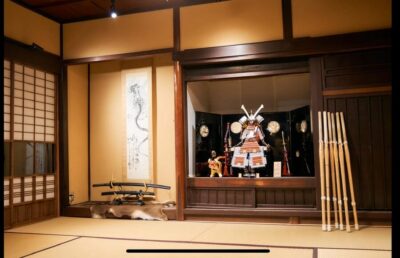 ★ 4.9Kendo and Samurai Experience with Uniform and GearFrom $103815 reviews
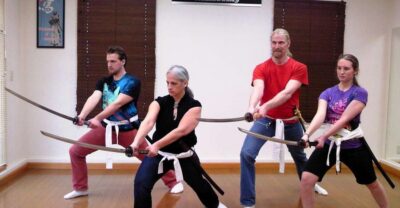 ★ 4.9Samurai Sword Class by Experts in Traditional ArtsFrom $64657 reviews
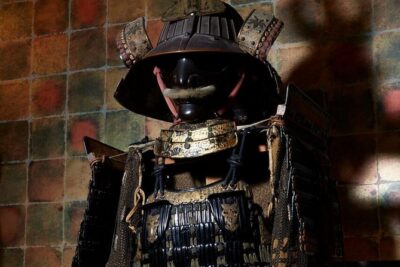 ★ 4.5Skip the lines Basic Ticket at SAMURAI NINJA MUSEUM KYOTOFrom $28632 reviews
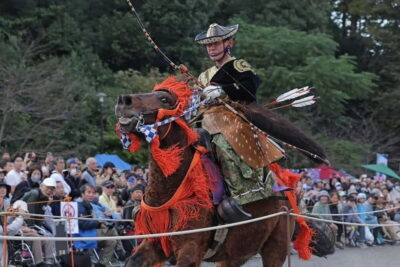 ★ 5.0Samurai Sword & Archery Class from Samurai DescendantFrom $193603 reviews
 ★ 5.0Samurai Training Experience KENDO in OsakaFrom $131515 reviews
Filed on these lists too