
REVIEW · TOURS WITH GOVERNMENT-LICENSED GUIDES
Kyoto 8hr Private Tour with Government-Licensed Guide
Kyoto in eight hours, with less stress. This private tour pairs a government-licensed English guide with a custom walk plan, so you can hit famous sights like Fushimi Inari and Kiyomizu-dera without feeling lost. I like that the route is practical and personalized, and I like the mix of temple culture plus street scenes like Gion and Pontocho. One real drawback: it is a walking format, and transportation and most entrance fees are not included, so you will want to budget extra.
Meet your guide on foot in a designated Kyoto area, then you and your group build the day around the places that match your interests. In past tours, guides such as Karkoo Tanigawa, Ichiro, and Shu were praised for being professional and genuinely helpful, including helping groups get moving fast. With an 8-hour window, the day works best if you show up ready to walk, bring comfy shoes, and accept that you are choosing highlights, not checking off every Kyoto landmark.
In This Review
- Key things that make this Kyoto private tour work
- Kyoto in 8 hours, without the guesswork
- Private means only your group, but the walking stays
- How the itinerary selections play out in real time
- East Kyoto circuit: Fushimi Inari, Kiyomizu-dera, Gion, Nishiki
- Fushimi Inari-taisha Shrine
- Kiyomizu-dera Temple
- Gion
- Nishiki Market
- Higashiyama Ward (best preserved historic streets)
- Kennin-ji Temple
- Sanjusangendo Temple
- Central Kyoto stops: Nijo Castle, Kyoto Imperial Palace, Pontocho
- Nijo Castle
- Kyoto Imperial Palace
- Pontocho
- The Higashiyama temple choices: Ginkakuji, Nanzenji, Tofukuji, Tōji
- Ginkakuji (Silver Pavilion)
- Nanzenji Suirokaku
- Tofuku-ji
- Tōji
- The golden and the Shogun connections: Kinkakuji and beyond
- Kinkakuji (Golden Pavilion)
- Ninnaji
- Shugakuin Imperial Villa
- Mountain Kyoto options: Kibune River and Kurama-dera
- Kibune River
- Kurama-dera
- Ryoanji and the rock garden stop
- Ryōan-ji Temple
- Arashiyama and the western Kyoto day: bamboo, bridge, villas
- Arashiyama district
- Togetsukyo Bridge
- Bamboo groves and walking paths
- Tenryū-ji Temple
- Daikaku-ji Temple
- Katsura Imperial Villa
- Okochi Sanso Garden
- The smaller temple stops around Arashiyama’s hillside
- Jojakkoji
- Nisonin
- Gio-ji
- Yoshimine-dera
- North Kyoto temple complexes: Daitoku-ji, Myoshinji, and Eikando
- Daitoku-ji
- Myoshinji
- Eikando Zenrinji
- Nenbutsu-ji and the famous stone statue experience
- Adashino Nenbutsuji
- Otagi Nenbutsuji
- What to expect from guide-led learning and pacing
- Fees, lunch, and how not to get caught short
- Should you book this Kyoto 8-hour private tour?
- FAQ
- How long is the Kyoto private tour?
- Is this tour private or shared?
- Can I customize which places we visit?
- Do I get an English-speaking guide?
- Is pickup included, and where do we meet?
- Is this mostly a walking tour?
- Are entrance fees included?
- Are transportation fees and lunch included?
- Can I cancel and get a full refund?
Key things that make this Kyoto private tour work
- Government-licensed English guide who can explain what you are actually seeing, not just point at it
- A custom itinerary built after you book, so your day matches your interests
- A smart 8-hour walking pace with many stops planned in short, manageable chunks
- Classic Kyoto variety, from shrines and Zen temples to markets and old neighborhoods
- Arashiyama and Higashiyama options, so you are not stuck doing only one part of the city
- Real-world guide support, including guidance from pros like Karkoo Tanigawa and others previously highlighted
Licensed guides working the same ground
- Kyoto 4hr Private Tour with Government-Licensed Guide
★ 5.0 · 629 reviews - Kyoto: Private Tour with Local Licensed Guide
★ 4.8 · 463 reviews - Private Kyoto Tour with Licensed Guide & Vehicle (Max 15 persons)
★ 5.0 · 417 reviews - Nara 8hr Private Tour – Kyoto DEP. with Licensed Guide
★ 5.0 · 115 reviews
Kyoto in 8 hours, without the guesswork
Kyoto can feel like a puzzle. Streets curve, temples cluster, and the city moves on foot. This tour is built for that reality. You do not need to design a route from scratch, because the guide helps shape the itinerary based on what you want most, whether that is shrine life, Zen gardens, imperial sites, or photo-heavy old neighborhoods.
What I like is that you get to pick your emphasis. Some people want the big named temples. Others care more about atmosphere, like narrow alleys in Gion or the dining vibe along Pontocho. The tour format fits both.
Private means only your group, but the walking stays
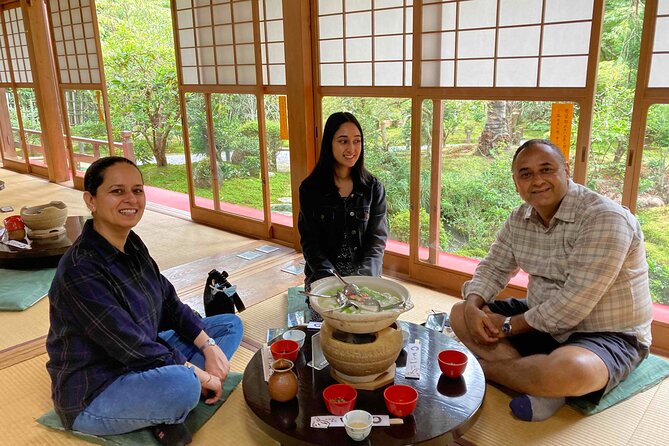
This is a private tour, meaning only your group participates. That is a big deal in Kyoto, where crowds and pacing can make a shared tour feel stressful.
Still, do not expect a private vehicle to carry you around. Pick-up and drop-off are on foot, and the tour is explicitly a walking experience. Even with a guide, you will be moving. Many stops are set for short visits, typically around 10 to 30 minutes, which is the right length for an efficient highlights day.
Practical tip: wear shoes you trust. If your feet are unhappy, Kyoto will feel longer than it is.
How the itinerary selections play out in real time
The tour is described as a customizable itinerary, with guidance to choose about 3 to 4 spots, while the tour is also marketed around selecting 4 to 6 sites from the available options. In practice, the guide will assemble a route that fits the 8-hour window.
Also note the fee structure. Some stops list free admission tickets, while others say admission ticket not included. The guide’s entry fees are only covered for sights listed under What to Expect, so you will want to know which places you selected are likely to cost extra.
Below is a tour-style breakdown of the stops you can slot in, and what each one is best for.
- PERFECT KYOTO 1-Day Bus Tour★ 5.0 · 13,518 reviews
- Kyoto: Fushimi Inari, Kinkakuji, Bamboo Grove 1 Day Bus Tour★ 4.8 · 4,316 reviews
- Kyoto: Tea Ceremony in a Traditional Tea House in Kiyomizu★ 4.9 · 3,519 reviews
- Kyoto Geisha Walking Tour: Gion District & Hidden Gems★ 4.7 · 3,273 reviews
- Kyoto: Tea Ceremony Ju-An at Jotokuji Temple★ 4.9 · 3,207 reviews
East Kyoto circuit: Fushimi Inari, Kiyomizu-dera, Gion, Nishiki
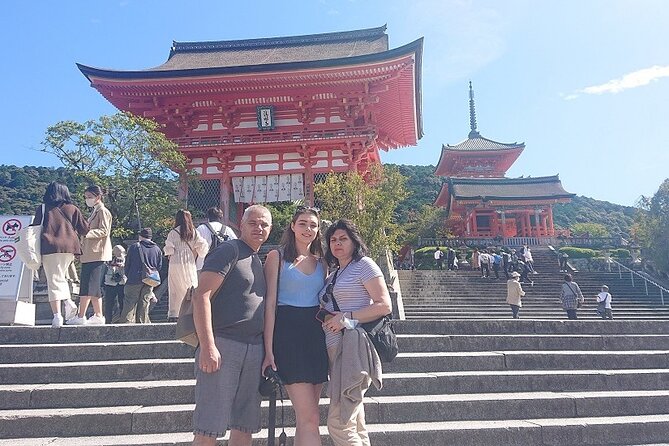
If you want the classic Kyoto sweep that most first timers dream about, this is the backbone.
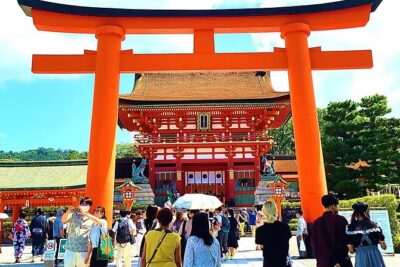
Fushimi Inari-taisha Shrine
Fushimi Inari is the shrine that defines the look of Kyoto for a lot of people. This stop is listed with free admission. The description also promises a short trip to parts of Fushimi Inari that are off-limits to ordinary tourists after the tour, which is the kind of access you usually only hear about in guide-led stories.
Why it is worth it: you get context for what you are seeing and why it matters, instead of wandering through the gates without a clue.
Kiyomizu-dera Temple
Kiyomizu-dera is one of Kyoto’s biggest crowd magnets, and it is listed for a guided visit. Admission is not included here, so check what you picked and expect to pay at the site.
In a short window, the value is your guide’s ability to connect the temple setting to Kyoto’s spiritual and cultural themes. You also set yourself up well for nearby old streets and viewpoints, depending on what your guide builds next.
Gion
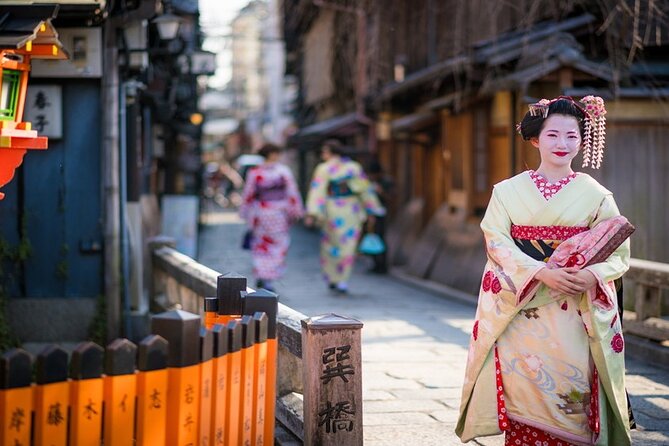
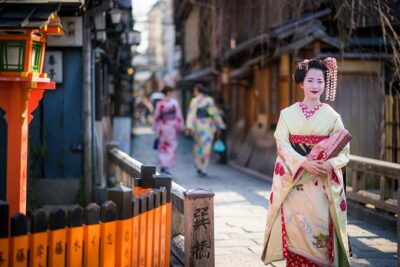
Gion can be confusing the first time you walk into it. The tour specifically frames Gion as a place where a guide helps you avoid getting turned around in the narrow alleys of the geisha district.
This stop is listed as free admission. That makes it a good use of time, especially if you want old Kyoto atmosphere without another ticket line.
Nishiki Market
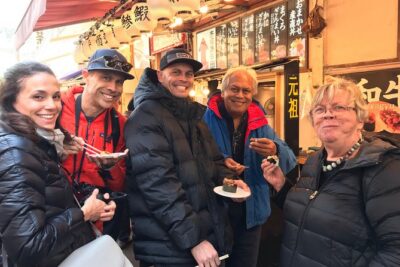
Nishiki Market is described as Kyoto’s Kitchen, a narrow shopping street lined with over one hundred shops and restaurants across about five blocks. It is listed as free admission.
What you do here is simple: snack, look, and enjoy the street energy. Use it to calibrate your day too. If you love food shopping, the market helps you find things you can actually use later in your trip.
Higashiyama Ward (best preserved historic streets)
Higashiyama Ward is listed as a free admission option. It covers the lower slopes of Kyoto’s eastern mountains and is presented as one of the city’s best preserved historic districts.
This is where Kyoto starts to feel like the postcard you hoped for, not because it is staged, but because the district layout stays readable. If you care about traditional street form, this is the stop.
Kennin-ji Temple
Kennin-ji is near Hanamikoji and Shijo streets and is listed as having expansive grounds that are pleasant to walk. It also notes karesansui, which are dry landscape gardens.
Admission is not included, but you are getting a different Kyoto flavor here: temple quiet in the middle of regular city life.
Sanjusangendo Temple
Sanjusangendo is listed for up to 30 minutes and centers on 1001 statues of Kannon, the goddess of mercy. Admission is not included.
This is the stop for when you want Kyoto culture that feels structured and focused. A lot of big famous temples are about sweeping views. Sanjusangendo is about sheer scale and repetition, and it helps you slow down.
Central Kyoto stops: Nijo Castle, Kyoto Imperial Palace, Pontocho
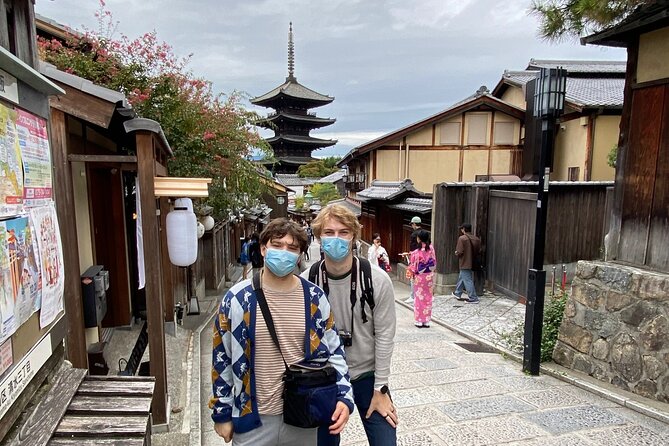
If you want the shogun-era and imperial-era Kyoto layer, this section brings it in.
Nijo Castle
Nijo Castle is UNESCO-listed and dates to 1603, built as the Kyoto residence of Tokugawa Ieyasu, the first shogun of the Edo Period (1603 to 1867). Admission is not included.
In an 8-hour walking tour, this is a high-impact stop. It gives you a timeline anchor, so other temples and districts feel less random.
Kyoto Imperial Palace
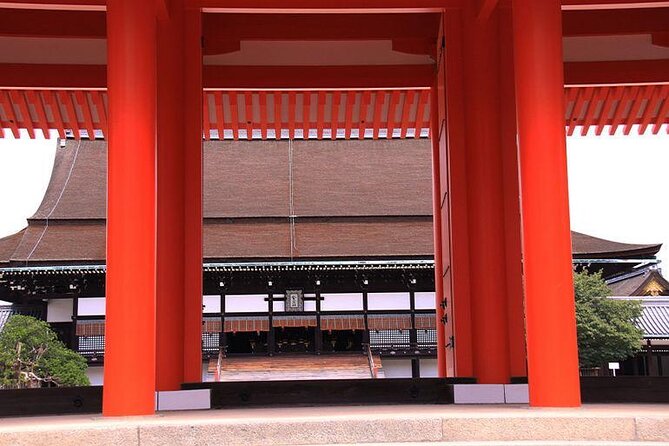
Kyoto Imperial Palace was the residence of Japan’s Imperial Family until 1868, when the emperor and capital moved from Kyoto to Tokyo. It is listed as admission ticket not included.
This is a good choice if you want a break from shrine gates and want to understand Kyoto’s political role, not only its religious role.
Pontocho
Pontocho is an atmospheric dining area, described as a narrow alley running from Shijo-dori to Sanjo-dori, one block west of the Kamogawa River. It is listed as free admission.
In short time slots, this is where you get ambiance without needing a ticket. It is also a great area for photos if you want reflections and alley angles, not just temple halls.
The Higashiyama temple choices: Ginkakuji, Nanzenji, Tofukuji, Tōji
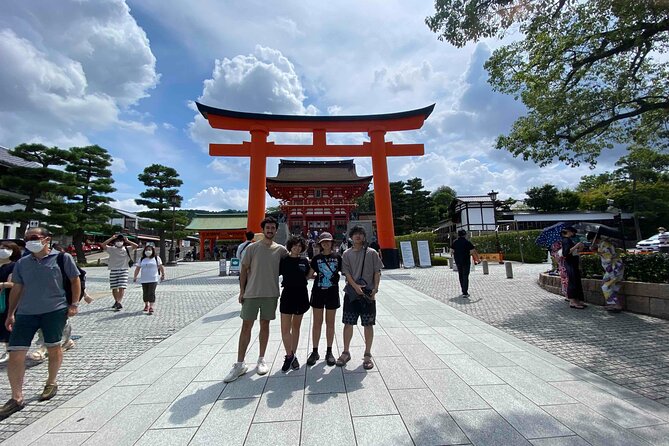
Kyoto’s eastern side is packed. Your guide helps you pick the right combination for your taste.
Ginkakuji (Silver Pavilion)
Ginkakuji is a Zen temple tied to Ashikaga Yoshimasa, who built a retirement villa on the grounds. Admission is not included.
Even if you are not a Zen scholar, this is a good stop because it is visually specific, and your guide can explain why it is symbolically important.
Nanzenji Suirokaku
Nanzenji Suirokaku is part of Nanzenji Temple, described as one of the most important Zen temples in all of Japan. Admission is not included.
This stop tends to feel spacious. If your day is full of dense alleyways and gates, Nanzenji can give your legs a little mental and physical breathing room.
Tofuku-ji
Tofukuji is a Zen temple founded in 1236, and it is especially famous for autumn colors. Admission is not included.
Season note: if you are visiting outside fall, it is still a good stop for temple architecture and Zen atmosphere, but autumn-specific expectations might be tempered.
Tōji
Tōji Temple is listed as free admission. It is an East Temple founded around the early Heian Period, after the capital moved to Kyoto in the late 700s.
This is a strong option if you want a major temple experience without adding a ticket cost.
The golden and the Shogun connections: Kinkakuji and beyond
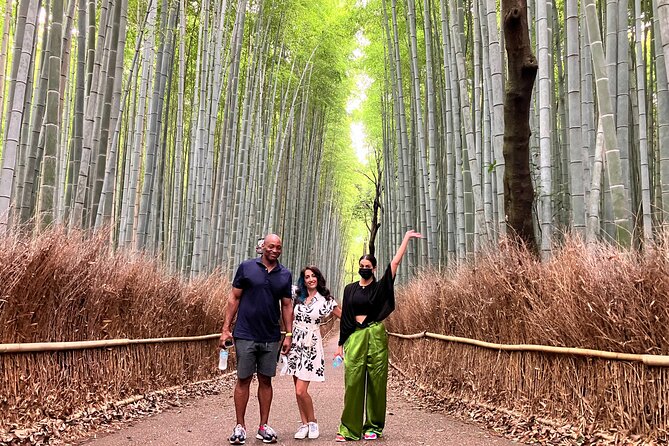
Kinkakuji (Golden Pavilion)
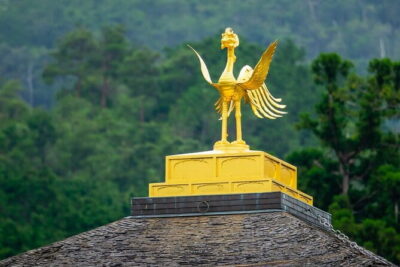
Kinkakuji is a Zen temple where the top two floors are covered in gold leaf. Admission is not included.
This is one of the most recognizable sights in Japan. In an 8-hour tour, you need only a short visit to understand why it became famous.
Ninnaji
Ninnaji is a World Heritage Site and the head temple of the Omuro School of the Shingon sect. It was founded in 888. Admission is not included.
Pick this if you want variety in Buddhist traditions. It adds a different flavor than the Zen stops, and it helps your day feel more dimensional.
Shugakuin Imperial Villa
Shugakuin Imperial Villa was built in the 17th century by Emperor Gomizuno, and it is managed by the Imperial Household Agency. It consists of upper, middle, and lower villa areas. Admission is not included.
This is a good choice if your ideal Kyoto day includes gardens and a sense of space, not only temples.
Mountain Kyoto options: Kibune River and Kurama-dera
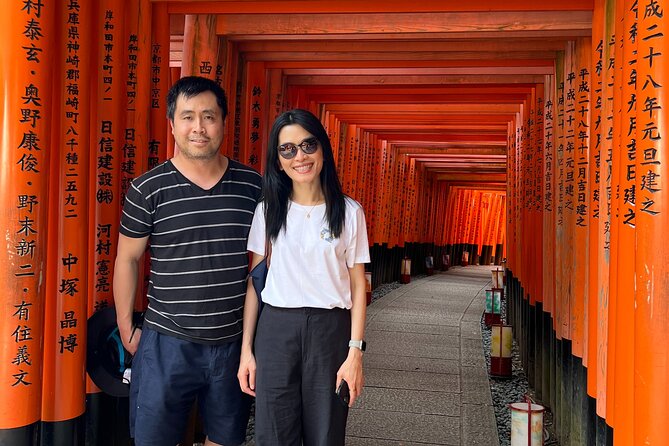
If you want a quieter, greener feel and the chance to step outside the tight central circuit, these options help.
Kibune River
Kibune is a small town in a forested valley in northern Kyoto, developed around Kifune Shrine. It is listed as free admission, and it includes a legend about a goddess traveling from Osaka up to the region.
This stop is about mood. It can work well as a calmer break after more crowded classics.
Kurama-dera
Kurama is described as less than an hour from the city center and is known for Kurama-dera and a hot spring described as one of the most easily accessible.
Admission is not included. If you like mountain temple settings, this fits the bill, especially when you have already done a few big-name sights.
Ryoanji and the rock garden stop
Ryōan-ji Temple
Ryoanji is the site of Japan’s most famous rock garden. Admission is not included, and the stop is planned for about 10 minutes.
If your group wants one moment that is quiet and iconic, this is it. Your guide can help you look at the arrangement in a way that makes it feel less like a photo background and more like a designed experience.
Arashiyama and the western Kyoto day: bamboo, bridge, villas
Arashiyama is where Kyoto shifts from temple gates to scenic walking.
Arashiyama district
Arashiyama is described as a tourist-friendly district in western outskirts of Kyoto, popular since the Heian Period. Admission is not included.
This is often where your photos start to look more like travel pages and less like point-and-shoot documentation.
Togetsukyo Bridge
Togetsukyo Bridge is Arashiyama’s iconic landmark. It was originally built during the Heian Period and reconstructed in the 1930s. Admission is not included.
If your time is short, bridge photos plus the surrounding footpaths usually deliver the main visual payoff.
Bamboo groves and walking paths
The tour options include walking paths through the bamboo groves, with notes that a light wind makes the tall bamboo stalks sway gently.
Admission is not included. The value is time outdoors, not a ticketed attraction. Build your route around when you want a break from temple interiors.
Tenryū-ji Temple
Tenryuji is presented as the most important temple in Arashiyama, ranked first among Kyoto’s five great Zen temples and registered as a world heritage site. Admission is not included.
This is the stop that ties the scenery to Zen tradition.
Daikaku-ji Temple
Daikakuji is a large temple in the Sagano district and was originally built as the detached palace of Emperor Saga. Admission is not included.
Pick it if you enjoy the idea of emperors and landscapes blending together.
Katsura Imperial Villa
Katsura Imperial Villa is described as one of the finest examples of Japanese architecture and garden design. It was completed in 1645 as the residence for the shogun. Admission is not included.
If gardens are your thing, this is the kind of stop you remember long after the photos. It is also a good reminder that Kyoto elegance is not only in temples.
Okochi Sanso Garden
Okochi Sanso is the former villa of actor Okochi Denjiro, located behind Arashiyama bamboo groves. The stop is planned at about 10 minutes. Admission is not included.
This can add a lighter, human story to the day, mixing entertainment history with garden design.
The smaller temple stops around Arashiyama’s hillside
These are the stops for when you want quiet details. They are listed as admission not included, and each gets short time slots.
Jojakkoji
Jojakkoji is a mountainside temple founded in 1596, with maple trees and moss by paths and stairs. Admission is not included.
Nisonin
Nisonin is similar to Jojakkoji, with slightly larger and imposing buildings, and a generally understated atmosphere shaped by overhanging trees.
Gio-ji
Gio-ji is described as even more tucked into forest areas, known for a moss garden punctuated with tall maple trees. It also notes thatched roofing for key structures.
If you have already visited big temple names, these smaller hillside gardens can feel refreshing. If you hate uphill steps, your guide might adjust which hillside stops fit.
Yoshimine-dera
Yoshiminedera is a Tendai sect temple in the western mountains, built along the slopes. Admission is not included.
North Kyoto temple complexes: Daitoku-ji, Myoshinji, and Eikando
Kyoto’s north side can be calmer, especially for people who do not want every stop to feel like a headline.
Daitoku-ji
Daitokuji is a large, walled temple complex and the head temple of the Rinzai sect’s Daitokuji school of Zen Buddhism. It includes nearly two dozen subtemples. Admission is not included.
Myoshinji
Myoshinji is a large complex with about 50 subtemples, and a few temple halls can be entered. Admission is not included.
Eikando Zenrinji
Eikando is very famous for autumn colors and evening illumination. It is listed at 30 minutes, admission not included.
If you are not visiting in autumn, you can still enjoy the temple setting, but the big selling point will be seasonal.
Nenbutsu-ji and the famous stone statue experience
Adashino Nenbutsuji
Adashino Nenbutsuji is located at the end of the Saga-Toriimoto Preserved Street and was founded in the early 9th century. It includes stone statues placed by Kobo Daishi for the souls of people described in the listing.
Admission is not included.
Otagi Nenbutsuji
Otagi Nenbutsuji is known for 1200 stone statues of rakan, each with a different face. Admission is not included.
This is the stop that feels odd in a good way. It is one of those places where your guide’s explanations help you understand what you are looking at and why it is arranged this way.
What to expect from guide-led learning and pacing
The best moments in Kyoto are usually the ones where you understand what you are looking at. This is where your guide earns their keep.
Past tours highlighted guides who helped groups start immediately, like Karkoo Tanigawa supporting a party of six adults. Other guides such as Ichiro and Shu were praised for being professional and going above and beyond across multiple days. The common theme is clear: you get firm, friendly help and a day that does not drift.
Also, many stops are planned for short visits. That can feel rushed if you hate galleries and tours. It can feel perfect if you like a sense of progress and you want to keep moving through Kyoto’s big zones.
Fees, lunch, and how not to get caught short
Let’s talk money in a realistic way. This tour price covers the licensed local English guide and a customizable tour around selected stops. It does not include transportation fees, entrance fees (most of the time), lunch, or other personal expenses.
Some stops are listed as free admission tickets. That helps. Still, if you pick multiple paid-entry temples in one day, you will notice the entrance costs add up.
Food is not included, but you are walking through places like Nishiki Market and Pontocho. That makes meals easier to handle if you build in a snack rhythm: quick bites during free stops, and a real meal in a dining area at your own pace.
One more fee note: guide entry fees are only covered for sights listed under What to Expect. So, if you add or swap something outside that set, you should expect to pay.
Should you book this Kyoto 8-hour private tour?
Book it if you want:
- a government-licensed English guide to shape your day
- an efficient highlights route that covers both temples and streets
- flexibility to choose what matters most to you, instead of following someone else’s checklist
Skip it if:
- you want a car-based tour with long sit-down time
- you dislike paying separate entrance fees for multiple temple stops
- you are hoping to cover every famous Kyoto attraction in one day
If you book, do one thing that makes the tour feel smoother: pick a few non-negotiables first, then let your guide handle the order and the rest. Kyoto rewards focus. And with a private walk day like this, you get to spend your time looking, not figuring out.
FAQ
How long is the Kyoto private tour?
The tour runs for about 8 hours.
Is this tour private or shared?
It is a private tour/activity, so only your group will participate.
Can I customize which places we visit?
Yes. You can plan a personalized itinerary. The description suggests choosing 3 to 4 spots, and the tour format also describes selecting 4 to 6 sites from the available options.
Do I get an English-speaking guide?
Yes. You’ll have a licensed local English-speaking guide.
Is pickup included, and where do we meet?
Pickup is offered, and pickup and drop-off are on foot. You meet your guide on foot within a designated area in Kyoto.
Is this mostly a walking tour?
Yes. It is a walking tour, and there is no private vehicle included.
Are entrance fees included?
No. Entrance fees are not included. Some listed stops have free admission tickets, while others do not include admission.
Are transportation fees and lunch included?
No. Transportation fees, lunch, and other personal expenses are not included.
Can I cancel and get a full refund?
Yes. Free cancellation is available up to 24 hours in advance for a full refund.
Licensed Guides on the Same Ground
Newest Kyoto write-ups from the Loving Japan desk

Tours with Government-Licensed Guides, side by side.
 ★ 5.0Tokyo 6hr Private Tour with Government-Licensed GuideFrom $1553,902 reviews
 ★ 5.0Kyoto 6hr Private Tour with Government-Licensed GuideFrom $1551,369 reviews
 ★ 5.0Hiroshima / Miyajima Full-day Private Tour with Government Licensed GuideFrom $2021,298 reviews
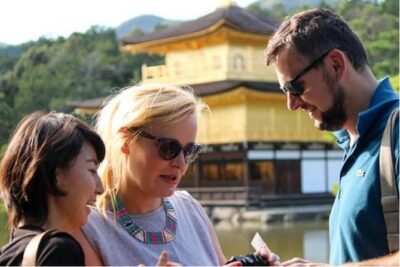 ★ 5.0Kyoto 4hr Private Tour with Government-Licensed GuideFrom $109629 reviews
 ★ 4.8Private Tour with Local Licensed GuideFrom $106463 reviews
 ★ 5.0Hiroshima City 4hr Private Walking Tour with Licensed GuideFrom $122437 reviews
 ★ 5.0Private Kyoto Tour with Licensed Guide & Vehicle (Max 15 persons)From $634417 reviews
 ★ 5.0Osaka 4hr Private Tour with Government-Licensed GuideFrom $109359 reviews
Filed on these lists too