
REVIEW · NARA DEER PARK AND TODAI-JI
Nara 8hr Private Tour – Kyoto DEP. with Licensed Guide
Nara in one day beats any checklist. You can pick 3-4 sites, so the day centers on the big hitters like Todaiji and Nara Park deer instead of sprinting all over. I also like that a government-licensed English guide connects what you see to Japan’s wider story, so it actually makes sense. The main thing to watch is cost creep, since train fare and most temple or museum entry fees are not included.
This is a true private outing, only your group, with an 8-hour walking format built around what you want. You meet the guide on foot in Kyoto, then head toward Nara by public transportation. If you’re expecting one neat museum-brick schedule, you’ll be happier setting the tone as a walk-and-visit day.
Guides here seem to run their tours with real prep. I liked hearing how guides like Ken, Yuka, Haru, and Rie adjust the route based on your pace and interests, whether that means spending extra time on architecture or keeping things moving around crowds.
In This Review
- Key things to know before you go
- Why Nara feels bigger than you expect
- The real win: licensed English guidance, not just a route
- Picking your 3 to 4 sites so the day doesn’t drag
- Todaiji Temple: the Great Eastern Temple you should actually see well
- Nara Park and Kasuga Taisha: deer watching with real context
- Wakakusayama Hill: the short walk that can buy you big views
- Horyu-ji Temple: when you want the older layer
- Naramachi and the old merchant streets you can actually walk through
- Kofuku-ji: Fujiwara power made visible
- Yakushiji and Shin-Yakushiji: symmetric design and medicine-era devotion
- Toshodai-ji: Buddhism taught through a cross-cultural story
- Nara National Museum: the day gets smarter, not longer
- Heijō Palace Site Historical Park: where the government once lived
- Gardens and views: Isuien and Yoshikien for a calmer ending
- Isuien Garden
- Yoshikien
- Price and value: what you’re paying for at $201.51 per person
- What the day feels like on the ground
- Who should book this Nara private tour from Kyoto
- Should you book this tour
- FAQ
- How long is the Nara private tour from Kyoto?
- How many sites can I choose during the tour?
- Where do I meet the guide in Kyoto?
- Is this tour private or shared with other people?
- Are entrance fees included for temples and museums?
- Do I need to pay for transportation to Nara?
- Do I get tickets on my phone?
- Can I cancel for a full refund?
- Is the guide English-speaking?
- Are service animals allowed?
Key things to know before you go
- Choose 3 to 4 sites from the full Nara menu, so your time goes where you care most.
- Todaiji is often the emotional center, especially once you’re standing in front of the Great Buddha complex.
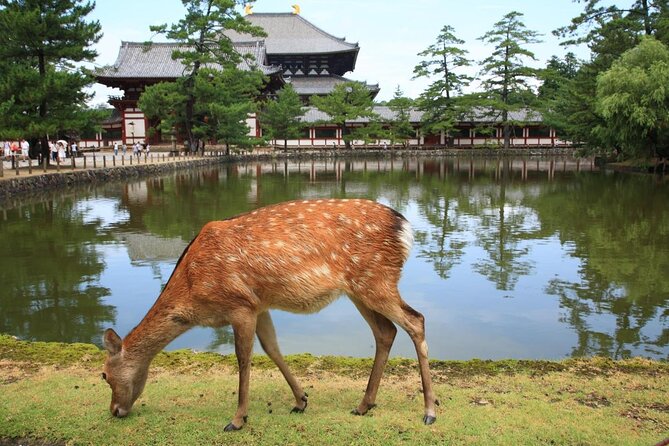
- Nara Park deer are part of the experience, with lots of time to watch them calmly graze.
- Expect walking and public transit, since there is no private vehicle included.
- Some stops are free, like Nara Park and Kasuga Taisha, while many temple halls and gardens have separate admission.
- A licensed English guide handles the flow, including practical tips like how to navigate and where to focus.
A half day in Nara goes several ways
- Kyoto/Osaka: Nara, Fushimi Inari Taisha, Arashiyama Bus Tour
★ 4.7 · 1,275 reviews - Osaka/Kyoto: Arashiyama, Nara & Fushimi Inari Shrine w/Lunch
★ 4.4 · 754 reviews - Kyoto and Nara Day Trip from Kyoto
★ 4.5 · 445 reviews - Full Day Guided Tour to Kyoto and Nara from Osaka by Van
★ 5.0 · 420 reviews
Why Nara feels bigger than you expect
Nara is the old capital era, and it hits different from Kyoto’s temple lanes. In about one day, you can bounce between monumental Buddhist halls, Shinto shrine ritual space, old merchant streets, and palace ground where the early government ran the show.
What I love most is how compact it can be when you have a plan. With the guide’s input, you don’t just see places, you learn how they connect, like why Todaiji matters, then why Kasuga Taisha stayed so important to the city’s protection.
The real win: licensed English guidance, not just a route
This tour is built around a government-licensed local English-speaking guide. That matters because Nara is full of details that are easy to miss if you’re trying to read everything on your phone while walking.
The best kind of guiding here is practical, like using common sense timing around crowds and helping you focus inside the major sites. In the same tour format, I’ve seen guides highlight things like how Todai-ji gets busy with school excursions, so you still find moments to appreciate the Great Buddha area without feeling lost in the crowd.
Guides also seem to work with your personal interests. One example from how guides describe their approach: Ken planned around what teens in a group wanted to see, and Yuka was able to adjust toward Yakushiji even when it’s not the first stop most people think of.
Picking your 3 to 4 sites so the day doesn’t drag
You have about 8 hours total, and the tour is designed around choosing a smaller set of sites (3 to 4) from a longer list. Each stop has about a half-hour slot in the plan, so the math is simple: fewer sites means more time to actually look, ask questions, and not feel rushed during entry lines.
Because entrance fees are not included for many stops, your choices also affect the total out-of-pocket. If you go heavy on temple halls, museums, or gardens, your day can cost more than you first expect. If you prioritize the free hits like Nara Park and Kasuga Taisha, you can keep it more budget-friendly.
One more practical point: this is a walking tour with pickup on foot in Kyoto. That means comfortable shoes matter, and you’ll want to carry a small water bottle plan for your chosen day, especially during hot or rainy weather.
Licensed guides working the same ground
- Kyoto 6hr Private Tour with Government-Licensed Guide★ 5.0 · 1,369 reviews
- Kyoto 4hr Private Tour with Government-Licensed Guide★ 5.0 · 629 reviews
- Kyoto: Private Tour with Local Licensed Guide★ 4.8 · 463 reviews
- Private Kyoto Tour with Licensed Guide & Vehicle (Max 15 persons)★ 5.0 · 417 reviews
- Nara 8hr Private Tour – Kyoto DEP. with Licensed Guide★ 5.0 · 115 reviews
Todaiji Temple: the Great Eastern Temple you should actually see well
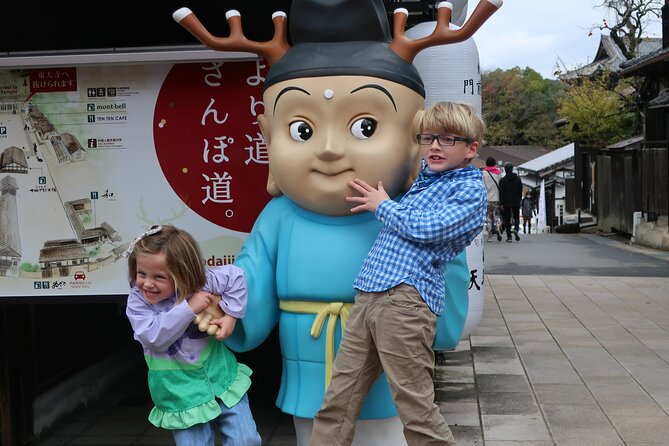
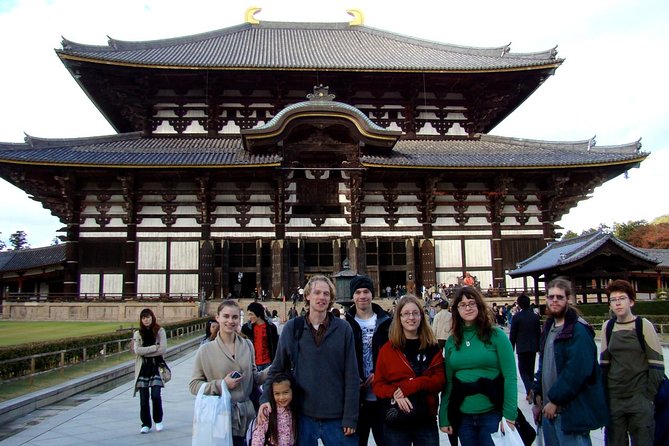
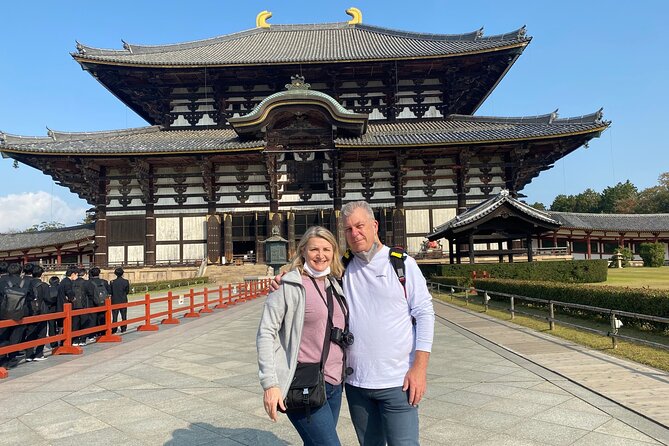
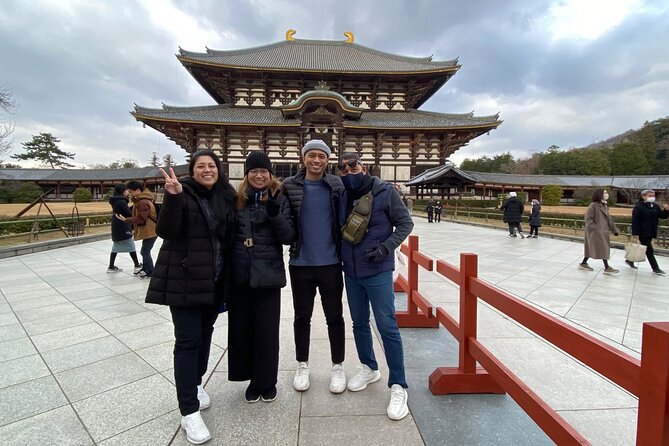
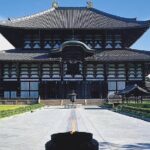
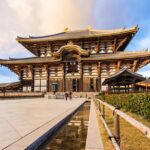
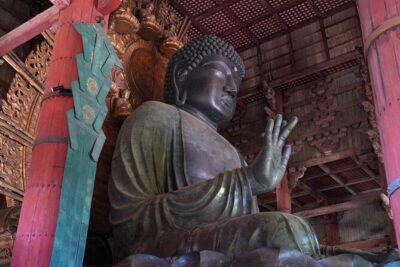
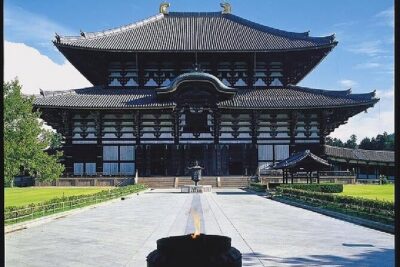
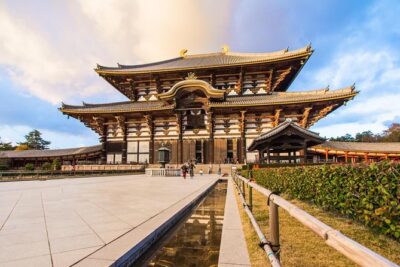
Todai-ji (also spelled Todaiji) is where the day often clicks into place. This is Japan’s landmark Great Buddha complex, with origins in the 8th century, and it’s famous for a reason.
What you’ll do here:
- Step into the monumental space and take in the scale of the complex.
- Focus on the halls and the Great Buddha area, which is the emotional core of the site.
- Use your guide’s pacing to dodge some of the worst crowd frustration.
What to watch out for:
- Entry fees are not included for this stop.
- It can get packed with school groups, so you may need to adjust expectations. A strong guide helps you still appreciate the Vairocana Buddha hall area without feeling like you’re just standing in a human line.
A fun detail I’d plan for: one guide experience included sharing the classic idea of lining up to crawl through the hole in the pillar, as part of that playful, Nara-specific tradition.
Nara Park and Kasuga Taisha: deer watching with real context
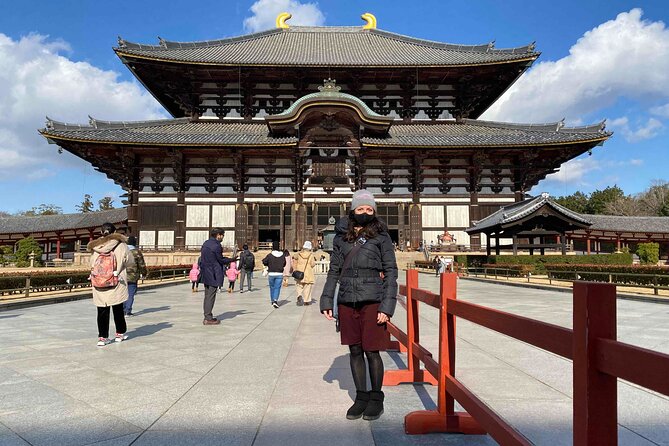
Nara Park is where you slow down. It is a large central park, and the guided magic is in learning why it fits the whole city’s sacred geography.
Here’s what to expect:
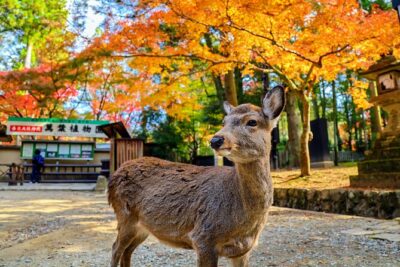
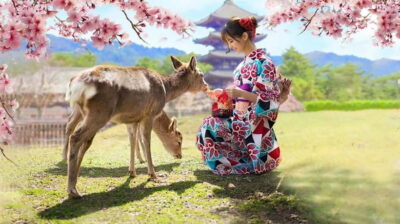
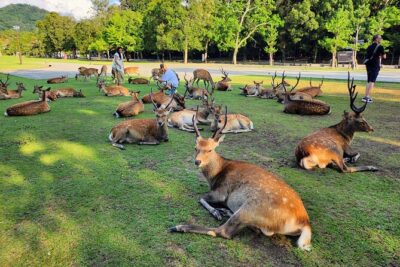
- Time in Nara Park, where you can watch the free-roaming deer graze.
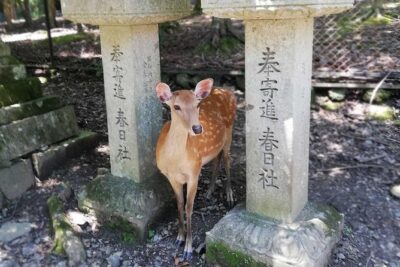
- Kasugataisha Shrine next, which is Nara’s celebrated shrine dedicated to a deity said to protect the city.
- Time to walk the shrine approach, often described as feeling like a quiet forest path because of the vegetation and stone lantern setting.
Cost note:
- Nara Park is free.
- Kasugataisha is free.
That makes this pair one of the best value sections of the day.
Why a guide helps here:
Deer can be fun, but context makes it better. Your guide can explain the spiritual and historical layers behind why deer and shrines matter in this part of Japan, so you’re not just doing a photo moment.
Wakakusayama Hill: the short walk that can buy you big views
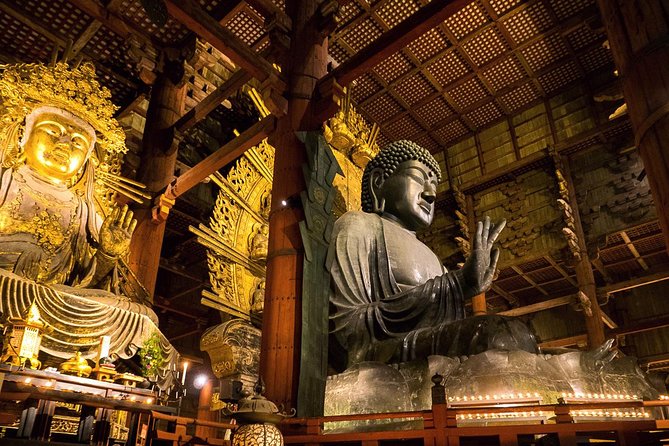
Wakakusayama Hill sits behind the park and sits between Todaiji and Kasuga. Even if you keep it brief, it can give you a change of perspective.
What it adds:
- A grass-covered mountain option with views over the Nara area.
- A natural pause after temple-heavy time.
What to watch out for:
- Admission is not included for this stop.
- It is still a walking day, so decide based on your energy and weather.
If your day is hot or crowded, this hill choice can be a smart trade, since it can help break up the density of the shrine and temple complex areas.
Horyu-ji Temple: when you want the older layer
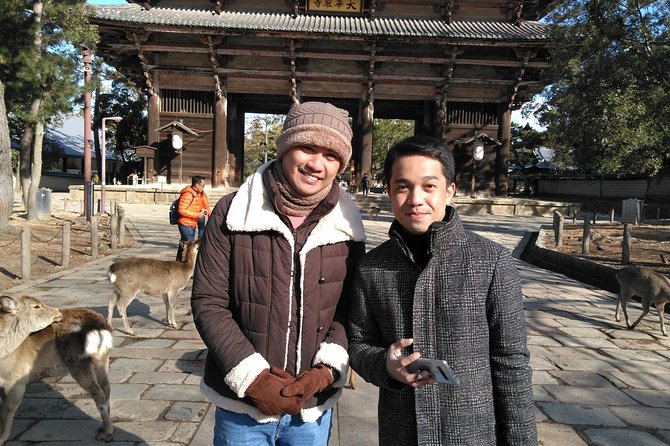
If you pick Horyu-ji, you are choosing one of Japan’s earliest and most significant Buddhist temples. Founded in 607 by Prince Shotoku’s circle, it’s also known for being among the oldest wooden structures in Japan.
Why I’d consider it:
- It shifts your day from Nara Park and Todaiji’s scale into early-history appreciation.
- It gives you an older architectural benchmark for how Buddhism spread in Japan.
Cost note:
- Admission is not included for this stop.
Time reality:
This tour is designed for 3 to 4 sites total. If you’re the type who wants to understand building history and religious development, Horyu-ji can be a great use of one of your limited slots.
Naramachi and the old merchant streets you can actually walk through
Naramachi is the Edo-era merchant district of Nara, with traditional residences and preserved buildings you can explore on foot.
Why this stop matters:
- It gives you daily-life context, not just religious monuments.
- It breaks the temple rhythm and makes the day feel more like a real place.
What you might enjoy:
- Wandering shopfronts and small streets where the old town look still feels tangible.
- Pairing it with nearby sacred sites so the day feels balanced.
Cost note:
- This stop is listed as free.
If you care about atmosphere, street layout, and how commerce shaped the city, Naramachi is a strong candidate for one of your chosen stops.
Kofuku-ji: Fujiwara power made visible
Kofuku-ji (with its connection to the powerful Fujiwara clan) is the kind of temple stop that adds political weight to your day. It ties Nara’s Buddhist world to the real governing families who had influence over culture and religion.
What to expect:
- Time in the temple complex with your guide connecting it to the larger Nara and Heian period story.
- A chance to look at structures with a sense of the dynasty level importance.
Cost note:
- Admission is not included for this stop.
If you pick multiple temple options, keep in mind this is still one of only 3 to 4 slots. I’d choose Kofuku-ji if you want that blend of religion plus “who held the power.”
Yakushiji and Shin-Yakushiji: symmetric design and medicine-era devotion
Yakushiji is built with a strictly symmetric layout, and it’s connected to late 7th century imperial history. It is also associated with Emperor Tenmu’s time and healing themes.
Shin-Yakushiji adds another layer, founded later in the Nara period and devoted to Yakushi Buddha, patron of medicine in Japanese Buddhism.
What these stops give you:
- A chance to compare sacred design, layout, and devotional focus across sites.
- Architecture details you’ll appreciate more when you have a guide pointing out what matters.
Cost note:
- Admission is not included for Yakushiji and Shin-Yakushiji.
Who should pick these:
If you like temple geometry, building layouts, and why certain gods or Buddhas became central to people’s hopes and wellbeing, these are great choices.
Toshodai-ji: Buddhism taught through a cross-cultural story
Toshodai-ji was founded by Ganjin, a Chinese priest invited to Japan to train priests and strengthen Buddhist practice. That cross-cultural connection is one reason it feels like more than just another temple.
What you’ll likely get:
- A clear storyline for how Buddhism and training spread.
- A chance to appreciate old temple significance through that human story.
Cost note:
- Admission is not included for this stop.
If you want one stop that emphasizes how ideas moved, not just how buildings look, Toshodai-ji fits well.
Nara National Museum: the day gets smarter, not longer
The Nara National Museum is in Nara Park and focuses on Japanese Buddhist art. If you’re temple-worn by the time you reach it, the museum can still be worth it because it helps you “read” what you saw outside.
What to expect:
- A museum stop that supports the art and religious themes you encountered in temple halls.
- A chance to see Buddhist art in a more controlled setting, which can be easier during rain.
Cost note:
- Admission is not included for this stop.
If you like history, details, and the why behind iconography, this can be a smart swap for a second temple hall when you’re only choosing 3 to 4 sites.
Heijō Palace Site Historical Park: where the government once lived
The Heijō Palace Site Historical Park covers the ground of Nara when it served as the capital of Japan, known as Heijō-kyo. It’s a different kind of visit, more about civic space than temple halls.
What it adds:
- A sense of place for how Japan’s early capital operated.
- A calmer, open-air feeling compared to shrine interiors.
Cost note:
- Admission is not included for this stop.
If you want your Nara day to feel like more than sightseeing, this is a good choice. It helps you understand the city’s role in national history.
Gardens and views: Isuien and Yoshikien for a calmer ending
If you want your last portion to be quiet and reflective, garden stops are a nice way to finish.
Isuien Garden
Isuien uses the idea of borrowed scenery, including views tied to Todaiji’s Nandaimon Gate and Mount Wakakusayama. That blend of garden design and temple surroundings is the point.
Cost note:
- Admission is not included.
Yoshikien
Yoshikien is named for the Yoshikigawa River beside it. It is built on the site connected to former Kofukuji priests, which adds another historical thread.
Cost note:
- Admission is not included.
How I’d choose between them:
- Pick Isuien if you like the design trick of using Todaiji and Wakakusayama as part of the garden composition.
- Pick Yoshikien if you like strolling a central garden tied to river scenery and Kofukuji history.
Price and value: what you’re paying for at $201.51 per person
$201.51 per person for an 8-hour private day is not cheap on paper. But in practice, you’re buying three things that add real value in Nara.
First, you’re paying for time saved and focus gained. Without guidance, it’s easy to spend hours figuring out routes, entrances, and the best use of limited daylight. With a plan, you spend the day inside the sites that match your interests.
Second, you’re paying for the licensed English ability to explain what you’re seeing. Nara’s mix of Buddhism, Shinto practice, imperial-era stories, and architecture can feel like random facts if you’re going it alone.
Third, you’re paying for flexibility. Because you choose 3 to 4 sites, you can shape the day around your group, not around a one-size schedule.
The real cost consideration is that many entrances, museums, and hills are not included, plus transportation is extra. If you budget for at least a couple paid sites, the price starts to feel more reasonable.
What the day feels like on the ground
This is a walking tour day. You should plan for:
- Shoes you can walk in for hours.
- Time to queue at major sites.
- Weather adjustments, because rain or heat can change how long you want to stay outdoors.
One of the best pieces of advice I can give is this: pick one “big ticket” temple, one “outside” experience (deer park, shrine, or hill), and one “context” stop (museum, palace site, or Naramachi). That keeps the day balanced.
Also, don’t be surprised if the day feels full even with 3-4 sites. Nara sites are popular, and the walk between areas can add up.
Who should book this Nara private tour from Kyoto
Book it if:
- You want a private, English-guided day trip from Kyoto.
- You care about temple and shrine meaning, not just photos.
- You want to choose between major sites instead of getting forced into a fixed itinerary.
Consider another option if:
- You want a very light, low-walking day. This plan is built as a walking day.
- You hate budgeting for extra entrances and public transit. Many major stops are ticketed.
Best match for families and mixed ages:
This format works well when someone in your group likes history and someone else wants the fun parts like deer and old streets. Guides like Ken and others have described tailoring routes for teens and mixed interests.
Should you book this tour
Yes, if you want Nara in one efficient day and you’d rather pay for guidance than gamble with time. The biggest reason to book is that a licensed guide helps you see less, better. You can focus on the Great Buddha experience, balance it with deer and shrines, and then add context with museum, palace grounds, or historic town streets.
If you want maximum value, choose:
- Todai-ji or Horyu-ji,
- Nara Park and Kasuga Taisha,
- and then one option that matches your personality, like Naramachi for atmosphere, or Isuien/Yoshikien for calmer garden time.
FAQ
How long is the Nara private tour from Kyoto?
It runs for about 8 hours.
How many sites can I choose during the tour?
You can choose between 3 to 4 sites for your personalized walking tour.
Where do I meet the guide in Kyoto?
You meet the licensed guide on foot within a designated area in Kyoto.
Is this tour private or shared with other people?
It is a private tour/activity, so only your group participates.
Are entrance fees included for temples and museums?
Not generally. Many stops list admission as not included. Nara Park and Kasuga Taisha are listed as free.
Do I need to pay for transportation to Nara?
Yes. Transportation fees are not included, and a private vehicle is not included.
Do I get tickets on my phone?
A mobile ticket is included.
Can I cancel for a full refund?
Yes. You can cancel up to 24 hours in advance for a full refund.
Is the guide English-speaking?
Yes. The tour includes a licensed local English-speaking guide.
Are service animals allowed?
Service animals are allowed.
Licensed Guides on the Same Ground
Half a Day in Nara

Newest Kyoto write-ups from the Loving Japan desk

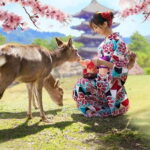
Nara Deer Park and Todai-ji, side by side.
 ★ 5.0World Heritage Kyoto & Nara Uji Authentic Matcha ExperienceFrom $1291,573 reviews
 ★ 4.7Kyoto/Osaka: Nara, Fushimi Inari Taisha, Arashiyama Bus TourFrom $521,275 reviews
 ★ 5.0Nara Half Day Trip Walking Tour (Private Option Available)From $105937 reviews
 ★ 4.4Osaka/Kyoto: Arashiyama, Nara & Fushimi Inari Shrine w/LunchFrom $61754 reviews
 ★ 5.0Nara Early Morning Tour (Kyoto or Osaka Departure Available)From $61676 reviews
 ★ 4.5Kyoto and Nara Day Trip from KyotoFrom $194445 reviews
 ★ 5.0Full Day Guided Tour to Kyoto and Nara from Osaka by VanFrom $106420 reviews
 ★ 4.5Nara Afternoon Tour from Kyoto or OsakaFrom $102390 reviews
Filed on these lists too