
REVIEW · TOKYO MUSEUMS, GALLERIES AND TEAMLAB
Kyoto : Family-Friendly Sword Lesson at Samurai Ninja Museum
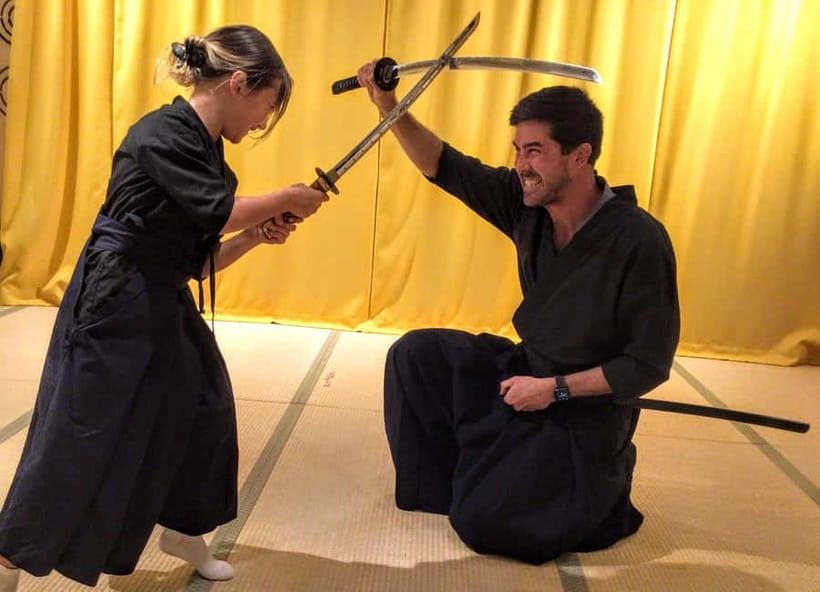
Kyoto can be serious about tradition, but this is action-based. In about 2 hours, you get dressed up, learn basic sword moves, and take photos that actually look like a scene from a film. I especially like the hands-on katana lesson and the kid-friendly vibe that still respects the craft.
Two more things I like: you practice real movement sequences, not just posing, and the experience keeps you busy with both samurai and ninja activities. One drawback to plan around, especially with younger kids: children under 3 can’t enter the samurai venue, so this is best for families with toddlers who are old enough to participate.
In This Review
- Key highlights you will feel right away
- Why a Kyoto sword lesson feels different than a quick souvenir stop
- Getting geared up at the Samurai Ninja Museum (outfit, helmet, armor)
- The katana basics: demo first, then kata practice
- Posing with swords: how to get good photos without wasting time
- Ninja weapon trial: shuriken target practice
- The guided museum visit: what you gain beyond the costumes
- Price and value for a 2-hour Kyoto family activity
- Timing, group size, and who this fits best
- Should you book this Kyoto samurai sword lesson?
- FAQ
- How long is the Kyoto family-friendly sword lesson?
- What is included in the price?
- Is transportation to or from the activity included?
- What languages are available for instruction?
- How many people are in the group?
- Are there age limits for children?
- Is the activity accessible for wheelchairs and strollers?
- What is the cancellation policy?
Key highlights you will feel right away
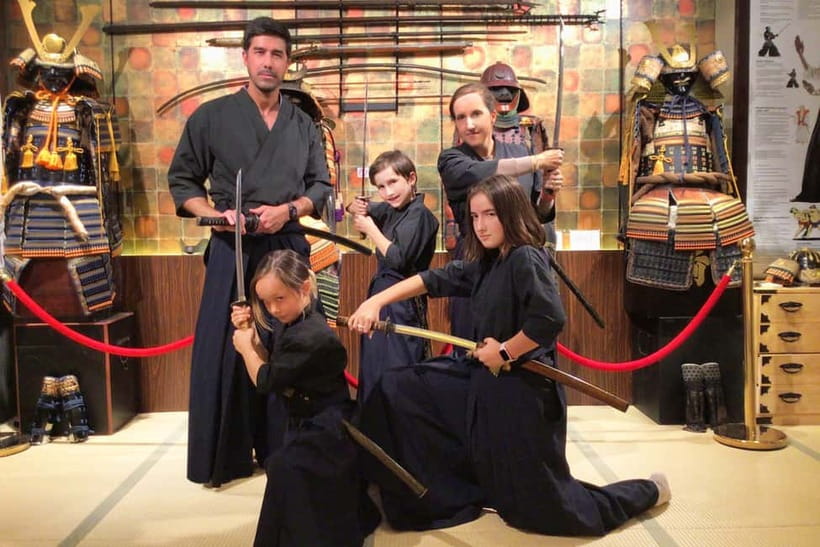
- Full samurai costume experience, including hakama, helmet, and armor pieces
- Katana instruction with kata practice, after a guided demonstration
- Photo time that looks themed, with studio-style and samurai-themed backdrops
- Ninja weapon trial, including target practice with shuriken
- Small-group feel, limited to 10 participants for the lesson portion
- Museum add-on, with a guided look at samurai and ninja content
Indoors instead? Galleries and light rooms we visited
- Skip the lines Basic Ticket at SAMURAI NINJA MUSEUM KYOTO
★ 4.5 · 632 reviews - Kyoto : Geiko Maiko Dance of Kyoto & Visits of Gion Museum
★ 4.6 · 415 reviews - Kyoto: Samurai Ninja Museum guided tour
★ 4.8 · 145 reviews - Ninja Experience (Family Friendly) at Samurai Ninja Museum KYOTO
★ 4.5 · 132 reviews
Why a Kyoto sword lesson feels different than a quick souvenir stop
This experience works because it is built around doing, not watching from the sidelines. You show up, get your costume on, and within minutes you are learning how to move with purpose. That shift, from tourist mode to trainee mode, is what makes it fun even if you have zero martial arts background.
I also like that it treats the sword lesson as a skill. Yes, there are photos. But there’s a real structure: an instructor demonstrates proper swinging, you learn a couple of kata (movement sequences), and you practice with guidance. That turns your time into a short workshop you can remember, not a ticket you forget the next day.
The setting is the Samurai Ninja Museum area in Kyoto, which matters because the vibe is already “on theme.” You are not walking all over Kyoto trying to create the atmosphere yourself. Everything you need for the samurai-to-ninja transformation is concentrated in one visit.
Getting geared up at the Samurai Ninja Museum (outfit, helmet, armor)
The first phase is all about transformation. You’ll get into traditional hakam a style clothing, plus a helmet and armor pieces that make you look the part. For a lot of families, this is the main event before the lesson begins. The body language changes immediately, because you feel like you belong in the scene.
The photos are not an afterthought either. You’ll be posed with swords in front of samurai-themed backgrounds, including studio-style setups. In my view, the secret sauce is that they give you prompts and staging, so you don’t stand there awkwardly trying to figure out your “warrior stance.” Even adults who usually hate staged photos end up having an easier time once you are already dressed and directed.
Practical notes so you can enjoy it:
- Plan to wear comfortable shoes, because you’ll be standing and moving for parts of the session.
- Bring a steady mindset for costume hair and helmet fit. It’s part of the fun, but do expect adjustments.
- If you are traveling with a stroller, the site is stroller accessible, so you can keep the day smooth.
Wheelchair access is also supported, so the experience is designed to be physically workable for different visitors. That makes a big difference when you are thinking about the day as a family outing, not just an activity for people who can zip around easily.
The katana basics: demo first, then kata practice
This is where the experience earns its keep. You start with an instructor-led demonstration of how to swing a sword properly. Then you practice it yourself under instruction. That matters because sword lessons that skip technique can turn into chaos. Here, you get a safer structure, and you can focus on getting the movements right.
You’ll learn kata, meaning pre-set sequences of movements. One of the best-reviewed parts of the experience is learning two kata with the katana after the instructor teaches you the pattern. For you, that translates into something you can repeat in your head, not just one random swing.
It’s also worth noting the teaching style. The instruction is in English, and past bookings highlight instructors like Ken and Raito as strong teachers. Other instructor names, including Nobu and Jukia, show up in the mix too. The consistency across names is what you’re really buying: a lesson that works for kids and adults, not one that only makes sense for hardcore history buffs.
What you’ll do during this portion, in plain terms:
- Watch the correct motions once, so you understand the rhythm.
- Try the basic swings and stances.
- Practice the kata sequence with guidance, until it clicks.
What to watch for as a participant:
- Sword control is about timing and posture, not strength. If you keep your movements deliberate, you’ll feel more confident fast.
- Kids usually pick up the flow quickly, especially once they are wearing the outfit. The “role play” aspect helps focus.
Blade work and stagecraft, other sessions
- Kyoto Samurai Experience★ 5.0 · 1,294 reviews
- Kyoto: Kendo and Samurai Experience with Uniform and Gear★ 4.9 · 815 reviews
- Kyoto: Samurai Sword Class by Experts in Traditional Arts★ 4.9 · 657 reviews
- Ninja 1-hour Hands-on Lesson by Japanese master in Kyoto -Entry★ 5.0 · 489 reviews
- Kyoto: Ninja Weapon Forging Experience★ 4.8 · 478 reviews
Posing with swords: how to get good photos without wasting time
The photo moments are built into the flow, not tacked on awkwardly. You’ll pose with swords in front of a studio or samurai-themed backdrops. The biggest win is that they help you set the moment up. That means less waiting, fewer “what now?” questions, and more time actually enjoying the experience.
If you want better photos, here’s what to do:
- Tell the instructor or staff your preferences early. If you want a side view, a front stance, or a family shot, ask before you’re shuffled into position.
- Keep your posing calm. A relaxed posture reads better in pictures than stiff “try-hard” tension.
- If your kids are excited, lean into it. The whole point is transforming into a modern-day samurai, so energetic expressions can look great.
This is not a “one photo and leave” situation. You’re doing a lesson, trying weapons, and then returning for themed photo opportunities. That helps the session feel like a complete story, which is why people walk away with more than a single snapshot.
Ninja weapon trial: shuriken target practice
After the samurai portion, the experience shifts into ninja mode. You’ll get to try ninja weapons, including target practice with shuriken. That’s a big reason this works so well for families: it changes the energy. You stop focusing on sword form and start aiming at a target, which feels more game-like.
In a practical sense, target practice is also a good learning tool. Instead of asking you to perform complex motion, it tests something simpler: your aim, your timing, and your attention. Kids often love it because they can immediately see whether they improved.
One consideration: throwing anything has a “rules and safety” vibe, so listen closely to the instructor’s instructions and follow them exactly. Even if you’ve done similar activities before, follow the lead here, because the setup is part of keeping it fun and safe.
The guided museum visit: what you gain beyond the costumes
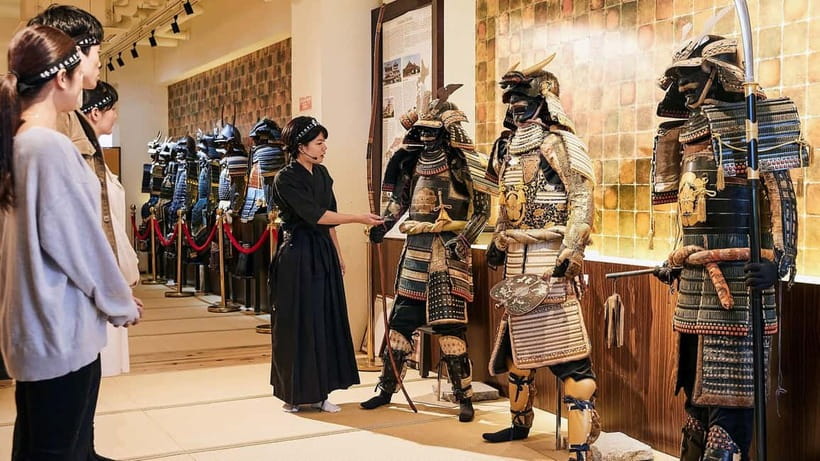
At some point you’ll transition from the hands-on activities into a guided look at the Samurai and Ninja museum content. This part gives you context for what you just practiced.
You’re learning history through themes rather than through long lectures. That’s helpful because you already have the body experience of being a samurai, so the explanations make more sense. You’ll also get a sense of how samurai culture and ninja stories connect in popular imagination, and how weapon use fits into that picture.
If you like your learning short and practical, this museum add-on hits the right balance. If you’re the type who wants deep academic detail, you might want to pair this with another longer museum stop later in your Kyoto day. Still, for a two-hour family activity, this is a solid amount of background.
Price and value for a 2-hour Kyoto family activity
At $66 per person, this is not the cheapest thing you can do in Kyoto. But it is also not just a “rent a costume and take photos” deal.
You’re paying for:
- A sword lesson with instructor guidance
- Use of hakama, helmet, and armor pieces
- Themed photo opportunities
- Ninja weapons trial with shuriken target practice
- A guided museum component
- Small-group instruction (limited to 10 participants)
That combination is the value. You’re not paying for one activity, you’re paying for a timed experience that mixes costume, skill, and entertainment. For families, it tends to feel worth it because it holds attention across ages. Adults get the satisfaction of learning something physical, and kids get role-play plus game-like weapon practice.
Group size matters too. With a limited group feel, instruction time is easier to manage. That reduces waiting and helps you get feedback when you need it.
Timing, group size, and who this fits best
The lesson lasts about 2 hours, and you can check starting times based on availability. That makes it a good “middle of the day” activity if you want something indoors-ish and structured while Kyoto crowds rise and fall.
The experience is suitable for most travelers, with one key exception: children under 3 can’t enter the samurai venue. If you’re traveling with toddlers, plan around that age rule. It’s also helpful that stroller access is supported, so families can bring the day with fewer headaches.
Most people do best when they arrive ready to participate. That means:
- You don’t need prior martial arts experience
- You do need the willingness to wear the outfit and follow directions
- You should treat it like a workshop, not a performance you watch from the side
This is especially good for:
- Families who want a memorable Kyoto activity that kids actually enjoy
- Adults who want hands-on learning, even if they’re beginners
- Anyone who loves themed photo moments but also wants to learn something real
If you’re the type who hates any kind of costume or posing, you may find the early transformation phase less appealing. Still, the sword and shuriken components are the main work, so you might still enjoy it if you can accept the fun theater of it.
Should you book this Kyoto samurai sword lesson?
I’d book it if you want a short Kyoto experience with real instruction, not just sightseeing. The biggest reasons to say yes are the hands-on katana kata practice and the total role-play arc, samurai to ninja, done in a compact time window.
Skip it if your travel style is strictly calm and quiet, or if you’re traveling with a child under 3 who can’t access the samurai venue. Also, if you dislike staged photos, know that themed photo opportunities are part of the package, even though the lesson is the heart of the event.
If you like experiences where you leave with both a memory and a small skill, this one has strong odds of delivering.
FAQ
How long is the Kyoto family-friendly sword lesson?
The experience lasts about 2 hours.
What is included in the price?
You get a samurai sword lesson, use of hakama, helmet, and samurai armor, themed photo opportunities, and a ninja weapons trial.
Is transportation to or from the activity included?
No, transportation to and from the activity is not included.
What languages are available for instruction?
Instruction is provided in English.
How many people are in the group?
It’s a small group limited to 10 participants. The activity also notes a maximum of 22 travelers overall.
Are there age limits for children?
Children under 3 years cannot enter the samurai venue.
Is the activity accessible for wheelchairs and strollers?
Yes. It is wheelchair accessible and stroller accessible, and it’s near public transportation.
What is the cancellation policy?
You can cancel up to 24 hours in advance for a full refund.
Blade Work and Stagecraft

Tokyo Indoors: Galleries and Light Rooms

Newest Kyoto write-ups from the Loving Japan desk
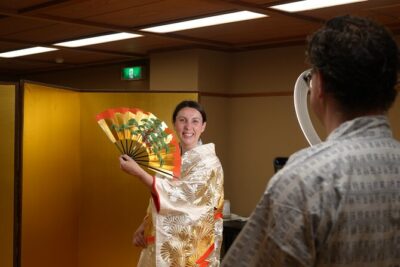
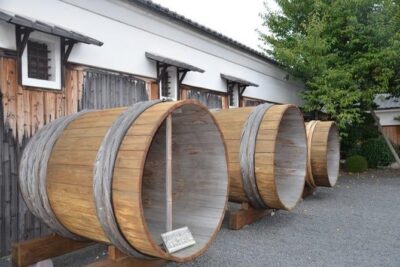

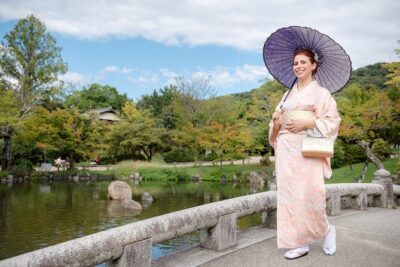
Tokyo Museums, Galleries and teamLab, side by side.
 ★ 4.6teamLab Planets TOKYO Digital Art Museum Entry TicketFrom $259,779 reviews
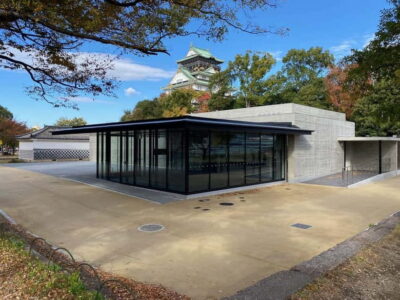 ★ 4.5Osaka Castle: Museum and Tower Entry TicketFrom $72,380 reviews
 ★ 4.5teamLab Botanical Garden Entry TicketFrom $111,710 reviews
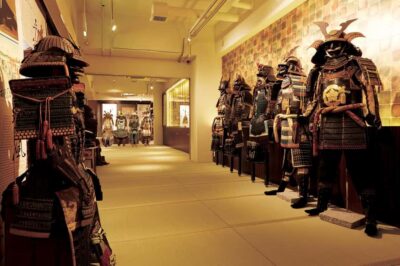 ★ 4.6Samurai Ninja Museum Guided tour and ExperienceFrom $271,010 reviews
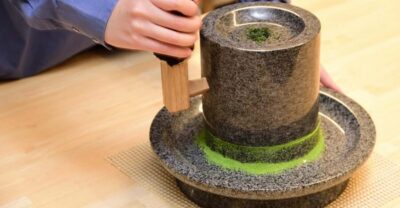 ★ 4.9Tea Museum Tickets and Matcha Grinding ExperienceFrom $23739 reviews
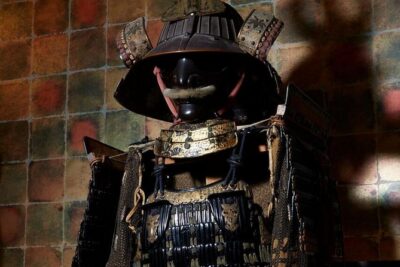 ★ 4.5Skip the lines Basic Ticket at SAMURAI NINJA MUSEUM KYOTOFrom $28632 reviews
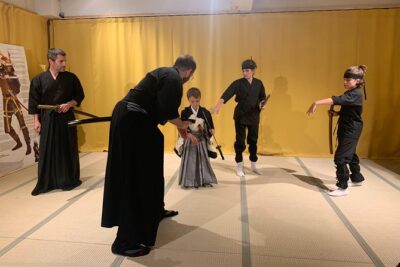 ★ 5.0Ninja Experience (Family Friendly) at Samurai Ninja Museum TOKYOFrom $47441 reviews
 ★ 4.5Tokyo Studio Ghibli Museum and Ghibli Film Appreciation TourFrom $193421 reviews