
REVIEW · SAMURAI, NINJA AND SWORD EXPERIENCES
Kyoto: Forge Your Own Ninja Weapon with Japanese Tin Casting
Ninja gear in Kyoto is real metal, not a costume shop stop. This hands-on workshop teaches Japanese tin casting step by step, and you leave with a photo-worthy souvenir you made yourself.
I especially like that you’re not just watching. You actually cast and finish your own piece under expert guidance, and the staff, including Daiki and his colleague, keep things clear and calm even when you’re learning from scratch.
One thing to consider is that the process involves molten tin and metal finishing work, so plan to stay focused for the full session, and don’t come starving since food is not allowed in the workshop.
In This Review
- Key highlights you will care about
- A 3-minute walk from Demachiyanagi Station, and suddenly you are making ninja gear
- Picking your weapon: shuriken, kunai, or the oni mask upgrade
- From casting sand to molten tin: what you really do in the workshop
- Hammering, filing, and polishing: turning a casting into a real keepsake
- Oni mask timing, gold leaf, and the cord option
- What is included, what to bring, and the no-nonsense rules
- Duration and pacing, so you can fit it into your Kyoto plan
- Price value check: is $103 a fair trade for a real-metal ninja souvenir?
- Who this Kyoto tin casting workshop is best for
- My practical recommendation: should you book this ninja weapon workshop?
- FAQ
- What ninja items can I make in this Kyoto tin casting workshop?
- How long does the workshop take?
- Where is the studio located?
- How much does it cost?
- What is included in the price?
- What should I bring and what is not allowed?
- Is it beginner-friendly and are there age limits?
Key highlights you will care about
- Real tin casting process, from creating the mold to pouring and cooling
- You shape the final details, using file and grinder work after casting
- Choose your design, shuriken, kunai, or an oni-inspired mask (with optional upgrades)
- Take-home finishing included, rust protection plus an oil coating, packed in a dedicated box
- Super convenient location, about a 3-minute walk from Demachiyanagi Station
- English-supported instruction, with staff known for patience and good explanations
Blade work and stagecraft, other sessions
- Kyoto: Kendo and Samurai Experience with Uniform and Gear
★ 4.9 · 815 reviews - Kyoto: Samurai Sword Class by Experts in Traditional Arts
★ 4.9 · 657 reviews - Skip the lines Basic Ticket at SAMURAI NINJA MUSEUM KYOTO
★ 4.5 · 632 reviews - Ninja 1-hour Hands-on Lesson by Japanese master in Kyoto -Entry
★ 5.0 · 489 reviews
A 3-minute walk from Demachiyanagi Station, and suddenly you are making ninja gear
The workshop is located just about 3 minutes on foot from Demachiyanagi Station. For a Kyoto day that already has temples and trains chewing up time, this matters. You can slip in with less stress and less transit planning.
When you arrive, you’re guided into the process of creating a small ninja-themed metal piece, typically in the 8 to 10 cm range. That size is ideal for a souvenir you can carry home without turning your backpack into a metalwork nightmare. One more practical plus: the studio setup is geared toward hands-on crafting, so you are not fighting for space or standing around.
You will also find this is designed to be beginner-friendly. The tin used in this workshop melts at 230 degrees, which makes it workable for casting. The hot steps happen under staff supervision, while you get plenty of meaningful hand work during shaping and finishing.
Picking your weapon: shuriken, kunai, or the oni mask upgrade
Your first big decision is what you want to make. You can choose a classic ninja design, then tailor the difficulty and look depending on your preference.
Here are your options:
- Shuriken (about 2 hours)
- Kunai (also about 2 hours)
- Oni-inspired metal mask (about 2.5 hours)
For the oni mask, there are extra upgrades you can add. The process includes gold leaf for dramatic accenting, and you can also attach a cord so the mask can be worn or displayed. That’s the option that tends to create the most wow-factor photos because it turns your tin piece into something with extra visual flair.
If you are traveling as a couple or with kids, this choice helps you match energy levels. A shuriken or kunai is a straightforward, satisfying target. The oni mask gives a bigger, more theatrical result, and it uses extra steps, so it fits best if you have the time.
From casting sand to molten tin: what you really do in the workshop
This is not a sit-there-and-pretend class. The flow is genuinely hands-on.
You’ll go through these core phases:
- Design and choose your ninja piece
- Build the mold using special casting sand
- Melt the tin and pour it into the mold under staff supervision
- Cool the metal in water so it solidifies quickly
- Move to finishing and shaping
The mold step is the moment where your design becomes physical. You are essentially translating a ninja silhouette into the sand form that later holds molten tin. Then the pouring and cooling part happens with careful guidance. It’s thrilling to watch the tin go from solid to molten, and it’s also reassuring that staff are managing safety and technique.
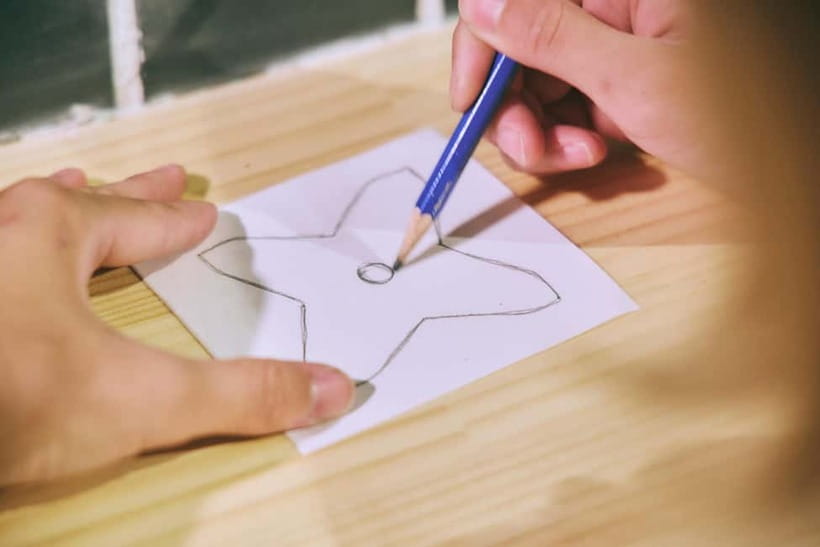
After cooling, you start the part that makes it feel like yours. Instead of being limited to a paint-by-numbers souvenir, you refine the surface and edges. You use tools like files and grinders to smooth and clarify the details, guided by instructors so you do not have to guess what “good” looks like.
- PERFECT KYOTO 1-Day Bus Tour★ 5.0 · 13,518 reviews
- Kyoto: Fushimi Inari, Kinkakuji, Bamboo Grove 1 Day Bus Tour★ 4.8 · 4,316 reviews
- Kyoto: Tea Ceremony in a Traditional Tea House in Kiyomizu★ 4.9 · 3,519 reviews
- Kyoto Geisha Walking Tour: Gion District & Hidden Gems★ 4.7 · 3,273 reviews
- Kyoto: Tea Ceremony Ju-An at Jotokuji Temple★ 4.9 · 3,207 reviews
Hammering, filing, and polishing: turning a casting into a real keepsake
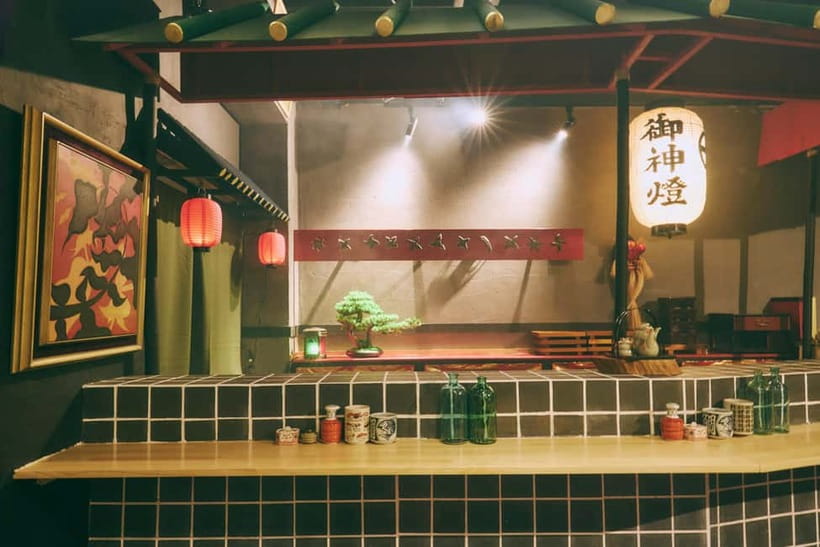
Once the metal cools, the workshop shifts from “casting” to “craftsmanship.” This is where your finished piece stops looking like a rough replica and starts looking like an object you would actually want to keep.
You’ll be involved in:
- Shaping the tin piece by hammering (as part of the process)
- Smoothing with a file
- Refining details so the ninja lines look clean rather than blob-like
- Applying finishing products for durability and appearance
After shaping, the metal goes through rust protection and final coating. You’ll do this as part of the provided steps: soak in a rust-preventive solution, then coat with a special oil. That finishing step is a big deal for travel shoppers. Unfinished metal souvenirs can tarnish fast. Here, the workshop helps your piece look good longer after it leaves Kyoto.
And you get a practical bonus that often gets overlooked: each weapon comes with a dedicated box. That means you can pack it immediately and protect it without improvising.
Oni mask timing, gold leaf, and the cord option
If you pick the oni mask, the workshop gives you extra time and extra visual elements. Expect around 2.5 hours instead of the shorter roughly 2 hours sessions for shuriken or kunai.
The mask option includes:
- Gold leaf for accenting
- A cord option so you can make it wearable or display-ready
This is a great choice if you want something more dramatic than a small blade shape. It’s also a good option if you are traveling with someone who loves photos. Gold leaf catches light, and the mask form creates instant “Kyoto craft” visual impact.
Just keep in mind the extra steps mean you should build in schedule flexibility. Finishing details take time, and the added decoration and cord means your session tends to run closer to the longer end.
What is included, what to bring, and the no-nonsense rules
The workshop package is built around providing what you need to make the metal object, without you showing up with tools.
Included items cover:
- Design your chosen ninja piece
- Create the mold
- Melt and cast the tin
- Shape it by hammering
- Smooth it using a file
- Soak it in rust-preventive solution
- Coat it with special oil
- Apron rental
- Equipment rental
- Materials for one weapon
- A dedicated box for your final piece
What to bring is simple: drinks. You’ll also want to plan for the rule that food and alcohol are not allowed. Smoking is not allowed indoors, and there are restrictions like no party groups and no making fire.
Those rules are not there to be annoying. They help keep the studio safe around melting and metalwork. If you want a calm, well-run craft session in Kyoto, this kind of structure is a plus.
One more practical note: there’s no mention of water being available, so bring what you need for comfort. If you sweat easily, a drink bottle is your friend.
Duration and pacing, so you can fit it into your Kyoto plan
You can count on a session length of:
- Shuriken or kunai: about 2 hours (the listing also describes duration in a range up to around 150 minutes)
- Oni mask: about 2.5 hours
Completion time can vary, so it’s smart to build your day with a buffer. Kyoto is busy, and trains plus walking plus crowds add up. If you schedule this tightly right before another reservation, you can end up rushing. I’d rather you treat this as a main event for a chunk of your afternoon.
The good news is that the location near Demachiyanagi Station makes it easier to return to transit quickly after you finish. Also, the workshop is set up for photos and video, so you don’t feel like you are losing your only chance to document the experience while you craft.
Price value check: is $103 a fair trade for a real-metal ninja souvenir?
At $103 per person, you are paying for three things that most standard activities do not combine well:
- Staff time and technical instruction (including guidance during the hot casting steps)
- Materials and equipment (including the casting sand, tin materials, tools, and protective/finishing supplies)
- A finished object you can take home with a dedicated box
The biggest value angle here is that you are creating something tangible and personal. A lot of Kyoto shopping is beautiful, but you’re mostly buying. This workshop gives you a keepsake that is clearly tied to your hands, your decisions (design choice), and your finishing choices.
That becomes especially meaningful for families and couples. Multiple reviews highlight this as a trip highlight, including for kids around elementary school age. One reason it lands well for younger participants is that the workshop is structured so kids can still accomplish a real outcome, not just a craft project with fake results.
If you are the type who likes making a memory you can hold later, this price tends to feel reasonable. If you mainly want low-effort sightseeing, you might prefer something with less active making. But if you enjoy crafts, tools, and learning a technique, you will likely feel like the money turned into an object that lasts.
Who this Kyoto tin casting workshop is best for
This is a strong fit for:
- Ninja and samurai culture fans who want more than themed shopping
- People who like hands-on learning and enjoy taking home something that feels crafted
- Couples, friends, and families
- Beginners, since staff guide the steps and the experience can work for children with assistance
The reviews you provided include multiple family-friendly outcomes, including kids with bragging-rights results and parents calling it a highlight. Adults also get a lot out of it, especially because the process is genuinely technical enough to be satisfying without being complicated.
If you want a souvenir that is unique, this is one of the few Kyoto activities where the finished piece is small enough to carry but real enough to feel special.
Age notes to take seriously:
- Participants under 15 must be accompanied by a guardian
- Not suitable for children under 5
- Not suitable for babies under 1
- Not suitable for people over 95
My practical recommendation: should you book this ninja weapon workshop?
I think you should book it if you want a Kyoto activity that is hands-on, structured, and results in a real-metal keepsake. The combination of casting, finishing, and take-home packaging is the core reason it works as a souvenir, not just a fun hour.
Book it especially if:
- You are close to Demachiyanagi Station and want an easy add-on to your itinerary
- You like crafts where you can see progress step by step
- You want an activity that works well for families, including kids who might not sit through a long museum
Skip or rethink it if:
- You dislike activities involving molten metal and metal finishing steps, even with staff supervision
- You have no room in your schedule for about 2 to 2.5 hours, depending on your choice
If you do book, bring drinks, plan a relaxed pace, and choose the design that matches your mood. A shuriken or kunai is great for a focused session. The oni mask is for when you want the extra decoration and photo power.
FAQ
What ninja items can I make in this Kyoto tin casting workshop?
You can create a shuriken, a kunai, or an oni-inspired metal mask.
How long does the workshop take?
Shuriken and kunai take about 2 hours (up to around 150 minutes). The oni mask takes about 2.5 hours.
Where is the studio located?
The studio is about a 3-minute walk from Demachiyanagi Station in Kyoto.
How much does it cost?
The price listed is $103 per person.
What is included in the price?
It includes design help, making the mold, melting and casting tin, hammering and filing, rust-preventive soaking, oil coating, apron rental, equipment rental, materials for one weapon, and a dedicated box.
What should I bring and what is not allowed?
Bring drinks. Food, alcohol and drugs, smoking indoors, party groups, and making fire are not allowed.
Is it beginner-friendly and are there age limits?
Yes, it is suitable for beginners and children with staff assistance. Participants under 15 must be accompanied by a guardian, and it is not suitable for children under 5, babies under 1, or people over 95.
Blade Work and Stagecraft
Newest Kyoto write-ups from the Loving Japan desk


Samurai, Ninja and Sword Experiences, side by side.
 ★ 4.5Samurai Restaurant Show Ticket with 2 DrinksFrom $551,307 reviews
 ★ 5.0Kyoto Samurai ExperienceFrom $1191,294 reviews
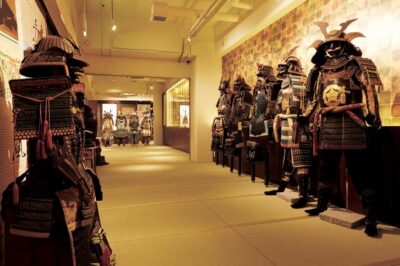 ★ 4.6Samurai Ninja Museum Guided tour and ExperienceFrom $271,010 reviews
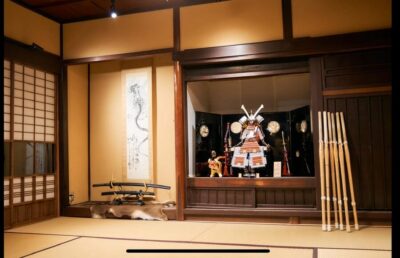 ★ 4.9Kendo and Samurai Experience with Uniform and GearFrom $103815 reviews
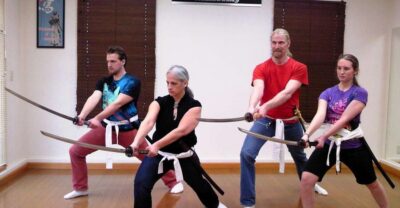 ★ 4.9Samurai Sword Class by Experts in Traditional ArtsFrom $64657 reviews
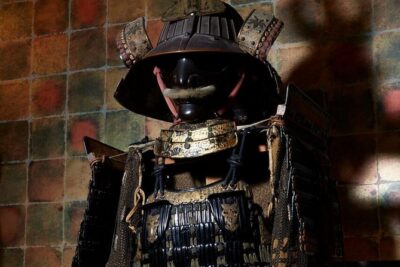 ★ 4.5Skip the lines Basic Ticket at SAMURAI NINJA MUSEUM KYOTOFrom $28632 reviews
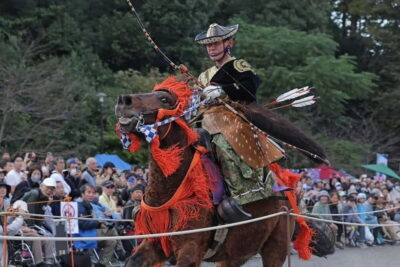 ★ 5.0Samurai Sword & Archery Class from Samurai DescendantFrom $193603 reviews
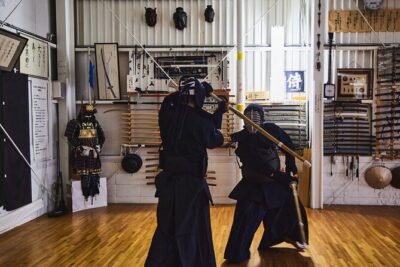 ★ 5.0Samurai Training Experience KENDO in OsakaFrom $131515 reviews
Filed on these lists too