
REVIEW · TAIKO DRUMMING AND TRADITIONAL PERFORMING ARTS
Kyoto: Japanese Koto & Shamisen Concert and Koto Class
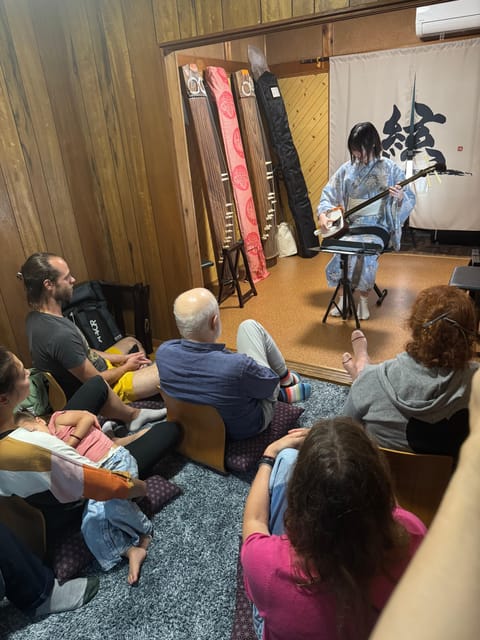
A koto concert in a real home setting. This Kyoto experience puts koto and shamisen in front of you, with professionals performing everything from classical to contemporary pieces in a cozy, old-house room. You also get time to talk directly with the musicians and try the instrument yourself.
What I like most is the intimate format. The concert is followed by close-up Q&A and photos, then you get guided koto practice so it is not just passive listening. It even includes a short intro to instruments and their sheet music, so you understand what you are hearing.
One thing to plan for is finding the location. It takes place in a small house in a residential area, and some people report an alley that can be dark while waiting, so I would build in a little extra time to arrive early.
In This Review
- Key points to know before you go
- Why This Kyoto Koto Concert Happens in an Old House
- How the 90 Minutes Typically Unfold From Intro to Try-It Time
- Koto and Shamisen Sound Different When You Know What You Are Listening For
- The Q&A Moment in a Small Room Makes the Music Feel Personal
- Your Hands-On Koto Time, What Beginner Support Looks Like
- Seasonal and Performer Changes, Why That Keeps the Experience Fresh
- Where to Fit It in Kyoto, Arashiyama, Nijo Castle, Kinkakuji, Nishiki Market
- Price at $38: What You Are Really Getting for Your Money
- Who Should Book This Kyoto Koto Concert and Class
- Quick Practical Notes So You Go in Prepared
- Should You Book This Kyoto Koto and Shamisen Concert and Class?
- FAQ
- How long is the Kyoto koto and shamisen concert and class?
- Is this suitable for beginners?
- What languages are used during the experience?
- What is included in the ticket price?
- Is transportation or meals included?
- Can I take photos and ask questions?
- What age limits apply?
Key points to know before you go
- Old-house setting makes the sound feel personal, not distant
- Classical to contemporary, plus original works keeps it varied
- English or Japanese support makes the music easier to follow
- Q&A and photos turn the night into more than a performance
- Hands-on koto time is beginner-friendly with professional guidance
- Program changes by season and performer so each session can feel different
Loud rooms and quiet stages around Kyoto
- Kyoto: Nishiki Market Tea Ceremony with Koto Performance
★ 4.8 · 294 reviews - Kyoto: Japanese Archery Workshop with Experienced Instructor
★ 4.9 · 132 reviews - Shamisen Experience in Kyoto 【Private】
★ 5.0 · 82 reviews - Kyoto: Japanese Koto & Shamisen Concert and Koto Class
★ 4.9 · 31 reviews
Why This Kyoto Koto Concert Happens in an Old House
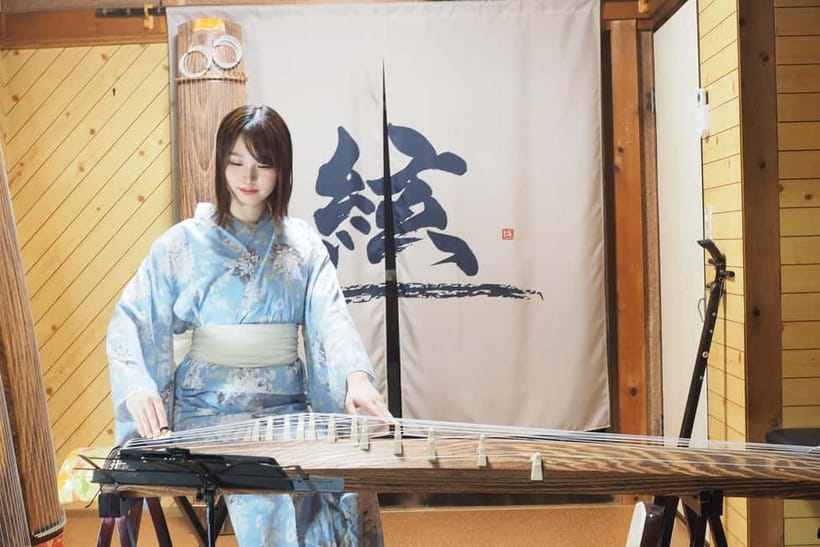
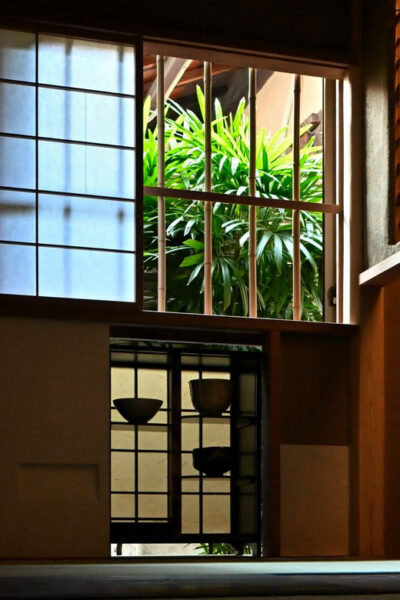
Most Kyoto music experiences happen in formal venues. This one happens in a small, older Japanese house, which changes the whole vibe. You are sitting close, in a home-like room, and that makes the koto and shamisen sound feel immediate.
I also like that it does not try to compete with temple noise or crowded streets. The space is quiet and focused, which is great if you want culture with less rush. From practical notes people share, the house can be tucked away in a residential area, so plan to arrive ahead and take a moment to spot the entrance.
How the 90 Minutes Typically Unfold From Intro to Try-It Time
The timing is usually about 1 hour to 100 minutes, depending on the session. Late arrivals can shorten the experience, so if you are pairing this with other stops, give yourself buffer time.
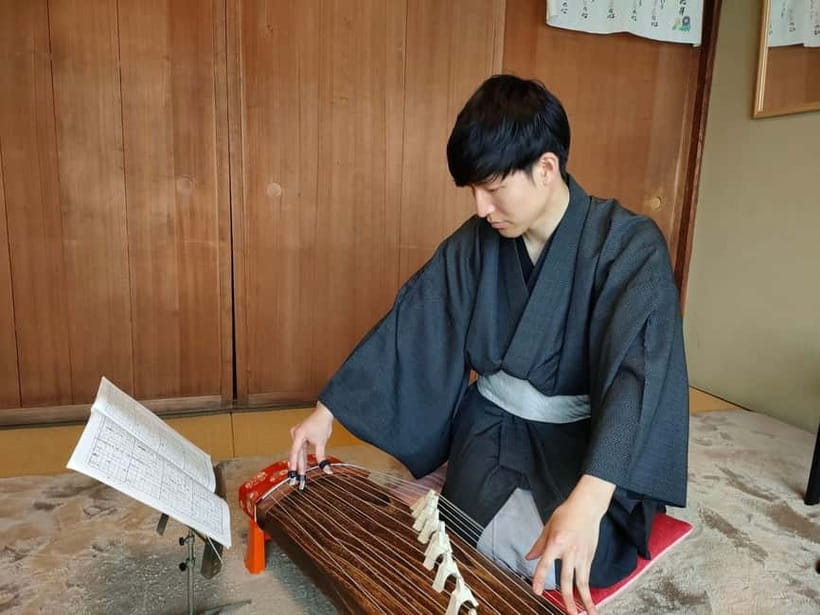
The flow is simple and friendly. First, there is a short introduction to traditional instruments like koto and shamisen, plus their sheet music. Next comes the live performance by professional musicians. After that, you get a close-up Q&A and photo time, then you can try playing the koto at the end, guided step by step.
Koto and Shamisen Sound Different When You Know What You Are Listening For
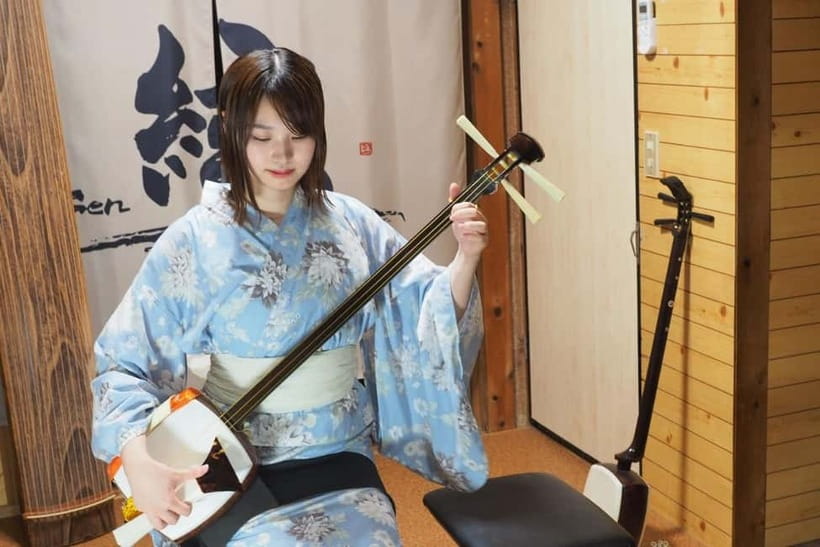
One of the strongest parts of this experience is how you get context before the concert expands. You learn a bit about the instruments and how their unique sheet music works, which means the performance lands with more meaning than just hearing pretty sounds.
The repertoire is also varied on purpose. You might hear classical pieces, but you can also expect contemporary selections and even original compositions. Some sessions include vocals along with the instruments, and people often mention the energy shift between traditional and modern pieces as a highlight.
- PERFECT KYOTO 1-Day Bus Tour★ 5.0 · 13,518 reviews
- Kyoto: Fushimi Inari, Kinkakuji, Bamboo Grove 1 Day Bus Tour★ 4.8 · 4,316 reviews
- Kyoto: Tea Ceremony in a Traditional Tea House in Kiyomizu★ 4.9 · 3,519 reviews
- Kyoto Geisha Walking Tour: Gion District & Hidden Gems★ 4.7 · 3,273 reviews
- Kyoto: Tea Ceremony Ju-An at Jotokuji Temple★ 4.9 · 3,207 reviews
The Q&A Moment in a Small Room Makes the Music Feel Personal
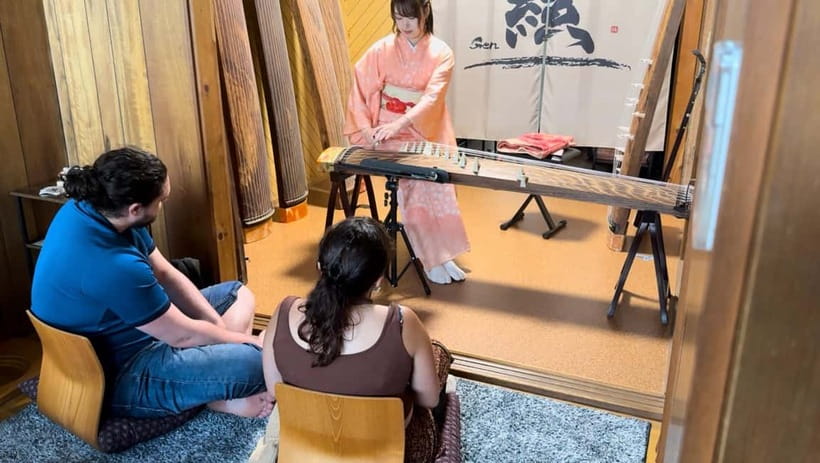
After the performance, the session turns interactive. You can ask questions directly and speak with the professional koto player, not just passively watch from a distance. That Q&A is where the experience often becomes memorable, because you learn what is behind the sound, not only what the notes are.
The atmosphere tends to feel safe and welcoming. Multiple people highlight that the instructors are encouraging and supportive, especially for first-timers. If you are the type who asks why something sounds a certain way, this part is likely to be your favorite.
Photos are part of the experience too. You will have a chance to take pictures during the event, and some participants also mention receiving photos after the session, which helps you relive the hands-on moment later.
Your Hands-On Koto Time, What Beginner Support Looks Like
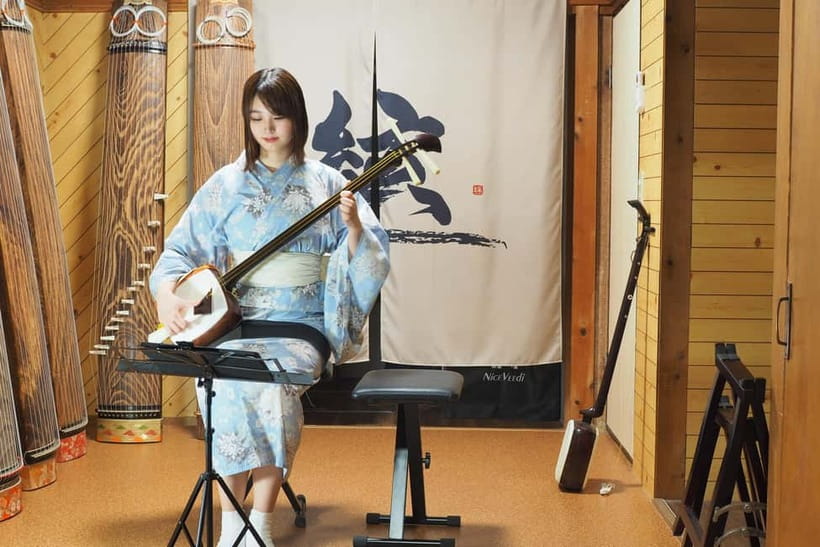
The best payoff is that you do not just watch. At the end, you get to try playing the koto yourself, using the instrument on site. Materials and tools are included, so you do not need to bring anything musical with you.
This is designed for beginners. People repeatedly mention zero experience getting a real chance to play, and how quickly the basics click when a pro shows you what to do. The instructor guidance matters here, because the koto experience is about technique and feel, and that is hard to learn from a video.
In some sessions, you may get extra encouragement and even room for personal ideas while you practice. One person even shared that the performer invited them to try their own suggestions, which is a nice reminder that this is not about perfection. It is about understanding the instrument up close.
Seasonal and Performer Changes, Why That Keeps the Experience Fresh
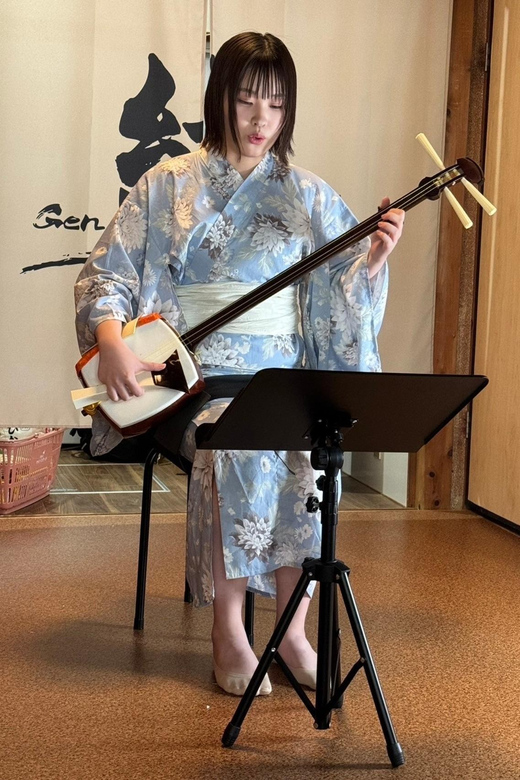
The program can change depending on the season or the performer. That matters because the mood of the set list can shift, and the balance between classical, contemporary, and original pieces can vary.
So, if you are the kind of person who likes variety and new angles, this format is a plus. You can also treat it like a living cultural moment, not a scripted show that feels identical every night. If you have flexibility, picking a date that fits your schedule rather than hunting a specific song can still be a good strategy, since the structure stays the same.
Where to Fit It in Kyoto, Arashiyama, Nijo Castle, Kinkakuji, Nishiki Market
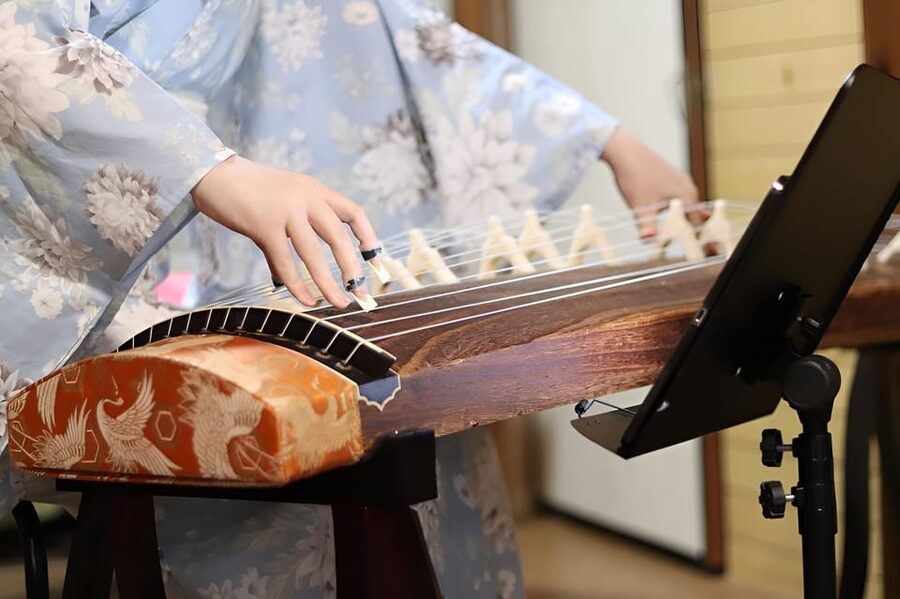
This experience is in central Kyoto enough to combine with popular sights. If you plan your day smart, you can make it feel like one coherent cultural evening rather than an isolated detour.
Here are practical nearby options with approximate travel times:
- Arashiyama: about 25 minutes by train and on foot
- Nijo Castle: about 20 minutes by train and on foot (near Nijo Castle-mae)
- Kinkakuji (Golden Pavilion): about 20 to 25 minutes by bus and on foot
- Nishiki Market: about 25 minutes by train and on foot
If you go to Nishiki Market first, you can browse for snacks and then settle in for the calm, focused concert. If you head to Arashiyama or Kinkakuji earlier in the day, this can be a quieter evening activity that contrasts well with sightseeing crowds.
Price at $38: What You Are Really Getting for Your Money
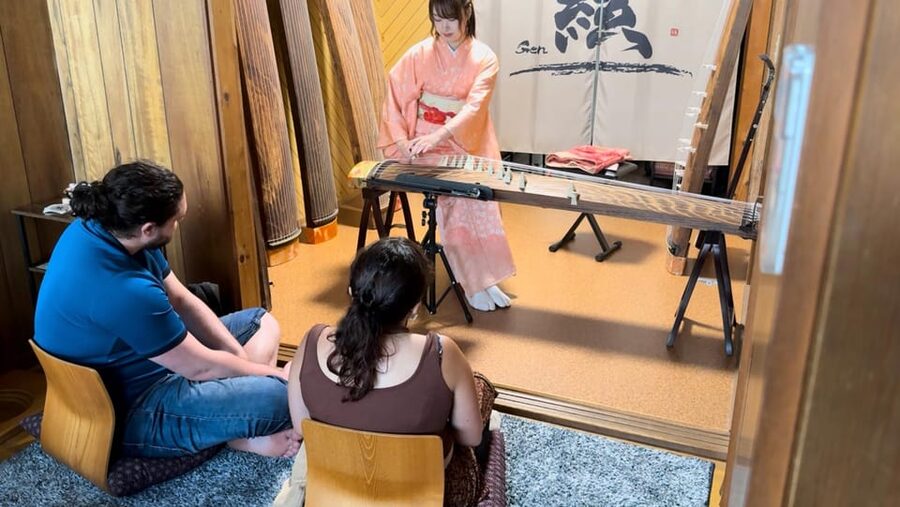
At $38 per person, this can feel like a bargain because you are paying for more than a concert. The included elements matter: all necessary materials and tools, use of a koto, skilled instructor guidance, a brief cultural introduction, and photos of your experience. You also get a private session for your group.
Think of it as three layers bundled together:
1) a professional live performance of koto and shamisen
2) instruction and context, so you understand what you hear
3) guided hands-on playing at the end
One review also mentions a performance-only option for a cheaper alternative. If you are budget-sensitive but still want the sound, that could be worth asking about, depending on what is offered at the time you book.
Who Should Book This Kyoto Koto Concert and Class
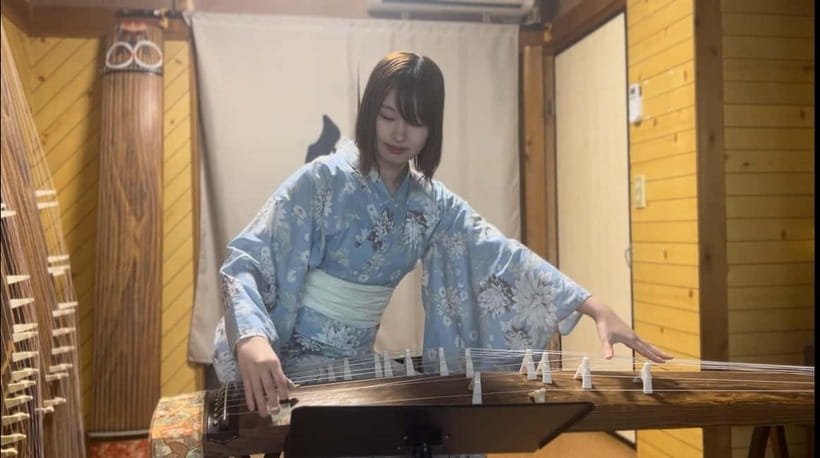
This is a good fit if you like small, real cultural experiences and you want to do more than observe. People who enjoy music, Japanese arts, or instruments usually get extra value here because the guide explains the instruments and the sheet music basics before the performance.
It is also a solid choice for families, as long as the age requirements fit. The experience states it is not suitable for children under 4, and babies under 1 also are not suitable. If your kids are old enough, the hands-on koto moment can be a strong memory-maker.
Solo visitors often like it too. Multiple people mention the intimate nature of the space, including sessions where they were the only person besides the performers and interpreters. That usually means more attention during Q&A and clearer guidance during the try-it segment.
Quick Practical Notes So You Go in Prepared
- Languages: instruction and interpretation are offered in English and Japanese.
- Late arrival: it can shorten your experience time, so arrive early.
- Meeting point: it may vary depending on which option you book.
- Let them know in advance: if you have physical limitations or allergies, inform them ahead of time.
- Transportation and meals: not included, so plan how you will get there and whether you will eat before or after.
Also, since the location is described as a small house in a residential area, having a navigation plan helps. If you can, aim to get there slightly early so you are not rushed while waiting outside.
Should You Book This Kyoto Koto and Shamisen Concert and Class?
I would book it if you want a Kyoto evening that feels personal, not crowded. The combo of live professional performance plus a guided chance to play the koto is exactly the kind of cultural value that does not depend on you already knowing anything about Japanese music.
Skip it if you need a very formal, big-venue atmosphere, or if your group includes children too young for the stated age limits. Also, if you hate hunting down quiet residential entrances, arrive early and give yourself time to find the house calmly.
If you are looking for an authentic night with real instruction, supportive teaching, and a close-up sound you will remember, this one is an easy yes.
FAQ
How long is the Kyoto koto and shamisen concert and class?
The experience runs about 1 hour to 100 minutes, depending on the session time.
Is this suitable for beginners?
Yes. The format is beginner-friendly, including a guided moment where you can try playing the koto.
What languages are used during the experience?
Instruction and interpretation are available in English and Japanese.
What is included in the ticket price?
It includes all necessary materials and tools, use of a koto instrument, skilled instructor guidance, a brief history and cultural introduction, a private session for your group, and photos of your experience.
Is transportation or meals included?
No. Transportation to and from the meeting point and meals or drinks are not included.
Can I take photos and ask questions?
Yes. After the performance there is a close-up Q&A session and time for photos.
What age limits apply?
The experience is not suitable for children under 2, under 3, under 4, and babies under 1.
Stages, Loud and Quiet
Newest Kyoto write-ups from the Loving Japan desk


Taiko Drumming and Traditional Performing Arts, side by side.
 ★ 4.0Mt Fuji & Hakone Cruise, Drum Show Bullet Train 1 Day from TokyoFrom $1497,413 reviews
 ★ 4.0Mt Fuji & Hakone Cruise, Drum Show Bus 1 Day from TokyoFrom $1221,287 reviews
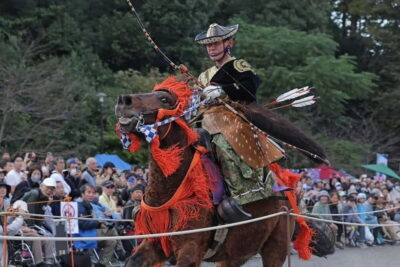 ★ 5.0Samurai Sword & Archery Class from Samurai DescendantFrom $193603 reviews
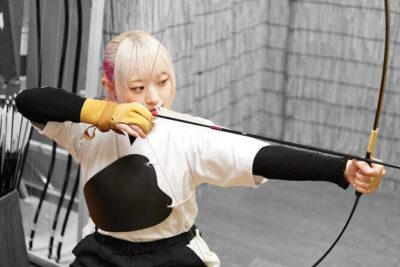 ★ 5.0Japanesel Archery Experience HIROSHIMA CASTLE SHARAKUFrom $43387 reviews
 ★ 4.8Traditional Japanese Archery ExperienceFrom $41351 reviews
 ★ 5.0Mt Fuji & Hakone Cruise, Drum Show Bus 1 Day from Tokyo Sta. AreaFrom $123295 reviews
 ★ 4.8Nishiki Market Tea Ceremony with Koto PerformanceFrom $56294 reviews
 ★ 4.8Open-air theater “Tao- no-Oka” Drum TAO Live performanceFrom $30191 reviews
Filed on these lists too