
REVIEW · TAIKO DRUMMING AND TRADITIONAL PERFORMING ARTS
TAIKO, Japanese Drum Experience from Kyoto
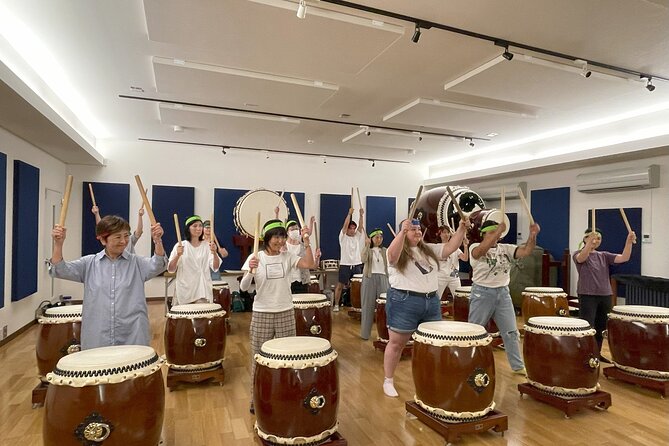
Taiko drumming is physical, loud, and weirdly satisfying. This Kyoto-area experience turns you from spectator to player, starting with taiko history and then moving fast into first beats, plus a fun add-on where you write your wishes on a Hachimaki headband.
I really like that it is beginner-friendly with small-group access, so you are not stuck guessing what to do or when to do it. You also get real cultural context, not just a performance.
The other thing I like a lot is the pacing and support from guides and the instructor. Names you may meet include Michiko, Akiko, and Kumi-san, who are described as friendly and helpful with English translation during the lesson.
A possible drawback is the logistics time, because the class includes train and ride time, and you need to be on time, or you may miss the drumming portion.
In This Review
- Key things to know
- Kyoto to Takatsuki, and how to make it painless
- First stop at the studio: history, Hachimaki, and your dress-up moment
- The pro demonstration: why it helps you learn faster
- Your first rhythms: technique, group pacing, and that cardio effect
- What is included for the price, and what it really covers
- If you are not drumming: observer cost and how to plan
- Who this is best for, and who might want to spectate elsewhere
- Should you book the Taiko experience from Kyoto?
- FAQ
- Where is the meeting point and where does the experience end?
- How long is the experience?
- Do I need any experience to participate?
- What happens at the start of the class after you arrive at the studio?
- Is a photo included?
- What’s included in the tour price?
- Do I pay in cash?
- Can children join?
- How large is the group?
- What if I need to cancel or if weather is poor?
Key things to know
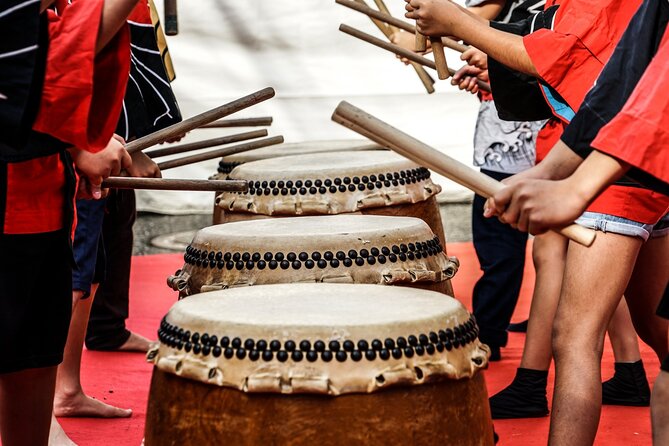
- Small group (max 15): you get closer instructor attention instead of being lost in a crowd.
- Hachimaki calligraphy: you write wishes on your headband before you start playing.
- Pro demonstration first: you get a clear target for what your body is about to learn.
- Fitness-aware teaching: technique and practice are adjusted to your skill and physical comfort.
- Final performance and photos: you leave with a simple piece done as a group plus a commemorative picture in traditional clothing.
Loud rooms and quiet stages around Kyoto
- Kyoto: Nishiki Market Tea Ceremony with Koto Performance
★ 4.8 · 294 reviews - Kyoto: Japanese Archery Workshop with Experienced Instructor
★ 4.9 · 132 reviews - Shamisen Experience in Kyoto 【Private】
★ 5.0 · 82 reviews - Kyoto: Japanese Koto & Shamisen Concert and Koto Class
★ 4.9 · 31 reviews
Kyoto to Takatsuki, and how to make it painless
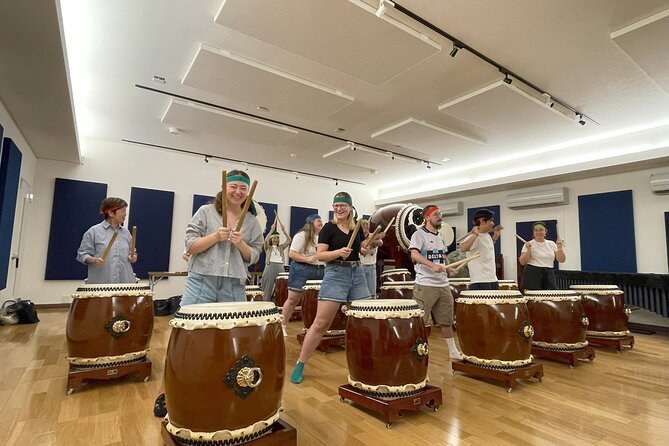
This experience runs out of Kyoto Station, then heads to a nearby studio area. Plan on a 12-minute JR train ride from Kyoto Station to Takatsuki Station, followed by about 10 minutes by cab to the studio. Meeting point is at Kyoto Station, and the activity ends back at the same meeting point.
Why this matters: you are not doing a long, exhausting transit day before you even touch the drums. The route is designed to keep the experience itself as the main event. That said, you still need to treat this like a timed class, not a casual stop.
Your first real job is arriving early at Kyoto Station. You are asked to show up 15 minutes before start time because they cannot wait for latecomers, and there are no refunds if you miss it. Kyoto Station is huge, so if you get turned around, ask where the central exit (not the Shinkansen central ticket gate) is.
One practical tip: they include a one-way train ticket to JR Takatsuki Station in the tour. So you do not need to buy that leg separately, which helps you avoid the classic Japan travel headache of standing in line while everyone else boards.
First stop at the studio: history, Hachimaki, and your dress-up moment
After you arrive at the studio, the session starts with context. You will get a brief explanation of taiko’s history and why drumming matters in Japanese culture. This is not a long lecture. It is the quick why behind what you are about to physically do with your body.
Then comes the creative break: simple calligraphy on a Hachimaki headband. You write your wishes on the headband, so it is personal from the start. If you are worried you will be bad at calligraphy, do not be. The class is framed as beginner-friendly, and the activity is simple by design.
This is also when the tone becomes fun and group-oriented. You are not only learning technique. You are making a small object you will keep, and you are starting to feel like part of the performance side of Japanese culture.
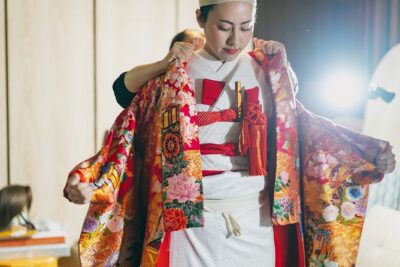
At the end, you also get a commemorative photo with traditional costume elements, including a happi and your hachimaki. That photo is not just a souvenir. It is a nice way to confirm you completed the whole loop, from history and practice to actual playing and a final group moment.
The pro demonstration: why it helps you learn faster
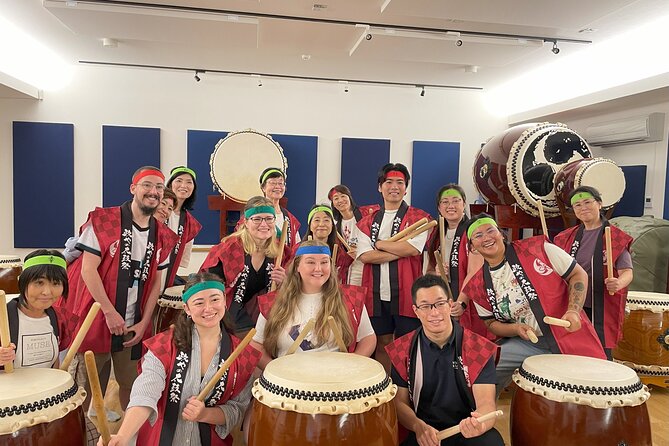
Before you take the wheel, you watch the real thing. There is a powerful taiko demonstration by the professional instructor. In some sessions, the demonstration can include video elements paired with live playing, which can make the rhythm feel bigger and clearer.
So why do this first? Because taiko is hard to understand from description alone. When you see the instructor’s timing, posture, and how the drum is used as a full-body instrument, your brain has something to copy immediately. It also helps you stop worrying about whether you are doing it right. You get a visual checklist.
You might meet instructors referred to as Aoi, including Aoi-sensei and Aoi-san in reviews. The teaching team and guides, including Michiko-san, are described as encouraging, with English support that makes it easier to follow the steps without guessing.
- PERFECT KYOTO 1-Day Bus Tour★ 5.0 · 13,518 reviews
- Kyoto: Fushimi Inari, Kinkakuji, Bamboo Grove 1 Day Bus Tour★ 4.8 · 4,316 reviews
- Kyoto: Tea Ceremony in a Traditional Tea House in Kiyomizu★ 4.9 · 3,519 reviews
- Kyoto Geisha Walking Tour: Gion District & Hidden Gems★ 4.7 · 3,273 reviews
- Kyoto: Tea Ceremony Ju-An at Jotokuji Temple★ 4.9 · 3,207 reviews
Your first rhythms: technique, group pacing, and that cardio effect
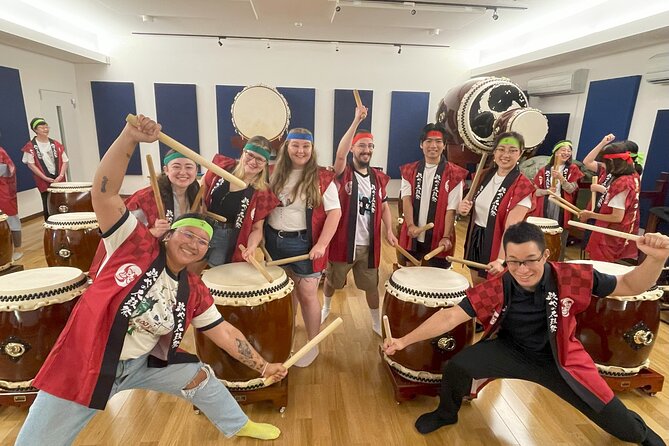
Now you finally play. The instructor teaches basic movements and techniques for taiko drumming, and the lesson is tailored to your skill and fitness level. That matters, because taiko can be intense. Even beginners can end up using muscles they do not normally use, especially if you are new to repeated arm strikes and stable stances.
You should expect to learn a few core techniques and then practice them as part of a short, simple group piece. The goal is not to turn you into a full taiko performer in one sitting. The goal is to give you enough structure that you can participate confidently and finish feeling proud.
A few practical notes based on what people say about the class style:
- You get lots of patience and encouragement, so first-timers generally do not feel left behind.
- The pace is designed so you can follow even if you are not a musician.
- It can feel like a cardiovascular workout, because the drumming involves repeated effort, not just tapping.
Because it is a small group (max 15), you are more likely to find the right timing cues. You can also learn faster by watching the instructor’s body language and then mirroring it.
The big payoff comes at the end: you play a simple piece of music together with the group. That final performance is the moment when everything clicks, even if your rhythm is not perfect. You are aiming for participation and consistency, not perfection.
What is included for the price, and what it really covers
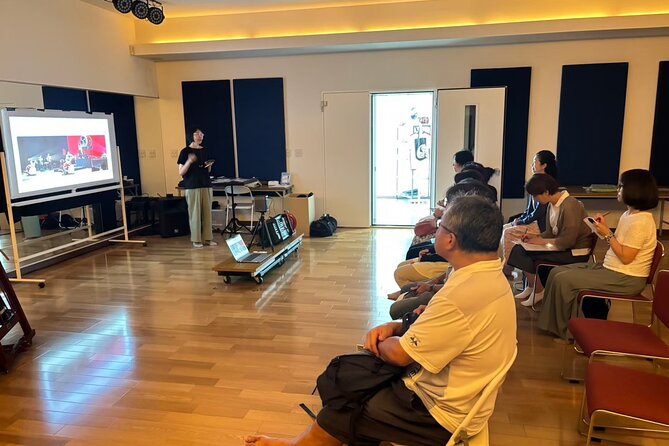
The price is $115.62 per person, and it is worth evaluating what you get beyond just drumming. Here is what is included:
- Taiko drumming lesson with the taiko instructor
- Japanese Hachimaki (headband)
- Guide with English
- Transportation by car to and from the studio (noting cab sharing, about 2000 yen when shared by up to four people)
- One-way JR ticket to Takatsuki Station
- A commemorative photo with traditional costume elements
They are also clear that cash payment is involved for certain situations, especially if you bring someone who wants to observe rather than participate.
Is it good value? For me, yes, because you are not paying for a vague cultural talk. You are paying for:
1) instructor-led skill building,
2) included materials for the headband activity, and
3) transportation support so you do not spend your time figuring out how to get there.
The experience also has a maximum size (15), which makes a real difference in how much time you likely get with the instructor. In short, you are paying for access and guidance, not just the spectacle.
If you are not drumming: observer cost and how to plan
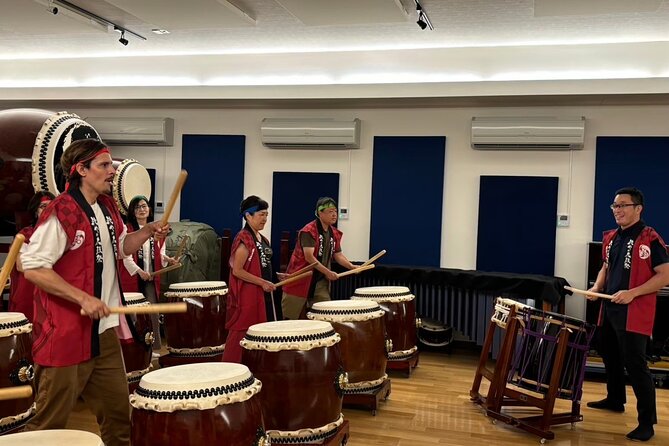
This tour has a specific rule if someone in your group wants to watch instead of play. For observers who do not participate, the cost is 9000 yen per person. They also note that you should notify them if there are observers because transportation may not be arranged without notice.
Also, they ask you to pay in cash in Japanese yen at the drum studio on the day of the tour. If you are traveling with friends who want to watch, tell your group plan early so you avoid the last-minute scramble.
My advice: if you are even slightly curious about trying, do it. The price is already structured around participation, and the hands-on part is the core reason to book.
Who this is best for, and who might want to spectate elsewhere
This experience is designed for all levels, including true beginners. If you want something more than temples and photos, this is a practical way to take home a skill that connects you to Japanese culture.
It is also a strong fit if you like structured classes. You get a demo, then step-by-step teaching, then a simple group piece. You are guided the whole way, which helps when you are new to taiko rhythms.
It can also work well for families, as long as the age rule fits: children under 7 are not allowed. In at least one case, kids around elementary school age joined and had fun. That is usually a good sign that the class energy is friendly and not overly academic.
If you are someone who strongly prefers quiet sightseeing, taiko may not be your thing. The point here is sound, movement, and group energy. In that case, you might still enjoy watching, but be ready for the fact that observer access has its own cost and requires notice.
Should you book the Taiko experience from Kyoto?
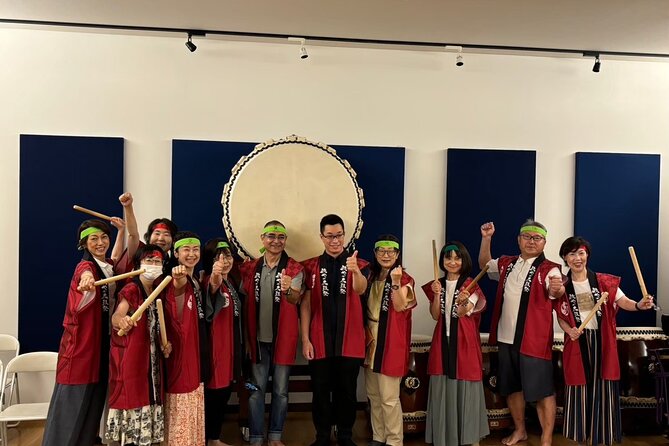
Book it if you want a hands-on cultural moment that actually changes what you can do. The combination of beginner-friendly instruction, Hachimaki calligraphy, a pro demo, and a final group performance makes this feel like a complete class, not a quick show-and-tell.
Skip or rethink it if timing is tight for you or if you are likely to be late at Kyoto Station. The schedule includes transit, and they cannot wait. Show up early, follow the meeting instructions, and you will set yourself up for an easy, fun couple of hours.
Finally, if you want a souvenir that is not just paper and photos, this one is personal: your headband, your written wishes, your participation, and that group photo in happi and hachimaki. That is the kind of memory you can still feel later, even when the drum sound fades.
FAQ
Where is the meeting point and where does the experience end?
You meet at Kyoto Station, and the activity ends back at the same meeting point.
How long is the experience?
It runs about 2 hours 30 minutes (approx.), including the transfer time. You can expect to return to Kyoto Station about 2.5 to 3 hours after the start time.
Do I need any experience to participate?
No experience is required. The lesson is designed for all levels.
What happens at the start of the class after you arrive at the studio?
You get a brief explanation of taiko’s history, then you try simple calligraphy on a Hachimaki headband with your wishes written on it.
Is a photo included?
Yes, the experience ends with a commemorative photo in traditional Japanese costume, including a happi and hachimaki.
What’s included in the tour price?
Included are the taiko drumming lesson, Japanese Hachimaki headband, English-speaking guide, the taiko instructor, transportation to and from the studio (car/cab), and a one-way train ticket to JR Takatsuki station.
Do I pay in cash?
They ask you to pay in cash in Japanese yen at the drum studio on the day of the tour. This is especially relevant if you have observers who do not participate.
Can children join?
Children under 7 years old are not allowed to participate.
How large is the group?
The experience has a maximum of 15 travelers.
What if I need to cancel or if weather is poor?
Free cancellation is available up to 24 hours in advance for a full refund. The experience requires good weather, and if it is canceled due to poor weather, you are offered a different date or a full refund.
Stages, Loud and Quiet
Newest Kyoto write-ups from the Loving Japan desk
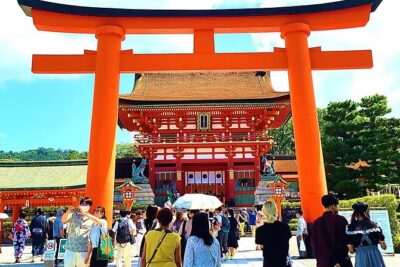
Taiko Drumming and Traditional Performing Arts, side by side.
 ★ 4.0Mt Fuji & Hakone Cruise, Drum Show Bullet Train 1 Day from TokyoFrom $1497,413 reviews
 ★ 4.0Mt Fuji & Hakone Cruise, Drum Show Bus 1 Day from TokyoFrom $1221,287 reviews
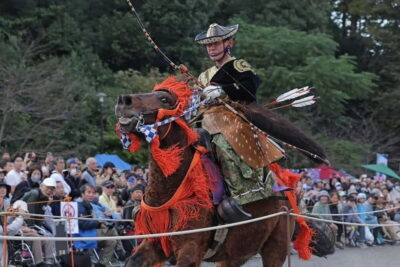 ★ 5.0Samurai Sword & Archery Class from Samurai DescendantFrom $193603 reviews
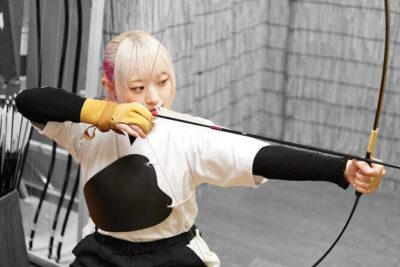 ★ 5.0Japanesel Archery Experience HIROSHIMA CASTLE SHARAKUFrom $43387 reviews
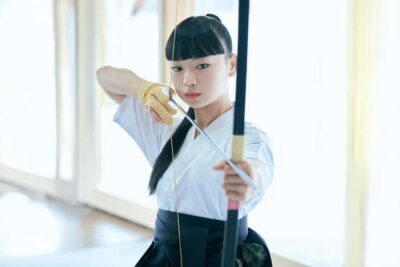 ★ 4.8Traditional Japanese Archery ExperienceFrom $41351 reviews
 ★ 5.0Mt Fuji & Hakone Cruise, Drum Show Bus 1 Day from Tokyo Sta. AreaFrom $123295 reviews
 ★ 4.8Nishiki Market Tea Ceremony with Koto PerformanceFrom $56294 reviews
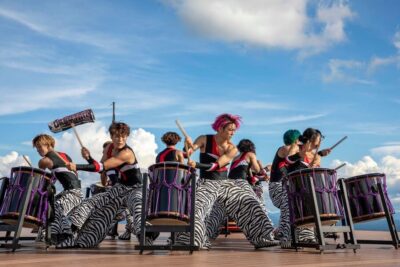 ★ 4.8Open-air theater “Tao- no-Oka” Drum TAO Live performanceFrom $30191 reviews
Filed on these lists too