

REVIEW · NARA DEER PARK AND TODAI-JI
KYOTO-NARA: Giant Buddha Deer Pagoda “Geisya” (Italian, full day)
Deer, Buddha, and Gion in one day. This full-day Kyoto to Nara and back tour is a smooth way to see two heavy-hitters, Todai-ji and Kiyomizu-dera, then finish with a short look at Gion-kobu, all with an Italian live guide and support if you need help.
I especially like two things. First, the guide style from Omae, Japanese-born and long-time Italy resident, with perfect Italian, humor, and clear answers to your questions. Second, the experience is built around the big moments: the giant Buddha at Todai-ji, the deer in the park, and the famous sights in Kyoto without you having to piece it all together yourself.
One possible drawback is time pressure. It’s a full day with train, bus, walks, and guided segments, so if you prefer long, slow stops or deep browsing, you may feel a bit shortchanged unless you use the free time well.
In This Review
- Key things that make this tour work
- How the day moves, from Kyoto Station to Pontocho
- Morning in Nara: Todai-ji and the deer that ignore your itinerary
- What you will notice at Todai-ji
- A small extra stop: Ukimido
- The guide makes the difference, especially in Italian
- Expect explanations aimed at understanding, not memorizing
- Back to Kyoto: a real break, not just a pause
- Kiyomizu-dera in the afternoon: guided time on a pilgrimage path
- What makes this stop feel different
- Gion-kobu: a short, useful look at the arts district
- Price and value: what you get for $176
- One cost reality to consider
- Practical notes that help you enjoy the day
- Who this tour is for
- Should you book this Kyoto-Nara Italian guided day trip?
- FAQ
- What language is the tour guide?
- How long is the tour?
- What is the starting point and where does it end?
- Is the tour wheelchair accessible?
- How large is the group?
- What’s included in the price?
- Is the meeting point inside Kyoto Station?
- Can I cancel or change plans?
Key things that make this tour work
- Italian explanations that connect monuments to what people actually believed and practiced
- Small group size (15 max) that makes questions feel easy, not awkward
- Todai-ji + deer park time so you see the iconic scenes that most first-timers come for
- A practical Kyoto morning to Nara afternoon flow, with built-in breaks and a clear finishing point
- Gion-kobu area glimpse that puts you near the world of maiko and geiko activity, even if your time is brief
- Flexibility when possible, plus help during the day if something goes sideways
A half day in Nara goes several ways
- Kyoto/Osaka: Nara, Fushimi Inari Taisha, Arashiyama Bus Tour
★ 4.7 · 1,275 reviews - Osaka/Kyoto: Arashiyama, Nara & Fushimi Inari Shrine w/Lunch
★ 4.4 · 754 reviews - Kyoto and Nara Day Trip from Kyoto
★ 4.5 · 445 reviews - Full Day Guided Tour to Kyoto and Nara from Osaka by Van
★ 5.0 · 420 reviews
How the day moves, from Kyoto Station to Pontocho
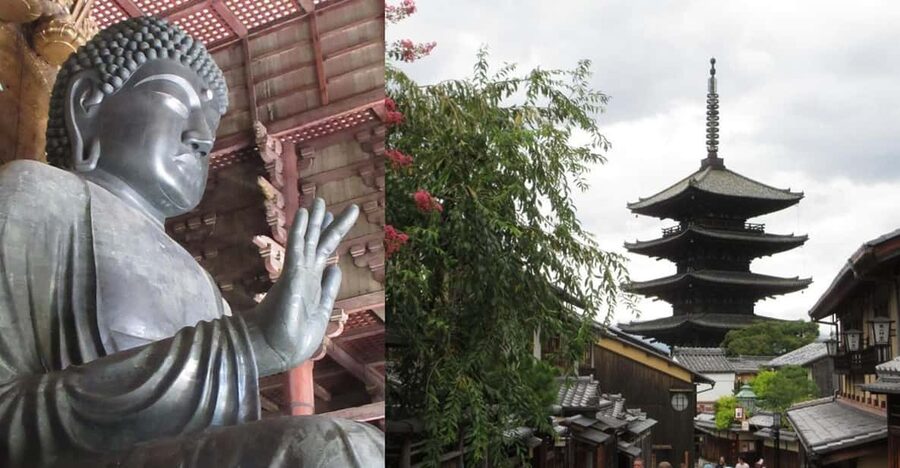
If you want a day trip that feels organized but not stiff, this one hits the sweet spot. You start at Kyoto Station and head out for Nara in the morning, then return to Kyoto for the afternoon temples and a quick Gion-kobu look. The tour finishes at Pontocho, which is a handy area if you want to keep walking, snack-hunting, or just relax by the river side lanes afterward.
The timing is structured, so you’re not constantly checking maps or figuring out which station exit to use. That matters in Japan, where getting from point A to point B can be easy or confusing depending on where you enter a complex station. The route is mostly train and coach, with short walking segments between sights.
Also, the tour is designed for a small group. That size usually means you hear the guide without craning your neck, and it’s simpler to get answers that actually match your interests, whether that’s temple architecture, religious practice, or what you’re seeing in the streets.
Morning in Nara: Todai-ji and the deer that ignore your itinerary
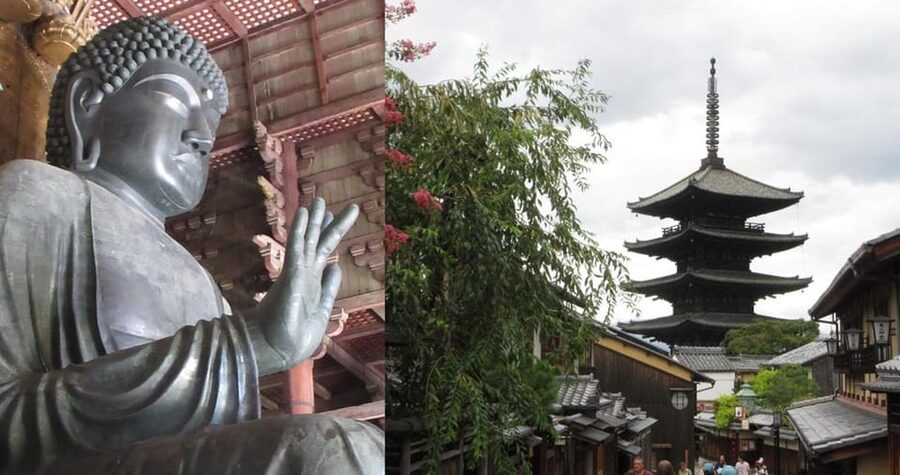
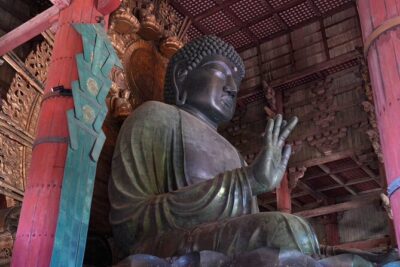
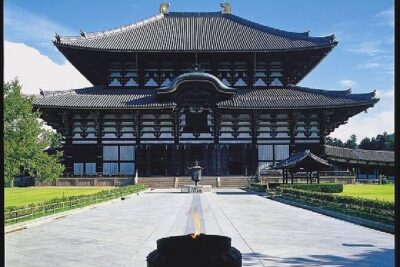
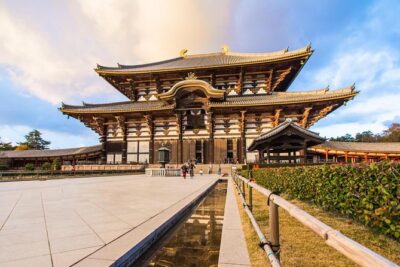
Nara is famous for being Japan’s ancient capital, and Todai-ji is where that fame becomes real. The star is the massive Buddha in the main hall, one of the biggest Buddha images in Japan. The tour gives you guided time here (about 1.5 hours), which is the right length for learning what you’re looking at without turning it into a lecture.
What you will notice at Todai-ji
You’ll spend time inside and around the temple grounds with explanations in Italian. The guide doesn’t just describe buildings. You’re meant to understand why people cared about these places, including what makes certain features national treasures and how Buddhist devotion shaped everyday life.
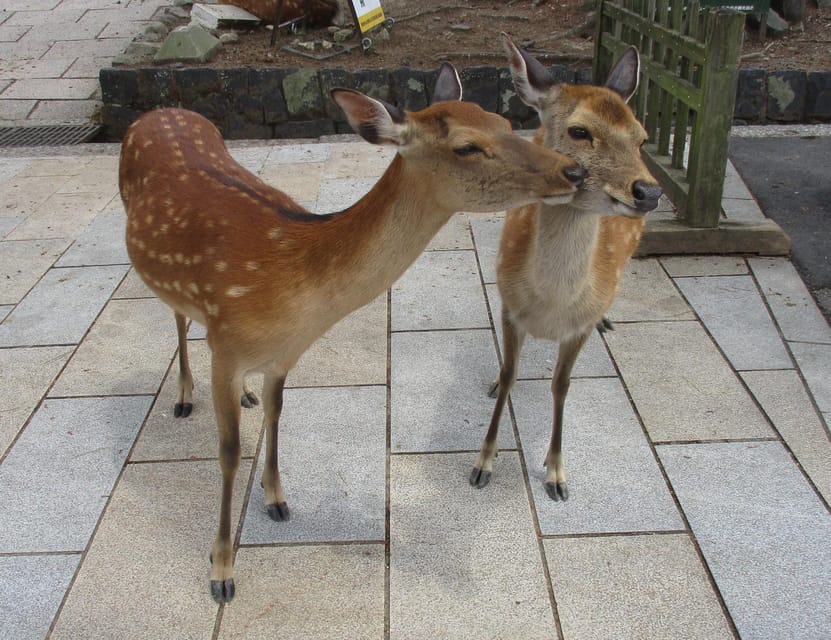
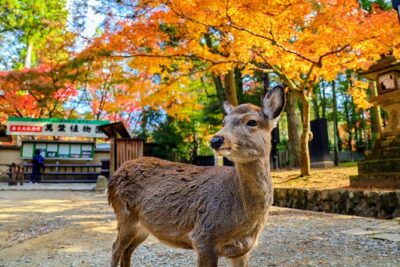
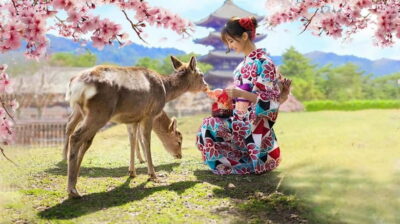
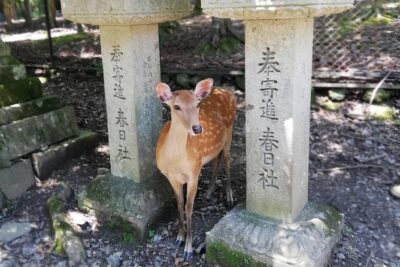
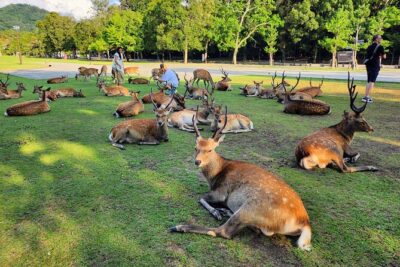
You also get the classic Nara experience: deer roaming freely around the park. You’ll see them close up, and there are stalls where visitors can buy cookies specifically for feeding. It’s one of those moments that’s fun even if you’re not a “wildlife person,” because the deer are part of the setting, not an attraction behind a fence.
- PERFECT KYOTO 1-Day Bus Tour★ 5.0 · 13,518 reviews
- Kyoto: Fushimi Inari, Kinkakuji, Bamboo Grove 1 Day Bus Tour★ 4.8 · 4,316 reviews
- Kyoto: Tea Ceremony in a Traditional Tea House in Kiyomizu★ 4.9 · 3,519 reviews
- Kyoto: Tea Ceremony Ju-An at Jotokuji Temple★ 4.9 · 3,207 reviews
- Kyoto: 45-Minute Tea Ceremony Lesson Experience★ 4.3 · 2,378 reviews
A small extra stop: Ukimido
Along the way, you pass by Ukimido for a short walk (around 10 minutes). It’s not a long stop, but it gives you a better sense of how Todai-ji connects multiple buildings and viewpoints, so the area feels more like a living complex and less like a single-photo stop.
The guide makes the difference, especially in Italian
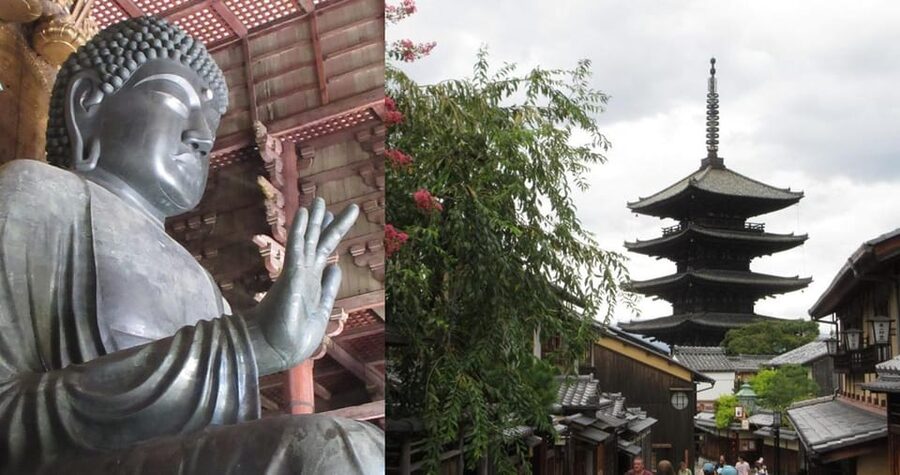
This is one of those tours where language quality is not a minor detail. You’re with an Italian live guide who will answer questions in English if you need that, and you get practical help throughout the day. Several people praised the guide’s Italian accuracy and clarity, and that matters because temple sites have lots of small visual clues. When you can ask and get straightforward answers, the whole visit clicks.
In particular, the guide named Omae comes up repeatedly in feedback for being prepared, funny in a natural way, and able to explain what you’re seeing without rushing you. One review also noted that the guide helps you balance guided time with space to explore and take photos, which I think is crucial in Japan. You want to listen, then look with your own eyes while it’s still fresh.
Expect explanations aimed at understanding, not memorizing
The descriptions are the kind that help you notice things, like how specific monuments are understood, why certain objects or layouts matter, and how local people approach devotion. That kind of storytelling is valuable because temple visits can feel overwhelming when you only get a basic label.
The tour also includes practical information about traveling in Japan in general, if you ask. That’s especially useful if you’re in Japan for the first time and want quick guidance, not a full guidebook chapter.
Back to Kyoto: a real break, not just a pause
After Nara, you return to Kyoto Station and get a break (around 1 hour). This is not a throwaway segment. In a full-day itinerary, a real reset makes the afternoon more enjoyable. Use it for a bathroom stop, a quick bite, or just to regain your energy before Kiyomizu-dera.
You then go back out again by coach and on foot toward Kiyomizu-dera. The afternoon part is where your senses start to overlap, because you’re moving from temple power to Kyoto street energy.
Kiyomizu-dera in the afternoon: guided time on a pilgrimage path
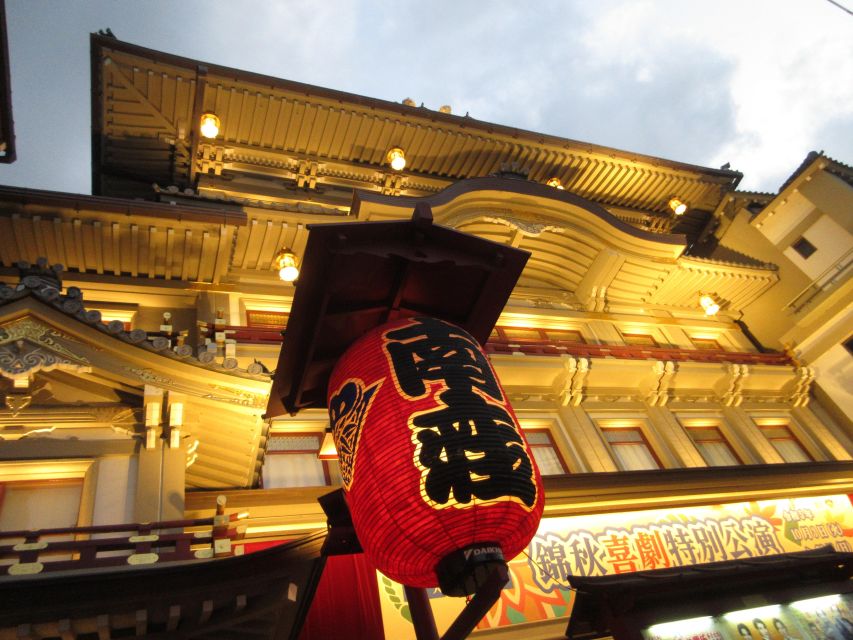
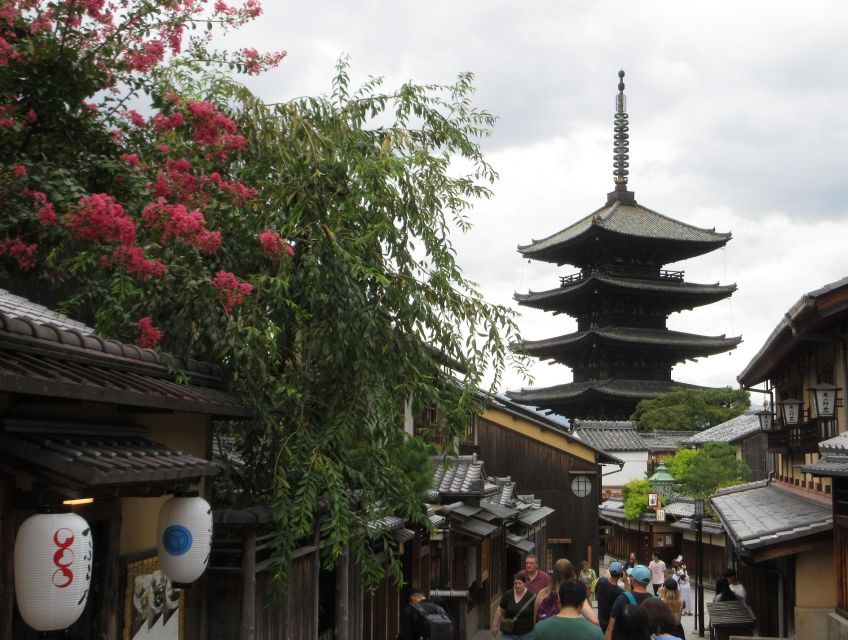
Kiyomizu-dera is one of Kyoto’s most recognizable temple sites, and this stop gets about 1 hour of guided viewing. The tour focuses on the pilgrimage routes that developed from the 8th century to today, so you’re not only seeing a temple, you’re seeing the corridor of activity that grew around it.
What makes this stop feel different
Kiyomizu-dera sits in an area where history and daily life mesh. When you walk toward the temple, you pass streets filled with souvenir shops and snack spots, plus sweet shops and casual bars that fit the mood of the neighborhood. It’s tourist-friendly, yes, but also a window into how Kyoto welcomes visitors while keeping the temple as the core anchor.
If you like your sightseeing with some context, this part works well. The guide helps you understand what the pilgrimage path represents and how the area evolved, so you can interpret the scene rather than just consume it.
Gion-kobu: a short, useful look at the arts district
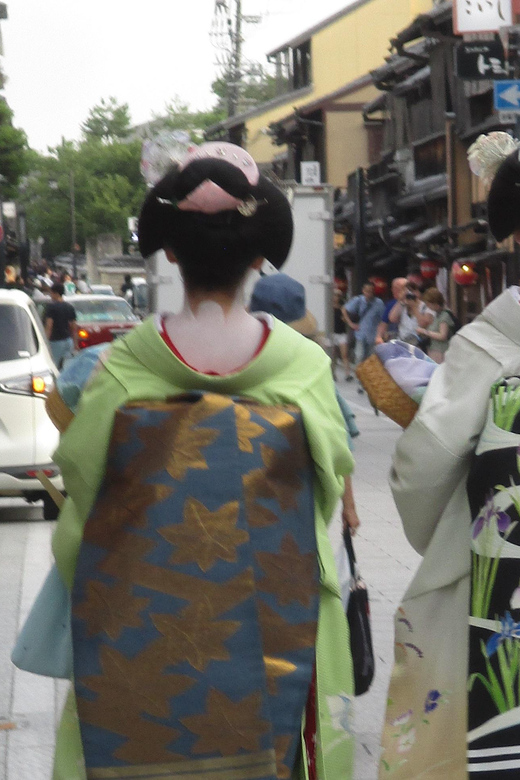
After Kiyomizu-dera, you walk toward the Gion area and get a guided look (about 20 minutes) around the Gion-kobu zone. This is not a long street-walk tour, but it is timed to be meaningful. You learn about professional maiko and geiko activity, and you get a quick orientation for what you’re seeing.
Gion is one of those neighborhoods where details matter. With a guide, you’re more likely to notice what is traditional versus what is simply commercial. And finishing the day in the neighborhood near Pontocho gives you options: continue wandering on your own, find dinner, or just decompress in a quieter pocket.
Price and value: what you get for $176
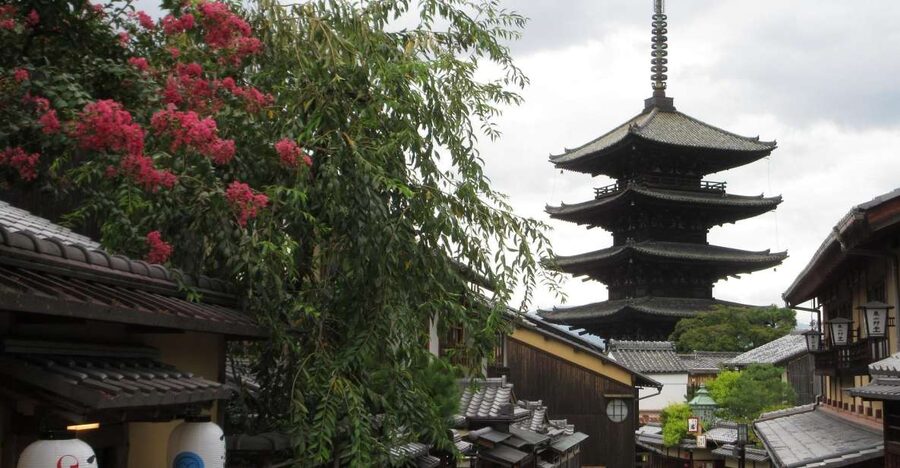
At $176 per person for a full day, this tour is priced for convenience and language. You’re paying for several concrete items, not just the “idea” of going:
- Transport included (train and bus/coach fares)
- Entrance fees for the monuments
- Guided explanations in Italian
- A small group limit of 15
- Assistance during the day, plus practical Japan travel info on request
Is it the cheapest way to do Kyoto and Nara? No. But if you compare it to DIY, the savings on tickets can be swallowed by the time and stress of sorting transit, meeting points, and temple entry logistics, especially in a day that includes multiple walking segments and a finish location away from Kyoto Station.
Also, the guide quality seems to be a major driver of satisfaction. When the guide can answer your questions clearly in Italian, you get more out of every stop, which is where value really shows.
One cost reality to consider
One piece of feedback flagged that the visit could have been more complete for the time and price. That’s worth considering if you like extra free time at every site. This tour is efficient by design. If you’re the type who wants to linger for hours, you might prefer a longer, less segmented experience.
Practical notes that help you enjoy the day
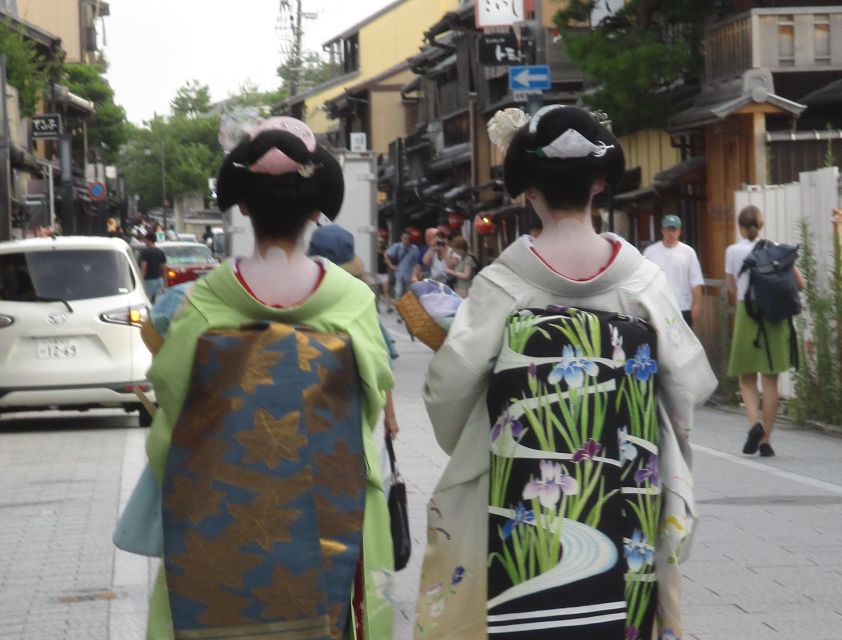
A few small details will make the day feel easier.
- Meeting point matters. Meet in the space between the four escalators in front of the cab terminal, east just outside the north central entrance to Kyoto Station. If you want an easy visual cue, you should be able to see Kyoto Tower in front of the station at the top left of your position. You’ll get exact instructions by email the day before.
- Wear comfortable shoes. You’ll do multiple walking segments, and temple areas involve uneven surfaces.
- Bring the right attitude for deer time. It’s fun, but deer are part of the environment. Stay aware, follow the guide’s directions, and remember feeding cookies is the planned way to interact.
- Use your break wisely. The Kyoto Station break is your chance to eat, recharge, and not rush through the afternoon.
Who this tour is for
This tour fits best if you want:
- A guided day with someone who can explain what you’re seeing in Italian
- A structured route between Nara and Kyoto without transit hassles
- A mix of iconic highlights (Todai-ji and Kiyomizu-dera) plus a short Gion-kobu arts district look
- Small group energy, where questions are easy
It may not be ideal if you strongly dislike full-day schedules, or if you want lots of unstructured time at each location.
Should you book this Kyoto-Nara Italian guided day trip?
I’d book it if you want a high-signal day: big sights, good explanations, and less logistical stress. The combination of Todai-ji’s giant Buddha and the deer park, then Kiyomizu-dera and a Gion-kobu overview, is exactly the kind of “see the essentials” plan that works well for first-timers and returning visitors alike.
But if you know you want long, slow browsing at temples and neighborhoods, you may feel the schedule is tight. In that case, consider whether you’d rather do one area more deeply on your own schedule.
FAQ
What language is the tour guide?
The live tour guide speaks Italian.
How long is the tour?
The tour duration is 1 day.
What is the starting point and where does it end?
The tour starts at Kyoto Station and finishes at Pontocho.
Is the tour wheelchair accessible?
Yes, the tour is listed as wheelchair accessible.
How large is the group?
The tour is a small group, limited to 15 participants.
What’s included in the price?
Included are transportation fares (train and bus/coach), entrance fees for the visited monuments, and explanatory illustrations in Italian, plus practical travel information in Japan upon request.
Is the meeting point inside Kyoto Station?
You meet in the space between the four escalators in front of the cab terminal, east just outside the north central entrance to Kyoto Station. You will receive detailed meeting point information by email the day before.
Can I cancel or change plans?
Cancellation is free up to 24 hours in advance for a full refund, and you can reserve now and pay later.
If you’d like, tell me your travel dates and whether you prefer more temple time or more street time, and I’ll suggest how to plan your meals around the breaks.
Half a Day in Nara


Newest Kyoto write-ups from the Loving Japan desk
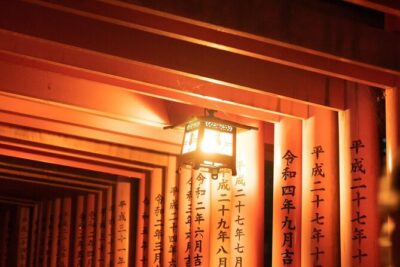
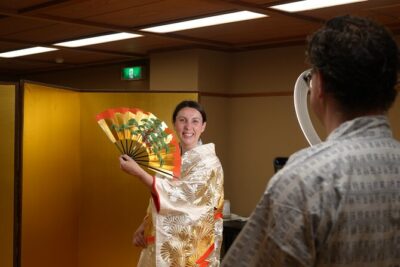
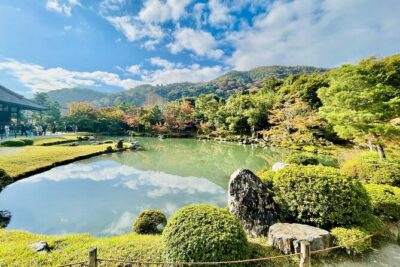
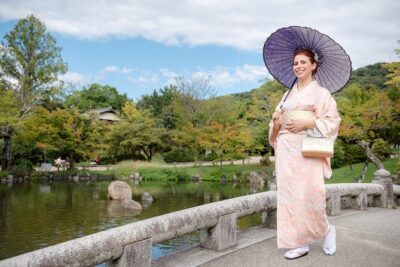
Nara Deer Park and Todai-ji, side by side.
 ★ 5.0World Heritage Kyoto & Nara Uji Authentic Matcha ExperienceFrom $1291,573 reviews
 ★ 4.7Kyoto/Osaka: Nara, Fushimi Inari Taisha, Arashiyama Bus TourFrom $521,275 reviews
 ★ 5.0Nara Half Day Trip Walking Tour (Private Option Available)From $105937 reviews
 ★ 4.4Osaka/Kyoto: Arashiyama, Nara & Fushimi Inari Shrine w/LunchFrom $61754 reviews
 ★ 5.0Nara Early Morning Tour (Kyoto or Osaka Departure Available)From $61676 reviews
 ★ 4.5Kyoto and Nara Day Trip from KyotoFrom $194445 reviews
 ★ 5.0Full Day Guided Tour to Kyoto and Nara from Osaka by VanFrom $106420 reviews
 ★ 4.5Nara Afternoon Tour from Kyoto or OsakaFrom $102390 reviews
Filed on these lists too