
REVIEW · NARA DEER PARK AND TODAI-JI
Kyoto: Nara, Todaiji, Kasuga Taisha Shrine Private Full Day
One bite of Nara charm, and you get why this day trip is popular. This private full-day tour strings together the big emotional hits, from Todai-ji’s Great Buddha to the free-roaming deer in Nara Park. The best part is that a guide helps you make sense of what you’re seeing, not just walk past it.
I love how the day mixes top-name landmarks with smaller context stops, like Kofukuji Temple grounds and the story of Heijo-kyo, the imperial capital. You’ll also like the pacing for a one-day visit, because the route is efficient yet still leaves time to look, take photos, and ask questions. One possible drawback: the day is nonstop, and the Nara Park deer time is brief, plus there’s no hotel pickup, so you need to start from Kyoto Station.
In This Review
- Key things that make this Nara day work
- Getting to Nara from Kyoto Station, without the hassle
- Kofuku-ji Temple grounds and the Heijo-kyo capital backstory
- Nara Park deer time, sweet chaos in a small window
- Todaiji and the Great Buddha, the moment you feel in your chest
- Kotoya lunch option, local flavors on your schedule
- Kasuga Taisha, lanterns and a calmer kind of awe
- Naramachi lanes after the big sites, where the day feels lived-in
- Private guide value, and what you’ll notice in the explanations
- Price and logistics, when $183 is a good deal
- Timing, walking, and who should skip this one
- Should you book this Nara private full-day tour?
- FAQ
- How long is the Kyoto: Nara, Todaiji, Kasuga Taisha Shrine Private Full Day tour?
- Where do we meet the guide in Kyoto?
- Is the train to Nara included?
- What is included in the price?
- Is lunch included?
- How much walking should I expect?
- What languages are available for the live guide?
- What should I bring?
Key things that make this Nara day work
- A guide who explains the why, especially around Heijo-kyo and how the sites connect
- Todai-ji as a must-see centerpiece, with time for a proper guided visit
- Nara Park deer moments, fast but very memorable
- Kasuga Taisha lantern scenery, timed for a calm stroll after the guided talk
- Naramachi walking time, enough to enjoy the narrow lanes and old merchant-house vibe
- Private-group feel, with English, French, or Spanish live guidance
A half day in Nara goes several ways
- Kyoto/Osaka: Nara, Fushimi Inari Taisha, Arashiyama Bus Tour
★ 4.7 · 1,275 reviews - Osaka/Kyoto: Arashiyama, Nara & Fushimi Inari Shrine w/Lunch
★ 4.4 · 754 reviews - Kyoto and Nara Day Trip from Kyoto
★ 4.5 · 445 reviews - Full Day Guided Tour to Kyoto and Nara from Osaka by Van
★ 5.0 · 420 reviews
Getting to Nara from Kyoto Station, without the hassle
Your day starts at the 7-Eleven Heart-In at JR Kyoto Station Central Entrance. From there, the tour boards the express train to Nara, and you’re not left figuring it out alone, since the guide assists with buying your train ticket the day of travel. For many visitors, that single detail removes a lot of stress.
The train ride is about an hour each way, which matters because it keeps the day focused. An eight-hour day can feel like a sprint in Japan, but this schedule is built around efficiency, so you spend more time on the sights you came for and less time commuting.
Kofuku-ji Temple grounds and the Heijo-kyo capital backstory
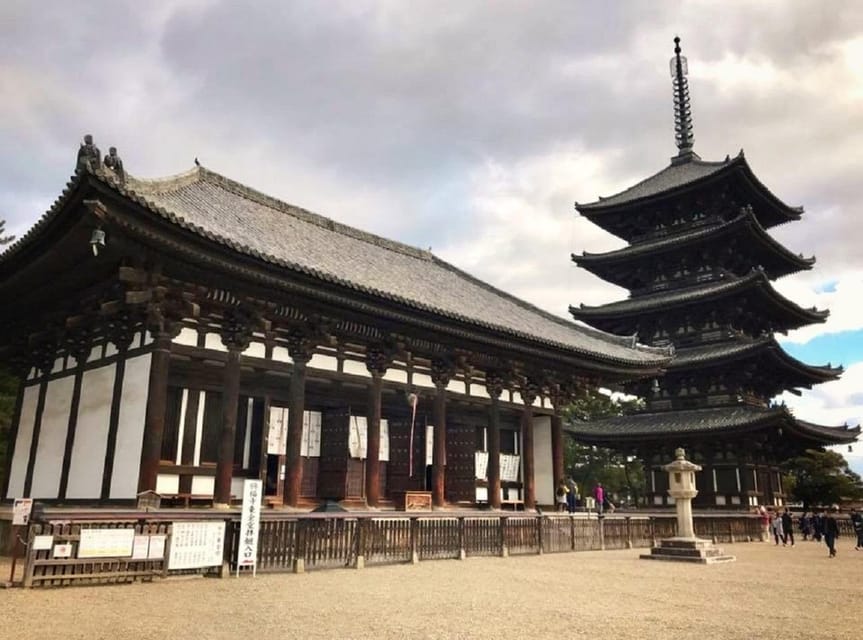
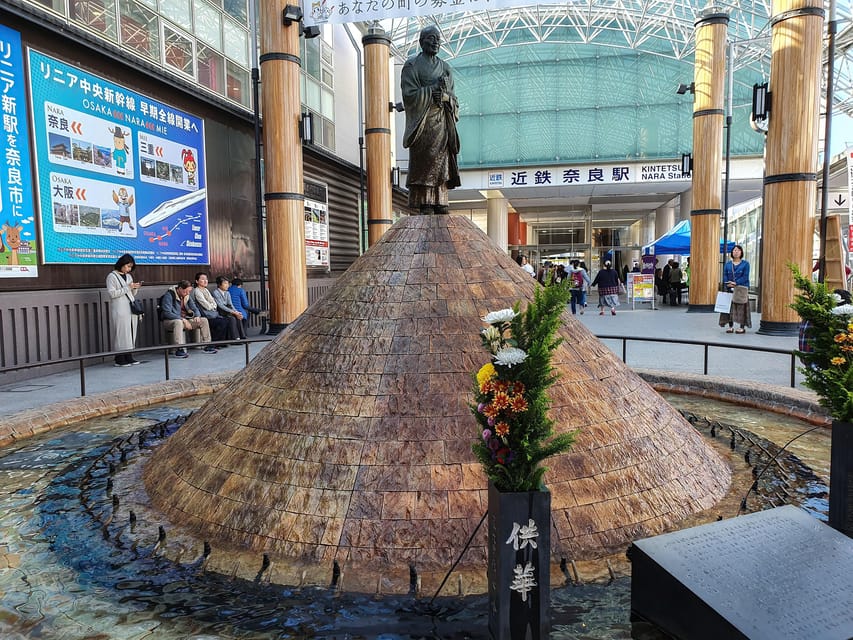
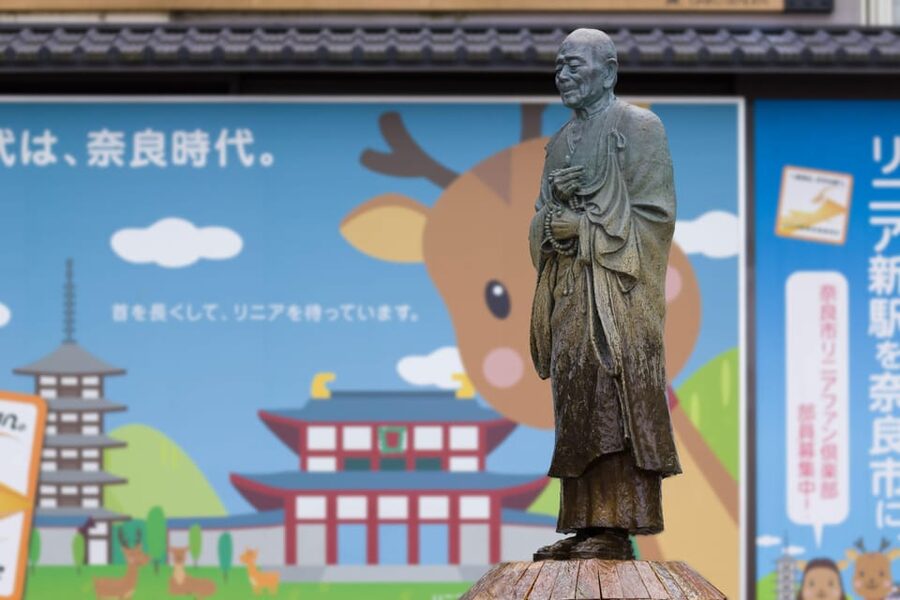
Before you reach the park and the deer, you get a meaningful warmup: you pass the Gyoki Statue and then spend about 30 minutes on a guided look at the Kofukuji Temple grounds. This stop gives you context for why Nara mattered so much in Japan’s past, especially as the Heijo-kyo imperial capital.
Why I like this part for your trip: it keeps the day from feeling like a checklist. When you later see major religious sites, you’ll understand them as part of a bigger political and cultural system, not isolated monuments. Even if you only catch a few key points, it makes the entire day land better.
Nara Park deer time, sweet chaos in a small window
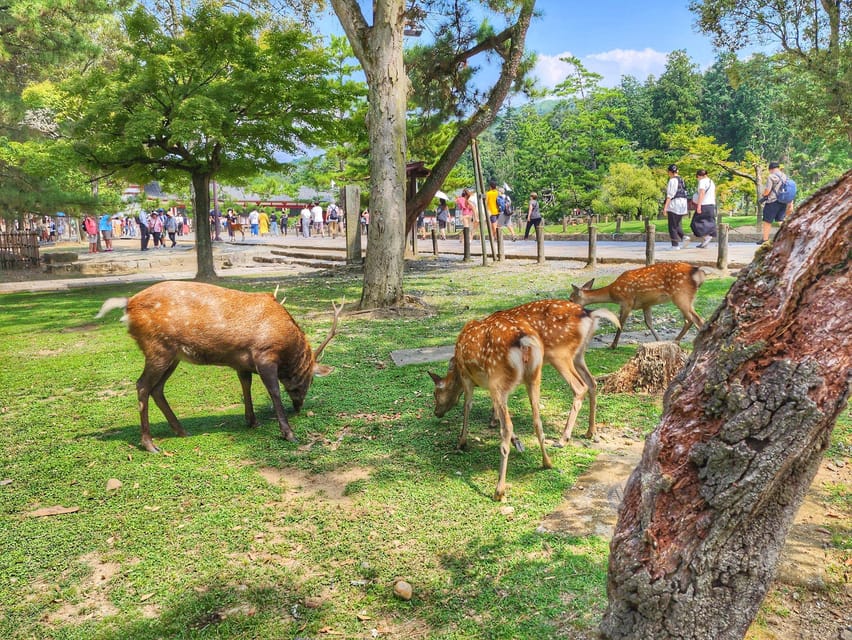
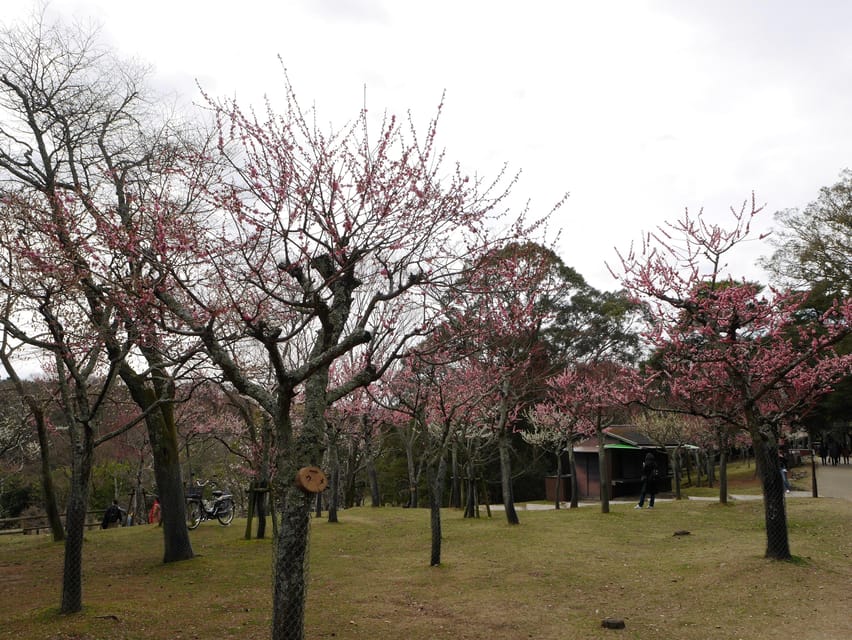
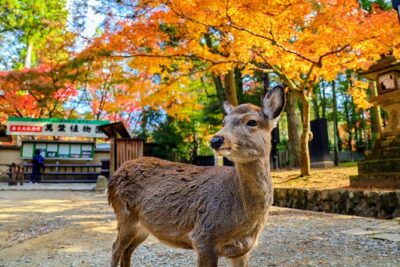
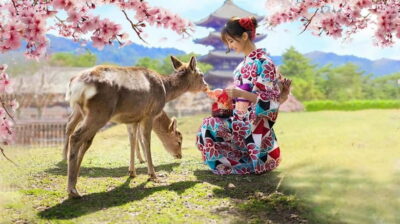
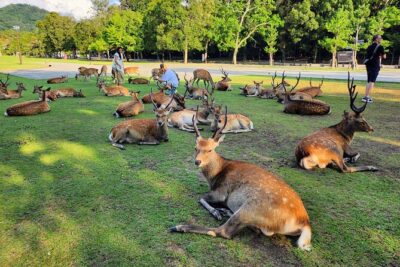
Then you step into Nara Park, with about 15 minutes to visit and walk. This is where the tour earns instant smiles. You’ll see the sika deer, considered sacred messengers of the gods in Shinto, and they’re famously friendly and free-roaming.
The park is wide open and green, so the experience is more than just deer photos. You’re meant to take in the space, watch the deer drift through the pathways, and snap a few pictures with the animals that have become a symbol for Nara.
One practical consideration: with only a short window, you should be ready. Bring your camera, keep moving when the deer are clustering, and avoid getting stuck waiting for one perfect shot. It’s a quick moment of charm, not an all-day wildlife safari.
- PERFECT KYOTO 1-Day Bus Tour★ 5.0 · 13,518 reviews
- Kyoto: Fushimi Inari, Kinkakuji, Bamboo Grove 1 Day Bus Tour★ 4.8 · 4,316 reviews
- Kyoto: Tea Ceremony in a Traditional Tea House in Kiyomizu★ 4.9 · 3,519 reviews
- Kyoto: Tea Ceremony Ju-An at Jotokuji Temple★ 4.9 · 3,207 reviews
- Kyoto: 45-Minute Tea Ceremony Lesson Experience★ 4.3 · 2,378 reviews
Todaiji and the Great Buddha, the moment you feel in your chest
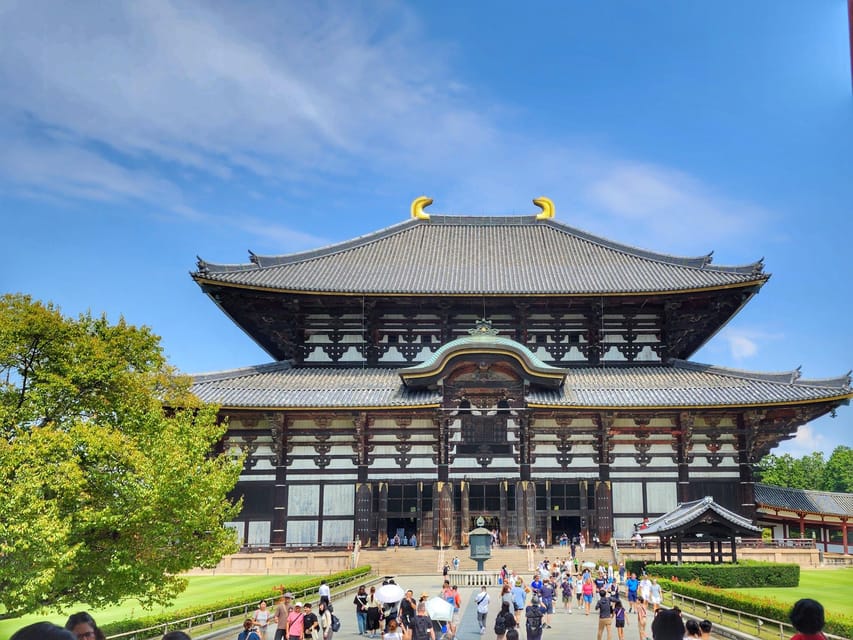
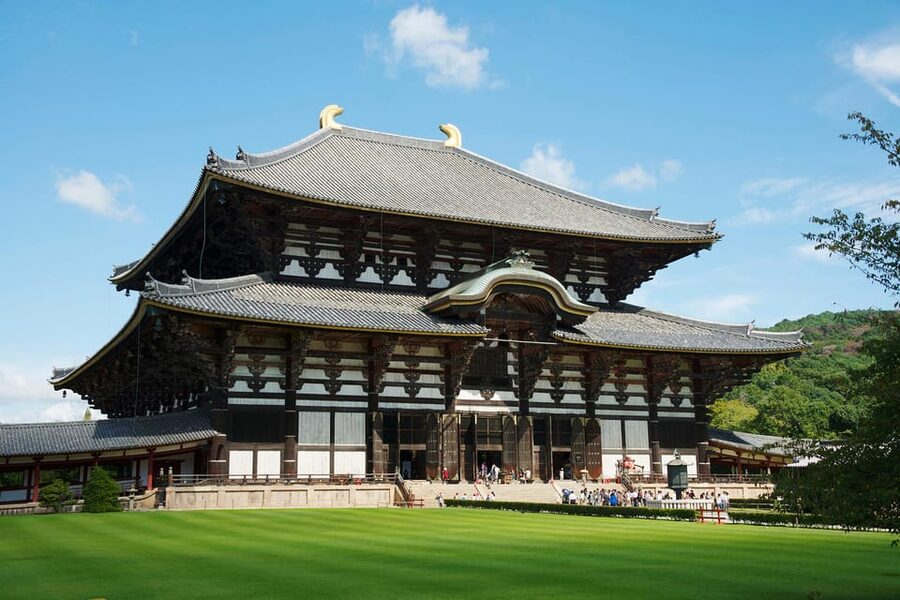
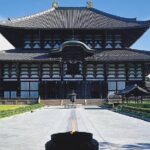
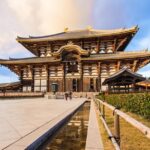
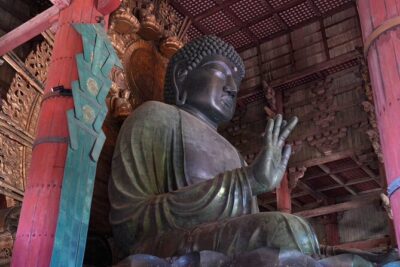
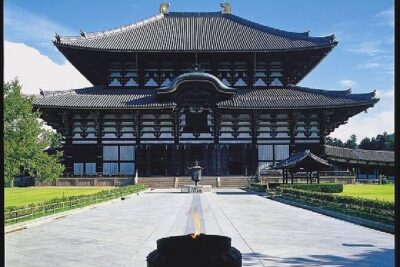
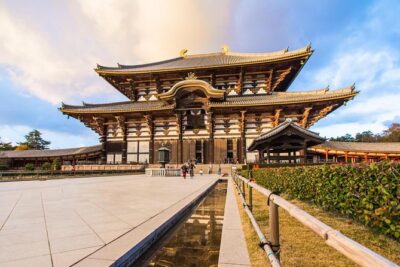
Next comes the big centerpiece, Todaiji, with about a one-hour guided visit. This is a UNESCO World Heritage Site, and it houses the Great Buddha (Daibutsu). The tour highlights the statue as one of the largest bronze Buddha statues in Japan, and that scale is exactly what makes this stop powerful.
A guided visit is a smart choice here. You’re not just looking at a giant figure, you’re getting help noticing what the space is doing, how to read the setting, and what the site represents. It turns the visit into a story you can follow in real time, which is especially useful when you’re standing somewhere that feels overwhelming.
Practical tip for your photo plan: aim to get your wide shots early, then slow down for the details. When you’re inside a major hall like this, it’s easy to rush. The guide’s timing helps you avoid the common mistake of spending too much time on one angle and not enough on the overall experience.
Kotoya lunch option, local flavors on your schedule
Lunch is built into the day for about one hour at a local restaurant area, and you have a clear choice. The tour offers an optional traditional lunch at Kotoya Restaurant for around JPY 2500 per person, but lunch is not included. If you prefer, you can bring your own or choose another option on the spot.
This setup is good value if you want the full cultural feel without hunting for a place yourself. It also gives you flexibility if you have dietary needs, because the tour doesn’t lock you into one menu.
My advice: decide early what you want from lunch. If you want something simple, use the time to reset your feet and drink water. If you want the traditional meal, budget the extra cost and keep your energy for Kasuga Taisha and Naramachi later in the day.
Kasuga Taisha, lanterns and a calmer kind of awe
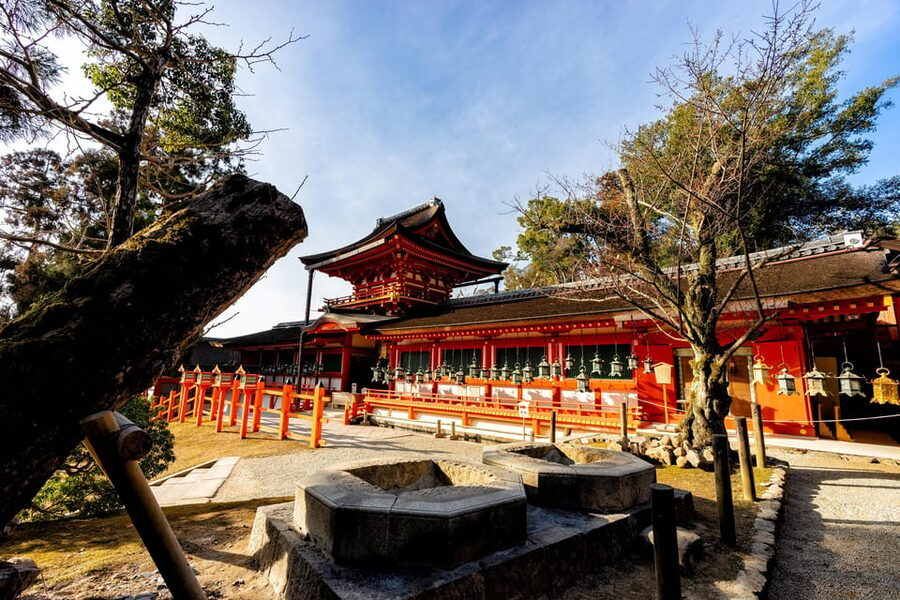
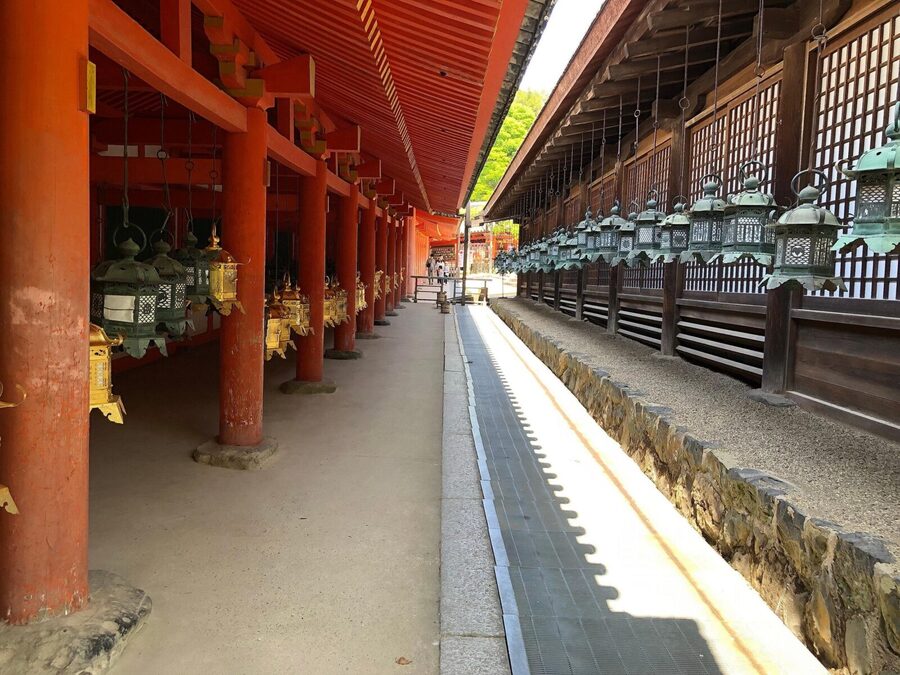
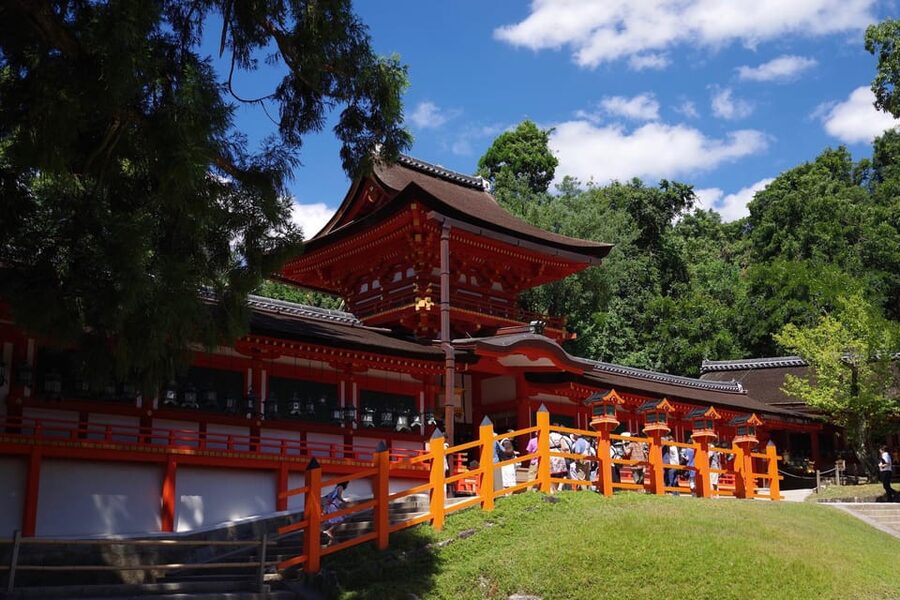
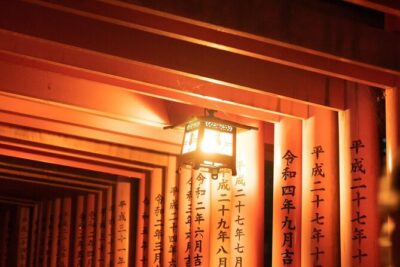
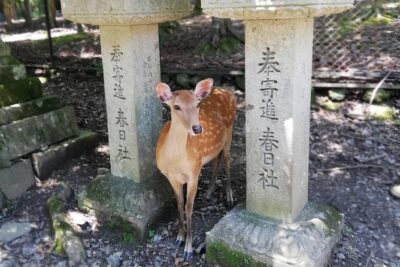
After lunch, you head to Kasuga Taisha for about an hour of guided time. This shrine is known for being adorned with thousands of hanging lanterns, which creates a very specific visual mood. Even if you’re not a shrine expert, the guide helps you notice what you’re looking at and why it matters.
The lantern focus is a smart inclusion because it shifts the day from grand statue awe to atmosphere. Todaiji hits you with scale, Kasuga Taisha hits you with mood and symbolism. Then the tour adds a practical walking element, so you’re not stuck sitting through explanations without moving your body.
If you’re someone who likes taking photos, Kasuga Taisha is a great place to slow down. Use the guided time to learn what to look for, then use your own time to capture the parts you care about most.
Naramachi lanes after the big sites, where the day feels lived-in
To close the core sightseeing, you stroll through Naramachi for about an hour. This area is described as narrow lanes lined with preserved traditional merchant houses that capture the essence of the Edo period. In other words, it’s a change of pace from temple-heavy hours.
I like ending here because it gives your brain a break. Instead of more sacred spaces, you get a more everyday historical vibe, with streets you can wander at your own comfort level. You can buy small souvenirs, watch local rhythm, and take photos that feel different from the earlier monument shots.
It’s also a good time to ask your guide practical Japan questions. When the big landmarks are done, guides often have more room to answer your travel-life questions, like what to do next back in Kyoto.
Private guide value, and what you’ll notice in the explanations
This is a private group tour, and it shows in the way the day runs. You’re not stuck listening to a script while rushing to keep up. You can ask questions, and the guide can respond in real time as you move from one site to the next.
From the experience perspective, the standout theme across guides is clarity and friendliness. You might end up with a guide like Akiko, Gustavo, Vincent, Alex, or Naoki, and the common thread is how they explain what you’re seeing in a way that feels useful. One reason that matters: Nara can be visually impressive, but it’s easy to miss the meaning if your explanations are vague.
English, French, and Spanish are available, so you can match your comfort level. When you understand why deer are sacred messengers, why Heijo-kyo mattered, or what makes the Great Buddha special, your photos feel smarter too.
Price and logistics, when $183 is a good deal
At $183 per person for an eight-hour day, the price is not “cheap,” but it can be good value. The tour includes an English-speaking guide, entrance fees for Todaiji and Kasuga Taisha Shrine, and snacks. Transportation is not included, but the guide helps with the train ticket to Nara, and you can use a JR Pass if you have one.
Here’s how I think about value for you. Entrance fees plus a private guided day add up fast in Japan. If you were doing this solo, you’d likely spend time and energy coordinating trains, paying admissions, and trying to piece together context without language help. This tour trades money for a smoother day and better understanding.
Potential costs to remember: lunch is optional and around JPY 2500 at Kotoya, and you’ll want cash for personal expenses. Also, the tour is not set up for hotel pickup, so you need to get to Kyoto Station on your own.
Timing, walking, and who should skip this one
This is an eight-hour tour, and it’s scheduled with guided time at multiple stops. That means you’ll be on your feet for most of the day, with shorter stop durations designed to keep the route efficient. Bring comfortable shoes, and plan for a steady pace.
The tour is also listed as not suitable for pregnant women, people with mobility impairments, and those with heart problems or respiratory issues. If any of those apply, it’s worth choosing a calmer, shorter option with less walking and fewer transitions.
If you know you can handle a full day of walking, you’ll probably feel rewarded by the variety: capital history in Kofukuji, iconic deer at Nara Park, UNESCO-scale awe at Todaiji, lantern atmosphere at Kasuga Taisha, and then Edo period streets in Naramachi.
Should you book this Nara private full-day tour?
If you want a guided, structured Nara day with less guesswork and more meaning, I’d book it. The combination of entrance fees included, a live guide in English (or French or Spanish), and the efficient train schedule makes it a smart choice for a one-time Nara visit.
Book it especially if you’re the kind of traveler who likes understanding what you’re seeing, not just collecting images. The guide stops give you context at the start, then you get to enjoy the big sights with fewer blank spots in the story.
Skip or reconsider if you prefer a slower, self-paced day, or if you need lots of mobility support. Also, if you want a long, uninterrupted deer-and-park experience, the 15-minute Nara Park window may feel short.
Given the consistently high rating and the strong emphasis on guide quality, this is a solid pick for turning a day trip into a genuinely satisfying Nara experience.
FAQ
How long is the Kyoto: Nara, Todaiji, Kasuga Taisha Shrine Private Full Day tour?
It lasts about 8 hours.
Where do we meet the guide in Kyoto?
Meet at 7-Eleven Heart-In – JR Kyoto Station Central Entrance. Look for a guide wearing a TripGuru shirt or holding a TripGuru sign.
Is the train to Nara included?
Transportation is not included, but the tour guide will assist you with purchasing the train ticket to Nara on the day of travel. You can also use a JR Pass (noted as an option).
What is included in the price?
An English-speaking tour guide, entrance fees for Todaiji Temple and Kasuga Shrine, and snacks are included.
Is lunch included?
Lunch is not included. You can choose a traditional lunch at Kotoya Restaurant (around JPY 2500) or bring your own.
How much walking should I expect?
You’ll be walking between multiple stops across the day. Comfortable shoes are recommended.
What languages are available for the live guide?
French, Spanish, and English.
What should I bring?
Wear comfortable shoes, bring a camera, and have some cash for personal expenses and optional lunch.
Half a Day in Nara

Newest Kyoto write-ups from the Loving Japan desk
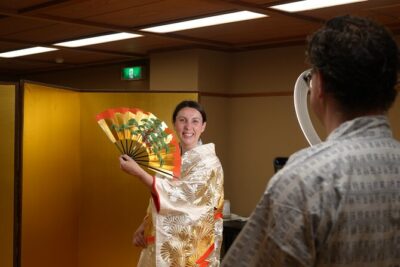
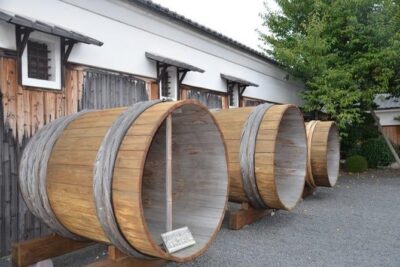
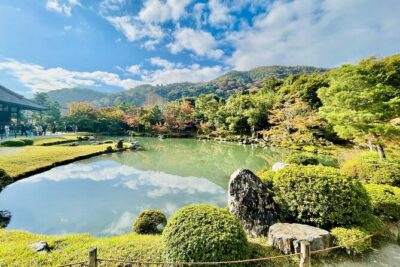
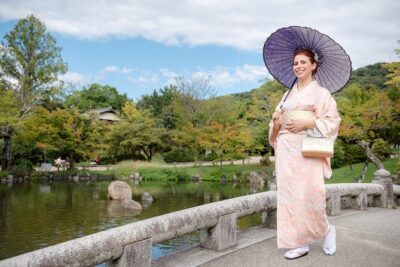
Nara Deer Park and Todai-ji, side by side.
 ★ 5.0World Heritage Kyoto & Nara Uji Authentic Matcha ExperienceFrom $1291,573 reviews
 ★ 4.7Kyoto/Osaka: Nara, Fushimi Inari Taisha, Arashiyama Bus TourFrom $521,275 reviews
 ★ 5.0Nara Half Day Trip Walking Tour (Private Option Available)From $105937 reviews
 ★ 4.4Osaka/Kyoto: Arashiyama, Nara & Fushimi Inari Shrine w/LunchFrom $61754 reviews
 ★ 5.0Nara Early Morning Tour (Kyoto or Osaka Departure Available)From $61676 reviews
 ★ 4.5Kyoto and Nara Day Trip from KyotoFrom $194445 reviews
 ★ 5.0Full Day Guided Tour to Kyoto and Nara from Osaka by VanFrom $106420 reviews
 ★ 4.5Nara Afternoon Tour from Kyoto or OsakaFrom $102390 reviews
Filed on these lists too