

REVIEW · TOKYO MUSEUMS, GALLERIES AND TEAMLAB
Kyoto Railway Museum Admission Ticket
Trains in Kyoto, minus the crowds. At the Kyoto Railway Museum, railway history feels physical, not dusty, with real trains and hands-on exhibits that you can actually get close to.
I love the sheer 53 real trains collection, stretching from classic steam engines to the world-famous Shinkansen. I also like that the fun is practical, with simulator stations and even a ride on a working steam locomotive.
One drawback to plan around: the museum is closed every Wednesday, and on busy days you may face lines before entry.
In This Review
- Key things to know before you go
- Kyoto Railway Museum ticket: what you get for about $9
- Getting there and picking the right day (Wednesday is a hard stop)
- Inside the museum: how to approach the collection without feeling rushed
- 53 real trains you can actually see up close
- Step inside iconic trains: interiors and what they teach
- Train-driving simulators: fun with a purpose
- Working steam locomotive ride and the roundhouse turntable
- Sky Terrace views: finish with the bigger picture
- How long to plan: give this one-day ticket room to breathe
- What kind of traveler this is best for
- Pricing, tickets for kids, and what makes it feel fair
- Should you book the Kyoto Railway Museum ticket?
- FAQ
- What does the Kyoto Railway Museum admission ticket include?
- How much does the ticket cost?
- How long is the ticket valid?
- Is the museum wheelchair accessible?
- When is the museum closed?
- Are there discounts for children?
Key things to know before you go
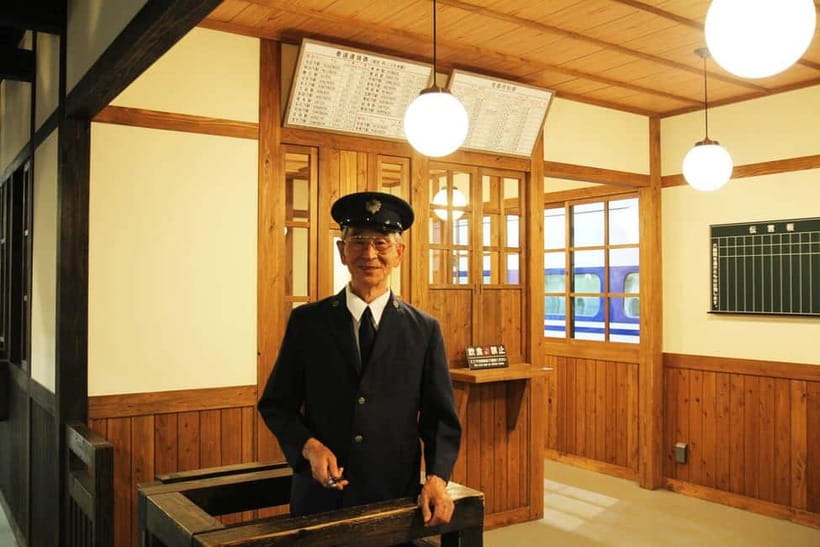
- 53 real trains on display, from steam power to Shinkansen-era engineering
- Working steam locomotive ride for a nostalgic, hands-on moment
- Roundhouse turntable rotation that turns a museum photo into a real action shot
- Train-driving simulators where you can test how rail travel feels
- Iconic train interiors you can step into, not just look at from behind glass
- Family-friendly interaction that works well for kids and grown-ups alike
Indoors instead? Galleries and light rooms we visited
- Skip the lines Basic Ticket at SAMURAI NINJA MUSEUM KYOTO
★ 4.5 · 632 reviews - Kyoto : Geiko Maiko Dance of Kyoto & Visits of Gion Museum
★ 4.6 · 415 reviews - Kyoto: Samurai Ninja Museum guided tour
★ 4.8 · 145 reviews - Ninja Experience (Family Friendly) at Samurai Ninja Museum KYOTO
★ 4.5 · 132 reviews
Kyoto Railway Museum ticket: what you get for about $9
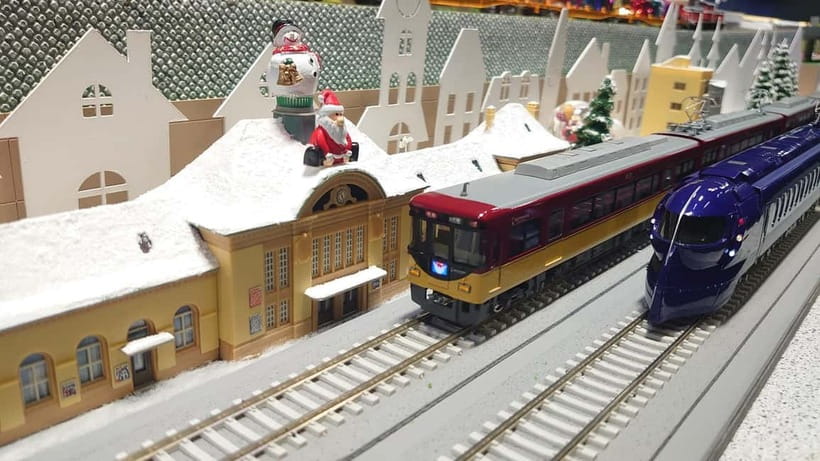
For roughly $9 per person, the Kyoto Railway Museum is one of those rare attractions where the ticket price feels fair for how much you can do. You are not just walking past displays. You are moving through railway technology, stepping into train cars, and interacting with exhibits that aim to explain the how, not only the wow.
The big reason it feels like good value is range. The museum’s collection spans the steam era all the way into Shinkansen technology, and you also get hands-on elements like simulators. When a museum offers both educational detail and actual activities, you tend to stay longer and get more out of the day.
If you are traveling with kids, this matters even more. The museum is built for curiosity, and multiple review notes highlight that there is plenty to do for children, not just a place to passively look around.
Getting there and picking the right day (Wednesday is a hard stop)
Plan your date first. The museum closes every Wednesday, so you should not rely on a “we’ll just go when we feel like it” approach. Also, opening hours may change, so check the official site close to your trip.
Your meeting point is simply the Kyoto Railway Museum itself, at coordinates 34.9870986, 135.7422732. In practice, that means you can treat this as an easy add-on day activity once you are already in Kyoto.
If you enter and then leave, keep your ticket. Staff will ask you to show your admission ticket when you re-enter the museum. That detail sounds small, but it prevents annoying surprises if you pop out for a snack or quick rest.
On busy days, expect lines. When there are many people in the queue, you should wait in line at the entrance for Early Bird Advance Ticket. It is a simple tip, but it can save you time and reduce the stress of standing and wondering where to go.
Inside the museum: how to approach the collection without feeling rushed
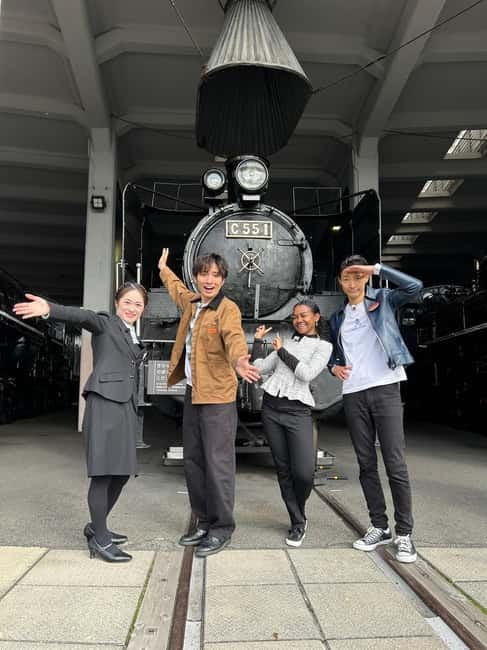
This is the kind of museum where a quick walk-through can make you miss the best parts. Instead of trying to see everything in one sprint, I suggest you use a simple plan: start with the real trains, then switch to the hands-on areas, and finish with the views and roundhouse moments.
Why this order works? The trains give you context fast. Once you understand what you are looking at, simulators and interior walk-throughs make more sense. And the roundhouse and turntable moments are easier to enjoy at the end, when you are already warmed up and your camera hands are ready.
The museum also has a reputation for feeling comfortable indoors, with visitors describing it as quiet and cool. That is a real advantage in Kyoto, where weather can swing and your energy can drain quickly if you spend too long in heat outside.
- PERFECT KYOTO 1-Day Bus Tour★ 5.0 · 13,518 reviews
- Kyoto: Fushimi Inari, Kinkakuji, Bamboo Grove 1 Day Bus Tour★ 4.8 · 4,316 reviews
- Kyoto: Tea Ceremony in a Traditional Tea House in Kiyomizu★ 4.9 · 3,519 reviews
- Kyoto: Tea Ceremony Ju-An at Jotokuji Temple★ 4.9 · 3,207 reviews
- Kyoto: 45-Minute Tea Ceremony Lesson Experience★ 4.3 · 2,378 reviews
53 real trains you can actually see up close
The heart of the Kyoto Railway Museum experience is the collection of 53 real trains, spanning different eras and engineering styles. This is not a “model train” museum. These are real vehicles, and the effect is immediate when you step into the space.
Here is what that variety means for you as a visitor:
- You get to compare eras side by side, not in separate time-bound exhibits that feel disconnected.
- You can spot how design priorities changed over time, from steam-era mechanics to the streamlined logic of later high-speed rail.
- You get a clearer sense of how rail travel evolved as Japan modernized.
What I like about collections like this is that they reward attention. You can spend five minutes on one engine and still learn something new when you notice details in the cab, the layout, and the way each train communicates its purpose.
For train fans, the Shinkansen presence is a big draw, and for non-fans, the technical explanation around the “stuff around the train” helps you understand what makes rail systems work as systems, not as isolated vehicles.
Step inside iconic trains: interiors and what they teach
One of the most enjoyable aspects is the chance to step into iconic trains. When you can enter a cab or passenger space, you stop viewing railway history as images on a wall.
Inside train interiors, you tend to notice practical things:
- the layout of controls and the feel of operating spaces,
- how seating and doorway design fit the era,
- and how each generation of train balances function with passenger comfort.
If you are traveling with someone who thinks museums are boring, this is often the moment that changes their mind. Real interiors are naturally engaging, because they feel like you are standing in the real job, even if only briefly.
It also makes it easier to connect the exhibits to daily life. Rail travel is not just speed, it is safety systems, service planning, and engineering details that have to work together.
Train-driving simulators: fun with a purpose
The museum’s hands-on train simulators are where education turns into play. Even if you do not know much about rail operations, a simulator gives you an immediate sense that train driving is not just push-a-button motion. It is timing, control, and attention to the rail environment.
These sections also help you understand the practical side of rail technology. You can try a role that feels closer to the reality of operating trains, and that makes the earlier exhibits stick better in your memory.
From a value standpoint, simulators stretch your ticket further because you are not only watching. You are doing, and doing takes more time, which helps when you have just one day in Kyoto.
Working steam locomotive ride and the roundhouse turntable
If you want one moment that feels like pure nostalgia, prioritize the working steam locomotive experience. A ride on a working steam locomotive is the kind of highlight that turns a museum day into a story you can tell later.
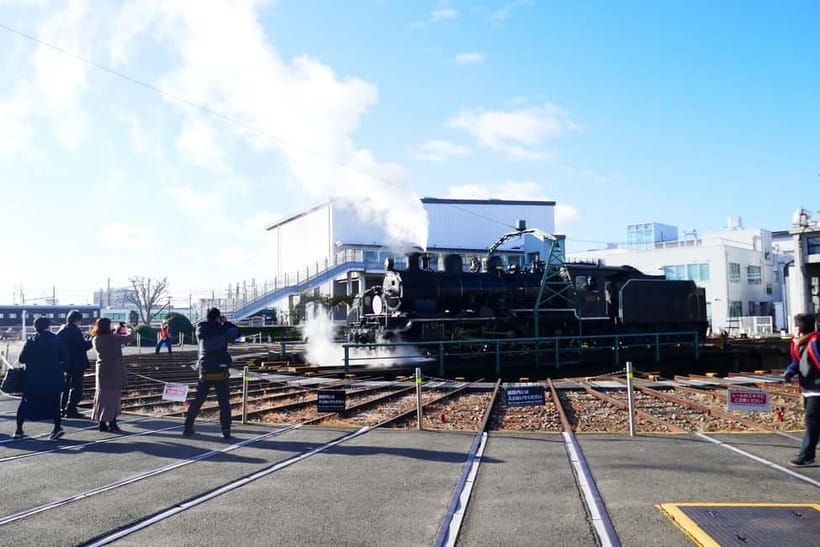
Next to that, the roundhouse turntable rotation is a thrilling piece of engineering theater. Watching it rotate is fun even if you are not a rail nerd. The mechanical movement makes sense in your body, and it turns the roundhouse from a static building into a working part of railway history.
A practical tip: if you care about photos and video, position yourself so you can capture the turntable action, then decide whether you want a second angle before moving on. The rotation is the sort of moment that people rush past when they are too focused on the next exhibit.
Sky Terrace views: finish with the bigger picture
Before you wrap up, make time for the Sky Terrace. Reviews and museum highlights point to it as a place where you can see the museum space more broadly, and that matters because rail collections are easier to understand when you can grasp the layout.
From a terrace, you are not just collecting train facts. You are mapping the museum in your mind. You can connect the roundhouse, tracks, and major exhibit areas into a single rail-world you can mentally revisit later.
This is also a good moment to slow down. After moving through so many trains, a view helps you reset your attention and choose your final stops without feeling panicked.
How long to plan: give this one-day ticket room to breathe
The ticket is valid for one day, and that is the right framing. You can see plenty in a day, but this is not a “one quick hour and done” museum if you want to enjoy it fully.
I suggest you plan for a slower pace than your Kyoto schedule usually allows. The museum has multiple layers: real trains, hands-on driving, ride moments, and viewing areas. When you try to cram it like a checklist, you miss the joy of wandering and noticing details.
If your trip is tight, pick your priorities:
- If you love trains, your must-dos are the steam locomotive ride, the roundhouse turntable, and the simulators.
- If you are visiting with kids, keep interiors and hands-on sections high on the list.
- If you are more of a casual visitor, focus on the big Shinkansen presence, the real train interiors, and the view from the Sky Terrace.
What kind of traveler this is best for
This ticket works for a surprising range of people.
Train fans will love the breadth of real rolling stock, from steam engines to Shinkansen. The combination of close-up trains plus simulators plus ride moments hits the sweet spot between watching and doing.
History lovers will like the way the museum explains rail technology and the technical world around trains. Instead of treating trains as just objects, it frames them as systems with design choices and real function.
Families should take note. The museum’s interactive elements and the sheer amount of to-see-and-to-try time make it easier to keep kids engaged. Even adults who do not normally do museums often find the activities pull them in.
If you are only in Kyoto for a day or two and you want something that is fun even when you do not want another temple stop, this is a smart alternative. It is indoor-friendly, and the “quiet and cool” vibe reported by visitors can be a relief.
Pricing, tickets for kids, and what makes it feel fair
At $9 per person, the Kyoto Railway Museum admission is priced like a straightforward day experience, not a premium add-on. The value comes from variety and participation: real trains, interior access, simulator play, and a working steam locomotive ride.
Kids pricing is also worth knowing. Infants under 3 years old are free. Children between 3 and 7 can purchase tickets on-site with 200 yen. If you are traveling with a younger child, that small detail can keep your day budget under control.
Wheelchair accessibility is available, so if mobility is part of your planning, you can feel more confident about being able to enjoy the museum at a normal pace.
One more value tip: because re-entry requires showing your ticket, plan your snack and breaks inside your museum time window so you do not lose momentum.
Should you book the Kyoto Railway Museum ticket?
Book it if you want a day in Kyoto that is hands-on, train-focused, and easy to enjoy with almost anyone. The combination of 53 real trains, interior access, train simulators, and the steam locomotive plus roundhouse turntable is a strong mix for both rail lovers and families.
Skip or postpone it if your dates include a Wednesday. Since the museum closes every Wednesday, that single factor can ruin a plan fast. Also remember the ticket is non-refundable, so it is worth double-checking opening hours before you lock it in.
If you like museums but hate dead-time, this is a good fit. The activities give you a reason to linger, and you will probably leave with a clearer sense of how Japanese rail travel evolved, not just a stack of photos.
FAQ
What does the Kyoto Railway Museum admission ticket include?
The standard admission ticket includes entry to the museum.
How much does the ticket cost?
The price is listed as $9 per person.
How long is the ticket valid?
The ticket is valid for one day, and you should check availability for starting times.
Is the museum wheelchair accessible?
Yes, it is wheelchair accessible.
When is the museum closed?
The museum is closed every Wednesday.
Are there discounts for children?
Infants under 3 years old are free. Children between 3 and 7 years old can buy tickets on-site for 200 yen.
Tokyo Indoors: Galleries and Light Rooms




Newest Kyoto write-ups from the Loving Japan desk



Tokyo Museums, Galleries and teamLab, side by side.
 ★ 4.6teamLab Planets TOKYO Digital Art Museum Entry TicketFrom $259,779 reviews
 ★ 4.5Osaka Castle: Museum and Tower Entry TicketFrom $72,380 reviews
 ★ 4.5teamLab Botanical Garden Entry TicketFrom $111,710 reviews
 ★ 4.6Samurai Ninja Museum Guided tour and ExperienceFrom $271,010 reviews
 ★ 4.9Tea Museum Tickets and Matcha Grinding ExperienceFrom $23739 reviews
 ★ 4.5Skip the lines Basic Ticket at SAMURAI NINJA MUSEUM KYOTOFrom $28632 reviews
 ★ 5.0Ninja Experience (Family Friendly) at Samurai Ninja Museum TOKYOFrom $47441 reviews
 ★ 4.5Tokyo Studio Ghibli Museum and Ghibli Film Appreciation TourFrom $193421 reviews
Filed on these lists too