
REVIEW · GION, GEISHA AND MAIKO EXPERIENCES
Kyoto: Tea Ceremony with Maiko
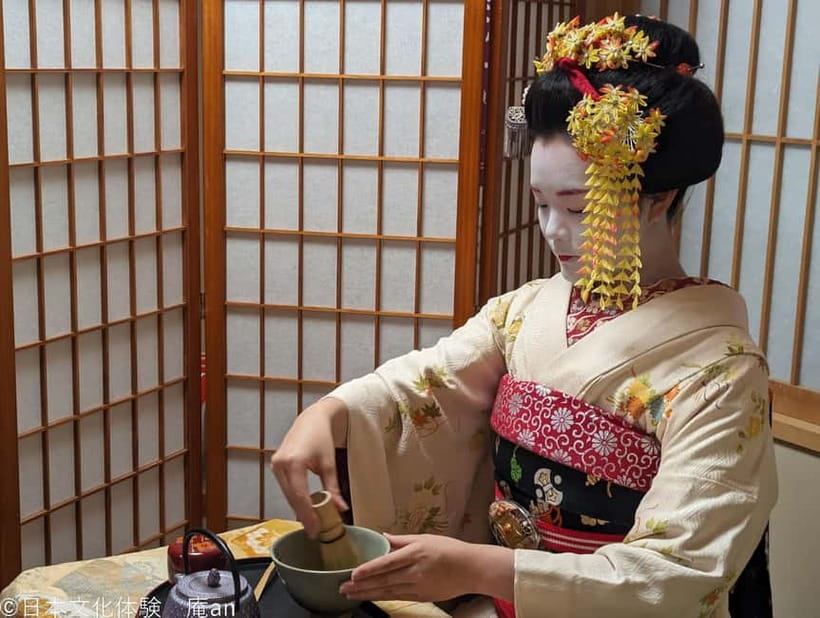
A Maiko tea moment, minus the long day. This Kyoto tea ceremony keeps the focus on matcha, Japanese sweets, and a close-up chat with a working performer. I like that it is short enough to fit into real travel days, and I also like the hands-on part, you actually make your own matcha. One consideration, the venue is in a building (not a classic ochaya), and you will climb stairs.
I also appreciate the format, the Q&A is built in, so you are not just watching from a distance. Your visit ends with a photo right next to the Maiko (or possibly a Geiko) and a lucky charm called a Senjafuda. If you are hoping for a full traditional tea house experience, you might feel like something is missing, but if you want Kyoto in a compact, friendly package, this works.
In This Review
- Key things to know before you book
- Why a Maiko and Matcha Fit in Your Kyoto Day
- The Setting: Not an Ochaya, Still Calm and Close to Gojo
- Matcha How-To, Plus the 2 Dried Sweets
- Greeting, Tea Ceremony, and the Q&A You Actually Want
- Photo Moment and the Senjafuda Lucky Charm
- Price and Time: What $28 Really Buys You
- What to Watch For: Stairs, Timing, and Day-of Changes
- Who This Kyoto Tea Ceremony Works Best For
- Should You Book This Kyoto Maiko Tea Ceremony?
- FAQ
- How long does the Kyoto tea ceremony last?
- Where is the meeting point?
- Is the ceremony held in an ochaya or traditional Japanese house?
- What is included in the price?
- Will I make the matcha myself?
- Is English translation available?
- Will I meet a Maiko or a Geiko?
- Is there an elevator in the building?
- What happens if I am late?
- What is the Senjafuda?
Key things to know before you book
- Close to Gojo Station (Exit 1): about a one-minute walk, which saves time in Kyoto
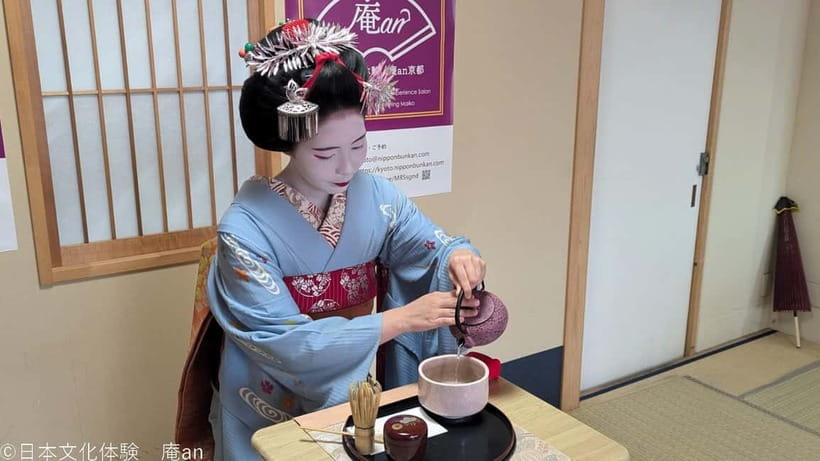
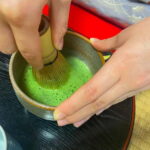
- You make matcha: the Maiko shows you, then you prepare your own tea
- Built-in Q&A: ask about daily life and the path toward being a Geiko
- Photos up close, plus a Senjafuda: you get the moment, and you leave with the charm
- Maiko or Geiko, depending on the day: your host may change based on the situation
Evening walks through the old quarters, compared
- Kyoto Geisha Walking Tour: Gion District & Hidden Gems
★ 4.7 · 3,273 reviews - Kyoto: Gion Magical Night Walking Tour with Geisha Trivia
★ 4.9 · 2,393 reviews - Kyoto: Gion Geisha District Walking Tour – Stories of Geisha
★ 4.7 · 2,187 reviews - Best of Kyoto: Gion, Geisha, Pagodas & Cobblestones
★ 4.9 · 2,058 reviews
Why a Maiko and Matcha Fit in Your Kyoto Day
If your Kyoto itinerary is already packed, this is a smart way to add something deeply local without adding hours of travel. The format is designed for a short visit, roughly 30 to 40 minutes of active time, and the full experience runs about 45 minutes from start to finish. At $28 per person, it is not a bargain, but the value comes from getting the performer experience and the participation, not just a quick photo.
The heart of it is Maiko and matcha. A Maiko represents Kyoto culture in a very direct way, and matcha is the drink that anchors the tea ceremony. You get both at the same time, plus Japanese sweets to round it out.
The other big reason I like this kind of program is the pacing. You are not waiting around for a long course, and you do not need special clothing or rituals beyond showing up. You will follow along, learn the basics, and then do it yourself.
The Setting: Not an Ochaya, Still Calm and Close to Gojo
This is important to set expectations. The venue is not an ochaya or a traditional Japanese house, it is in a building. That can sound like a downgrade if you are hunting for candlelit tatami vibes, but in practice, it often means the program is smoother and less stressful.
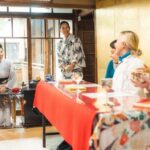
The atmosphere is described as relaxed, and the staff is friendly. You should also feel good about the logistics because it is very convenient: a one-minute walk from Gojo Station, Subway Karasuma Line, Exit 1. The entrance faces Gojo-dori, so once you know what you are looking for, it is straightforward.
There is one practical drawback to plan for. There is no elevator, so you will take stairs to reach the venue. If you have mobility limits, this is the one thing I would double-check before booking.
Matcha How-To, Plus the 2 Dried Sweets
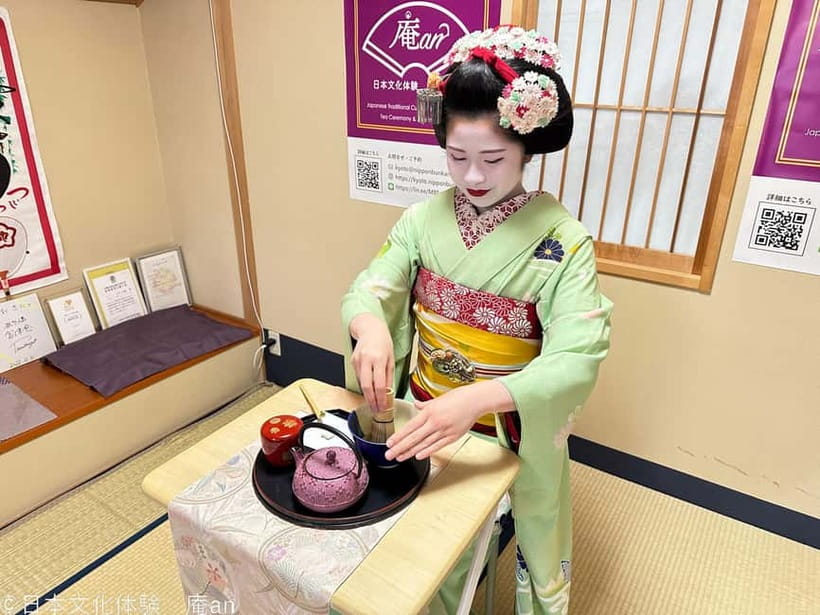
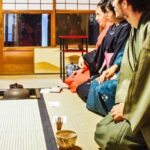
The ceremony portion is built around learning how matcha is made and then doing it yourself. The Maiko begins with a greeting, and then you move into the tea ceremony segment, where you get two dried-type Japanese sweets alongside your tea experience.
Here is how it typically feels: first, the Maiko demonstrates the key steps and explains what to do. Then it is your turn, you prepare your own cup. This is the kind of activity that turns a cultural show into a skill you can repeat later at home, at least at a basic level.
What you get with the tea also matters. The program includes those ohigashi-style sweets (described as little Japanese sweets), served with the tea. That combination is where the ceremony becomes more than a drink, it becomes a small sequence of flavors and manners you can observe and then try.
If you like food experiences that teach you something real, this will land well. Matcha is easy to order anywhere, but this gives you context for how it is treated in a tea ceremony setting.
Sit down somewhere quieter. Other tea rooms we booked
- Kyoto: Tea Ceremony Ju-An at Jotokuji Temple★ 4.9 · 3,207 reviews
- Kyoto: 45-Minute Tea Ceremony Lesson Experience★ 4.3 · 2,378 reviews
- Kyoto: Table-Style Tea Ceremony at a Kyo-Machiya★ 4.9 · 1,211 reviews
- Kimono Tea Ceremony at Kyoto Maikoya, NISHIKI★ 5.0 · 911 reviews
- Kyoto: Arashiyama Bamboo Forest, Monkeys, Matcha & Temple Tour★ 5.0 · 759 reviews
Greeting, Tea Ceremony, and the Q&A You Actually Want
A big strength here is that the experience is not only performance. After the tea ceremony, there is a dedicated Q&A session, which is one of the most satisfying parts if you like learning directly from someone who lives the culture.
The structure is simple and time-focused. You start with the Maiko’s greeting, then the tea ceremony, then your questions, then you wrap up with the photo and the charm. This keeps things from turning into a long lecture.
In the Q&A, you are not stuck guessing what to ask. You can ask about the Maiko world and daily life, and you can also learn how the path works toward becoming a Geiko. Even if your questions are basic, you are speaking with a real performer, not a script narrator, and that changes the tone.
One detail worth noting: English support is included as much as possible. The program says English translation is provided as much as possible, and if you want to add it, you can contact in advance. That matters because Q&A is where language matters most. If you are comfortable with simple questions, you will still get a lot out of it.
Also, depending on how the day is running, the host could be a Geiko instead of a Maiko. So keep your questions flexible, because the “world” you are learning about will still be fascinating even if the person changes.
Photo Moment and the Senjafuda Lucky Charm
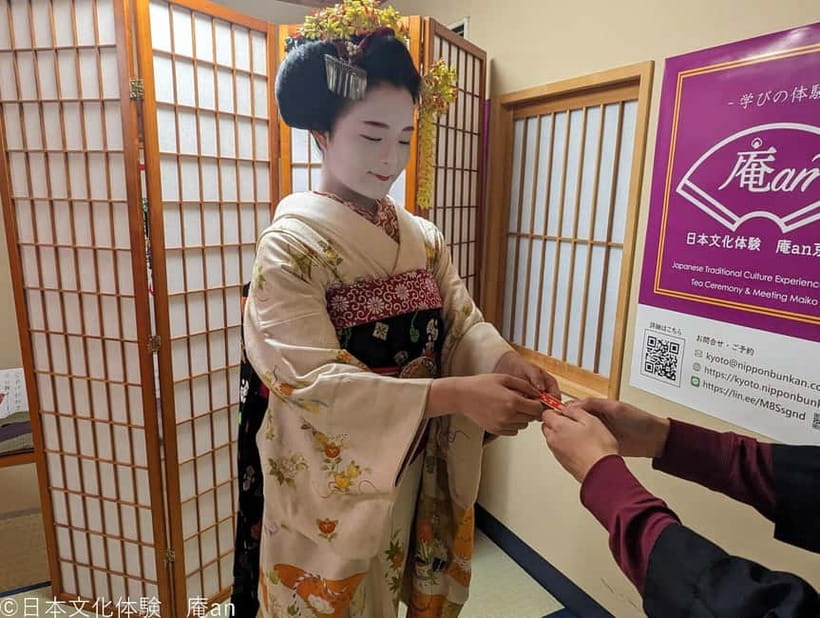
The ceremony itself is the main event, but the ending is where the experience feels personal. Near the end of the session, you get a photo opportunity right beside the Maiko (or Geiko). It is a chance to get that close-up memory without feeling like you are crowding someone.
Then comes the special gift. Your host gives you a lucky charm called a Senjafuda. It is a small thing, but it is also a nice “takeaway ritual.” You leave with an object that connects to what you just learned, not just an Instagram moment.
If you are worried about whether the photo part will feel awkward, relax. The program is designed around it, and the staff is part of making it flow. The whole schedule is paced so you are not scrambling.
And yes, the novelty factor is real. You are meeting a working performer in a structured, respectful setting and learning something you can carry forward. Even if you have never done a tea ceremony before, you will have something to remember and something you can practice.
Price and Time: What $28 Really Buys You
Let’s talk value in plain terms. $28 is not cheap for a 45-minute experience. But you are not just paying for a drink lesson. You are paying for access, instruction, included food, a photo, and the Senjafuda charm.
Here is the value math I use when I am deciding. If a tour only gives you a view, I need it to be dramatic. If a tour gives you a skill plus a personal interaction, the same price can feel fair. This one gives you both: you learn matcha steps and you get to ask questions.
Time is another hidden part of the value. Kyoto can swallow a day if you are not careful, and getting around takes effort. Since this is close to Gojo Station, and the activity is short, it is easy to plug into your day. You can enjoy Kyoto’s “essence” in a compact block instead of turning it into a half-day detour.
The program also includes what you need to participate, so you avoid extra costs for tea service or snacks. That makes the price more predictable.
What to Watch For: Stairs, Timing, and Day-of Changes
Before you go, know the few friction points so they do not surprise you.
First, timing is strict. The program notes that it may not be held to accommodate delays, and latecomers are not entitled to a refund. So if you are doing this after another Kyoto stop, give yourself buffer time. Kyoto is walkable, but detours happen.
Second, there are stairs and no elevator. Plan accordingly if you are traveling with heavy bags or have mobility concerns.
Third, the host may not always be a Maiko. Depending on the situation, it can be hosted by either a Maiko or a Geiko. The good news is that the structure stays the same, tea, Q&A, photo, and the Senjafuda gift.
Last, the venue is in a building. If you are imagining a full traditional house experience, this may not match your mental picture. Still, the atmosphere is described as relaxed and friendly, and that is what often makes short programs enjoyable rather than intimidating.
Who This Kyoto Tea Ceremony Works Best For
This experience is a great fit if you want a Kyoto cultural moment with direct interaction, without committing to a long formal activity.
You will likely enjoy it if:
- You want something hands-on, not just watching
- You like asking questions and learning how the Maiko world works
- You have limited time and want something close to Gojo Station
- You care about respectful, structured access rather than hunting for moments on your own
It is also a strong option for first-time tea ceremony visitors. The program is paced so you can follow along, and you are not expected to know procedures ahead of time.
On the other hand, if you strongly prefer a classic ochaya-style setting or you need an elevator, you should think twice. The experience is more about connection and learning than about recreating an old-world tea room for hours.
Should You Book This Kyoto Maiko Tea Ceremony?
Here is my straight answer. Book it if you want Kyoto culture in a tight time window and you value interaction. The closest thing you will get to “meeting the person” happens here: the Q&A, the up-close photo, and the fact that you make matcha yourself.
Skip it if you are chasing a particular type of traditional building atmosphere or if stairs are a problem for you. Also, be realistic about timing. This is not a flexible stop. You need to arrive and start on time.
If your Kyoto day is already busy, this is one of the easier “yes” choices. You get matcha practice, Japanese sweets, direct questions answered by a real performer, and a meaningful souvenir in 45 minutes.
FAQ
How long does the Kyoto tea ceremony last?
The experience duration is about 45 minutes. Check availability for the starting times on the date you want.
Where is the meeting point?
Meet about a one-minute walk from Exit 1 of Gojo Station on the Karasuma Line. The store entrance faces Gojo-dori.
Is the ceremony held in an ochaya or traditional Japanese house?
No. The venue is located in a building and is not described as an ochaya or a traditional Japanese house, though the atmosphere is relaxed.
What is included in the price?
The price includes the tea ceremony with Maiko, two dried-type Japanese sweets and matcha, a photo opportunity, and a Senjafuda lucky charm gift.
Will I make the matcha myself?
Yes. The Maiko demonstrates how to make matcha, and then you make your own tea.
Is English translation available?
English translation is provided as much as possible. If you would like English support added, you are advised to contact in advance.
Will I meet a Maiko or a Geiko?
It depends on the date and situation. The experience may be hosted by either a Maiko or a Geiko.
Is there an elevator in the building?
No. There is no elevator, and you will need to take stairs to reach the venue.
What happens if I am late?
The event may not be held to accommodate delays, and latecomers will not be entitled to a refund. Try to arrive early.
What is the Senjafuda?
The Senjafuda is a lucky charm presented by the Maiko as a gift during the experience.
Kyoto by the Bowl
Evenings in the Old Quarters


Newest Kyoto write-ups from the Loving Japan desk
Gion, Geisha and Maiko Experiences, side by side.
 ★ 4.7Kyoto Geisha Walking Tour: Gion District & Hidden GemsFrom $253,273 reviews
 ★ 4.9Gion Magical Night Walking Tour with Geisha TriviaFrom $242,393 reviews
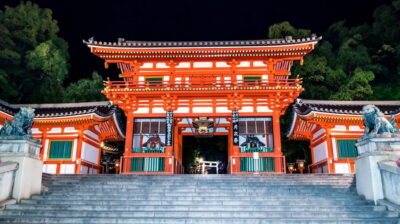 ★ 4.7Gion Geisha District Walking Tour – Stories of GeishaFrom $202,187 reviews
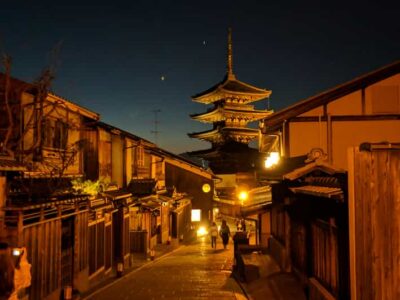 ★ 4.9Best of Kyoto: Gion, Geisha, Pagodas & CobblestonesFrom $242,058 reviews
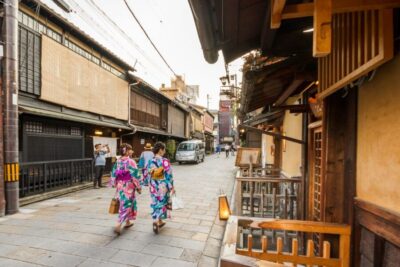 ★ 4.5Night Walk in Gion: Kyoto’s Geisha DistrictFrom $212,003 reviews
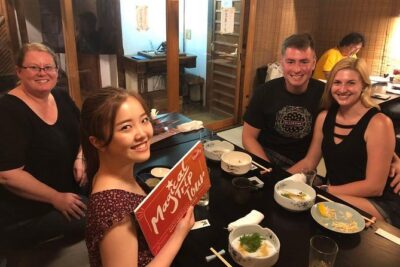 ★ 5.0Kyoto Night Foodie Tour in Gion (9+ dishes + 6 Sake tastings)From $1631,762 reviews
 ★ 5.0Kyoto Gion Geisha District Walking Tour – The Stories of GeishaFrom $251,441 reviews
 ★ 5.0Kyoto Gion: 2-Hour Geisha Culture & History Walking TourFrom $231,186 reviews
Filed on these lists too