
REVIEW · GION, GEISHA AND MAIKO EXPERIENCES
Kyoto: Traditional Tea Ceremony with Matcha & Sweets in Gion
Matcha, minus the stuffiness. In Gion, this Kyoto tea ceremony keeps things calm and easy, with chair seating and a hands-on chance to make your own matcha bowl. The one real tradeoff is that it is friendly and approachable, not strict and floor-only.
I especially liked the human touch from hosts like Mai, who came across as warm, patient, and clearly passionate about the craft. You get English guidance, watch the tea master up close, taste traditional sweets, and finish with a Q&A so you leave with more than just good photos.
In This Review
- Key Takeaways Before You Go
- Kyoto Tea Ceremony in Gion, Chair Seating Style
- The Setting: Where You’ll Meet and What Timing Feels Like
- First Half: History, Zen Ideas, and Watching the Tea Master Up Close
- Traditional Sweets: The Pause That Makes Matcha Taste Better
- Second Half: Making Your Own Bowl of Matcha (The Part You’ll Remember)
- Q&A With the Tea Master, So the Lesson Stays With You
- The Take-Home Matcha Recipe, Built for Real Life
- Price and Value: Why $22 Often Feels Fair
- Kimono Option: Timing Rules You Should Not Ignore
- Who This Kyoto Tea Ceremony Suits Best
- Should You Book This Kyoto Tea Ceremony?
- FAQ
- How long is the Kyoto tea ceremony experience?
- Where is the tea ceremony located?
- Is the instruction offered in English?
- Is the ceremony done sitting on the floor?
- What’s included in the price?
- Can children participate, and is matcha safe for them?
- Do you get to ask questions?
- If I book the kimono option, how does the timing work?
- What are the cancellation and payment options?
Key Takeaways Before You Go
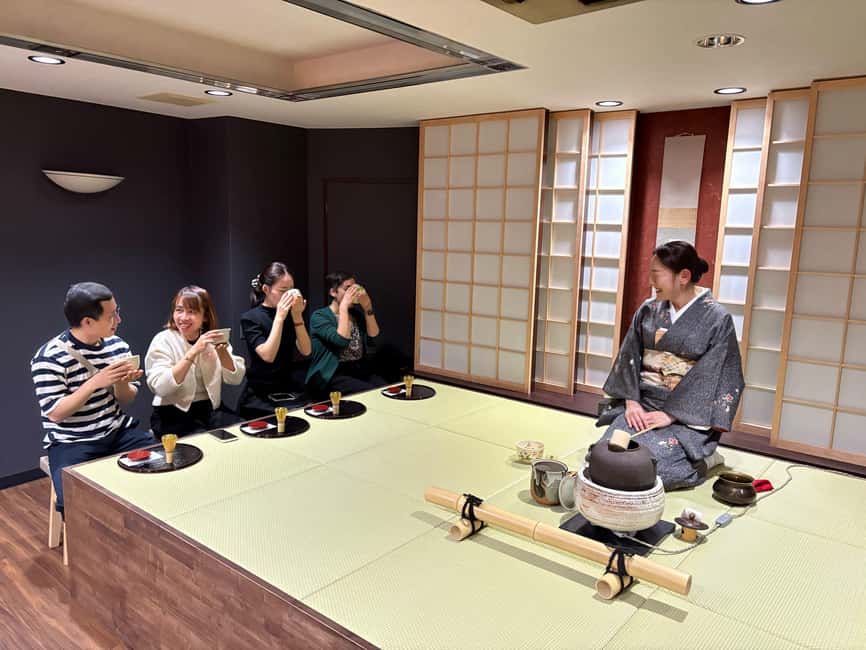
- Chair seating in Gion means you can focus on the ritual, not on kneeling comfort.
- Up-close tea master technique helps you see how the motions and tools actually work.
- Traditional sweets included so your matcha moment is paired, not random.
- You make your own bowl using matcha sourced from a family-run tea farm.
- Take-home matcha recipe gives you something practical after the trip.
- End with Q&A so your curiosity has a place to land.
Evening walks through the old quarters, compared
- Kyoto Geisha Walking Tour: Gion District & Hidden Gems
★ 4.7 · 3,273 reviews - Kyoto: Gion Magical Night Walking Tour with Geisha Trivia
★ 4.9 · 2,393 reviews - Kyoto: Gion Geisha District Walking Tour – Stories of Geisha
★ 4.7 · 2,187 reviews - Best of Kyoto: Gion, Geisha, Pagodas & Cobblestones
★ 4.9 · 2,058 reviews
Kyoto Tea Ceremony in Gion, Chair Seating Style
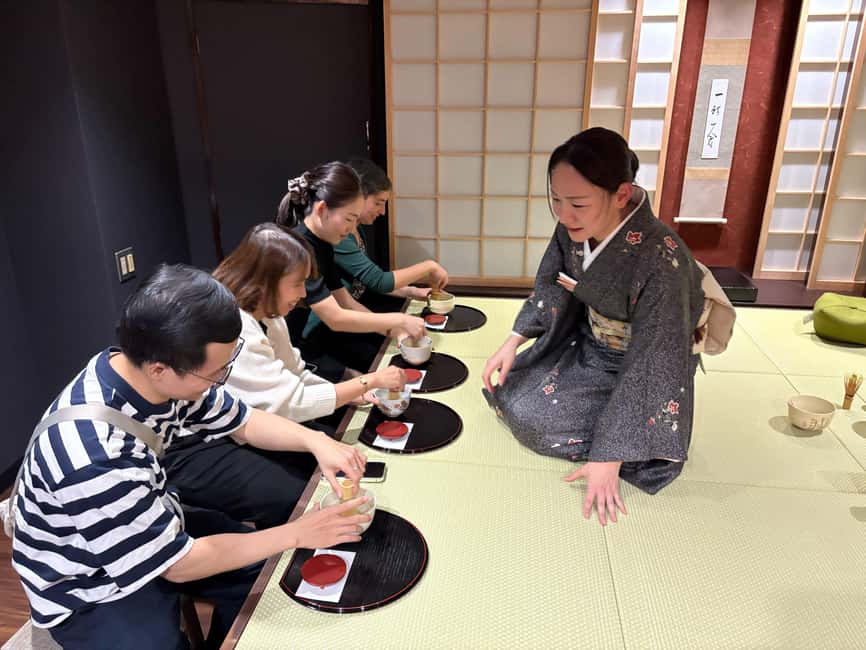
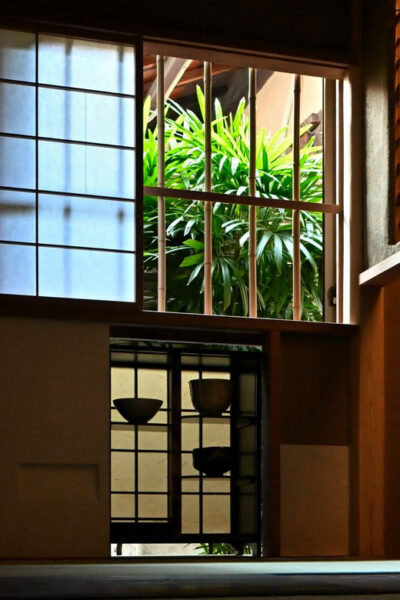
Kyoto’s Gion district already feels special, even before you step inside. This tea ceremony experience keeps that same calm mood but makes a key choice that I think many visitors will appreciate: you sit in chairs instead of on the floor. That matters more than it sounds. If you have limited mobility, sore knees, or you just do not want to think about posture for an hour, chair seating lets you actually enjoy the lesson.
I also like the spirit of the experience. It is not presented as a performance where you must get every detail right. It feels like a cultural lesson with real hospitality, where you can ask questions and learn the why behind the movements. That becomes especially important because matcha is not just a drink here. It is taste, technique, and philosophy mixed together.
One other expectation check: if you are specifically chasing an ultra-formal, strict, no-questions-asked ritual, this will feel more casual. That is not a bad thing, but it is the main reason someone could rate it lower.
The Setting: Where You’ll Meet and What Timing Feels Like
The meeting point can vary depending on the option you book, and the ceremony start times are fixed once you choose them. Plan to arrive with a little buffer, especially if you are combining this with kimono rental (more on that later). Kyoto is easy to get around slowly, but Gion streets and getting to the right spot can take more time than you expect when you are carrying a camera and trying not to block foot traffic.
In terms of duration, the experience runs from 1 hour to 150 minutes. That range is useful because it means the program can stretch depending on the group pace and start time, and it is a good match for people who want a solid activity without a full half-day commitment.
Instruction is in English, and it is offered in a small group format when available. Small group matters because it keeps the Q&A from feeling like you are shouting into the void. It also helps when you are learning the practical side, like how to mix matcha into a smooth, bubbly texture.
First Half: History, Zen Ideas, and Watching the Tea Master Up Close
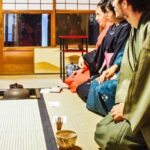
The experience opens in a quiet, elegant space where the tea master teaches the background of tea and the tea ceremony. You also hear about Zen philosophy, which is the thread that connects the ritual to how people think and live. The teaching is designed to feel approachable, not like a classroom lecture where you have to memorize vocabulary.
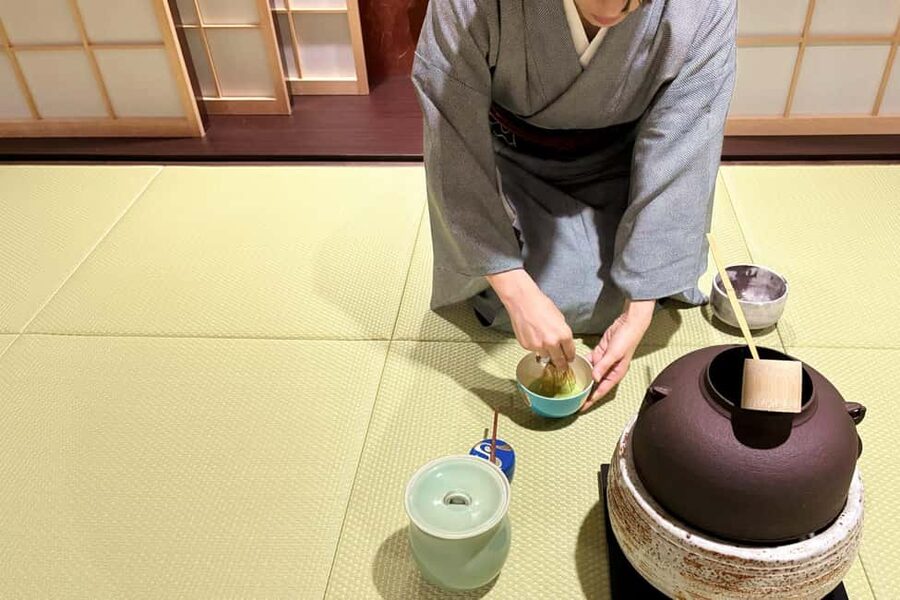
A big part of the first half is watching the tea ceremony technique close up. That is where you start to understand why matcha is treated with respect. It is not only about flavor. It is about the timing, the way utensils are handled, and the careful movement that creates the drink you will later make.
One review highlight you can expect in your own experience is the calming feel when the hot water starts working, including that little sound effect people associate with the process. It is the kind of moment that resets your pace. You go from walking Kyoto streets to slowing down, paying attention, and letting the ritual do its job.
Sit down somewhere quieter. Other tea rooms we booked
- Kyoto: Tea Ceremony Ju-An at Jotokuji Temple★ 4.9 · 3,207 reviews
- Kyoto: 45-Minute Tea Ceremony Lesson Experience★ 4.3 · 2,378 reviews
- Kyoto: Table-Style Tea Ceremony at a Kyo-Machiya★ 4.9 · 1,211 reviews
- Kimono Tea Ceremony at Kyoto Maikoya, NISHIKI★ 5.0 · 911 reviews
- Kyoto: Arashiyama Bamboo Forest, Monkeys, Matcha & Temple Tour★ 5.0 · 759 reviews
Traditional Sweets: The Pause That Makes Matcha Taste Better
Then comes a key shift: you taste Japanese traditional sweets selected for this tea ceremony. This is not an afterthought snack. It is part of how the experience balances sweetness and bitterness so your matcha does not feel harsh.
What I like here is the pacing. You get a break between learning and doing. You also get to taste local confectionery styles that match the mood of the ceremony. Since the sweets are chosen by the tea master, you are not stuck with generic tourist desserts. You get an intentional pairing that makes the matcha lesson feel complete.
This is also a moment where you can slow down and notice texture and sweetness levels. If you are the type who thinks food is cultural storytelling, this section will fit you well. If you are just there for matcha, it still helps your palate because it sets you up for the flavors you will whisk next.
Second Half: Making Your Own Bowl of Matcha (The Part You’ll Remember)
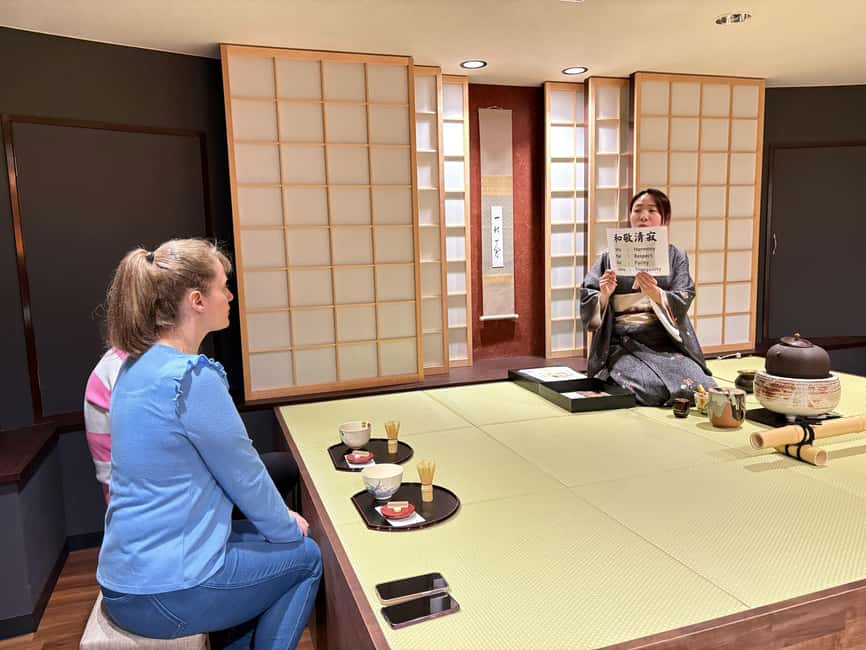
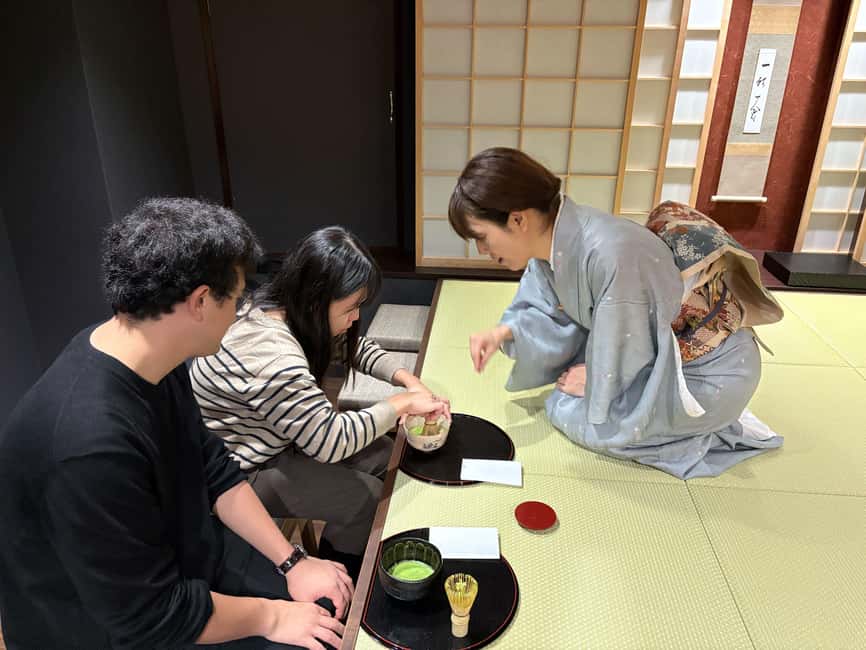
After the sweets, you move into the hands-on part, and this is the main reason this ceremony scores so well for value. You do not only watch. You make your own bowl of matcha.
The matcha powder comes from a local tea farm, and the tea itself is described as sourced directly from a family-run tea farm. That detail matters because matcha taste varies a lot, and learning with quality powder gives you a better baseline for what matcha can be.
You will receive guidance for mixing, and the goal is a smooth, well-mixed result with bubbles rather than clumps. A lot of people leave surprised by how much the mixing technique affects the final texture and taste. That practical lesson is where the ceremony becomes useful beyond nostalgia. You learn a small, repeatable skill, not just a story.
Also, you get the included matcha drink as part of the experience. So even if you are nervous about the hands-on portion, you still get to enjoy matcha in the middle of the program and not feel like you are waiting to have fun.
Q&A With the Tea Master, So the Lesson Stays With You
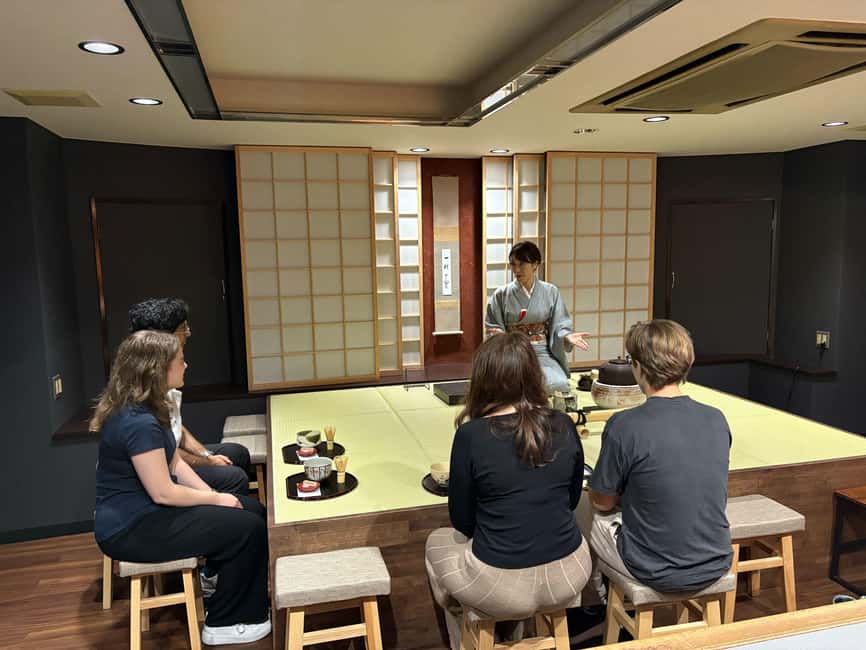
The ceremony concludes with a Q&A session with the tea master. This is where you can get your questions answered while everything is still fresh. It also helps you separate what is tradition, what is technique, and what is personal preference.
I like Q&A sessions like this because they turn generic curiosity into specific knowledge. You can ask about how matcha differs from other green teas, why certain motions are used, or what to pay attention to when you buy matcha later. The program is designed to start you off into tea culture, and the Q&A is the step that makes that start stick.
If you like learning in a practical way, the Q&A is also a chance to connect the philosophy to the actual drink you made. For many people, that is the moment everything clicks.
The Take-Home Matcha Recipe, Built for Real Life
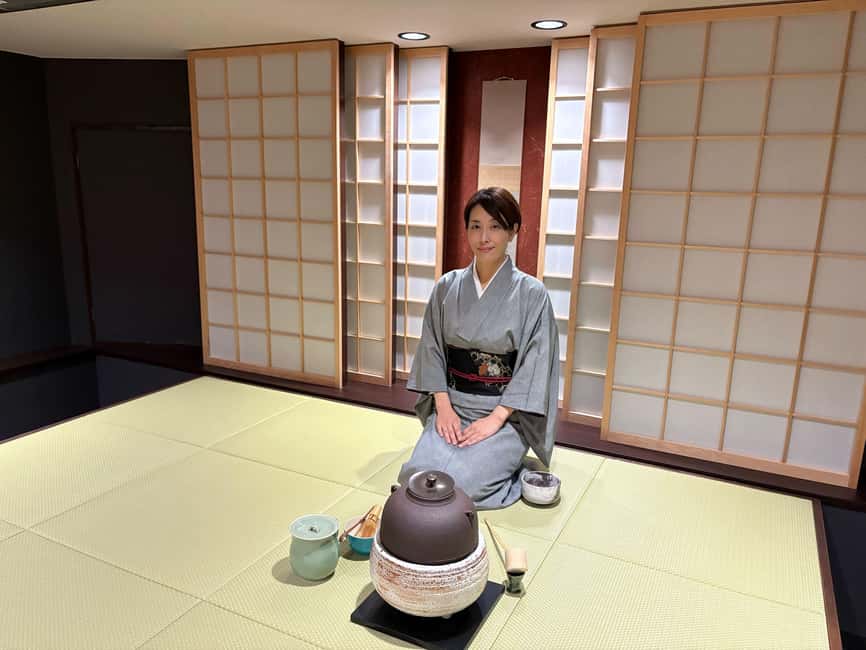
One of the most practical parts is that you get a simple recipe of matcha to enjoy in daily life. That might sound basic, but it is exactly what makes this good value. You are not paying only for a one-time performance. You get something you can recreate at home.
If you want to turn this into a home ritual, the recipe helps you repeat the basics without having to guess. And because the ceremony teaches the technique side, you can focus on executing the steps rather than reinventing them.
It is also a nice way to remember your trip beyond a souvenir photo. Matcha is one of those experiences you can bring back into your routine in a way that feels real, not just decorative.
Price and Value: Why $22 Often Feels Fair
At $22 per person, this tea ceremony is not the cheapest thing in Kyoto, but it often feels fair because the cost covers more than a drink. You get:
- a guided tea ceremony with history and Zen ideas
- a demonstration up close by the tea master
- traditional Japanese sweets
- the matcha itself from a local tea farm source
- hands-on matcha mixing guidance
- a simple matcha recipe you can use later
- English instruction, plus a small group setting when available
If you compare that to buying matcha and sweets on your own, plus paying for a guided explanation, the included recipe is the extra value. It gives you a tangible takeaway that actually supports the activity you paid for.
The other value point is comfort. Chair seating reduces the friction that stops many people from enjoying traditional experiences. That is a real kind of value, because the best cultural learning happens when you are relaxed enough to pay attention.
Kimono Option: Timing Rules You Should Not Ignore
If you choose the kimono option, there are fixed timing rules that affect when the tea ceremony happens. You go to the Kimono Rental Wargo Gion store, and after changing into your kimono, you walk to the meeting point yourself and arrive about 10 minutes before the ceremony starts.
The important part: your tea ceremony time is fixed based on your kimono start time. The schedule works like this:
- Select 11:00 kimono start, attend the 12:30 tea ceremony
- Select 12:00 kimono start, attend the 14:00 tea ceremony
- Select 14:00 kimono start, attend the 15:30 tea ceremony
When the tour finishes, return your kimono by 5:30pm. This is one reason I recommend planning the rest of your day with a calm buffer. If you like to rush between sights, kimono adds a gentle extra constraint.
Who This Kyoto Tea Ceremony Suits Best
This experience is a great fit if you:
- want an easy, welcoming introduction to Kyoto tea culture
- prefer learning in a small group with English guidance
- appreciate hands-on activities over pure observation
- want matcha technique you can repeat later, not just a tasting
- need chair seating instead of floor sitting
It may not be your best match if you specifically want a strict, floor-based ceremony with maximum formality and silence. This program is designed to make the tradition accessible, and accessibility changes the tone.
Should You Book This Kyoto Tea Ceremony?
Yes, if you want a calm, practical way to experience matcha culture in Gion. The chair seating makes the experience comfortable, the tea master teaching plus close-up technique makes it educational, and the included sweets plus hands-on matcha mixing gives you a complete, satisfying arc. Add the take-home recipe and the Q&A, and you have more than a one-hour stop.
Skip it only if you are chasing a highly formal, no flexibility traditional ritual. If you are traveling for meaning, flavor, and technique, this one is a strong bet for your Kyoto time.
FAQ
How long is the Kyoto tea ceremony experience?
It runs from 1 hour to 150 minutes, depending on the starting time option you choose.
Where is the tea ceremony located?
It takes place in the heart of Kyoto’s historic Gion district. The exact meeting point may vary depending on the option booked.
Is the instruction offered in English?
Yes. The instructor is listed as English.
Is the ceremony done sitting on the floor?
No. The experience is designed with chair seating, not floor seating, to make it more comfortable and accessible.
What’s included in the price?
You get a matcha drink made with matcha powder from a local tea farm, guidance for making matcha plus history from the tea master, traditional Japanese sweets, and a simple recipe to recreate matcha after your trip.
Can children participate, and is matcha safe for them?
Infants and toddlers are free of charge, but if they want to try their hand, they must use their parent or guardian’s matcha cup and will not receive their own matcha to make. Matcha is high in caffeine, so it is not recommended for children under age 5.
Do you get to ask questions?
Yes. The experience ends with a Q&A session with the tea master.
If I book the kimono option, how does the timing work?
After changing at Kimono Rental Wargo Gion, you walk to the meeting point and arrive about 10 minutes before. The tea ceremony time is fixed based on your selected kimono start time: 11:00 kimono start leads to a 12:30 tea ceremony, 12:00 leads to 14:00, and 14:00 leads to 15:30. Return the kimono by 5:30pm.
What are the cancellation and payment options?
You can cancel up to 24 hours in advance for a full refund. You can also reserve now and pay later, meaning you can book your spot and pay nothing today.
Kyoto by the Bowl
Evenings in the Old Quarters
Newest Kyoto write-ups from the Loving Japan desk

Gion, Geisha and Maiko Experiences, side by side.
 ★ 4.7Kyoto Geisha Walking Tour: Gion District & Hidden GemsFrom $253,273 reviews
 ★ 4.9Gion Magical Night Walking Tour with Geisha TriviaFrom $242,393 reviews
 ★ 4.7Gion Geisha District Walking Tour – Stories of GeishaFrom $202,187 reviews
 ★ 4.9Best of Kyoto: Gion, Geisha, Pagodas & CobblestonesFrom $242,058 reviews
 ★ 4.5Night Walk in Gion: Kyoto’s Geisha DistrictFrom $212,003 reviews
 ★ 5.0Kyoto Night Foodie Tour in Gion (9+ dishes + 6 Sake tastings)From $1631,762 reviews
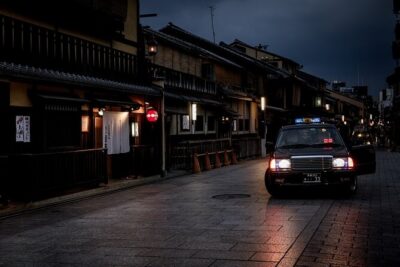 ★ 5.0Kyoto Gion Geisha District Walking Tour – The Stories of GeishaFrom $251,441 reviews
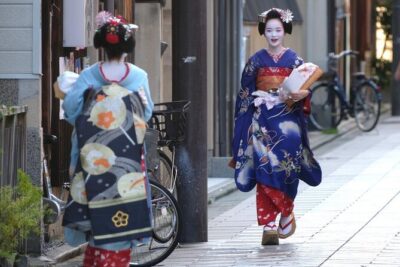 ★ 5.0Kyoto Gion: 2-Hour Geisha Culture & History Walking TourFrom $231,186 reviews
Filed on these lists too