
REVIEW · SAMURAI, NINJA AND SWORD EXPERIENCES
Ninja 2-hour Hands-on Lesson by Japanese master in Kyoto -Medium
Ninja training in Kyoto feels strangely real. This 2-hour class turns you into a basic ninja through a small group lesson led by a Japanese sensei (taught in English), with provided ninja clothing and hands-on technique drills. I like the mix of body control (meditation, breathing, ninja walking) and the practical weapon practice, not just posing for photos. One possible drawback: the format is more skills-first than history-first, so if you’re hoping for a longer lecture, you may want to pair it with a separate temple or museum visit.
You meet at NINJA DOJO and STORE KYOTO, then jump right into training at a set 10:00 am start. There’s no hotel pickup, and you’ll want to plan your own way there using nearby public transport. If you’re set on a quiet, sit-down cultural tour, this one is hands-on, so it helps to be comfortable standing, moving, and following instructions.
In This Review
- Key things you’ll notice fast
- Kyoto’s Ninja Dojo: what you really do in 2 hours
- Price and what you’re paying for (the $95.51 value angle)
- Getting to the dojo and how the schedule works
- The training start: Kuji-In, ninja breathing, and “control first”
- The ninja trick house moment: why the gimmick helps learning
- Sword training, targets, and the wide weapon menu
- The staff experience: English teaching that actually lands
- Ninja clothing rental and the photo payoff
- Who this is best for (and who should rethink it)
- Small-group energy: what “up to 6 travelers” changes
- Weather and practical considerations (quick and honest)
- Should you book the Ninja 2-hour Hands-on Lesson in Kyoto?
- FAQ
- How long is the ninja lesson?
- What’s the group size limit?
- Is the lesson taught in English?
- What techniques and weapons are included?
- Does the tour include ninja clothing?
- Where does the class meet?
- Do I need hotel pickup?
- Is food or drink included?
- Do I get a mobile ticket?
- What happens if the weather is poor?
- Are there any special rules for the booking window?
Key things you’ll notice fast
- Up to 6 people means you get personal coaching instead of watching from the back
- Japanese sensei instruction in English, so you can actually follow what to do
- Full ninja clothing rental helps you feel part of the training, not just a spectator
- A structured skills ladder: Kuji-In meditation to weapon handling within one 2-hour session
- You practice a wide set of tools: kunai, kusarigama, shuriken, and blow darts
- Photo and video support is commonly reported, including same-day delivery via email in some cases
Blade work and stagecraft, other sessions
- Kyoto: Kendo and Samurai Experience with Uniform and Gear
★ 4.9 · 815 reviews - Kyoto: Samurai Sword Class by Experts in Traditional Arts
★ 4.9 · 657 reviews - Skip the lines Basic Ticket at SAMURAI NINJA MUSEUM KYOTO
★ 4.5 · 632 reviews - Ninja 1-hour Hands-on Lesson by Japanese master in Kyoto -Entry
★ 5.0 · 489 reviews
Kyoto’s Ninja Dojo: what you really do in 2 hours
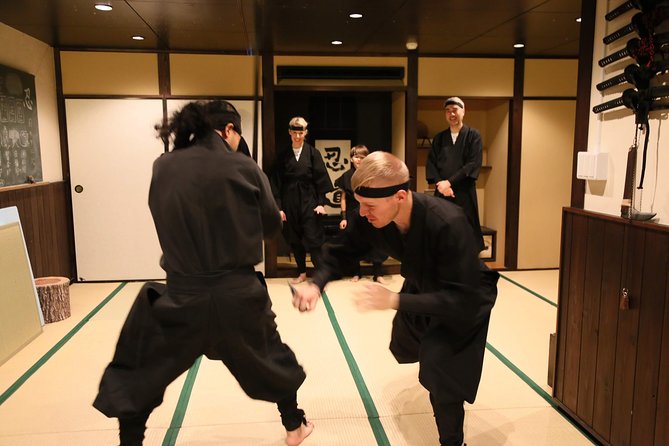
This isn’t a show where someone swings a weapon and you clap. The point here is that you learn by doing. In a class capped at six people, your sensei and assistants guide you through entry-level ninja basics and then add more techniques as the time moves on.
The day starts at the Ninja Dojo and Store Kyoto. After check-in, you get dressed in ninja clothing provided for the training. Several guests describe getting helped into the outfit quickly, and changing into indoor slippers once inside. One small detail I really appreciate from these kinds of workshops is how quickly the staff helps you get into the mindset. You’re not waiting around for “the experience” to begin, you’re training.
The session runs about two hours. During that time, you work through several categories of ninja technique, starting with mind and body control and then moving toward weapon skills.
Price and what you’re paying for (the $95.51 value angle)
At $95.51 per person for roughly two hours, this class sits in the “experience cost” range for Kyoto. The big value question is what you actually get for that price, and the inclusions matter.
Here’s what’s clearly part of the experience:
- A Japanese sensei master trained in ninja arts who teaches in English
- Admission to the dojo
- Ninja clothes rental during training
What you also get in practice, based on what people consistently describe:
- A lot of hands-on time with multiple weapons and tools, not just one demo
- Active skills like meditation cues, breathwork, walking patterns, and throwing or shooting motions
- A fun photo memory package that many guests say arrives the same day
So for the money, you’re paying for instruction plus equipment plus the right setting, all in one tight window. If you’ve been doing mostly temple stops and museum browsing, this feels like a different kind of Kyoto story. If you hate organized group activities, it can still feel structured and energetic rather than free-form.
Getting to the dojo and how the schedule works
You start at 10:00 am at NINJA DOJO and STORE KYOTO (Shimogyo Ward area). There’s no hotel pickup, so you’ll want to arrive a few minutes early and be ready to find the place on your own.
Why this matters: in a two-hour experience, the schedule is tight. You don’t want to spend your energy figuring out directions right before you’re supposed to learn the basics.
Also note the practical side:
- You’ll rely on nearby public transportation
- The activity ends back at the meeting point
- It uses a mobile ticket
If you’re planning your Kyoto day, try to avoid stacking another time-sensitive activity immediately before this. Two hours is long enough that you’ll want a buffer for pre-class wandering and post-class photos.
- PERFECT KYOTO 1-Day Bus Tour★ 5.0 · 13,518 reviews
- Kyoto: Fushimi Inari, Kinkakuji, Bamboo Grove 1 Day Bus Tour★ 4.8 · 4,316 reviews
- Kyoto: Tea Ceremony in a Traditional Tea House in Kiyomizu★ 4.9 · 3,519 reviews
- Kyoto Geisha Walking Tour: Gion District & Hidden Gems★ 4.7 · 3,273 reviews
- Kyoto: Tea Ceremony Ju-An at Jotokuji Temple★ 4.9 · 3,207 reviews
The training start: Kuji-In, ninja breathing, and “control first”
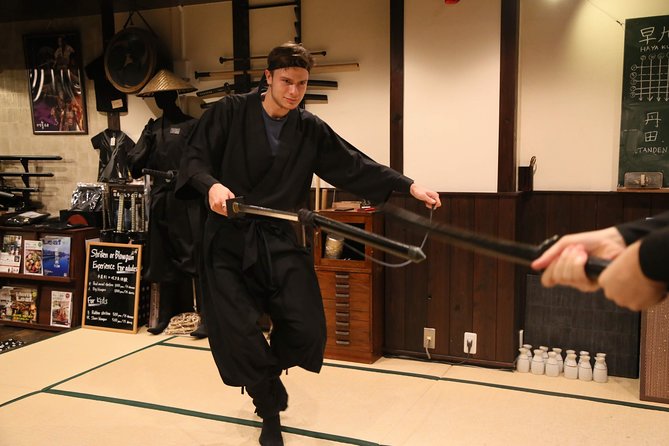
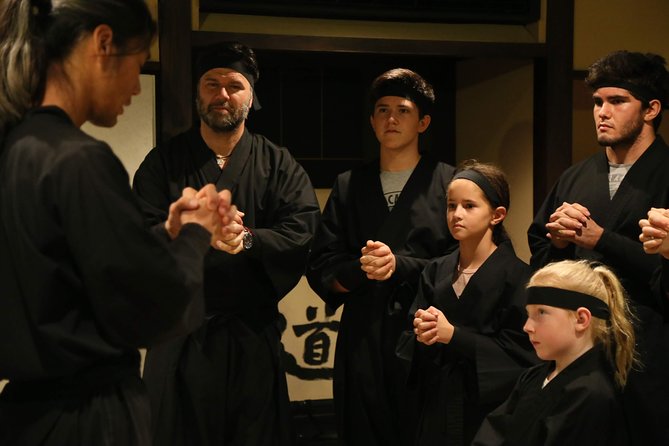
The class builds from mental and physical basics before the weapons start taking over.
Early on, you’ll work on:
- Ninja meditation Kuji-In
- Ninja breathing
- Ninja walking
This is where the experience feels less like pretend and more like an actual training sequence. Kuji-In is presented as part of how ninja practiced focus and readiness. Ninja breathing is the kind of instruction that can surprise you. Even if you’ve never trained anything before, breath cues can quickly make movements feel more stable and less random.
Ninja walking is especially useful for visitors because it’s not about strength. It’s about movement control. You learn how to shift and move in a way that emphasizes stealth-like posture and rhythm.
The best part, from a traveler’s point of view, is that these drills give you something to practice even if you’re not handling weapons yet. You’re learning a system, not just copying arm swings.
The ninja trick house moment: why the gimmick helps learning
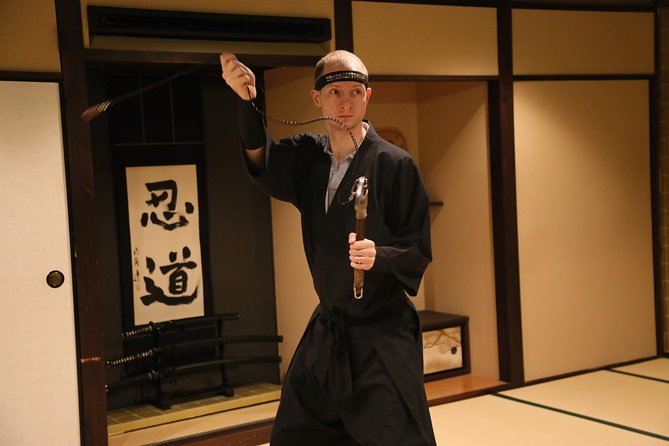
A key part of the program includes an “introduction gimmick and trap at ninja trick house.” That might sound like theater at first, but in this context it functions like a training bridge.
Why it works: it breaks the class into segments so you can stay focused. It also forces you to apply ninja principles in a slightly different setting than a straight line drill. You go from controlled motions into problem-solving in a playful, game-like environment.
You’re still in “beginner mode,” but you’re not trapped in only one kind of activity. That variety is a big reason many families and solo adults end up loving the class.
Sword training, targets, and the wide weapon menu
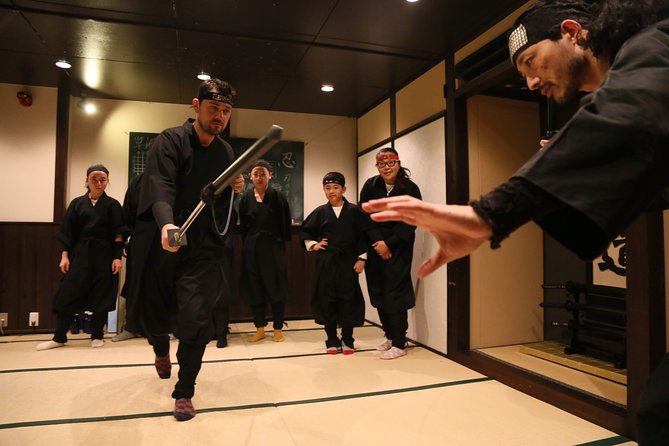
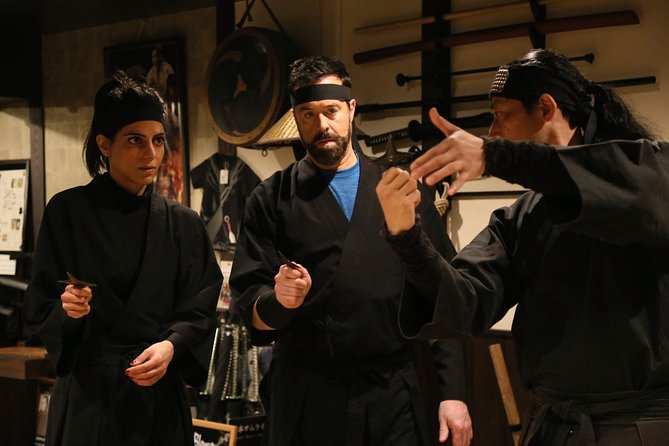
This is the part most people book for, and it’s also where the class differentiates itself. The session includes training for ninja sword and hands-on work with multiple weapons and tools.
Based on the technique list and how guests describe the hands-on practice, you’ll cover:
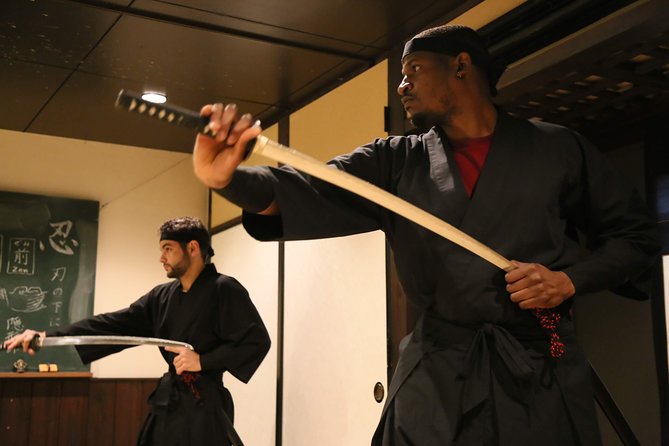
- Ninja sword
- Kunai (dagger)
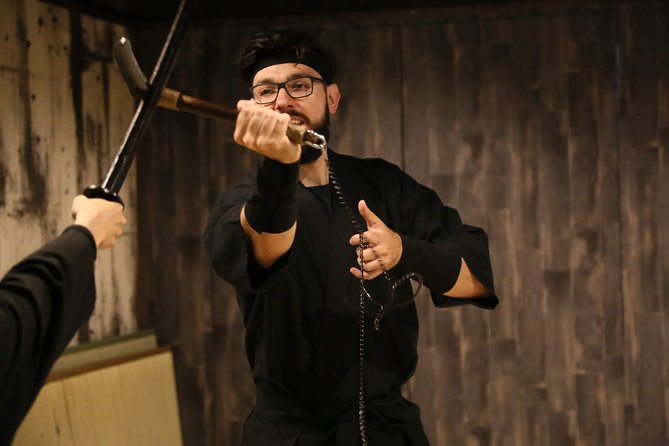
- Kusarigama (sickle with chain)
- Rope techniques, including kunai with rope
- Shuriken (ninja star) and related forms
- Ninja sword with shuriken
- Stick type shuriken
- Ninja blowgun (blow darts)
A big recurring theme in the reviews is that participants don’t just watch. People describe being allowed to try weapons themselves on targets, and enjoying the fact that the tools feel real rather than toy-like.
Just keep expectations balanced. This is entry-level. You’re learning safety-aware, beginner movements, not trying to become an actual battlefield weapon expert. Still, the chance to handle and use these tools in a structured way is a huge slice of the value.
One practical tip: if you want the full effect, don’t show up stressed about looking awkward. Weapon work is meant to be coached. The staff’s humor and patience come up again and again.
The staff experience: English teaching that actually lands
You’re taught by a Japanese sensei trained in ninja arts, and instruction is in English. That combination is crucial. If you’ve ever taken classes where the language barrier turns “learning” into guessing, you’ll understand why this matters.
In the reviews, staff members are praised for being patient and funny, and one guest specifically noted being welcomed by Sho at the door during check-in.
That kind of first-contact warmth matters because it helps you relax. When you’re relaxed, you actually follow instructions better. And when you follow instructions better, you get more out of the hands-on practice.
Ninja clothing rental and the photo payoff
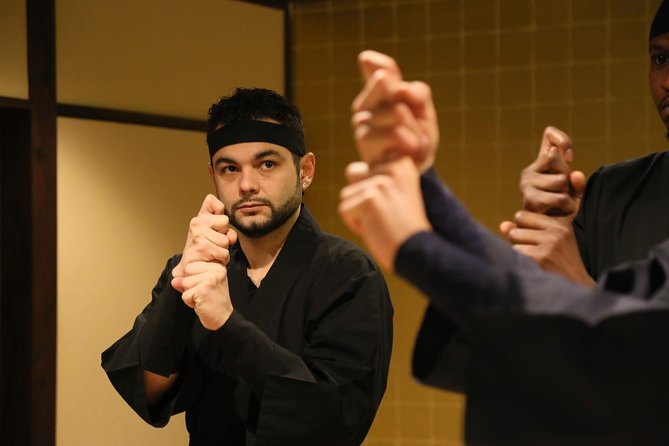
The costume rental is more than a souvenir. It changes how you move and how seriously you take the role. Plus, it turns the training into an easy-to-remember memory.
Guests commonly mention a “full ninja attire” look and that the outfit helps create a strong visual arc through the class. You’ll also be taking photos during training.
Another reported perk: in many cases, staff takes photos and videos during the session and then sends them by email the same day, with some guests citing delivery via Google Photos. Even if you’re not obsessed with photos, it’s a nice way to capture the experience without constantly turning your attention away from the class.
There’s also a gift shop onsite. People mention it as a spot to buy ninja gear right after the training. That’s useful because it means you don’t have to hunt around Kyoto for something specific later.
Who this is best for (and who should rethink it)
This class is one of those rare activities where the age range can work because it’s skill-based and coached. Families mention it as a highlight, including kids as young as about five in some cases, and it also works for adults who want something active and unusual.
It’s a great fit if:
- You want hands-on practice rather than a lecture
- You’re traveling with kids, teens, or a mix of ages
- You like structured activities where you can learn a set of techniques in one sitting
- You enjoy role-play style costumes paired with real instruction
You may want to choose a different type of Kyoto experience if:
- You prefer history depth over training practice
- You don’t like weapon-style activities at all, even in a beginner, guided setting
- You need hotel pickup, or you hate navigating to a specific address on your own
Small-group energy: what “up to 6 travelers” changes
In a class this tight, group size affects everything.
With a maximum of six people, it’s easier for instructors to:
- Correct your posture and movement
- Check whether you understood the breath or walking cues
- Keep the flow moving without people waiting too long
It also makes the overall vibe less chaotic. People describe laughing and having fun, which often happens when the instructor controls the pace and each person gets time to participate.
Weather and practical considerations (quick and honest)
This activity requires good weather. The info you should take from that: don’t schedule something else too close behind it on a day when Kyoto weather is unpredictable. If weather cancels your session, you should expect alternative dates or a full refund offer per the provider’s rules.
Also, bring comfortable socks or shoes for before class if you’re sensitive about indoor slipper changeovers. The dojo environment involves entry procedures, and guests describe removing shoes and using slippers.
Finally, you don’t need to plan around food and drink because it’s not included. If you’re doing this early at 10:00 am, consider eating beforehand and carrying water for after.
Should you book the Ninja 2-hour Hands-on Lesson in Kyoto?
I think you should book this if you want a fun, guided activity that teaches real skills in a short time. The package is strong for the price: English instruction from a trained sensei, ninja clothing rental, and a surprisingly broad set of beginner techniques, including sword and weapon practice with hands-on targets.
Skip it if your ideal Kyoto day is quiet and scenic, or if you mainly want deep historical storytelling. One downside that comes up is that the session is more about doing than extended history talk. In that case, pair it with something calmer like a temple area visit on the same day.
If you’re flexible, energetic, and curious about Japanese ninja culture in a practical way, this is the kind of experience that gives you something you can picture months later, not just something you watched.
FAQ
How long is the ninja lesson?
It runs for about 2 hours.
What’s the group size limit?
The class has a maximum of 6 travelers.
Is the lesson taught in English?
Yes. The Japanese sensei master teaches in English.
What techniques and weapons are included?
The session includes ninja meditation (Kuji-In), ninja breathing, ninja walking, and training with a ninja sword plus tools such as kunai, kusarigama, rope techniques, shuriken, and a ninja blowgun (blow darts). It also includes a ninja trick house part.
Does the tour include ninja clothing?
Yes. Ninja clothing rental is included for the training.
Where does the class meet?
Meet at NINJA DOJO and STORE KYOTO, 528 2F, Hakurakutenchō, Shimogyo Ward, Kyoto, 600-8422 Japan.
Do I need hotel pickup?
No. Hotel pickup and drop-off are not included.
Is food or drink included?
No. Food and drink are not included.
Do I get a mobile ticket?
Yes. The tour uses a mobile ticket.
What happens if the weather is poor?
The experience requires good weather. If it’s canceled due to poor weather, you’ll be offered a different date or a full refund.
Are there any special rules for the booking window?
Confirmation is received at booking, and free cancellation is available up to 24 hours in advance of the experience start time.
Blade Work and Stagecraft
Newest Kyoto write-ups from the Loving Japan desk


Samurai, Ninja and Sword Experiences, side by side.
 ★ 4.5Samurai Restaurant Show Ticket with 2 DrinksFrom $551,307 reviews
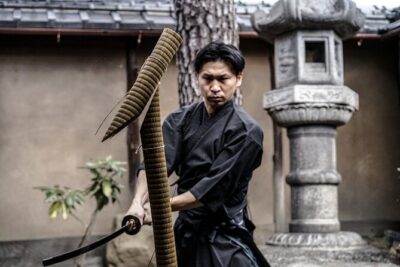 ★ 5.0Kyoto Samurai ExperienceFrom $1191,294 reviews
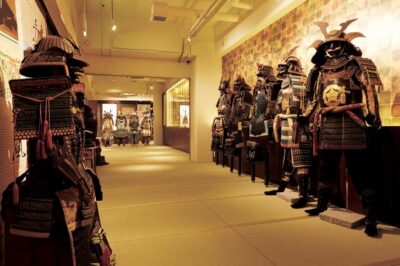 ★ 4.6Samurai Ninja Museum Guided tour and ExperienceFrom $271,010 reviews
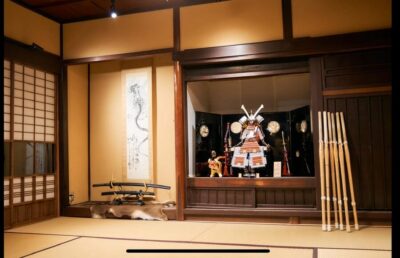 ★ 4.9Kendo and Samurai Experience with Uniform and GearFrom $103815 reviews
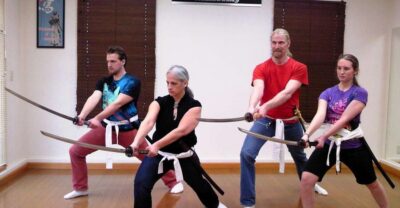 ★ 4.9Samurai Sword Class by Experts in Traditional ArtsFrom $64657 reviews
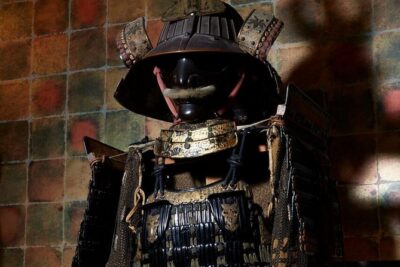 ★ 4.5Skip the lines Basic Ticket at SAMURAI NINJA MUSEUM KYOTOFrom $28632 reviews
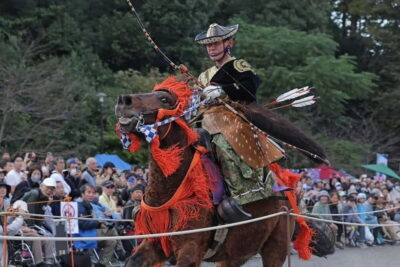 ★ 5.0Samurai Sword & Archery Class from Samurai DescendantFrom $193603 reviews
 ★ 5.0Samurai Training Experience KENDO in OsakaFrom $131515 reviews
Filed on these lists too