
REVIEW · NARA DEER PARK AND TODAI-JI
One-Day Walking Tour of Amazing 8th Century Capital Nara
Nara hits you fast, then keeps going. This one-day private walk is built to cover the city’s top 8th-century highlights, with a guide who keeps you from second-guessing directions. I love the efficient route that strings together Naramachi, Kasuga Grand Shrine, and Todai-ji Temple, and I also like the built-in time around Nara Park’s deer. One thing to consider: it is private, but it follows a planned route, not a fully custom itinerary.
With an 8-hour pace and a start time of 8:30am, you’ll get that rare mix of big “wow” sites and smaller street-level details, like the older merchant houses you see as you move through town. The tour runs rain or shine only within the limits of the weather, and you’ll want to plan for an end location that may be different from where you started.
In This Review
- Key things I’d prioritize before you book
- A fast way to see Nara’s big 8th-century sites, without getting lost
- Naramachi: old temple-town streets that turned into a merchant neighborhood
- Kasuga Grand Shrine and the Fujiwara clan connection
- Todai-ji Temple under Mt. Wakakusa, plus UNESCO-scale perspective
- Nara Park deer time, plus why it changes the feel of the day
- Walking pace, private-group comfort, and the 8-hour rhythm
- Your guide makes the difference: names like Satomi, Emi, and Tomoko
- Price and value: what you pay for, and what you still need to budget
- Who this Nara day is best for (and who should rethink it)
- Should you book this private Nara walking tour?
- FAQ
- How long is the Nara one-day walking tour?
- What time does the tour start?
- Is this tour private?
- Which major sites are included during the day?
- Are entrance fees included?
- Do I need to pay for public transportation separately?
- Do I get a mobile ticket?
- What if the weather is bad?
- Is there a cancellation window for a refund?
- Are service animals allowed?
Key things I’d prioritize before you book
- A pro guide who does the navigating, so you can focus on sights, not street math
- Todai-ji Temple with UNESCO context, including its setting under Mt. Wakakusa
- Kasuga Grand Shrine’s 8th-century Fujiwara roots, explained in plain language
- Naramachi’s temple-town to merchant-town streets, with older latticed houses
- Time for Nara Park deer, a signature experience in this region
- Mobile ticket and a private group, so you’re not squeezed into a large crowd
A half day in Nara goes several ways
- Kyoto/Osaka: Nara, Fushimi Inari Taisha, Arashiyama Bus Tour
★ 4.7 · 1,275 reviews - Osaka/Kyoto: Arashiyama, Nara & Fushimi Inari Shrine w/Lunch
★ 4.4 · 754 reviews - Kyoto and Nara Day Trip from Kyoto
★ 4.5 · 445 reviews - Full Day Guided Tour to Kyoto and Nara from Osaka by Van
★ 5.0 · 420 reviews
A fast way to see Nara’s big 8th-century sites, without getting lost
If Nara is on your list, this is the kind of day that prevents the usual problem: you arrive with good intentions, then spend half your time figuring out where to go next. The tour is private, meaning it’s only your group, and a guide handles the walking route so you’re not constantly rechecking maps.
I also like how the day is structured around meaning, not just location. You’re not only seeing places, you’re being pointed toward what matters: Nara’s role as an ancient capital, the power of elite families like the Fujiwara clan, and why Todai-ji is such a scale-and-importance landmark.
The single practical drawback is that it is not described as a freeform customization session. The route is designed around key points of interest, so if you want to chase a very specific detour, you’ll likely need to communicate that directly with your guide during the day and see what fits.
Naramachi: old temple-town streets that turned into a merchant neighborhood
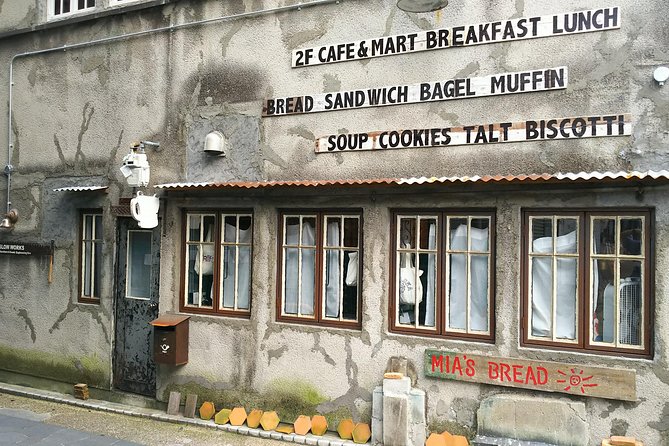
Your day starts in Naramachi, the area that traces back to the 8th century as a temple town, before shifting into a merchant town. This is the stop that helps you slow down, because it’s not just about one building. You’re walking through traditional-style lanes with latticed houses that are over 100 years old, and that street texture is often what makes Nara feel different from Kyoto.
At this first stop, you get 1 hour and 30 minutes, and the admission here is free. That’s a nice bonus because you’re spending time where atmosphere matters most, without adding ticket lines or extra costs.
A practical tip for this kind of neighborhood walk: keep your phone charged. You’ll probably want to take breaks and photos, and it’s also the easiest spot to ask your guide small questions about what you’re seeing in the architecture and shopfronts.
Kasuga Grand Shrine and the Fujiwara clan connection
Next up is Kasuga Grand Shrine, a site tied to the powerful Fujiwara clan. The shrine was founded in the 8th century, and it remains connected to that lineage in its traditions, including the role of the head priest as a descendant of the clan.
You’ll spend about 1 hour here. Entrance is not included, so you should plan on paying a separate fee of ¥1,500 per person for Kasuga Taisha Shrine (as listed).
What makes this stop worth your time is the explanation style. With a guide, you’re not just scanning torii and lanterns, you’re connecting the place to the politics and prestige of the era. It helps you understand why certain shrines feel like more than scenic photo stops.
- PERFECT KYOTO 1-Day Bus Tour★ 5.0 · 13,518 reviews
- Kyoto: Fushimi Inari, Kinkakuji, Bamboo Grove 1 Day Bus Tour★ 4.8 · 4,316 reviews
- Kyoto: Tea Ceremony in a Traditional Tea House in Kiyomizu★ 4.9 · 3,519 reviews
- Kyoto: Tea Ceremony Ju-An at Jotokuji Temple★ 4.9 · 3,207 reviews
- Kyoto: 45-Minute Tea Ceremony Lesson Experience★ 4.3 · 2,378 reviews
Todai-ji Temple under Mt. Wakakusa, plus UNESCO-scale perspective
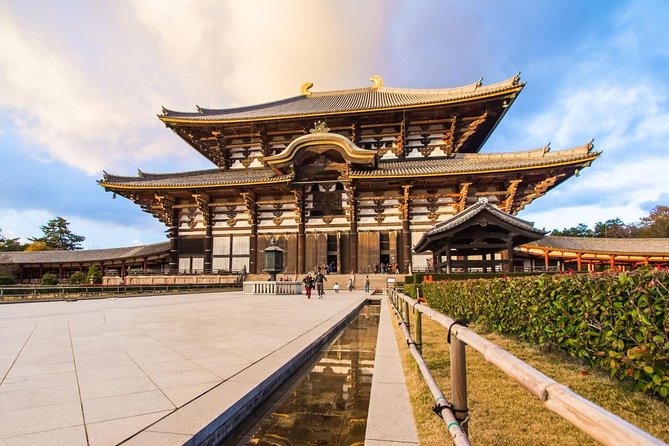
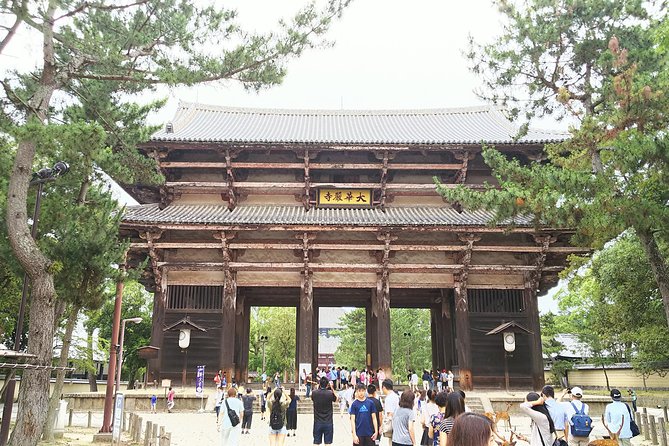
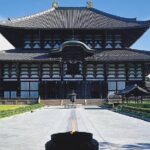
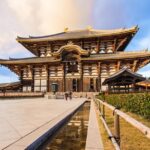
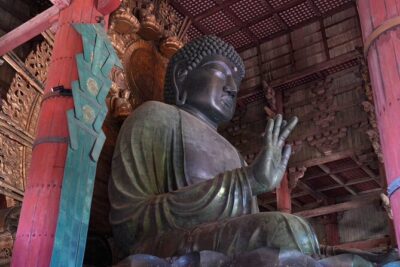
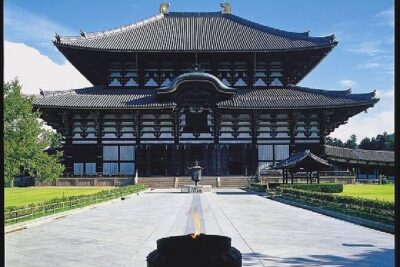
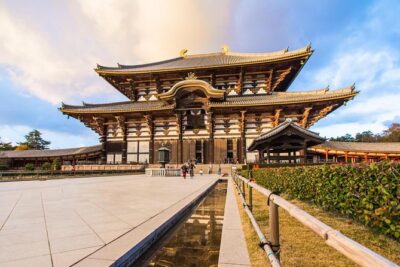
Todai-ji Temple is the centerpiece, and the reason the tour earns its reputation. Todai-ji was founded by Emperor Shomu over 1,300 years ago, and it sits beneath Mt. Wakakusa in a huge temple precinct. It is designated as a UNESCO World Cultural Heritage site, so it’s one of those destinations where the “why” is almost as important as the “what.”
Expect about 1 hour here, with entrance not included. The tour lists entrance fees for Todai-ji Temple at ¥1,500 per person.
The best way to experience Todai-ji is to let yourself be guided from structure to meaning. You’re seeing not just a temple, but a major historical symbol of early Japan. And because the precinct is so large, you’ll be glad someone is steering your route through the most significant areas instead of trying to guess your way across the site.
One small practical note: this is a temple day. If you plan to enter multiple sacred spaces, carry a small layer you can adjust and follow the local rules without rushing.
Nara Park deer time, plus why it changes the feel of the day
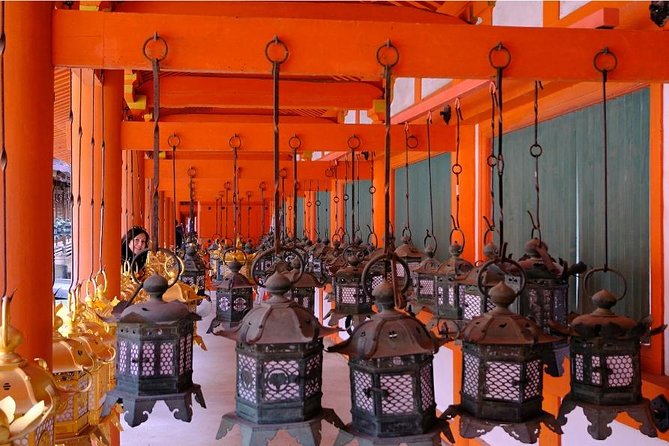
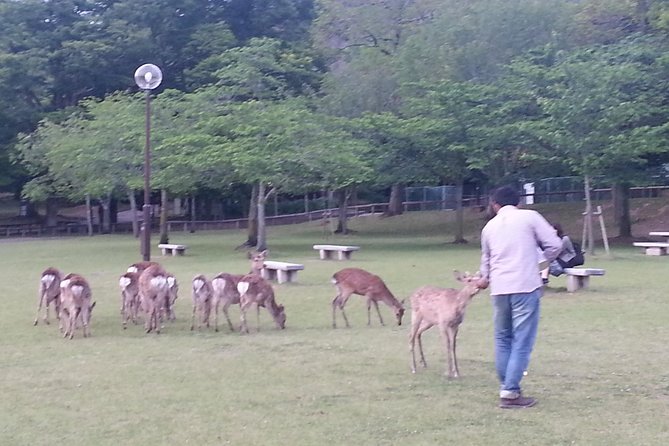
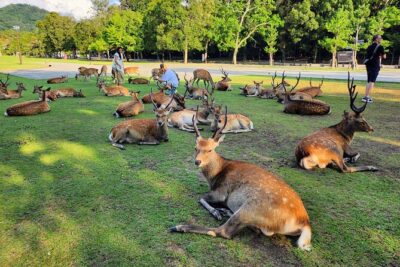
Nara Park is where the day becomes instantly memorable. The tour includes a chance to see Nara’s freely roaming deer, and the vibe in this area is different from shrine-only sightseeing. The deer don’t care about your schedule, so the mood becomes more natural and less rigid.
I love when a history day gets grounded like this. It’s a reminder that you’re in a living landscape, not only a museum of buildings. And this is also the part where your guide’s timing can matter, because it affects how smoothly your walk keeps moving.
In the feedback for the tour, the deer interaction and even the feeding moment are called out as a specific highlight. So if you want that signature Nara experience, this tour does it in a way that doesn’t feel like an afterthought.
Walking pace, private-group comfort, and the 8-hour rhythm
This is an 8-hour walking tour, starting at 8:30am. That timing is ideal if you like to beat the crowds and you can handle a full day on your feet. Since public transportation fare is listed as ¥2,000 per person, you should also expect there will be some short transit connections within the day, not just pure walking.
The tour description also notes it ends in a different location. Translation: don’t schedule a faraway reservation immediately afterward unless you know how you’ll get there.
Because it is private, the guide can adjust pacing within reason, and that matters for comfort. One reviewer highlighted help for someone with a bad knee, which is exactly what you hope a good guide can do: keep you moving but not in a painful way. Another set of comments praised flexibility, like guiding a detour to the Nara National Museum when the day’s interests shifted. That doesn’t mean the plan becomes completely different, but it does suggest your guide will try to meet you halfway.
If you’re sensitive to walking volume, bring water and plan for breaks. The itinerary is tight enough that you’ll want to use your down moments wisely.
Your guide makes the difference: names like Satomi, Emi, and Tomoko
One of the biggest strengths here is the guide quality and the way guides handle real-world moments. The names that come up include Satomi, Emi, Tomoko, Fumiko, Noriko (also spelled Norika in one place), and Fuji.
Here are the kinds of skills that show up again and again in feedback:
- adapting when plans change on the fly
- answering questions with clear explanations instead of long lectures
- helping you find good lunch or next steps after the tour
I especially like the idea that someone like Satomi can switch gears, like when a guest added the Nara National Museum to the day, and the guide still made it work. That’s a good sign if you like to stay curious while you travel.
Just keep expectations realistic. It’s private, but it’s not framed as fully customized. So ask for your preferences early, and treat the flexibility as something the guide tries to accommodate, not a guarantee that the whole day becomes your personal wishlist.
Price and value: what you pay for, and what you still need to budget
The listed price is $137.17 per person, and it’s typically booked about 26 days in advance on average. You get a professional guide, and the tour uses a mobile ticket, which is convenient for staying organized.
Here’s what you should budget on top:
- Public transportation fare: ¥2,000 per person
- Entrance fees: ¥1,500 per person for Todai-ji Temple and Kasuga Taisha Shrine
Naramachi is listed with a free admission ticket, so at least one stop keeps the costs simpler.
Is $137.17 good value? For me, it’s worth it if you want:
- a guide-led route that protects your time
- UNESCO-level context at Todai-ji and shrine history at Kasuga
- the smooth experience of not getting lost in a compact historic area
If you’re the kind of traveler who loves mapping your own stops, you might save money by going independently. But this tour is designed for the “I have one day, make it count” mindset, and that’s where the price makes more sense.
Who this Nara day is best for (and who should rethink it)
This tour fits best if you:
- want the key Nara sights in one day without planning every turn
- like history and architecture, but still want explanations that are easy to follow
- want Nara Park deer time as part of a structured sightseeing plan
- prefer a private group setup over blending into a bigger tour
You might rethink it if you:
- want a fully customized itinerary where you swap major landmarks constantly
- need a very minimal walking day, because it’s still an 8-hour walking format
- hate paying separate entrance and transit costs, since those are not included
For a first visit to Nara from the Kyoto area, this is a strong “starter day” that gives you the essentials and the context to keep exploring after.
Should you book this private Nara walking tour?
Yes, if you want a well-paced, guide-led day that hits Naramachi, Kasuga Grand Shrine, and Todai-ji, with Nara Park deer time built in. The guide quality and the way guides handle questions and small changes are real strengths, and those details make the day feel smoother and more meaningful.
Book it especially if you’re visiting with limited time and you’d rather spend your energy absorbing Nara than figuring out routes. If you’re hoping for a completely bespoke plan, message your priorities early and expect the core route to remain focused on key landmarks.
FAQ
How long is the Nara one-day walking tour?
It lasts about 8 hours.
What time does the tour start?
The start time is 8:30am.
Is this tour private?
Yes. It’s a private tour/activity, and only your group participates.
Which major sites are included during the day?
The tour covers Naramachi, Kasuga Grand Shrine, and Todai-ji Temple, and includes time to see the deer in Nara Park.
Are entrance fees included?
No. Entrance fees for Todai-ji Temple and Kasuga Taisha Shrine are not included and are listed as ¥1,500 per person. Naramachi is listed as free admission.
Do I need to pay for public transportation separately?
Yes. Public transportation fare is listed as ¥2,000 per person and is not included.
Do I get a mobile ticket?
Yes. Mobile ticket is included.
What if the weather is bad?
The experience requires good weather. If it is canceled due to poor weather, you’ll be offered a different date or a full refund.
Is there a cancellation window for a refund?
You can cancel for a full refund up to 24 hours in advance of the experience start time. If you cancel less than 24 hours before, the amount paid is not refunded.
Are service animals allowed?
Yes. Service animals are allowed.
Half a Day in Nara


Newest Kyoto write-ups from the Loving Japan desk
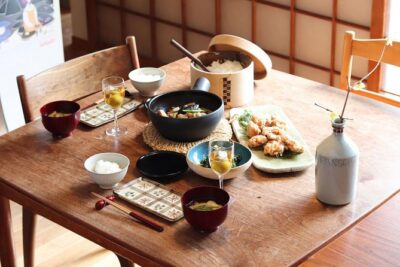
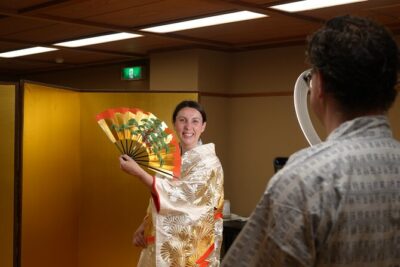
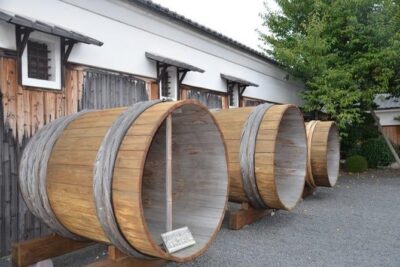
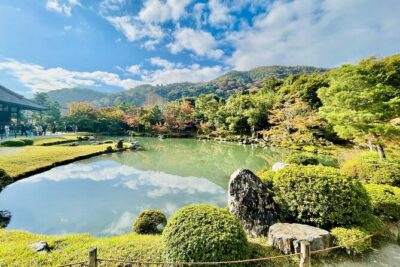
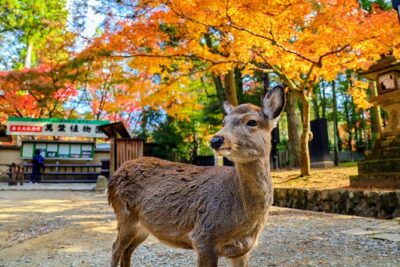
Nara Deer Park and Todai-ji, side by side.
 ★ 5.0World Heritage Kyoto & Nara Uji Authentic Matcha ExperienceFrom $1291,573 reviews
 ★ 4.7Kyoto/Osaka: Nara, Fushimi Inari Taisha, Arashiyama Bus TourFrom $521,275 reviews
 ★ 5.0Nara Half Day Trip Walking Tour (Private Option Available)From $105937 reviews
 ★ 4.4Osaka/Kyoto: Arashiyama, Nara & Fushimi Inari Shrine w/LunchFrom $61754 reviews
 ★ 5.0Nara Early Morning Tour (Kyoto or Osaka Departure Available)From $61676 reviews
 ★ 4.5Kyoto and Nara Day Trip from KyotoFrom $194445 reviews
 ★ 5.0Full Day Guided Tour to Kyoto and Nara from Osaka by VanFrom $106420 reviews
 ★ 4.5Nara Afternoon Tour from Kyoto or OsakaFrom $102390 reviews
Filed on these lists too