
REVIEW · JAPANESE COOKING CLASSES
Osaka: Cooking Class & Sake Tasting with Local Market Visit
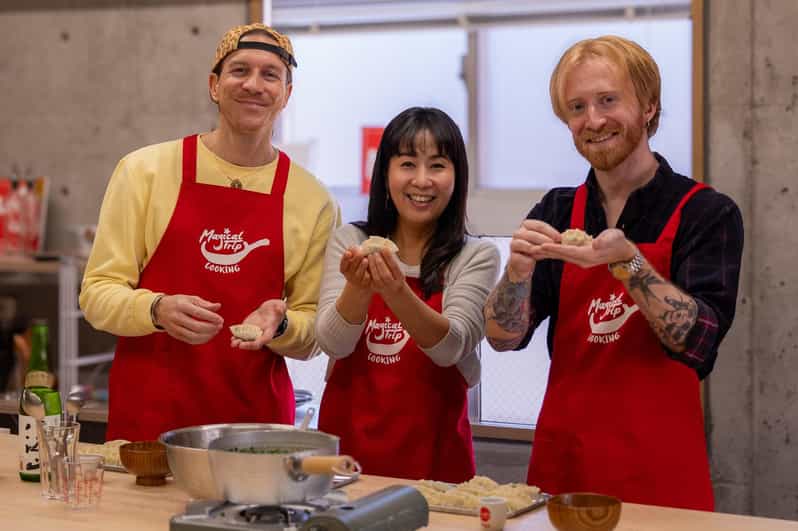
Four hours can teach you Osaka. This cooking class pairs a local market visit with hands-on making of niku-sui, okonomiyaki, and gyoza, guided in English by instructors like Chie and Eri.
I particularly like how the market-to-studio flow makes the food feel practical, not performative.
The main thing to consider: there are no gluten-free options, and you also can’t assume meals are allergy-free.
If you want a relaxed meal that still feels special, this is a strong pick. The guide walks you through each step, and you leave with downloadable recipes so you can cook the same dishes at home.
In This Review
- Key highlights at a glance
- Osaka cooking class: how a 4-hour meal turns into real skills
- Where you start: Minami Morimachi meeting point and getting settled fast
- The local market stop: choosing ingredients like you mean it
- Cooking studio setup: a small group, real instruction, calm vibes
- Niku-sui: Osaka’s beef soup that teaches you flavor basics
- Okonomiyaki: a Osaka signature where your choices actually matter
- Gyoza folding: the hands-on part that makes people laugh
- Drinks and tea with your meal: sake tasting without the pressure
- Lunch on the table: what you actually eat, not just what you make
- Recipes you can download after the tour: the real souvenir
- Price and value: what $90 covers beyond the cooking
- Who should book this Osaka class (and who should rethink it)
- Should you book? My honest take
- FAQ
- What dishes will I cook in this Osaka class?
- How long is the tour?
- Where do I meet the guide?
- Is the guide English-speaking, and how big is the group?
- Are drinks and lunch included?
- Can I join if I have dietary restrictions like vegan or gluten-free?
- Can the tour accommodate food allergies?
- Is there an age requirement?
- Is the tour wheelchair or stroller friendly?
Key highlights at a glance
- Meet at Minami Morimachi near FamilyMart, then start with real ingredients from a neighborhood supermarket
- Cook Osaka classics: niku-sui, okonomiyaki, and gyoza, in a small group capped at 7
- Sake tasting is part of the fun, with included canned drinks (alcoholic or non-alcoholic)
- Beginner-friendly pacing with step-by-step instruction for cutting, cooking, and folding
- Go home prepared, with recipes available after the tour plus photos emailed by your guide
Cook it yourself instead. Other kitchens in Osaka
- Sushi Making Osaka Roll and Authentic Japanese Sushi Class
★ 5.0 · 1,220 reviews - Osaka Sushi Making Experience
★ 5.0 · 400 reviews - Osaka: Ramen and Gyoza Cooking Class in Dotonbori
★ 5.0 · 378 reviews - Osaka: Sumo Stage Show with Bento or Snack + Fight & Photo
★ 4.3 · 364 reviews
Osaka cooking class: how a 4-hour meal turns into real skills
Osaka food has a reputation for being fun, loud, and comforting all at once. This experience leans into that. You spend the first part shopping for ingredients like a local, then head to a cooking studio to turn those same items into a trio of iconic dishes.
What makes it work is the structure. You are not just watching from the sidelines. You’re shopping, cooking, eating, and chatting, all while your English-speaking guide keeps the process clear and manageable. If you’ve ever wondered how Japanese home cooking actually gets done, this is one of the more direct ways to learn.
Price-wise, $90 for a 4-hour class can feel reasonable when you look at what’s included: the ingredients, lunch, tea, three canned drinks, and photos. You also get recipes you can take home and repeat, which is the part that keeps the value from disappearing after the meal.
Where you start: Minami Morimachi meeting point and getting settled fast
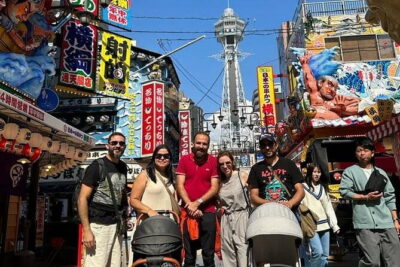
You meet in front of FamilyMart, about a 1-minute walk from the 4B Exit of Minami Morimachi Station. That matters because it keeps the morning (or afternoon) simple. You’re not hunting across a maze of streets for a “maybe here” meeting spot.
The tour runs for about 4 hours, and it’s designed to stay on schedule. Late arrivals cannot join, reschedule, or receive refunds, so plan to arrive a bit early. If you’re using public transit, I’d give yourself extra buffer time, especially in warmer or colder months when transit transfers can feel more tiring than you expect.
The local market stop: choosing ingredients like you mean it
The tour begins with a trip to a local supermarket. This is more than a scenic photo break. You’re learning what the dish actually depends on: the cut of meat for niku-sui, the vegetables and seasonings that make okonomiyaki taste right, and the fillings and wrappers that affect gyoza texture.
This is also where the experience becomes personal to Osaka life. You’ll see how locals shop day to day, and your guide helps connect products to the recipes you’ll cook later. I like this stage because it reduces the guesswork when you try to replicate the food at home.
One practical note: the tour includes cutting and heating. So even though it’s beginner-friendly, you should be comfortable doing hands-on prep. If you’re traveling with mobility concerns, it’s worth considering a private option, since some locations may not be accessible for wheelchairs or strollers.
Pour another. Breweries and tasting rooms nearby
- Osaka Sake Tasting with Takoyaki Cooking★ 5.0 · 156 reviews
- Osaka Sake Tasting & Takoyaki Cooking Experience★ 5.0 · 149 reviews
- Osaka Cooking Class and Sake Tasting with Local Supermarket Visit★ 5.0 · 79 reviews
- 3.5h Osaka Night guided Local Bar Hopping, Sake & Karaoke★ 5.0 · 27 reviews
Cooking studio setup: a small group, real instruction, calm vibes
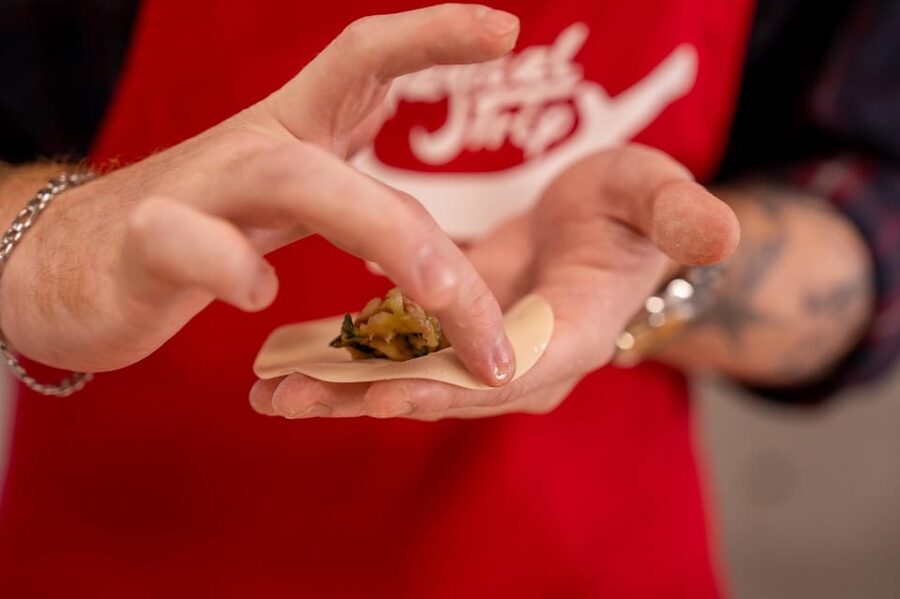
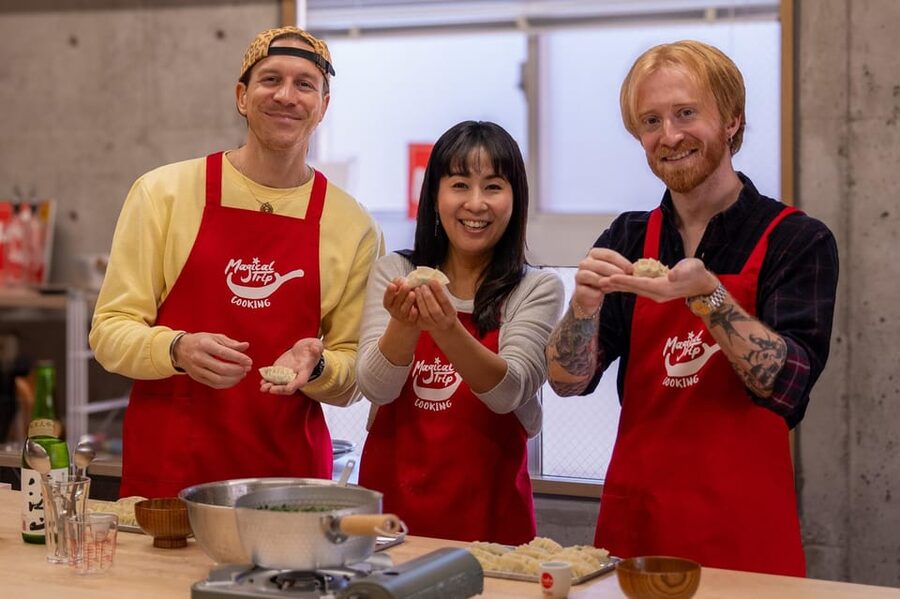
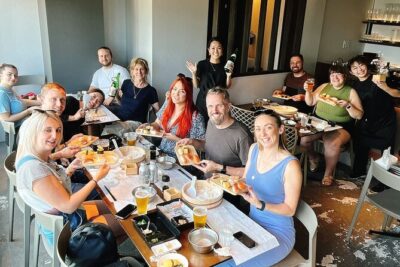
Once you’re back at the studio, the pace becomes hands-on and supportive. The group is small, limited to 7 participants, which usually means you get attention when you need it. You cook in a relaxed environment with a step-by-step approach, guided by an English-speaking local.
Based on the range of instructor styles you might experience, the teaching tends to be both practical and human. Some guides add extra care to the room or the experience, and many fold in local context while they show technique. For you, that usually means two wins at once: you learn how to cook and you also learn how locals think about the food.
And yes, you will taste what you’re making. Lunch is included, so you’re not stuck waiting until the end with no payoff.
Niku-sui: Osaka’s beef soup that teaches you flavor basics
Niku-sui is one of those comfort foods that feels understated until you taste it. This is the first dish you’ll work on, and it’s a smart starting point because soup teaches balance: richness from beef, warmth from the broth, and comfort from the finishing touches.
Your guide walks you through the method step by step using simple ingredients. That’s the key for home cooks. You’re not learning a complicated technique with hard-to-find specialty parts. Instead, you’re learning the logic that makes the dish taste like Osaka rather than just beef soup in general.
What I like about this dish in the class setting is that it builds confidence. While the soup is cooking, you can get ready for the next stages without feeling overwhelmed.
Okonomiyaki: a Osaka signature where your choices actually matter
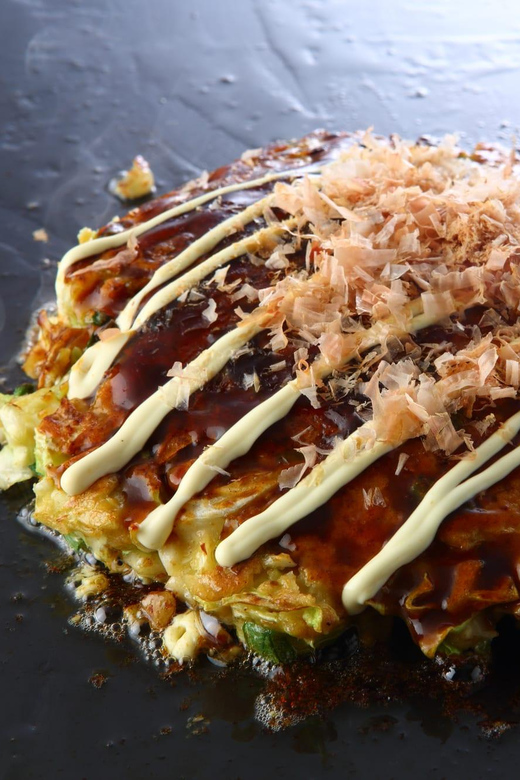
Okonomiyaki is Osaka’s savory pancake, and the class treats it the right way: as a dish with personality. Your guide helps you assemble it with an Osaka style approach, then cook it with the care needed for that signature texture.
Here’s why this part is valuable for you. Okonomiyaki isn’t one single rigid recipe. It’s a base idea you can adapt. The class structure gives you a reliable method and taste foundation, so you can later adjust it at home when you’re cooking for different friends or different cravings.
If you’re the type who enjoys cooking with your hands, okonomiyaki is a satisfying station. You get to build, cook, and check texture as you go, rather than just mixing ingredients and hoping for the best.
Gyoza folding: the hands-on part that makes people laugh
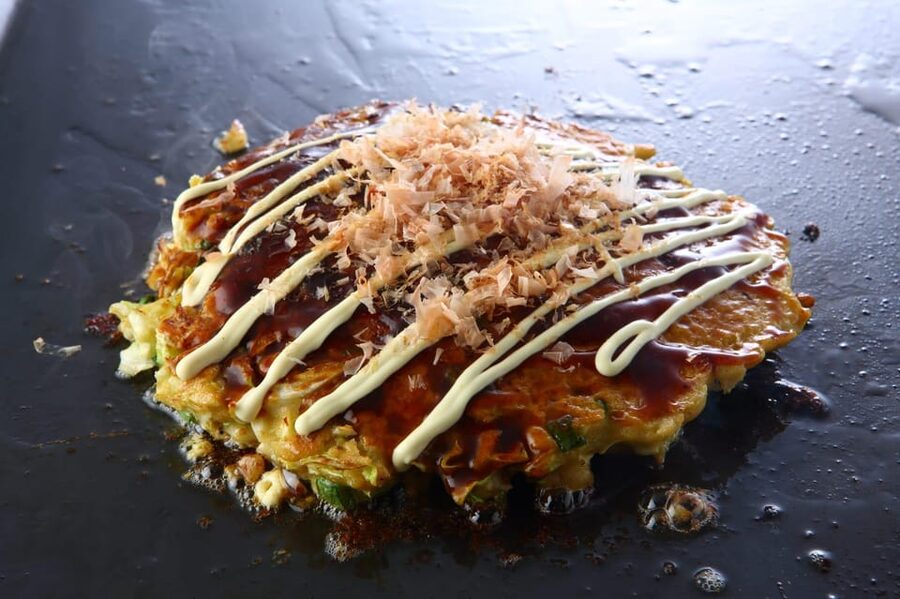
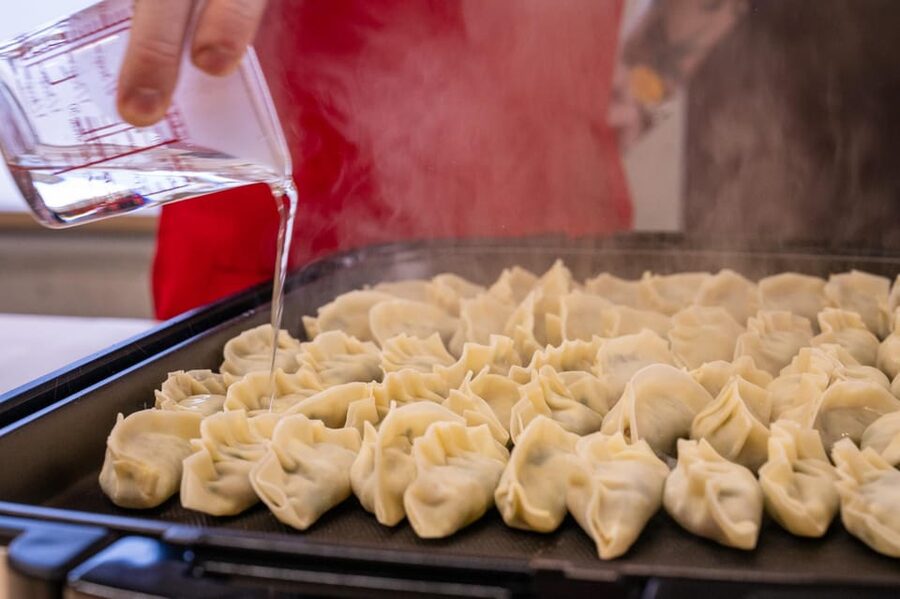
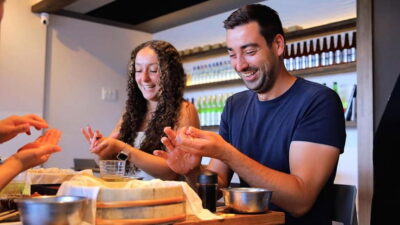
Gyoza is where the class gets real. Folding dumplings isn’t just a task, it’s a team sport. You will fold gyoza, and it’s interactive enough that you’ll probably get comfortable quickly, even if you’re new to it.
The dish also teaches a practical home skill: how to aim for crisp and juicy results. Your guide helps you understand how the dough and filling behave, and you learn what to look for as it cooks. That visual feedback is huge for beginners, because it reduces the fear of doing it wrong.
If you love dumplings, this is the dish most likely to stick with you after the trip. Even if your folds aren’t identical to anyone else’s, you’ll understand what matters in the end result.
Drinks and tea with your meal: sake tasting without the pressure
Food classes get better when the vibe matches the culture. Here, you also get to enjoy local sake, beer, or soft drinks while you cook and chat.
Three canned drinks are included, and they can be alcoholic or non-alcoholic. The idea is not to turn the class into a party, but to add that Osaka-style social feel. You’re learning, tasting, and sharing reactions with other people at the table.
Tea is also included during the experience. For me, that’s the right mix because it keeps things comfortable if you want to sip something warm while you’re cooking.
And if you’re the person who likes to ask questions, many guides make time for that. You might hear cultural context about the area and products while you work, which is one reason the class often feels more memorable than a standard cooking demo.
Lunch on the table: what you actually eat, not just what you make
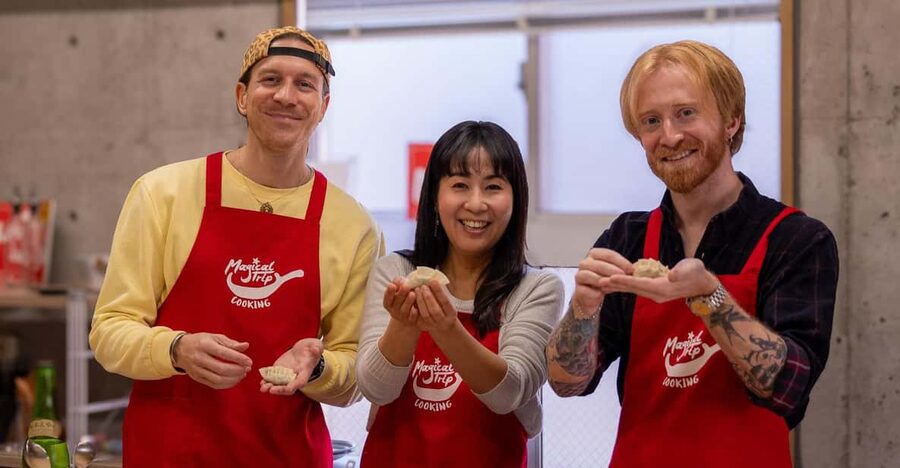
Since lunch is included, you’ll sit down and eat what you cooked. That matters because you get immediate feedback. If a flavor seems off, you typically understand why, because you were in the process from ingredient choice to cooking technique.
This is also where the dishes connect. Niku-sui gives you comfort and warmth. Okonomiyaki brings savory depth and texture. Gyoza ties the meal together with crisp bites and juicy filling.
You don’t have to guess if the learning was worth it. You can taste it.
Recipes you can download after the tour: the real souvenir
Many travel experiences end when you stand up from the table. This one tries to extend the value.
You can download the recipes after the tour, and the recipes are designed to be authentic yet simple enough to recreate. That’s the difference between buying a souvenir cookbook and actually having a usable plan for your next dinner party.
I like this approach because it respects your future time. If you want to impress friends back home, you can pull the recipes, follow the structure, and recreate the Osaka trio without starting from scratch.
Your downloadable materials also help if you want to tweak. You’ll know which steps are crucial and which parts are flexible.
Price and value: what $90 covers beyond the cooking
At $90 per person for about 4 hours, you’re paying for more than instruction. You’re paying for ingredients, lunch, tea, and included canned drinks. You’re also paying for the guide’s work, including the English explanations and photo taking.
Photos are emailed after the tour, which is a nice bonus if you like having a record without worrying about crowding around for selfies.
The small group size helps, too. When you’re capped at 7 participants, you’re more likely to get real feedback instead of waiting for the guide to cycle back through a crowd.
The main “cost” to watch for is your diet needs. Gluten-free options are unavailable, and the tour cannot guarantee allergy-free meals since food is prepared in external kitchens. If that’s relevant for you, the tour may not be the best match.
Who should book this Osaka class (and who should rethink it)
This is a great fit if you want:
- Hands-on learning with step-by-step guidance in English
- Osaka comfort foods you can repeat at home
- A market stop that gives you practical context for the ingredients
- A social pace with cooking plus sake tasting and conversation
It may be less ideal if:
- You need gluten-free meals (not available)
- You require guaranteed allergy-free cooking (not guaranteed, and substitutions may not always work)
- You have mobility constraints, since some parts of the experience may not be accessible by wheelchair or stroller
If you fall into a “needs extra care” category, you might consider whether a private tour would feel safer for your situation. The guidance suggests private touring for walking difficulties.
Should you book? My honest take
Book it if you want a real Osaka food lesson you can repeat, not just a one-time meal. The market start, the Osaka trio cooking, and the take-home recipes are a clean package. I also think the small group size and the English-speaking local guides make it feel approachable, even if you’ve never cooked Japanese dishes before.
Skip or choose carefully if gluten or allergies are a dealbreaker for you. Because gluten-free options aren’t available and allergy-free meals can’t be guaranteed, you could end up with disappointment. If that’s your situation, it’s worth looking for a different class built around your needs.
If you’re visiting Osaka and you want to leave with both full stomach and usable skills, this one is a strong yes.
FAQ
What dishes will I cook in this Osaka class?
You’ll make niku-sui, okonomiyaki, and gyoza, with all ingredients provided.
How long is the tour?
The experience lasts 4 hours.
Where do I meet the guide?
Meet in front of FamilyMart, about a 1-minute walk from the 4B Exit of Minami Morimachi Station.
Is the guide English-speaking, and how big is the group?
Yes. The tour includes an English-speaking local guide, and the group is limited to 7 participants.
Are drinks and lunch included?
Yes. The cooking experience and lunch are included, along with tea. You also get 3 canned drinks that can be alcoholic or non-alcoholic.
Can I join if I have dietary restrictions like vegan or gluten-free?
Vegan and vegetarian guests are welcome, but gluten-free options are unavailable. Let the provider know about dietary needs or allergies at least one day in advance.
Can the tour accommodate food allergies?
They cannot guarantee allergy-free meals because food is prepared in external kitchens. Substitutions may not always be possible, but they will try to compensate at other stops.
Is there an age requirement?
Anyone over 12 can join, since cooking involves cutting and heating.
Is the tour wheelchair or stroller friendly?
The tour may include locations inaccessible by wheelchair or stroller, and it is not recommended for those with mobility issues. If you have walking difficulties, a private tour is suggested.
Cups, Cellars and Tasting Rooms

Kitchens You Can Book Into

Newest Osaka write-ups from the Loving Japan desk



Japanese Cooking Classes, side by side.
 ★ 5.0Sushi Making Tokyo Roll and Authentic Japanese Sushi ClassFrom $593,971 reviews
 ★ 4.9Roll and Authentic Sushi Making Class in AsakusaFrom $581,957 reviews
 ★ 5.0Ramen Cooking Class at Ramen Factory in KyotoFrom $1311,937 reviews
 ★ 4.9Sushi Making Class in a Happi Coat near a Famous SpotFrom $421,377 reviews
 ★ 5.0Sushi Making Osaka Roll and Authentic Japanese Sushi ClassFrom $311,220 reviews
 ★ 5.0Tokyo Sushi Making Class in Tsukiji with Professional ChefFrom $491,177 reviews
 ★ 5.0Ramen & Gyoza Cooking Class in Tokyo with Local Supermarket VisitFrom $122823 reviews
 ★ 5.0Tsukiji Fish Market Guided Tour and Sushi Making with Pro ChefFrom $104775 reviews