
REVIEW · JAPANESE COOKING CLASSES
Ramen & Dumpling Cooking in Tokyo with Chef/Vegan possible
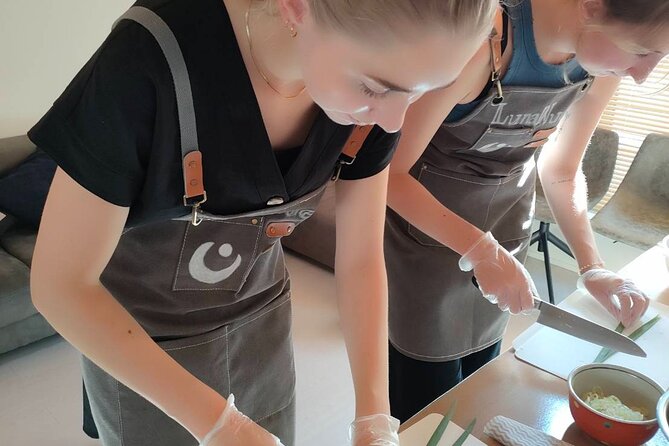
Fresh noodles beat instant ramen every time, and this Tokyo class gives you the steps. You’ll learn ramen and gyoza in a real home kitchen with Yoshi and Amo, plus insider talk from Japan’s restaurant scene. It’s hands-on, not a sit-and-watch show.
I like how small-group teaching keeps the feedback coming, and how you actually build your bowl from scratch. I also like that you learn practical technique, not just recipes, including broth process and noodle work. One thing to consider is the location in a residential area near Ekoda Station, so you’ll want comfortable train skills (and you should come hungry).
In This Review
- Key highlights worth planning for
- Ramen and gyoza class in Tokyo, done the practical way
- Meeting at Ekoda Station, then heading into Nerima
- The small-group format, and why it helps you learn faster
- Ramen workshop: broth process, noodles, eggs, and toppings
- Gyoza time: folding dumplings like a local
- Vegan and vegetarian options: what you can request
- Location vibes: a residential Tokyo experience, not a tourist stage
- Instructor style: friendly, patient, and very into ramen
- What you take home: recipes and skills that last
- Price and value in a Tokyo food class
- Who should book this ramen and dumpling class
- Should you book it? My practical recommendation
- FAQ
- How long is the cooking class?
- Where do I meet for the class?
- Is the group size small?
- Can I choose between a morning and a noon class?
- Can the menu work for vegetarian or no fish/seafood diets?
- What is the cancellation policy?
Key highlights worth planning for
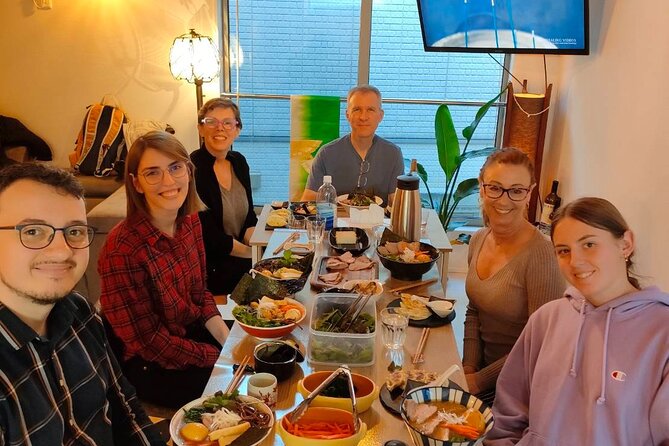
- Small-group coaching with Yoshi and Amo, so you get real feedback while cooking
- Hands-on ramen and gyoza, including noodles, broth process, folding dumplings, and plating
- Build your own signature bowl with toppings and options you can customize
- Vegetarian and fish/seafood-free options are possible if you request ahead of time
- A local neighborhood feel away from central Tokyo, with time to walk around afterward
Cook it yourself instead. Other kitchens in Tokyo
- Tokyo: Roll and Authentic Sushi Making Class in Asakusa
★ 4.9 · 1,957 reviews - Tokyo: Sushi Making Class in a Happi Coat near a Famous Spot
★ 4.9 · 1,377 reviews - Tokyo Sushi Making Class in Tsukiji with Professional Chef
★ 5.0 · 1,177 reviews - Ramen & Gyoza Cooking Class in Tokyo with Local Supermarket Visit
★ 5.0 · 823 reviews
Ramen and gyoza class in Tokyo, done the practical way
Tokyo ramen can feel like magic, especially when you watch it get slurped in seconds. The point of this class is to turn that magic into repeatable kitchen moves you can do at home, without mystery ingredients or vague instructions. You’ll learn the flow of ramen, then finish with gyoza folding and a proper bowl build.
What makes this experience work is the mix of technique and taste. You’re not just assembling pre-made components. You’re doing the cooking steps, learning what matters in texture and flavor, and getting feedback as you go. In a city with endless food options, that hands-on part is the real value.
Also, you get to do it in a real home setting in Nerima City. That matters because you see how Japanese home cooks think about cleanup, timing, portioning, and the little details that make food consistent.
Meeting at Ekoda Station, then heading into Nerima
Most cooking classes in Tokyo start with a studio vibe. This one starts near Ekoda Station (Nerima City). You meet at 1-chome-78 Asahigaoka, Nerima City, Tokyo 176-0005, Japan, and then you’re taken from the station to the home where the class happens.
A few practical notes if you’re planning your day:
- Give yourself buffer time on the train. Ekoda Station is not the kind of place you stumble upon by accident, and that’s part of the charm.
- Wear shoes you don’t mind using on neighborhood sidewalks and stairs, since you may walk part of the way.
- If it’s rainy, you’ll still be okay, but you’ll feel the weather more in a residential area.
I love that this setup pulls you out of the “tourist center” comfort zone. You’ll feel like you’re doing something local, not just buying an experience.
The small-group format, and why it helps you learn faster
This class caps at 12 travelers, and the experience is designed for that cozy group size. The most consistent theme is personal attention. In practice, your group may be small enough that you can ask questions without waiting for a break in the instruction.
Why that matters:
- When you’re making dumplings or noodles, small mistakes happen fast. You want eyes on your work while you’re still mid-step.
- Timing in ramen is everything. The chef can correct temperature, texture, and seasoning choices before the whole pot goes in the wrong direction.
- You can customize your bowl, which is fun, but also teaches you what changes the flavor when you switch toppings.
If you’re the kind of person who always thinks, I can do this at home, this format is built for that confidence.
A bowl somewhere else in Tokyo
- Ramen & Gyoza Cooking Class in Tokyo with Local Supermarket Visit★ 5.0 · 823 reviews
- Tokyo: Ramen Tasting Tour with 6 Mini Bowls of Ramen★ 4.9 · 432 reviews
- Tokyo: Easy Ramen Cooking Experience in Kabukicho, Shinjuku★ 4.6 · 321 reviews
- Ramen and Sushi Cooking Class with Sake Pairing Set in Tokyo★ 5.0 · 291 reviews
- Professional Ramen & Gyoza with Ramen Chef in a restaurant!★ 5.0 · 223 reviews
Ramen workshop: broth process, noodles, eggs, and toppings
Ramen has a reputation for being complex. This class breaks it into understandable parts so you can focus on technique. The flow you’ll practice is centered on building a bowl, not just “making ramen” in a vague way.
Here’s what you can expect in the ramen portion:
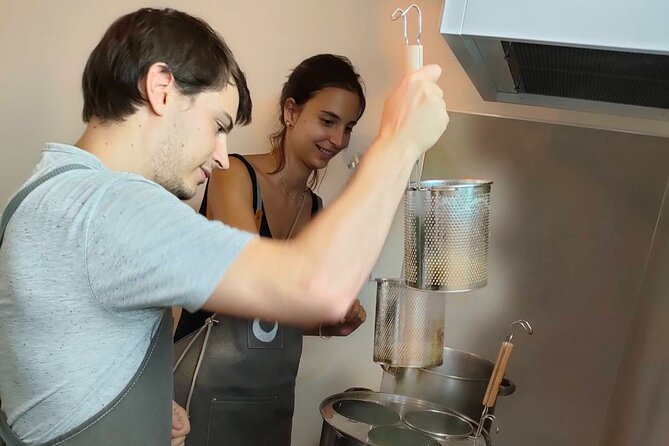
- Broth process: You’ll learn how the broth comes together. One useful detail from past classes is that the instructor prepares components in advance because broth building is time-consuming. You still learn the process and why it matters.
- Noodles: You’ll get hands-on with noodle-making. Multiple people specifically call out that this is their favorite moment. It’s also the step where you learn what “right texture” feels like, not just what it looks like.
- Seasoned eggs: You’ll learn how to prepare seasoned eggs, plus how toppings and garnish change the final bowl.
- Colorful toppings: You’ll work with multiple toppings so your ramen looks like ramen, not noodle soup.
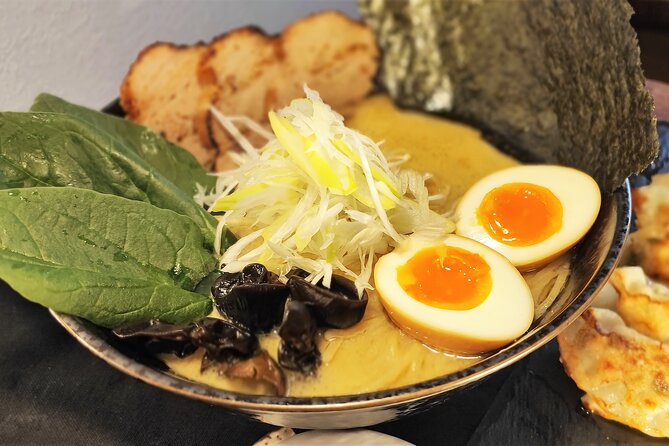
The finale is the fun part. You plate your noodles, soup, and toppings into your own signature ramen bowl. This is where the class stops being cooking and starts being personal. You get to build a version that matches your taste, then eat the results right there.
And yes, come ready to eat. Several people mention that the class is filling, and you’ll leave full, not peckish.
Gyoza time: folding dumplings like a local
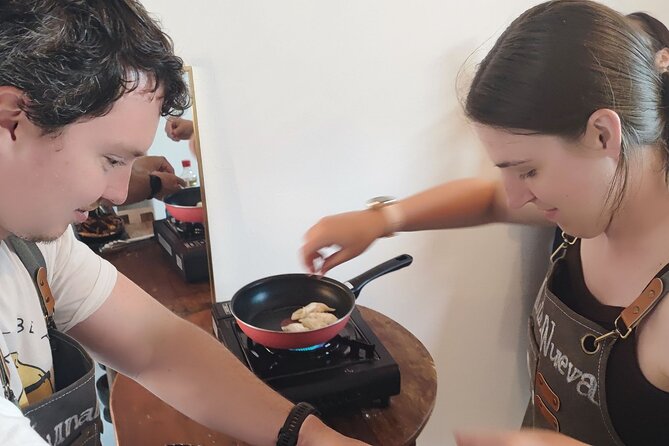
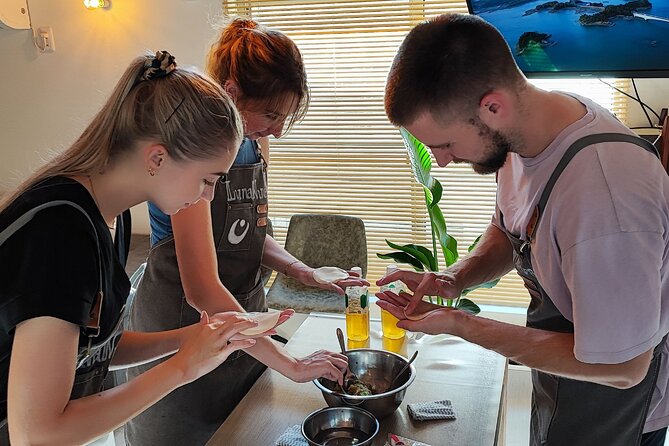
Gyoza looks simple until you try it. The folding takes a little practice, and that’s why a good instructor matters. In this class, you’re taught how to fold dumplings step by step so you can make something that actually holds together and cooks well.
What you’ll get out of the gyoza section:
- A repeatable way to shape and seal dumplings, so they don’t fall apart while cooking
- A feel for how many you can manage at once without rushing the folds
- A closer look at how Japanese home cooking treats portioning and consistency
If you’ve ever eaten gyoza and wondered why restaurant ones taste different, this is where you start answering that question. Dough thickness, sealing, and cooking rhythm can all change the final bite.
Vegan and vegetarian options: what you can request
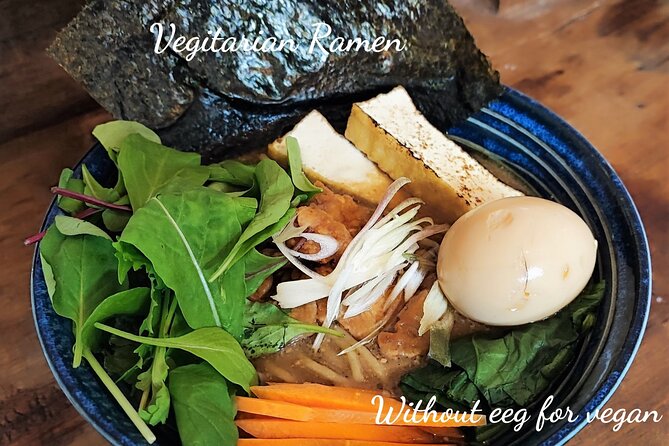
The title says vegan is possible, and the experience also shows it can handle real dietary needs. One strong detail from past participants is that vegetarian options were prepared, including versions that avoided fish or seafood.
Here’s how to think about it:
- If you follow a vegetarian diet, you should be able to cook and eat a compatible version of the meal when you request it.
- If you need no fish or seafood, this can be accommodated as well.
- For true vegan requirements, you’ll want to confirm what’s possible when you book, since the exact swaps are not listed in the basic overview.
Even with special diets, the class stays hands-on. You’re still working with ingredients at the same pace, so you don’t end up watching while everyone else cooks.
Location vibes: a residential Tokyo experience, not a tourist stage
One of the best parts is where it happens. You’ll get a quieter view of Tokyo in a residential area around Nerima City. That’s a big reason this class feels memorable even if you’ve taken other food tours.
What that gives you:
- A more local rhythm, especially if you walk around a little afterward
- A comfortable atmosphere in a clean home space prepared for cooking
- A break from the constant crowds you’ll see in central neighborhoods
You’ll also likely get a host who’s happy to talk beyond food. People mention tips for what to do in Tokyo and general city advice. It’s the kind of conversation that helps you plan the rest of your trip like a local, not like someone rushing from landmark to landmark.
Instructor style: friendly, patient, and very into ramen
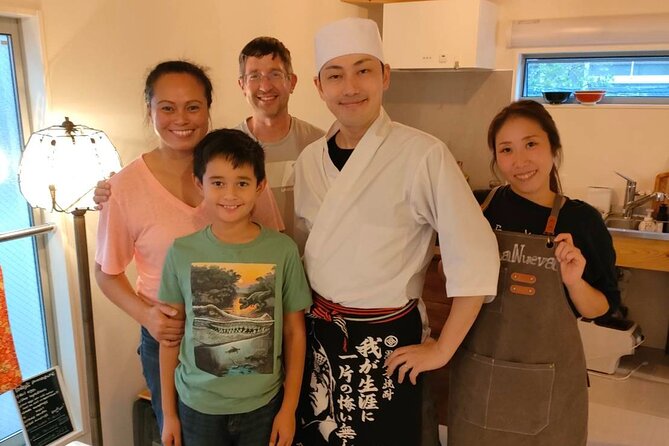
The teaching approach is part of the reason people rate it so highly. Yoshi and Amo are described as welcoming, kind, patient, and energetic. You’re not thrown into the deep end. The steps are explained, and you get guidance as you cook.
Several reviews also highlight:
- Step-by-step patience, including with kids
- A lively atmosphere, with plenty of chances to chat
- A “teaching, then you try” rhythm that keeps the class moving
One person even mentioned a playful moment like a hip-hop lesson. That sounds like fun, but don’t expect it as a guarantee. Treat it as bonus entertainment if it happens.
What you take home: recipes and skills that last
You leave with more than just dinner. You take home technique. That means:
- You learn how ramen components work together: broth, noodles, egg, toppings, and plating.
- You learn how gyoza folding changes the final result.
- You learn how to build your own bowl so you can adapt at home.
There’s also a recipes element. Past participants report that recipes are shared so you can try again later. One person noted they hadn’t received recipes right away, and the response explained they were sent via Viator message on the day of the class. My practical advice: after you go, check the message thread around your booking, not just your email inbox.
Price and value in a Tokyo food class
At $102.41 per person for about 2 hours, this isn’t the cheapest food activity. But in Tokyo terms, it’s priced like a serious hands-on meal experience.
Why it can feel like good value:
- You’re paying for a professional chef plus active instruction, not a quick tasting.
- Ingredients are provided, and the class is structured so you actually cook and eat a full meal.
- The small-group limit means you get coaching and feedback, which you can’t replicate in a standard restaurant meal.
If you’re the type who likes to bring memories home in the form of a skill, this price makes sense. If you only want an easy snack and a short photo stop, you might prefer something less time and technique-heavy.
Who should book this ramen and dumpling class
This class is a great fit if you:
- Want a hands-on food memory, not just another restaurant visit
- Like learning technique you can repeat at home
- Travel with family, since past participants mention it works well even with kids
- Want ramen quality that tastes like restaurant-style, built from your own effort
- Have dietary needs like vegetarian or no fish/seafood and want a class that can accommodate them with advance notice
It may be less ideal if you:
- Hate cooking steps and prefer watching only
- Want a super central Tokyo address close to major stations
- Have very limited time and can’t handle a train ride plus a short walk
Should you book it? My practical recommendation
If you’re planning one cooking class in Tokyo, this is the kind that tends to turn into a highlight. The combo of small-group attention, real hands-on ramen and gyoza work, and a welcoming home-kitchen atmosphere is hard to beat. Add the fact that dietary options like vegetarian and fish/seafood-free can be prepared, and it becomes a strong choice for more travelers.
Book it if you want skills, not just food. Show up hungry, ask questions, and treat the noodles and dumplings like a hands-on experiment. You’ll likely go home with the confidence to make ramen again, and that’s a rare souvenir.
FAQ
How long is the cooking class?
The experience runs for about 2 hours.
Where do I meet for the class?
You start at Ekoda Station, 1 Chome-78 Asahigaoka, Nerima City, Tokyo 176-0005, Japan. The activity ends back at the meeting point.
Is the group size small?
Yes. The maximum group size is 12 travelers.
Can I choose between a morning and a noon class?
Yes. You can choose from a morning or noon class to fit your schedule.
Can the menu work for vegetarian or no fish/seafood diets?
The experience can accommodate vegetarian options and no fish/seafood requests based on provided information. If you have specific needs, request them ahead of time.
What is the cancellation policy?
Free cancellation is available if you cancel up to 24 hours in advance for a full refund. If you cancel less than 24 hours before the start time, the amount paid is not refunded.
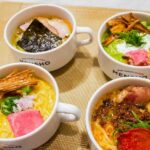
One More Bowl



Kitchens You Can Book Into

Newest Tokyo write-ups from the Loving Japan desk




Japanese Cooking Classes, side by side.
 ★ 5.0Sushi Making Tokyo Roll and Authentic Japanese Sushi ClassFrom $593,971 reviews
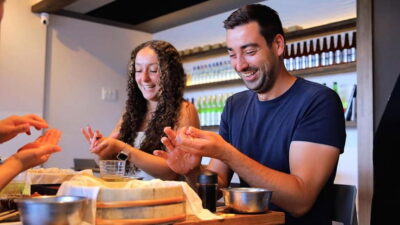 ★ 4.9Roll and Authentic Sushi Making Class in AsakusaFrom $581,957 reviews
 ★ 5.0Ramen Cooking Class at Ramen Factory in KyotoFrom $1311,937 reviews
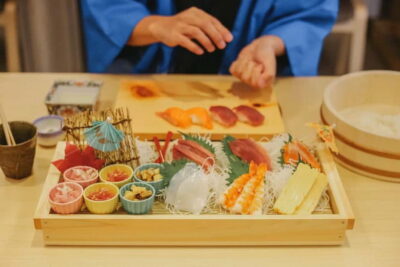 ★ 4.9Sushi Making Class in a Happi Coat near a Famous SpotFrom $421,377 reviews
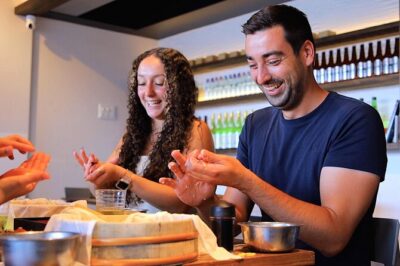 ★ 5.0Sushi Making Osaka Roll and Authentic Japanese Sushi ClassFrom $311,220 reviews
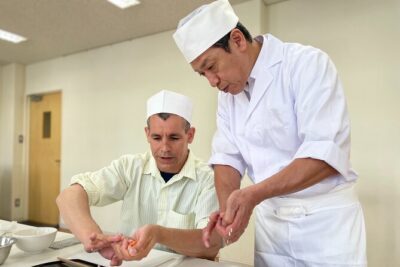 ★ 5.0Tokyo Sushi Making Class in Tsukiji with Professional ChefFrom $491,177 reviews
 ★ 5.0Ramen & Gyoza Cooking Class in Tokyo with Local Supermarket VisitFrom $122823 reviews
 ★ 5.0Tsukiji Fish Market Guided Tour and Sushi Making with Pro ChefFrom $104775 reviews
Filed on these lists too