
REVIEW · SAMURAI, NINJA AND SWORD EXPERIENCES
Samurai Performance and Casual Experience: Kyoto Ticket
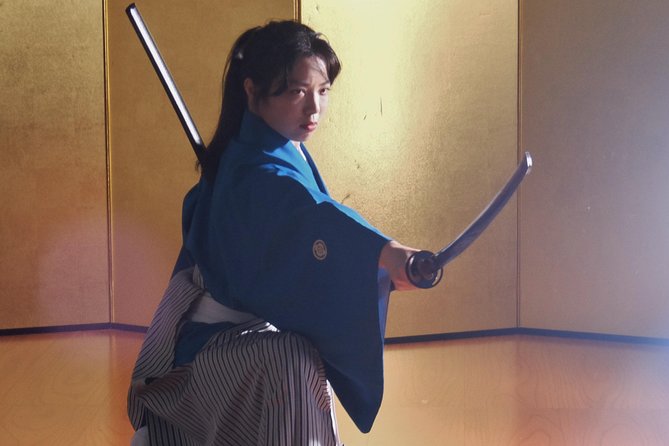
Kembu is the kind of performance that makes history feel physical. I love the theatrical, well-explained Kembu choreography and the end photo session where you can hold a sword and pose with the performers. One thing to keep in mind: it is not a hardcore battle simulation, so if you want nonstop sword fighting, you may find more talking and story than action.
This is also a smart way to end a day in Kyoto. The program is short, about an hour total, and it starts in the late afternoon, so you can fit it in without burning your whole evening. Add in the fact that it is in downtown Kyoto near public transportation, and it becomes an easy add-on after Gion and temple time.
In This Review
- Key things I’d put on your radar
- Getting to Samurai Kembu Theater, then settling in fast
- The Kembu performance: sword art, samurai focus, and spoken context
- The mini experience: holding the sword and practicing fan movements
- What the timing means for your Kyoto day plan
- Price and value: what $33.03 buys you
- Who should book this Kembu performance, and who should adjust expectations
- Tips for smoother seating, better photos, and less stress
- Should you book Samurai Kembu in Kyoto?
- FAQ
- What is the total time for the Samurai Kembu Kyoto experience?
- Where is the Samurai Kembu Theater in relation to Kyoto landmarks?
- Do I need to remove my shoes?
- Is the ticket mobile?
- Can I take my own photos during the experience?
- Are food and drinks included?
- What is the cancellation policy if plans change?
Key things I’d put on your radar
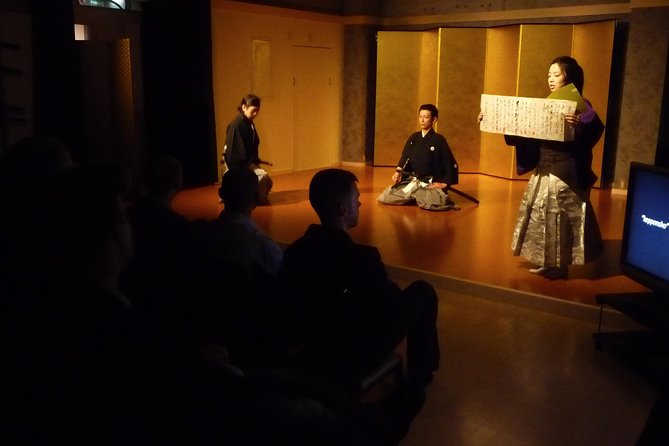
- A 40-minute staged Kembu show with narration and short history lessons before key moments
- Traditional and new-style Kembu with samurai poems and scripted ritual elements
- Shoe-off theater setup, with seating that can be low to the ground or standard
- Take-your-own-photo participation, including a sword and fan pose session
- English narration (and a few moments of humor) that keeps the flow moving
- Small, intimate feel, which makes it easier to follow and join the mini experience
Blade work and stagecraft, other sessions
- Kyoto: Kendo and Samurai Experience with Uniform and Gear
★ 4.9 · 815 reviews - Kyoto: Samurai Sword Class by Experts in Traditional Arts
★ 4.9 · 657 reviews - Skip the lines Basic Ticket at SAMURAI NINJA MUSEUM KYOTO
★ 4.5 · 632 reviews - Ninja 1-hour Hands-on Lesson by Japanese master in Kyoto -Entry
★ 5.0 · 489 reviews
Getting to Samurai Kembu Theater, then settling in fast
The action starts at Samurai Kembu Theater in downtown Kyoto, and it is close enough to public transport that you will not feel trapped after sightseeing. Show time begins at 4:15 pm, and you can also choose between two showtimes, depending on what fits your day.
When you arrive, plan to be early. You are asked to come 15 minutes to 5 minutes before the start, and you will need a little time to get settled. Also, this is a shoe-off space, so it helps to wear footwear that is easy to remove and put back on.
Inside, the theater is set up for a seated audience, with some chairs low to the ground and others at a more normal height. That low seating is part of the vibe, but it can be a bit demanding if your legs do not love sitting on the floor for a while. If you are sensitive to kneeling or long stillness, arriving early gives you the best chance to choose the most comfortable seat.
One practical tip: if you are walking in, the reception desk is reached by taking the stairs on the right side toward the GOZAN building. Once you find that, everything else is straightforward: remove shoes, sit down, and the show begins.
The Kembu performance: sword art, samurai focus, and spoken context
The heart of the experience is a roughly 40-minute Kembu performance portion. The show uses the language of movement, ritual, and performance rather than modern stage effects. That is a good thing, because it makes the technique feel legible, even if you are seeing it for the first time.
Before each demonstration, you get narration that frames what you are about to watch. The story ties Kembu to the samurai world, including why these sword practices were valued for courage and mental concentration. That spoken context matters, because Kembu is not just dramatic swinging, it is disciplined sequence and controlled presence.
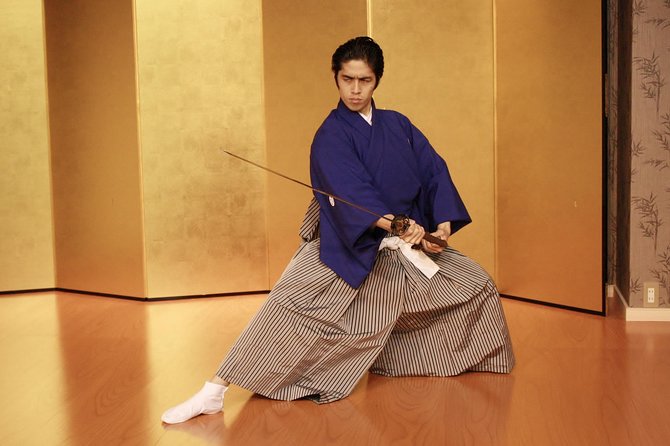
You will see both traditional and new-style Kembu. Each segment includes a performer wielding a sword through intricate movements while reciting samurai poems. The poems are brief, but they add rhythm and atmosphere, like the performers are speaking through motion as much as through voice.
A big part of the program is that it tries to teach you what the actions mean. The narration covers concepts tied to samurai culture across Japan’s feudal period, and you may also hear about ceremony and ideas linked with seppuku (hara-kiri). Even if you already know some Japanese history, hearing it explained here helps connect the ritual references to the stage performance you are watching.
From a pacing standpoint, it is structured in short, distinct segments. That makes it easier to stay engaged and it also helps you remember what you just saw, since you are constantly getting a new bit of meaning right before the next demo.
The mini experience: holding the sword and practicing fan movements
After the show, the mood shifts into a participatory mini session. This is where the evening becomes more than just watching. You get a chance to learn a few basic movements and join in with the performers, and you can take photos as part of it.
The hands-on piece centers on two things: sword and fan. You can hold a sword during the photo session, and you also get to practice fan movements tied to the performance style. Even when you are not trying to recreate perfect technique, joining in gives you a real feel for how posture and timing work.
The photo portion is a highlight for many people, and it is built for your camera. You are not stuck with someone else taking your pictures, you get time for your own photos with performers, including moments where you are holding the sword and posing.
I also like the tone here. It is not serious, do-or-die training. It is friendly and playful, which helps if you are traveling with family or you feel a little nervous being on the spot.
Some visitors mention that the end phase can include a more fun, dress-up style aspect tied to the practice vibe. The safest way to think about it is this: expect to participate, expect photos, and expect the performers to guide you.
- PERFECT KYOTO 1-Day Bus Tour★ 5.0 · 13,518 reviews
- Kyoto: Fushimi Inari, Kinkakuji, Bamboo Grove 1 Day Bus Tour★ 4.8 · 4,316 reviews
- Kyoto: Tea Ceremony in a Traditional Tea House in Kiyomizu★ 4.9 · 3,519 reviews
- Kyoto Geisha Walking Tour: Gion District & Hidden Gems★ 4.7 · 3,273 reviews
- Kyoto: Tea Ceremony Ju-An at Jotokuji Temple★ 4.9 · 3,207 reviews
What the timing means for your Kyoto day plan
This is an evening event that is designed to finish your sightseeing day. Starting at 4:15 pm means you can do a morning-to-afternoon plan of temples and neighborhoods, then come here when your energy is dropping.
It also works well because the total time commitment is short. The program is about 1 hour total, and that includes both the show and the mini participation portion. That matters in Kyoto, where travel time and queues can add up fast.
If you are basing yourself around Gion, you will likely find the location convenient for an after-dinner stroll. The theater’s downtown setting also makes it easy to return to your hotel or continue wandering, without needing a big evening plan.
If you book the earlier or later showtime option, the biggest difference you will feel is just how tired you are when it starts. The show itself is paced so it stays clear, but your attention span will still depend on your day.
Price and value: what $33.03 buys you
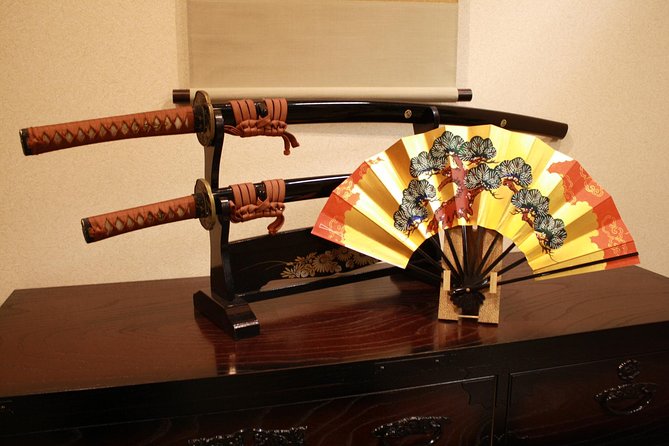
At about $33.03 per person, this is not a cheap add-on. But it is also not a full-day activity, so you have to judge value by what you get for the time.
You are paying for three things bundled together:
- A staged Kembu show with narration
- A structured education piece where you learn meanings before key demos
- A short but real hands-on photo and movement session
A lot of Kyoto performances are either pure theater (all watching, no participation) or pure workshop (all doing, less staged storytelling). This format gives you both in about an hour. If you like cultural performances that explain what you are seeing, the price starts to make sense.
Also, you are getting a chance to take personal photos in a setting that is not easy to recreate elsewhere. That photo value is real, even if you do not care about Instagram. It is a tangible souvenir of an activity that feels different from another temple stop.
If you are the type who only wants intense fighting drills, you might feel the cost is high for how theatrical it is. But if you are open to a historical art form presented with humor and clear explanation, this pricing often feels fair for what you experience.
Who should book this Kembu performance, and who should adjust expectations
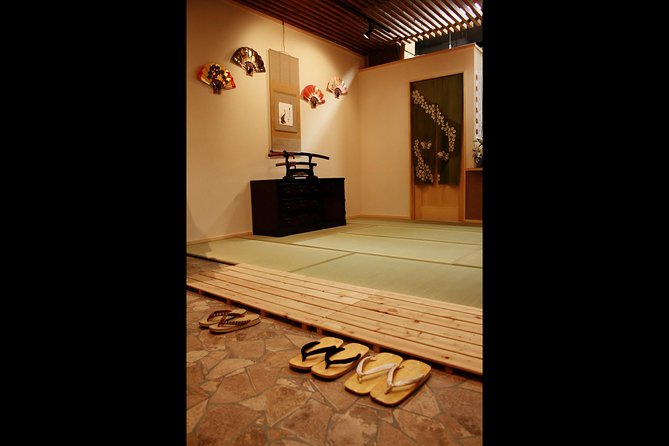
This works best for people who enjoy learning by watching, then trying a few moves. The show portion is guided with English narration and short context lessons, and the end gives you a simple participation moment rather than a demanding class.
It is especially good if you want something different from Kyoto’s temple-and-shrine routine. Many people describe it as an entertaining cultural detour that still feels respectful and informative. You will likely appreciate that it is designed as an accessible evening program, not a deep academic lecture.
Families also tend to do well here, because the format is short, theatrical, and the staff atmosphere is friendly. The energy is often light, and humor shows up in the storytelling.
Set expectations if you want a serious, battle-only style performance. A few people felt there was more narration and fun dialogue than nonstop combat. If that is you, think of it as samurai-themed performance art with historical context, not a reenactment of warfare training.
On the language side, the program is designed with English narration, but some non-native speakers have found parts hard to follow. If your listening comfort is limited, arriving early and seating well can help you catch more of the story.
Tips for smoother seating, better photos, and less stress
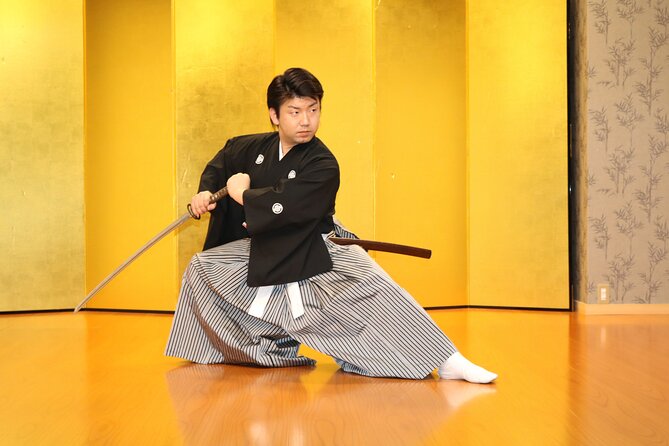
A few small choices can make your evening feel smoother.
- Arrive early, so you can settle before shoes-off rules kick in.
- If you have preference, choose seating that is comfortable for you. Some chairs are low to the ground.
- Keep your camera ready for the photo window after the show. The photo session is a main event, so you will want to use it confidently.
If you are planning to walk from elsewhere, remember the reception desk approach is via stairs on the right toward the GOZAN building. Once you know that one detail, you will not waste time searching.
And lastly, go in wanting to participate. The experience becomes more memorable when you treat the mini session as part of the fun, not as something to watch from the side.
Should you book Samurai Kembu in Kyoto?
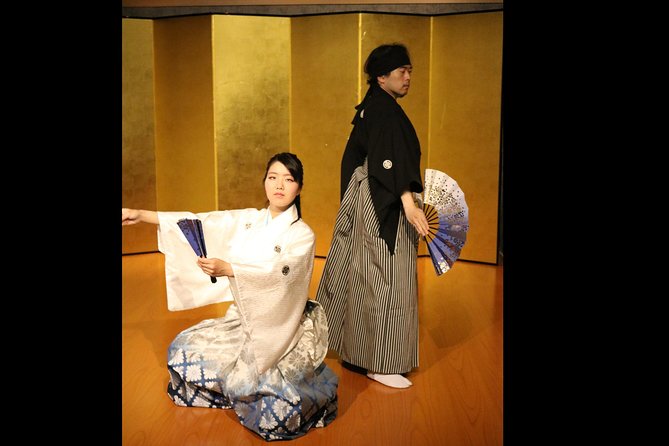
Yes, I think you should book it if you want a short, engaging evening cultural show with real participation. The combination of Kembu sword and fan demonstrations, English narration that explains what you are seeing, and the photo session where you hold a sword makes it feel like value for both curiosity and fun.
Skip it or adjust expectations if you want a hard-core, serious sword-fighting clinic. This is performance art with history and meaning, not a full training course.
If your Kyoto day has temples, crowds, and walking already, this is a nice change of pace, and the timing makes it easy to fit in.
FAQ
What is the total time for the Samurai Kembu Kyoto experience?
The experience is about 1 hour total, with around 40 minutes for the show and time afterward for the mini photo and participation session.
Where is the Samurai Kembu Theater in relation to Kyoto landmarks?
It is located in downtown Kyoto and is described as near public transportation. It is also near the Gion district.
Do I need to remove my shoes?
Yes. You will be asked to take off your shoes when you enter the venue in the traditional style.
Is the ticket mobile?
Yes. The ticket is a mobile ticket, and confirmation is received at booking time.
Can I take my own photos during the experience?
Yes. After the show, you have time for a photo session with the performers, including the chance to hold a sword.
Are food and drinks included?
No. Food and drinks are not included.
What is the cancellation policy if plans change?
You can cancel for a full refund if you do so at least 24 hours before the experience start time. If you cancel less than 24 hours before, you will not be refunded.
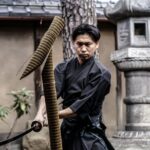
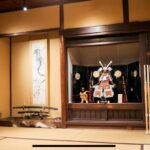
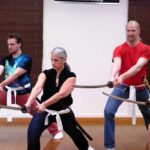
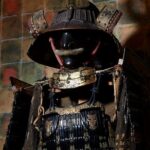
Blade Work and Stagecraft
Newest Kyoto write-ups from the Loving Japan desk
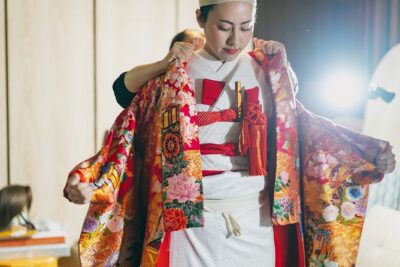
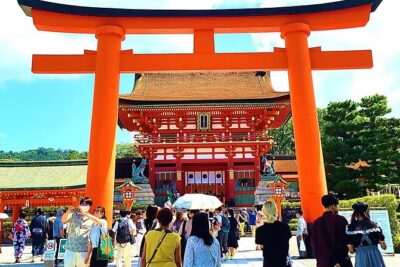
Samurai, Ninja and Sword Experiences, side by side.
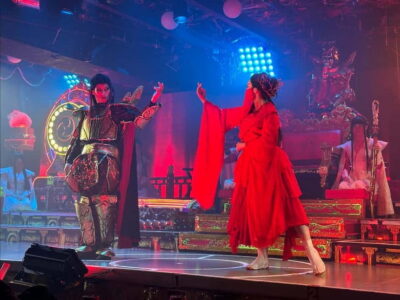 ★ 4.5Samurai Restaurant Show Ticket with 2 DrinksFrom $551,307 reviews
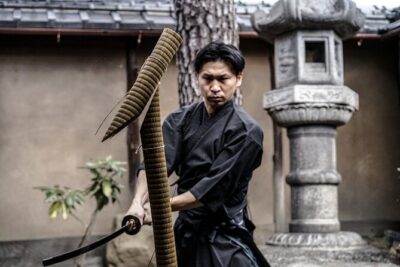 ★ 5.0Kyoto Samurai ExperienceFrom $1191,294 reviews
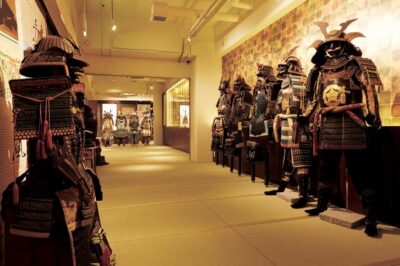 ★ 4.6Samurai Ninja Museum Guided tour and ExperienceFrom $271,010 reviews
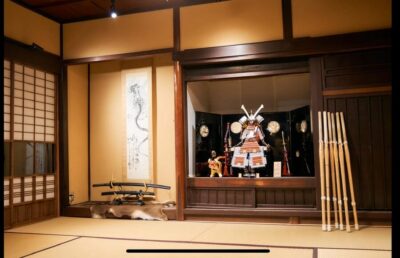 ★ 4.9Kendo and Samurai Experience with Uniform and GearFrom $103815 reviews
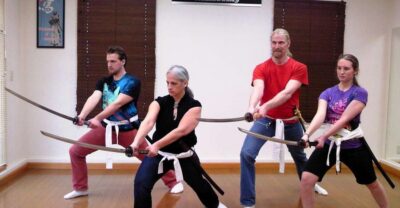 ★ 4.9Samurai Sword Class by Experts in Traditional ArtsFrom $64657 reviews
 ★ 4.5Skip the lines Basic Ticket at SAMURAI NINJA MUSEUM KYOTOFrom $28632 reviews
 ★ 5.0Samurai Sword & Archery Class from Samurai DescendantFrom $193603 reviews
 ★ 5.0Samurai Training Experience KENDO in OsakaFrom $131515 reviews
Filed on these lists too