
REVIEW · HIROSHIMA PEACE MEMORIAL PARK AND MUSEUM
The Peace Memorial to Miyajima : Icons of Peace and Beauty
Hiroshima and Miyajima in one day. This small-group tour (max eight) ties together Hiroshima Peace Memorial Park, the Atomic Bomb Dome and museum, then heads to Itsukushima Shrine on Miyajima using included tram, bus, and ferry fares. I like the small-group pace, so you can pause and absorb what you’re seeing, and I also like the English-speaking local guidance, including Ken (Kensuke Ohguchi) and Yuka Yoshida from recent groups. The drawback to plan for: it is a full schedule with a lot of public transport time, and lunch is not included.
The day starts at 8:30 am and runs about 8 hours, with walking and standing along the way. Expect heavier morning emotional content, followed by a calmer, scenic afternoon on Miyajima, famous for its red shrine gate and seaside views. If you want an easy, low-movement day, this one is not it, but if you want a smart hit of the main sights in one go, it works well.
Value-wise, you’re paying for a guided route that covers the key memorial stops and keeps your logistics simpler through included transportation and admission at major sites. You get a mobile ticket, and the tour ends in central Hiroshima at Hiroshima Station, which is convenient for the rest of your travel plans. Just be ready with comfortable shoes and patience for transfers.
In This Review
- Key things I’d focus on before you book
- A Small-Group Day That Links Hiroshima Peace Memorial and Miyajima
- Meeting Point, Timing, and What the 8 Hours Actually Looks Like
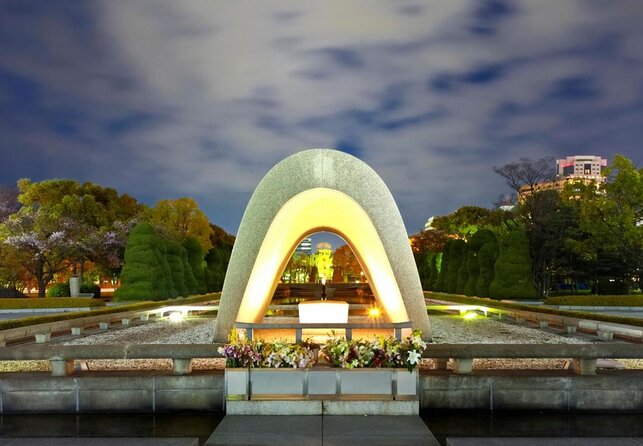
- Hiroshima Peace Memorial Park: The Grounds, the Layout, and Why Timing Matters
- Atomic Bomb Dome and Peace Memorial Museum: How They Work Together
- Then It’s Off to Miyajima: Islands Time With a Different Kind of Quiet
- Itsukushima Shrine on the Water: When the Red Gate Becomes Real
- Guide Quality: Why Ken and Yuka Keep Showing Up in the Feedback
- Price and Value: What You’re Paying For, and Where It Can Feel Expensive
- Getting the Most Out of the Day: Pace, Photos, and Comfort
- Who This Tour Fits Best (And Who Should Look Elsewhere)
- Should You Book This Hiroshima Peace Memorial and Miyajima Tour?
- FAQ
- How long is the tour?
- What are the main stops on the itinerary?
- Is lunch included?
- How big is the group?
- What is included in the tour price?
- Do I need to buy tickets for the sites?
- Can I get help with photos on this tour?
- What happens if the weather is bad?
- Is there a cancellation refund window?
Key things I’d focus on before you book
- Max eight people means you get real face time with the guide and a pace that does not feel like a cattle-line
- The guide can make the story click with clear English, including Ken (Kensuke Ohguchi) and Yuka Yoshida
- Smart pacing at the museum helps you see the essentials without running out of time
- Included tram, bus, and ferry fares reduce the amount of figuring out you have to do
- A true two-theme day: WWII remembrance in Hiroshima, then Miyajima shrine scenery in the afternoon
The Peace Memorial Park and Museum, further guided visits
- Hiroshima Historical Walking Tour – Why A-Bomb was Dropped
★ 4.8 · 893 reviews - Hiroshima Peace (Heiwa) Walking Tour at World Heritage Sites
★ 5.0 · 872 reviews - Hiroshima: Miyajima Peace Memorial Icons of Peace and Beauty
★ 4.9 · 361 reviews - Hiroshima/Guided Virtual Tour of Peace Park/PEACE PARK TOUR VR
★ 5.0 · 157 reviews
A Small-Group Day That Links Hiroshima Peace Memorial and Miyajima
This tour is built for people who want one efficient day that still feels personal. The small group size, capped at eight, is the big differentiator. In practical terms, it means you’re not constantly waiting for a big pack to shuffle forward, and you’re more likely to get your questions answered without the guide having to shout.
The route also makes sense. Hiroshima Peace Memorial Park and the Atomic Bomb Dome are the center of gravity for WWII remembrance, and the Peace Memorial Museum is where the context gets heavier and more specific. Then you move to Miyajima, where the vibe changes fast. You’re still in Japan with meaningful places, but the scenery and shrine architecture take over your attention in the afternoon. That contrast is a lot of what makes the day memorable.
One note on expectations. This is not a sightseeing buffet with random stops. It’s a guided storyline, and it can feel emotionally intense in the morning. If you prefer your history lighter and your days more relaxed, you may want a different plan. But if you want a grounded, coherent experience, this does the job.
Meeting Point, Timing, and What the 8 Hours Actually Looks Like
The tour meets at 7-Eleven Hiroshima Motoyasubashi East Store at 1-chōme-5-20 Ōtemachi in Naka Ward. Start time is 8:30 am, and the tour ends at Hiroshima Station (drop-off is in central Hiroshima at the station area).
It runs about 8 hours total, and the itinerary is paced around transit and time inside the key sites. The morning includes Peace Memorial Park for about two hours, then quick stops to the Atomic Bomb Dome and the Peace Memorial Museum. After that, you head to Miyajima for about two hours of island time, and then you spend about 1.5 hours at Itsukushima Shrine.
This schedule has two real implications for you:
- You should plan to move with purpose. There’s enough walking for moderate fitness, as the day expects you to keep moving.
- You will feel the rhythm of public transport. If you are the kind of person who hates transfers, you might feel frustrated. That’s the one downside that showed up more than once in feedback, and it’s worth taking seriously.
The good news is that public transport fares are included (tram, bus, and ferry). So you’re not paying out-of-pocket or spending your morning comparing routes. You’re also issued a mobile ticket, which helps keep things streamlined on the go.
Hiroshima Peace Memorial Park: The Grounds, the Layout, and Why Timing Matters
Peace Memorial Park is where the day becomes grounded. The grounds mix greenery and water features with memorial structures, paths, and space for reflection. You spend about two hours here, and admission is included.
What makes this stop work on a guided tour is the flow. You’re not just wandering. You’re walking through a curated sequence of memorial points, which helps you understand what each area is meant to communicate. This is also where a good guide earns their keep.
Recent guide feedback highlights the same pattern: Ken (Kensuke Ohguchi) and other guides help people connect the monuments to the events of August 6, 1945. That matters because without context, it’s easy to see powerful sites and still leave without a clear takeaway.
A practical tip: plan your pace. If you rush, you’ll miss the quiet parts that make the memorial hit harder. If you slow down too much, you may feel time pressure later at the museum. The small group size helps here, because the guide can adjust pacing to what the group needs.
Pairing the city with Miyajima. Other itineraries
- Peaceful Hiroshima & Miyajima UNESCO 1 Day Bus Tour★ 5.0 · 5,309 reviews
- Hiroshima: Hiroshima and Miyajima UNESCO Sites 1-Day Tour★ 4.9 · 2,330 reviews
- Hiroshima / Miyajima Full-day Private Tour with Government Licensed Guide★ 5.0 · 1,298 reviews
- Hiroshima in a Nutshell: Morning Bike Adventure★ 5.0 · 524 reviews
- Hiroshima City 4hr Private Walking Tour with Licensed Guide★ 5.0 · 437 reviews
Atomic Bomb Dome and Peace Memorial Museum: How They Work Together
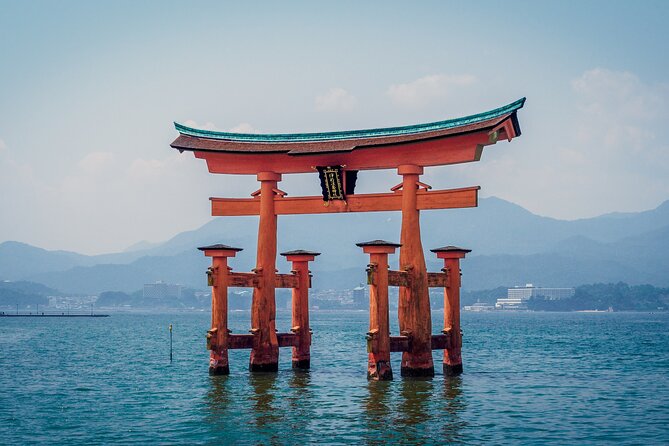
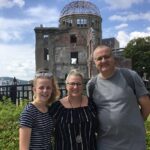
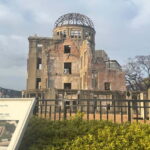
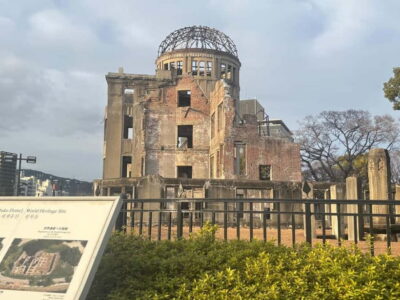
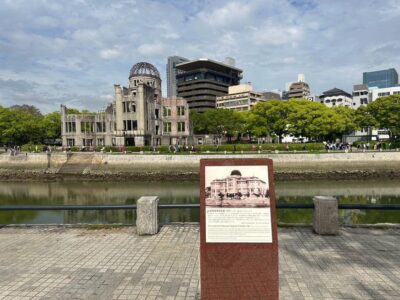
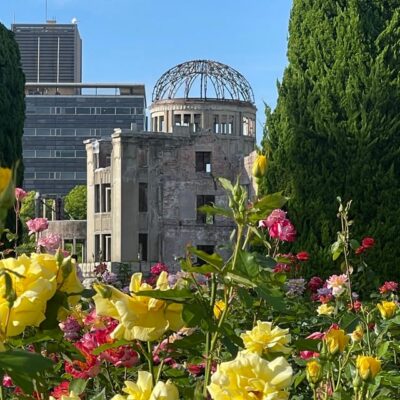
From the park, you get to the Atomic Bomb Dome, a UNESCO World Heritage Site. Time here is about 20 minutes, and admission is free.
That short time window is not a problem if you treat it like what it is: a moment. You’ll see why the Dome is preserved and why it matters as a physical witness to what happened. It’s also a good mental pivot point. After processing the park, the Dome gives you a single, unforgettable focal image.
Then comes the Peace Memorial Museum for about one hour, with admission included.
This is where the day deepens, but not in a scary, overwhelming way if your timing is right. In feedback, people praised the guides for managing museum time so you have enough to see what you came for without feeling rushed. That is exactly how you want a memorial museum tour to work. You’re dealing with difficult content, so you need enough time to read and absorb, but not so much time that you mentally wear out.
There is one drawback to consider: because the museum is only about an hour, you might not be able to study every exhibit. If you’re the kind of person who likes to read every placard slowly, you may want to follow up later on your own. But for a single-day plan that also includes Miyajima, the balance is sensible.
Then It’s Off to Miyajima: Islands Time With a Different Kind of Quiet
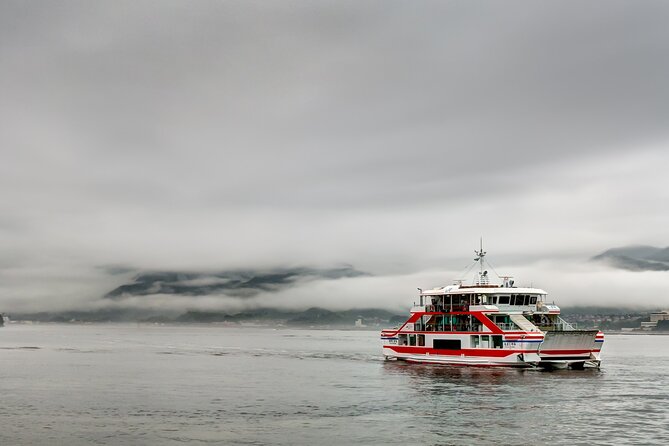
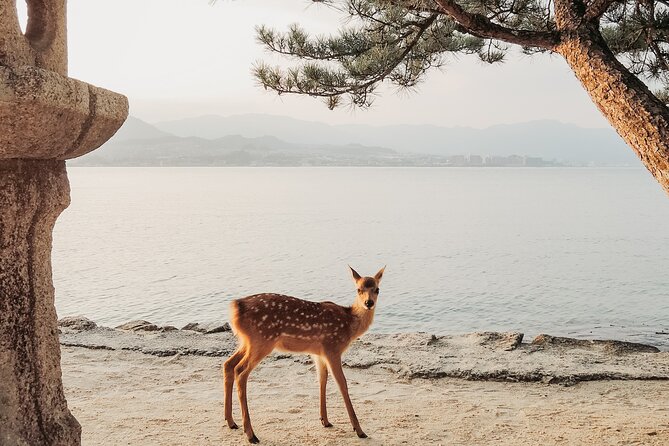
After Hiroshima, the schedule shifts gears. Miyajima is a place where nature, shrine culture, and classic Japanese architecture blend together. Your stop includes about two hours on the island, and admission is free for this part.
This is the phase where you start to feel the day breathe. The memorial weight from earlier doesn’t magically disappear, but your senses reset. You’re walking through a different kind of atmosphere. The scenery, the red maple colors you may spot, and the sense of place around the shrine area all change your tempo.
Two practical things to remember:
- You’ll likely spend time waiting for and using transport. Even with included ferry time, you should be mentally ready for a couple of transition moments.
- Comfort matters more than usual. After a morning of walking through memorial grounds and then moving through a second setting, you’ll appreciate shoes that don’t punish your feet.
If you’re a photographer, this is also where you can focus on composition rather than text. The island’s iconic views give you plenty to shoot without needing an advanced gear plan.
Itsukushima Shrine on the Water: When the Red Gate Becomes Real

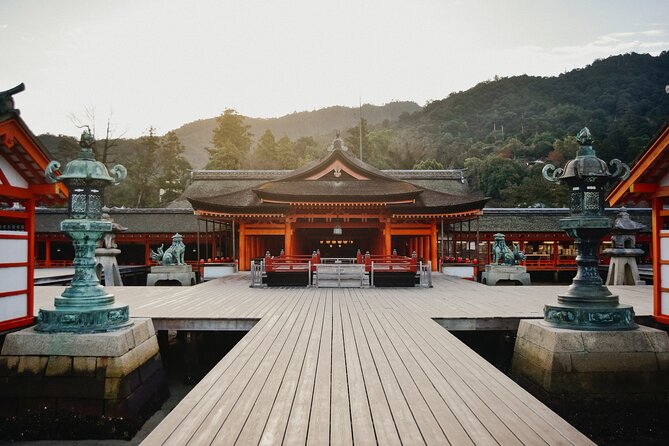
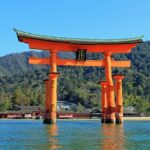
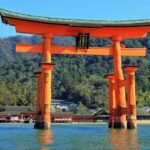
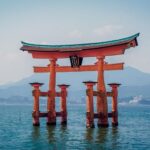
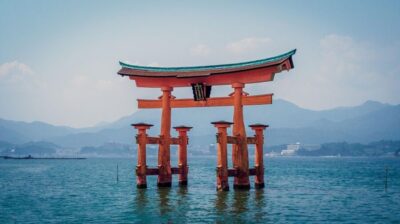
Itsukushima Shrine is the centerpiece of Miyajima in many people’s minds, and your time here is about 1.5 hours. Admission is included.
The shrine’s famous setting is what you came for: structures built in a way that feels connected to the water. That makes it feel different from inland shrines. Even if you don’t know every term in Shinto architecture, you can still feel the intent: the shrine looks like it belongs to the shoreline, not just sitting on it.
This is also where the emotional tone can shift again. In Hiroshima, your focus is on WWII remembrance. On Miyajima, you’re still dealing with history, just in a different register. It can feel like you’re moving from a heavy chapter to a quieter one, without changing countries or switching tours entirely.
A helpful mindset: treat your shrine time as a slow walk and a few longer looks, not a checklist. With only about 1.5 hours, you do not want to sprint from one photo angle to the next. Let the space do its job.
Guide Quality: Why Ken and Yuka Keep Showing Up in the Feedback
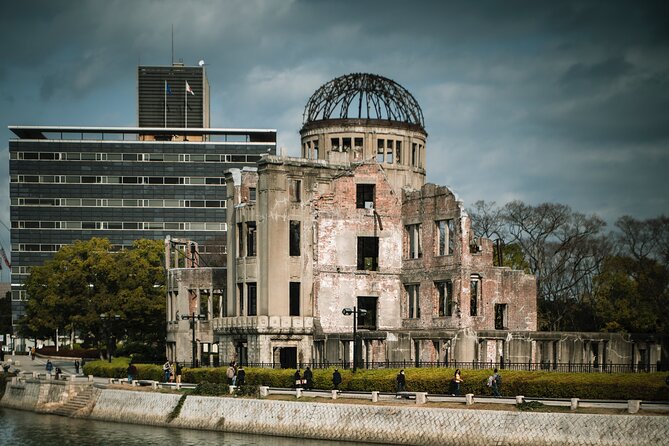
The guides are a standout part of this experience, based on what people say most often. Ken (Kensuke Ohguchi) comes up again and again. Yuka Yoshida also appears in feedback as an excellent guide.
What matters is not just that the guide speaks English. It’s how they use it. People praised the way guides explain what you’re seeing in the memorial sites, and they also mention good pacing inside the museum. There’s also a pattern of guides being responsive to smaller groups, including adjusting to timing needs if someone is running late.
One story worth noting for your expectations: at least one group described the guide as flexible about the end location, even taking the group back where they started. You should not rely on that as a guaranteed perk every time, but it’s a clue that the guides can adapt when circumstances happen.
If you care about context, don’t underestimate this. Without solid interpretation, Hiroshima can become a set of impressive structures. With the right guide, it becomes a coherent story you can carry with you.
Price and Value: What You’re Paying For, and Where It Can Feel Expensive
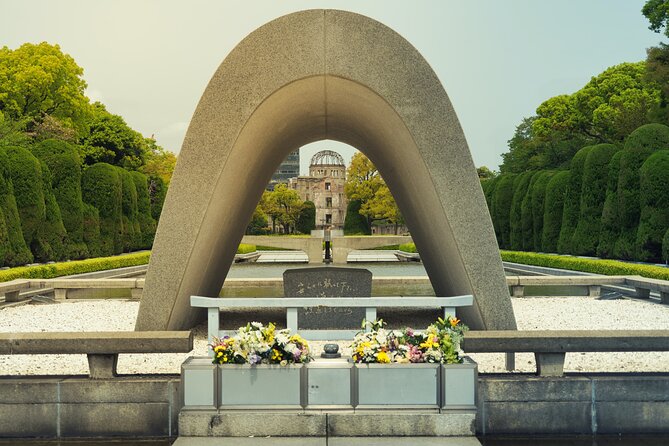
The price is $167.44 per person, and it’s often booked about 36 days in advance. That may sound steep until you break down what’s included.
From a value lens, this tour covers:
- Public transport fares (tram, bus, and ferry)
- Admission included at Hiroshima Peace Memorial Park
- Admission included at the Hiroshima Peace Memorial Museum
- Admission included at Itsukushima Shrine
- Atomic Bomb Dome entry is free
- A guide for the full day
- A mobile ticket
Lunch is not included, so you should factor that cost if you plan to eat during the day.
So when does it feel like a good deal? When you value two things: having someone coordinate the route for you and using time efficiently at the major sites. If you were doing this on your own, you’d still have to figure out transit, buy admissions, and manage your own pacing. For many people, paying for that coordination is worth it.
When might it feel overpriced? If you’re the type of person who expects private transport, minimal transfer time, and a more relaxed pace, the public transit rhythm can be a letdown. One criticism specifically called out the transport process and the overall day feeling too expensive for the time spent moving between locations.
There’s also a nuance around boats to Miyajima. Some options may look faster on paper, but the more reliable public ferry approach is part of why this tour can stay on schedule. One operator explanation in feedback noted that some smaller boats can be affected by tide or weather and may sell out ahead, so a public ferry approach can be safer for reliable operations. That’s the kind of tradeoff you’re paying to avoid.
Getting the Most Out of the Day: Pace, Photos, and Comfort
This is an 8-hour tour with walking and public transport. So the best way to enjoy it is to treat it like a guided day hike, not a slow museum afternoon.
Here’s what I’d do to make your day smoother:
- Wear comfortable shoes you can stand in for long stretches.
- Bring water and small snacks, since lunch is not included.
- Set expectations that the museum stop is one hour. Bring a short list of what you want to learn, so you can focus your reading.
- Keep your camera ready for Miyajima. You’ll have enough time to capture the shrine area, but you should still move at a human pace.
On the pace side, the small group size helps you avoid getting left behind in the middle of transit. Still, public transport is public transport. You may have to wait. If you can relax your planning brain and let the guide handle the routing, you’ll enjoy the day more.
Who This Tour Fits Best (And Who Should Look Elsewhere)
This tour fits you well if:
- You want a single-day plan that covers the core Hiroshima memorial sights plus Miyajima’s big-name shrine view
- You like small group tours and a guide who can explain what you’re seeing
- You have limited time in Hiroshima and want to avoid doing all the transit planning yourself
It might not fit you well if:
- You want minimal transit time and hate transfers
- You need long, unstructured time at museums and would rather linger without an itinerary
- You’re looking for a lunch-included comfort tour rather than a practical public-transport day
The guide factor matters here. If you’re someone who needs context to make historical sites meaningful, this tour is more likely to land well because guides like Kensuke Ohguchi and Yuka Yoshida get strong feedback for turning the sites into a story you understand.
Should You Book This Hiroshima Peace Memorial and Miyajima Tour?
Yes, if you want one efficient day with real meaning and you like the idea of a max-eight group with an English-speaking local guide. The combination is practical: Hiroshima’s memorial stops in the morning, Miyajima’s shrine scenery in the afternoon, with included transport and admissions that reduce the planning load.
Consider it less if you know public transport transfers will annoy you, or if you want a slower pace with more time inside the museum. In that case, you may find the overall schedule too tight for the price.
My advice for the decision: book it if your priority is a guided, coherent route that hits the big sites without you piecing together everything yourself. Skip it if your priority is comfort and low movement over structure and interpretation.
FAQ
How long is the tour?
It runs about 8 hours.
What are the main stops on the itinerary?
You visit Hiroshima Peace Memorial Park, the Atomic Bomb Dome, the Hiroshima Peace Memorial Museum, Miyajima, and Itsukushima Shrine.
Is lunch included?
No, lunch is not included.
How big is the group?
The maximum group size is eight travelers.
What is included in the tour price?
Public transportation fares (tram, bus, and ferry) are included, and admission is included for major stops listed in the itinerary.
Do I need to buy tickets for the sites?
Admission is included for Hiroshima Peace Memorial Park, Hiroshima Peace Memorial Museum, and Itsukushima Shrine. Atomic Bomb Dome entry is free.
Can I get help with photos on this tour?
There is an option to book a tour with a professional photographer-guide.
What happens if the weather is bad?
This experience requires good weather. If it is canceled due to poor weather, you are offered a different date or a full refund.
Is there a cancellation refund window?
You can cancel up to 24 hours in advance for a full refund.
Hiroshima and Miyajima Together
Guided Visits to the Peace Memorial Park

Newest Hiroshima write-ups from the Loving Japan desk
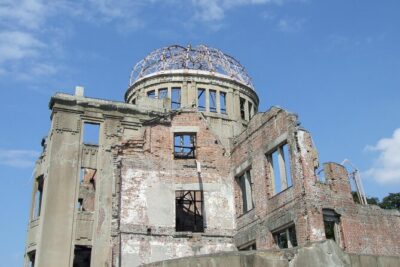
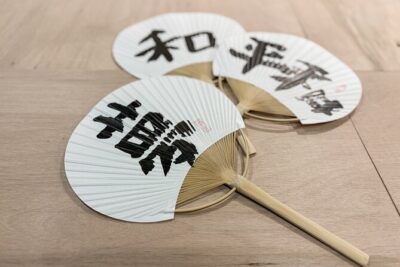
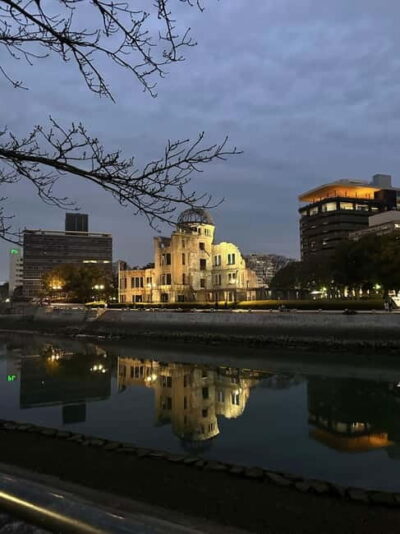
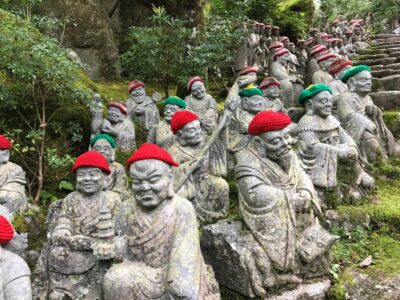
Hiroshima Peace Memorial Park and Museum, side by side.
 ★ 4.8Hiroshima Historical Walking Tour – Why A-Bomb was DroppedFrom $35893 reviews
 ★ 5.0Hiroshima Peace (Heiwa) Walking Tour at World Heritage SitesFrom $94872 reviews
 ★ 4.9Miyajima Peace Memorial Icons of Peace and BeautyFrom $163361 reviews
 ★ 5.0Hiroshima/Guided Virtual Tour of Peace Park/PEACE PARK TOUR VRFrom $33157 reviews
 ★ 4.9Peace Memorial Park and Atomic Bomb Dome TourFrom $2391 reviews
 ★ 5.0Hiroshima; Hiroshima Peace Memorial Museum and Castle TourFrom $6789 reviews
 ★ 5.0Hiroshima & Miyajima: UNESCO A-Bomb Dome & ItsukushimaFrom $17776 reviews
 ★ 5.0Hiroshima History Tour : A-Bomb Dome, Peace Memorial & CityFrom $10343 reviews
Filed on these lists too