
REVIEW · SHOPPING TOURS
Tokyo Shopping Street Hopping Private Tour with Government Licensed Guide
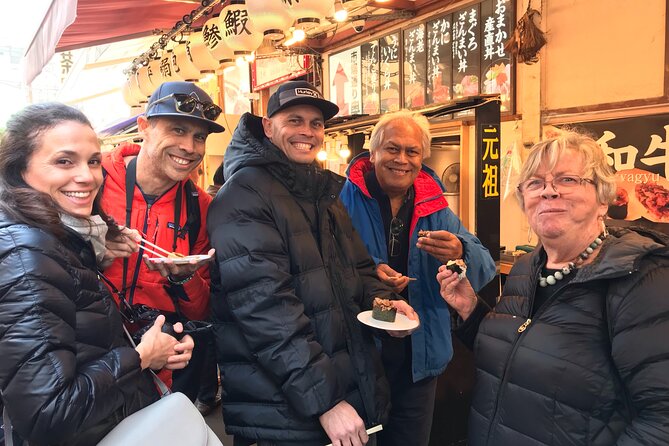
Shopping streets in Tokyo, without the stress. I love the hotel pickup included, because it helps you dodge the usual getting-lost start. I also love that you walk with a government licensed guide, so you get real context for what you see and buy. One consideration, this is a walking tour and it is not built for long taxi rides, so you should budget for transport on your own if you go beyond the walking plan.
This half day is all about shotengai life, the shopping streets where locals actually eat, browse, and run errands. You get a mix of classic market energy and modern teen fashion, all organized so you spend less time hunting and more time shopping.
You also get control. With several morning start times and a private format, you can shape the day around your interests, not just your tour groups schedule.
In This Review
- Key things that make this tour work well
- Meeting up without the Tokyo maze
- Price and value for a 6 hour private shopping plan
- How customizing 3 to 4 stops keeps your day from feeling rushed
- Ameyoko Shopping Street by the rail tracks, big snack and bargain energy
- Kappabashi Street for cookware, tools, and restaurant style souvenirs
- Yanaka Ginza for a slower, old-town Tokyo stroll
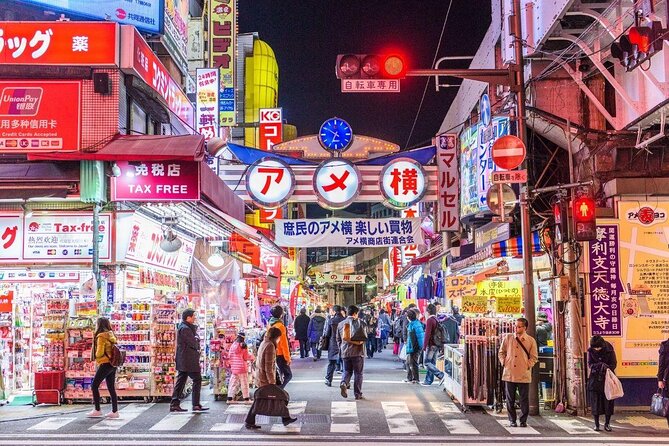
- Tsukiji Fish Market for seafood energy and efficient sightseeing flow
- Shibuya Cat Street for fashion browsing and teen culture alley vibes
- Takeshita Street for classic Harajuku chaos, candy and quick buys
- Shibamata for older residential Tokyo charm near the Edogawa River
- Akihabara for electronics and Japanese pop culture shopping
- What the guides do that makes shopping easier
- Who this tour suits best
- Should you book this Tokyo shopping street tour?
- FAQ
- How long is the Tokyo shopping street hopping private tour?
- Is this tour private or shared?
- Can I choose which stops to visit?
- Does the tour include pickup from my hotel?
- Is transportation included in the price?
- Are entrance fees and lunch included?
- Are there different start times?
- Is the cancellation free if I change my plans?
Key things that make this tour work well
- Government licensed guide with Japanese culture and history built in
- Pickup included so you begin with less Tokyo guesswork
- Pick 3 to 4 sites from a strong list, so the day fits your taste
- Morning start time flexibility for better weather and energy
- English speaking support for navigating shops and getting directions
- Mobile ticket for a smoother check in
Licensed guides working the same ground
- Tokyo 6hr Private Tour with Government-Licensed Guide
★ 5.0 · 3,902 reviews - Tsukiji Food and Toyosu Market with Government-Licensed Guide
★ 5.0 · 158 reviews - Toyosu Market Morning Tuna Auction and Tsukiji Food Tour with Licensed Guide
★ 4.5 · 146 reviews - Tokyo 8hr Private Tour with Government-Licensed Guide
★ 5.0 · 121 reviews
Meeting up without the Tokyo maze
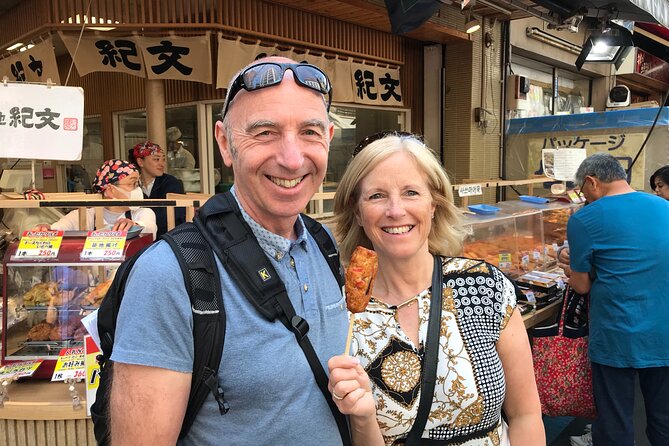
Tokyo is great, and also easy to overthink. This tour solves that with a pickup included from your hotel area, then you meet on foot within a designated area. In plain terms, your guide meets you and gets you moving right away, instead of you trying to find a meeting point while juggling maps, transit, and crowds.
The private setup matters too. You are not dealing with a big group that has to vote on every turn. Guides highlighted how visible they are at the start, holding a sign with names, and how they check in at the beginning to set expectations. That first 10 minutes can make the difference between a stressful scramble and a relaxed shopping walk.
Price and value for a 6 hour private shopping plan
At $154.37 per person for about 6 hours, this tour prices like a true guide experience, not just a generic walking loop. You are paying for four things that add up quickly in Tokyo:
First, the government licensed guide. You are not just following a route, you are getting explanations about what you are seeing and why it matters.
Second, the customizable route. You choose 3 to 4 stops from the available list, which means you can skip the parts you do not care about and spend your time where your money and curiosity go.
Third, time saved. Shopping streets are close together in some zones, but Tokyo travel adds friction. A good guide reduces the “which station, which exit” stress.
Fourth, practical help in shops. Several guides in the feedback emphasized support like navigating the subway system and translating when needed. Even if you speak basic phrases, that kind of real-time help can make shopping easier and calmer.
What is not included is also part of the value equation. Transportation fees, entrance fees, lunch, and personal expenses are not covered. That means the best way to treat this is like a guided shopping strategy session, not an all-inclusive meal and transit package.
How customizing 3 to 4 stops keeps your day from feeling rushed
The core idea is simple: you select a small set of stops that match your goals, then your guide builds the walking plan around that. The day still feels like one tour, but it does not feel like you are forced through everything.
In practice, I would use this approach:
- If you want food and snacks, start with a market street stop and keep the later stops more fashion and browsing oriented.
- If you want gifts or kitchen tools, prioritize the cookware street earlier in the day so you can compare items calmly.
- If you want a mix of old and new Tokyo, pair a traditional neighborhood stop with one or two trend-focused areas.
Also, the tour runs in about 6 hours, so you want to make your “must-buy” list before you start. A guide can help you find what you need faster, but shopping still takes time.
- Mt Fuji and Hakone 1-Day Bus Tour Return by Bullet Train★ 5.0 · 26,383 reviews
- 1-Day Tokyo Bus Tour★ 5.0 · 14,250 reviews
- Tokyo: teamLab Planets TOKYO Digital Art Museum Entry Ticket★ 4.6 · 9,779 reviews
- Mt Fuji & Hakone Cruise, Drum Show Bullet Train 1 Day from Tokyo★ 4.0 · 7,413 reviews
- Tokyo Mt Fuji 5th St & Hakone Cruise Bus Tour w/Bullet Train★ 4.4 · 5,024 reviews
Ameyoko Shopping Street by the rail tracks, big snack and bargain energy
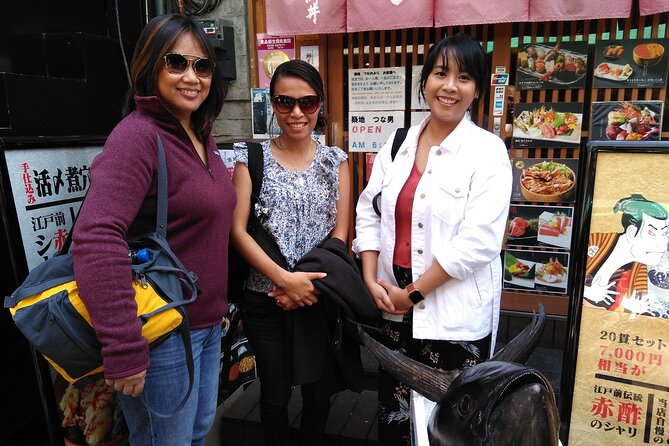
Ameyoko (アメ横) is the kind of place where you can wander for an hour and still not fully process what you just smelled and saw. It sits along the Yamanote Line tracks between Okachimachi and Ueno stations, and that location gives it nonstop foot traffic.
This stop shines for:
- Casual browsing for snacks and small food treats
- Trying local market-style shopping without a formal museum vibe
- Getting that everyday Tokyo feel of busy street commerce
What to expect from this portion of the walk is simple: it is lively, crowded, and focused on shopping and eating. If you like to grab a few things along the way, this is an easy place to start.
A drawback to keep in mind is also simple. Because it is busy, you will want to keep your valuables secure and avoid the “stop in the middle and film everything” habit. If you do that, the crowd will do what crowds always do, squeeze you.
Kappabashi Street for cookware, tools, and restaurant style souvenirs
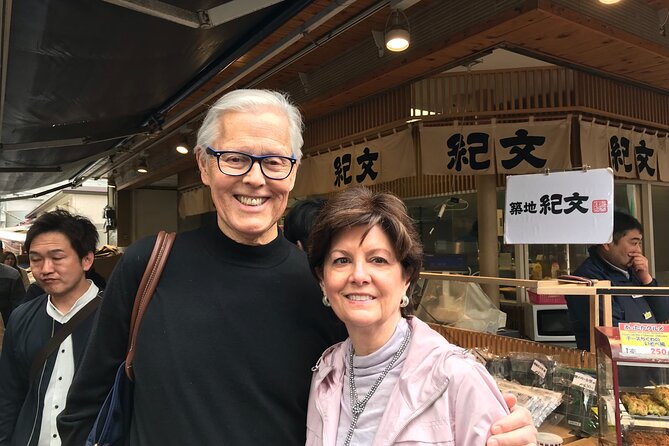
Kappabashi Dogugai (かっぱ橋道具街) is famous for supplies that restaurant operators and serious home cooks actually want. This is the stop if you like practical gifts, kitchen gadgets, tableware, and anything that feels like it belongs behind a Japanese chef’s counter.
This is not about one flagship store, it is about dozens of shops lined up like a specialty aisle exploded across the street. You can compare brands and materials more easily here than in random shopping malls.
What to watch for:
- You may see restaurant-focused items, so plan your budget like you are shopping for tools, not just trinkets.
- It is a great place to look first and buy after you get a feel for what each shop sells.
The only caution is what you might bring home. Kitchen items can be heavier than you think, especially if you go for sets or larger utensils. If you are flying home with limited baggage, set a weight limit for yourself before you start browsing.
Yanaka Ginza for a slower, old-town Tokyo stroll
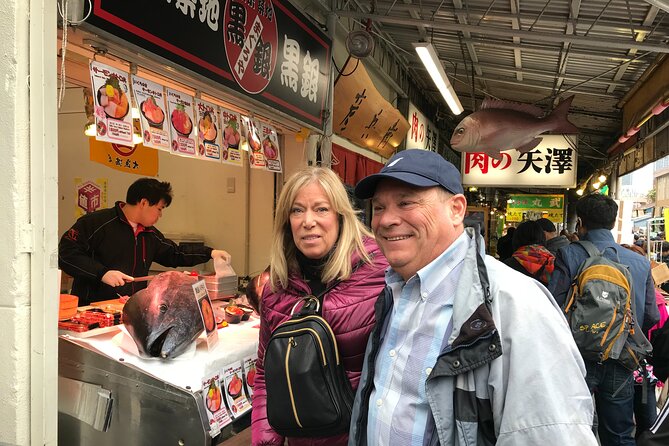
Yanaka Ginza is where you get Shitamachi style nostalgia, the more old-school side of Tokyo that still feels residential and lived in. It is a shopping street that rewards slower walking, not frantic pace.
This stop works best if:
- You want a break from big crowd zones
- You like small shops, traditional snacks, and simple souvenirs
- You want pictures that feel like a neighborhood, not a theme park
The drawback is that you will not get the same intense “buy immediately” feel as the bigger market streets. If you want high-end shopping or major chain brands, you may feel less tempted here. But if you want character, this is the kind of place you will remember.
If your travel style is more thoughtful than fast, this is the stop to anchor your “traditional Tokyo” half day.
Tsukiji Fish Market for seafood energy and efficient sightseeing flow
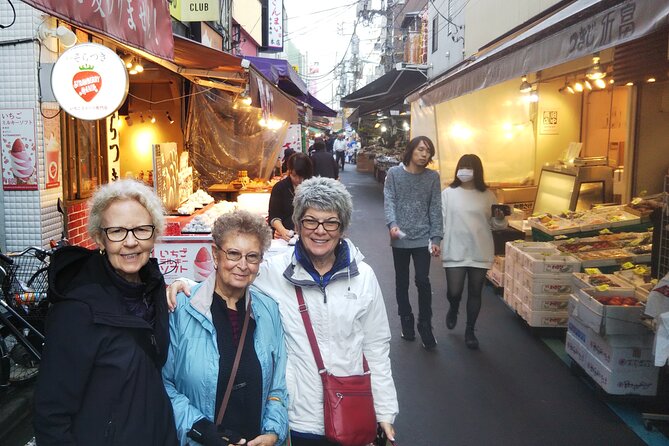
Tsukiji Fish Market is a name that carries worldwide recognition. Here, your guide helps you experience it in a way that fits a half day, instead of you getting stuck in one spot while the hours slip by.
This stop is useful for:
- Seeing the seafood district atmosphere in an efficient time window
- Getting a feel for Tokyo’s food culture without building a whole day around it
- Using the market zone as a practical waypoint in a larger shopping route
Because this is a guided, time-limited stop, you do not need to treat it like a full research project. Your guide can help you move where it makes sense within the tour time.
One consideration is expectations. Tsukiji is famous, so it can be crowded. That is normal, plan for it, and keep your pace steady. If you get tense about crowds, you might prefer pairing Tsukiji with one calmer neighborhood stop like Yanaka Ginza.
Shibuya Cat Street for fashion browsing and teen culture alley vibes
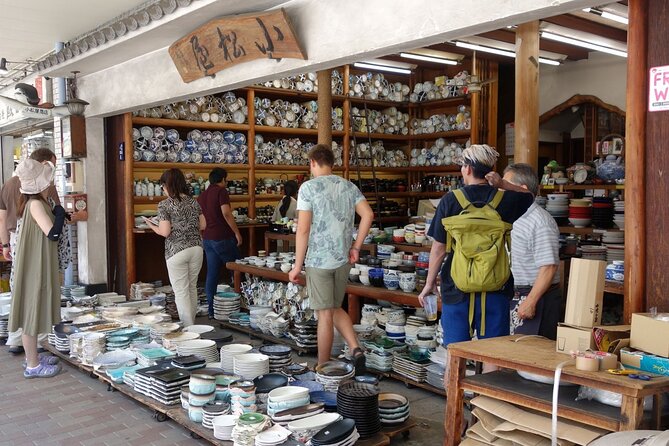
Cat Street is a pedestrianized alley nickname between Harajuku and Shibuya. It is known for youth fashion culture, so you will see the street style side of Tokyo more than the shopping-market side.
This stop is a great match if you:
- Like browsing clothing, accessories, and niche shops
- Want to connect the dots between Harajuku and Shibuya
- Enjoy people-watching without needing a formal activity
The drawback is that the style here may be very trend focused. If you are shopping for classic souvenirs or practical everyday items, Cat Street might feel more like inspiration than purchase convenience. Still, it is a fantastic place for photos and for understanding how fashion culture spreads across Tokyo.
Takeshita Street for classic Harajuku chaos, candy and quick buys
Takeshita-dori Street is Harajuku in full swing, known for youth culture shopping and playful items. Expect pedestrian shopping, quick snack stops, and a strong “this is what Tokyo looks like in pop culture” vibe.
This stop tends to work well for:
- Fast, fun souvenir shopping
- Candy, snack, and small gift hunts
- People who want a recognizable Tokyo moment
The tradeoff is obvious once you are there. It can feel busy and intense, and your attention will be pulled in every direction. If you are easily overwhelmed, treat Takeshita like a controlled sprint, pick your must-buys, then move on with your guide’s help.
A smart strategy is to keep Takeshita for later in your day after you have already “earned” your browsing energy with less chaotic areas.
Shibamata for older residential Tokyo charm near the Edogawa River
Shibamata (柴又) is on the eastern side of Tokyo, not far from the Edogawa River, which is the natural border between Tokyo and Chiba prefecture. It has an old-school charm that feels more residential than the central shopping hubs.
This stop is valuable if you want balance. A day that includes modern shopping zones can start to feel like nonstop stimulation. Shibamata gives you a breather with a slower neighborhood rhythm.
What to expect:
- A calmer atmosphere than the trend streets
- More of that lived-in Tokyo feeling
- A chance to shop for simpler, locally flavored souvenirs
The only drawback is that it may not satisfy you if you came specifically for electronics, big brand shopping, or fashion hype. Shibamata is about character and pacing, not flashing sales.
Akihabara for electronics and Japanese pop culture shopping
Akihabara (秋葉原) is the electronics district, and also a hub for Japanese pop culture shopping. It is famous for electronics shops, and it has grown even more recognized as the center of otaku and related culture.
This stop makes sense if you like:
- Gadgets, electronics accessories, and tech related shopping
- Anime and character merchandise hunting
- A very Tokyo-specific shopping experience that feels different from mainstream malls
The consideration here is that Akihabara shopping can go deep. If you only have a short window, you might need to decide what you want before you arrive, like a game, a specific accessory, or a type of merch.
This is where a guide can be especially useful. One guide support example included help navigating and making shopping easier. With the right plan, Akihabara can be a highlight rather than a blur.
What the guides do that makes shopping easier
Shopping streets are not hard to walk. What is hard is knowing where to go, what to ask, and how to keep your day moving without missing the best stuff.
From the guides’ feedback, three patterns show up:
- They explain options early, then tailor the route to what your group wants. Izumi highlighted that upfront planning made the day fit the family’s interests.
- They communicate clearly and translate in shops when needed. Sam and Noripy were praised for strong English and helpful in-store support.
- They help with navigation, including subways when needed. Noripy’s help finding a lunch spot and translating made the day smoother, even with a picky teen in the group.
Even if your Japanese is limited, you will feel less stuck. Your guide is not just pointing, you are getting direction for buying decisions and practical logistics on the fly.
Who this tour suits best
This tour is a strong fit if you:
- Want to shop on your feet without spending hours planning routes between neighborhoods
- Like mixing traditional areas with modern fashion and pop culture
- Prefer a private day so you can customize what you see
It is also ideal for families who want structure. One feedback thread mentioned help finding lunch choices for a teenager and translating in shops, which is exactly the kind of relief that makes a half day feel manageable.
If you hate crowds, choose stops carefully. Market streets and Harajuku zones can be packed. Pair them with calmer neighborhoods like Yanaka Ginza or Shibamata to balance the day.
Should you book this Tokyo shopping street tour?
If your goal is to shop efficiently and still understand what you are looking at, I think this is an easy yes. The biggest reason is the mix of government licensed guidance and a customizable 3 to 4 stop plan. You get flexibility without losing structure.
Book it if:
- You want pickup included to start smoothly
- You have a shopping theme in mind, food snacks, cookware, fashion, electronics, or old-town Tokyo
- You would rather rely on a guide for route logic and shop help than wing it
Skip or rethink it if:
- You want an all-inclusive day with transport and lunch already paid
- You are not interested in shopping streets at all, since this is built around browsing and buying moments
If you go in with a quick list of what you actually want to buy, this tour turns Tokyo shopping from chaotic wandering into a fun, focused walk you will enjoy for the right reasons.
FAQ
How long is the Tokyo shopping street hopping private tour?
It lasts about 6 hours.
Is this tour private or shared?
This is a private tour, so only your group participates.
Can I choose which stops to visit?
Yes. The tour is customizable, and you choose 3 to 4 sites from the available list.
Does the tour include pickup from my hotel?
Pickup is offered, and you meet your guide in Tokyo in a designated area, then the tour continues as a walking experience.
Is transportation included in the price?
No. Transportation fees are not included.
Are entrance fees and lunch included?
No. Entrance fees and lunch are not included, along with other personal expenses.
Are there different start times?
Yes. You can choose from several morning start times.
Is the cancellation free if I change my plans?
Yes. You can cancel for a full refund if you cancel at least 24 hours in advance.
Licensed Guides on the Same Ground


Newest Tokyo write-ups from the Loving Japan desk






Shopping Tours, side by side.
 ★ 5.0Tokyo Tsukiji Fish Market Food and Culture Walking TourFrom $993,184 reviews
 ★ 5.0Tsukiji Fish Market Food and Walking tourFrom $301,724 reviews
 ★ 4.9Tsukiji Fish Market Guided Walking TourFrom $221,397 reviews
 ★ 5.0Nishiki Market Brunch Walking Tour (7 Tastings + Brunch)From $681,355 reviews
 ★ 5.0Tsukiji Fish Market Guided Tour and Sushi Making with Pro ChefFrom $104775 reviews
★ 4.7Tsukiji Fish Market Food and Culture Walking TourFrom $96757 reviews
 ★ 5.0Tsukiji Fish Market: Street Food & Culture Walking TourFrom $33669 reviews
 ★ 5.0Tsukiji Fish Market Small-Group Food Walking TourFrom $87621 reviews
Filed on these lists too