
REVIEW · TSUKIJI AND TOYOSU FISH MARKETS
Tokyo: Tsukiji Market and Hama-rikyu Gardens Guided Tour
Tokyo smells like sea air and breakfast. This guided walk pairs Tsukiji Outer Market food culture with a calm pause at Tsukiji Hongwanji before you head to Hama-rikyu Gardens. I love how quickly the tour turns you from a spectator into a smart snack buyer, and I love the big contrast between market energy and Edo-period garden calm.
One consideration: you’ll do a lot of walking, and the optional matcha and wagashi tasting adds about 1,000 yen if you choose it on-site. If you’re sensitive to crowds or have mobility limits, read the suitability notes carefully before you book.
In This Review
- Key Things I’d Plan For
- Tsukiji Hongwanji: A Calm Start Before the Food Chaos
- Tsukiji Outer Market: How to Enjoy 480 Seafood Choices Without Panicking
- What you might snack on at Tsukiji
- The smartest way to use the market free time
- The Guided Portion: Why You’re Paying for a Route, Not Just a Walk
- Hama-rikyu Gardens: Edo-Period Garden Calm With City Views
- Seasonal flowers you can actually plan around
- Optional Matcha and Wagashi: Worth It If You Like Food Culture
- Walking, Timing, and What to Bring for an Easy Win
- Price and Value: Is $31 a Good Deal for This Mix?
- Who This Tour Suits Best (And Who Might Want to Skip)
- Should You Book This Tsukiji and Hama-rikyu Tour?
- FAQ
- Where does the tour meet and where does it end?
- How long is the tour?
- What is included in the price?
- Is food included at Tsukiji?
- Is the matcha and wagashi tasting included?
- What should I bring?
- What languages are available for the live guide?
- Is it allowed to smoke during the tour?
- Is this tour wheelchair accessible?
Key Things I’d Plan For
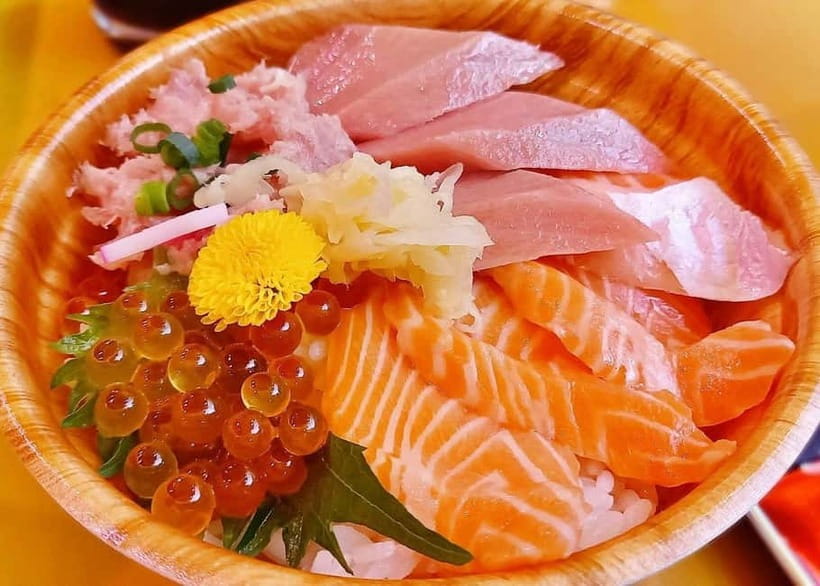
- 480 seafood types and 270 produce types at Tsukiji, so you need a plan for what to try first
- Tsukiji Hongwanji Temple as a short, peaceful reset before the market gets noisy
- A guided route through narrow alleys, plus structured free time for shopping
- Seasonal flowers in full bloom at Hama-rikyu, with city skyline views as the counterpoint
- Optional matcha and wagashi tasting (about 1,000 yen, pay on-site) for etiquette and sweets lovers
Hungry earlier than that? Other market breakfasts we tried
- Tokyo Tsukiji Fish Market Food and Culture Walking Tour
★ 5.0 · 3,184 reviews - Tokyo: Tsukiji Fish Market Food and Walking tour
★ 5.0 · 1,724 reviews - Tokyo: Tsukiji Fish Market Guided Walking Tour
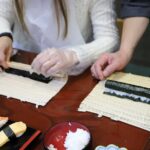
★ 4.9 · 1,397 reviews - Tokyo Sushi Making Class in Tsukiji with Professional Chef
★ 5.0 · 1,177 reviews
Tsukiji Hongwanji: A Calm Start Before the Food Chaos
I like tours that control the pace, and this one starts with the right mood. You meet your guide in front of Starbucks at Tsukiji Station, then head to Tsukiji Hongwanji for about 15 minutes. The temple is known for its unique architecture and serene atmosphere, which matters because Tsukiji can hit you fast with noise, smells, and decisions.
This is a short stop, but it works like a palate cleanser. You get a spiritual, quiet moment right up front, so when you step into the market later, it feels more like an experience rather than sensory overload.
If you want practical value here: arrive with comfortable shoes and a simple question in mind, like What is this market known for? Your guide’s job is to translate what you’re seeing into context you can use.
Tsukiji Outer Market: How to Enjoy 480 Seafood Choices Without Panicking
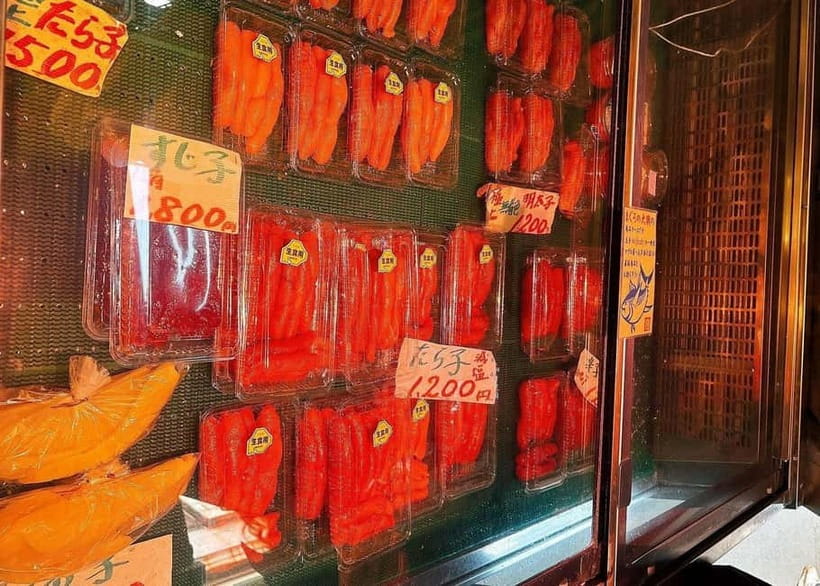
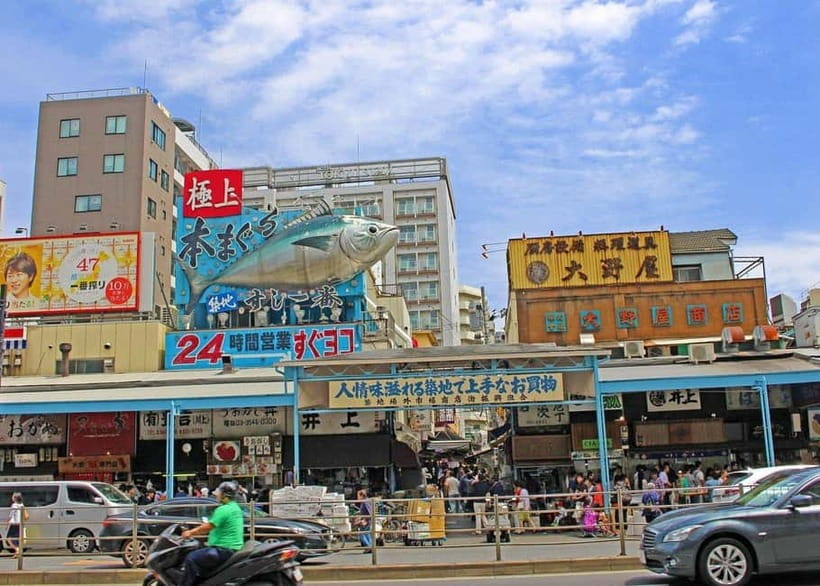
Tsukiji Outer Market is the star. You spend roughly 45 minutes there with guided time plus free time to shop. The numbers are the kind that make you blink: about 480 types of seafood and 270 types of produce. Even if you don’t want to eat everything, just seeing that range helps you understand why locals treat the market like a serious food center, not just a tourist stop.
You’ll stroll through narrow alleys, where the rhythm is part of the fun. This is not a quiet browsing situation. It’s close-up food watching, with stalls and passersby threading around each other. The guide helps you make sense of what you’re looking at, then you get time to follow your own appetite.
What you might snack on at Tsukiji
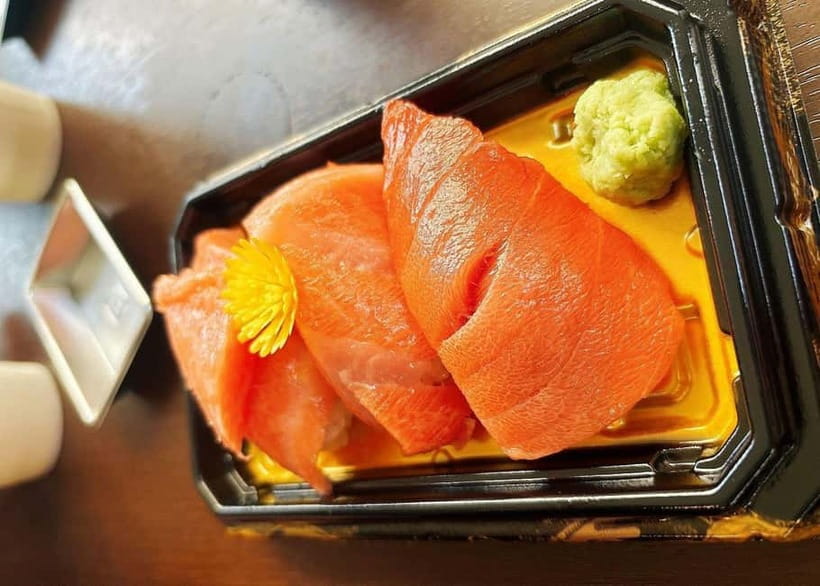
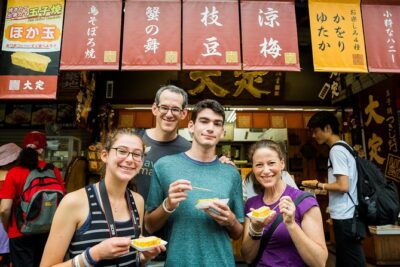
The tour is built around traditional Japanese food culture, and it points you toward common standbys you’ll see during the market walk. Expect the vibe of tasting and sampling, with items like:
- grilled scallops
- tamagoyaki (Japanese omelette)
- sushi
- wagyu skewers
- matcha sweets
Important note: foods from stall holders are optional, and you pay those extras on-site. The tour itself is about guiding you to good choices and helping you taste like a confident beginner, not forcing you into a set meal.
Slower gardens, if the schedule allows
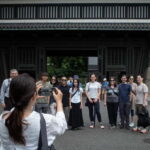
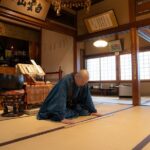
- Tokyo: Zen Meditation at a Private Temple with a Monk★ 5.0 · 510 reviews
- Imperial Palace East Garden and Edo Castle Walking Tour in Tokyo★ 5.0 · 510 reviews
- Tokyo: Imperial Palace East Gardens Walking Tour★ 4.8 · 353 reviews
- Tokyo Castle, Imperial Palace, Shogun & Garden Walking Tour★ 5.0 · 211 reviews
- Tokyo Zen Meditation at Private Temple with Monk★ 5.0 · 178 reviews
The smartest way to use the market free time
Because you only have so much time, plan for a simple strategy:
- pick one savory item to anchor your snack (something grilled or skewered)
- add one sweet or drink if you still have appetite
- save room for shopping only if you already know what you’re buying
That keeps you from doing the classic tourist move, which is buying everything, eating nothing, and ending up hungry later.
The Guided Portion: Why You’re Paying for a Route, Not Just a Walk

At its best, a guided food tour does two things. First, it helps you avoid confusion when everything is unfamiliar. Second, it saves you time by turning your attention toward the best parts of a place.
Here, the value comes from the structure. You don’t just wander. You get a guide-led flow that connects three different moods:
- temple calm
- market food culture
- garden quiet plus skyline views
That flow is what makes the experience feel complete in about 3 hours.
Also, this is a live guide tour with multiple language options (Chinese, English, French, Korean, Spanish). So if your Japanese is basic, you won’t feel stuck pointing and hoping. Your guide can explain what’s worth trying and how to think about what you’re seeing.
One more detail I appreciate: the tour mentions etiquette while tasting matcha and wagashi in the gardens. Even if you’re not chasing a formal cultural lesson, that kind of guidance makes you slower and more observant. You don’t just eat sweets, you understand the moment.
Hama-rikyu Gardens: Edo-Period Garden Calm With City Views
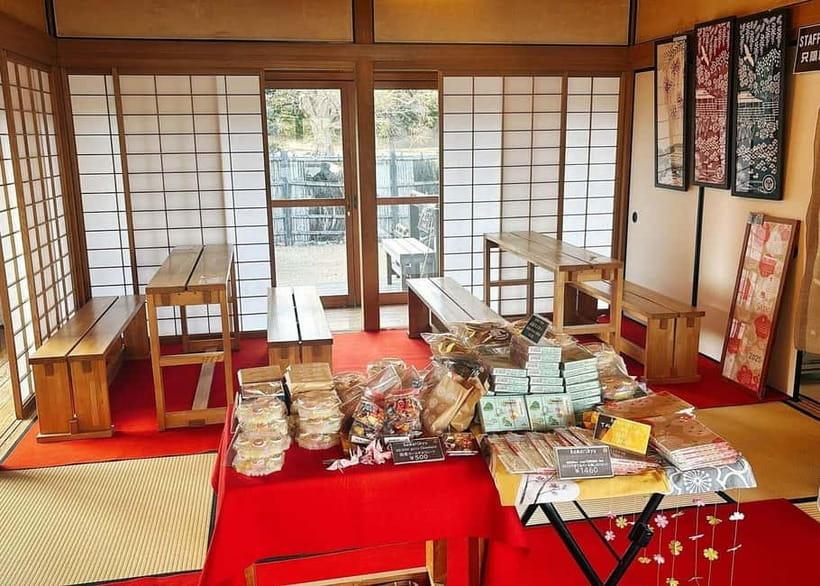
After Tsukiji, you get a break from the shopping noise. There’s a short on-foot transfer, then you arrive at Hama-rikyu Gardens, where you’ll get guided time plus about an hour of free time.
This isn’t a generic stroll. The garden was created during the Edo period over 370 years ago. That gives the place instant weight. You’re looking at a design with rules and intention, not just pretty greenery.
And the tour promises you a satisfying visual contrast: quiet garden spaces paired with Tokyo’s skyline. That matters more than it sounds. When you’re in Tokyo, it’s easy to only experience the city as a wall of buildings and traffic. Here, you get a viewpoint where the modern world feels like something off to the side, not something chasing you.
Seasonal flowers you can actually plan around
The tour notes that you can admire a variety of colorful flowers in full bloom, depending on the season. I can’t tell you exactly which flowers you’ll see without the travel month, but the key takeaway is this: the garden timing affects what you’ll notice most.
If flowers are a priority, check the season you’re traveling. Even if your expectations are flexible, aiming to visit during a peak bloom window makes the garden portion feel more special.
Optional Matcha and Wagashi: Worth It If You Like Food Culture
One of the best parts of this tour is that it gives you an optional upgrade: matcha and wagashi tasting in the gardens. It costs about 1,000 yen and is payable on-site.
I like optional add-ons when they are tied to the place you’re in. Here, the tasting happens in the gardens, and the tour notes etiquette and tasting context. That means it’s not just buying a dessert. It’s learning how to slow down, taste intentionally, and appreciate the setting.
If you’re not into tea or sweets, you can skip it and still enjoy the garden. But if you want a structured cultural moment, this is the kind of optional extra that feels aligned with the tour’s theme.
Walking, Timing, and What to Bring for an Easy Win
This is a walking tour, and that affects everything. You’ll handle:
- market strolling through narrow alleys
- sightseeing on foot between stops
- garden time where you’ll likely wander at your own pace
So pack for comfort, not style. The tour specifically recommends:
- comfortable shoes
- a camera
- water
I’d add one practical mindset: don’t plan a huge shopping haul unless your feet and time can handle it. The best market moments come when you’re not rushing from one stall to the next.
Also, smoking is not allowed. Easy rule, but worth knowing so you don’t get surprised by signs or staff instructions.
Price and Value: Is $31 a Good Deal for This Mix?
At $31 per person, the value is strong for a tour that includes both guidance and paid entry.
Here’s what you get that affects your real cost:
- a local guide for the temple, market, and gardens
- admission fee of Hama-rikyu Gardens included
What’s not included:
- transportation to and from attractions (you’re walking between stops)
- meals
- food at stall holders (optional, paid on-site)
- matcha and wagashi tasting (optional, about 1,000 yen)
So you’re paying mainly for organization and access. You’re not paying for a full meal, and you’re not paying for guaranteed food amounts. Instead, you’re paying for smart pacing and a route that takes you to the three most distinctive parts of the area: temple, market, and Edo-period gardens.
If you like trying a couple of snacks plus one extra bite of culture in the gardens, this cost can feel very reasonable. If you plan to buy lots of food and souvenirs anyway, you’ll need extra cash for on-site spending, because that part is optional.
Who This Tour Suits Best (And Who Might Want to Skip)
This experience is a good match if you want a compact, high-impact Tokyo food-and-culture route. It’s also ideal if you like contrasts: busy street food energy followed by quiet garden views.
The tour information also flags who should be careful. It states this is not suitable for:
- pregnant women
- people with mobility impairments
- wheelchair users
At the same time, it also lists wheelchair accessible. That contradiction is important. If you use a wheelchair or have mobility needs, don’t guess. Message the operator or choose a different tour type that clearly fits your situation.
If you’re generally healthy and can handle uneven crowds and walking, you’ll probably enjoy the flow a lot, especially the chance to see how Tokyo can feel both intense and calm in the same half-day.
Should You Book This Tsukiji and Hama-rikyu Tour?
Book it if you want one guided outing that covers three things you can’t easily replicate on your own without spending extra time figuring out where to go and what to eat. The structure saves you decision fatigue at Tsukiji, and the garden stop gives you a real mental break.
Skip it, or at least reconsider, if:
- walking and crowds are tough for you
- you hate paying for add-ons and on-site snacks (because optional food is a big part of the market experience)
- you’re not interested in matcha and wagashi culture at all, since that optional tasting is a highlight for many people
One more nudge: the tour has a 4.8 rating from 73 reviews, and the reviews’ overall tone points to guide quality and thoughtful planning. That usually translates to a smoother experience, especially in a place like Tsukiji where it’s easy to feel overwhelmed.
If that sounds like your style, you’ll likely come away happy that you didn’t just see Tokyo, you tasted it and then slowed down to enjoy it.
FAQ
Where does the tour meet and where does it end?
You meet your guide in front of Starbucks Coffee Tsukiji Station Front. The tour finishes at Hama-rikyu Gardens (浜離宮恩賜庭園).
How long is the tour?
The duration is 150 minutes to about 3 hours.
What is included in the price?
The included items are admission to Hama-rikyu Gardens and a local guide.
Is food included at Tsukiji?
Meals are not included. Foods at stall holders are optional, and you pay on-site.
Is the matcha and wagashi tasting included?
The matcha and wagashi tasting is optional. It costs about 1,000 yen and is paid on-site.
What should I bring?
Bring comfortable shoes, a camera, and water.
What languages are available for the live guide?
Live guides are available in Chinese, English, French, Korean, and Spanish.
Is it allowed to smoke during the tour?
No, smoking is not allowed.
Is this tour wheelchair accessible?
The information lists wheelchair accessible, but it also states it is not suitable for wheelchair users and people with mobility impairments. If that applies to you, check directly with the operator before booking.
Gardens Worth Slowing For


Market Mornings We Have Reviewed




Newest Tokyo write-ups from the Loving Japan desk


Tsukiji and Toyosu Fish Markets, side by side.
 ★ 5.0Tokyo Tsukiji Fish Market Food and Culture Walking TourFrom $993,184 reviews
 ★ 5.0Tsukiji Fish Market Food and Walking tourFrom $301,724 reviews
 ★ 4.9Tsukiji Fish Market Guided Walking TourFrom $221,397 reviews
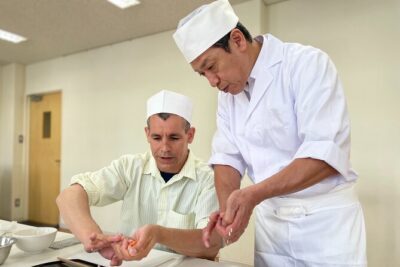 ★ 5.0Tokyo Sushi Making Class in Tsukiji with Professional ChefFrom $491,177 reviews
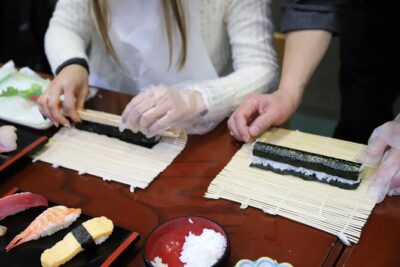 ★ 5.0Tsukiji Fish Market Guided Tour and Sushi Making with Pro ChefFrom $104775 reviews
★ 4.7Tsukiji Fish Market Food and Culture Walking TourFrom $96757 reviews
★ 5.0Tsukiji Fish Market Guided Tour and Sushi Making with Pro ChefFrom $104775 reviews
★ 4.7Tsukiji Fish Market Food and Culture Walking TourFrom $96757 reviews
 ★ 5.0Tsukiji Fish Market: Street Food & Culture Walking TourFrom $33669 reviews
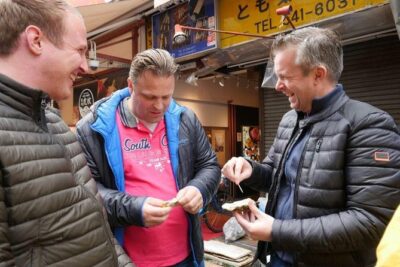 ★ 5.0Tsukiji Fish Market Small-Group Food Walking TourFrom $87621 reviews
Filed on these lists too