
REVIEW · TSUKIJI AND TOYOSU FISH MARKETS
Tsukiji: Unlimited Sake Tasting Experience
Sake tastes totally different, if you taste it right. In a private Tsukiji salon, you’ll work with an English-speaking host and sample a huge range of styles, guided drink by drink. I especially liked the progressive tasting that explains what you are drinking, and the chance to compare sake at different temperatures to hear the flavor story change in real time.
The main thing to consider is simple: at $54 for all-you-can-drink sake, it is very much a tasting experience, so pace yourself and plan to stay put for the session. Also, food is not included, so you will want to eat beforehand unless you are relying on the snack pairing during the tasting.
In This Review
- Key Points You Should Know Before You Go
- How the Tsukiji Sake Salon Keeps Things Moving
- Finding Sake Lovers Inc. and Getting Seated on 4F
- The Tasting Flow: Lots of Sakes, Clear Comparisons
- Why the pacing is a feature, not a problem
- When sessions go small
- Temperature Tasting: The Shortcut to Understanding Flavor
- Food Pairing That Actually Works: Cheese and Rice Crackers
- The Sommelier Part: Brewing Process and Brewery Stories
- Names you might hear in different sessions
- Value Check: Is $54 Worth It?
- Who This Is Best For, and Who Should Think Twice
- Practical Tips So You Don’t Waste the Session
- Should You Book This Tsukiji Unlimited Sake Tasting?
Key Points You Should Know Before You Go
- 50 to 60 sakes in 1.5 hours means lots of variety, not just a few safe picks
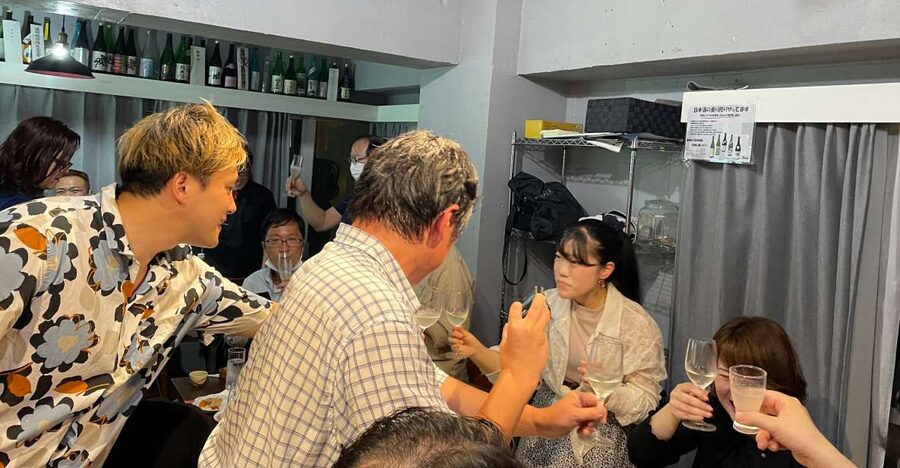
- Private salon setting in Tsukiji with an English host feels more like a lesson than a crowd
- Temperature tasting helps you notice sweet, dry, and aromatic shifts fast
- Snack pairings like cheese and rice crackers are there for flavor contrast
- Sommelier-style explanations connect each bottle to its brewery and how it is made
- Small-group sessions can happen and can feel close to a VIP lesson
Hungry earlier than that? Other market breakfasts we tried
- Tokyo Tsukiji Fish Market Food and Culture Walking Tour
★ 5.0 · 3,184 reviews - Tokyo: Tsukiji Fish Market Food and Walking tour
★ 5.0 · 1,724 reviews - Tokyo: Tsukiji Fish Market Guided Walking Tour
★ 4.9 · 1,397 reviews - Tokyo Sushi Making Class in Tsukiji with Professional Chef
★ 5.0 · 1,177 reviews
How the Tsukiji Sake Salon Keeps Things Moving
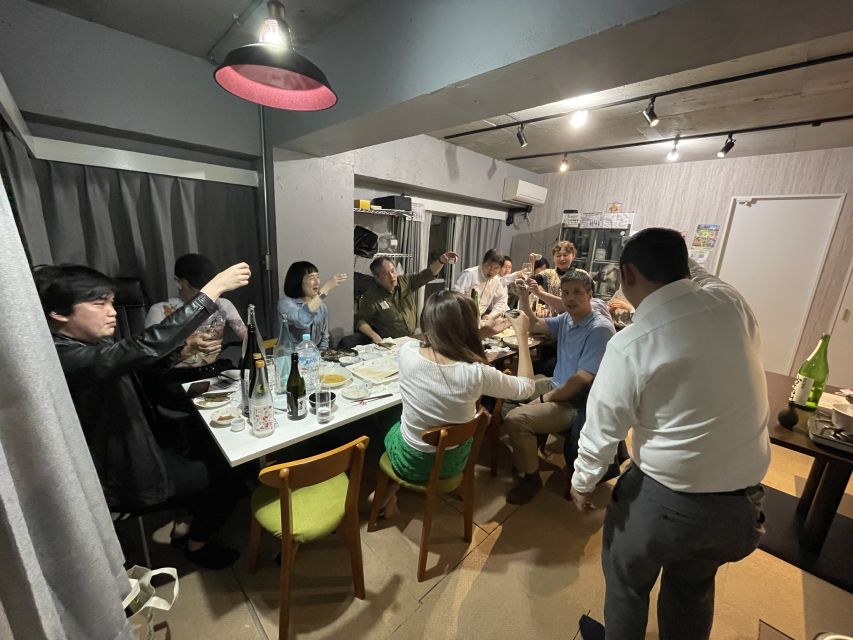
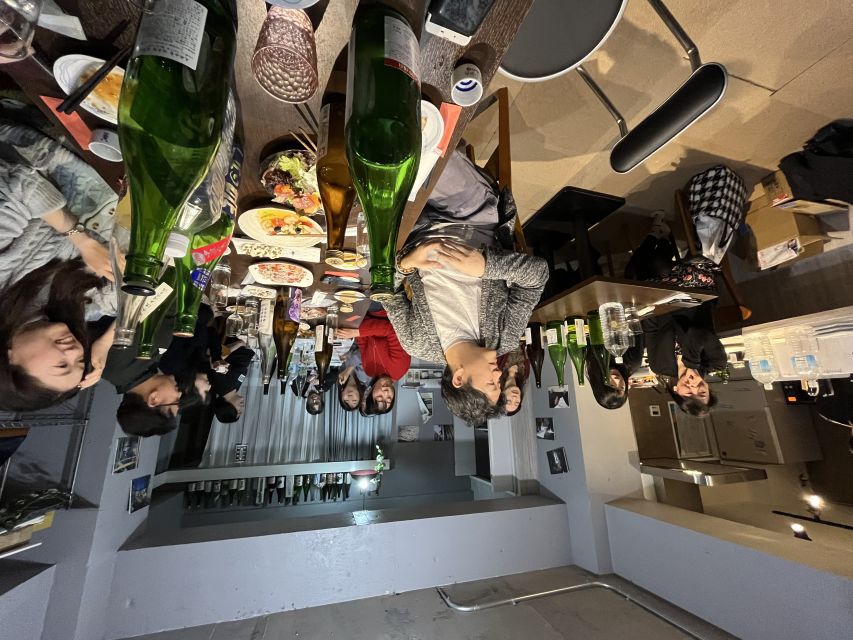
This experience is built for speed and clarity. You come in, get your bearings, then start sampling while your host talks you through what makes each sake different. The goal is not to become a sake textbook by lunchtime. It is to give you enough tastings that your next restaurant order feels smarter.
One of the best parts is the range. Sake is not one flavor. It can run from gentle and slightly sweet to dry, bold, and even a bit bitter, depending on the style and how it is brewed. With 50 to 60 different kinds available during the session, you are basically doing a crash course in how Japan’s national drink can act like many drinks at once.
And the structure helps. You are not just passively sipping. You are tasting with a purpose, and your host frames each pour with brewery context and brewing details. That is what turns a fun drink stop into something you can actually use later.
Finding Sake Lovers Inc. and Getting Seated on 4F
Meeting point details matter here because you are going to a specific room in a red brick building. Go to Sake Lovers Inc. サケ・ラバーズ株式会社, enter the building, then take the elevator up to 4F. The first door to the left is #405.
Plan to arrive a few minutes early. The session is time-bound, listed at 90 minutes, and you want a calm start before the tasting gets rolling. If you are traveling in Japan with trains and tight schedules, leaving yourself buffer time is a small move that prevents a stressful scramble.
Also note: your host or greeter is English, which makes a big difference when you are learning how to describe aromas, dryness, and temperature effects.
The Tasting Flow: Lots of Sakes, Clear Comparisons
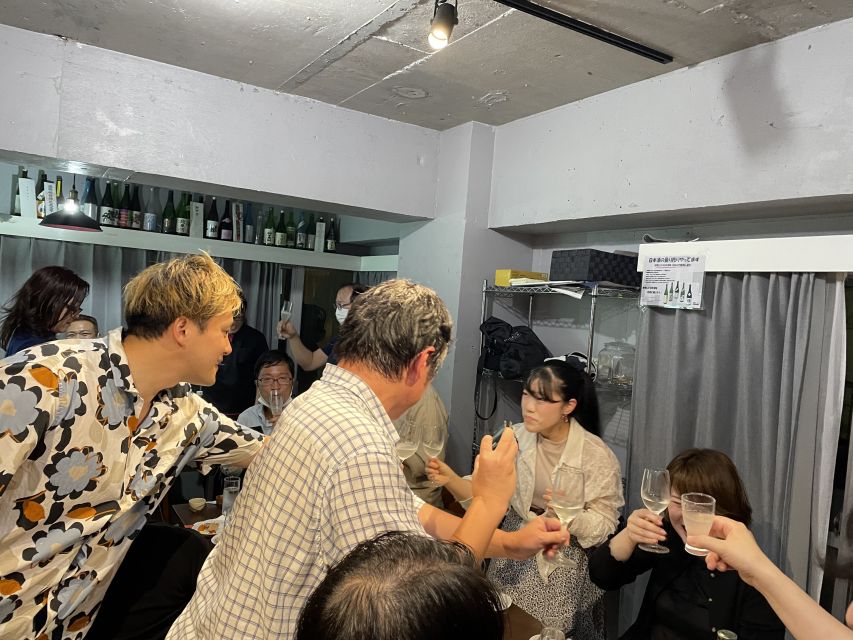
Here is how the experience feels in practice. You start with one pour, your host explains what makes it worth noticing, then you taste and compare. The fun part is that the differences are often obvious once you have two or three samples side by side.
The session is designed so you can make the most of the available selection in a short window. The listing highlights 50 to 60 different types you can sample during the 1.5 hours, and the reviews reinforce that people often taste around 20 to 30 different sakes depending on the session and flow. Either way, you are getting far beyond the typical bar selection.
Pour another. Breweries and tasting rooms nearby
- Ramen and Sushi Cooking Class with Sake Pairing Set in Tokyo★ 5.0 · 291 reviews
- Sake Tasting Masterclass in Shinjuku (8+ Varieties with a Pro)★ 5.0 · 271 reviews
- Sake Omakase in Tokyo: Guided Tasting by Certified Sommeliers★ 5.0 · 239 reviews
- Tasting All Types of Sake with Sommelier★ 5.0 · 151 reviews
- Wagyu & Sake Pairing in Shinjuku – Steak, Shabu-Shabu & More★ 5.0 · 112 reviews
Why the pacing is a feature, not a problem
A fast tasting sounds like it could feel chaotic. In this setup, it usually does the opposite. When you switch quickly between styles, your taste memory stays sharp. You can connect each sip to the explanation, and you notice patterns faster, like which styles come across fruitier, which feel drier, and which turn smoother when warmed.
When sessions go small
Some sessions can run with a tiny group. That means more interaction and more chances to ask questions, rather than waiting your turn in a noisy room. If you like hands-on attention, this is the kind of activity where that can happen.
Temperature Tasting: The Shortcut to Understanding Flavor
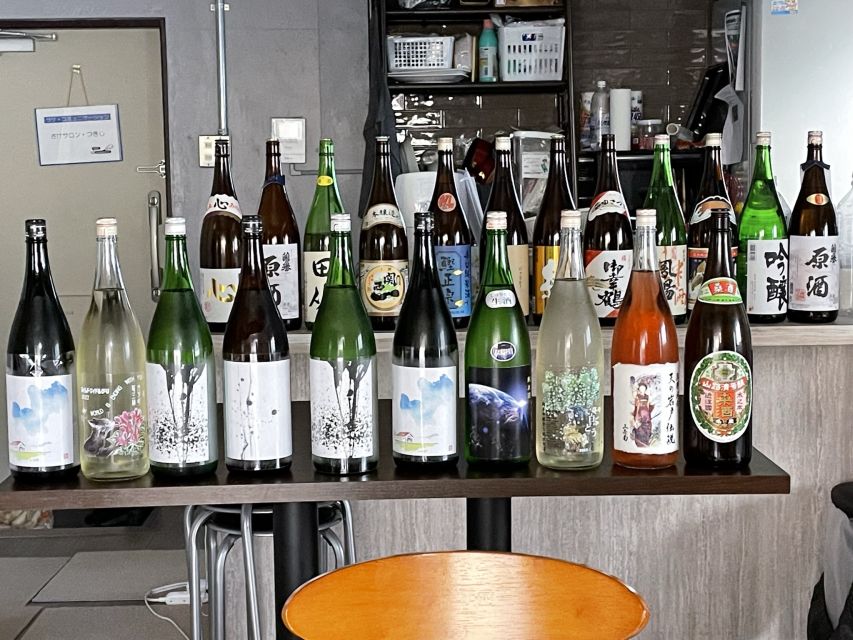
One of the most practical skills you take home here is learning that temperature is not a gimmick. Your host has you try the same or similar sake types at different temperatures so you can taste how flavor changes.
Warm sake often feels rounder and can bring out softer aromas. Chilled sake can feel sharper and more crisp, with flavors that pop differently. Even when you cannot name the exact compounds, you can usually tell when something tastes smoother, more fragrant, or more dry.
This is a huge deal for real life. You will walk out knowing how to choose a serving style based on what you like, instead of relying on whatever is poured by default at a bar.
Food Pairing That Actually Works: Cheese and Rice Crackers
Sake and food are usually the first place people get stuck. Many tasting experiences either do not include enough food or use snacks that do not help you understand anything. This one does it better by including pairing snacks during the tasting.
You will have snacks available during the session to enhance the flavor of the different sakes. The listing specifically calls out cheese and rice crackers, and that combination makes sense for your palate. Salty, crunchy, and fatty bites help you notice sweetness and dryness more clearly, and they keep the tasting from feeling like pure alcohol-only flavor.
Also, there is water available between tastings, which matters more than it sounds. You want your taste buds working, not just your stomach. The snacking and water setup helps you stay comfortable while you sample a lot.
One note: food is not included beyond what is provided as snack pairing. If you are the type who needs a real meal, eat beforehand.
The Sommelier Part: Brewing Process and Brewery Stories
This is not just a pour-and-go experience. Your host explains the brewing process and the history of sake in Japan as part of the tasting. Each bottle also comes with brewery and style storytelling, so the explanation ties back to what you are tasting.
That connection is what makes the learning stick. If you are trying sake for the first time, you might notice that some bottles feel light and clean, while others feel deeper or more complex. The host helps you connect those sensations to factors like brewing approach and how a sake is made.
Names you might hear in different sessions
Hosts can vary by day, but people have mentioned English host experiences led by Mako, Yuki-san, and Kyoko. Whoever you get, the common thread is an interactive style, with hosts adjusting to your comfort level and jumping on questions as they come up.
If you do not know anything going in, that is fine. This format is friendly for beginners. If you already like sake, it still helps because you will taste wider ranges than the typical supermarket or low-end bar selection.
Value Check: Is $54 Worth It?
At $54 per person, this is not a casual “one drink and leave” stop. You are paying for access to a private salon, English-guided tastings, and the chance to sample a very large number of sake styles in one sitting.
The value equation is pretty straightforward:
- You get entry to the private sake salon.
- You get all you can drink sake within the session.
- You get snack pairings and education on brewing and history.
- You get temperature comparisons, which is a learning boost you rarely get in a standard tasting bar.
So even if you only fall in love with a handful of bottles, you have still learned enough to order more confidently later. And if your group size ends up small, the experience can feel unusually personal for the price, meaning you get more attention from the host.
The main value caution is that food is not included as a full meal. If you show up hungry, you might feel you are paying for alcohol plus light snacks, which is a different vibe than a dinner outing. Fix that by eating beforehand.
Who This Is Best For, and Who Should Think Twice
This one is family-friendly in a limited way. The experience notes that if you bring children, the hosts will not serve alcohol for them. You should bring your own non-alcohol drinks for children. So it can work for families who want the education and tastings but need the kids to be non-drinking.
It is also not suitable for everyone. The listing says it is not suitable for pregnant women and not suitable for wheelchair users. If either applies, you should choose a different activity.
For the rest, this is an excellent match if:
- You like tastings and want a guided way to explore.
- You want to understand the difference between sake styles, not just drink.
- You enjoy pairing alcohol with snacks to notice how flavors interact.
- You want something structured but still fun.
It is less ideal if you hate crowds, dislike tasting games, or only want one or two drinks and a quick stop. This is built for sampling many sakes, not for a slow, solitary sipping session.
Practical Tips So You Don’t Waste the Session
A lot of people come out thinking they should have ordered sake differently sooner. You can speed that up with a few simple choices.
First, pace your sips. Unlimited tasting does not mean you should chug. If you drink fast, you lose the temperature comparisons and the finer flavor distinctions. Go slower than you think you need, and let the snack pairings do their job.
Second, ask questions early. The host is there to explain the brewing process and what each bottle is trying to be. If you ask what to look for, you will taste better and remember more.
Third, pay attention to how you feel before the session ends. This is a tasting with lots of alcohol. If you plan to walk afterward, keep it simple and stick to nearby spots rather than making long hops right after.
Finally, have a plan for which sakes to revisit. Some sessions can include extra tastings of sakes you liked. Even if your favorite list changes during the flight, remember that your best impressions tend to happen after you compare several styles in sequence.
Should You Book This Tsukiji Unlimited Sake Tasting?
Book it if you want a guided, high variety Tsukiji sake tasting in a private salon setting. The value is strong because you get big choice, snack pairings like cheese and rice crackers, and temperature tasting guided by an English host who explains brewing and style. At $54 for an around 90-minute session, it is a smart spend if you plan to learn and explore, not just drink.
Skip it if you need full meals included, if you are uncomfortable with alcohol tasting, or if the listing’s limits apply to you, such as pregnancy or wheelchair access. And if you are bringing kids, confirm you will manage non-alcohol needs since children are not served alcohol.
If you want to leave Tokyo with a clearer sense of what you like, and how to order it again later, this one is a strong yes.
Cups, Cellars and Tasting Rooms

Market Mornings We Have Reviewed


Newest Tokyo write-ups from the Loving Japan desk



Tsukiji and Toyosu Fish Markets, side by side.
 ★ 5.0Tokyo Tsukiji Fish Market Food and Culture Walking TourFrom $993,184 reviews
 ★ 5.0Tsukiji Fish Market Food and Walking tourFrom $301,724 reviews
 ★ 4.9Tsukiji Fish Market Guided Walking TourFrom $221,397 reviews
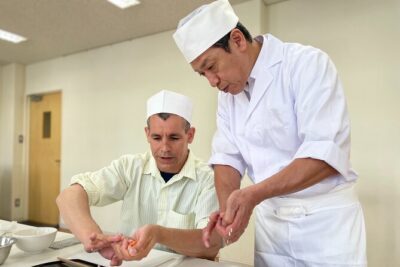 ★ 5.0Tokyo Sushi Making Class in Tsukiji with Professional ChefFrom $491,177 reviews
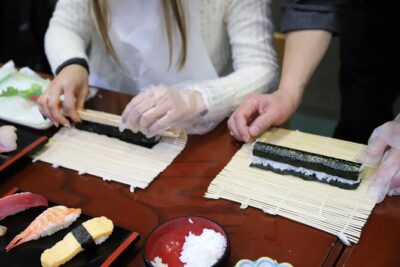 ★ 5.0Tsukiji Fish Market Guided Tour and Sushi Making with Pro ChefFrom $104775 reviews
★ 4.7Tsukiji Fish Market Food and Culture Walking TourFrom $96757 reviews
★ 5.0Tsukiji Fish Market Guided Tour and Sushi Making with Pro ChefFrom $104775 reviews
★ 4.7Tsukiji Fish Market Food and Culture Walking TourFrom $96757 reviews
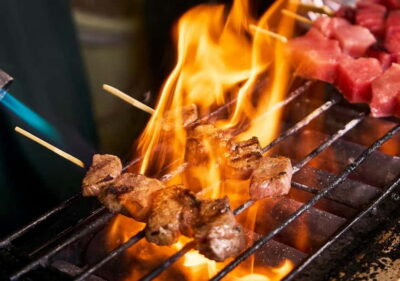 ★ 5.0Tsukiji Fish Market: Street Food & Culture Walking TourFrom $33669 reviews
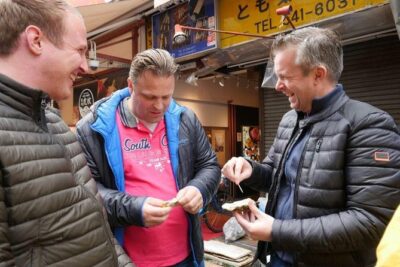 ★ 5.0Tsukiji Fish Market Small-Group Food Walking TourFrom $87621 reviews