
REVIEW · HIROSHIMA PEACE MEMORIAL PARK AND MUSEUM
Walking Through History: Hiroshima’s Path to Peace
History hits hard in Hiroshima. This guided walking tour threads you through Hiroshima’s Peace Memorial Park landmarks with a PhD scholar guide, turning major memorials into clear, human stories rather than distant facts. Guides I’ve learned from in this program, including Ghani and Sheraz, tend to explain context and details in a way that makes the place feel navigable, even when the subject matter is heavy.
What I love most is the small-group pace. With a maximum of 8 people, you can actually hear the guide, ask questions, and slow down for photos without the whole line shuffling behind you. I also like the skip-the-line museum ticket plan, since the Peace Memorial Museum stop is handled with an advance ticket so you spend less time waiting in the heat.
One possible drawback: the experience is emotionally intense, and the museum portion is a quiet, self-paced visit, with no guide speaking inside. If you prefer a talk-through at every step, you may feel that gap at the museum.
In This Review
- Key highlights to know before you go
- A 2-hour route that focuses on meaning, not just sights
- Atomic Bomb Dome: seeing a symbol you can’t unsee
- Peace Bell, Korean Victims memorial, and Children’s Peace Monument
- Peace Flame and the memorial language that keeps turning up
- Hiroshima Peace Memorial Hall, then the museum you visit on your own
- Gates of Peace: the final message in multiple languages
- Price and value: what $31.63 buys you
- Who should book this walking tour
- Should you book it?
- FAQ
- How long is the Hiroshima walking tour?
- What does the tour cost?
- How many people are in each group?
- Where does the tour start and end?
- Are tickets needed for the stops?
- Can the guide speak while you’re inside the Peace Memorial Museum?
- Is this tour ticket delivered digitally?
- Are service animals allowed?
- Can I cancel for free?
Key highlights to know before you go
- PhD-level guidance that connects monuments to real meaning, not just dates
- Small group of up to 8 for better Q-and-A and an easier walking flow
- Free entry at most stops, with the Peace Memorial Museum ticket included
- Thoughtful pacing in hot weather, including time in the shade and room for photos
- A deliberate ending at the Gates of Peace, with a clean, memorable final stop
The Peace Memorial Park and Museum, further guided visits
- Hiroshima Historical Walking Tour – Why A-Bomb was Dropped
★ 4.8 · 893 reviews - Hiroshima Peace (Heiwa) Walking Tour at World Heritage Sites
★ 5.0 · 872 reviews - Hiroshima: Miyajima Peace Memorial Icons of Peace and Beauty
★ 4.9 · 361 reviews - Hiroshima/Guided Virtual Tour of Peace Park/PEACE PARK TOUR VR
★ 5.0 · 157 reviews
A 2-hour route that focuses on meaning, not just sights
This is a tight, well-planned 2-hour walking experience. The route runs from central Ōtemachi to the Gates of Peace area, so you get a logical arc: start with the physical remains tied to the bombing, then move through memorials that highlight victims, children, and ongoing hope.
You will be on foot the whole time, but the walk is designed to be manageable. I’d still treat it like a proper walking day: wear comfortable shoes, because you’ll want steady footing for stops where you’ll pause, read, and look closely.
Also, you’re not dropped into a “tourist version” of Hiroshima. The guide keeps returning to what each site is trying to say, so the monuments add up instead of feeling like separate photo backdrops.
Atomic Bomb Dome: seeing a symbol you can’t unsee
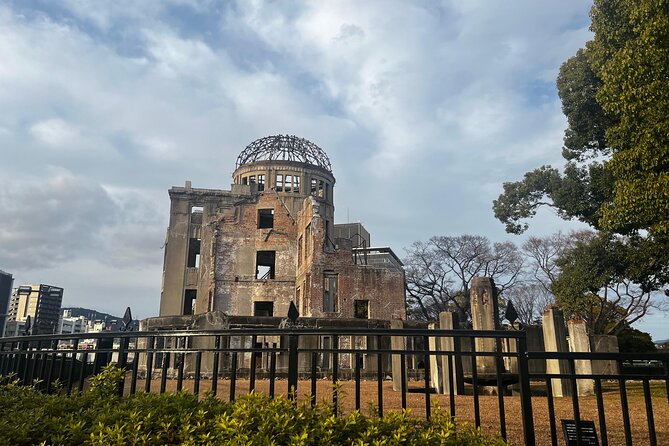
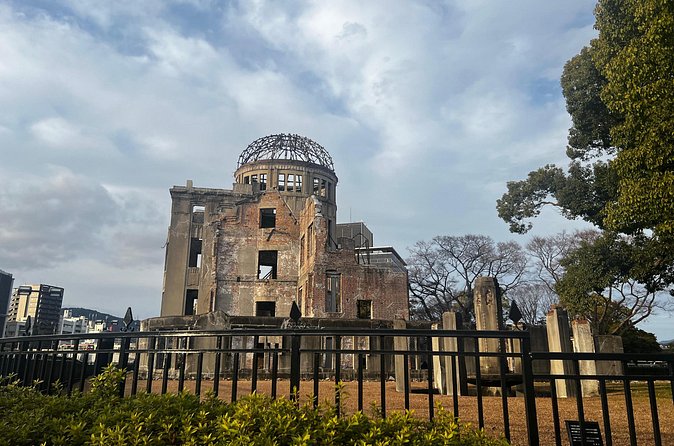
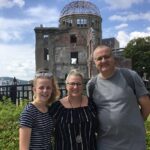
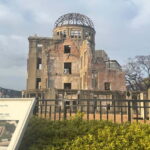
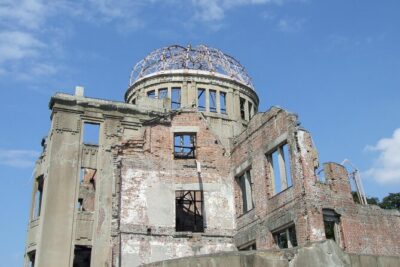
Your first stop is the Atomic Bomb Dome, a UNESCO World Heritage Site. This is the kind of place where your brain wants to rush ahead, but your eyes force you to slow down. You’ll spend about 20 minutes here, long enough to take in the scale and then hear the context that turns the view into a message.
The dome is often described as a symbol of resilience and peace. What matters on this tour is the way the guide frames it: not as a dramatic set piece, but as a reminder that survival and recovery exist alongside permanent loss. You start here because it sets the emotional and historical baseline for everything that comes after.
If you’re sensitive to memorial spaces, give yourself permission to linger. Reading the surrounding details and taking in the structure is part of the point. This is also where you’ll likely notice how the guide balances respect with explanation.
Peace Bell, Korean Victims memorial, and Children’s Peace Monument
After the Dome, the tour moves through smaller sites that hit you in different ways.
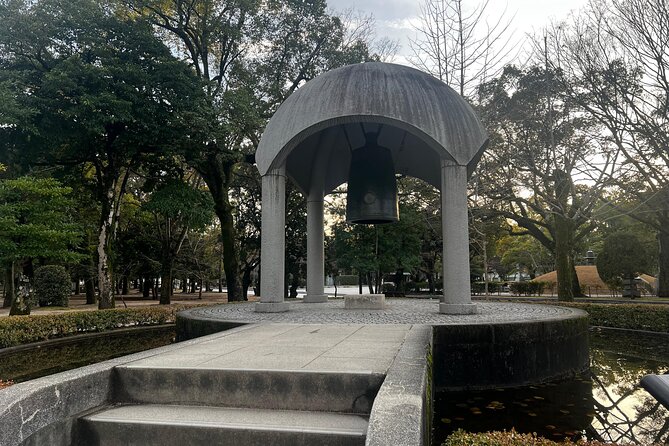
The Peace Bell is next, with about 10 minutes set aside. It symbolizes harmony and a world without nuclear weapons. The bell’s deep sound is meant to be more than a noise moment, it’s a prompt for reflection. On a practical level, this is one of those stops where the guide’s talk helps you hear the symbolism instead of just ticking off another landmark.
Then comes the Monument to Korean Victims and Survivors. It honors Korean victims of the atomic bombing and recognizes their suffering and contributions to Hiroshima’s history. This stop matters because it widens the story beyond what you might already have heard. You’ll also see how the tour uses memorial art to push toward remembrance and reconciliation.
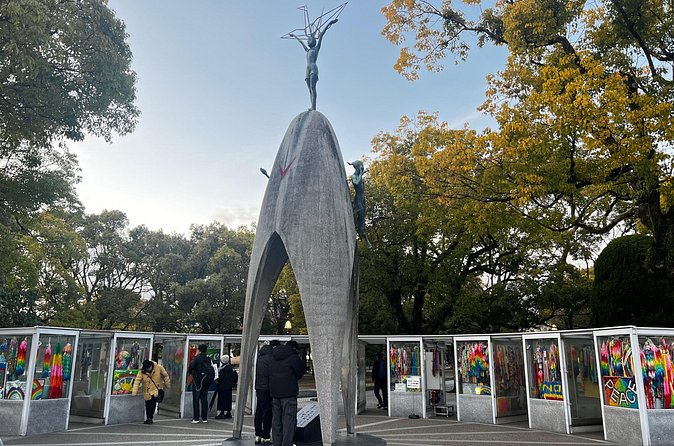
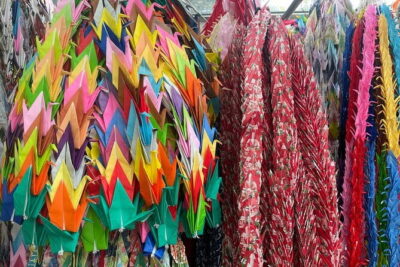
Finally, you reach the Children’s Peace Monument, with around 10 minutes. It’s linked to Sadako Sasaki, a young girl whose paper crane folding became a symbol of hope. That connection turns the monument into something easier to hold onto emotionally. Even if you think you already know the Sadako story, this stop is still powerful because it’s anchored in Hiroshima’s grief and ongoing commitment.
Pairing the city with Miyajima. Other itineraries
- Peaceful Hiroshima & Miyajima UNESCO 1 Day Bus Tour★ 5.0 · 5,309 reviews
- Hiroshima: Hiroshima and Miyajima UNESCO Sites 1-Day Tour★ 4.9 · 2,330 reviews
- Hiroshima / Miyajima Full-day Private Tour with Government Licensed Guide★ 5.0 · 1,298 reviews
- Hiroshima in a Nutshell: Morning Bike Adventure★ 5.0 · 524 reviews
- Hiroshima City 4hr Private Walking Tour with Licensed Guide★ 5.0 · 437 reviews
Peace Flame and the memorial language that keeps turning up
At the Peace Flame stop, you spend about 10 minutes with the idea of an ongoing commitment. The Peace Flame has been burning continuously since 1964, and it is intended to remain lit until nuclear arms are abolished. You get the simple, repeated message: this isn’t a past-only memorial. It’s a present-tense warning and promise.
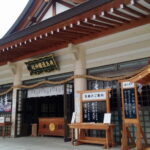
From there, the tour visits the Hiroshima National Peace Memorial Hall for the Atomic Bomb Victims for about 20 minutes. This is where the tone shifts into quieter contemplation. Expect personal stories, photographs, and survivor testimonies presented in a way that slows you down. The hall’s design supports reflection, and you feel that in how the guide encourages you to take your time instead of trying to absorb everything at once.
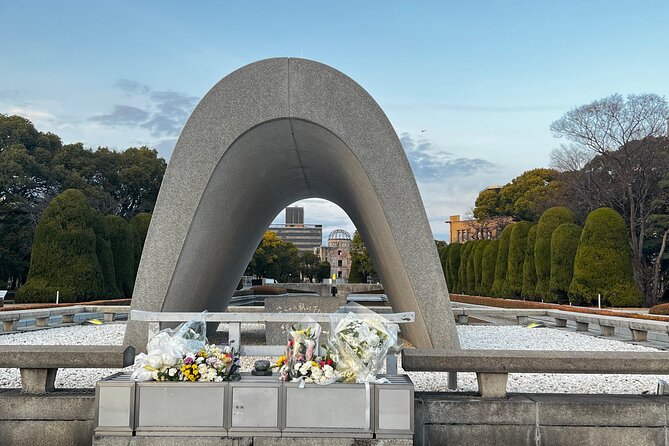
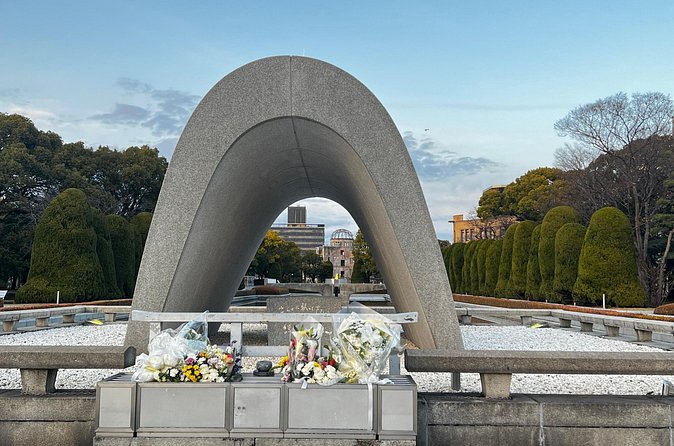
Right after, you’ll see the Hiroshima Peace Memorial Museum cenotaph, an arched monument inscribed with a message about resting in peace and not repeating the evil. It also holds the names of all known victims of the atomic bombing. Even if you don’t read every name, seeing the scale of names grounds the tour in human lives, not abstract statistics.
One thing I appreciated about the pacing here is that the guide keeps letting each site do its job. You don’t bounce too fast, and you don’t leave each stop without the reason it exists.
Hiroshima Peace Memorial Hall, then the museum you visit on your own
The Hiroshima Peace Memorial Museum is a major part of the experience, and this tour helps you manage one common frustration: waiting. The guide purchases your entrance ticket in advance so you can skip the long line.
Here’s the catch, and it’s important. Tour guides are not allowed to speak inside the museum. So you’ll have about 10 minutes with the museum stop as a self-guided visit.
This setup is actually useful. It forces you to read and absorb without secondhand commentary interrupting you. But it also means you should arrive with a mindset for quiet. If you want a guided explanation while you look at exhibits, you won’t get that inside the museum rooms. The guide can still prepare you outside, and that preparation is what makes the self-paced portion worth your attention.
If you like a little structure, scan first. Look for the sections that correspond to what you already saw at the Dome, then let the museum fill in details.
Gates of Peace: the final message in multiple languages
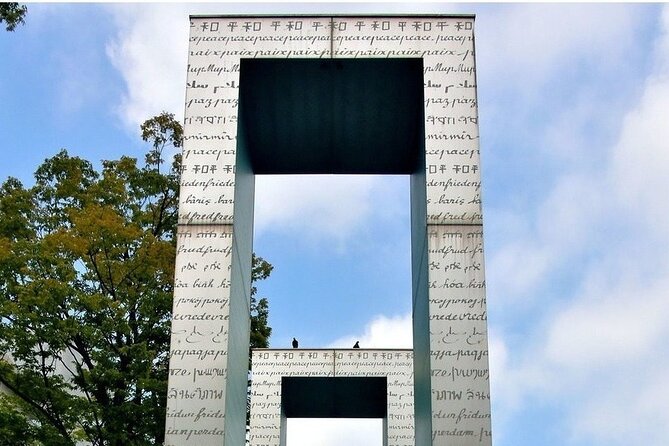
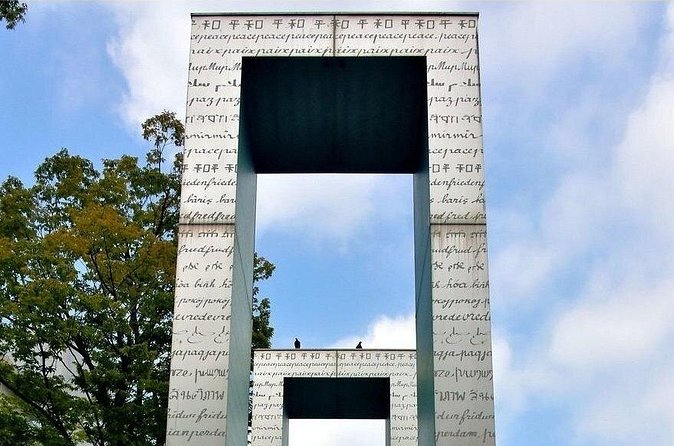
The tour ends with the Gates of Peace, a series of ten glass gates inscribed with the word peace in multiple languages. It’s a deliberate closing note. The earlier stops deal with destruction and loss, while this ending pushes outward toward the idea of universal hope.
You’ll have about 20 minutes at this final stop. That extra time is there for a reason: it gives you room to take photos, compare the different language inscriptions, and reflect on how the message has expanded as you walked.
It’s also a practical way to finish. If you’re heading back into town, you’re already in a clear endpoint area rather than getting scattered around the park.
Price and value: what $31.63 buys you
At $31.63 per person for an approximately 2-hour guided walk, the value comes down to two big things.
First, most stops are free to enter. That means your money isn’t mostly paying admission fees for monuments. You’re paying for context, pacing, and the guide’s ability to connect each memorial to a bigger story.
Second, the museum ticket is handled for you in advance. Since the Peace Memorial Museum often draws crowds, skipping the long line is a real time saver. In hot weather, saving time is not a small perk. It turns what could be a half-day bottleneck into a focused 2-hour experience you can actually finish.
Finally, you get the benefit of a small group, max 8 people. That matters more than it sounds. With fewer people, you can ask questions and get answers that match what you’re looking at in front of you.
If you are doing Hiroshima as a day trip or you’re working within a tight schedule, this is the kind of tour that helps you use time well without turning the day into a rushed checklist.
Who should book this walking tour
This tour is a great fit if you want your Hiroshima visit to be more than photos. You’ll enjoy it if you like getting context at each stop, and if you’re comfortable with an experience that is respectful, serious, and designed for reflection.
It’s also a smart pick for first-timers in Hiroshima, since the route hits the key Peace Park landmarks in a logical order.
A note if you’re thinking about physical comfort: the walk is described as easy on the flat, and guides have shown flexibility with pacing for guests dealing with knee trouble and stair issues. Still, you’ll be on your feet for the full 2 hours, so plan on taking it slow and wearing shoes you trust.
Should you book it?
Yes, I’d book this if you want a clear, humane guided route through Hiroshima’s Peace Park sites, with the museum ticket handled so you can spend less time waiting. The small-group size, the guide’s PhD-level approach, and the way the stops connect victims, remembrance, and hope make it feel organized and meaningful.
Skip it only if you strongly prefer museum-style visits where a guide talks throughout the exhibits. Because the museum is self-guided with no speaking inside, you need to be okay reading and reflecting on your own for that portion.
If you’re ready for a tour that treats the subject with care and gives you time to really look, this is a worthwhile way to spend a couple of hours in Hiroshima.
FAQ
How long is the Hiroshima walking tour?
It runs for about 2 hours.
What does the tour cost?
The price is $31.63 per person.
How many people are in each group?
The tour has a maximum of 8 travelers.
Where does the tour start and end?
The meeting point is 1-chōme-10-1 Ōtemachi, Naka Ward, Hiroshima, and it ends at Gates of Peace, 4-15 Nakajimachō, Naka Ward, Hiroshima.
Are tickets needed for the stops?
Most stops are free, and the Hiroshima Peace Memorial Museum entrance ticket is included. The guide also purchases your museum ticket in advance to help you skip the long line.
Can the guide speak while you’re inside the Peace Memorial Museum?
No. Tour guides are not allowed to speak inside the museum, so you visit it on your own.
Is this tour ticket delivered digitally?
Yes, it uses a mobile ticket.
Are service animals allowed?
Yes, service animals are allowed.
Can I cancel for free?
Free cancellation is available up to 24 hours in advance for a full refund.
Hiroshima and Miyajima Together

Guided Visits to the Peace Memorial Park

Newest Hiroshima write-ups from the Loving Japan desk
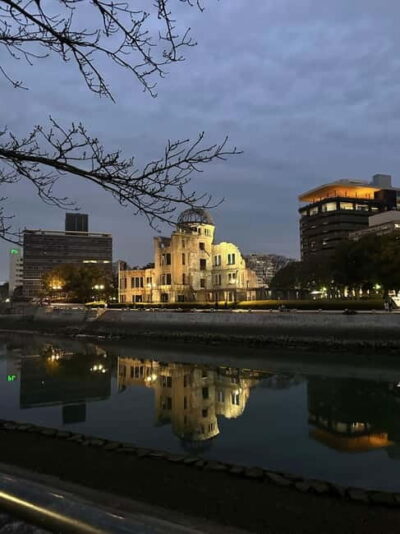
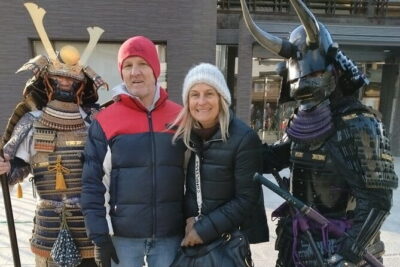
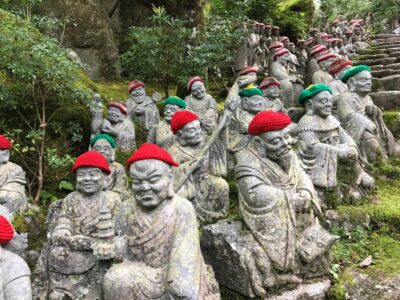
Hiroshima Peace Memorial Park and Museum, side by side.
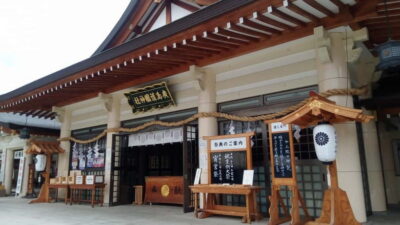 ★ 4.8Hiroshima Historical Walking Tour – Why A-Bomb was DroppedFrom $35893 reviews
 ★ 5.0Hiroshima Peace (Heiwa) Walking Tour at World Heritage SitesFrom $94872 reviews
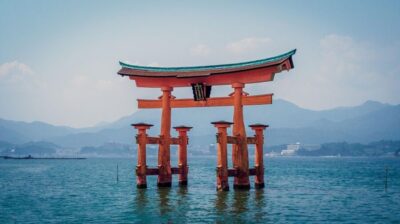 ★ 4.9Miyajima Peace Memorial Icons of Peace and BeautyFrom $163361 reviews
 ★ 5.0Hiroshima/Guided Virtual Tour of Peace Park/PEACE PARK TOUR VRFrom $33157 reviews
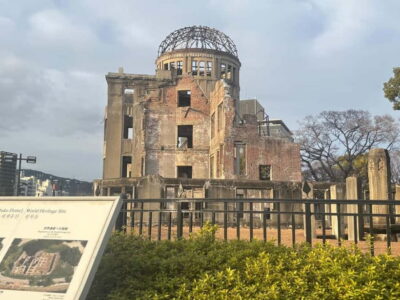 ★ 4.9Peace Memorial Park and Atomic Bomb Dome TourFrom $2391 reviews
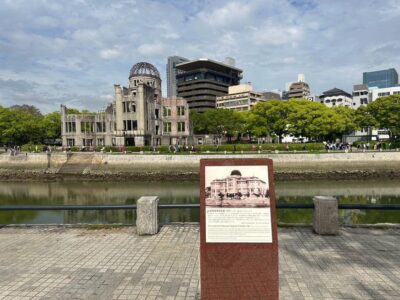 ★ 5.0Hiroshima; Hiroshima Peace Memorial Museum and Castle TourFrom $6789 reviews
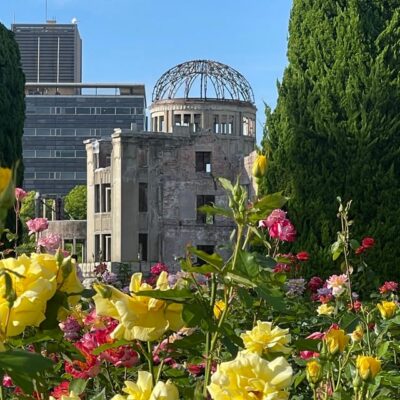 ★ 5.0Hiroshima & Miyajima: UNESCO A-Bomb Dome & ItsukushimaFrom $17776 reviews
 ★ 5.0Hiroshima History Tour : A-Bomb Dome, Peace Memorial & CityFrom $10343 reviews