
REVIEW · KYOTO TEA CEREMONIES AND MATCHA
A Unique Antique Kimono and Tea ceremony Experience in English
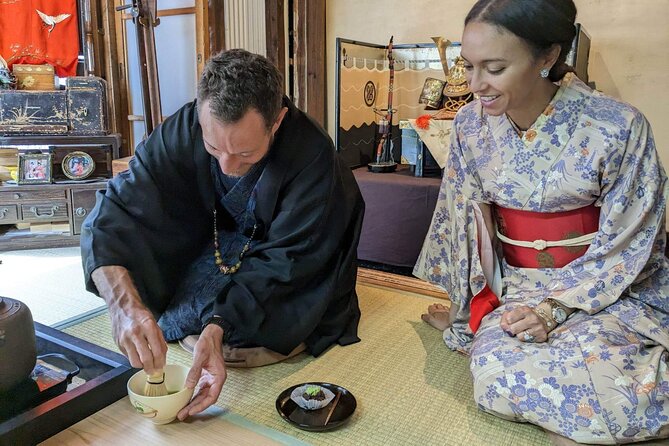
Matcha tastes better in old wood. In Kyoto, this tea ceremony happens in a 100-year-old private home near Katsura Imperial Villa, in a small group (up to six), and you get to wear an antique kimono rental before learning how matcha is made and how to behave. One possible drawback to know upfront: if you’re hoping for a long tasting menu with many special teas, this is built around one complete, etiquette-focused ceremony, not a big tea flight.
I especially like the way Toku and his family make it personal. They explain the tea ceremony step by step in English, share context like the samurai connection, and keep the pace steady so you are not left guessing what you should do next.
If you want Kyoto culture that feels quieter and more human than the usual high-traffic tour circuit, this is a great match. The whole experience takes about 1 hour 30 minutes, and it finishes back at the same meeting point.
In This Review
- Key things that make this Kyoto matcha experience special
- Where the ceremony happens, and why the location matters
- Antique kimono rental: choosing, dressing, and feeling comfortable
- Meeting Toku and learning tea etiquette in plain, usable steps
- Matcha making, green tea, and the sweets part you should not skip
- The flow of your 1.5 hours, step by step
- Price and value: is $99.10 fair for what you get?
- Getting there near public transportation, without stress
- Who should book this Kyoto antique kimono and matcha ceremony
- What to watch for before you book
- Should you book this tour?
- FAQ
- Is the tea ceremony experience offered in English?
- How long does the experience take?
- What group size is this Kyoto tea ceremony capped at?
- What is included in the price?
- Does the price include kimono rental?
- Is lunch or dinner included?
- Where does the experience start?
- Will I get a mobile ticket?
- Are service animals allowed?
- What is the cancellation policy?
Key things that make this Kyoto matcha experience special
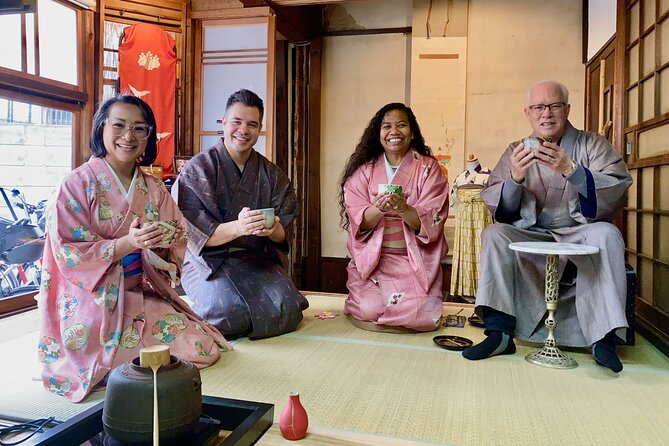
- A 100-year-old private house near Katsura Imperial Villa: The setting is naturally calmer than the city center, which makes the ceremony feel more respectful and less rushed.
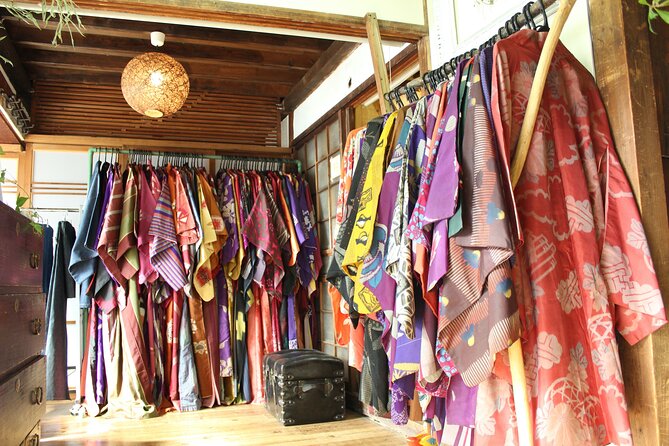
- Antique kimono rental before tea: You are not just watching culture, you are wearing it, with antique pieces that are said to be over 80 years old.
- Up to six people: Small group size helps you get real attention during kimono fitting and during the ceremony steps.
- Toku’s tea background (20+ years): Expect clear explanations, including etiquette and the story side of tea culture.
- Matcha making teaching plus tasting: You learn how matcha is made and you get green tea with Japanese sweets included.
Sit down somewhere quieter. Other tea rooms we booked
- Kyoto: Tea Ceremony in a Traditional Tea House in Kiyomizu
★ 4.9 · 3,519 reviews - Kyoto: Tea Ceremony Ju-An at Jotokuji Temple
★ 4.9 · 3,207 reviews - Kyoto: 45-Minute Tea Ceremony Lesson Experience
★ 4.3 · 2,378 reviews - Kyoto: Table-Style Tea Ceremony at a Kyo-Machiya
★ 4.9 · 1,211 reviews
Where the ceremony happens, and why the location matters
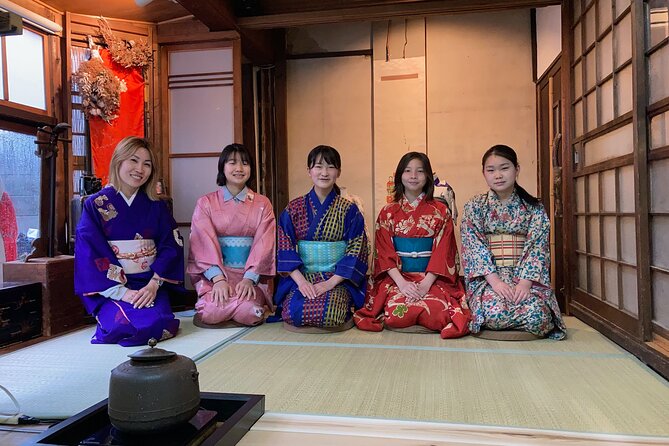
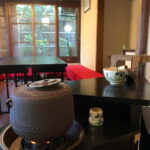
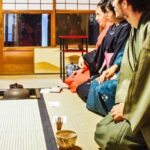
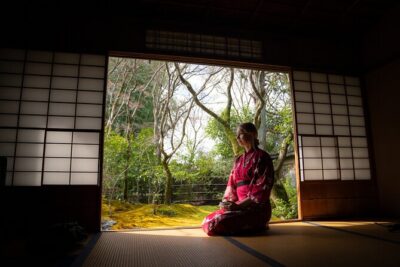
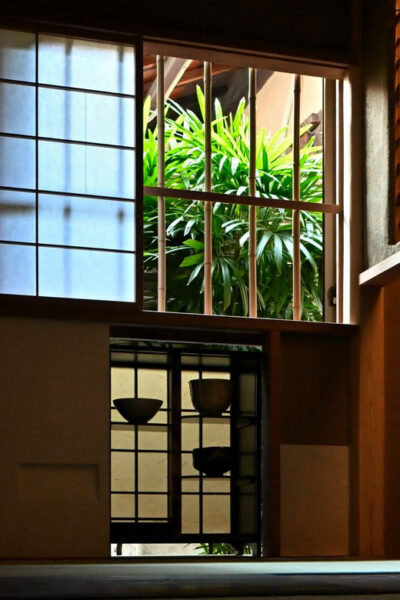
The experience starts in a shop area at Miyagawa Tokusaburo shoten, located in Nishikyo Ward, Kyoto, at 32-4 Katsuranozatochō. The setting is a key part of the value here. Instead of holding the ceremony in a busy public space, you do it in an old private house over 100 years old, and because it is near Katsura Imperial Villa, the neighborhood atmosphere tends to feel more settled.
Why does this matter for you? Tea ceremony etiquette is about pace, posture, attention, and timing. A quiet location helps those things land. If you have ever been stuck doing a “ceremony” while hearing traffic noise and tour-group chatter, you already know how distracting that can be.
You also get a sense that this is someone’s home and tradition, not a stage performance. That is a big reason this option earns such high marks.
Antique kimono rental: choosing, dressing, and feeling comfortable
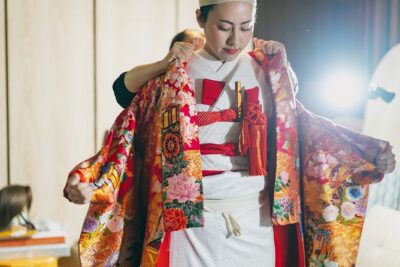
A lot of kimono experiences are one-size-fits-all. This one is different because you get antique kimono rental included in the price, and you spend time selecting what you want to wear.
Here is what you should expect from the kimono portion:
- You arrive and work with the staff to choose a kimono and coordinate the look.
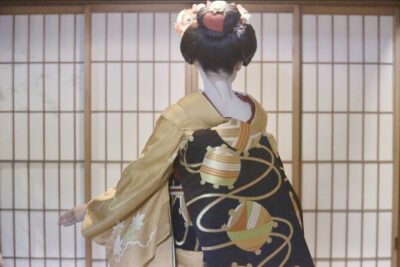
- They help with styling, and you may also be guided on accessories and hair details.
- The kimono dressing part is not rushed, which matters because you are going to be sitting for the tea ceremony afterward.
From what I’m seeing in how people describe the experience, the antique pieces and the fitting care are some of the standout moments. People also talk about how the hosts handle the practical parts like getting you dressed smoothly, and they even help with photo moments. One review specifically mentioned a sword being used as a prop for photos, which suggests you may get fun extras for your picture set, but that is not what the experience is built around.
Practical tip: kimono can feel unfamiliar at first. Even if you are only wearing it for a short time, tell them right away if you have any fit concerns, comfort issues, or mobility questions. The point is for you to be able to focus on the ceremony steps once tea begins.
Meeting Toku and learning tea etiquette in plain, usable steps
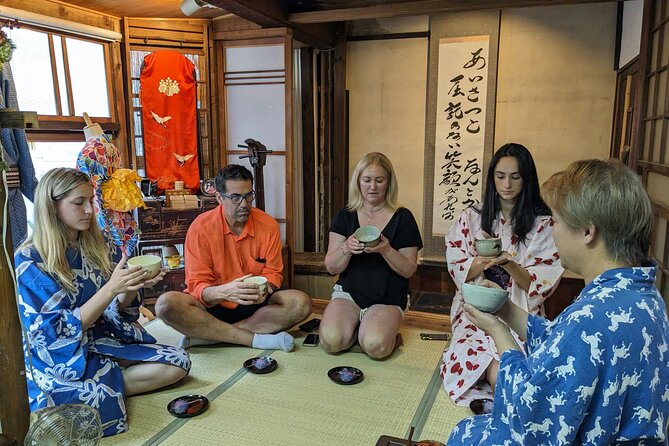
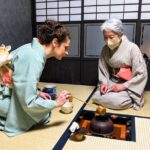
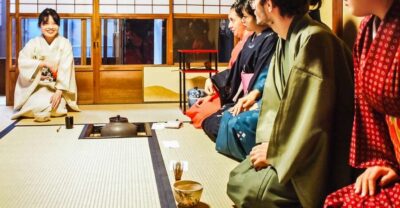
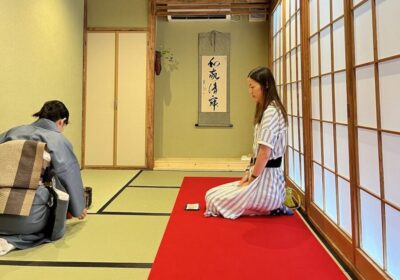
The tea ceremony is led by Toku, who has over 20 years of experience in tea ceremonies, with help from his family. The group stays small, capped at six, and that changes the whole feel. Instead of watching from a distance, you get instruction that is meant for participation.
You learn traditional etiquette and manners, including how the ceremony works in a respectful sequence. You also learn a bit of story context, including the relationship between samurai and the tea ceremony. That adds depth without turning the experience into a lecture.
What I like about this approach as a traveler: tea ceremony guidance can be vague in some places. Here, the teaching is described as step by step, with patience for beginners. People also mention that Toku shares his own background, including how he became a kimono fitter. That personal path helps the ceremony feel connected to real life, not just a museum script.
A quick heads-up for your expectations: this is not a party. It is a solemn, formal practice. You’ll do best if you lean into the calm and follow along carefully.
Rental shops we have actually walked into
- Kimono Tea Ceremony at Kyoto Maikoya, NISHIKI★ 5.0 · 911 reviews
- Kyoto: Kimono Rental with Hairstyling and Accessories★ 4.8 · 653 reviews
- Kyoto: Kimono Tea Ceremony at Orizuruya Gion★ 4.9 · 618 reviews
- KYOTO Tea Ceremony with kimono near by Imamiya Jinjya Shrine★ 5.0 · 343 reviews
- Kyoto: Kimono and Tea Ceremony Experience at Cultural Asset★ 4.3 · 306 reviews
Matcha making, green tea, and the sweets part you should not skip
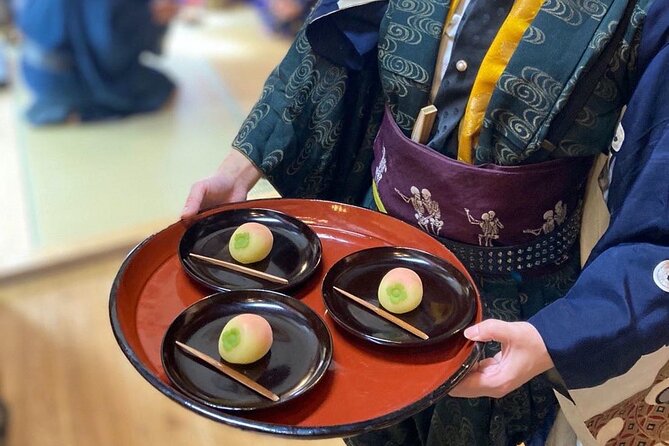
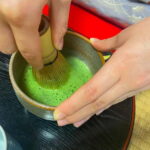
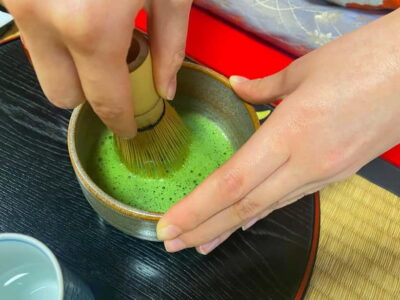
The highlight that brings many people here is the chance to learn how matcha tea is made, not just when to bow and which cup goes where. You’ll participate in the matcha preparation during the ceremony, and then you taste green tea with Japanese sweets included.
The exact technique can vary from house to house, but in general, matcha preparation is about attention, timing, and consistent motion. What you should expect from this experience is instruction that helps you understand the logic behind the steps, so the tea tastes better because you are more aware of what you are doing.
The sweets matter too. Japanese sweets in tea ceremonies are chosen to balance flavor and sweetness with the bitterness or earthiness of matcha. Even if you do not eat sweets often, try them as part of the full ritual. This is one of those “the small things are the point” moments.
If you are a tea nerd who wants multiple kinds of special teas, you might feel a little limited. That is the main drawback some people point out: they wanted more variety and more time spent on additional tea options. If your goal is learning the core ceremony flow and matcha preparation with a calm, personal teacher, you are in the right place.
The flow of your 1.5 hours, step by step
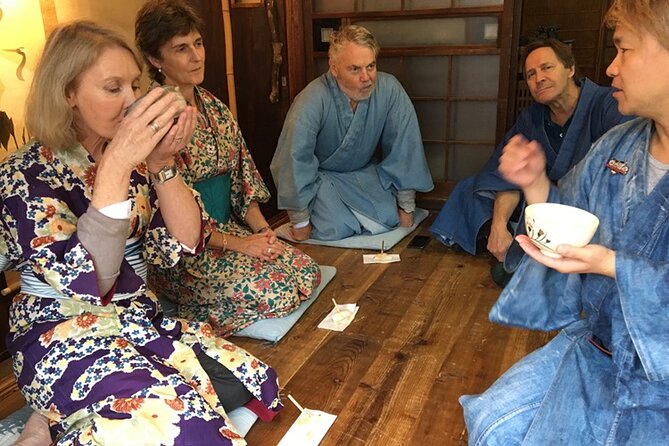
This is roughly how the experience typically unfolds in your 1 hour 30 minutes:
- Arrival and kimono selection
You meet at Miyagawa Tokusaburo shoten, then spend time choosing and getting dressed. The styling part is paced so you look good and feel okay sitting for a ceremony.
- Move into the ceremony space
The setting is in an old private house, so you experience the shift from shop energy into quiet ritual space.
- Etiquette and ceremony guidance
Toku explains how to behave, what each step means, and how tea culture fits into larger Japanese history, including the samurai connection.
- Matcha preparation and drinking
You learn the process of making matcha and then taste the green tea you prepared as part of the ceremony.
- Sweets and photos
Japanese sweets come with the tea. Many people also mention photo time and that the hosts take pictures for you, plus help you with presentation.
- Finish back at the meeting point
The activity ends where it starts, so you are not left figuring out how to get out.
Why this structure is good for you: it keeps the experience focused. There is no rushed “tour sprint.” You are learning, doing, tasting, and then you go.
Price and value: is $99.10 fair for what you get?
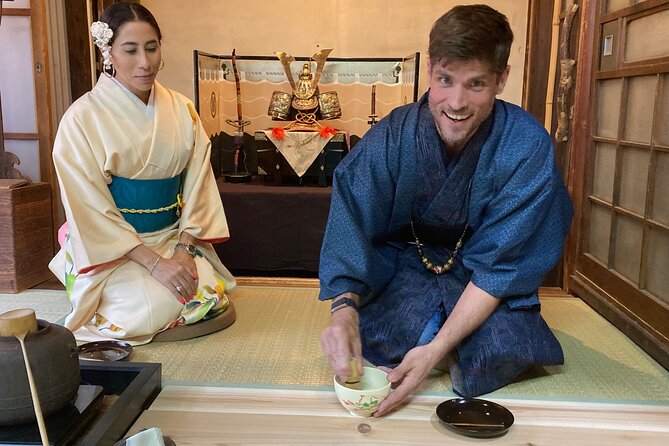
At $99.10 per person, the value is strongest if you care about both sides of the deal: clothing and ceremony. The price includes:
- Antique kimono rental fee
- Tea ceremony experience fee, including green tea and Japanese sweets
That is important because kimono rentals alone can be expensive in many parts of Japan, and they are often separate from the tea instruction. Here, they’re bundled. If you want a genuine tea ceremony led by someone with years of practice, and you also want the rare antique kimono element, $99.10 can feel like a straightforward trade.
Where the price can feel less satisfying is if your main goal is a longer, deeper tea tasting session with multiple tea varieties. This experience is built around a complete ceremony, not a tea tasting buffet.
Also, lunch and dinner are not included, so plan to eat separately before or after.
Getting there near public transportation, without stress
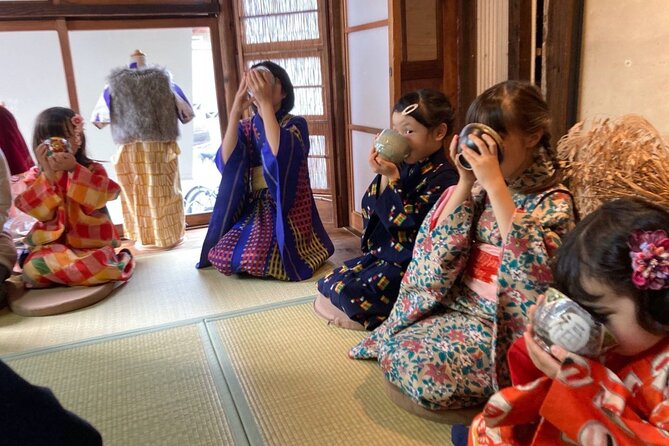
The meeting point is clearly listed at Miyagawa Tokusaburo shoten, 32-4 Katsuranozatochō, Nishikyo Ward. The tour/activity is described as near public transportation, and with the quiet neighborhood setting near Katsura Imperial Villa, it should feel less chaotic than central Kyoto.
Plan to arrive a little early. Dressing takes time, and kimono fitting is easier when you are not rushing in from the street. If you are doing Kyoto basics on the same day, consider not stacking your schedule too tightly. Give yourself buffer time.
You also get a mobile ticket, which is handy because you do not need to chase paperwork.
Who should book this Kyoto antique kimono and matcha ceremony
This tour is a great fit if you want:
- A small-group Kyoto tea ceremony capped at six
- A calmer location near Katsura Imperial Villa, in an old private home
- An included antique kimono rental experience where the hosts help you get styled properly
- English instruction with patience for beginners
- Meaningful ceremony time, not a rushed checklist
It may be less ideal if:
- You want a wide range of teas to taste
- You expect a flashy, touristy show space with big gardens and dramatic exterior settings
- You only want the fastest possible activity
And one more reality check: the experience is formal. It is meant for respectful participation. If you like structured cultural activities and you enjoy slowing down, you will likely love it.
What to watch for before you book
Based on how people describe their experience, there are a few points worth thinking about ahead of time:
- Expect focus on etiquette and matcha core steps, not a long menu of different teas.
- The setting is a real residential house, not a designed theme-park venue. If you want a super staged, exterior-first photo experience, your expectations may need adjusting.
- Antique kimono is part of the point, but kimono involves being dressed and sitting appropriately. If you have any mobility concerns, tell the hosts so they can guide you.
- The ceremony feels quiet and solemn, so if you prefer loud nightlife energy, this will feel different.
Should you book this tour?
If your goal is Kyoto culture that feels personal, calm, and hands-on, I’d say yes. The strongest reason to book is the combination: antique kimono rental plus an English-led tea ceremony plus matcha making teaching, all capped at six people in a 100-year-old private home near Katsura.
Book it if you want to slow down, learn the meaning behind the ritual, and leave with photos and a story you actually understand.
Skip it or reassess if you mainly want lots of tea varieties to taste, or if you are looking for a big, outdoor garden-style spectacle. In that case, you may prefer a different kind of tea experience that focuses more on tasting variety or scenery.
FAQ
Is the tea ceremony experience offered in English?
Yes, the experience is available in English.
How long does the experience take?
It lasts about 1 hour 30 minutes.
What group size is this Kyoto tea ceremony capped at?
The activity is capped at a maximum of six travelers.
What is included in the price?
The price includes the antique kimono rental fee and the tea ceremony experience fee, with green tea and Japanese sweets.
Does the price include kimono rental?
Yes, antique kimono rental is included.
Is lunch or dinner included?
No, lunch and dinner are not included.
Where does the experience start?
It starts at Miyagawa Tokusaburo shoten, 32-4 Katsuranozatochō, Nishikyo Ward, Kyoto 615-8073, Japan.
Will I get a mobile ticket?
Yes, the tour uses a mobile ticket.
Are service animals allowed?
Yes, service animals are allowed.
What is the cancellation policy?
You can cancel for a full refund up to 24 hours in advance. If you cancel less than 24 hours before the start time, the amount paid is not refunded. Cut-off times are based on local time.
Rental Counters, Compared
Kyoto by the Bowl
Newest Kyoto write-ups from the Loving Japan desk
Kyoto Tea Ceremonies and Matcha, side by side.
 ★ 4.9Tea Ceremony in a Traditional Tea House in KiyomizuFrom $493,519 reviews
 ★ 4.9Tea Ceremony Ju-An at Jotokuji TempleFrom $293,207 reviews
 ★ 4.345-Minute Tea Ceremony Lesson ExperienceFrom $222,378 reviews
 ★ 5.0World Heritage Kyoto & Nara Uji Authentic Matcha ExperienceFrom $1291,573 reviews
 ★ 4.9Tea Ceremony ExperienceFrom $251,426 reviews
 ★ 4.9Table-Style Tea Ceremony at a Kyo-MachiyaFrom $451,211 reviews
 ★ 4.8Kenrokuen Tea Ceremony ExperienceFrom $351,139 reviews
 ★ 5.0Kimono Tea Ceremony at Kyoto Maikoya, NISHIKIFrom $65911 reviews
Filed on these lists too