
REVIEW · KYOTO TEA CEREMONIES AND MATCHA
Elegant Tea Ceremony While Wearing Kimono Experience in Kyoto
Dress, sip, and write in Kyoto. This is one of those quiet-but-grand Kyoto experiences, starting with kimono styling and moving into a guided tea ceremony built around matcha and seasonal sweets. It also gives you an add-on choice, calligraphy, gold leaf, or a guided walk in Nishiki Market.
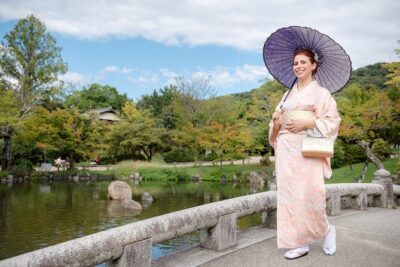
I like the way the day is set up for real participation, not just watching. You get expert help getting dressed, and for women there is free hair styling too, plus plenty of time for photos while you are dressed. I also like that the tea master guides you in English, so the steps and meaning actually land.
One thing to consider is timing and crowds. On weekends and holidays, the area can be busy and the session may feel a bit more rushed, even if the group stays small.
In This Review
- Key highlights you should know before you go
- Nishiki Orizuruya: starting in Kyoto’s most convenient arts-and-food zone
- Kimono and hair styling: the part people remember longest
- The 90-minute tea ceremony: how your hands learn matcha
- Tea Ceremony plus Calligraphy: making a keepsake, not just a photo
- Tea Ceremony plus Gold Leaf: a small workshop with real wow-factor
- Tea Ceremony plus Nishiki Market walk: turning tea into a Kyoto food tour
- Price and what you really get for $50.58
- Practical tips: how to have a smooth, low-stress experience
- Should you book this Nishiki Orizuruya kimono tea experience?
- FAQ
- How long is the experience?
- Is the tea ceremony guided in English?
- Does the price include kimono rental?
- Where does the experience start?
- Will I get to whisk my own matcha?
- What add-on activities are available?
- Is there a limit on group size?
- Are there photo opportunities?
- Can children join?
- What happens if there is severe weather or a natural disaster?
- What is the cancellation policy?
Key highlights you should know before you go
- Kimono and styling included: You can choose your own kimono and accessories, and women get hair styling.
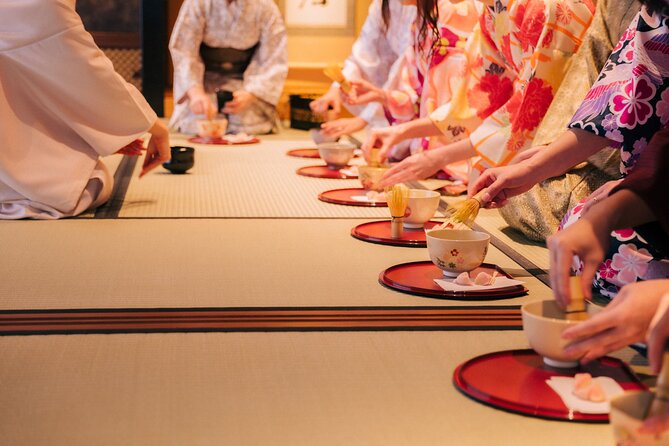
- Matcha plus seasonal sweets: You do the whisking yourself and then taste wagashi paired with your tea.
- Small group size: The experience caps at 10 travelers, which helps keep it personal.
- Add-on choices after tea: Calligraphy, gold leaf, or a Nishiki Market walking tour.
- Meaning explained by the host: English guidance is part of the experience, not an afterthought.
- Kimono time after the ceremony (sometimes): Some sessions let you keep your kimono on until 6pm for more Kyoto strolling.
Sit down somewhere quieter. Other tea rooms we booked
- Kyoto: Tea Ceremony in a Traditional Tea House in Kiyomizu
★ 4.9 · 3,519 reviews - Kyoto: Tea Ceremony Ju-An at Jotokuji Temple
★ 4.9 · 3,207 reviews - Kyoto: 45-Minute Tea Ceremony Lesson Experience
★ 4.3 · 2,378 reviews - Kyoto: Table-Style Tea Ceremony at a Kyo-Machiya
★ 4.9 · 1,211 reviews
Nishiki Orizuruya: starting in Kyoto’s most convenient arts-and-food zone
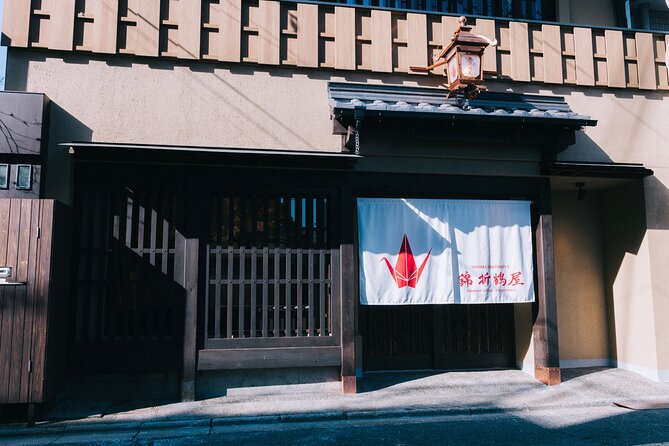
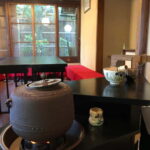
This experience begins at Nishiki Orizuruya, a traditional tea house just a minute walk from Nishiki Market. That matters because Kyoto can feel like endless walking, and here you get culture without a long commute. You meet at 452 Jūmonjichō in Nakagyo Ward, and the activity ends back at the same spot.
The setting helps too. A tea house is made for calm, so even when the market area is crowded, your tea time is meant to slow you down. And once you are done, you are already placed in the right neighborhood if you want to keep exploring on foot.
One practical note: show up at least 10 minutes early. The dressing and setup take time, and being late can shorten your photo and practice moments.
Kimono and hair styling: the part people remember longest
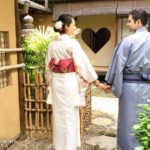
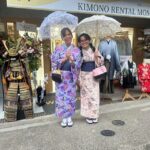
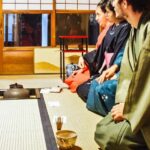
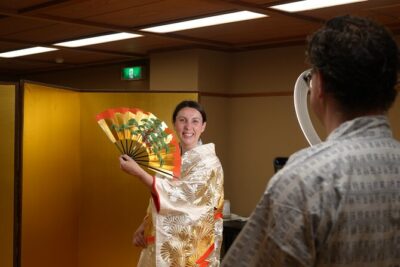
The first big segment is all about getting you into a kimono properly. You can pick from a large selection, and the staff help you with dressing details so it looks correct and sits well. Multiple guests specifically praised the styling team for being patient and detail-oriented, including help accommodating different sizes.
If you are traveling with women in your group, hair styling is included. That is a big deal, because a kimono looks different when your hair and accessories are actually done the way it is meant to be done. You also get that extra “Kyoto special occasion” feeling without needing to research etiquette or hire someone yourself.
What to watch for, comfort-wise: kimono dressing is structured. Some people may find kneeling on the floor hard during ceremony components. In at least one experience, a chair was provided when someone could not sit comfortably on the floor. If you have mobility needs, it is worth flagging ahead of time so the team can help you plan where you sit.
And yes, there are photo moments. The staff will help you take pictures while you are dressed, which is one of the most commonly mentioned perks. If photos are high on your priority list, plan to bring a charged phone and wear something easy to slip off before you change.
The 90-minute tea ceremony: how your hands learn matcha
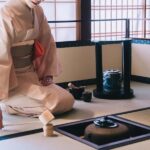
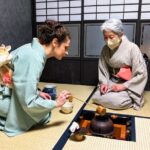
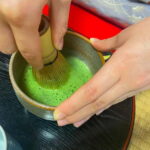
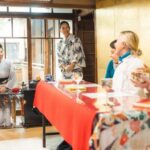
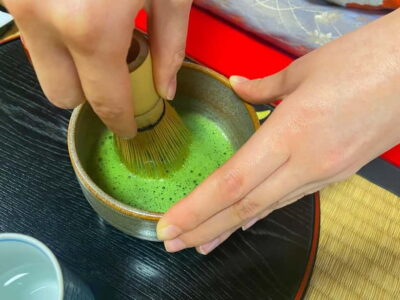
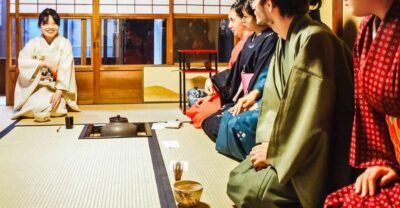
The core experience is a formal tea ceremony with a professional tea master guiding you in English. You start with a demonstration, then you prepare your own matcha using a bamboo whisk. That hands-on part is where many people feel the difference between watching tea online and actually doing it.
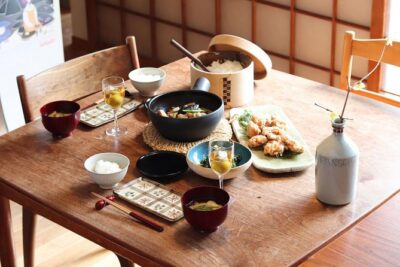
Then you taste. You get seasonal wagashi from a traditional confectionery that is described as 100 years old, paired with your matcha. This is one of those pairings that teaches your taste buds to slow down. You also learn enough about the steps to understand why the order matters, not just how to perform it.
What I like about this structure is that it gives you two wins. First, you get the choreography, which makes you feel like you are participating in a ritual. Second, you get food and drink that is actually good, not a token sip.
A small but important consideration: one review specifically mentioned allergies being accommodated. Still, if you have any food restrictions, make sure to tell the staff when you arrive, or as soon as you can during check-in. Tea and sweets are part of the ceremony, so your needs should be included in advance.
Rental shops we have actually walked into
- Kimono Tea Ceremony at Kyoto Maikoya, NISHIKI★ 5.0 · 911 reviews
- Kyoto: Kimono Rental with Hairstyling and Accessories★ 4.8 · 653 reviews
- Kyoto: Kimono Tea Ceremony at Orizuruya Gion★ 4.9 · 618 reviews
- KYOTO Tea Ceremony with kimono near by Imamiya Jinjya Shrine★ 5.0 · 343 reviews
- Kyoto: Kimono and Tea Ceremony Experience at Cultural Asset★ 4.3 · 306 reviews
Tea Ceremony plus Calligraphy: making a keepsake, not just a photo
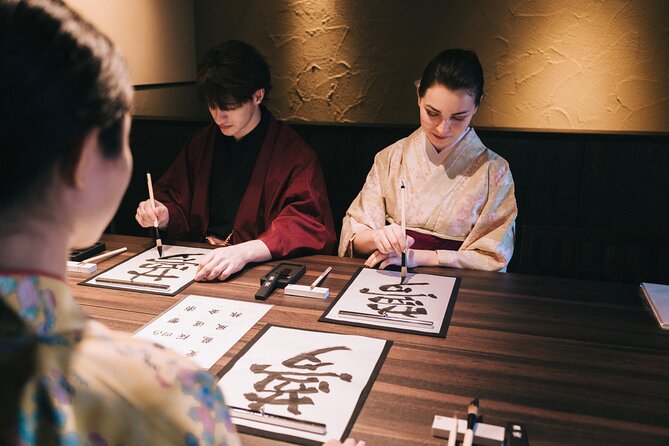
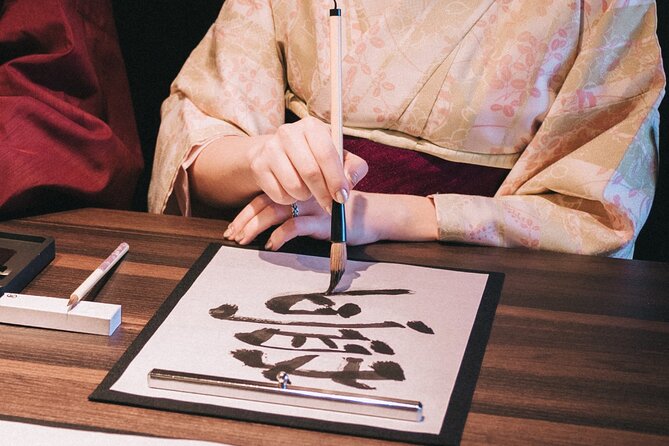
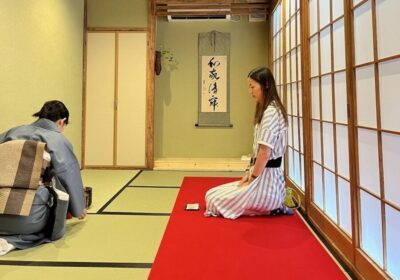
If you choose the calligraphy option, you do matcha and sweets first, then you add a hands-on workshop after the tea. The goal is a personal keepsake. You write your favorite kanji using a brush and ink, on washi paper.
This works well for people who want something more tangible than a souvenir shop bag. It also makes the time feel focused, because calligraphy is slow and deliberate by nature. You get a clear task, practice time, and a finished piece to take home.
One thing to remember: calligraphy is a skill, so you do not need to be artistic already. The workshop is built to teach you how to handle the brush and ink, then guide you toward your character. If you are going with family or friends, it is also a great activity for sharing, since everyone ends up with their own character.
Language-wise, the experience is guided in English, so you are not stuck guessing what each step is supposed to mean. That is especially helpful if your goal is cultural understanding, not just copying strokes.
Tea Ceremony plus Gold Leaf: a small workshop with real wow-factor
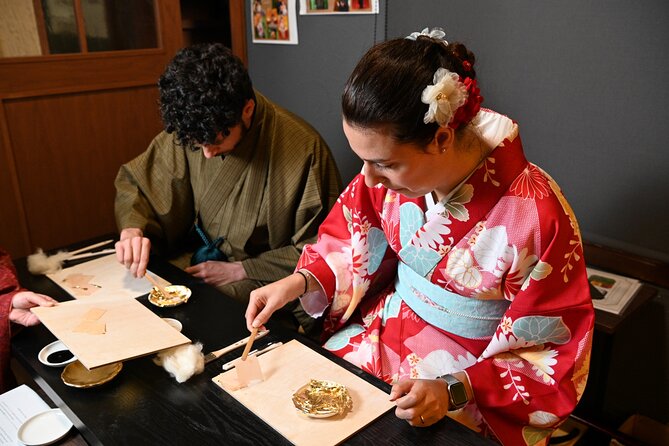
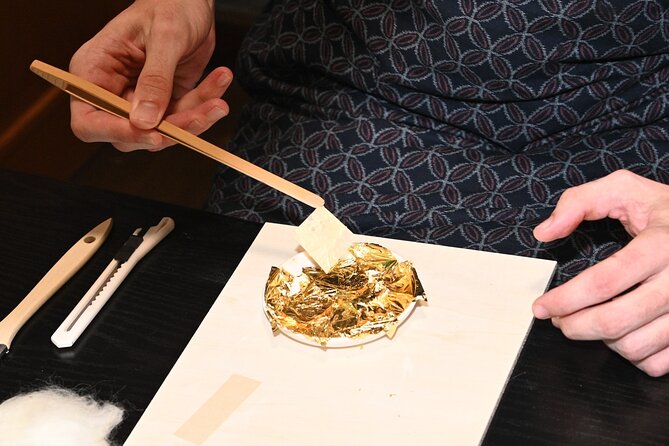
The gold leaf option adds a practical craft element after the tea ceremony. After your matcha, you join a hands-on workshop where you decorate a small plate with high-purity gold leaf.
Why this option is worth considering: gold leaf crafts are visually dramatic even when the steps are simple. You are applying delicate material, so you get that “slow magic” feeling of working carefully. Then you take home the finished item, which turns the experience into something you can display later.
Also, gold leaf is forgiving as a first craft. Even if your first attempt is imperfect, the outcome still has that shiny, satisfying look. And since it is done after the tea, you are not rushing from one demanding activity into another right away.
Timing can matter here. The gold leaf option runs longer than the basic ceremony, so it is a good pick if you want a full cultural block in one sitting. If your Kyoto schedule is packed, this might be the option that helps you avoid multiple short stops that do not add up to much.
Tea Ceremony plus Nishiki Market walk: turning tea into a Kyoto food tour
The Nishiki option combines a tea ceremony with an English-speaking guided walking tour around Nishiki Market and nearby streets. This is the choice if you want culture plus context, and you want help finding the tastiest stuff without guessing.
You explore Nishiki Market, often called Kyoto’s Kitchen, and you also visit nearby shrines and historic shops depending on the route. The guide explains Kyoto’s food culture and the local area, which is useful because market stalls can be overwhelming if you are not sure what you are looking at.
In one experience, Lina served as the market guide and was praised as fantastic. That gives you a hint of what good guidance feels like here, clear explanations and strong local knowledge, not just pointing at stalls.
One consideration: markets are active spaces. Even with a small group limit, you will be in a crowd. If you hate tight spaces or long standing times, the tea-only option may be calmer. But if you enjoy browsing food, this add-on gives you a payoff quickly after the ceremony.
Price and what you really get for $50.58
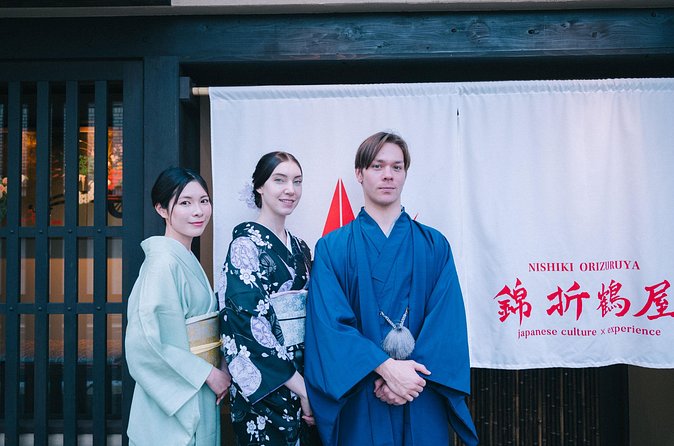
At $50.58 per person, this price looks like a lot at first. But the value comes from what is bundled into the ticket.
You are not paying only for matcha and a seat in a room. The experience includes kimono rental, English guidance, and traditional sweets as part of the ceremony. For women, hair styling is also included, which can be an extra cost if you book it separately in Kyoto. Then, depending on the version you book, you add calligraphy or gold leaf, or you add a guided walk in Nishiki Market.
There is also a practical value piece: the group size is capped at 10 travelers. Smaller groups often mean less time waiting, more attention from staff, and a smoother flow through the dressing and ceremony.
If you are comparing this to solo kimono rental plus a random restaurant tea set, this tends to win because you get instruction and a structured experience. You also get the “Kyoto moment” where you wear kimono and actually do something traditional, not just look at it.
Practical tips: how to have a smooth, low-stress experience
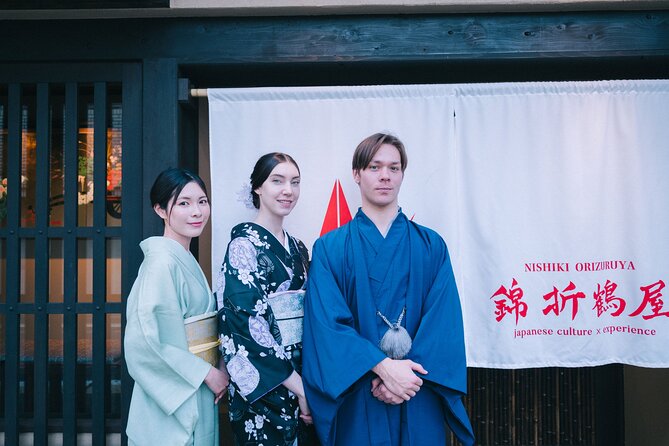
Here are the real-world tips that make this kind of experience go well in Kyoto.
First, arrive early. Dressing and setup are the foundation of the day, so being on time protects your photo time and keeps the ceremony schedule comfortable.
Second, plan for photos. The staff are actively helping with photos while you are dressed, and the activity itself is built around those moments. If you want fewer pictures and more calm, you can still ask for a slower pace, but you may want to be honest with the team early.
Third, expect floor seating. Some ceremony steps may involve sitting low. If you need a chair, you can ask. At least one participant reported a chair was provided, so this is not an impossible request.
Fourth, think about what you want to leave with. If you want a personal item, choose calligraphy. If you want something shiny and displayable, choose gold leaf. If you want to understand Kyoto’s food culture right after tea, choose the Nishiki Market walk.
Finally, consider your kimono comfort and layering. Kyoto weather can change quickly. If you wear something warm under layers when you are changing, it can help you stay comfortable before and after your ceremony time.
Should you book this Nishiki Orizuruya kimono tea experience?
I think you should book it if you want a real Kyoto cultural block in one place, and you value hands-on participation more than sightseeing stamps. The kimono styling, the matcha you whisk yourself, and the option to add calligraphy, gold leaf, or a guided market walk make this a strong value for the money.
I would skip the add-ons and just do the basic tea ceremony if you want the calmest schedule, or if crowds near Nishiki Market would stress you out. And if you care about mobility, dietary needs, or comfort, it is smart to flag those concerns when you check in so the staff can set you up well.
If your trip needs one “quiet special” moment that still feels grand, this is a solid pick.
FAQ
How long is the experience?
The basic tea ceremony option is about 90 minutes. The calligraphy and gold leaf versions are about 130 minutes, and the Nishiki Market tour version is about 150 minutes.
Is the tea ceremony guided in English?
Yes. The experience is guided in English.
Does the price include kimono rental?
Yes. All plans include kimono rental, and women also get free hair styling.
Where does the experience start?
You meet at Nishiki Orizuruya at 452 Jūmonjichō, Nakagyo Ward, Kyoto, 604-8121, Japan. The tour ends back at the same meeting point.
Will I get to whisk my own matcha?
Yes. You watch a demonstration and then prepare your own matcha using a bamboo whisk.
What add-on activities are available?
After the tea ceremony you can choose one option: calligraphy, gold leaf art, or a Nishiki Market and nearby area walking tour with an English-speaking guide.
Is there a limit on group size?
Yes. The maximum group size is 10 travelers.
Are there photo opportunities?
Yes. The experience includes photo opportunities while you are dressed, and staff can help with taking pictures.
Can children join?
Children aged 5 and above may join, and there is no child discount.
What happens if there is severe weather or a natural disaster?
In case of severe weather or natural disasters like a typhoon, the tour is canceled and fully refunded.
What is the cancellation policy?
This experience is non-refundable and cannot be changed for any reason. If you cancel or ask for an amendment, the amount you paid will not be refunded.
Rental Counters, Compared
Kyoto by the Bowl
Newest Kyoto write-ups from the Loving Japan desk
Kyoto Tea Ceremonies and Matcha, side by side.
 ★ 4.9Tea Ceremony in a Traditional Tea House in KiyomizuFrom $493,519 reviews
 ★ 4.9Tea Ceremony Ju-An at Jotokuji TempleFrom $293,207 reviews
 ★ 4.345-Minute Tea Ceremony Lesson ExperienceFrom $222,378 reviews
 ★ 5.0World Heritage Kyoto & Nara Uji Authentic Matcha ExperienceFrom $1291,573 reviews
 ★ 4.9Tea Ceremony ExperienceFrom $251,426 reviews
 ★ 4.9Table-Style Tea Ceremony at a Kyo-MachiyaFrom $451,211 reviews
 ★ 4.8Kenrokuen Tea Ceremony ExperienceFrom $351,139 reviews
 ★ 5.0Kimono Tea Ceremony at Kyoto Maikoya, NISHIKIFrom $65911 reviews
Filed on these lists too