
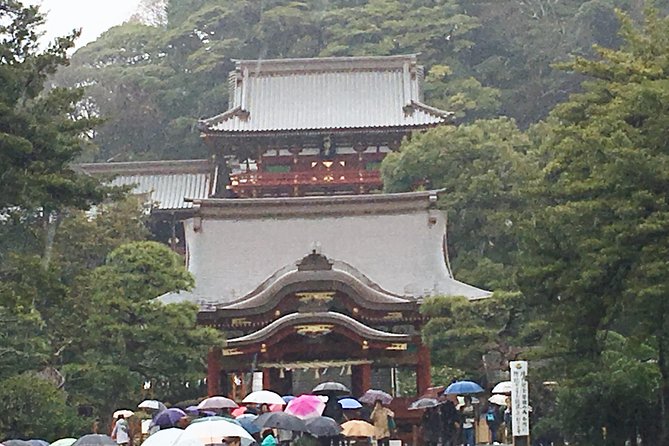
REVIEW · KAMAKURA, THE GREAT BUDDHA AND ENOSHIMA
Exciting Kamakura – One Day Tour from Tokyo
Kamakura is a perfect temple reset from Tokyo. This one-day private tour is built for limited time, with hotel pickup and drop-off and a guide to translate the big ideas behind each stop.
I like how the day is organized into a tight, walkable sightseeing order, and how your guide can adjust in real time if your group has questions.
My favorite part is the human support, not just the sightseeing. With a private format, guides like Akira, Yumiko, Kono, Yoshi, and Yoshio were repeatedly praised for direct help with train routes, site context, and even practical stuff like lunch choices.
One possible drawback: you should expect a moderate walking day. Reviews note lots of stairs and steps, and if your guide’s English pace is fast, the tour can feel more scheduled than relaxed, so choose based on your comfort level.
In This Review
- Key Things I’d Circle Before You Book
- Why Kamakura Works So Well as a One-Day Break from Tokyo
- Price and What You Actually Get for About $145
- Morning Logistics: Hotel Pickup and Getting to Kamakura Without Guesswork
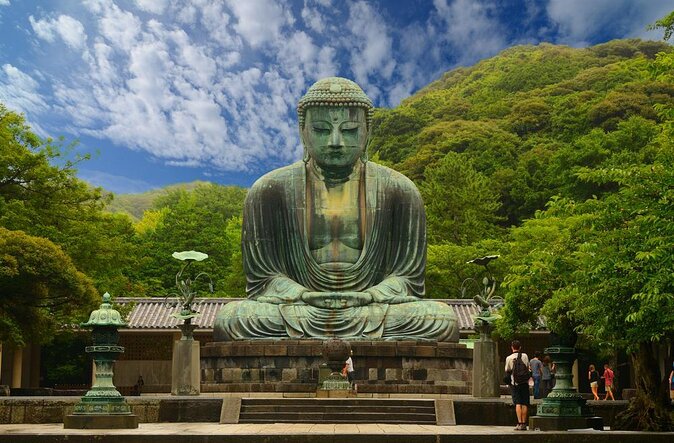
- Kotoku-in Great Buddha: The Icon You Can’t Skip
- Hase-dera Temple: Gardens, Ocean Views, and the Cave Shrine
- Hokoku-ji Temple (Takedera): Bamboo Forest Calm That Resets Your Brain
- Tsurugaoka Hachimangu Shrine: Shogun-Era Power in Shrine Form
- Food, Photo Moments, and the Little Extras Guides Can Add
- Walking, Stairs, and Timing: Plan for a Real Day on Your Feet
- Language, Group Pace, and How to Choose the Right Fit
- Should You Book This Kamakura One-Day Tour?
- FAQ
- What time does the tour start?
- How long is the Kamakura one-day tour?
- Is hotel pickup and drop-off included?
- Is this a private tour or a shared group?
- Which sites are included in the itinerary?
- Are entrance fees included?
- What transportation cost should I plan for?
- What physical level do I need, and can children join?
- What if I need to cancel?
Key Things I’d Circle Before You Book
- Hotel pickup and drop-off makes the Tokyo to Kamakura commute feel simple, even on a busy morning
- Private guide access means you can ask questions on the spot, not just listen passively
- Temple and shrine highlights are tightly sequenced, from Kotoku-in to Hase-dera to Hokoku-ji to Tsurugaoka Hachimangu
- Seasonal bonus at Hase-dera: hydrangea is called out as stunning in June and July
- You’ll trade independence for efficiency, which is great if you have limited time or low tolerance for train planning
Coast and temples south of Tokyo, compared
- Tokyo: Kamakura & Enoshima Day Trip including Temple Tickets
★ 4.5 · 1,375 reviews - From Tokyo: Kamakura & Enoshima 1-Day Bus Tour
★ 4.5 · 189 reviews - Kamakura Historical Walking Tour with the Great Buddha
★ 5.0 · 129 reviews - Kamakura Private Tour: Temples, Nature, and the Great Buddha
★ 5.0 · 121 reviews
Why Kamakura Works So Well as a One-Day Break from Tokyo
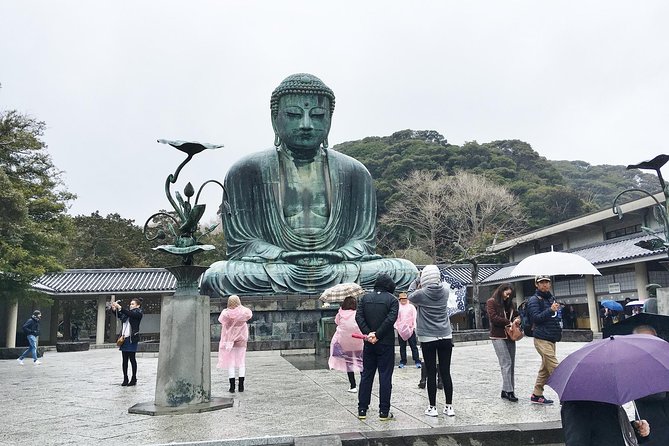
Kamakura is one of those places where you get a different mood fast. Tokyo can feel intense, then you step into a coastal-historic city with temples, old lanes, and viewpoints toward the Pacific.
This tour is designed for visitors who do not want to guess which sites are worth the time. You get a shortlist of the main hits, explained clearly, without you having to sort through a mountain of guidebook pages.
Also, the private setup matters. Even with the same four iconic stops, the difference is how you connect the dots. A good guide turns a list of sights into a day with a storyline: Kamakura as Japan’s former center of power, then as a culture of faith and art, then back to calm coastal walking.
Price and What You Actually Get for About $145
The price is $145.31 per person for a private, guide-led day tour (about 8 hours 30 minutes). The value is less about having the temples marked on your map, and more about getting a guide who handles the flow of the day and the logic of where you go next.
What’s included:
- Professional guide
- Private tour
- Meeting in the hotel lobby
What’s not included:
- Transportation cost of about ¥2,720 per person
- Entrance fees for the paid temple sites
So yes, you should plan for extra costs on top of the base price. But if you factor in stress reduction, navigation help, and the guide’s explanations while you’re walking between sites, the math usually feels fair, especially if it’s your first time doing trains and local transit in Japan.
If you are the type who gets impatient with logistics, this is where the money goes. Several guides in the reviews helped with things like train navigation and even setting up transit cards (Pasmo) at the start of the day.
Morning Logistics: Hotel Pickup and Getting to Kamakura Without Guesswork
The day starts at 9:00 am, and the tour includes hotel pickup and drop-off. That matters. Kamakura is easy enough to reach, but Tokyo mornings can be a maze, and the transfer part is where plans get messy for first-timers.
This tour also works as a “get your bearings fast” day. Your guide meets you in the lobby, then helps with the move from Tokyo to Kamakura and keeps the group together through the site-to-site transitions.
It’s also a mobile-ticket experience, which should reduce last-minute friction when it’s time to check in. Add group discounts to the mix, and the pricing is positioned to feel reasonable for small parties.
- Kamakura Walking Tour – The City of Shogun★ 5.0 · 100 reviews
- Kamakura 4hr Private Trip with Government-Licensed Guide★ 5.0 · 58 reviews
- When Emperors Reigned and Shoguns Ruled★ 5.0 · 43 reviews
- From Tokyo: Kamakura Full Day Tour with a Local Expert Guide★ 4.6 · 43 reviews
- Exciting Kamakura – One Day Tour from Tokyo★ 5.0 · 40 reviews
Kotoku-in Great Buddha: The Icon You Can’t Skip
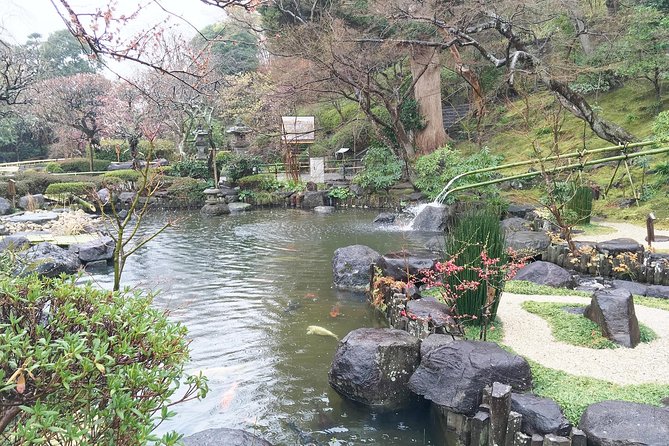
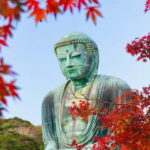
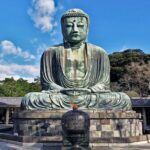
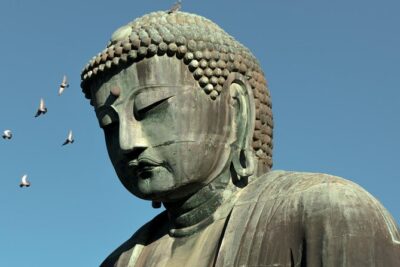
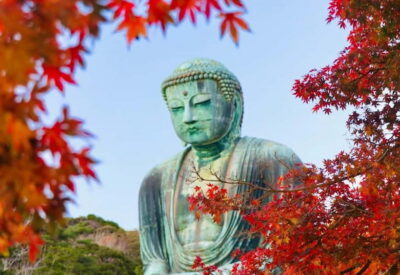
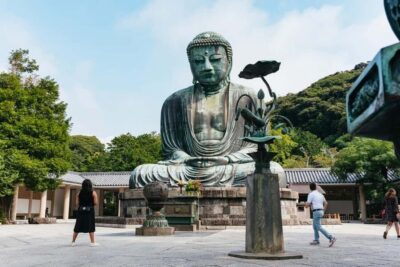
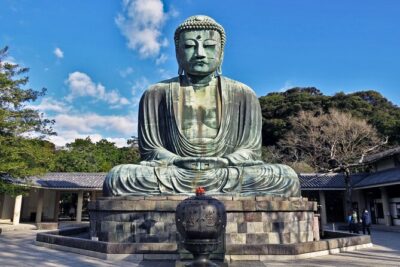
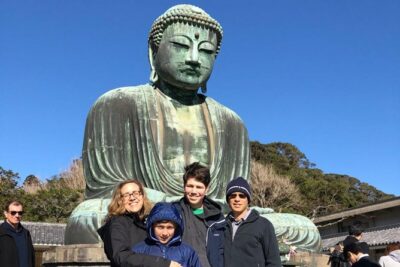
Kotoku-in is your first stop and the reason many people come to Kamakura in the first place. The Great Buddha is described as the landmark of Kamakura and it dates back to the 13th century.
Two practical things to know:
- There is an entrance fee listed, but the provided numbers vary between the stop notes and the cost breakdown. Expect an extra payment at check-in, and confirm the exact amount when you book.
- You may have a chance to go inside the bronze statue. One review notes that you can walk inside, and it also warns it is not ideal for claustrophobia.
Why I like this stop early: it anchors your understanding of the town. Once you see the scale and the landmark status, the rest of Kamakura’s religious sites make more sense. You’re not just collecting stamps, you’re building a mental picture of why Kamakura mattered.
Also, this is the kind of photo stop that holds up even in crowds. The scale helps, and the guide explanation usually turns a simple look into something you understand.
Hase-dera Temple: Gardens, Ocean Views, and the Cave Shrine
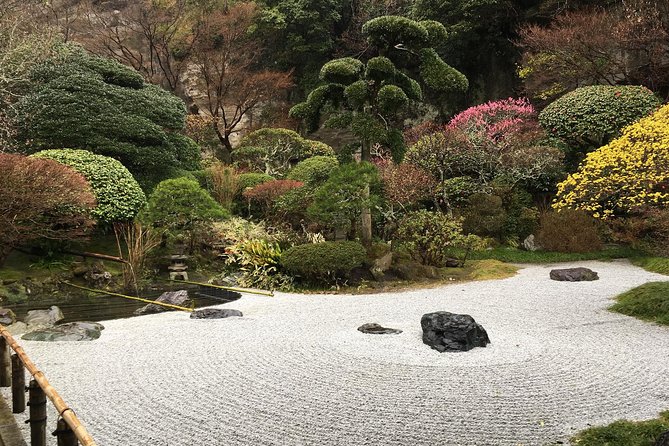
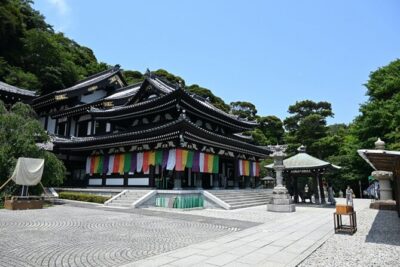
Hase-dera is where Kamakura starts to feel cinematic. It’s described as having a Japanese garden, Buddha statues, and a view toward the Pacific Ocean. The stop notes also call out a unique cave shrine.
Timing note: the hydrangea season is specifically highlighted. In June and July, hydrangea blooms are said to be beautiful, so if your dates line up, this becomes more than a sightseeing stop. It becomes a seasonal experience.
Entrance fee applies here, so budget for it. The tour lists an entrance fee for Hase-dera, and it is not included in the base price.
A balanced way to approach Hase-dera: it’s not just about one photo angle. The site is the kind where you want to slow down and look at the way the temple is set up on a hillside. If your guide keeps the pacing tight, you still get the big moments, but you might miss some of the quiet, garden-level details.
Hokoku-ji Temple (Takedera): Bamboo Forest Calm That Resets Your Brain
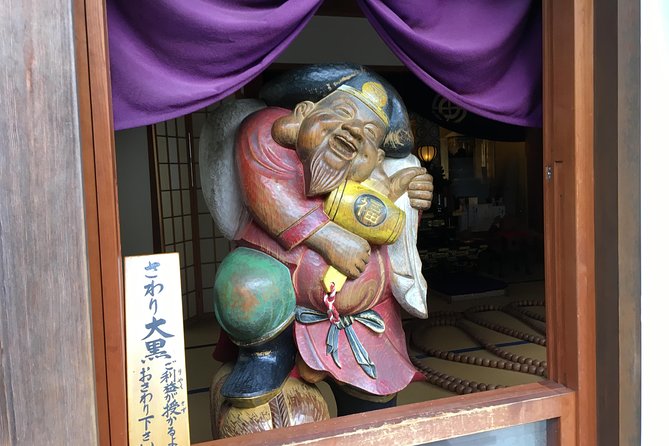
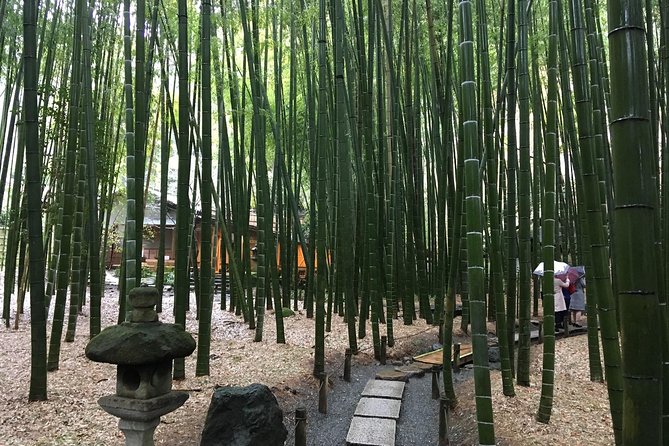
Hokoku-ji is the “something different” stop. Instead of the main altar focus you might expect, it’s famous here for a bamboo forest feel.
The tour highlights it as a temple built in the 14th century with a beautiful bamboo forest. Reviews add that this can be a peaceful change of pace, especially after the more landmark-like feeling of Kotoku-in.
Like the other paid stops, there is an entrance fee listed, and the exact figure differs between the stop notes and the pricing breakdown. Either way, assume you’ll pay on-site or through the provided instructions.
Why this stop matters in the overall itinerary: it adds variety. A day that’s only bronze statues and grand gates can blur together. Bamboo brings texture, shadow, and a calmer visual rhythm. You may find it easier to absorb your guide’s commentary in a calmer environment.
Tsurugaoka Hachimangu Shrine: Shogun-Era Power in Shrine Form
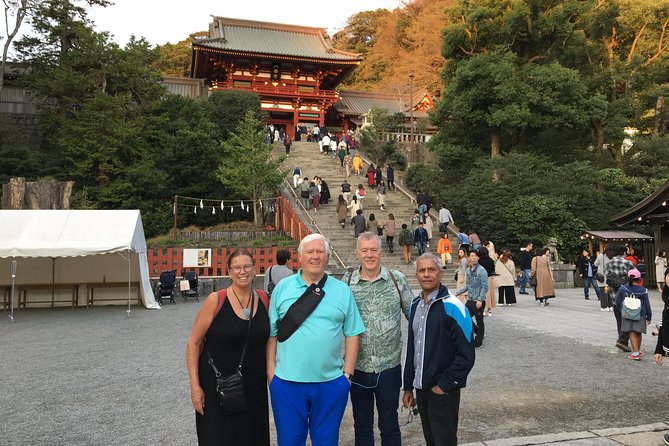
Tsurugaoka Hachimangu is the last stop, and it’s a key cultural anchor. The tour describes it as the official guardian shrine of the Kamakura shogunate, and it was worshiped by warriors as a deity of the military.
The practical advantage here is that it is listed as free to enter. That helps your day budget and keeps the focus on the meaning, not just the ticket line.
How this fits the larger story: the earlier stops emphasize Buddhism and its visual landmarks. Tsurugaoka brings you back to governance, power, and how religious practice and politics reinforced each other in medieval Japan. When your guide explains that link, the shrine stops feeling like one more pretty building and starts feeling like a chapter of Kamakura’s role in Japan’s history.
Food, Photo Moments, and the Little Extras Guides Can Add
This tour is temple-forward, but the day is not supposed to feel like a checklist robot march. Reviews often praise guides for making the day more human, including:
- Lunch help, including picking a place near the main station after the commute
- Dietary support, with one review specifically mentioning help finding gluten-free food
- Extra photo help so you do not end up filming random pavement while everyone else gets a selfie
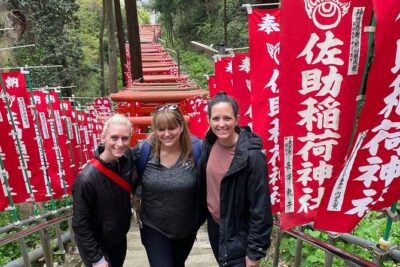
Some guides also add small tradition moments. One review mentions stopping so a daughter could get a goshuincho book signed at each stop. That’s the kind of travel detail that turns a sightseeing day into something personal.
And yes, Kamakura has cute shops and side streets. If your guide has time and your group enjoys browsing, you might also catch a storefront music-box moment or a quieter lane to decompress after the main temple beats. Just note that this depends on pacing and how the day is going.
Walking, Stairs, and Timing: Plan for a Real Day on Your Feet
This is not a sit-and-watch tour. The included sites are on uneven ground and involve stairs, slopes, and lots of walking between stops. One review flat-out says expect to put in many steps.
So think about your day in two layers:
- Comfort planning: wear shoes you trust on stairs and uneven stone paths
- Energy planning: if you know you get slow when tired, tell your guide early so pacing can match your group
Hydrangea season deserves a special caution. Popular seasons can mean more foot traffic at Hase-dera, and a longer time at photo points. If you like crowds, great. If you dislike waiting, aim for early morning access when possible, and stay flexible.
Also, the tour notes moderate physical fitness level. That’s a polite way of saying you will work a bit, even though it’s only one day.
Language, Group Pace, and How to Choose the Right Fit
Most reviews are very positive about guide quality. Names that came up often include Akira, Yumiko, Kono, Yoshi, Yoshio, and Hideaki Murayama, and many praised clear explanations and the ability to help with practical navigation.
But you should pay attention to one recurring caution: communication and pacing can shape the whole experience. One review mentions a language barrier that dampened what could have been a wonderful day. Another notes the guide walked fast and English was limited, making it feel more structured than interactive.
So here’s my practical advice:
- If your Japanese is limited, check that your tour description and guide communication style match your needs
- If you prefer a slower, question-friendly pace, tell the guide you want time to ask and take photos
- If you want a very relaxed day, remember this itinerary is built around multiple key stops in one stretch
A private guide can be responsive, but your expectations should match the structure: this is a highlights circuit.
Should You Book This Kamakura One-Day Tour?
If you have limited time in Japan and want a classic Kamakura day without turning it into a logistics project, I think this tour is a smart booking. The biggest selling point is that you get a guided temple and shrine circuit with hotel pickup, plus direct access to someone who can explain what you’re seeing and help you keep moving.
You should also consider it if you like order. The itinerary is built to get you to major sites in a sensible sequence, so you do not spend half the day rerouting or wondering if you picked the right temple.
Skip it, or at least think hard, if you hate walking and stairs or if you need a very relaxed pace with lots of downtime. This is a full day out, and most of the value comes from staying engaged from stop to stop.
For most people, though, Kamakura is best when it feels focused, calm, and meaningful. This tour is designed to get you there fast from Tokyo, with less guessing and more understanding along the way.
FAQ
What time does the tour start?
The start time is 9:00 am.
How long is the Kamakura one-day tour?
It runs about 8 hours 30 minutes.
Is hotel pickup and drop-off included?
Yes. The tour includes meeting in the hotel lobby with hotel pickup and drop-off.
Is this a private tour or a shared group?
This is a private tour. Only your group will participate.
Which sites are included in the itinerary?
You visit Kotoku-in (Great Buddha of Kamakura), Hase-dera Temple, Hokoku-ji Temple, and Tsurugaoka Hachimangu Shrine.
Are entrance fees included?
No. Entrance fees are not included. Kotoku-in and Hase-dera and Hokoku-ji have listed entrance fees, while Tsurugaoka Hachimangu is listed as free.
What transportation cost should I plan for?
Your transportation cost is listed as about ¥2,720 per person, and it is not included in the tour price.
What physical level do I need, and can children join?
The tour calls for a moderate physical fitness level. Children must be accompanied by an adult.
What if I need to cancel?
You can cancel up to 24 hours in advance for a full refund. If you cancel less than 24 hours before the start time, the amount paid will not be refunded.
South to Kamakura and the Coast
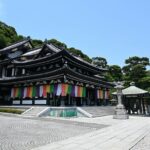
Newest Kamakura write-ups from the Loving Japan desk
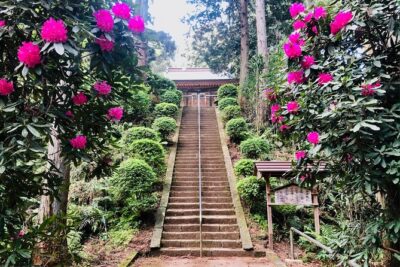
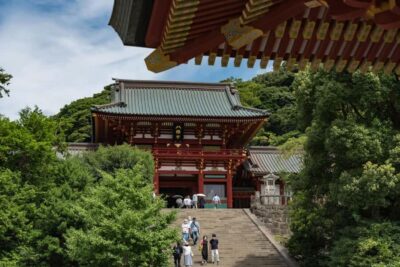

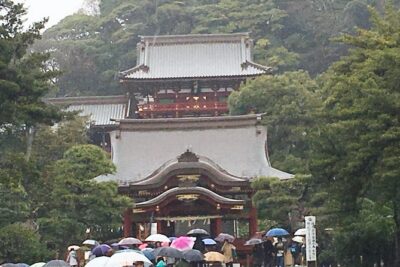
Kamakura, the Great Buddha and Enoshima, side by side.
 ★ 4.5Kamakura & Enoshima Day Trip including Temple TicketsFrom $581,375 reviews
 ★ 4.5Mt. Fuji, Kamakura, Big Buddha, & Lake Ashi Day TripFrom $49867 reviews
 ★ 4.5From Tokyo: Kamakura & Enoshima 1-Day Bus TourFrom $66189 reviews
 ★ 5.0Kamakura Historical Walking Tour with the Great BuddhaFrom $98129 reviews
 ★ 5.0Kamakura Private Tour: Temples, Nature, and the Great BuddhaFrom $98121 reviews
 ★ 5.0Kamakura Walking Tour – The City of ShogunFrom $35100 reviews
 ★ 4.9Sea of Mount Fuji, Hakone Ropeway, Ōwakudani, EnoshimaFrom $5084 reviews
 ★ 5.0Kamakura 8 hr Private Walking Tour with Licensed Guide from TokyoFrom $20180 reviews
Filed on these lists too