
REVIEW · KAMAKURA, THE GREAT BUDDHA AND ENOSHIMA
Kamakura: Private Guided Walking Tour with Local Guide
Kamakura gets real fast when you walk. This private guided tour strings together the town’s most important temples and shrines, plus a few spots locals actually bother to seek out, all with a nationally licensed interpreter. It is built for 4 to 6 hours, and you can shape the route or let the guide handle the thinking.
I love that you get to enter the Great Buddha area, not just pose outside. I also love the mix of big-name sights with small rituals, like the money-washing legend at Zeniarai Benten, then a calm break in Hokoku-ji’s bamboo garden with matcha.
One thing to plan for: the tour is a walking day. You will move between sites using public transit or taxis, so bring yen and expect extra walking time, especially if you choose more stops.
In This Review
- Key highlights at a glance
- Why Kamakura Works Best on Foot With a Licensed Guide
- Route Options: 4 vs 6 Hours, and How Customization Actually Helps
- Great Buddha Interior: The Stop You Should Treat Like the Main Event
- Hase-dera Temple Gardens: Hydrangeas, Rainy Season Magic, and Real Calm
- Zeniarai Benten Shrine: The Money-Washing Ritual That Feels Unusual
- Hokoku-ji Bamboo Forest and Matcha Tea: Where the Pace Can Reset
- Beyond the Big Names: How Guides Add Tsurugaoka, Engaku-ji, and More
- How the Walking Tour Feels: Pace, Transfers, Photos, and Lunch Help
- Price and Value: What $106 Buys You in Kamakura
- Practical Tips So Your Day Runs Smoothly
- Should You Book This Kamakura Walking Tour?
Key highlights at a glance
- Great Buddha (interior access) so you see the scale up close, not just from the gate
- Hase-dera hydrangea season: in rainy season around June, 2,500 hydrangeas across 40 varieties put on a serious show
- Zeniarai Benten money-washing for the legend, the atmosphere, and great photo angles
- Hokoku-ji bamboo forest plus matcha gives you a breather after shrine-hopping
- Route control: choose your pace and priorities, or let the guide build the day
- Private, English or Japanese-speaking guide with national licensing credentials
Coast and temples south of Tokyo, compared
- Tokyo: Kamakura & Enoshima Day Trip including Temple Tickets
★ 4.5 · 1,375 reviews - From Tokyo: Kamakura & Enoshima 1-Day Bus Tour
★ 4.5 · 189 reviews - Kamakura Historical Walking Tour with the Great Buddha
★ 5.0 · 129 reviews - Kamakura Private Tour: Temples, Nature, and the Great Buddha
★ 5.0 · 121 reviews
Why Kamakura Works Best on Foot With a Licensed Guide
Kamakura sits about an hour from Tokyo, which means it is an easy day trip. But it is also the kind of place where you feel the benefit of having a plan in advance. Temples and shrines are close enough to walk in chunks, yet spread out enough that doing it yourself can turn into guesswork.
This tour is private, so you are not forced into a one-size itinerary. A nationally licensed Tour Guide-Interpreter (English, Japanese) helps you connect the dots between what you see and what it meant. That matters at Kamakura, because the sites are tied to the samurai era and the broader story of Japanese religion and culture.
And yes, you still get room for pictures. In reviews, guides like Koba, Shinji, and An were called out for spotting photo moments and keeping the day organized. That translates into less time wandering, more time actually looking.
Route Options: 4 vs 6 Hours, and How Customization Actually Helps
You get two time slots: a 4-hour version or a longer 6-hour version. The practical difference is simple. In 4 hours, you focus on the main anchors. In 6 hours, you can add more temples and still avoid feeling like you are sprinting from stop to stop.
Customization is not a vague promise. You can set your priorities ahead of time and the guide will shape the sequence. Some people go shrine-heavy, others want gardens, others want a faster hit of the highlights. One review noted a guide adjusted for holiday closures so the day still worked. Another mentioned a careful plan that respected limited time back to Tokyo.
If you want a smooth day, tell your guide two things early:
- What you care about most (Buddha scale, garden time, rituals, or a mix)
- Your walking comfort level and any timing pressure (like train connections)
Great Buddha Interior: The Stop You Should Treat Like the Main Event
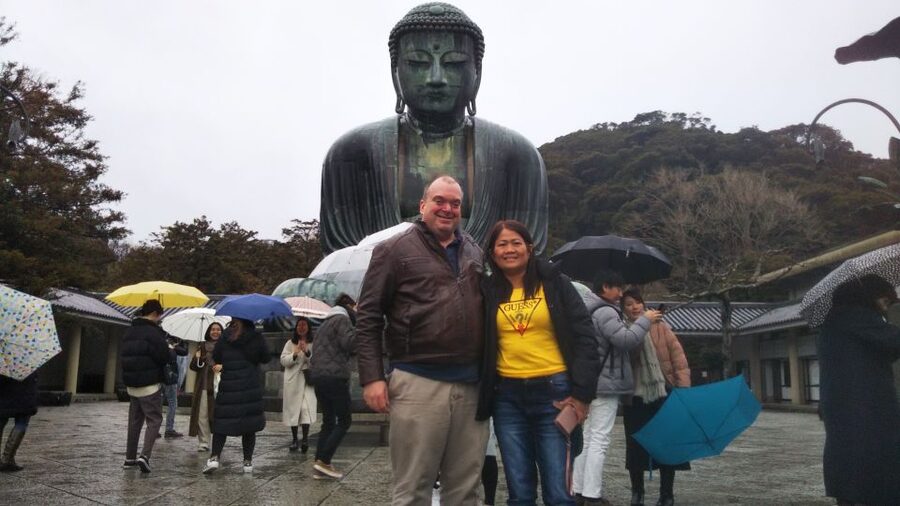
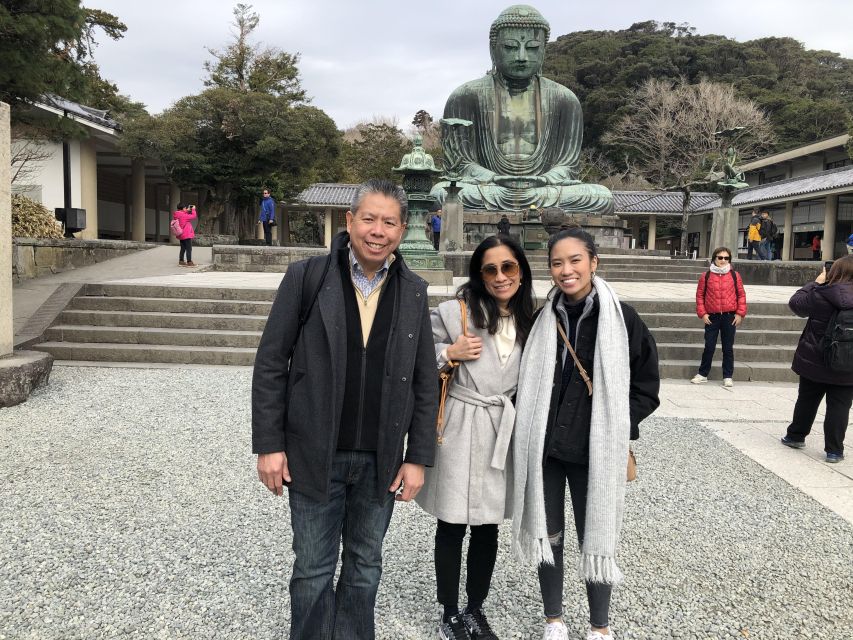
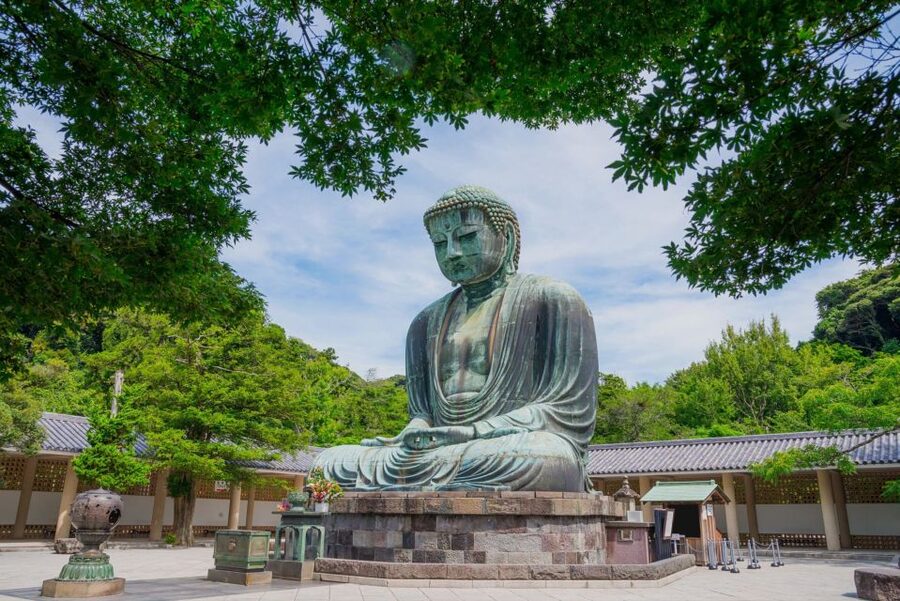
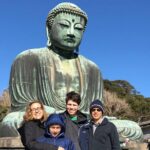
The day centers on the huge Great Buddha symbol of Kamakura. The big deal here is that this tour is set up so you can go inside and see the interior, not only view it from the approach paths.
Why that matters: photos flatten everything. Step inside and you feel the scale in a different way. You also tend to notice details you would miss if you were only doing a quick exterior pass. Your guide will explain what you are looking at, and how this site fits into the town’s historical identity.
Drawback to consider: if you are the type who hates any line or tight indoor movement, you should still go, but plan on a slower step during that segment. A private tour helps because you can often time the rest of the day around the Great Buddha.
- Kamakura Walking Tour – The City of Shogun★ 5.0 · 100 reviews
- Kamakura 4hr Private Trip with Government-Licensed Guide★ 5.0 · 58 reviews
- When Emperors Reigned and Shoguns Ruled★ 5.0 · 43 reviews
- From Tokyo: Kamakura Full Day Tour with a Local Expert Guide★ 4.6 · 43 reviews
- Exciting Kamakura – One Day Tour from Tokyo★ 5.0 · 40 reviews
Hase-dera Temple Gardens: Hydrangeas, Rainy Season Magic, and Real Calm
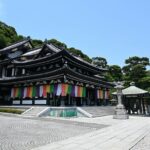
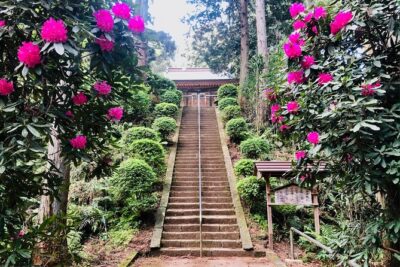
Hase-dera is famous for its gardens. The tour description highlights one specific season detail that is worth taking seriously: during rainy season around June, about 2,500 hydrangeas in 40 varieties bloom together. That is the kind of thing that turns a temple visit into an experience with atmosphere, not just architecture.
Even if you are not in June, Hase-dera usually works well for a private walking tour. It is a place where you can slow down, step into quieter corners, and let the guide pace you. You will want time for viewpoints, walkway photo angles, and simply absorbing the garden layout.
One practical tip for your planning: rainy season means more slippery paths and wetter weather. The tour runs rain or shine, so if you schedule Kamakura for June, pack shoes with decent grip and a light rain layer. A good guide helps you keep moving without turning the day into a shuffle.
Zeniarai Benten Shrine: The Money-Washing Ritual That Feels Unusual
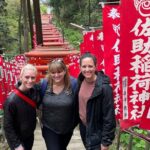
Zeniarai Benten is one of those stops that makes Kamakura feel different from any other temple town. Here the legend says that when money is washed in the shrine’s holy water, you will earn more money.
You might be wondering if it is just a quirky tourist ritual. What makes it worthwhile is the combination of place, story, and the way people participate. You get that “wait, what?” moment that breaks up temple routines and gives you something memorable to talk about after. It also tends to offer good opportunities for photos because the action is localized and visual.
Logistically, it helps that this is a private route. You can spend enough time to understand the story without feeling rushed, and your guide can explain the cultural context behind why such legends persist.
Hokoku-ji Bamboo Forest and Matcha Tea: Where the Pace Can Reset
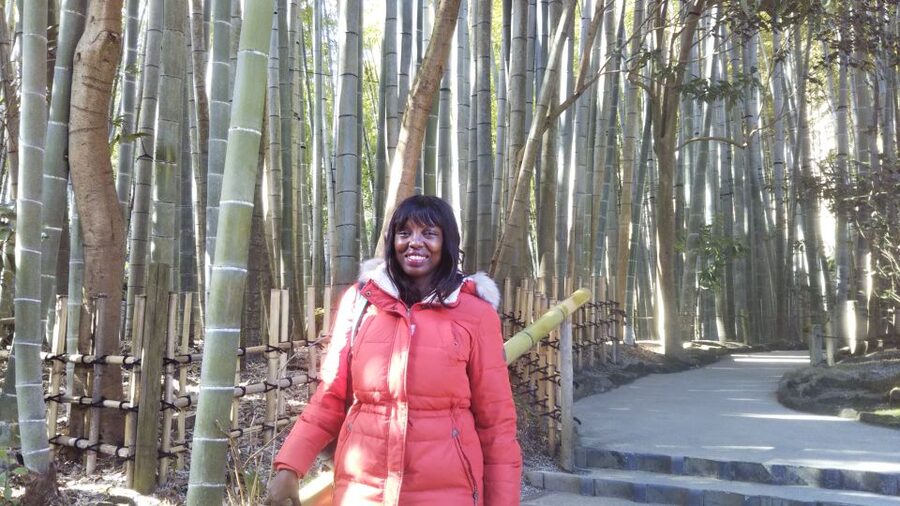
Hokoku-ji is known for its bamboo forest garden. This is the segment that often feels like a reward after shrine-hopping. Bamboo changes the soundscape. Even when it is busy, the walk under the grove tends to feel calmer.
The tour also includes a matcha tea tasting here. That is not just a food stop. It gives you a built-in pause so you can sit, slow down, and reset before the next transfer. Reviews mention guides making time for small moments like this and keeping the itinerary smooth.
If you love gardens, this stop is a strong reason to pick a guided day rather than a do-it-yourself route. Your guide helps you notice what to look for, like how the garden frames certain views and how the site’s mood ties back to Japanese temple aesthetics.
Beyond the Big Names: How Guides Add Tsurugaoka, Engaku-ji, and More
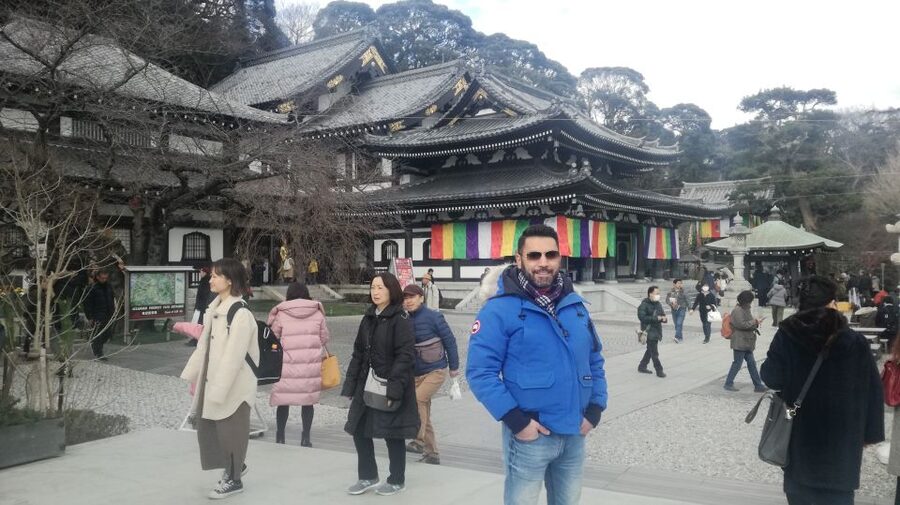
The itinerary you experience can vary based on your interests. Even within a structured tour, guides often add or swap additional sites to match your time and preferences.
Some guides are known for covering a broader temple run. Reviews mention visits to shrines and temples such as:
- Tsurugaoka-Hachimangu shrine
- Engaku-ji and Jenchō-ji
- A few extra stops depending on what the group wanted
One review also mentioned a guide taking their route to include a cave on Engoshima Island, and another noted a rare Mt Fuji glimpse when the schedule allowed. That tells you something important: flexibility matters, and a guide will often look for route combinations that make sense with closures and timing.
So if you are a “one more temple” person, say so. If you prefer fewer, deeper stops, also say that. This is one of the best uses of a private format in Kamakura.
How the Walking Tour Feels: Pace, Transfers, Photos, and Lunch Help
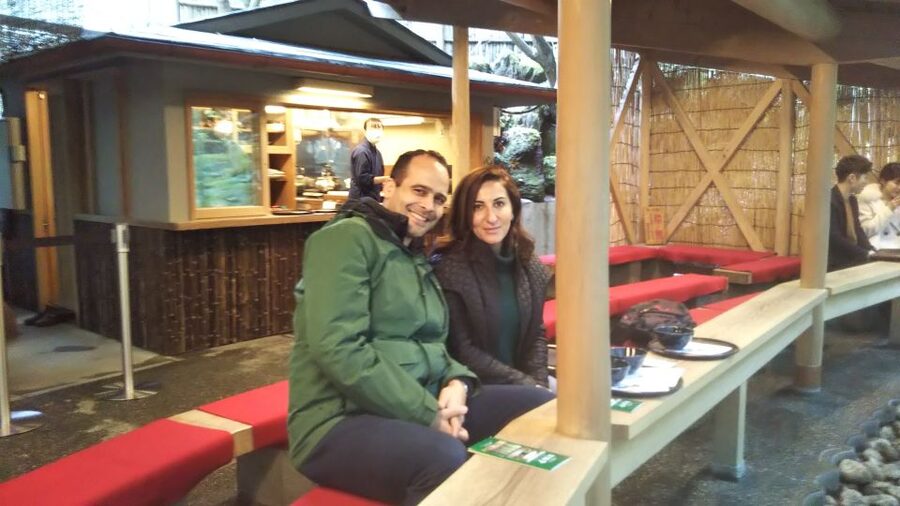
This is a walking day tour with no private vehicle included. Public transportation or taxis may be used between sites. You will want Japanese yen on hand for those transfer costs. Your guide can discuss exact transportation costs after your reservation is finalized.
In real terms, that means your day has two modes:
- Slow and scenic at temples and gardens where you stop often for views and explanations
- Fast movement between locations where you rely on local transit timing
Pace is a big deal in Kamakura because you are in and out of gates, across paths, up and down gentle slopes. Many reviews highlight that guides like Shinji, Yuki, Kei, and Emiko handled timing well, even for guests who wanted a quicker pace.
Lunch is not included, but your guide can help you find a solid spot. Reviews include sushi and soba meals, with one person praising a lunch stop for fitting the day nicely. If food is part of your plan, tell your guide you want recommendations near your route, not a random detour.
Price and Value: What $106 Buys You in Kamakura
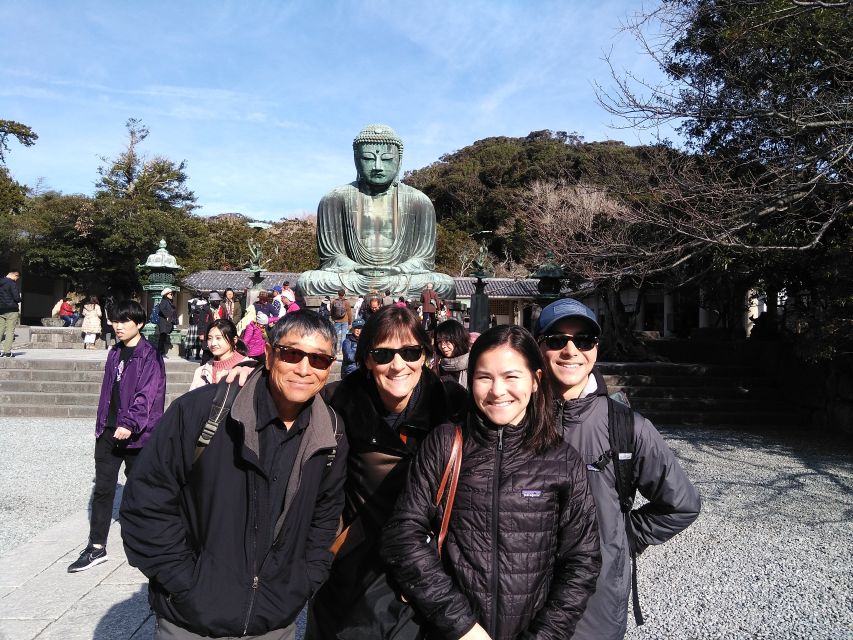
At $106 per person for 4 to 6 hours, you are paying for three things: private attention, licensed guidance, and itinerary building.
Is it cheap? No. But Kamakura can also become costly if you pay for taxis between distant clusters, or if you burn time figuring out routes and end up doing less. This tour is designed to reduce that waste. You get a guide who can keep you moving in the right order, explain what you are seeing, and adjust for closures. Reviews repeatedly mention guides being organized and flexible, which is where the value lives.
You also get included features that self-guided plans might not handle well:
- A licensed interpreter guide (English or Japanese)
- A route that aims at major sites and commonly missed context
- Matcha tea during the Hokoku-ji segment
- Pickup on foot from your accommodation if you are within a reasonable distance
Not included items are normal for a walking tour: entrance fees, food and drinks, and transfer costs during the tour. If you budget for those separately, the $106 feels more like a “pay for clarity and time” fee than a ticket price.
Practical Tips So Your Day Runs Smoothly
A few small moves will make this tour feel easier from start to finish.
- Bring yen for transit or taxi segments.
- Wear shoes you trust on wet temple paths. Rain or shine is part of the plan.
- Use the route customization chance. Tell the guide what you want most, not what you think you should see.
- If you care about photos, ask early when good photo pauses make sense. Reviews praised several guides for directing people to excellent photo opportunities.
- If you want a calm garden stop, emphasize that. Hokoku-ji and Hase-dera are the kind of places where pacing changes the experience.
Should You Book This Kamakura Walking Tour?
Book it if you want your Kamakura day to feel planned, not improvised. This is especially smart if you like temple culture but do not want to spend your time translating signs and guessing which sites connect to the bigger historical story. The private format helps you move at your pace, and the guide quality shows in the consistent praise for organized planning, friendliness, and flexibility (people mentioned guides like Koba, Shinji, and An by name).
Skip it only if you are the type who prefers total freedom and you are confident building your own day around transfers and entrance logistics. Also consider whether you are comfortable with a walking day in rainy weather, since it runs rain or shine.
If you want a Kamakura highlight loop with clear context, and you would rather spend your energy on the sights than the logistics, this is a very solid choice.
South to Kamakura and the Coast
Newest Kamakura write-ups from the Loving Japan desk
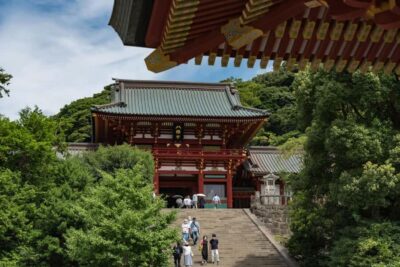

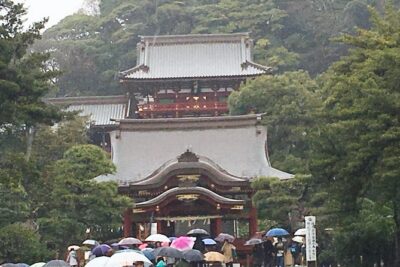
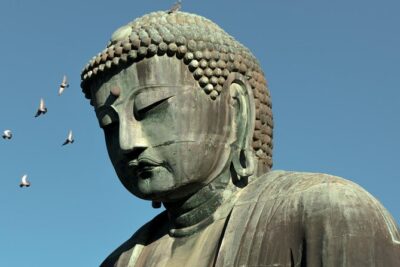
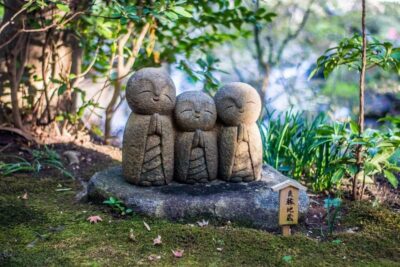
Kamakura, the Great Buddha and Enoshima, side by side.
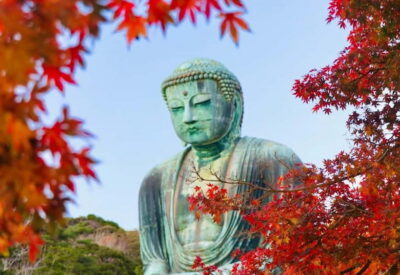 ★ 4.5Kamakura & Enoshima Day Trip including Temple TicketsFrom $581,375 reviews
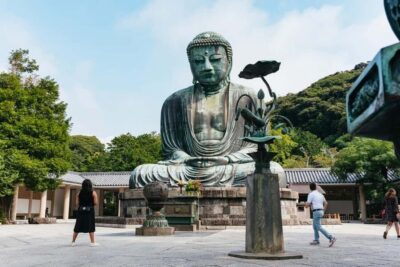 ★ 4.5Mt. Fuji, Kamakura, Big Buddha, & Lake Ashi Day TripFrom $49867 reviews
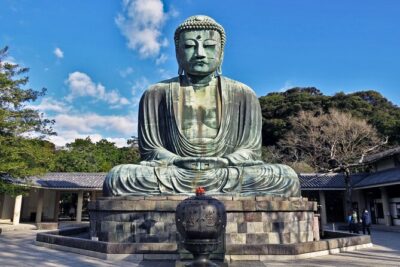 ★ 4.5From Tokyo: Kamakura & Enoshima 1-Day Bus TourFrom $66189 reviews
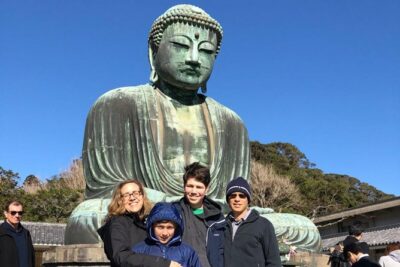 ★ 5.0Kamakura Historical Walking Tour with the Great BuddhaFrom $98129 reviews
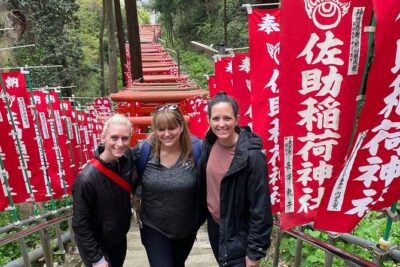 ★ 5.0Kamakura Private Tour: Temples, Nature, and the Great BuddhaFrom $98121 reviews
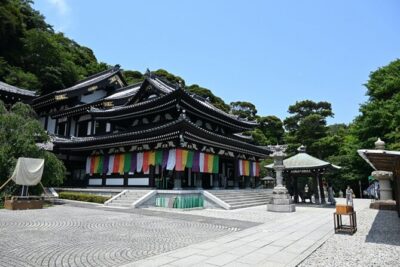 ★ 5.0Kamakura Walking Tour – The City of ShogunFrom $35100 reviews
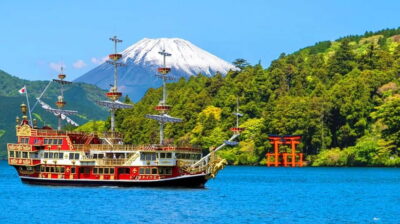 ★ 4.9Sea of Mount Fuji, Hakone Ropeway, Ōwakudani, EnoshimaFrom $5084 reviews
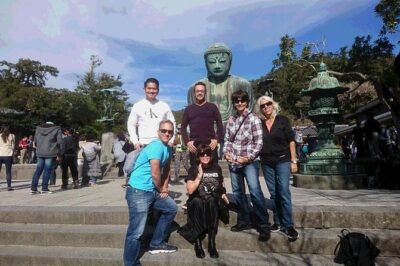 ★ 5.0Kamakura 8 hr Private Walking Tour with Licensed Guide from TokyoFrom $20180 reviews
Filed on these lists too