
REVIEW · KAMAKURA, THE GREAT BUDDHA AND ENOSHIMA
Kamakura 4hr Private Trip with Government-Licensed Guide
Kamakura makes sense fast with a private guide. This 4-hour trip starts at Kamakura Station with a government-licensed English guide, then you choose 2-3 must-see stops so you do not waste time guessing routes. I love the way the guide keeps everything efficient, from train connections to the on-foot flow between temple areas.
I also like the hit-you-first-and-then-go-deeper approach. You can steer toward the Great Buddha of Kamakura at Kotoku-in, then swap to a viewpoint-heavy stop like Hasedera when you want wide open sight lines and quieter stair-and-garden time.
One consideration: it is still a walking tour, and while some stops have free entry, many temples do not. Also, transportation costs and lunch are not included, so bring money for tickets, snacks, and transit.
In This Review
- Key highlights worth planning around
- What makes Kamakura a standout half-day trip
- Meeting at Kamakura Station, then building your 4-hour route
- Tsurugaoka Hachimangu Shrine: start where samurai mythology begins
- Kotoku-in Great Buddha: the 11.4-meter wow you can feel
- Hasedera Temple: climb for the best Kannon viewpoint
- Hokoku-ji bamboo grove and the art of short quiet walks
- Zen temple circuit: Engaku-ji and Kencho-ji, plus options for deeper temple days
- Engaku-ji (円覚寺)
- Kencho-ji (建長寺)
- Other Zen-adjacent temple options
- Zeniarai Benten and Meigetsuin: small sites with big personality
- Zeniarai Benten Shrine
- Meigetsuin (Hydrangea Temple)
- Nichiren sect temples and Eishoji nunnery: a different religious angle
- Ankokuronji, Myohonji, and Jochiji area options
- Eishoji Temple
- Kamakura hiking trails: use free time to make your day feel longer
- Enoshima Island: the sea add-on that keeps the trip varied
- Price and logistics: what $108.99 really buys you
- How the guide style can shape your experience
- Who this private Kamakura trip fits best
- Should you book this Kamakura 4-hour private trip?
- FAQ
- What is the duration of this Kamakura private trip?
- What is included in the price?
- What are the main attractions we can choose from?
- Are entrance fees included?
- Are transportation costs included?
- Is lunch part of the tour?
- Where do we meet the guide?
- Is this tour private or shared?
- Can I cancel for a full refund?
- Are service animals allowed?
- Should you book this Kamakura 4-hour private trip?
Key highlights worth planning around
- Government-licensed English guide starting at Kamakura Station
- Choose 2-3 attractions for a personalized half-day pace
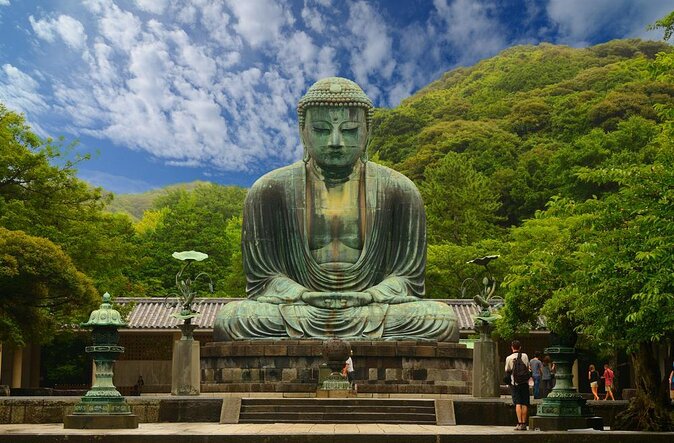
- Kotoku-in’s Great Buddha (about 11.4 meters) as a fast, unforgettable anchor
- Hasedera Temple for big Kannon views from the highest point
- Hokoku-ji bamboo grove plus connecting hiking trails near temple areas
- Optional side trip mood: Enoshima Island by train, short and easy to pair
Coast and temples south of Tokyo, compared
- Tokyo: Kamakura & Enoshima Day Trip including Temple Tickets
★ 4.5 · 1,375 reviews - From Tokyo: Kamakura & Enoshima 1-Day Bus Tour
★ 4.5 · 189 reviews - Kamakura Historical Walking Tour with the Great Buddha
★ 5.0 · 129 reviews - Kamakura Private Tour: Temples, Nature, and the Great Buddha
★ 5.0 · 121 reviews
What makes Kamakura a standout half-day trip
Kamakura feels like a different world from Tokyo, mostly because you move at walking speed and the city is organized around temples and shrines. In a normal day without a guide, it is easy to bounce between far-apart areas, miss a viewpoint, or end up in the wrong crowd at the wrong time.
With this private format, you get the best of both styles. You have freedom to choose what matters to you (2-3 sites), and you still have a guide who knows how to keep the route logical. Think: less “where do we go next?” and more “look at that, now here is what you are seeing and why it matters.”
Meeting at Kamakura Station, then building your 4-hour route
You meet on foot within the Kamakura area, and the standard start is at Kamakura Station for an easy beginning. From there, you travel by public transportation and on foot. This is a good setup if you like using trains like locals, but you also want someone to handle the practical puzzle pieces.
The big value here is that you are not stuck with a fixed checklist. You pick from top options such as Tsurugaoka Hachimangu, Kotoku-in (Great Buddha), Hasedera, Hokoku-ji, Engaku-ji, Kencho-ji, Zeniarai Benten, Meigetsuin, and more. If you care more about Zen temples, you can lean that way. If you want one major statue stop plus a garden or viewpoint, you can do that too.
A practical note: your comfort matters. Temple grounds often mean stairs, uneven paths, and short climbs, so wear shoes you trust.
Tsurugaoka Hachimangu Shrine: start where samurai mythology begins
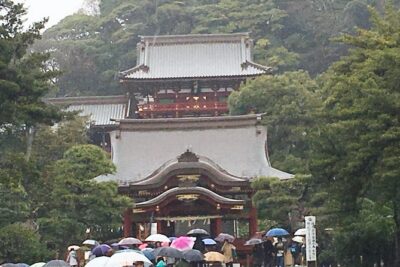
A lot of Kamakura starts at Tsurugaoka Hachimangu, and this trip uses it as a clean opening move. The shrine is dedicated to Hachiman, the patron god of the Minamoto family and of samurai in general, with connections to Emperor Ojin. Even if you do not read every plaque, a licensed guide can point you to the meaning behind the carvings and the overall placement.
This stop is short (about 10 minutes) and admission is free, which makes it a good “warm up” before you commit to more walking. If your trip timing hits a busy period, starting with this kind of anchor helps you get oriented quickly.
- Kamakura Walking Tour – The City of Shogun★ 5.0 · 100 reviews
- Kamakura 4hr Private Trip with Government-Licensed Guide★ 5.0 · 58 reviews
- When Emperors Reigned and Shoguns Ruled★ 5.0 · 43 reviews
- From Tokyo: Kamakura Full Day Tour with a Local Expert Guide★ 4.6 · 43 reviews
- Exciting Kamakura – One Day Tour from Tokyo★ 5.0 · 40 reviews
Kotoku-in Great Buddha: the 11.4-meter wow you can feel
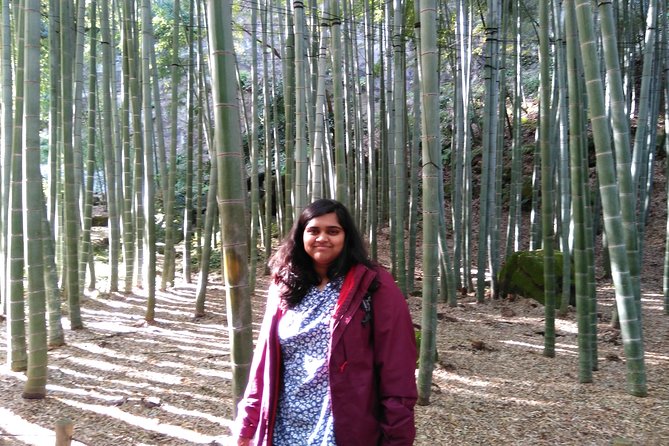
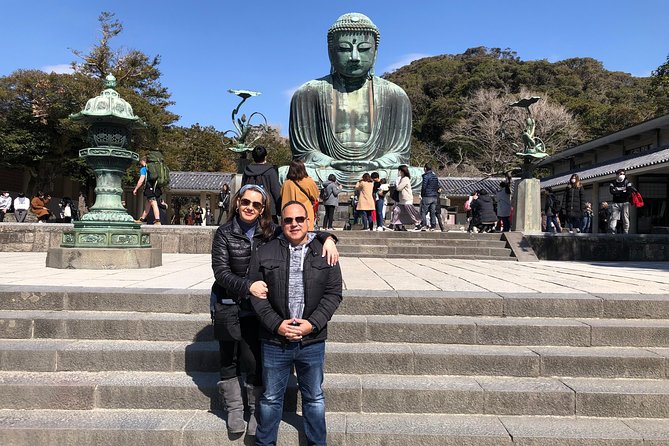
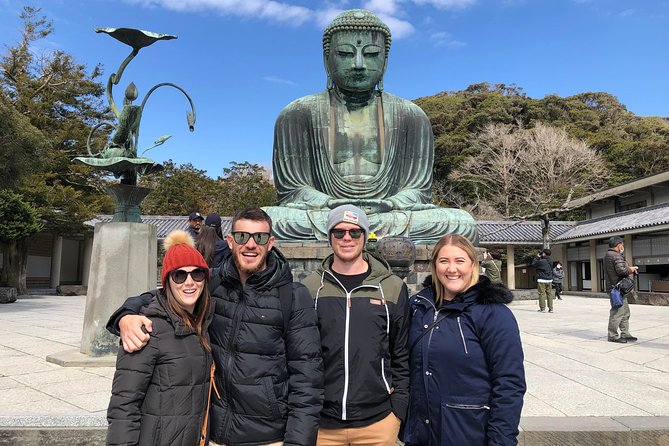
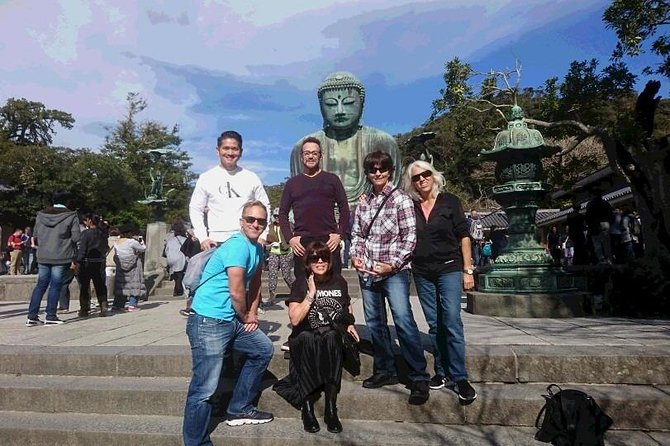
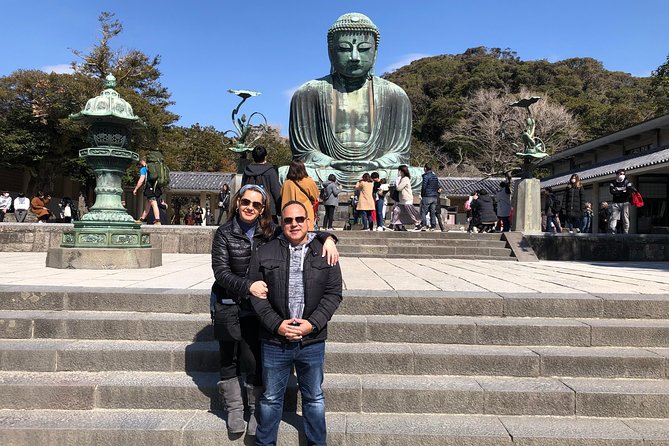
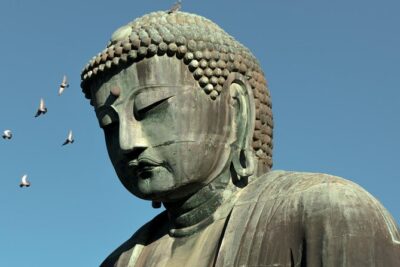
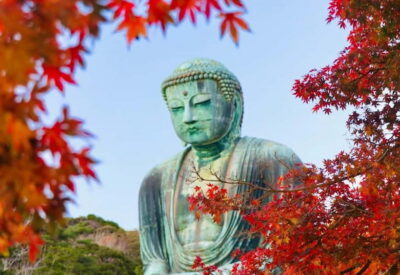
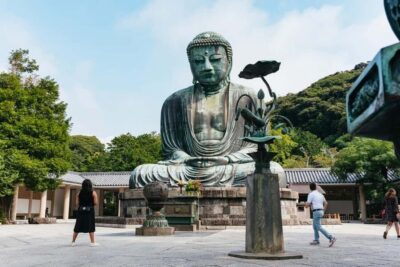
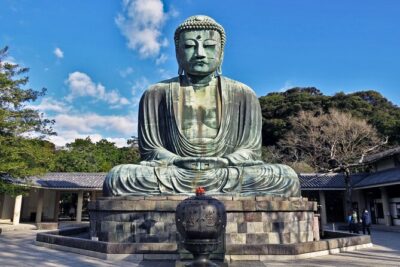
Then you pivot to the main scale piece: Kotoku-in’s Great Buddha of Kamakura. The statue is a bronze Amida Buddha standing about 11.4 meters tall, housed on the grounds of Kotokuin Temple.
This is a fast stop (around 10 minutes), and it is visually loud in the best way. You do not need a long explanation to understand why it became famous. The guide adds context, like how a huge seated Buddha functions as a focal point for worship and as a statement of temple importance over time.
Admission is not included for this stop, so plan for the ticket. It still tends to be worth it because the sight is so concentrated. You get the impact without spending the whole day on one location.
Hasedera Temple: climb for the best Kannon viewpoint
Hasedera (長谷寺) is the kind of place you remember because of the view work. It is known for its eleven-headed statue of Kannon (goddess of mercy), with a 9.18-meter tall gilded wooden statue that is considered one of the largest wooden sculptures of its type.
Why it fits a private half-day: it is not just “see the temple.” It is “go up, take in what you came for, and come back down with your sense of place sharpened.” The itinerary highlights admiration of the views from the temple’s highest point, which is exactly what you want if you are only in Kamakura for a few hours.
Admission is not included here, but the payoff is the combination of religious art and perspective. If you like gardens, temple steps, and the feeling of arriving at an overlook after climbing, this stop is one of the best choices.
Hokoku-ji bamboo grove and the art of short quiet walks
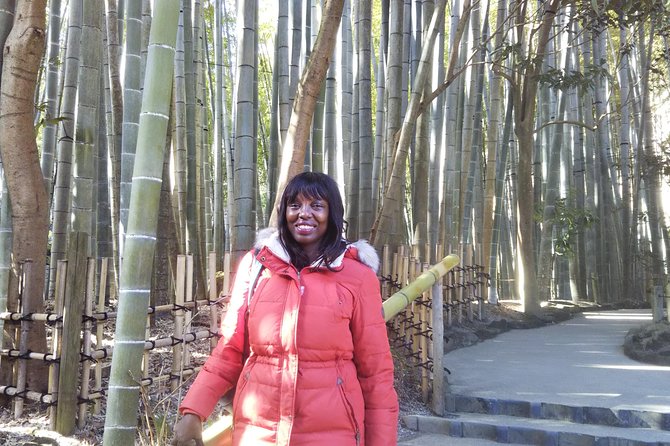
If Kotoku-in hits you with scale, Hokoku-ji hits you with atmosphere. This is best known for its bamboo grove behind the temple’s main hall, with over 2,000 dark green bamboo stalks. Narrow pathways lead you through the grove, and it turns even a short visit into a slow, sensory pause.
The time slot in the plan is about 15 minutes. That is enough to wander the main paths and let the grove do its thing. Admission is not included, so consider this a paid “experience stop,” not just a photo stop.
Your guide may also connect the feeling of Hokoku-ji to nearby calm walking options. The trip includes Kamakura hiking trails, free to access, which link temple areas along wooded hills. Even if you do not turn it into a full hike, it is a good way to break up the more famous set pieces with something that feels local.
Zen temple circuit: Engaku-ji and Kencho-ji, plus options for deeper temple days
Kamakura has a cluster of major Zen temples, and this tour gives you a flexible way to choose your Zen flavor.
Engaku-ji (円覚寺)
Engaku-ji is one of the leading Zen temples in Eastern Japan and is number two of Kamakura’s five great Zen temples. Founded in 1282 by Hojo Tokimune, it is the kind of place where your guide can help you notice how layout, statuary, and museum-like objects tie into Zen practice.
Time is about 15 minutes, and admission is not included.
Kencho-ji (建長寺)
Kencho-ji is number one of the five great Zen temples and is the oldest Zen temple in Kamakura, founded in 1253 by Hojo Tokiyori during the Kencho Era. If you love seeing the “oldest and most important” anchors, this is a strong pick.
Time is about 10 minutes, and admission is not included.
Other Zen-adjacent temple options
If you want more than one Zen stop in the half-day window, the experience also includes additional choices like Jomyo-ji, Zuisen-ji, Jochiji, Tokeiji, Jufukuji, and others. These are spread around hills and valleys, and the guide can pick the most efficient combination for your interests and walking tolerance.
Practical advice: Zen temples can start to feel similar if you rush. The private pacing here helps. You can choose fewer sites, then linger where you actually feel drawn in.
Zeniarai Benten and Meigetsuin: small sites with big personality
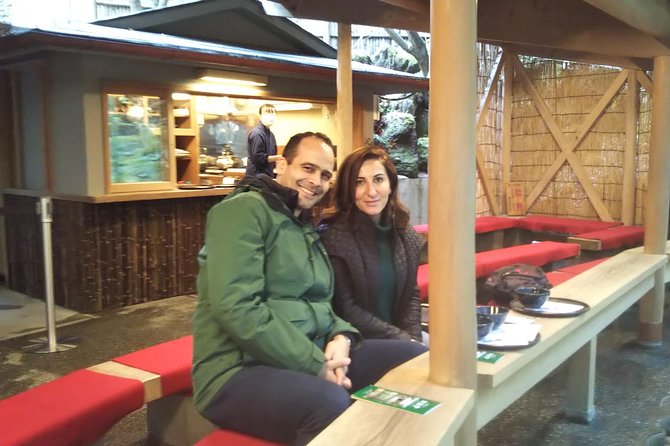
Not every highlight has to be a megastructure. Some of the most memorable stops in Kamakura are quieter and a bit unusual.
Zeniarai Benten Shrine
Zeniarai Benten Shrine is popular in western Kamakura. People wash their money there because zeniarai means coin washing, and it is said the money washed in the shrine’s spring will bring good fortune (the idea is simple, practical, and very Kamakura).
Time is about 15 minutes, and admission is free. Even if you do not plan to wash money, it is a fun cultural moment that adds variety to a day full of statues and stair climbing.
Meigetsuin (Hydrangea Temple)
Meigetsuin is a Rinzai Zen sect temple founded in 1160 and known as Hydrangea Temple, partly because hydrangea bloom in abundance on the grounds. If your timing lines up with bloom season, you will get a visual treat, but even outside peak flowers, the temple name gives you a clear theme for what to look for.
Time is about 15 minutes, and admission is not included.
If you are in Kamakura during a seasonal peak, having a guide who understands when to route for comfort can matter. Crowds form in waves around temple entrances and main streets.
Nichiren sect temples and Eishoji nunnery: a different religious angle
If you want more than “the same Zen postcard,” consider the Nichiren and nunnery side of Kamakura.
Ankokuronji, Myohonji, and Jochiji area options
The experience includes Nichiren sect options such as Ankokuronji and Myohonji. Nichiren himself is connected to Ankokuronji, with the temple described as founded around 1253 when he first came to Kamakura. You also get options like Jochiji (a branch temple of Engakuji’s Rinzai school) and other hill temples.
Admission is not included for these stops, and times are generally around 10 to 15 minutes each. If you choose a Nichiren stop, ask your guide what symbols or objects are most distinctive there. That is the trick to making these less famous temples feel personal rather than like a checklist.
Eishoji Temple
Eishoji Temple is described as the only surviving nunnery in Kamakura, near Tsurugaoka Hachimangu. It was founded in the early Edo period by a woman connected to the Tokugawa family. That combination, nunnery plus early Edo angle, makes it a standout “everyday human history” stop alongside the larger medieval religious monuments.
Time is about 15 minutes, and admission is not included.
Kamakura hiking trails: use free time to make your day feel longer
The tour includes Kamakura hiking trails, free, as an option. The idea is simple: Kamakura is surrounded by ocean in the south and wooded hills in other directions, and attractive trails connect atmospheric temples.
In a half-day trip, you should treat trails as a pacing tool. A short stretch through the woods can make the day feel bigger without adding too much time. If you feel your feet getting tired, ask your guide where the easiest turns are.
Enoshima Island: the sea add-on that keeps the trip varied
Want a change of scenery before you head back? Enoshima Island is only a short train ride west of Kamakura. It is connected to the mainland by bridge and described as a pleasantly touristy island with a shrine and other attractions.
This is a good choice if you want the day to end with coastal air, not just more temple stone. Time is about 15 minutes in the flexible plan, and admission is free.
Practical tip: the island is easy to add only because it is close and rail-friendly. If your schedule is tight, Enoshima is often the most efficient “bonus vibe” stop.
Price and logistics: what $108.99 really buys you
At $108.99 per person for a private, government-licensed guide, this is not a budget group tour. But you are not just paying for someone to walk beside you. You are paying for three things that matter in Kamakura:
1) Time saved on routing
Picking 2-3 sites yourself is great, but moving between them efficiently is the real skill. Public transport plus on-foot walking adds up quickly if you guess wrong.
2) Cultural interpretation
Kamakura temples can look similar from a distance. A guide helps you understand the purpose behind what you see, like Hachiman’s role for samurai at Tsurugaoka Hachimangu, or why Hasedera’s Kannon sculpture is so significant.
3) Private pacing
The day is yours. Many people value that the guide adjusts to the group, including families and kids. In particular, guides named Shinji and Hiro are described as patient with families and good at handling questions on the spot, which is exactly the kind of support that turns a temple visit into an actual story.
What is not included matters, too. Transportation fees, entrance fees, and lunch are not included. Some stops are free, such as Tsurugaoka Hachimangu, the hiking trail section, and Zeniarai Benten. Others are not, including Kotoku-in and Hasedera and several Zen sites. So your true spend depends on which 2-3 you choose.
Also, your tour starts on foot and uses walking. If you know you get sore easily, choose fewer hill temples and consider adding Enoshima for flatter time.
How the guide style can shape your experience
The guides in this experience tend to get high marks for making the day feel smooth. People mention flexibility for last-minute bookings, and the ability to adjust routes based on what the group wants. There are also reports of guides helping with practicals like train directions and restaurant recommendations.
English skill can vary by guide, and one guest wished for stronger English communication. If you need detailed explanations, you can send the topics you care about ahead of time. Then the guide has a chance to prepare the right level of detail.
A small but real comfort point from feedback: if you start later in the day, you might walk stretches that feel darker on the way to food. Your best defense is simple, plan dinner nearby in advance, and use your phone flashlight if you need it.
Who this private Kamakura trip fits best
This tour makes the most sense if you fit one of these boxes:
- You want a half-day plan that is easier than self-guiding, but still flexible
- You prefer 2-3 high-impact stops over racing through many locations
- You care about meaning, not just photos, and want a licensed guide to connect the dots
- You are traveling with kids or multiple generations and want patience and pacing
It might be less ideal if you only want one famous photo stop, like the Great Buddha, and nothing else. In that case, you could go solo using rail and save the private guide fee.
Should you book this Kamakura 4-hour private trip?
Yes, if you want a smarter, easier Kamakura day with a licensed guide and you are excited to choose 2-3 sites that match your interests. It is especially worth it when you care about interpretation, route efficiency, and not getting stuck in the wrong crowd at the wrong time.
If you are ultra-comfortable navigating trains and temple areas solo, and you only want the single headline attraction, you may decide the private format is more cost than you need. But if you want Kamakura to feel like a coherent walk through history, this is a solid way to do it.
FAQ
What is the duration of this Kamakura private trip?
The tour lasts about 4 hours.
What is included in the price?
A licensed local English-speaking guide is included, along with a customizable private tour where you choose 2-3 sites from the provided set of options. You also meet up with the guide on foot within the designated Kamakura area.
What are the main attractions we can choose from?
You can choose among top options such as Tsurugaoka Hachimangu Shrine, Kotoku-in (Great Buddha of Kamakura), Hasedera Temple, Hokoku-ji Temple, Kamakura hiking trails, Enoshima Island, Engaku-ji, Kencho-ji, Zeniarai Benten Shrine, Meigetsuin, and several other temples depending on your selection.
Are entrance fees included?
No. Entrance fees are not included, and the tour notes that some sights are free while others are not. Lunch is also not included.
Are transportation costs included?
Transportation is by public transportation and on foot, but transportation fees are not included.
Is lunch part of the tour?
No, lunch is not included.
Where do we meet the guide?
You meet the guide at Kamakura Station for an easy start, within the designated area, and the tour involves walking.
Is this tour private or shared?
It is a private tour, so only your group participates.
Can I cancel for a full refund?
Yes. Free cancellation is available up to 24 hours in advance for a full refund.
Are service animals allowed?
Yes, service animals are allowed.
Should you book this Kamakura 4-hour private trip?
Book it if you want Kamakura without the guesswork, and you plan to choose 2-3 stops that truly match your interests. Skip it if you only want one quick photo stop and you prefer to handle trains and temple entrances on your own.
South to Kamakura and the Coast
Newest Kamakura write-ups from the Loving Japan desk
Kamakura, the Great Buddha and Enoshima, side by side.
 ★ 4.5Kamakura & Enoshima Day Trip including Temple TicketsFrom $581,375 reviews
 ★ 4.5Mt. Fuji, Kamakura, Big Buddha, & Lake Ashi Day TripFrom $49867 reviews
 ★ 4.5From Tokyo: Kamakura & Enoshima 1-Day Bus TourFrom $66189 reviews
 ★ 5.0Kamakura Historical Walking Tour with the Great BuddhaFrom $98129 reviews
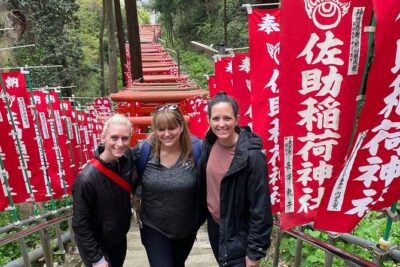 ★ 5.0Kamakura Private Tour: Temples, Nature, and the Great BuddhaFrom $98121 reviews
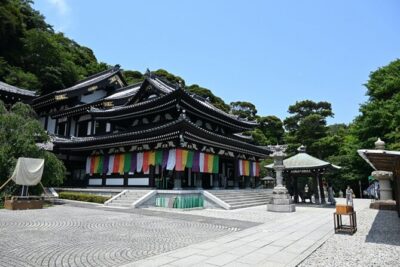 ★ 5.0Kamakura Walking Tour – The City of ShogunFrom $35100 reviews
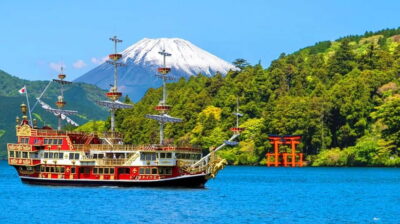 ★ 4.9Sea of Mount Fuji, Hakone Ropeway, Ōwakudani, EnoshimaFrom $5084 reviews
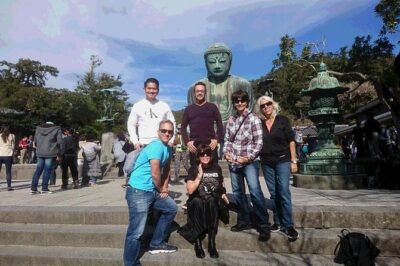 ★ 5.0Kamakura 8 hr Private Walking Tour with Licensed Guide from TokyoFrom $20180 reviews
Filed on these lists too