REVIEW · JAPAN
When Emperors Reigned and Shoguns Ruled
Kamakura history comes with great photo stops. This half-day walk zeroes in on the Kamakura Period (1185 to 1333) and explains how shogunate rule, samurai life, and Zen Buddhism shaped the area, not just where to stand for pictures. I particularly loved traveling with a professional photographer guide and getting those stops tied together with clear historical context as we moved from shrine to temple.
One thing to plan for: two major sites have admission not included, so you’ll want a little budget set aside for Kotoku-in and Hasedera.
In This Review
- Key highlights to look for
- Kamakura in four hours: shrine boulevard to Great Buddha
- Meet at Kamakura Station, then pick your pace
- Wakamiya Main Street to Tsurugaoka Hachimangu: where power shows up
- Komachidori shopping street: souvenirs, snacks, and the human side
- Kotoku-in’s Great Buddha: plan for the paid entry
- Hasedera Temple: terraces, ponds, caves, and 11-headed Kannon
- Photography help that is actually built into the plan
- Value check on the $108.99 price
- Who should book this Kamakura tour, and who should skip it
- Should you book this Kamakura tour?
- FAQ
- How long is the Kamakura tour?
- Where does the tour start and end?
- Are admission tickets included for the temples and shrines?
- Is this a private tour, and what group size should I expect?
- Is food and drinks included?
- What happens if I need to cancel?
Key highlights to look for
- Choose your start time from multiple options so you can match it to your day in Japan
- Professional photographer guide who helps you get photos without slowing everyone down
- Free major shrine stops at the start, so your time starts strong and your wallet stays calmer
- A guided stroll down Kamakura’s main shopping street, with time for snacks and souvenirs
- Balanced pacing for small groups (ideal for single travelers) with room to ask questions
- Terraced temple gardens and the 11-headed Kannon statue at Hasedera
Still weighing up options in Kamakura? These are the ones our reviewers rated highest.
- Tokyo: Kamakura & Enoshima Day Trip including Temple Tickets
★ 4.5 · 1,375 reviews - From Tokyo: Kamakura & Enoshima 1-Day Bus Tour
★ 4.5 · 189 reviews - Kamakura Historical Walking Tour with the Great Buddha
★ 5.0 · 129 reviews - Kamakura Private Tour: Temples, Nature, and the Great Buddha
★ 5.0 · 121 reviews
Kamakura in four hours: shrine boulevard to Great Buddha
This tour is built for people who want to get oriented fast and still come away with context. Kamakura can feel like a cluster of temples if you just wander, but on this route the story stays attached to each place you visit.
In about four hours, you’ll hit the classic anchor sites, plus the main street where daily life and tourist energy mix together. The result is a compact day that still feels like you understood why these places matter, not just that you checked them off.
It also helps that the group is small, capped at up to eight people, so questions do not get swallowed in a crowd. For me, that matters in Kamakura, where small details are part of the fun, like what you’re looking at and why it was placed where it is.
Meet at Kamakura Station, then pick your pace
You start at Kamakura Station (Onarimachi area), then you finish at Hase Station on the Enoden line. That end point is convenient because it gives you options for how you continue your day, instead of backtracking the entire way.
You can also choose your preferred start time from several available options. That’s a big deal here because temples and shrines look different depending on light and crowds, and your energy level changes during the day.
You’ll get a mobile ticket, which is handy when you’re bouncing between stations. And since this is a private tour where only your group participates, it’s less like joining a parade and more like getting a guided plan that still leaves room to breathe.
Wakamiya Main Street to Tsurugaoka Hachimangu: where power shows up
Stop one is Wakamiya Main Street, with a scenic stroll to the main shrine. This first leg is smart because it gets you moving while you’re still fresh, and you start picking up the rhythm of the area right away.
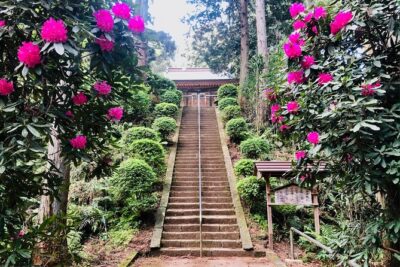
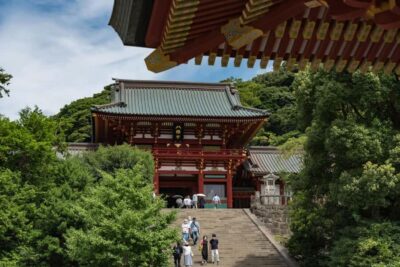
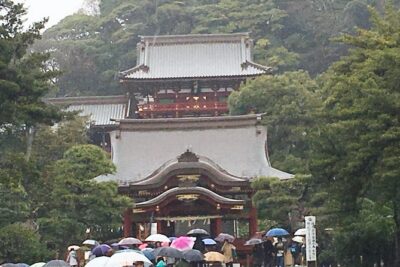
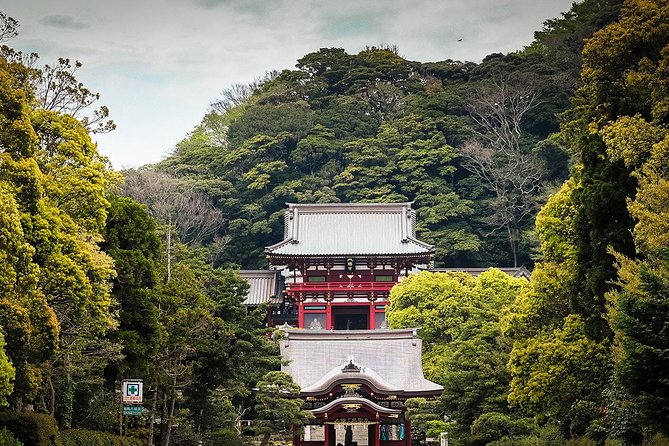
Then you reach Tsurugaoka Hachimangu Shrine, one of Japan’s three most important Shinto shrines. It was built by Minamoto Yoritomo, the first shogun, in the 12th century. The guide’s job here is not just to point out what you see. It’s to connect that shogunate beginning to what Kamakura became later, and why samurai and religious life were tied together.
This stop is also free admission, which means you’re not burning extra time or money before the tour really turns historical. It’s a good opener for families too, because it’s structured but not overly strict.
A quick practical tip: if you’re photographing, start by watching how others position themselves, then tell your photographer guide what you want (group photo, you centered, calm background). You’ll waste less time fiddling with phones later.
- Kamakura Walking Tour – The City of Shogun★ 5.0 · 100 reviews
- Kamakura 4hr Private Trip with Government-Licensed Guide★ 5.0 · 58 reviews
- When Emperors Reigned and Shoguns Ruled★ 5.0 · 43 reviews
- From Tokyo: Kamakura Full Day Tour with a Local Expert Guide★ 4.6 · 43 reviews
- Exciting Kamakura – One Day Tour from Tokyo★ 5.0 · 40 reviews
Komachidori shopping street: souvenirs, snacks, and the human side
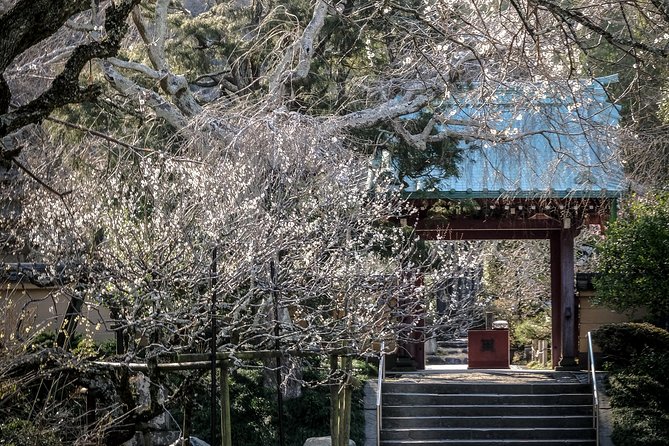
Stop three is Kamakura Komachidori, the famous shopping street lined on both sides. This is where the tour adds a modern, everyday layer to the older sites you’ve been seeing.
You’ll have about 50 minutes here, and it’s focused on sweets, snacks, and souvenirs. That matters because Kamakura isn’t a theme park. It’s a living town, so tasting something small while you’re here helps the whole day feel real.
The best part is that the shopping break does not hijack the tour. You’re still on a guided route with a narrative arc, so it feels like a pause that refreshes you, not a detour that derails your momentum.
If you want a simple strategy, decide on one snack plus one souvenir item you can actually carry. That keeps Komachidori fun instead of turning it into a half hour of indecision.
Kotoku-in’s Great Buddha: plan for the paid entry
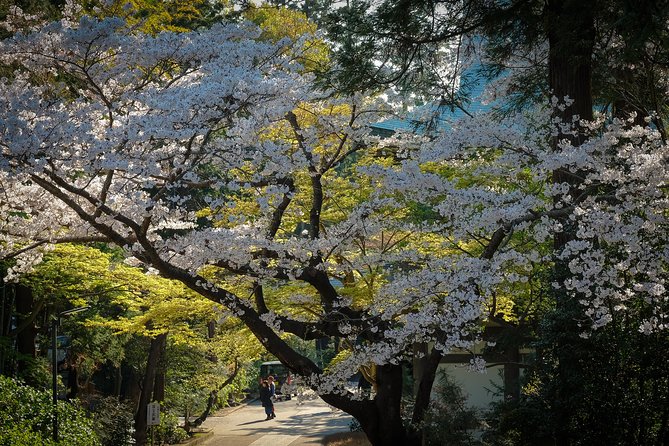
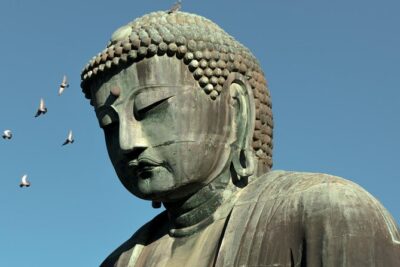
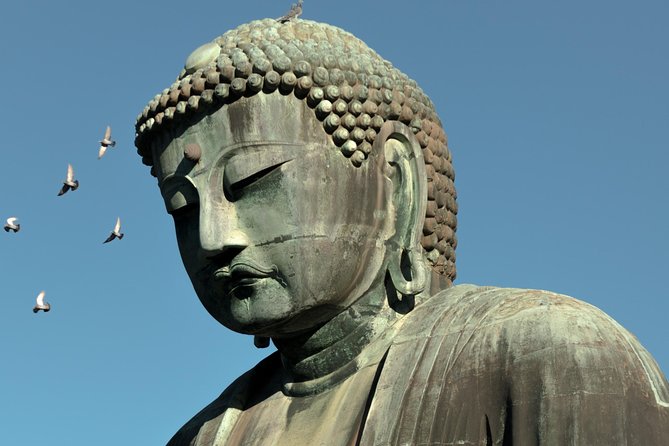
Next comes Kotoku-in (Great Buddha of Kamakura), built around a centuries-old giant bronze statue of the Amida Buddha dating back to the 13th century. Even if you’ve seen statues elsewhere, this one tends to hit differently because of the sheer scale and the way it anchors the site.
You’ll get about 40 minutes here, but note that admission is not included. That’s the only paid stop in the early stretch of the day, and it’s worth budgeting for, especially if you’re traveling on a tight schedule.
Where this stop becomes more than a photo moment is in the guide’s framing. The story is tied back to how Buddhism gained ground during the Kamakura era, and how statues like this connect belief to public space.
If you’re trying to make your photos look good, timing helps. Go for a first round of pictures quickly, then do one slow walk and photograph again from a lower or wider angle. Your photographer guide can help with this, especially when the light is uneven.
Hasedera Temple: terraces, ponds, caves, and 11-headed Kannon
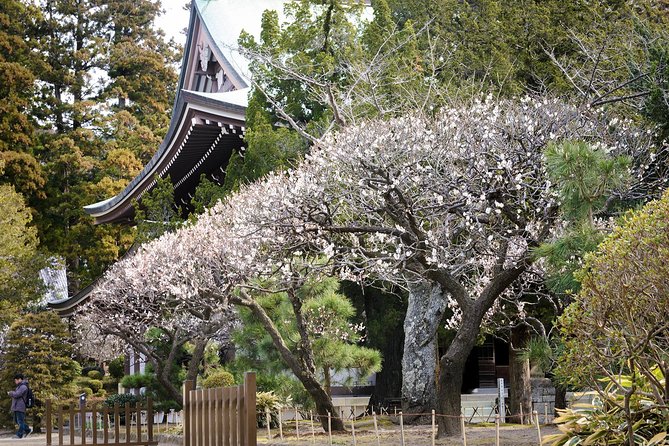
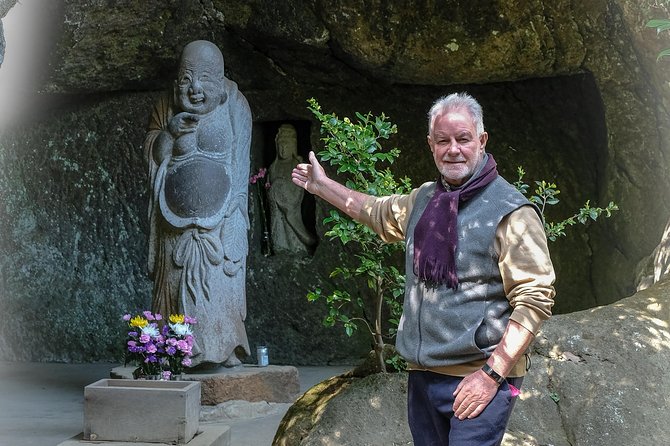
The final major stop is Hasedera Temple, a popular Buddhist temple spread over multiple levels. Expect gardens, ponds, caves, and an ancient statue of Kannon, the Goddess of Mercy, specifically a unique 11-headed form.
You’ll spend about 1 hour 20 minutes, which is perfect because this is the kind of place where you want time to look, not rush. The terrain and multi-level layout naturally slows you down in the best way.
Like Kotoku-in, admission is not included for Hasedera. So if you’re planning your total trip budget, treat these two entries as the main ticket costs of the day.
This is also where the tour’s historical thread feels most satisfying. Zen Buddhism and the broader shifts in religious practice shaped Kamakura’s temple culture, and at Hasedera you see those influences in the layout and the symbolism of the statuary.
Practical note: bring patience for stairs and changing angles. It’s a temple, not a flat museum floor. The reward is that each level offers a slightly different view, like the place is telling you its story step by step.
Photography help that is actually built into the plan
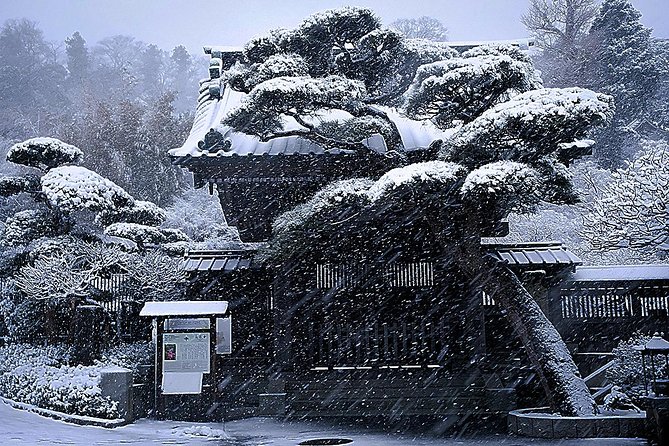
One of the standout things about this tour is that you’re not stuck asking a friend to play photographer. A professional photographer guide is part of the included experience, along with a local guide and a tour escort/host.
That structure matters. You get history and direction, but you also get help capturing it. Multiple reviews highlight how the guide takes great photos while keeping the group moving, including moments where the tour still ran smoothly in rain.
English support is also strong. In the feedback provided, Virgil is described as speaking English very well, and also Spanish. That is a practical comfort if you want to ask questions and not just nod along.
My advice: tell the photographer guide what you want early on. Do you want classic shrine photos? Do you want one dressed-up shot near the Great Buddha? Do you prefer candid walking shots? A quick cue helps them set up the best angles as you go.
Value check on the $108.99 price
At $108.99 per person for roughly 4 hours, the best way to judge value is to look at what’s included versus what you add on your own.
Most of the route is free admission at the start: Wakamiya Main Street and Tsurugaoka Hachimangu. Komachidori is also effectively a free wander while shops sell food and souvenirs separately. So the tour cost largely covers guidance, route efficiency, and photo support rather than entry tickets.
Then you have the two paid temple sites, Kotoku-in and Hasedera, where admission is not included. That means your total day cost is predictable: you’re paying the guided experience now, then paying specific admissions at the two major stops.
On top of that, you’re getting both a local guide and a professional photographer guide, plus a tour escort/host. In a small-group setup, that staffing shows up as flexibility. If your pace slows, you are not penalized with a rushed script.
One more value factor: the tour is booked far in advance on average, which often signals steady demand for this style of focused history with photo help. It also helps you plan, because start times are offered.
Who should book this Kamakura tour, and who should skip it
This is a great fit if you want three things together:
- A clear story about the Kamakura Period
- A structured route through the main shrines and temples
- Photos that look intentional, not accidental
Single travelers often do well here because the group is small, up to eight people, and the experience is set up as a private tour for your group. Families can also enjoy it because the stops are distinct and the guide can handle questions while you walk.
If you hate guided structure and prefer total freedom, then you might find a fixed route limiting. Also, if you’re trying to keep your spending ultra-minimal, remember that two major entrances are not included.
Should you book this Kamakura tour?
If your goal is to see the core of Kamakura while understanding how the era of shoguns, samurai culture, and Zen-era religious shifts shaped what you’re seeing, then booking makes sense. The included professional photographer guide is a real upgrade, especially if you care about getting good photos without spending your day wrestling your camera.
I’d especially recommend it if you’re short on time and want a smooth route from Kamakura Station to Hase Station with free stops at the beginning and only two main paid admissions later. With an average rating of 4.9 and 98% recommended, it’s clearly hitting the mark for many visitors who want a guided, photo-friendly history walk.
If you only want one temple or you love to roam without a plan, you may be happier building your own route. But if you want history, great shots, and a sensible pace, this is an easy yes.
FAQ
How long is the Kamakura tour?
It runs about 4 hours.
Where does the tour start and end?
The tour starts at Kamakura Station (Onarimachi area) and ends at Hase Station on the Enoden line.
Are admission tickets included for the temples and shrines?
Some stops have free admission, including the main street walk and Tsurugaoka Hachimangu Shrine, plus Komachidori. Kotoku-in and Hasedera Temple have admission that is not included.
Is this a private tour, and what group size should I expect?
Yes, it’s a private tour where only your group participates. The experience notes it works well for singles and groups of up to eight people.
Is food and drinks included?
No. Food and drinks are not included, and lunch is not provided.
What happens if I need to cancel?
You can cancel for a full refund if you cancel at least 24 hours before the experience’s start time. If you cancel less than 24 hours before, the amount paid is not refunded.