
REVIEW · DESSERT TOURS
Japanese Traditional Sweets ”Nerikiri” making
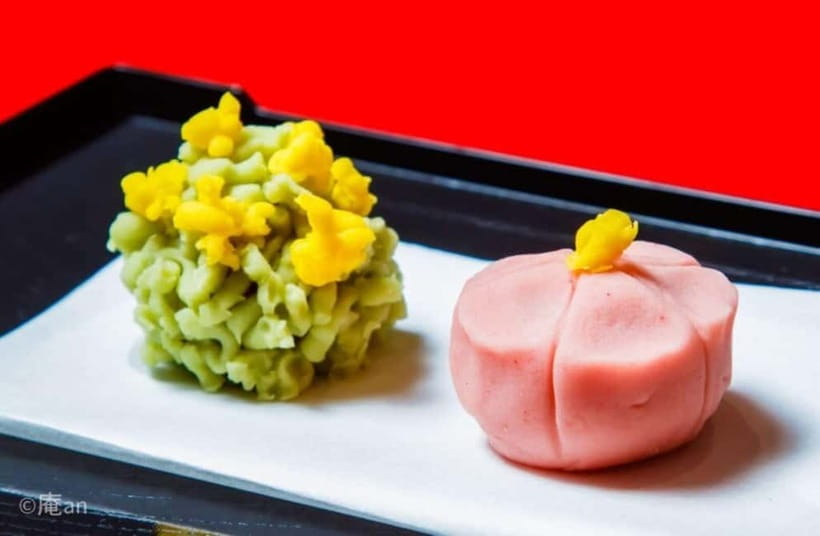
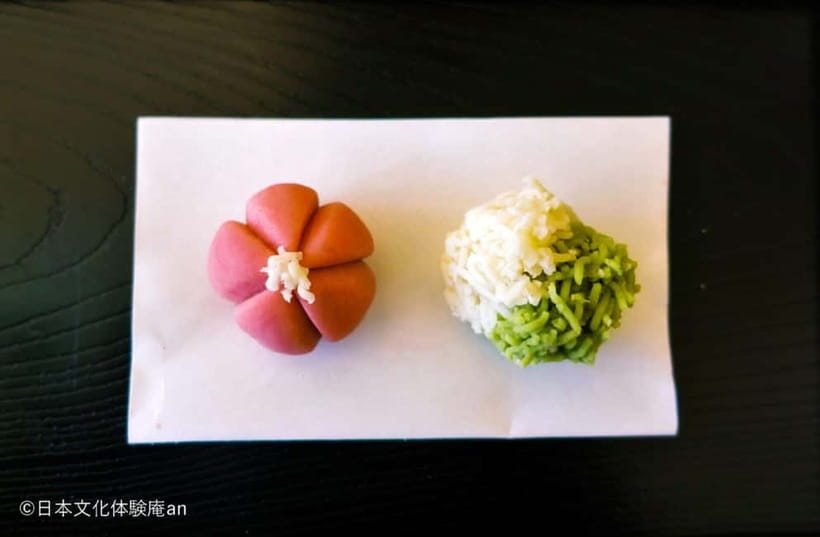
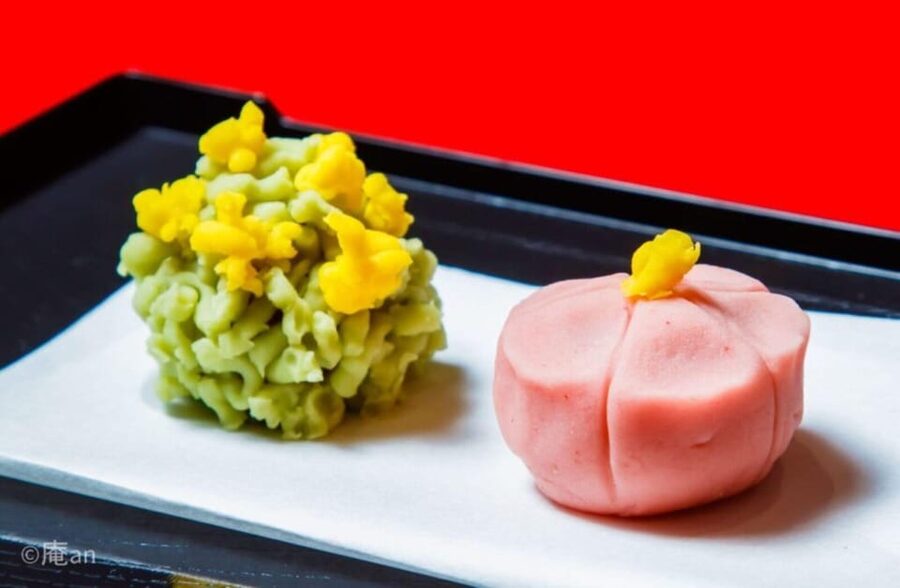
Nerikiri turns snacks into tiny art. In this Kyoto workshop, you make two seasonal Japanese sweets from Kyoto-made bean paste, then you get to enjoy what you create right away. It is hands-on, visual, and surprisingly calm, even if you are not a kitchen person.
I especially love the focus on real ingredients, white and red bean paste from long-established Kyoto shops, because it keeps the flavor authentic. I also like that the workshop is short and well paced, so you can leave with two finished pieces and photos without spending half a day on a class.
One thing to consider: the experience is Japan-only language support as much as possible, and the instructor may not be able to hover at every table for fine details. If you want to recreate the exact texture back home, you might leave wishing you had more hands-on guidance.
In This Review
- Key takeaways before you go
- Kyoto Nerikiri workshop: what you are really doing
- Gojo Station meeting point and how to get there smoothly
- The 65-minute flow, from explanation to eating your sweets
- Kyoto bean paste: the flavor difference you can actually taste
- Shaping nerikiri for the season, what to watch for
- English support and what to do if you want extra guidance
- Price and value: is $11 worth it?
- Who this Nerikiri workshop suits best
- FAQ
- What does the Nerikiri workshop include?
- How long is the experience?
- What is the meeting point near Kyoto?
- Is the workshop offered in English?
- Can I eat the sweets right after making them?
- Are there extra fees for anything?
- What hours does the workshop run?
- How far ahead can I cancel for a full refund?
- Should you book this Kyoto Nerikiri workshop?
Key takeaways before you go
- Two seasonal sweets in 65 minutes: You make a flower-shaped nerikiri and a second one called Kinton nerikiri.
- Kyoto bean paste, not mystery stuff: The white and red bean paste comes from long-established shops in Kyoto.
- You eat what you make: Sit down and enjoy your nerikiri on the spot.
- Helpful if you are flexible: The class runs in a compact format, so arrive ready to follow steps.
- Cost add-ons are optional: Take-out boxes, a completion certificate, and matcha can add extra yen.
- No elevator, stairs required: Even though the venue is listed as wheelchair accessible, you still need stairs to reach the spaces.
Still weighing up options in Kyoto? These are the ones our reviewers rated highest.
- PERFECT KYOTO 1-Day Bus Tour
★ 5.0 · 13,518 reviews - Kyoto: Fushimi Inari, Kinkakuji, Bamboo Grove 1 Day Bus Tour
★ 4.8 · 4,316 reviews - Kyoto: Tea Ceremony in a Traditional Tea House in Kiyomizu
★ 4.9 · 3,519 reviews - Kyoto Geisha Walking Tour: Gion District & Hidden Gems
★ 4.7 · 3,273 reviews
Kyoto Nerikiri workshop: what you are really doing
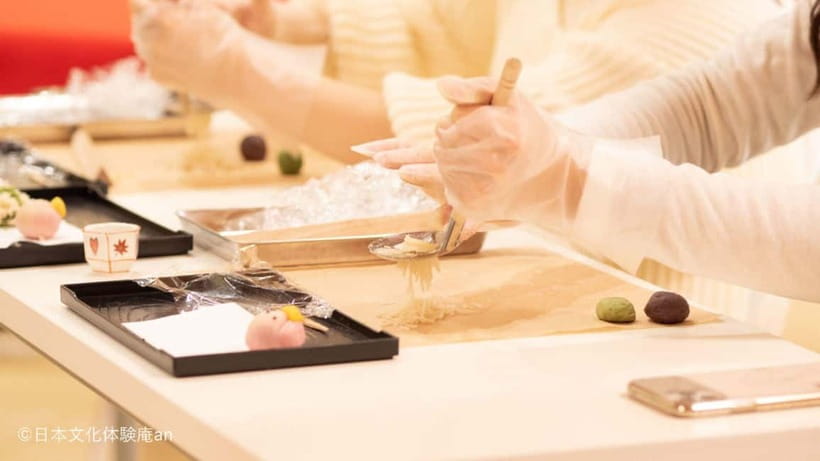
This is not a tasting. It is not a museum stop. You are shaping sweet dough into seasonal designs, learning a craft tradition that Japanese people treat like art and food at the same time.
Nerikiri is one of those desserts where the look matters as much as the bite. The texture is smooth and pliable, and the finished shapes are meant to feel seasonal, like the dessert is a small calendar you can eat. That is why I love this workshop format: you are not just learning steps, you are making something that looks right when it hits the plate.
Gojo Station meeting point and how to get there smoothly
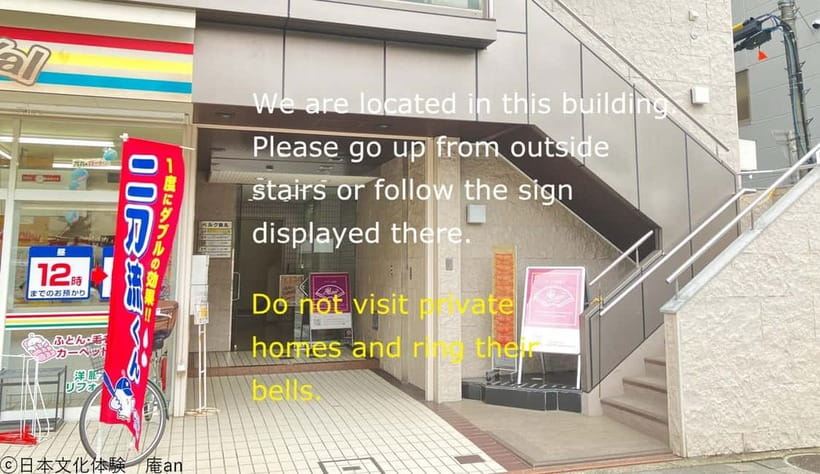
The meeting point is easy to find, one minute walk from Exit 1 of the Karasuma Line Gojo Station. The store entrance faces Gojo-dori, so you should be able to orient yourself quickly.
Two practical notes matter here:
- You will need to climb stairs to reach the venues, since there is no elevator in the building.
- If you arrive late, the event may not be able to adjust for delays, so plan for a buffer.
This location is a good fit if you are already doing Kyoto on foot in central areas. You can also pair it with other nearby activities because the workshop clocks in at 65 minutes.
The 65-minute flow, from explanation to eating your sweets
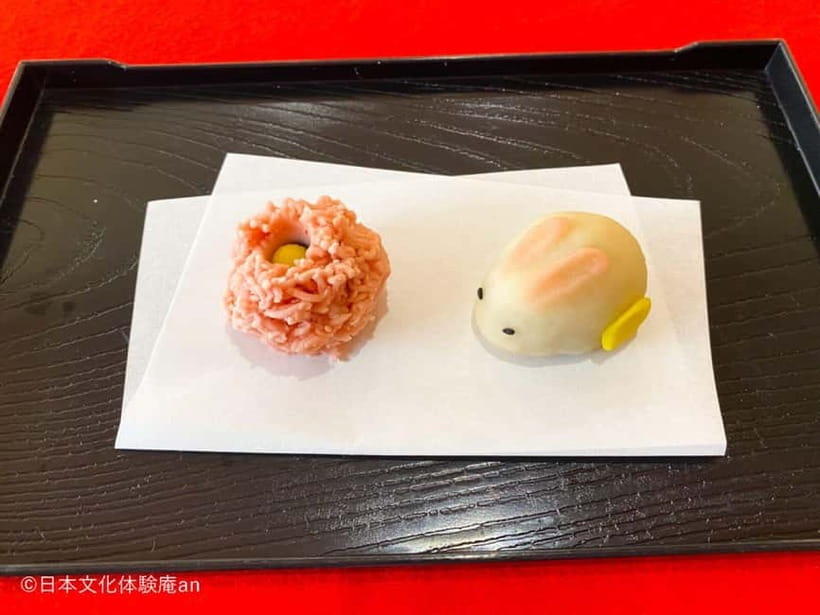
The workshop keeps a clear rhythm, and the timing is designed so you finish two sweets without feeling rushed.
First, you get an overview. The session starts with an explanation about traditional Japanese sweets and what makes nerikiri different from other desserts. This is useful because the workshop is not just “make this shape,” it also gives you enough background to understand why the technique exists.
Then you make the first sweet: the flower-shaped nerikiri. This is usually the part where you learn the basics of handling the paste and shaping it into a clean outline. Expect to focus on details like forming edges neatly and keeping the surface smooth.
Next is Kinton nerikiri. The second sweet changes the texture and the look, so you will get variety without the class running long. In practice, it is a good way to learn that nerikiri is flexible, not a single rigid method.
Picture time comes near the end, so you can capture your finished sweets while they are still looking their best. Then you have eating time and room departure at the 65-minute mark. The key benefit here is simple: you do not just make art, you eat it while it is fresh.
- PERFECT KYOTO 1-Day Bus Tour★ 5.0 · 13,518 reviews
- Kyoto: Fushimi Inari, Kinkakuji, Bamboo Grove 1 Day Bus Tour★ 4.8 · 4,316 reviews
- Kyoto: Tea Ceremony in a Traditional Tea House in Kiyomizu★ 4.9 · 3,519 reviews
- Kyoto: Tea Ceremony Ju-An at Jotokuji Temple★ 4.9 · 3,207 reviews
- Kyoto: 45-Minute Tea Ceremony Lesson Experience★ 4.3 · 2,378 reviews
Kyoto bean paste: the flavor difference you can actually taste
This workshop highlights a detail that matters a lot: you work with white and red bean paste produced by Kyoto’s long-established shops.
That likely means two things for you:
- The sweetness and aroma should taste like the traditional Kyoto style, instead of leaning overly sweet or flat.
- The paste texture is more consistent, which makes shaping easier.
One of the best takeaways is that the “craft” is supported by ingredients that behave properly. When your base paste works well, your shaping effort pays off faster. And because you can eat your sweets on the spot, you get instant feedback: if your paste handling was good, the texture and flavor show up right away.
Shaping nerikiri for the season, what to watch for
You will make two seasonal Japanese traditional sweets, including the flower-shaped nerikiri and a Kinton nerikiri. Even if you are not sure what seasonality means, the class design helps you connect it to the final look.
Here is what tends to make the biggest difference during shaping:
- Smoothness matters. If the surface looks rough while you build the shape, it will usually look rough on the plate.
- Edges matter. Crisp contours read better in photos and also feel better to cut and eat.
- Patience matters. You may need a little time to adjust as you go, and this workshop’s short pacing is designed for that.
If you are bringing a kid or doing this as a family activity, it can work well because the class is short and tangible. One review described it as fun and accessible for most ages and skill levels, mainly because you get to eat your own results at the end.
English support and what to do if you want extra guidance
The instructor is Japanese, and English translation is provided as much as possible. That is helpful, but you should still expect the class to be more demonstration than one-on-one coaching.
One of the weaker points from a review was that the instructor was kind but did not speak English well, and did not always come close to each table with detailed pointers. That led to confusion about how to recreate the mixture texture and process afterward.
So here is my practical advice:
- Ask questions early. If something feels unclear, say it right away before your hands get into the shaping stage.
- Focus on copying the steps you see during the demo, not on memorizing a recipe. This is a craft you practice, not a chemistry exam.
- Take photos while you still have your sweet in progress. It helps you remember what “good” looks like.
Price and value: is $11 worth it?
At $11 per person, this workshop is priced like a true short activity, not a long course. For many visitors, the value comes from a simple combo: you pay for materials and instruction, and you leave with two finished sweets plus the experience of eating them immediately.
Compared to buying desserts on the street, you are getting three things at once:
- Instruction and hands-on making
- Two personalized, seasonal pieces
- A chance to taste what you made
There are optional extras that can raise the total, but the base experience is the core value. If you add anything, it is likely to be the matcha (listed as 500 JPY) or a take-out box (100 JPY) if you want to share later. A completion certificate is listed as 300 JPY if you like that kind of souvenir.
Who this Nerikiri workshop suits best
I think this is a strong choice if you want something short, cultural, and snackable.
It is especially good for:
- First-time Kyoto food crafts: you get a real technique without a huge time commitment.
- People who like making things they can eat: the best part is the payoff, you taste immediately.
- Families with older kids: a review mentioned enjoying it with a child around 10 to 12, mainly because it is structured and result-driven.
If you are looking for an in-depth, highly personalized class with fluent English and lots of troubleshooting, you might feel more limited by the language support. In that case, go in with the mindset of learning the basics and enjoying the process, not mastering an exact home-recipe.
FAQ
What does the Nerikiri workshop include?
You get a set experience of making nerikiri (two seasonal sweets). You can also eat the sweets on the spot.
How long is the experience?
It lasts 65 minutes total.
What is the meeting point near Kyoto?
It is about a one-minute walk from Exit 1 of the Karasuma Line Gojo Station. The store entrance faces Gojo-dori.
Is the workshop offered in English?
Japanese is the listed language. English translation is provided as much as possible, and you can contact them if you want to add it.
Can I eat the sweets right after making them?
Yes. There is eating time at the end, and you can enjoy your handmade sweets on the spot.
Are there extra fees for anything?
Yes. A take-out box costs 100 JPY, an experience completion certificate costs 300 JPY, and matcha costs 500 JPY.
What hours does the workshop run?
Operation hours are 10:00 to 17:00. Reservations received after 17:00 are processed the next day.
How far ahead can I cancel for a full refund?
You can cancel up to 24 hours in advance for a full refund.
Should you book this Kyoto Nerikiri workshop?
If you want a short Kyoto activity that feels genuinely hands-on, I would book it. The big wins are the Kyoto bean paste, the fact that you make two seasonal sweets, and the simple joy of eating what you create.
The only “watch this” item is language and attention level. If you need heavy English explanation or very detailed, table-by-table coaching, go in with realistic expectations and ask questions early. If you can roll with a guided demo and focus on shaping what is in front of you, this workshop is a very good value use of an hour.
Newest Kyoto write-ups from the Loving Japan desk

Dessert Tours, side by side.
 ★ 5.0Matcha Making Class in Tokyo with Authentic Japanese Sweets SetFrom $21744 reviews
 ★ 5.0Matcha Making Class in Osaka with Authentic Japanese Sweets SetFrom $21509 reviews
 ★ 4.9Matcha Making Experience with Mochi Sweets in AsakusaFrom $22388 reviews
 ★ 4.4Japanese Traditional Sweets Making and Tea CeremonyFrom $18314 reviews
 ★ 5.0Matcha Making Experience with Japanese SweetsFrom $22146 reviews
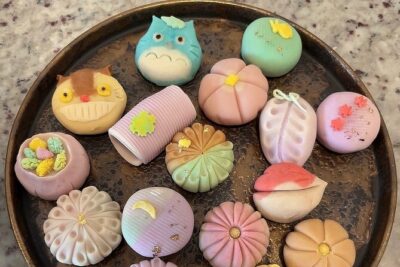 ★ 5.0Make Traditional Nerikiri Sweets & Matcha experience in ShibuyaFrom $60130 reviews
 ★ 4.7Japanese Traditional Sweets Making and Tea CeremonyFrom $18118 reviews
 ★ 5.0Private Mochi Sweets Making class near Shibuya areaFrom $7993 reviews
Filed on these lists too