
REVIEW · KYOTO TEA CEREMONIES AND MATCHA
Make Traditional Nerikiri Sweets & Matcha experience in Shibuya
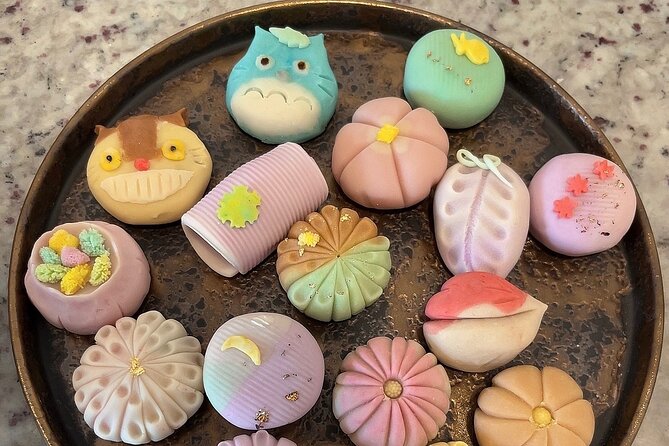
Nerikiri is edible art, made by hand. In Harajuku, close to Shibuya, I like how you learn real techniques in a home kitchen with a patient instructor like Hana sensei, then finish with a table-style matcha ceremony and Japanese sweets. It is a hands-on class that feels calm, detailed, and very Japan.
The only real drawback is the time is short. You will make four sweets total, so you need to focus on technique over trying to produce a whole variety menu.
In This Review
- Key things you will do and notice
- Shibuya and Harajuku, but in a real home kitchen
- Picking designs, shaping nerikiri, and taking your sweets home
- The matcha tea ceremony part, and why it feels different
- Timing in Harajuku and how to plan the rest of your day
- Price and value: is $60 fair for four sweets and matcha?
- Who should book this Nerikiri and matcha class
- Practical tips so you enjoy the full 1 hour 30 minutes
- Should you book this Nerikiri and matcha experience
- FAQ
- How long is the Nerikiri and matcha class?
- Where do I meet the instructor?
- How many nerikiri sweets do I make?
- Do I get matcha to drink?
- Are vegan and vegetarian diets supported?
- How many people are in each group?
- What are the available start times?
- Is this class okay for kids and seniors?
- Can I cancel for a full refund?
Key things you will do and notice
- Make four nerikiri sweets: three set designs, then one original design you take home
- Start at CHUMS Omotesando (in front of the Brown building), then walk about 30 seconds to the classroom
- Learn a table-style matcha ceremony with freshly prepared matcha and carefully chosen Japanese sweets
- Small group of up to 4 people, which means more time for coaching and questions
- Vegan and vegetarian friendly so more diets can join
- Pick a time that fits your day: 9:00, 13:00, or 15:30, with a strong case for the 9:00 start
Other routes through the west side of Tokyo, compared
- Tokyo: Shinjuku Food Tour (13 Dishes at 4 Local Eateries)
★ 5.0 · 6,603 reviews - Tokyo Bar Hopping Tour in Shinjuku (All-You-Can-Drink + Dinner)
★ 5.0 · 3,587 reviews - Official Street Go-Kart in Shibuya
★ 5.0 · 3,435 reviews - Tokyo: Shinjuku Food Tour (15 Dishes and 4 Eateries)
★ 4.9 · 2,033 reviews
Shibuya and Harajuku, but in a real home kitchen

This class puts you in a neighborhood that most people associate with shopping and street fashion, but the experience itself is slow and precise. You meet in Omotesando, then you head to your instructor’s home, where you get to see how inner-city Tokyo life actually feels. That home setting matters. It turns the workshop from a factory-like activity into something personal, and it makes the tea part feel natural instead of staged.
Your meeting point is across CHUMS Omotesando, in front of the Brown building. From there it is just about a 30-second walk together. The tour area is also described as a short walk from Omotesando Station, plus easy access to Shibuya and Harajuku on foot, which is a big deal in Tokyo.
The class runs about 1 hour 30 minutes, and the schedule offers three start times: 9:00, 13:00, and 15:30. That is helpful because you can anchor your day around it. Also, starting at 9:00 is a smart move. Many shops open around 11:00, so an early class gives you culture time first, then you can spend the rest of the day exploring.
One more practical point: this is a small group up to 4 people. In a small group, the instructor can watch your shaping hands, not just deliver a one-size-fits-all explanation. In my opinion, that is what turns nerikiri from something you watch into something you can actually repeat later.
Picking designs, shaping nerikiri, and taking your sweets home
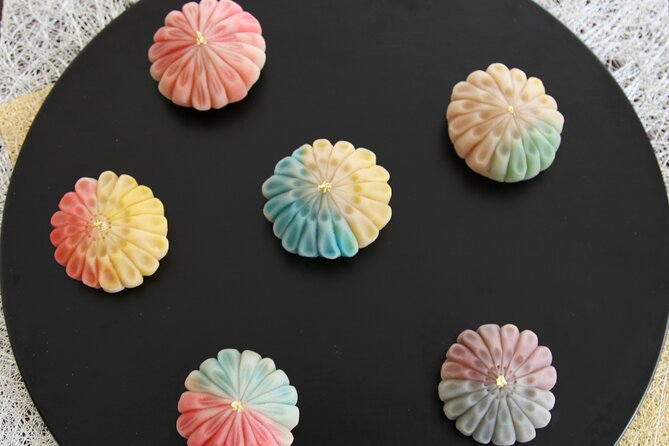
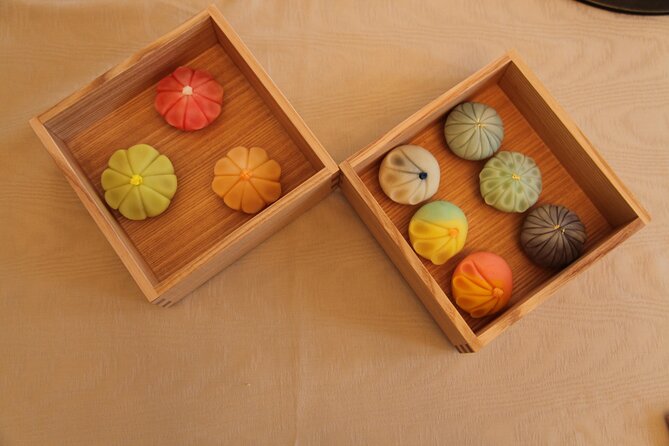
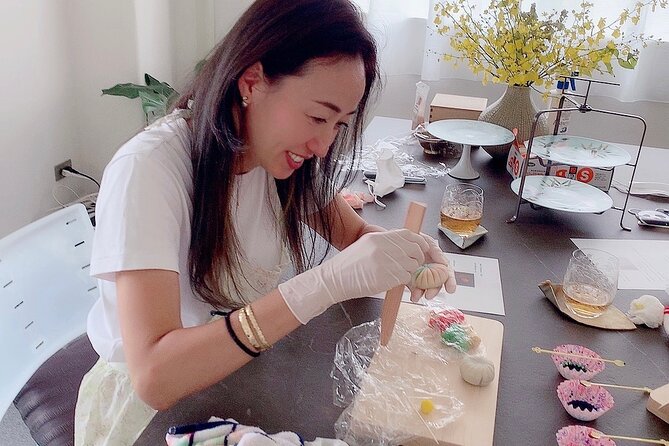
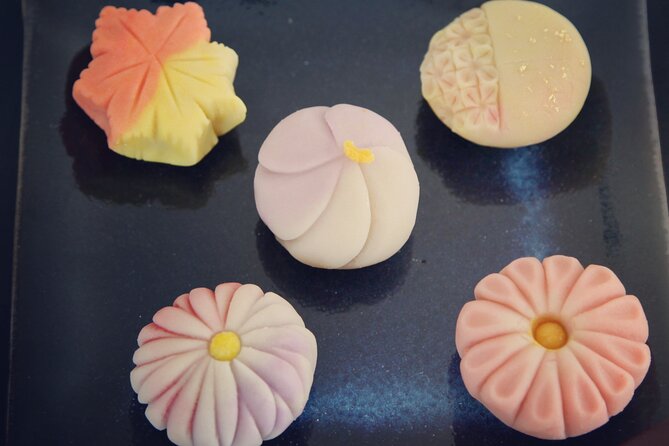
Nerikiri is a traditional Japanese confection made using bean paste, sugar, and other ingredients. The goal is not speed. It is careful shaping, layered texture, and clean edges. You start by looking at sample designs, then you make three different shapes guided by your instructor.
Once you get comfortable with the basic technique, you shift into creativity. Then comes the part I think most people look forward to: creating your own original nerikiri design. You are not just copying. You choose something that matches your taste, then you shape it through the same hands-on steps.
And yes, everything you make is included to take home. That changes the whole vibe. You are not just eating during the class. You are leaving with edible art, plus a small story about how you made it.
If you are traveling with kids, this portion works well because it is visual and step-based. If you are an adult, it is a great reset from Tokyo speed. Several participants described how patient the instruction feels, especially if your first attempts are clumsy. That matters, because nerikiri is the kind of craft where you can feel awkward at the start, even if you are normally confident with cooking.
Diet note: the experience is described as suitable for vegans and vegetarians. That is not something every food workshop guarantees, so if you eat plant-based, this is one you should seriously consider.
The matcha tea ceremony part, and why it feels different
After shaping your nerikiri, you sit down for a table-style tea ceremony. The hot drink is freshly prepared matcha, and you also get carefully selected Japanese sweets served alongside it. In other words, you learn how the sweets belong together, not just how to make them.
Matcha is not only a beverage here. It is part of the pacing. It slows you down, gives you a moment to notice texture and sweetness balance, and makes the whole workshop feel more like a cultural lesson than a cooking class.
You will also be guided through etiquette in a way that fits the workshop format. That is important. A full formal tea ceremony can be intimidating for first-timers and hard to fit into a short Tokyo itinerary. A table-style approach keeps the meaningful parts, without asking you to memorize rules all morning.
One of the nice advantages of the tea portion is that it connects to what you already made. You made the shapes. Now you taste them with matcha, and that is when the design choices make sense. You see the craft and then you feel it on your tongue.
From a practical standpoint, you can treat the end of the class like a breather before heading back out into Tokyo. Your body gets a little fuel, your brain gets a little calm, and you are ready for whatever you picked for the afternoon.
Sit down somewhere quieter. Other tea rooms we booked
- Matcha Making Class in Tokyo with Authentic Japanese Sweets Set★ 5.0 · 744 reviews
- Tokyo: Traditional Tea Ceremony with a Tea Master★ 5.0 · 528 reviews
- Tokyo: Matcha Making Experience with Mochi Sweets in Asakusa★ 4.9 · 388 reviews
- Tokyo: Matcha and Kimono Experience★ 4.7 · 219 reviews
- Tea Ceremony Workshop in Tokyo by the Experienced Instrucor★ 5.0 · 189 reviews
Timing in Harajuku and how to plan the rest of your day
This is set up so you can plug it into a bigger Tokyo day without stress. Since the meeting point is in Omotesando with easy walking access to Shibuya and Harajuku, you can plan your sightseeing like blocks.
If you start at 9:00, you get a head start on the day before stores get busy, and you avoid spending your best morning hours staring at menus. After the class, you can work in classic nearby stops. The experience description points out easy access to Meiji Shrine, Takeshita Street, and Shibuya Crossing.
A simple plan that tends to work well:
- Morning: class and a slow tea break
- Late morning into early afternoon: one shopping street area (like Harajuku side)
- Later afternoon: one bigger landmark, like Shibuya Crossing, when you want to people-watch and take photos
Because the class ends back at the meeting point area, your navigation stays simple. You do not need a complicated transfer right after.
Also, because shops often open around 11:00, the 9:00 slot can help you avoid the frustrating Tokyo rhythm of walking past closed storefronts with hungry eyes. If you want the simplest day flow, pick the earliest time.
Price and value: is $60 fair for four sweets and matcha?
Let’s talk value plainly. At $60 per person, this is not a bargain snack. It is also not an overpriced gimmick. What you are paying for is:
- A small group (max 4 people)
- Real hands-on instruction for nerikiri shaping
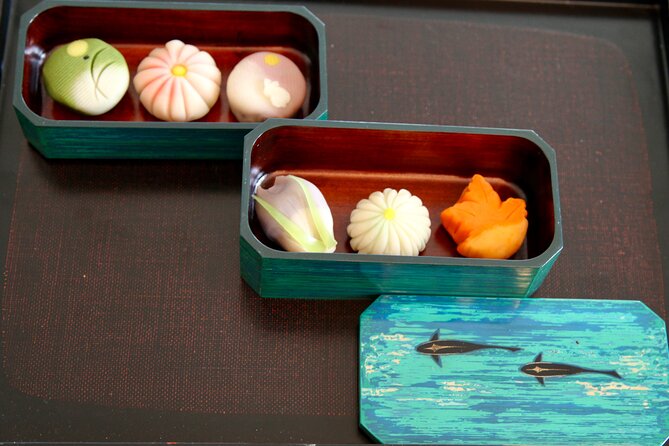
- Four sweets total made during the class, plus matcha
- A tea ceremony experience with additional Japanese sweets
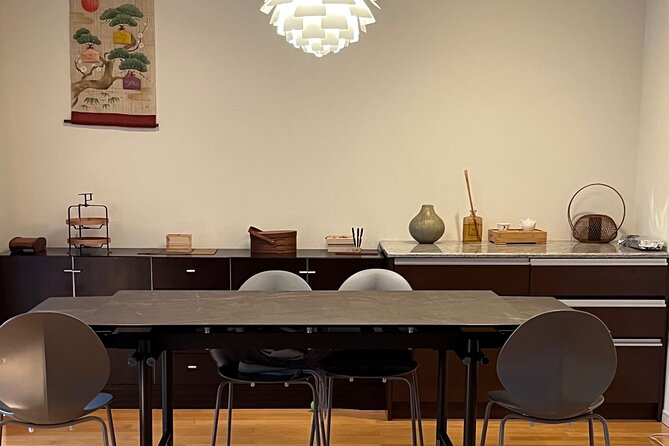
- The added experience of learning in an instructor’s home setting
In my view, the key value driver is the combination of skill teaching plus edible take-home. Many Tokyo classes give you a finished item, but this one gives you multiple shaped pieces, then pairs them with matcha so you taste the results properly.
Also, starting in central areas like Omotesando and Harajuku usually costs more than far-out districts. You are paying for convenience plus a cultural workshop that does not feel like a rushed demo.
If you are the type who likes doing one meaningful thing per day and then spending the rest wandering, this price structure makes sense. You get an experience with a clear output, and it does not swallow your whole day.
Who should book this Nerikiri and matcha class
This is a strong match for you if you want a Tokyo activity that is:
- Hands-on and repeatable at home
- Centered on Japanese sweets and tea culture
- Small-group and not crowded
- Suitable across ages, from young children to seniors
- Friendly to vegans and vegetarians
It also works well if you like aesthetics and fine motor tasks. Nerikiri is basically edible design. Even if you are not an artist, the instructor’s guidance and sample options help you aim for something that looks good.
If you are short on time and want a calm break from busy neighborhoods, the class format helps. It is short enough to fit, and it ends with you fed and satisfied, without needing a long sit-down restaurant plan.
Practical tips so you enjoy the full 1 hour 30 minutes
Here are the small things that make a difference in a craft class like this:
- Wear comfortable clothes. You will be working with your hands, and you may handle sticky ingredients.
- Plan your day around the class. For the smoothest schedule, choose the 9:00 start if you can.
- Bring curiosity, not perfection. Nerikiri rewards patience, and first attempts can be a learning moment.
- If you have dietary restrictions, double-check your needs during booking. The experience states vegan and vegetarian suitability, and if you have extra concerns, message ahead so the instructor can respond.
In at least one case, participants raised concerns about ingredients, and the host contacted them after booking confirmation. That tells me communication matters, and you should use it if you have a specific dietary issue beyond vegan or vegetarian.
Should you book this Nerikiri and matcha experience
Book it if you want a small-group, hands-on cultural activity with a clear payoff: four sweets you make yourself, plus a matcha tea ceremony that ties everything together. The location near Omotesando and the easy access to Shibuya and Harajuku make it practical, not just cute on paper.
Skip it if you are looking for a long, multi-stop food tour. This is focused and skill-based, not an all-day itinerary. But if you want one meaningful morning or afternoon moment in central Tokyo, this is a very sensible choice.
If you can, I would pick the 9:00 session. You get the calm start, you beat the store crowds, and you still have plenty of day left for Meiji Shrine, Harajuku streets, and Shibuya Crossing.
FAQ
How long is the Nerikiri and matcha class?
It runs for about 1 hour 30 minutes.
Where do I meet the instructor?
You meet across CHUMS Omotesando, in front of the Brown building, and then it is about a 30-second walk to the instructor’s place. The listed start address is 5-chōme-2-21 Jingūmae, Shibuya, Tokyo 150-0001, Japan.
How many nerikiri sweets do I make?
You make four sweets in total. The process includes three different shapes based on sample designs, then you create one original design, and everything you make can be taken home.
Do I get matcha to drink?
Yes. After making the sweets, you enjoy a table-style tea ceremony with freshly prepared hot matcha.
Are vegan and vegetarian diets supported?
Yes. The experience is stated to be suitable for vegans and vegetarians.
How many people are in each group?
The group size is capped at a maximum of 4 travelers.
What are the available start times?
There are three options: 9:00, 13:00, and 15:30.
Is this class okay for kids and seniors?
Yes. It is described as enjoyable for all ages, from young children to seniors.
Can I cancel for a full refund?
Yes, free cancellation is offered if you cancel up to 24 hours before the experience start time for a full refund. If you cancel less than 24 hours before, the amount paid is not refunded.
Kyoto by the Bowl


West Tokyo on Foot: Seven More



Newest Tokyo write-ups from the Loving Japan desk


Kyoto Tea Ceremonies and Matcha, side by side.
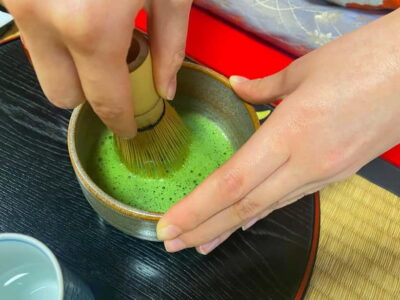 ★ 4.9Tea Ceremony in a Traditional Tea House in KiyomizuFrom $493,519 reviews
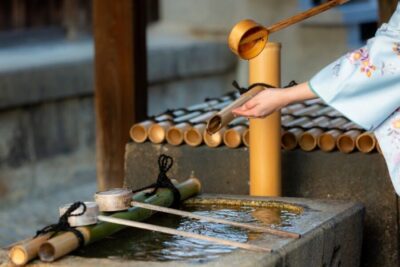 ★ 4.9Tea Ceremony Ju-An at Jotokuji TempleFrom $293,207 reviews
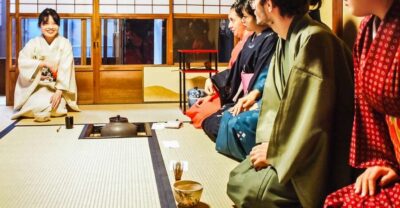 ★ 4.345-Minute Tea Ceremony Lesson ExperienceFrom $222,378 reviews
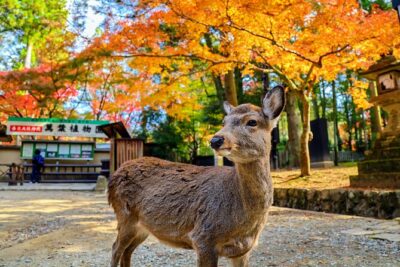 ★ 5.0World Heritage Kyoto & Nara Uji Authentic Matcha ExperienceFrom $1291,573 reviews
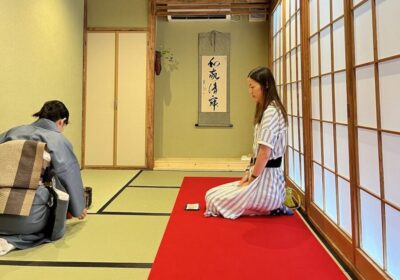 ★ 4.9Tea Ceremony ExperienceFrom $251,426 reviews
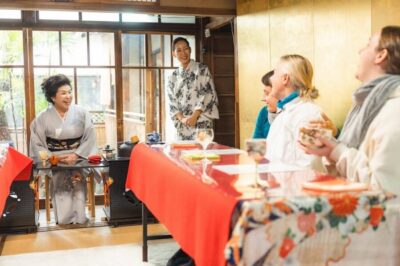 ★ 4.9Table-Style Tea Ceremony at a Kyo-MachiyaFrom $451,211 reviews
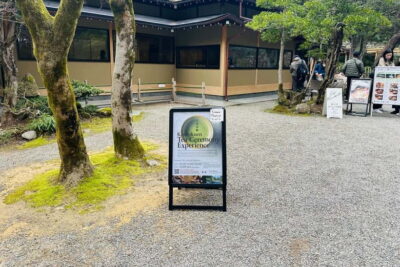 ★ 4.8Kenrokuen Tea Ceremony ExperienceFrom $351,139 reviews
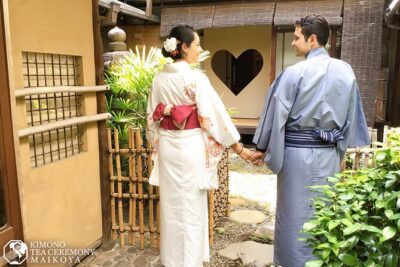 ★ 5.0Kimono Tea Ceremony at Kyoto Maikoya, NISHIKIFrom $65911 reviews
Filed on these lists too