
REVIEW · KYOTO TEA CEREMONIES AND MATCHA
Matcha Making Class in Tokyo with Authentic Japanese Sweets Set
Whisking matcha in Asakusa feels calming fast. You get hands-on coaching, learn step-by-step matcha prep, and finish with a cup plus seasonal Japanese sweets. One small catch, there is no hotel pickup, so you will want to reach the Kaminarimon meeting point on your own.
The whole experience is about one hour, and it runs in a relaxed, beginner-friendly setup near public transportation. I like that it caps at 30 people, so you are not just watching from the sidelines, and the class can feel intimate in a cozy café space.
In This Review
- Why Asakusa Matcha Feels More Like Culture Than a Snack
- The One-Hour Flow: What Happens After You Meet in Kaminarimon
- Getting the Coaching: Who Teaches, and What You Actually Learn
- The Asakusa Setting: Cozy Café Energy and a Quiet Moment
- Japanese Sweets Pairing: Why It’s Included and Not an Afterthought
- Price and Value: Is $21.89 a Good Deal in Tokyo?
- Who Should Book This Matcha Class (And Who Might Skip It)
- Practical Tips So You Enjoy It From Minute One
- Should You Book This Matcha Making Class in Asakusa?
- FAQ
- How long is the matcha making class in Tokyo?
- Is the instructor available in English?
- Do I need prior tea ceremony experience?
- What is included in the experience?
- Where is the meeting point?
- Is hotel pickup and drop-off included?
- How large is the group?
- Are service animals allowed?
- What is the cancellation policy?
Why Asakusa Matcha Feels More Like Culture Than a Snack
Asakusa is one of those Tokyo neighborhoods where the old and the everyday sit close together. This matcha class uses that setting well. Instead of treating matcha like a trendy drink, you learn how it is prepared, what makes good matcha taste different, and why people take the whisking part seriously.
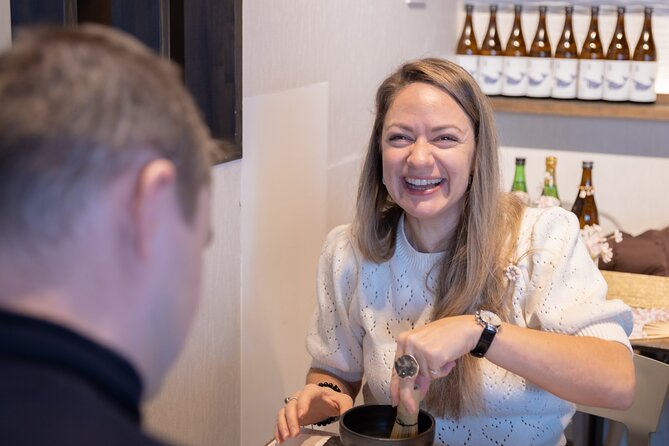
Two things I especially like about this experience are the practical instruction and the personal attention. The class is built around step-by-step guidance, so even if you have never made matcha before, you are given enough structure to actually improve. Plus, the hosts explain the food and the ceremony side in a way that sticks, without turning it into a formal event where you feel intimidated.
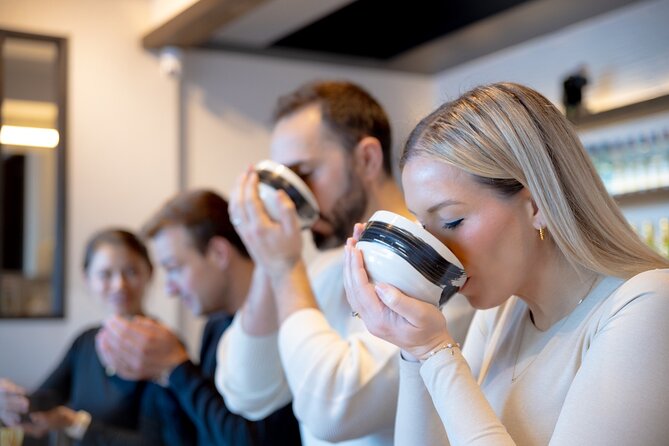
The other big win is the pairing with seasonal Japanese sweets. Matcha can taste sharp or even a bit bitter if the powder is lower quality or if the preparation is off. With sweets alongside it, you taste the balance right away, so you understand what matcha is aiming for.
Sit down somewhere quieter. Other tea rooms we booked
- Matcha Making Class in Tokyo with Authentic Japanese Sweets Set
★ 5.0 · 744 reviews - Tokyo: Traditional Tea Ceremony with a Tea Master
★ 5.0 · 528 reviews - Tokyo: Matcha Making Experience with Mochi Sweets in Asakusa
★ 4.9 · 388 reviews - Tokyo: Matcha and Kimono Experience
★ 4.7 · 219 reviews
The One-Hour Flow: What Happens After You Meet in Kaminarimon
This is a short class by design, about one hour. That means it fits neatly into a Tokyo day that is already packed with temples, streets, and snacks. You start at the matcha class meeting point in Asakusa, at 2-chōme-17-9 Kaminarimon, Taito City, Tokyo.
From there, the timing usually follows a clear rhythm:
1) A warm intro and matcha basics
You get an explanation of matcha and how it differs from other green tea styles. In past classes, instructors have used an iPad with visuals to help you understand where matcha comes from and what to look for. This is helpful if your brain wants to know the why, not just the how.
2) Learning how to choose and prepare matcha
One of the most praised parts is learning how to spot higher quality matcha powder. That matters because the powder and the whisking technique work together. If the powder is weaker, the final taste can come out harsher. If the whisking is off, you may end up with a flat drink instead of that smooth, well-mixed texture.
3) Whisking step-by-step with hands-on guidance
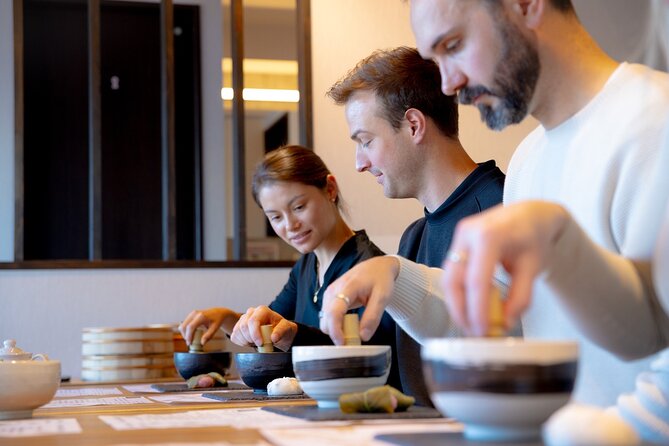
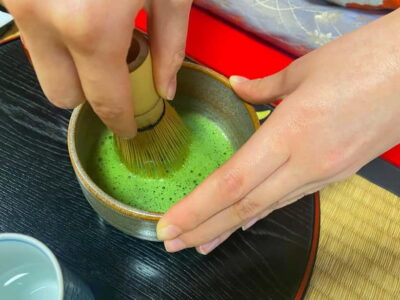
This is where the class shines. You learn the ceremonial-style whisking technique in a relaxed way. You are not just told what to do. You get real-time coaching so you can correct your motion and your bowl technique.
4) Tasting matcha with traditional Japanese sweets
Once your cup is ready, you enjoy it alongside seasonal sweets that complement the flavor profile. The sweets make the whole thing feel like a proper food experience, not a random sampling.
5) Photos and a chance to ask questions
You can take photos during or after the class, and the hosts have helped people with pictures. If you are traveling solo or with family, this small support is a big confidence boost.
Getting the Coaching: Who Teaches, and What You Actually Learn
The class is guided by friendly English-speaking hosts. The instruction style tends to be welcoming and interactive, which is exactly what you want on day one of trying a traditional technique.
Instructors mentioned in class experiences include Hiya, Nama, Shuri, and Rino. Even with different personalities, the core teaching approach stays the same: you get hands-on help, you learn the reasoning behind the steps, and you get enough practice to feel like you made something real.
Here is what you are likely to walk away with, based on what people consistently praise:
- How to whisk matcha for a smoother result
You will learn the motions and consistency targets that make matcha taste better. Even if you cannot master it in one sitting, you leave with a method you can repeat.
- What to look for in good matcha powder
You learn simple ways to judge quality, so you are not buying matcha blindly later in Tokyo or at home.
- The cultural meaning behind the process
You will hear about the cultural significance of matcha and the ceremony elements, but in a beginner-friendly package. One review highlight notes the style is less formal than a full tea ceremony, which is great if you want respect without pressure.
And yes, the class leaders often use visuals, which helps a lot when you are trying to understand technique from scratch.
The Asakusa Setting: Cozy Café Energy and a Quiet Moment
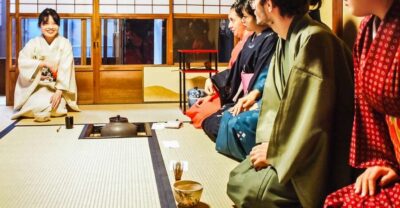
This is not a sterile demo room. The workshop can take place in a charming café upstairs nook where people sit in traditional style, including on the floor in some cases. That kind of space changes the mood. Your brain treats the moment like something worth slowing down for.
You may also catch a view along the river, depending on the room setup. That is the kind of bonus that makes a short class feel more memorable than a typical activity with no atmosphere.
Another practical plus is the setup for international visitors. It is near public transportation, and people have found it easy to locate in the Asakusa area. Still, because there is no hotel pickup, you should plan to arrive a few minutes early and get your bearings first.
- Mt Fuji and Hakone 1-Day Bus Tour Return by Bullet Train★ 5.0 · 26,383 reviews
- 1-Day Tokyo Bus Tour★ 5.0 · 14,250 reviews
- Tokyo: teamLab Planets TOKYO Digital Art Museum Entry Ticket★ 4.6 · 9,779 reviews
- Mt Fuji & Hakone Cruise, Drum Show Bullet Train 1 Day from Tokyo★ 4.0 · 7,413 reviews
- Tokyo: Shinjuku Food Tour (13 Dishes at 4 Local Eateries)★ 5.0 · 6,603 reviews
Japanese Sweets Pairing: Why It’s Included and Not an Afterthought
Matcha alone can be tricky. If it is prepared well, it tastes rounded and smooth. If it is not, it can read as too strong or slightly bitter.
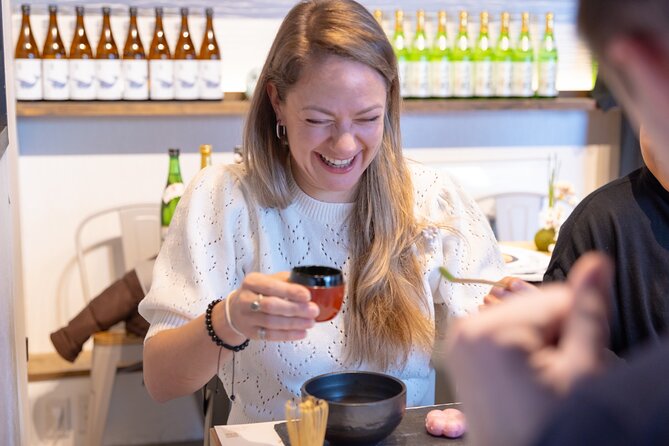
That is why the included sweets matter. You get a seasonal Japanese confection that is meant to complement matcha. In real-world terms, it helps you learn the taste relationship. You can compare the sharpness of matcha against sweetness, softness, and sometimes a mild saltiness, depending on what seasonal sweets are served.
Also, this pairing turns the class into a proper tasting moment. It feels like you are participating in Japanese culinary culture, not just checking off a quick activity.
Price and Value: Is $21.89 a Good Deal in Tokyo?
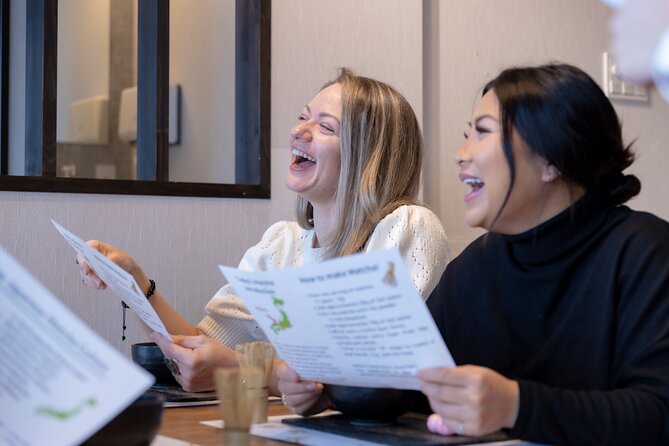
At $21.89 per person, this class is priced like a short, hands-on experience rather than a long, full-day workshop. For Tokyo, that is a sensible tradeoff. You are paying for three things that are hard to replicate on your own:
1) Time with an instructor
Learning whisking technique by trial and error can be slow. Here you get real-time correction.
2) A structured method
The class walks you through matcha step-by-step. That structure is what you lose when you just buy supplies and guess.
3) The pairing and taste test
The seasonal sweets are included, which means you get a complete sensory lesson, not just a cup of tea.
If you are the type of traveler who likes doing one “real skill” activity during a trip, this fits well. It also makes sense for families, because people have brought kids and found the interaction friendly and easy to follow.
Who Should Book This Matcha Class (And Who Might Skip It)
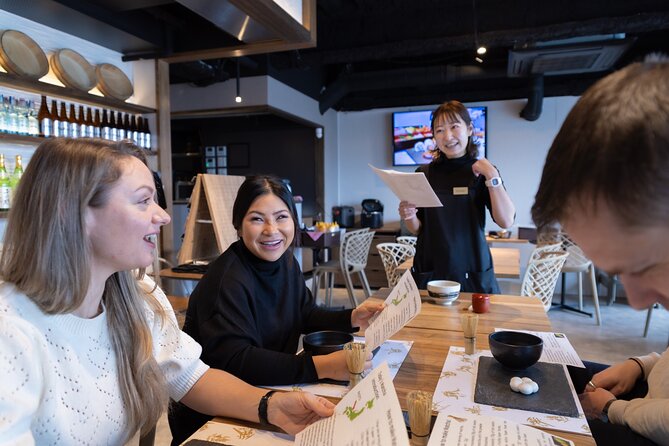
This is a strong fit if you want:
- a hands-on matcha activity, not a lecture
- English-speaking guidance
- a beginner-friendly way to learn whisking technique
- a short stop that still feels cultural and memorable
It is also family-friendly. One class experience included children around early elementary age, and the instructors kept everyone engaged. If you want a calm break in your day, the relaxed café setting helps.
You might consider skipping or choosing a different format if you are specifically hunting for a very formal, slow, traditional tea ceremony experience. This one leans beginner-friendly and accessible, and that is a plus for most people.
Practical Tips So You Enjoy It From Minute One
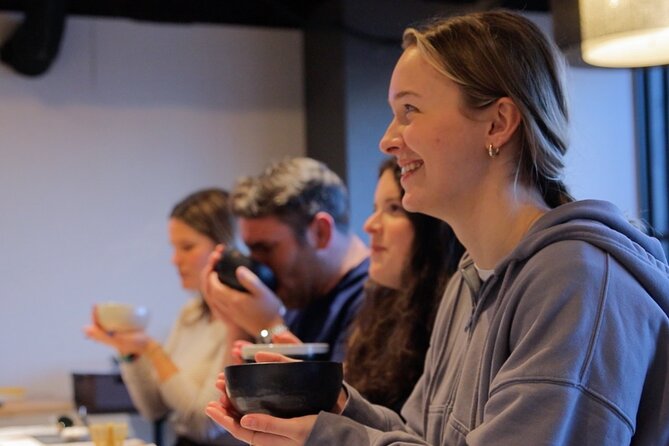
A few small moves will make your class smoother:
- Arrive early enough to settle in
People have been welcomed even when arriving earlier than expected, and that extra buffer reduces stress if Tokyo transit runs a little late.
- Come ready to learn a technique, not just eat
This is about whisking. If you treat it like a snack stop, you will miss the best part.
- Ask questions when your hand gets stuck
If your whisking feels awkward, that is exactly when you ask. The class tone is meant for corrections.
- Plan your camera timing
You can take photos, and hosts may help with family photos. If you want a nice group shot, do not wait until the very end.
Should You Book This Matcha Making Class in Asakusa?
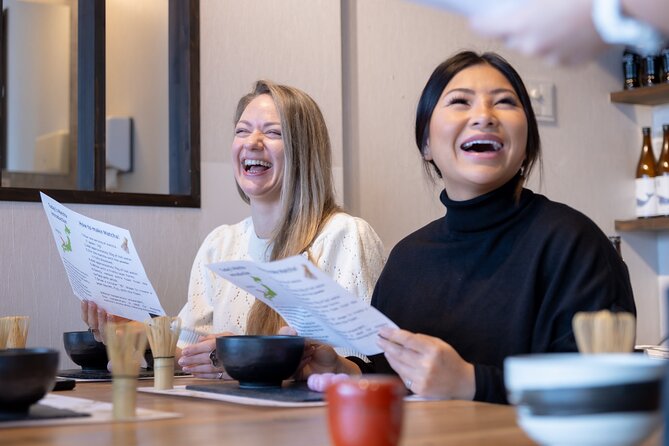
Yes, if you want a high-satisfaction, low-commitment cultural skill. The combination of English-speaking hosts, step-by-step whisking coaching, and a tasting moment with seasonal Japanese sweets makes this feel like more than just a quick activity.
I would book it if:
- you want something authentic and calm in a packed itinerary
- you are new to matcha and want a method that actually works
- you value personal attention, not just watching
I would think twice if:
- you hate finding places on your own, since there is no hotel pickup
- you want a long, highly formal tea ceremony with lots of ritual complexity
If you are doing Asakusa anyway, this is one of the easiest “do it today” choices that also teaches you something you can use later.
FAQ
How long is the matcha making class in Tokyo?
It lasts about 1 hour.
Is the instructor available in English?
Yes. An English speaking instructor is included.
Do I need prior tea ceremony experience?
No prior tea ceremony experience is required.
What is included in the experience?
You get an English speaking instructor, and matcha with Japanese sweets.
Where is the meeting point?
The meeting point is Matcha Making Tokyo, located at 2-chōme-17-9 Kaminarimon, Taito City, Tokyo 111-0034, Japan.
Is hotel pickup and drop-off included?
No. Hotel pickup and drop-off is not included.
How large is the group?
The maximum group size is 30 travelers.
Are service animals allowed?
Yes, service animals are allowed.
What is the cancellation policy?
You can cancel for free up to 24 hours in advance for a full refund. If you cancel less than 24 hours before the start time, the amount paid is not refunded.
Kyoto by the Bowl


Newest Tokyo write-ups from the Loving Japan desk


Kyoto Tea Ceremonies and Matcha, side by side.
 ★ 4.9Tea Ceremony in a Traditional Tea House in KiyomizuFrom $493,519 reviews
 ★ 4.9Tea Ceremony Ju-An at Jotokuji TempleFrom $293,207 reviews
 ★ 4.345-Minute Tea Ceremony Lesson ExperienceFrom $222,378 reviews
 ★ 5.0World Heritage Kyoto & Nara Uji Authentic Matcha ExperienceFrom $1291,573 reviews
 ★ 4.9Tea Ceremony ExperienceFrom $251,426 reviews
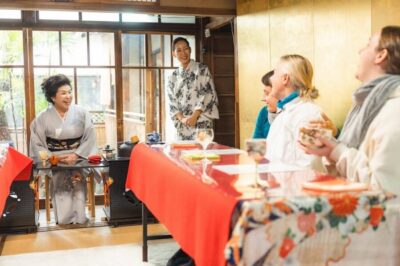 ★ 4.9Table-Style Tea Ceremony at a Kyo-MachiyaFrom $451,211 reviews
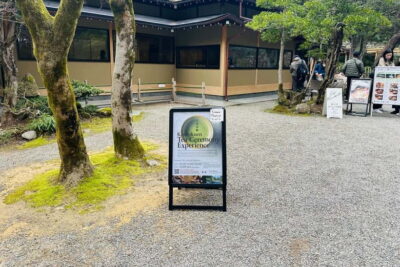 ★ 4.8Kenrokuen Tea Ceremony ExperienceFrom $351,139 reviews
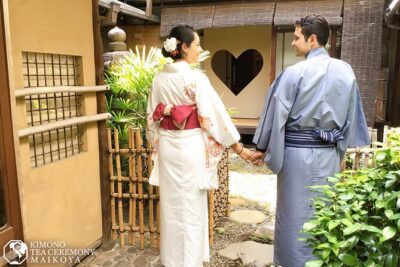 ★ 5.0Kimono Tea Ceremony at Kyoto Maikoya, NISHIKIFrom $65911 reviews
Filed on these lists too