
REVIEW · JAPANESE COOKING CLASSES
Kyoto: Afternoon Japanese Izakaya Cooking Class
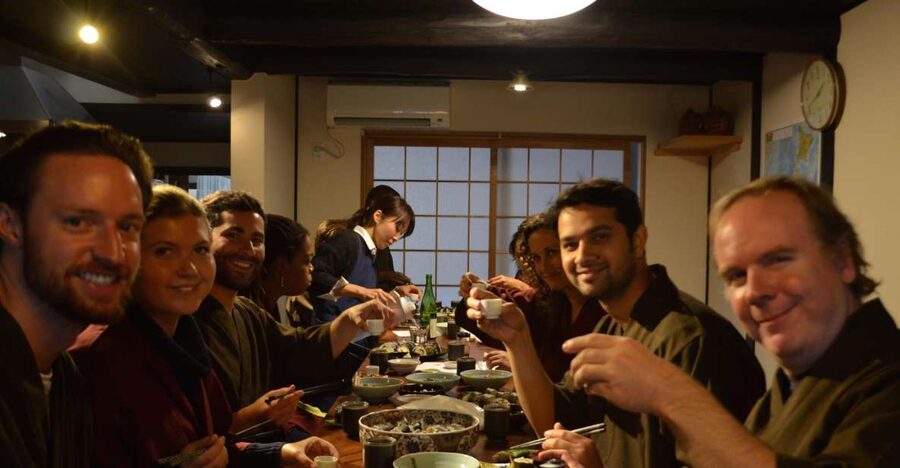
Cooking at a Kyoto izakaya beats ramen hunting. In a 3-hour afternoon session at Cooking Sun in Shimogyo Ward, you cook Japanese home dishes in two rounds with an English-speaking chef, talk as you go, and eat what you make. I like that it is hands-on instead of a lecture.
The biggest win is what you take with you after class. Many sessions are led by friendly guides such as Yumi and Yumiko, and the food instruction is described as step-by-step, with a recipe set you can follow again at home. That means you are not just eating a nice meal, you are learning how to reproduce it.
One heads-up: the flow can feel fast-paced, since cooking, tasting, and conversation happen at the same time. If you have dietary restrictions, you will need to flag them during booking so the kitchen can plan the menu and prep approach.
In This Review
- Key highlights to look for
- Kyoto’s Izakaya Cooking Class: A practical way to taste real food culture
- Where Cooking Sun is, and how you’ll get ready fast
- Round one: cook 2 to 3 home dishes side by side
- Round two: more dishes, then you eat again
- What you actually learn, not just what you cook
- Why the English instruction and small-group style matter
- The take-home recipe set: how to use it after your Kyoto trip
- Price and value: is $67 worth it in Kyoto?
- Who should book, and who might want a different plan
- Should you book this Kyoto izakaya cooking class?
- FAQ
- Where is the meeting point for the class?
- How long is the Kyoto afternoon izakaya cooking class?
- What language is the instructor?
- How many dishes will I cook?
- What is included in the price?
- Can you accommodate dietary requirements?
- Is the class wheelchair accessible?
- What is the cancellation policy?
- Is there an option to pay later?
Key highlights to look for
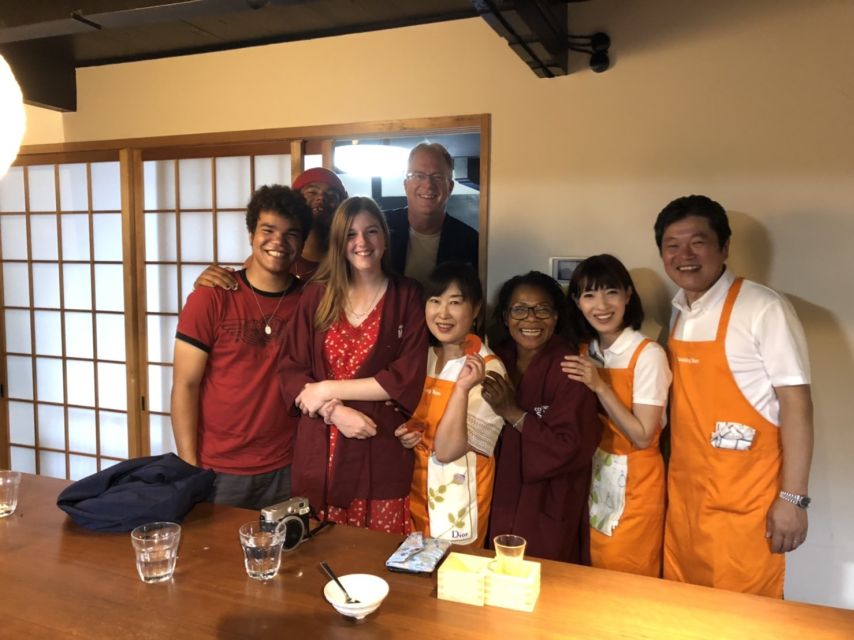
- Two cooking rounds, then two eating moments so you stay active instead of waiting around
- Counter-style conversation with your chef while you cook and taste
- English instruction that keeps beginners moving forward
- Foundational flavors like dashi and mirin show up in the dishes you learn
- Take-home recipes that make it realistic to cook these dishes again
- Multiple helper hands in some sessions, so you are not stuck figuring it out alone
Cook it yourself instead. Other kitchens in Kyoto
- Sushi Making in Kyoto! Same-day bookings welcome!
★ 5.0 · 713 reviews - Kyoto: Ramen Cooking Class at a Ramen Factory with Souvenir
★ 4.9 · 532 reviews - Kyoto: Ramen, Gyoza, and Onigiri Cooking Class
★ 5.0 · 445 reviews - The Original Small-Group Sushi Making Class in Kyoto
★ 5.0 · 436 reviews
Kyoto’s Izakaya Cooking Class: A practical way to taste real food culture
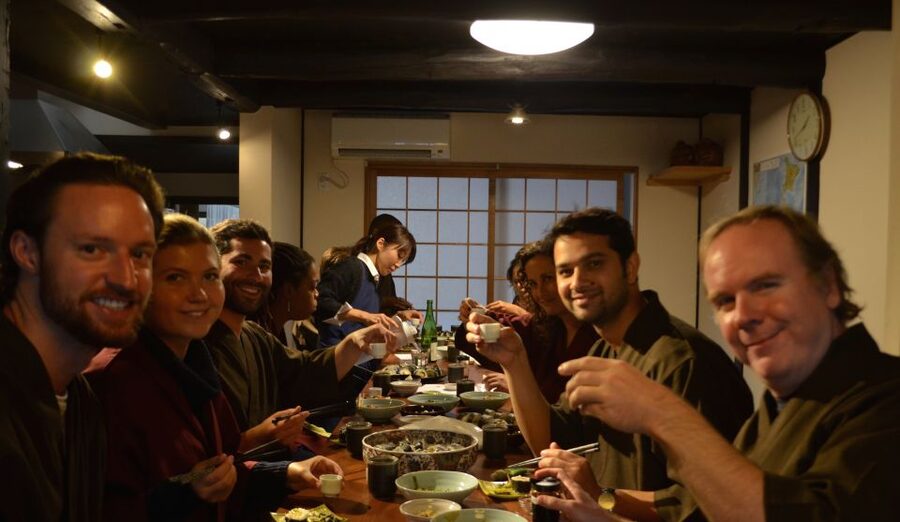
Kyoto can be amazing, but after a few days of temples and long lines, your brain starts craving something simple and warm. This class is a smart pivot, because it turns Japanese food culture into a working skill you practice for three hours.
The vibe is izakaya, meaning it is social, chatty, and focused on getting dinner on the table. You are not just tasting Kyoto, you are cooking Kyoto-style comfort and home dishes.
Where Cooking Sun is, and how you’ll get ready fast
Your meeting point is Cooking Sun, Funayacho, Shimogyo Ward, Kyoto 600-8466. Arriving a bit early helps you get oriented, especially since you will switch from sightseeing mode into cooking mode quickly.
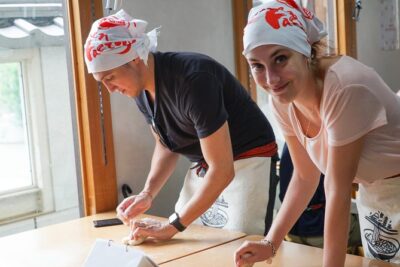
You are provided an apron and utensils, and ingredients are included. That matters because it reduces the usual pain of classes, the part where you wonder if you packed the right knife, the right bag, or the right anything.
This is also wheelchair accessible. If you are mobility-limited, you will want to review your needs during booking so the team can prepare the setup for you.
Round one: cook 2 to 3 home dishes side by side
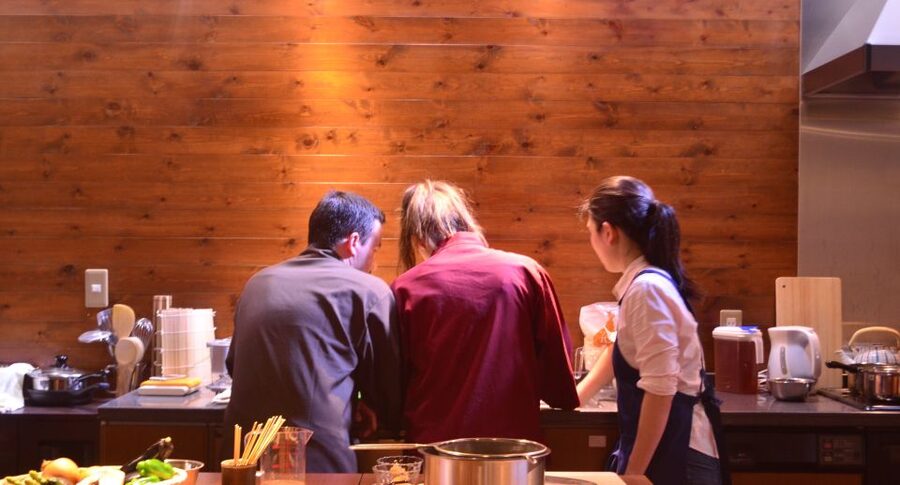
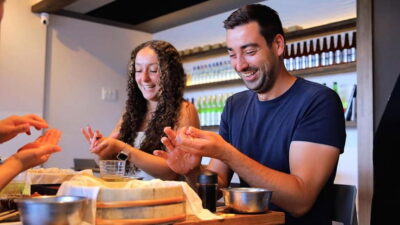
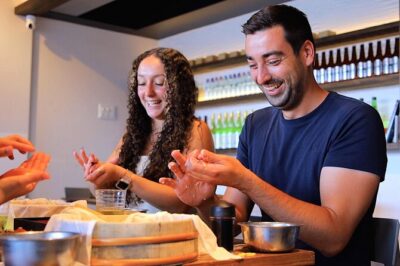
The cooking lesson is built in two parts. First, you cook 2 or 3 dishes together with your chef, learning as you go rather than watching from across the room.
Think of this as your training session. The chef shows what matters, like timing, seasoning, texture cues, and how Japanese home cooking balances flavor without making things complicated.
A key part of the experience is that this is not silent cooking. You are encouraged to talk with your chef while cooking and eating, which is how you pick up the why behind the steps, not just the what.
The red lanterns stay lit later. More Kyoto crawls
- Kyoto: Izakaya Bars Guided Walking Tour★ 4.9 · 815 reviews
- Kyoto Bar Hopping Night Tour★ 5.0 · 613 reviews
- Kyoto Local Bar Crawl in Kawaramachi Area★ 5.0 · 378 reviews
- Kyoto: Afternoon Japanese Izakaya Cooking Class★ 4.9 · 241 reviews
Round two: more dishes, then you eat again
After the first cooking round, you head back into the kitchen for the next set. In the second part, you learn another 2 or 3 dishes, and then you eat once more.
This is where the class feels especially efficient. You keep moving, and you get to compare flavors and techniques across dishes while everything is still fresh in your mind.
Some sessions run with a broader menu than the headline number of dishes. A few past participants described cooking a larger mix that included dessert, so if your group ends up with extra items, it is usually because the pace and menu align well.
What you actually learn, not just what you cook
Japanese home cooking can feel intimidating because ingredients and techniques look unfamiliar. The class approach helps because it focuses on practical methods you can repeat later, not just showy dishes.
From participant write-ups, the instruction often includes fundamentals like making dashi broth and using flavor builders such as mirin. You also get practical guidance for turning that flavor into a finished dish you can recognize and re-create at home.
You may see izakaya-style comfort foods on the menu, and some past students highlighted dishes like okonomiyaki. Since the menu can vary by session, your best bet is to treat each dish as a lesson in a technique, whether that is building broth flavor, balancing seasoning, or nailing texture.
Why the English instruction and small-group style matter
English instruction is listed, and that is a big deal for cooking classes. When you understand what the chef is pointing out, you cook better and you waste less time asking the same question twice.
A recurring theme in feedback is the warm, encouraging teaching style. Some participants singled out guides by name, including Yumi and Yumiko, and described the instructors as patient and helpful while keeping things fun.
In practical terms, that means you do not have to be a confident cook to finish. Even if you are nervous with knives or timing, you can follow the sequence and still get a great result.
The take-home recipe set: how to use it after your Kyoto trip
This class earns a lot of repeat value because you leave with a documented recipe set. People described the recipes as well organized and easy to follow, which is what you want if you plan to cook at home instead of letting the memory fade.
Your best strategy is to cook one dish first, within a week or two of returning home. That way, you still remember what the finished texture looked like and how the flavors tasted before they became “just dinner.”
If you are missing ingredients, the class experience can help you shop smarter. Several participants mentioned needing items like mirin and dashi, which are exactly the kinds of pantry upgrades that make home Japanese cooking work.
Price and value: is $67 worth it in Kyoto?
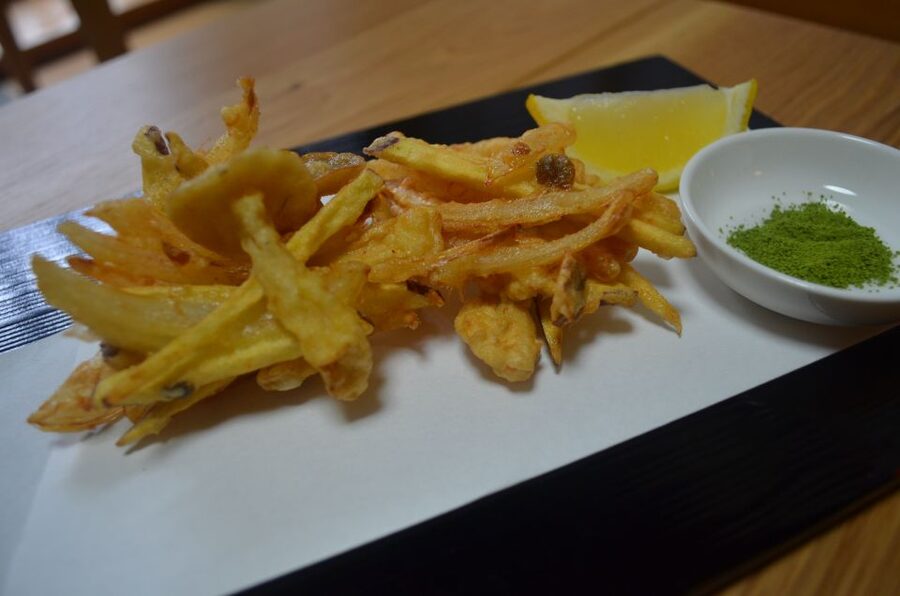
At $67 per person for 3 hours, you are not just paying for food. You are paying for an instructor who helps you execute Japanese home cooking, plus ingredients, plus the tools (apron and utensils).
You also get cultural context, because izakaya dining is part of daily social life in Japan. If you like to understand a place through food habits, this is one of the more direct ways to do it because you practice what locals do, not just what they sell to tourists.
Finally, value comes from repeatability. If the recipe set is clear and you actually use it later, the “cost per cooked meal” becomes pretty reasonable.
Who should book, and who might want a different plan
This is a great fit if you want an indoor activity that still feels hands-on and local. It works well for couples, small groups, and anyone who likes learning by doing instead of sitting and watching.
You will also enjoy it if you are a beginner. Multiple participants described the dishes as simple enough to tackle, with clear guidance that helps you succeed even if you do not cook often.
If you are very time-sensitive and hate fast pacing, note that the class can feel busy since you cook and eat in rounds. If dietary needs matter, you should flag them during booking so the kitchen can plan accordingly, and you can ask about whether separate prep or utensils are used when needed.
Should you book this Kyoto izakaya cooking class?
Yes, if you want a memorable Kyoto food experience that teaches you skills you can use again at home. The combination of English instruction, a real cooking workflow in two rounds, and a take-home recipe set makes it more than a one-time meal.
I would book it with confidence if you are excited by flavors like dashi and mirin and you want to understand Japanese home cooking from the inside. It is especially appealing when you want something enjoyable indoors that still feels authentically Japanese.
FAQ
Where is the meeting point for the class?
The meeting point is Cooking Sun, Funayacho, Shimogyo Ward, Kyoto, Kyoto 600-8466.
How long is the Kyoto afternoon izakaya cooking class?
The class lasts 3 hours.
What language is the instructor?
The instructor is English.
How many dishes will I cook?
The class description says you will cook 2 to 3 dishes, and it is structured in two parts. Some past participants have mentioned cooking a larger mix in certain sessions.
What is included in the price?
The included items are the cooking class, ingredients, 2 to 3 dishes, and an apron and utensils.
Can you accommodate dietary requirements?
If you have any dietary requirements, you should let the local supplier know upon booking.
Is the class wheelchair accessible?
Yes, the activity is wheelchair accessible.
What is the cancellation policy?
Free cancellation is available up to 24 hours in advance for a full refund.
Is there an option to pay later?
Yes. You can reserve now and pay later.
Lantern Light and Late Counters




Kitchens You Can Book Into
Newest Kyoto write-ups from the Loving Japan desk

Japanese Cooking Classes, side by side.
 ★ 5.0Sushi Making Tokyo Roll and Authentic Japanese Sushi ClassFrom $593,971 reviews
 ★ 4.9Roll and Authentic Sushi Making Class in AsakusaFrom $581,957 reviews
 ★ 5.0Ramen Cooking Class at Ramen Factory in KyotoFrom $1311,937 reviews
 ★ 4.9Sushi Making Class in a Happi Coat near a Famous SpotFrom $421,377 reviews
 ★ 5.0Sushi Making Osaka Roll and Authentic Japanese Sushi ClassFrom $311,220 reviews
 ★ 5.0Tokyo Sushi Making Class in Tsukiji with Professional ChefFrom $491,177 reviews
 ★ 5.0Ramen & Gyoza Cooking Class in Tokyo with Local Supermarket VisitFrom $122823 reviews
 ★ 5.0Tsukiji Fish Market Guided Tour and Sushi Making with Pro ChefFrom $104775 reviews