
REVIEW · JAPANESE COOKING CLASSES
Kyoto: Small-Group Authentic Sushi Making Workshop
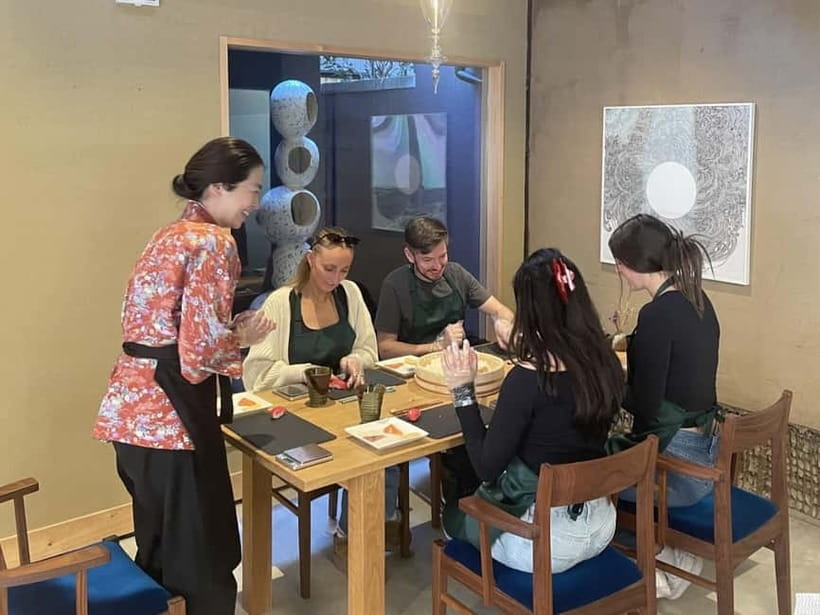
Sushi lessons in Kyoto feel like a quiet dinner. This hands-on, small-group workshop (just 8 people) teaches you how to make sushi step by step in English, in a beautifully restored townhouse. You season rice, shape nigiri, and roll maki at an unhurried pace, with time for questions and real conversation.
I especially like the focus on fresh ingredients and careful technique. The instructors, including Kana, are patient, hands-on, and happy to answer questions about Japanese food and daily life, even sharing personal stories about moving to Kyoto. One drawback to plan for: the class is not suitable for vegetarians (and it also isn’t set up for wheelchair users).
In This Review
- Key highlights
- Kyoto Townhouse Setting, 90 Minutes, and the Small 8-Person Class
- What You Really Learn: Sushi Rice, Nigiri Shaping, and Maki Rolling
- Fresh Fish in Kyoto, Plus Why Provenance Shows Up in Flavor
- The Pace and Flow: A Relaxed Build, Then You Eat What You Make
- Meet the Hosts: Kana, Karim, Aya, and Ayumi, and Their Culture Tips
- Location Near Kiyomizu-dera and Gion, Plus Easy Station Access
- What Comes Home With You: Gift Bag Tools and a Recipe Card
- Price and Value for a 90-Minute Kyoto Sushi Workshop
- Who Should Book This Workshop, and Who Might Prefer Something Else
- Should You Book Atelier SUSHI for Sushi Making in Kyoto?
Key highlights
- 8-person limit: personal attention and time to practice, not a rushed demo
- Nigiri and maki skills: you learn the basics of rice seasoning and shaping both types
- Fresh Kyoto fish: ingredient quality is a big deal here, with fish described as very fresh in reviews
- Calm traditional setting: a restored townhouse makes the 90 minutes feel relaxed
- Plenty to eat: you make lunch, plus miso soup, and the portion is more than a snack
- Take-home sushi kit: you leave with a rolling mat, chopsticks, and a recipe card
Cook it yourself instead. Other kitchens in Kyoto
- Sushi Making in Kyoto! Same-day bookings welcome!
★ 5.0 · 713 reviews - Kyoto: Ramen Cooking Class at a Ramen Factory with Souvenir
★ 4.9 · 532 reviews - Kyoto: Ramen, Gyoza, and Onigiri Cooking Class
★ 5.0 · 445 reviews - The Original Small-Group Sushi Making Class in Kyoto
★ 5.0 · 436 reviews
Kyoto Townhouse Setting, 90 Minutes, and the Small 8-Person Class
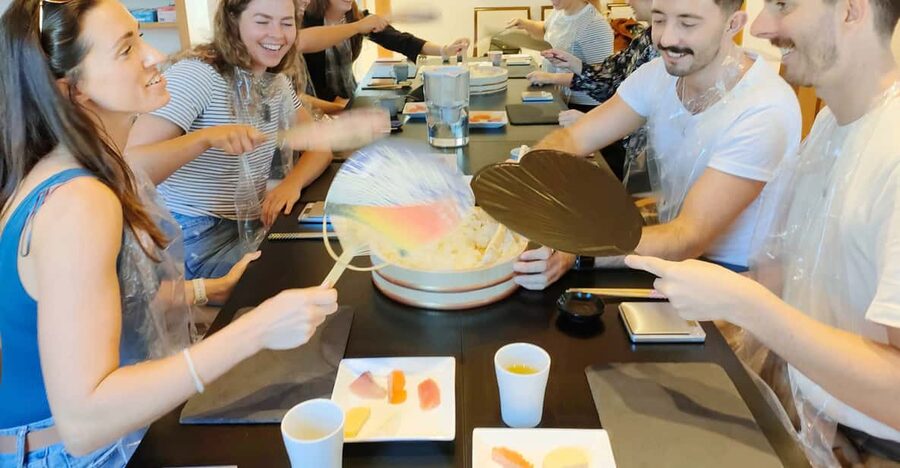
Kyoto is great for big-ticket sights. This is different. The workshop gives you a slower kind of Kyoto, in a traditional townhouse setting where you can focus on food instead of crowds.
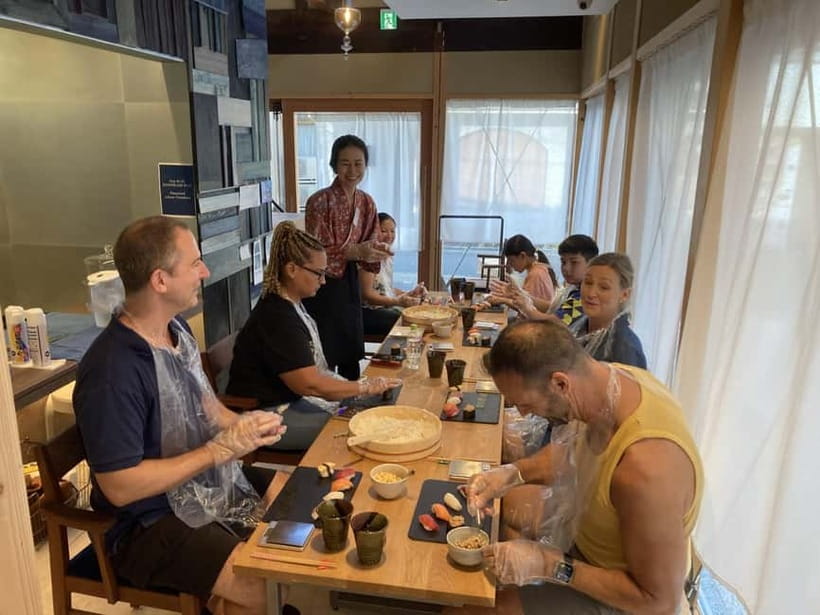
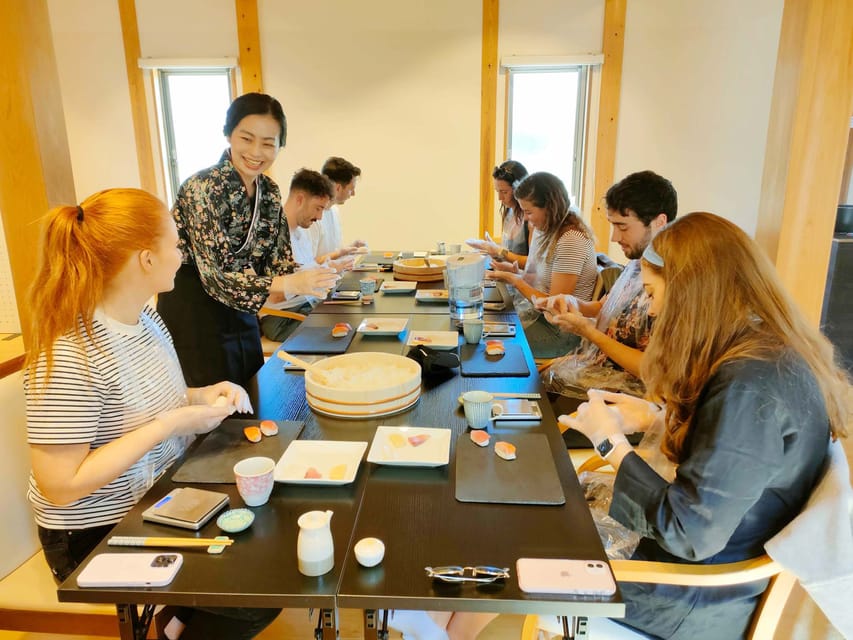
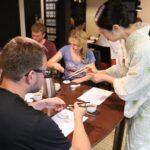
The class runs for 90 minutes and keeps the group to a maximum of 8 participants. That matters. With fewer people, the host can watch your grip, your rice spreading, and your roll tightness, then correct small details before you get frustrated. Reviews consistently mention how unhurried the pace feels, with time to ask questions and refine technique instead of only copying a fast-moving demonstration.
Language is another practical win. The host/instructor teaches in English, so you are not stuck translating on the fly. That means you can actually learn why certain steps matter, like how rice seasoning affects flavor and texture when it meets fish.
The other thing to know up front is the match between food and your comfort level. This workshop is designed around sushi-making with fish, so it’s not the right choice for vegetarians. It also lists wheelchair users as not suitable, so plan accordingly.
What You Really Learn: Sushi Rice, Nigiri Shaping, and Maki Rolling
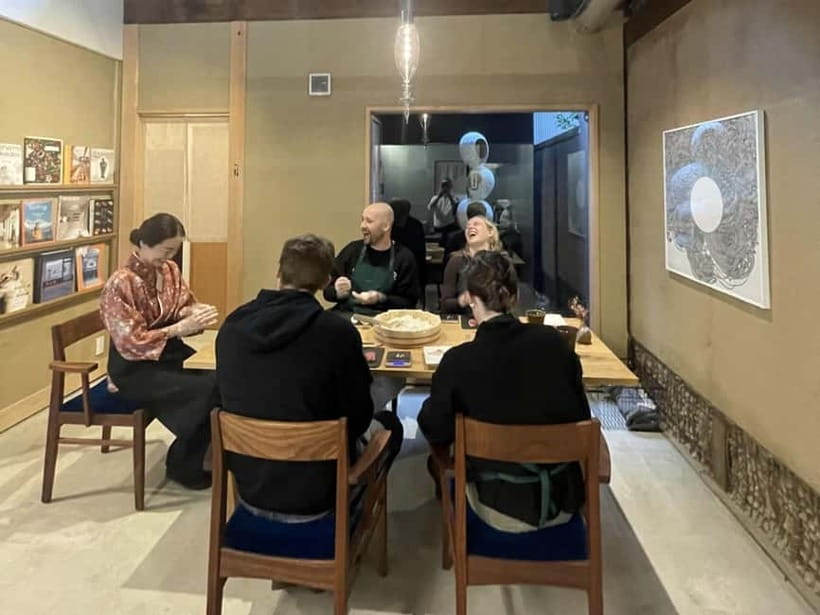
The workshop centers on the two core skill sets behind most sushi: sushi rice and shaping methods. You start with the rice, including seasoning it correctly, then you move into building sushi pieces you can eat right away.
For nigiri, expect detailed guidance on portioning and forming the fish-on-rice style. Multiple reviews call out Kana’s technique and patience, including explanations repeated often enough for beginners to keep up. Even if you have made sushi at home before, you will probably appreciate the chance to tighten up your method and compare your approach to what this Kyoto workshop emphasizes.
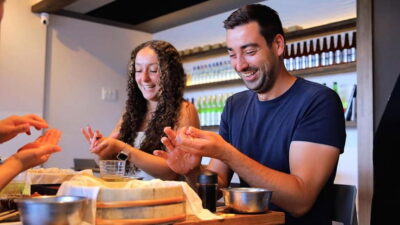
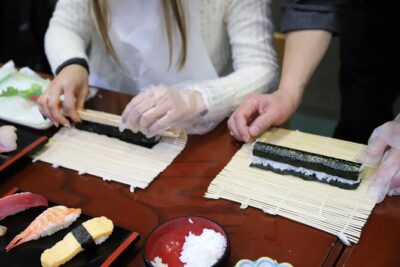
For maki rolls, you learn the rolling rhythm and how to place fillings so they hold together. You’re not just rolling once and leaving. Reviews say you get a hands-on experience making multiple sushi types, including maki rolls that you build yourself.
Some classes may also include other sushi styles. A few reviews specifically mention gunkan-style sushi, like a version with corn and tuna salad, in addition to nigiri and maki. The safe takeaway is that you should expect a variety, with enough practice to feel like you can repeat the basics later.
Fresh Fish in Kyoto, Plus Why Provenance Shows Up in Flavor
Sushi can be good almost anywhere. It becomes special when the fish quality is high and the handling is careful. This workshop leans hard into ingredient quality, and reviews back that up.
You use fresh, high-quality fish and local ingredients. Some reviews mention fish sourced from the local Kyoto markets, including Nishiki Market, and describe it as excellent quality. Another standout detail from reviews: the rice is described as being grown by Kana’s family. That kind of detail signals that this isn’t just a cooking show with pre-made ingredients.
What does that mean for you, as a practical matter? It helps you trust the learning process. When the rice tastes right and the fish is fresh, you can focus on technique instead of guessing why the end result won’t work. And if you are a little nervous about eating raw seafood, multiple reviews note people were surprised by how good the fish tasted and how fresh it felt.
It is still smart to share dietary restrictions when you book. The workshop explicitly asks you to advise dietary needs, and it is the most responsible way to make sure the class can accommodate you within its sushi-forward menu.
Counters and courses we sat at around Kyoto
- The Original Small-Group Sushi Making Class in Kyoto★ 5.0 · 436 reviews
- Sushi – Authentic Japanese Cooking Class – the best souvenir from Kyoto!★ 5.0 · 93 reviews
- Private Kyoto Sushi Cooking Class & Tea Ceremony with Emika★ 5.0 · 66 reviews
- Kyoto: Sushi Making Class with Sushi Chef★ 4.8 · 64 reviews
The Pace and Flow: A Relaxed Build, Then You Eat What You Make
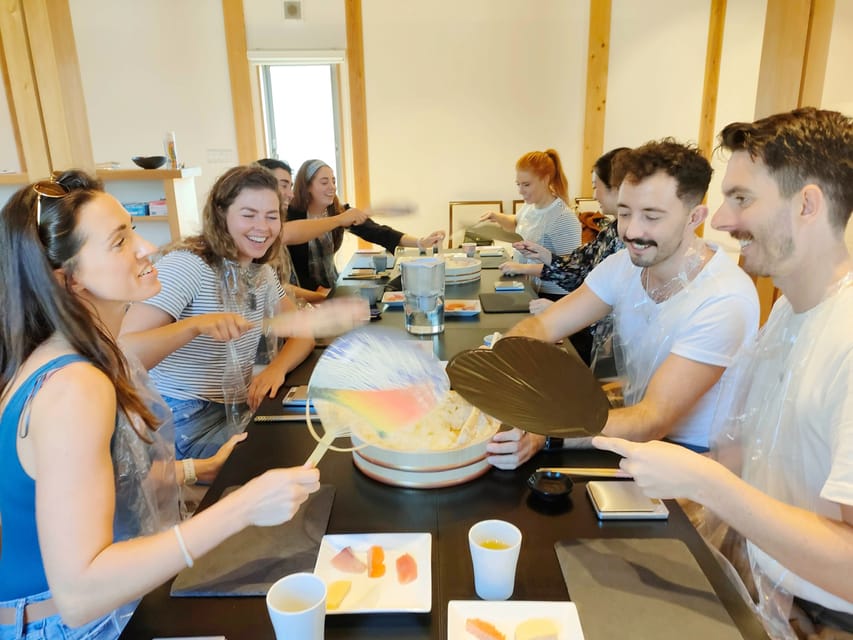
The best part of a sushi class is also the hardest to get right: can you actually enjoy it while learning? This one is designed to feel calm. Reviews repeat words like relaxed, restful, and unhurried, and that fits with the small-group setup.
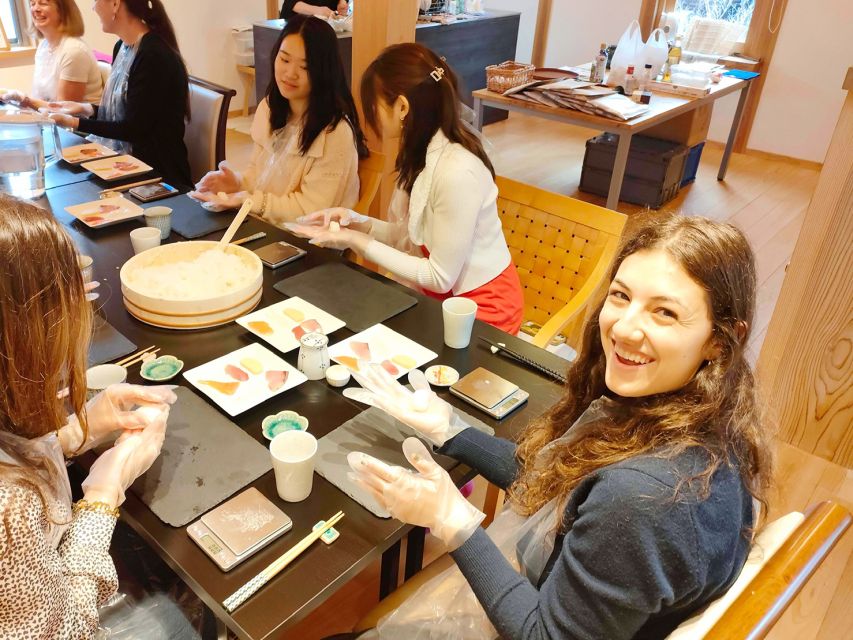
Typically, the flow looks like this: you receive step-by-step instruction, you practice the rice and shaping, and then you sit down to eat the sushi you made. Included with the meal are the sushi you craft for lunch and miso soup, which rounds out the flavors and makes the workshop feel like more than a snack break.
Portion size is another reason people leave happy. Reviews frequently say the amount of sushi you make is a lot, so you should not plan on eating a full dinner right after unless you want to share. One review even highlights eating a large number of pieces, which tells you the workshop aims to make you go home satisfied, not just educated.
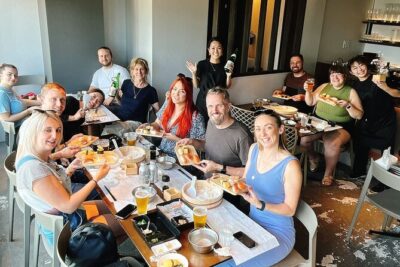
There is also a social side that doesn’t feel forced. Reviews mention sitting together, chatting during the process, and asking questions throughout. That turns the 90 minutes into something closer to being welcomed into someone’s kitchen than attending a transaction.
Meet the Hosts: Kana, Karim, Aya, and Ayumi, and Their Culture Tips
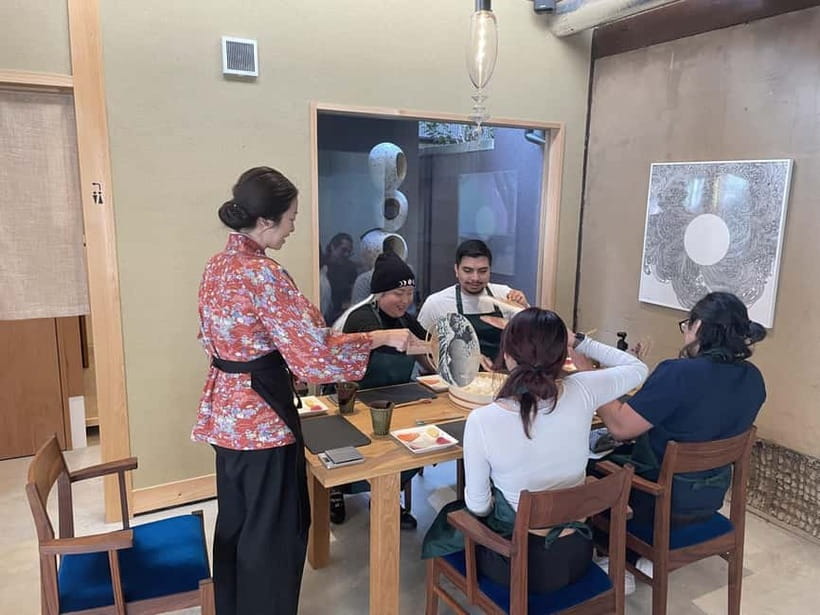
Sushi technique matters, but the teaching style matters just as much. Here, the hosts are a major part of what people rave about.
Kana is the most frequently mentioned instructor. Reviews describe her as warm, patient, and hands-on, including taking time to explain steps repeatedly and answer individual questions. Several guests also mention that she shares personal stories and cultural context, like growing up in Osaka and later moving to Kyoto. One review also notes her interest in Japanese history, which leads to conversations beyond cooking.
Karim also appears in reviews as an assistant who helps during the class, making the experience feel collaborative. In a few accounts, you also see instructors named Aya and Ayumi, along with other supporting team members, who help guide guests through the process and keep the class running smoothly.
What I like about this, as a reader planning your own trip, is that culture talk is not treated like a side show. It supports the learning. When someone explains why rice seasoning matters, or what different sushi styles are, you absorb more than just mechanics. You also get Kyoto and Japan in context, from the people teaching you.
Location Near Kiyomizu-dera and Gion, Plus Easy Station Access
Logistics can ruin a good plan. This workshop’s location helps it stay pleasant.
The meeting point is the Kyoto Wand building, minutes on foot from Kiyomizu-Gojō Station on the Keihan Main Line. That gives you a smooth way to arrive without stressing over transfers. It’s also centrally located within walking distance of major areas like Kiyomizu-dera Temple and Gion.
The plus code listed is XQVC+J7 Kyoto. If you like arriving with confidence, this is exactly the kind of detail that helps you find the building quickly.
For timing, I like pairing this with a slower afternoon in eastern Kyoto. You can go sightseeing earlier, then switch gears to a calm indoor class that resets your energy before dinner.
One more practical note: hotel pickup and drop-off are not included. That means you are responsible for getting there yourself, but it also keeps the schedule simpler and more predictable.
What Comes Home With You: Gift Bag Tools and a Recipe Card
A sushi class is only half useful if you cannot repeat it later. This one gives you take-home tools to keep your skills alive.
Included is a gift bag with a sushi rolling mat, chopsticks, and a recipe card. They also provide disposable gloves and an apron, which is helpful for keeping things clean while you practice.
Why that matters for value: you are not just paying for 90 minutes of instruction and lunch. You are leaving with a small kit you can use at home to repeat at least the basics of rice seasoning and rolling. If you love food souvenirs that actually get used, this is one of the better options in Kyoto.
Also, a lot of reviews mention how guests left feeling confident enough to try again at home. The recipe card plus the tools make that confidence realistic instead of just motivational.
Price and Value for a 90-Minute Kyoto Sushi Workshop
At $60 per person for 90 minutes, this sits in the mid-range for cooking classes in Japan. The main question is whether the price buys you real learning and quality, not just a cute experience.
Here’s the value case. You get:
- A small group (max 8), which increases hands-on attention
- Instruction in English
- Fresh local fish and ingredients used in your own sushi
- Lunch included, including miso soup
- A take-home kit with rolling mat, chopsticks, and a recipe card
In reviews, people also stress the quality of fish and the amount of sushi. That combination helps explain why so many guests rate it highly.
If you compare it to eating sushi in a restaurant, this is not the same kind of meal. It is not about best possible nigiri for money. It’s about learning the craft in a way you can recreate. If that is your goal, the price feels fair.
Who Should Book This Workshop, and Who Might Prefer Something Else
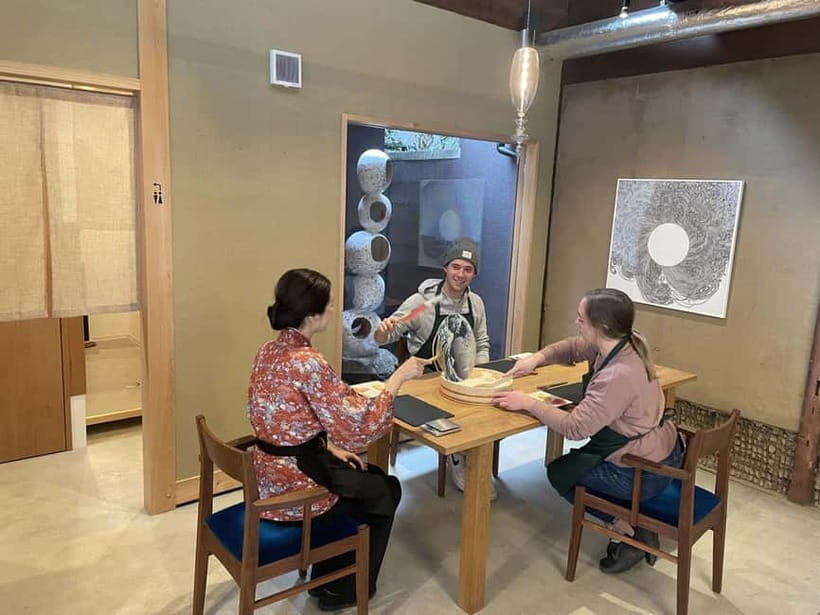
This workshop is a strong fit if you want a hands-on Kyoto food experience with real teaching. Reviews mention it works well for beginners, and the class is paced with explanations that you can follow even if sushi sounds intimidating.
It also works well for families. One review describes a family group that included a grandmother and grandkids, with everyone enjoying the hands-on learning. Kids and teens who are curious about cooking often do well in a small-group setting where the instructor can check in.
It is not suitable for vegetarians, and wheelchair users are not accommodated. If either of those applies to you, look for a different class style, maybe one focused on non-fish Japanese cooking.
If you’re anxious about eating sushi, the freshness and guidance are reassuring features. Several reviews mention people who were initially unsure about raw seafood feeling comfortable because the fish was described as fresh and excellent quality.
Should You Book Atelier SUSHI for Sushi Making in Kyoto?
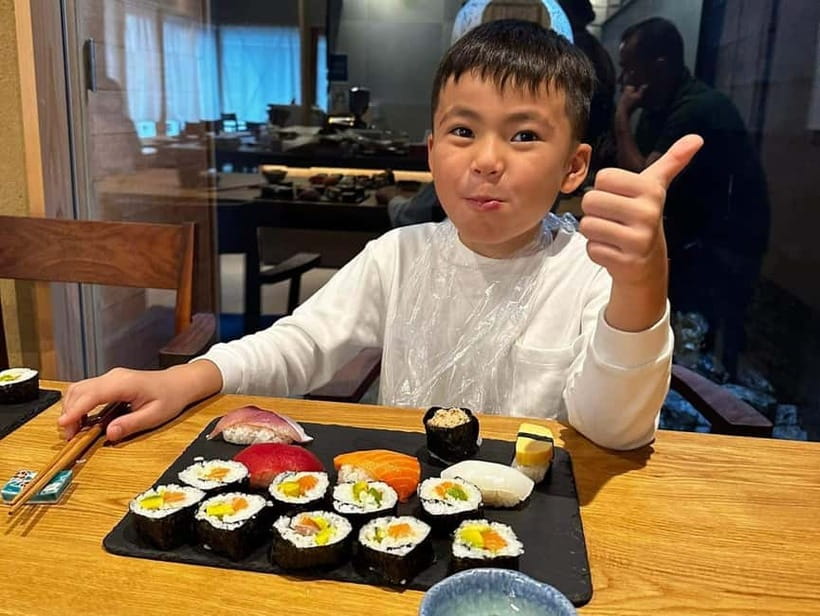
If you want a calm, hands-on Kyoto sushi-making workshop with English instruction and fresh ingredients, this is an easy yes. The small group size, detailed coaching, and the fact that you eat what you make add up to real value, not just a photo session.
Book it if you:
- Want to learn rice seasoning, nigiri shaping, and maki rolling step by step
- Prefer traditional settings and a relaxed pace over crowds
- Care about ingredient quality and leaving with a take-home kit
Skip it if you need vegetarian options or wheelchair accessibility. In those cases, you’ll be happier choosing a workshop that matches your needs better.
One final practical tip: plan this when you can arrive hungry. The class includes lunch sushi plus miso soup, and many guests say there is plenty of food to go around.
Counters and Courses
Kitchens You Can Book Into
Newest Kyoto write-ups from the Loving Japan desk


Japanese Cooking Classes, side by side.
 ★ 5.0Sushi Making Tokyo Roll and Authentic Japanese Sushi ClassFrom $593,971 reviews
 ★ 4.9Roll and Authentic Sushi Making Class in AsakusaFrom $581,957 reviews
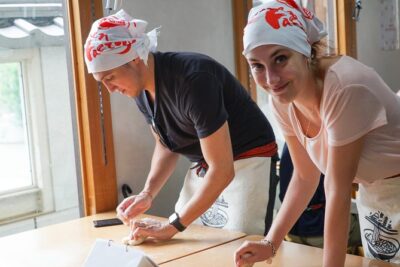 ★ 5.0Ramen Cooking Class at Ramen Factory in KyotoFrom $1311,937 reviews
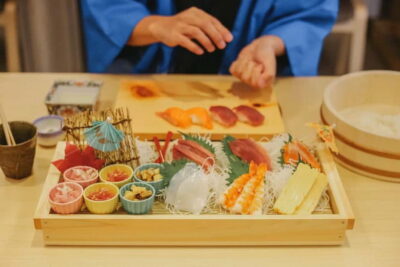 ★ 4.9Sushi Making Class in a Happi Coat near a Famous SpotFrom $421,377 reviews
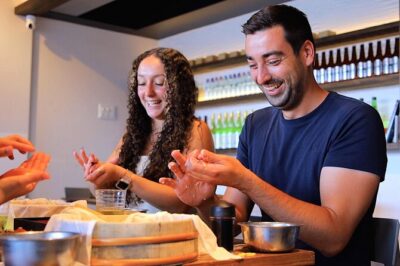 ★ 5.0Sushi Making Osaka Roll and Authentic Japanese Sushi ClassFrom $311,220 reviews
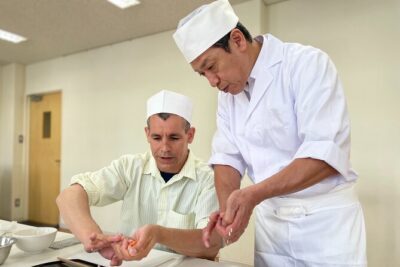 ★ 5.0Tokyo Sushi Making Class in Tsukiji with Professional ChefFrom $491,177 reviews
 ★ 5.0Ramen & Gyoza Cooking Class in Tokyo with Local Supermarket VisitFrom $122823 reviews
 ★ 5.0Tsukiji Fish Market Guided Tour and Sushi Making with Pro ChefFrom $104775 reviews