
REVIEW · KYOTO TEA CEREMONIES AND MATCHA
Kyoto Fushimiinari:Wagashi Making & Small Group Tea Ceremony
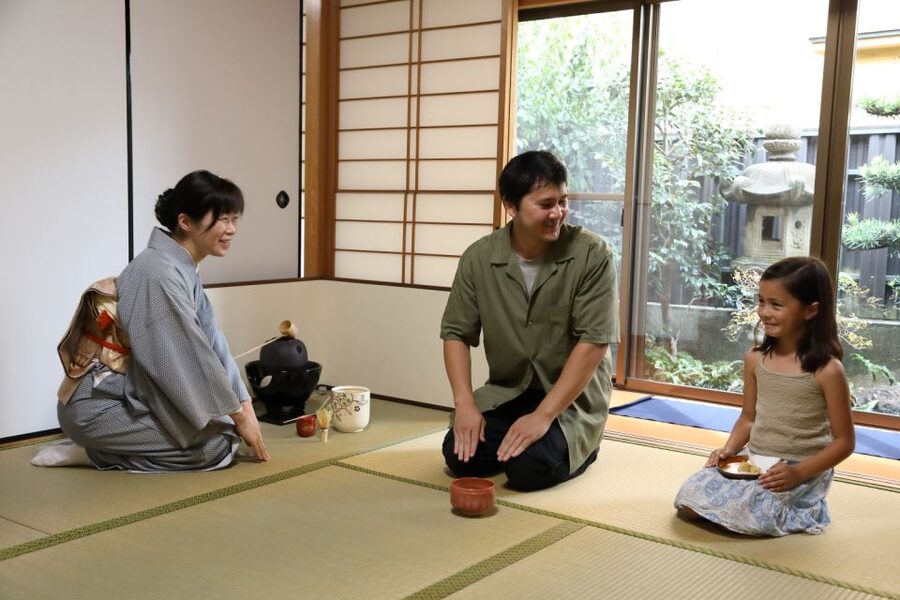
Kyoto tea rituals feel fancy, until you’re kneading wagashi and whisking matcha yourself. This is a short, calming workshop in a local house with Japanese-style rooms and a garden view, where the whole point is learning by doing. I love that it is taught in plain English by a licensed guide team, and I love the hands-on pace, you make the sweets and then you practice the tea steps.
One thing to think about first: you’ll be on tatami floor for parts of the ceremony, and the experience is not suitable for wheelchair users. Also, you need socks (bare feet are not allowed), and there are moments when photos might be limited so everyone can enjoy the quiet focus.
In This Review
- Key Points to Know Before You Go
- Arriving in Kyoto Near Fushimi Inari, Then Quieting Down Fast
- The Wagashi Class: You Make the Sweet, You Understand the Shape
- Transitioning to the Tea Ceremony Room, Scroll and All
- Matcha Time: Learning to Sip Correctly, Then Making Your Own Bowl
- What You’ll Learn That You Can Use Back Home
- Price and Value: Why $55 Can Make Sense Here
- Logistics That Matter: Socks, Photos, and Sitting on Tatami
- Who This Experience Fits Best (and Who Should Skip)
- Should You Book Kyoto Fushimiinari Wagashi Making and Small Group Tea Ceremony?
- FAQ
- How long is the Kyoto Fushimiinari wagashi making and small group tea ceremony?
- What is included in the price?
- Do I make my own matcha during the class?
- What should I bring?
- Are bare feet allowed?
- Can I take photos or record video?
- Is the class suitable for children and wheelchair users?
Key Points to Know Before You Go
- A calm Kyoto house setup with Japanese-style rooms and garden views to slow your day down.
- One hands-on wagashi type made in the kitchen, not just a watched demo.
- Tea ceremony basics with manners explained step by step, including why the room is arranged the way it is.
- Matcha practice for real, including a bowl you make yourself with a bamboo whisk.
- Small group size up to 6, so questions do not get stuck in the back row.
- Sweets you make, then eat, which makes the whole ritual easier to understand.
Sit down somewhere quieter. Other tea rooms we booked
- Kyoto: Tea Ceremony in a Traditional Tea House in Kiyomizu
★ 4.9 · 3,519 reviews - Kyoto: Tea Ceremony Ju-An at Jotokuji Temple
★ 4.9 · 3,207 reviews - Kyoto: 45-Minute Tea Ceremony Lesson Experience
★ 4.3 · 2,378 reviews - Kyoto: Table-Style Tea Ceremony at a Kyo-Machiya
★ 4.9 · 1,211 reviews
Arriving in Kyoto Near Fushimi Inari, Then Quieting Down Fast
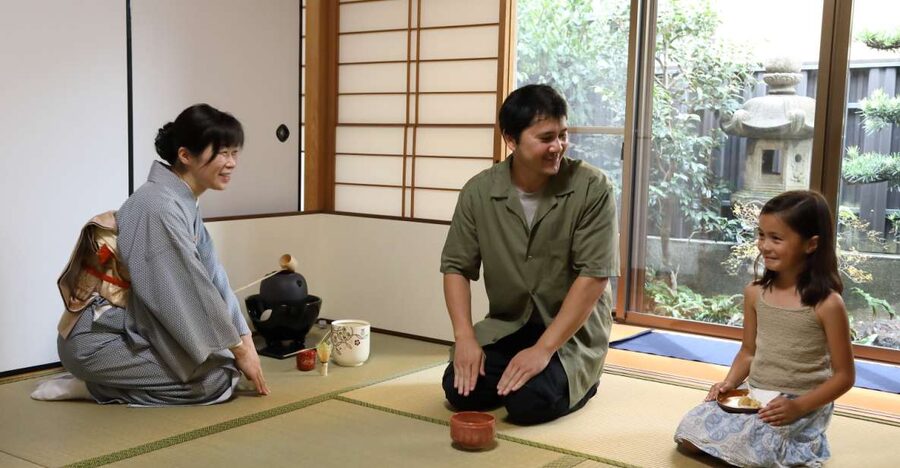
This workshop is timed for people who want more than temples on a schedule. After you arrive at the local house, an English-speaking host greets you and guides you straight to the kitchen. The mood shift is real. Even if your Kyoto day already started with crowds, you’ll get dropped into a calmer rhythm right away, in Japanese-style rooms with a garden view.
Why that matters: tea culture is all about attention. If you come in already stressed, the experience can feel like another activity. In a peaceful house setting, the same 75 minutes land differently, like a reset button.
The Wagashi Class: You Make the Sweet, You Understand the Shape
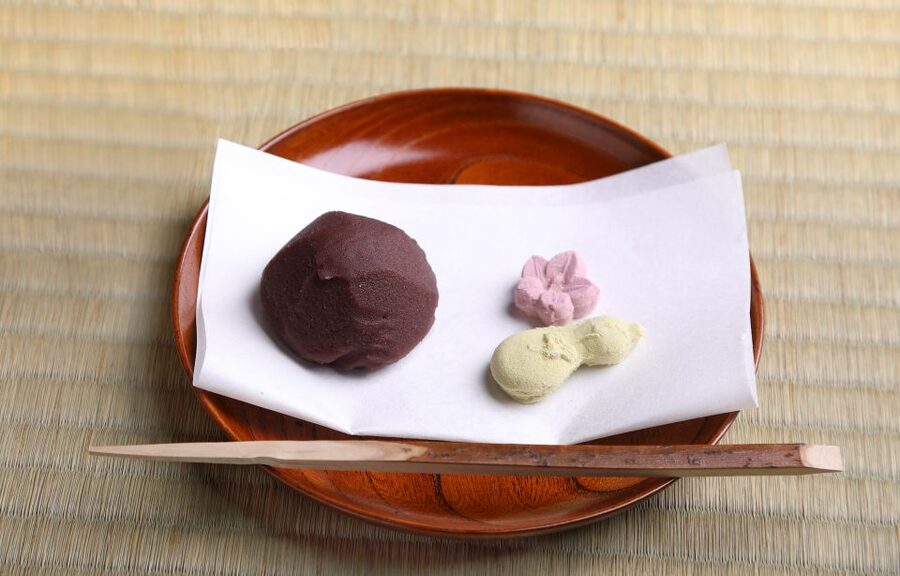
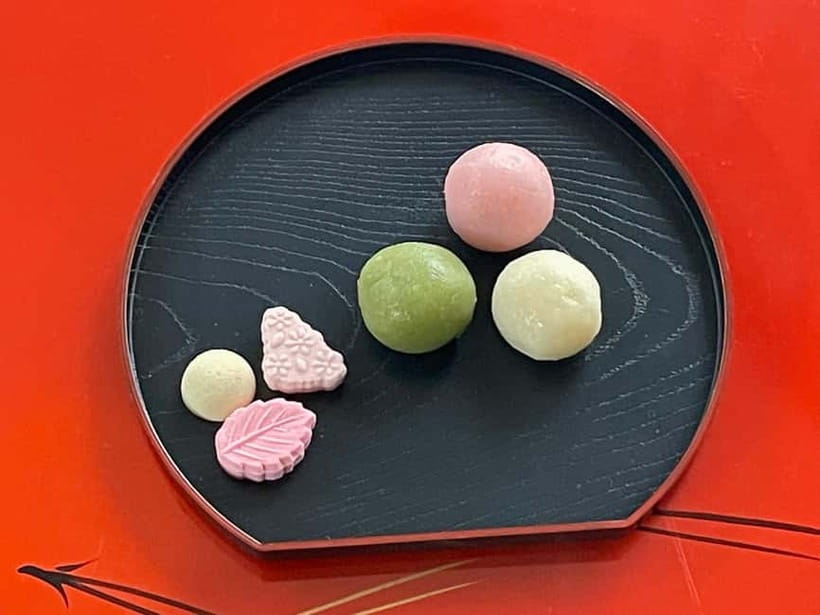
The wagashi portion is hands-on. You learn how to make one type of Japanese traditional confectionary in the kitchen, with an instructor walking you through it. This is not the usual show-and-stand-behind-yourself situation. You’ll mix, shape, and work through the steps, then you’ll eat what you make later in the ceremony.
From the experience itself, the biggest value is control. When you shape the sweet, you stop treating wagashi like decoration and start seeing it as part of a seasonal and seasonal-minded craft. Also, the sweets you make may vary by season, so don’t expect the exact same look as a photo you’ve seen online.
If you want an example of what that class can look like, one participant specifically mentioned making mochi with red bean paste and white bean paste in their session. That’s a helpful clue: you may end up learning something chewy and classic, not just a simple molded sweet.
Transitioning to the Tea Ceremony Room, Scroll and All
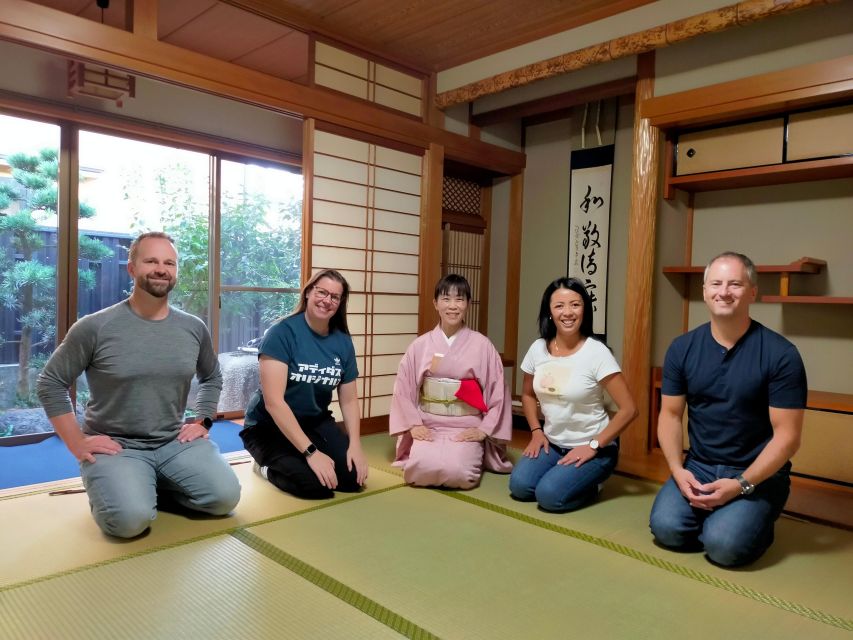
After the wagashi class, you shift from kitchen focus to ceremony manners. Your host explains how to attend a tea ceremony and covers basic etiquette in the Japanese room. Then you head outside and take a short walk through a tiny little garden.
There’s one weather note to keep in mind: the group will enter an authentic Japanese-style room when it is not raining. If it is raining, you may still be guided into the session space, but the outdoor-to-indoor flow may be different. Either way, the intent stays the same, quiet attention in a traditional setting.
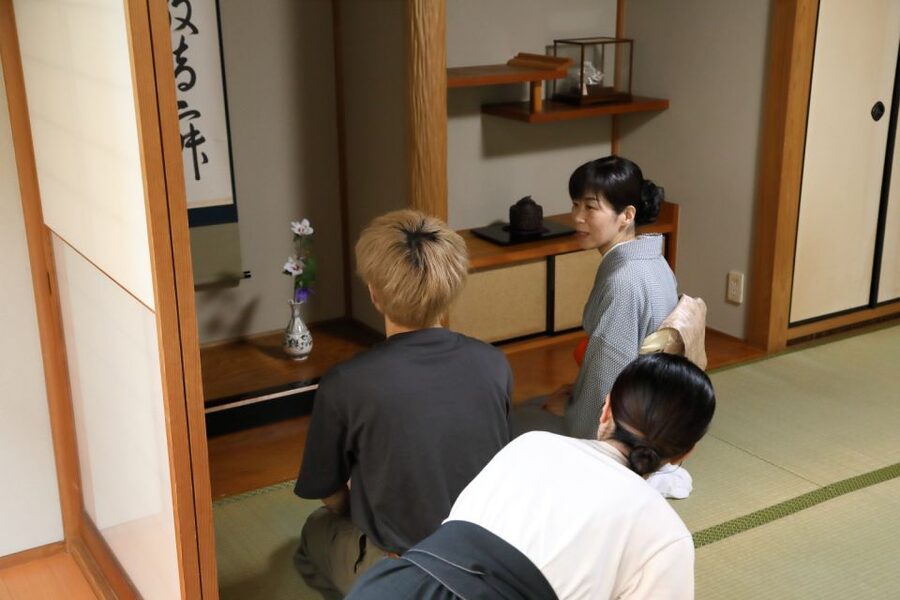
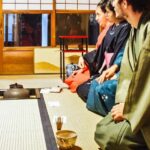
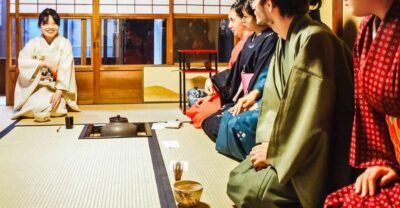
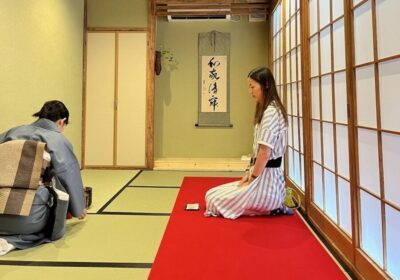
Once you’re seated on tatami floor, the instructor talks about the history of tea and the meaning of the hanging scroll in the alcove. That’s a small detail, but it’s a big deal for understanding why the room feels the way it does. The alcove and hanging scroll are not random decor. They point to respect, hierarchy, and the idea that even still objects have purpose.
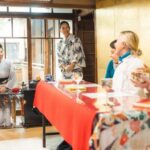
Practical tip: if kneeling and sitting on the floor feels hard, chairs and tables are available. Let them know in advance, so you are not trying to problem-solve mid-ceremony.
Cook it yourself instead. Other kitchens in Kyoto
- Ramen Cooking Class at Ramen Factory in Kyoto★ 5.0 · 1,937 reviews
- Sushi Making in Kyoto! Same-day bookings welcome!★ 5.0 · 713 reviews
- Kyoto: Ramen Cooking Class at a Ramen Factory with Souvenir★ 4.9 · 532 reviews
- Kyoto: Ramen, Gyoza, and Onigiri Cooking Class★ 5.0 · 445 reviews
- The Original Small-Group Sushi Making Class in Kyoto★ 5.0 · 436 reviews
Matcha Time: Learning to Sip Correctly, Then Making Your Own Bowl
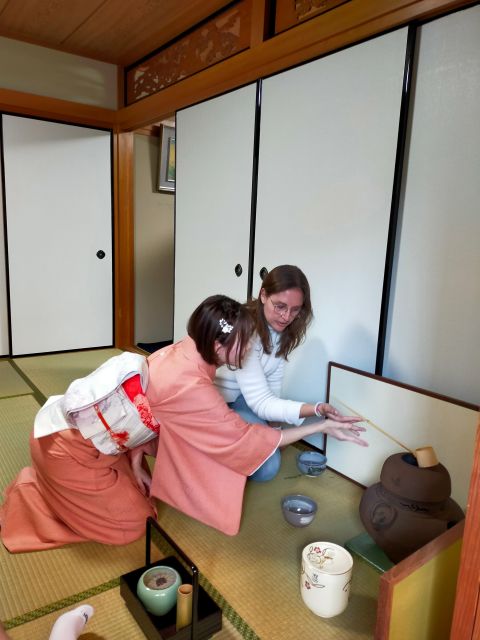
You’ll savor the Japanese sweets you made, then the instructor demonstrates how to drink matcha. The tone here is calm and educational rather than strict. In one session described by a participant, the tea ceremony was informative but not overly rigid, so people could take part at their own pace. That’s exactly what you want in a short class.
Then you’ll watch a ceremonial preparation sequence. You meet the host again, and she demonstrates the matcha preparation in a way that matches the ritual timing. The goal is to show you what good “matcha making” looks like before you try it.
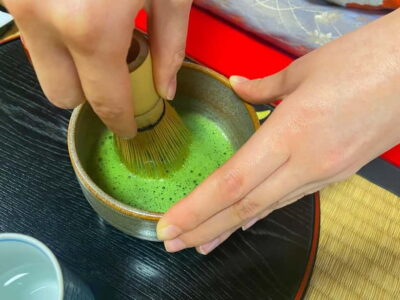
Finally, you get the chance to make your own bowl. You’ll learn how to use a bamboo tea whisk and prepare a bowl yourself. In other words, you don’t just take photos with tea in the background. You leave with muscle memory: whisk, observe, adjust, serve.
Important detail: the class includes 2 bowls of matcha. One of them is prepared by you. That makes the session feel balanced. You learn the steps, then you experience the result twice, once with guidance and once with your own hands.
What You’ll Learn That You Can Use Back Home
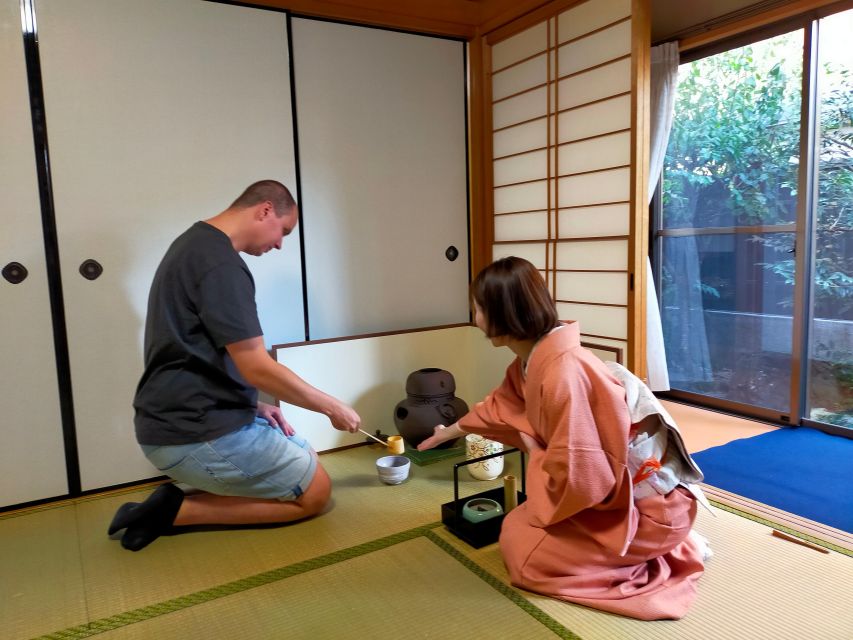
This isn’t only about tasting. The workshop is designed so you can repeat the essentials later. You learn how to prepare wagashi and also how to serve matcha in the right way to friends or family.
It sounds small, but it’s a good souvenir. Most Kyoto workshops give you a photo and a snack. This one gives you a mini routine you can actually share. When you explain the ceremony basics back home, you’re not just saying you drank matcha. You can talk about why the room manners matter, why the sweets are served, and how the whisking fits into the ritual.
And because the instructors are licensed guide interpreters, the explanations land clearly in English. That’s a practical value on a short, 75-minute format. You don’t lose time trying to translate what you’re seeing.
Price and Value: Why $55 Can Make Sense Here
At $55 per person for 75 minutes, this workshop is not a budget snack. You’re paying for an experience that bundles a few things tourists often pay for separately: hands-on wagashi instruction, a tea ceremony component, matcha practice, and an English-speaking guide team in a small group.
The best value points are:
- Small group size up to 6: you’re less likely to be ignored or rushed.
- Two matcha bowls: one guided and one you make yourself.
- Hands-on instruction: wagashi is actively made in the kitchen.
- A traditional room setting with ceremony explanation, not just a tasting table.
If your day in Kyoto is already temple-heavy, this is a strong “value shift” toward culture with practical learning. It’s also a good choice if you want something that feels local and personal, not like a mass production stop.
Logistics That Matter: Socks, Photos, and Sitting on Tatami
Before you go, read the practical rules. They are simple, but they affect comfort.
Bring socks. Bare feet are not allowed. Flash photography is not allowed, and video recording is also not allowed. Also, there may be moments when the host asks you not to take photos so every participant can experience the session properly. That’s not a deal-breaker, it’s part of the respectful setting.
If you’re traveling with any food restrictions or allergies, let them know in advance. Also note that the Japanese sweets can differ from pictures depending on the season, so consider the class more about learning technique than chasing a single appearance.
Who This Experience Fits Best (and Who Should Skip)
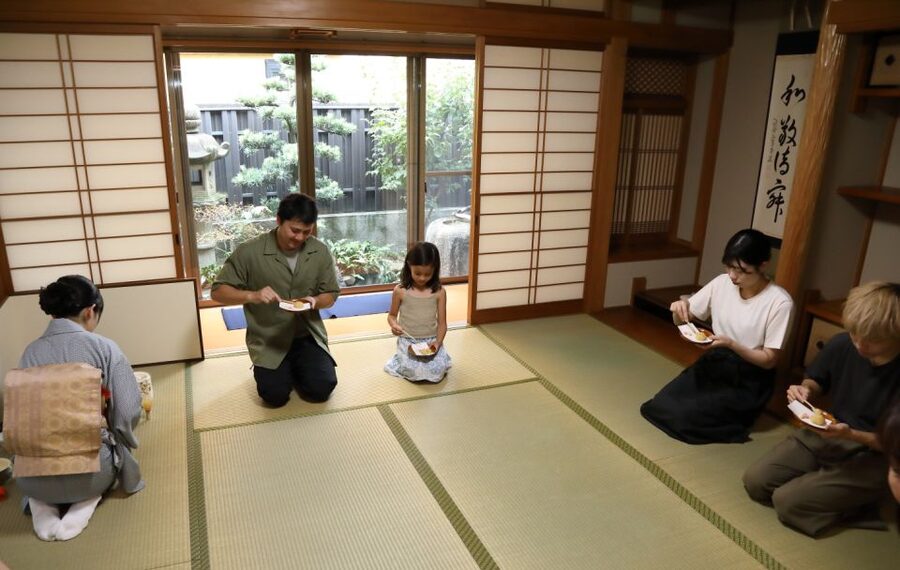
This is a great fit if you want a structured cultural class without a long day commitment. The small-group size helps if you like asking questions and hearing explanations in context.
It’s especially good for:
- Couples or small groups looking for something calmer after sightseeing
- People who want to learn a ritual they can actually repeat
- Visitors who prefer hands-on activities over watching only
It may not fit if:
- You need a wheelchair-friendly setup, since the experience is not suitable for wheelchair users
- You are traveling with children under 8, since it is not suitable for kids under that age
- You strongly dislike sitting on the floor, since tatami seating is part of the ceremony (chairs are available for those who find floor sitting difficult, but you should request it early)
Should You Book Kyoto Fushimiinari Wagashi Making and Small Group Tea Ceremony?
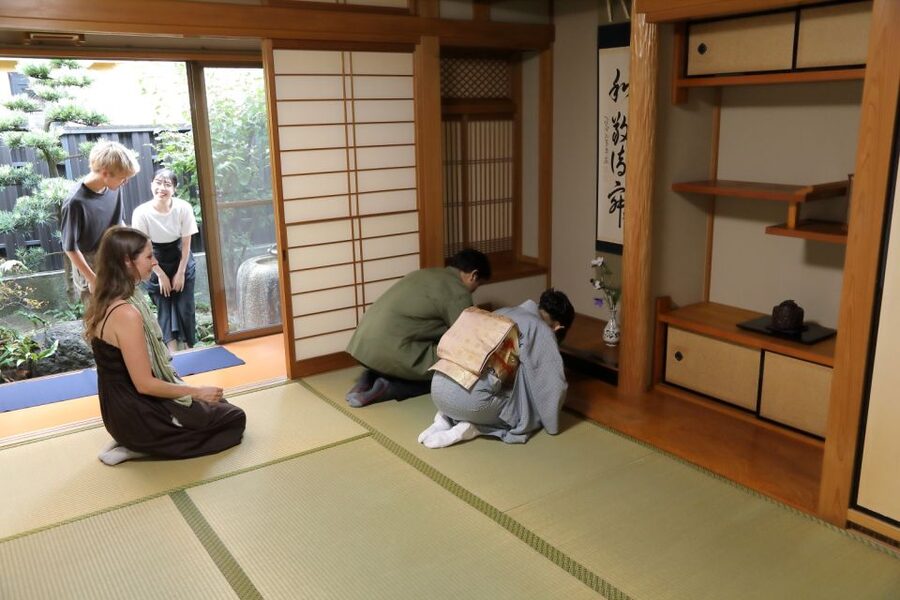
If you want a Kyoto experience that teaches you something you can use, this is an easy yes. The combination of hands-on wagashi, a guided tea ceremony in an authentic Japanese room, and matcha practice (including making your own bowl) gives you real value for the time.
I’d book it if your ideal Kyoto day includes quiet cultural learning, and you’re okay with a traditional floor setup and simple rules like socks only and no video recording. Skip or reconsider if accessibility needs make tatami seating difficult beyond what chairs can solve, or if you need a child-friendly option.
For most people doing the Fushimi Inari area, this workshop works as a reset, not a repeat. You go from crowds and steps to a small room, a sweet you shaped with your hands, and a bowl of matcha you whisked yourself.
FAQ
How long is the Kyoto Fushimiinari wagashi making and small group tea ceremony?
The experience lasts 75 minutes.
What is included in the price?
You get an English-speaking instructor, learn how to make one kind of wagashi, and you’ll have 2 bowls of matcha (one prepared by yourself). The price also includes explanations for how to make tea and how to eat the sweets, plus all fees and taxes.
Do I make my own matcha during the class?
Yes. One of the two matcha bowls is prepared by you, using a bamboo tea whisk.
What should I bring?
You should bring socks.
Are bare feet allowed?
No. Bare feet are not allowed.
Can I take photos or record video?
Flash photography is not allowed, video recording is not allowed, and you may be asked not to take photos during some parts of the session.
Is the class suitable for children and wheelchair users?
Children under 8 years old are not suitable, and the experience is not suitable for wheelchair users.
Kitchens You Can Book Into

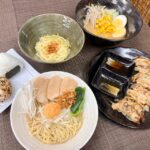
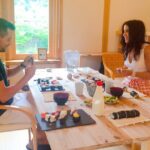
Kyoto by the Bowl
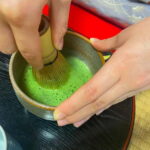
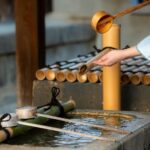
Newest Kyoto write-ups from the Loving Japan desk
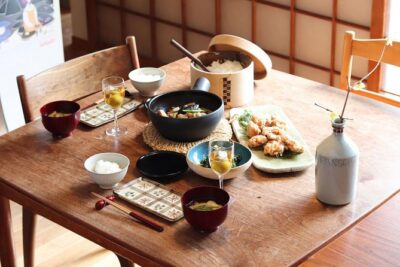
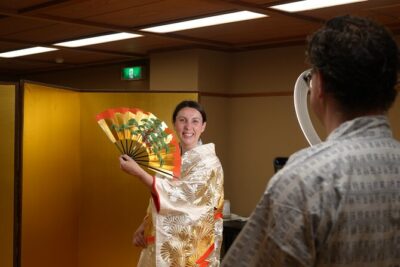
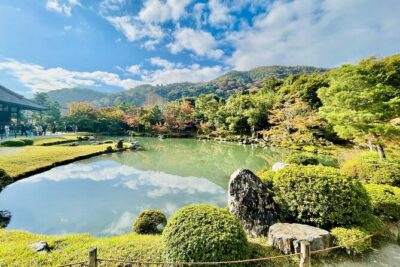
Kyoto Tea Ceremonies and Matcha, side by side.
 ★ 4.9Tea Ceremony in a Traditional Tea House in KiyomizuFrom $493,519 reviews
 ★ 4.9Tea Ceremony Ju-An at Jotokuji TempleFrom $293,207 reviews
 ★ 4.345-Minute Tea Ceremony Lesson ExperienceFrom $222,378 reviews
 ★ 5.0World Heritage Kyoto & Nara Uji Authentic Matcha ExperienceFrom $1291,573 reviews
 ★ 4.9Tea Ceremony ExperienceFrom $251,426 reviews
 ★ 4.9Table-Style Tea Ceremony at a Kyo-MachiyaFrom $451,211 reviews
 ★ 4.8Kenrokuen Tea Ceremony ExperienceFrom $351,139 reviews
 ★ 5.0Kimono Tea Ceremony at Kyoto Maikoya, NISHIKIFrom $65911 reviews
Filed on these lists too