
REVIEW · KYOTO TEA CEREMONIES AND MATCHA
Kyoto near Fushimiinari Wagashi making&Small Group Tea Ceremony
Tea in Kyoto feels like a calm reset. In a local house near Fushimi Inari, I love the chance to make your own wagashi, then slow down for a real matcha tea ceremony. One thing to consider: you usually sit on tatami, so if that’s not your comfort zone, request chair seating ahead of time.
The whole experience runs in a small group of up to 8, so you get real attention, not just a quick stop-and-go lesson. Your host and English-speaking instructor are licensed guide interpreters, which makes the teaching feel clear and easy to follow even if you are new to tea ceremony.
Expect a hands-on class that starts in the kitchen, then moves outside to a tiny garden and into an authentic tatami room. You also need to plan for the practical bits: socks are required and bare feet are not allowed in the room.
In This Review
- Key things to know before you go
- Why this Fushimi setting changes the tea ceremony
- Starting in the kitchen: how the wagashi class really works
- A tiny garden walk and an explanation before you sit
- Drinking matcha, step by step, with real guidance
- What you actually get for the price
- Timing it with a Kyoto day near Fushimi Inari
- Practical tips so your tea ceremony goes smoothly
- Bring the right footwear
- Decide on tatami vs. chair seating
- Know your caffeine comfort level
- Expect hands-on mess
- Who this Kyoto tea ceremony is best for
- Should you book this tea ceremony and wagashi class?
- FAQ
- How long is the Kyoto wagashi making and tea ceremony experience?
- What is included in the ticket price?
- Where is the meeting point?
- Do I need to bring socks or shoes?
- Can I sit in a chair instead of on tatami?
- What are the age limits for children?
- What is the cancellation policy?
Key things to know before you go
- Hands-on wagashi making in the kitchen, not just a lecture
- Small group limit of 8 for more personal coaching
- Authentic tatami room tea ceremony in a local house setting
- Two matcha servings plus the Japanese sweets you help make
- Licensed English-speaking guide interpreters for clear explanations
- Socks required, chair option available if you prefer not to sit on tatami
Sit down somewhere quieter. Other tea rooms we booked
- Kyoto: Tea Ceremony in a Traditional Tea House in Kiyomizu
★ 4.9 · 3,519 reviews - Kyoto: Tea Ceremony Ju-An at Jotokuji Temple
★ 4.9 · 3,207 reviews - Kyoto: 45-Minute Tea Ceremony Lesson Experience
★ 4.3 · 2,378 reviews - Kyoto: Table-Style Tea Ceremony at a Kyo-Machiya
★ 4.9 · 1,211 reviews
Why this Fushimi setting changes the tea ceremony
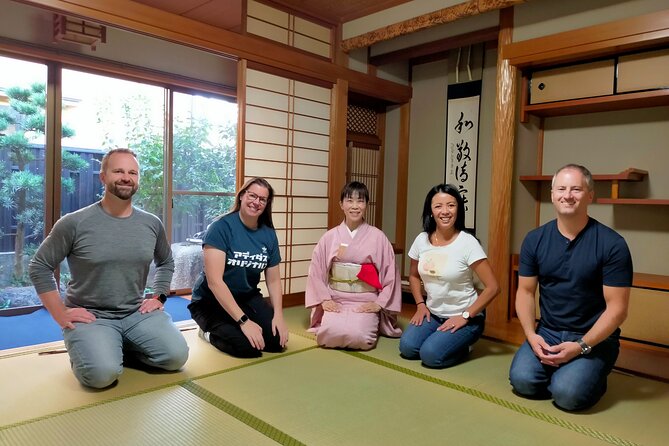
Kyoto is full of tea experiences, but this one earns its charm by staying in a lived-in neighborhood and a genuine home-style setting. You meet in Fushimi Ward, and from there the whole vibe feels less like a performance and more like you’ve been invited in. I like that it balances formality with warmth, so you get the real structure of tea ceremony without feeling stiff or rushed.
The teaching style also helps. With a group capped at 8, you can actually ask questions and get feedback while you work. That matters in a wagashi class, where small hands-on moments, timing, and technique can make the difference between a smooth result and a sticky mess.
The location also pairs nicely with a Kyoto day. Even if you are starting near Fushimi Inari, you are not doing your tea ceremony inside the crowds. You get that calmer, local rhythm, then you can head out again afterward.
Starting in the kitchen: how the wagashi class really works
Your session begins when you arrive at the house. Your English-speaking host guides you to the kitchen area, and then you learn how to make one specific kind of wagashi. This is important: it is a hands-on class. You are not watching someone else do the work while you stand by.
In practical terms, you’ll spend time working with ingredients and shaping the sweet so you understand what you are actually making. And yes, wagashi can be a little sticky, especially when you are learning. That can be part of the fun, but it also means you should wear clothes you do not mind getting a bit messy.
A good detail is that the class feels designed for visitors. Your instructor is an English-speaking guide interpreter, so the explanations do not feel like vague cultural talk. You get the how and the why, which makes the wagashi more meaningful once you sit down for tea.
When the wagashi lesson ends, you carry that sense of accomplishment into the next phase. Eating a sweet you made yourself tastes different, even if you are just a beginner. You also get a souvenir that is not a store-bought item, and that usually lands better back home.
A tiny garden walk and an explanation before you sit
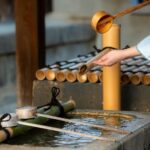
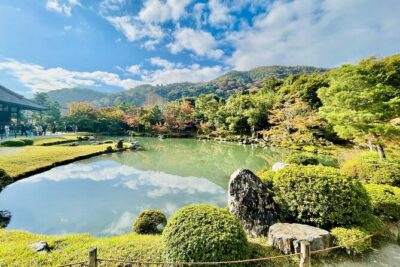
After the kitchen class, the flow shifts. Depending on the weather, you go outside and walk through a tiny little garden. If it’s not raining, you get this small in-between moment that helps you transition from active cooking to quiet ceremony.
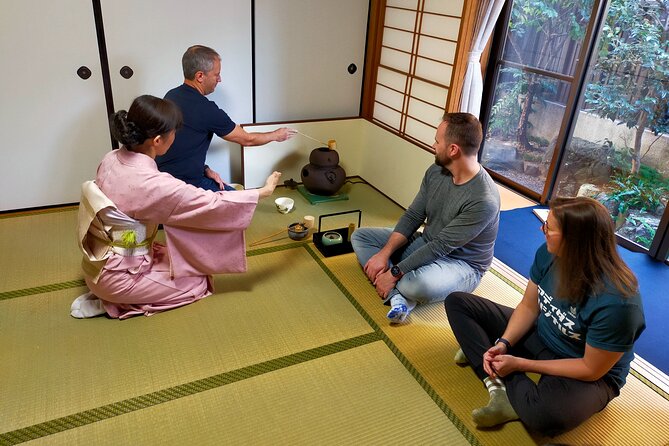
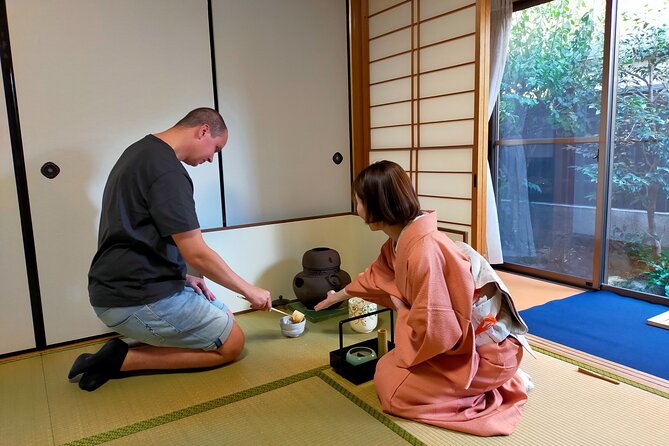
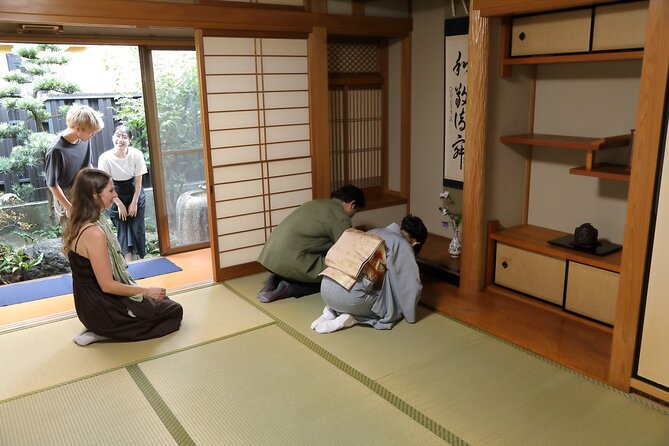
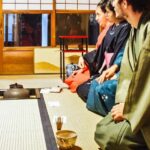
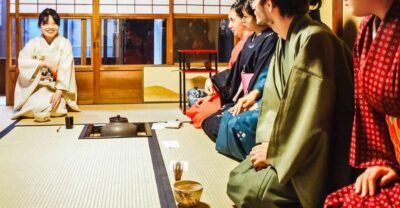
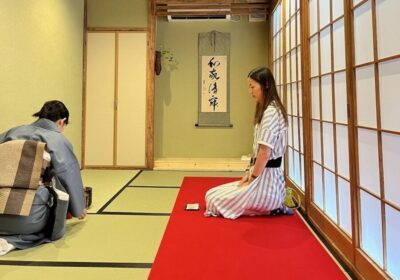
Then you enter the authentic Japanese style room. This is the part where you start feeling the formality of tea ceremony. You sit on the tatami floor while the instructor sets the context, including how to attend tea ceremony and what to notice as it unfolds.
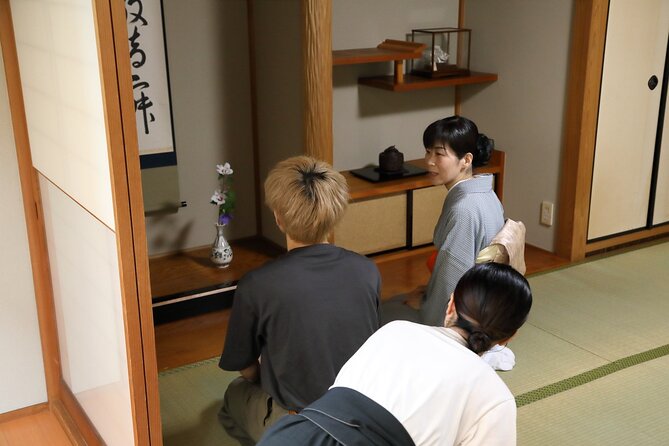
One of the most interesting teaching moments happens here: you hear about the hanging scroll on the wall. Even if you do not fully understand the poetry right away, learning that there is meaning in what you see helps you appreciate why the room matters. Tea ceremony is not just about taste. It is about attention, space, and symbols.
If you prefer not to sit on tatami, you can prepare a chair instead. This needs to be arranged with your reservation, and it’s a smart move if you have knee or mobility issues or just want more comfort for a one-hour session.
Cook it yourself instead. Other kitchens in Kyoto
- Ramen Cooking Class at Ramen Factory in Kyoto★ 5.0 · 1,937 reviews
- Sushi Making in Kyoto! Same-day bookings welcome!★ 5.0 · 713 reviews
- Kyoto: Ramen Cooking Class at a Ramen Factory with Souvenir★ 4.9 · 532 reviews
- Kyoto: Ramen, Gyoza, and Onigiri Cooking Class★ 5.0 · 445 reviews
- The Original Small-Group Sushi Making Class in Kyoto★ 5.0 · 436 reviews
Drinking matcha, step by step, with real guidance
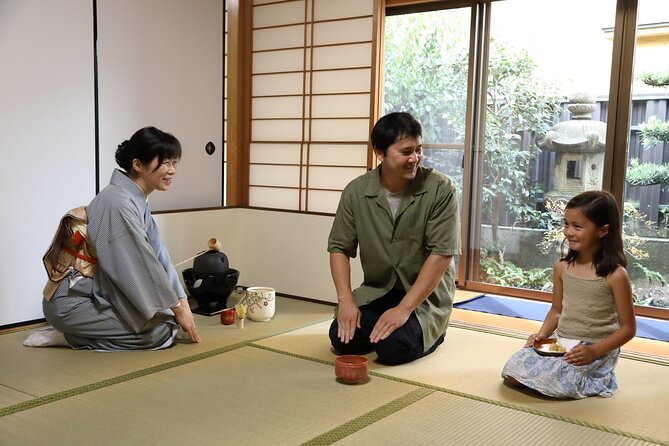
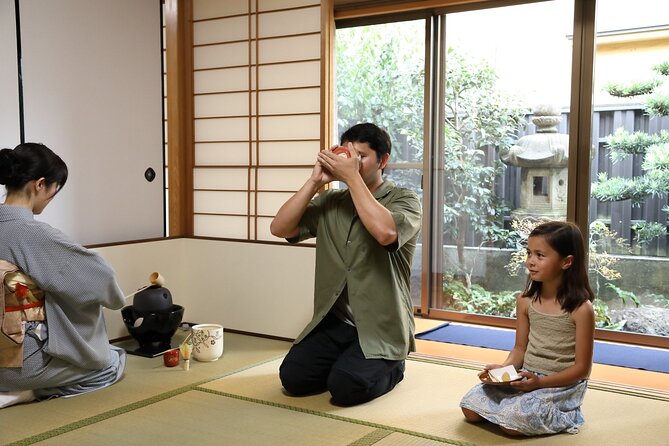
Once you are seated, you start with Japanese sweets you have just made. Your instructor explains how to drink matcha as the ceremony unfolds, and you get to savor your sweets alongside the teaching. This is a nice pacing choice. You do not go from kneading wagashi straight into matcha without a transition.
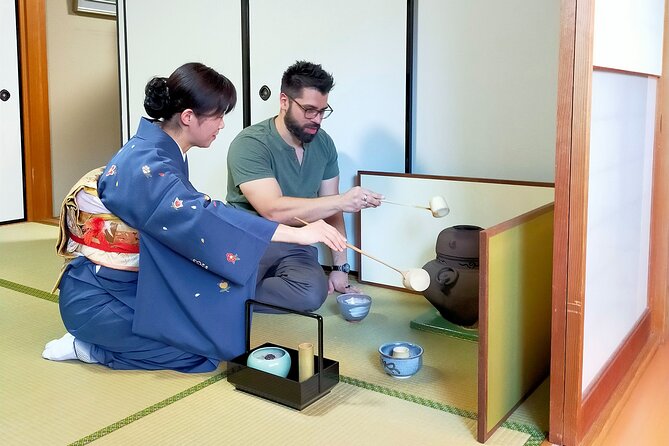
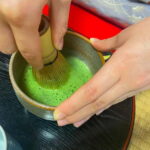
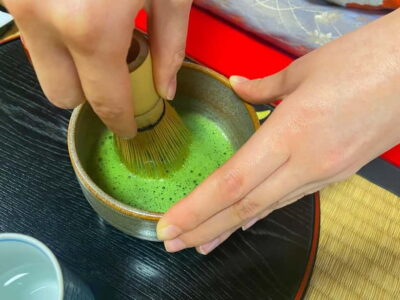
Then comes the matcha demonstration. The host demonstrates the ceremonial preparation of matcha, and you learn how it is handled, prepared, and served. You also hear some context around tea ceremony history and meaning, so the ritual feels connected rather than random.
After the demonstration, you get your chance to prepare it yourself. That part is the real payoff. Watching a demonstration is fine, but doing the movements makes everything stick in your memory. It is also the moment when you realize how calm tea ceremony is meant to be. Even if you are doing it for the first time, the structure gives you a script to follow.
And if you are curious about the personalities, the experience can feel very friendly and personal. One hostess you might meet is named Miho, and she is noted for being friendly with strong English. Having someone who can translate nuance matters because tea ceremony has plenty of small details you would otherwise miss.
Finally, you enjoy drinking the matcha you made. The included sweets plus the matcha create a complete arc, from making to tasting to recreating.
What you actually get for the price
The cost is $52.26 per person for about 1 hour 15 minutes. That might sound like a lot until you look at what’s included and what is not.
Included in your experience are:
- An English-speaking instructor
- All fees and taxes
- Coffee and/or tea
- Two bowls of matcha
- Japanese traditional confectionaries
You are also getting instruction for both wagashi making and matcha preparation. That is two activities packed into one session, in a small group of up to 8. For Kyoto, where many tea experiences feel like you pay mainly to watch, this one leans more toward skill-building. The hands-on wagashi class plus the chance to prepare matcha yourself is what makes the value feel real.
Not included is hotel pick-up or drop-off, so you’ll handle your own transportation. The meeting point is near public transportation, and that helps keep your day smooth.
One more value angle that matters: the experience is a mobile ticket. In practical travel terms, that usually means fewer headaches the day of.
Timing it with a Kyoto day near Fushimi Inari
Start time is 9:45am, and the session runs about 1 hour 15 minutes. That early timing can be a win. In the morning, Fushimi areas tend to feel calmer, and you’ll have time afterward to explore.
The tour also includes a good pattern for your day:
- Morning tea learning in a local house
- Then you can go back outside and keep exploring
If you are aiming to visit Fushimi Inari Taisha, this experience pairs nicely. You are close enough to connect the day logistically, but you are not doing your tea ceremony right in the heavy crowd zone.
One small weather note: the experience requires good weather. If it’s canceled due to poor weather, you are offered a different date or a full refund. Because there’s an outdoor garden walk, that makes sense.
Practical tips so your tea ceremony goes smoothly
This is not a hard experience, but a few small details matter.
Bring the right footwear
Bare feet are not allowed in the room. You need to bring or wear socks. Plan easy shoes you can take on and off.
Decide on tatami vs. chair seating
If you think tatami seating will be uncomfortable, request chair seating when you reserve. You can ask for multiple chairs if needed. It is a small step that can make the rest of the experience feel effortless instead of distracting.
Know your caffeine comfort level
Matcha is included, and it is not recommended if you do not take caffeine. If you are sensitive to caffeine, consider whether you want to do a full matcha experience that includes two bowls.
Expect hands-on mess
Wagashi making can get a bit sticky. Wear clothing that you do not mind a tiny bit of mess from kitchen work. This is a practical expectation, not a warning. It just helps you relax and focus.
Who this Kyoto tea ceremony is best for
This fits a few specific traveler styles.
- First-time visitors who want the real basics. The teaching includes history and the meanings behind elements like the hanging scroll, and it is guided in English by licensed interpreters.
- People who like doing instead of just watching. You make wagashi, then you prepare matcha yourself. That’s the kind of experience that sticks.
- Small groups and couples. With a maximum of 8, you get a more personal pace. It also tends to feel calm and restorative, which is a common theme in how people describe the experience.
It may not be the best fit if you hate sitting on the floor for a short period and you do not want to request a chair. Also, if you are avoiding caffeine, skip it.
Should you book this tea ceremony and wagashi class?
I think you should book it if you want Kyoto culture you can actually do with your hands. The biggest strength is the combination: hands-on wagashi plus the chance to prepare matcha yourself in an authentic tatami room. For a one-hour-and-change experience, that level of involvement is excellent value.
You should also book it if you care about comfort details. It’s small, taught in English clearly, and you can request chair seating. And since it starts at 9:45am, it’s easy to place into a Kyoto itinerary without stealing your whole day.
If you want a quick photo-op tea stop where you mostly watch, you might feel this is more work than you expect. But if you like learning by doing, this one is a sweet, calm way to understand tea ceremony rather than just observe it.
FAQ
How long is the Kyoto wagashi making and tea ceremony experience?
The experience is approximately 1 hour 15 minutes.
What is included in the ticket price?
It includes an English-speaking instructor, all fees and taxes, coffee and/or tea, two bowls of matcha, and Japanese traditional confectionaries.
Where is the meeting point?
The meeting point is 38-4 Fukakusa Watamorichō, Fushimi Ward, Kyoto, 612-0022, Japan.
Do I need to bring socks or shoes?
Yes. You must bring or wear socks, and bare feet are not allowed in the room. Easy shoes that are simple to take on and off are recommended.
Can I sit in a chair instead of on tatami?
Yes. It’s possible to prepare a chair instead of sitting on the tatami floor. Let them know how many chairs you want when you make your reservation.
What are the age limits for children?
Children aged 8 to 12 need at least one adult to participate. Children aged 7 or under are not able to participate in this session.
What is the cancellation policy?
You can cancel for a full refund if you cancel at least 24 hours before the experience’s start time. It’s free cancellation, and if the experience is canceled due to poor weather, you’ll be offered a different date or a full refund.
Kitchens You Can Book Into

Kyoto by the Bowl
Newest Kyoto write-ups from the Loving Japan desk
Kyoto Tea Ceremonies and Matcha, side by side.
 ★ 4.9Tea Ceremony in a Traditional Tea House in KiyomizuFrom $493,519 reviews
 ★ 4.9Tea Ceremony Ju-An at Jotokuji TempleFrom $293,207 reviews
 ★ 4.345-Minute Tea Ceremony Lesson ExperienceFrom $222,378 reviews
 ★ 5.0World Heritage Kyoto & Nara Uji Authentic Matcha ExperienceFrom $1291,573 reviews
 ★ 4.9Tea Ceremony ExperienceFrom $251,426 reviews
 ★ 4.9Table-Style Tea Ceremony at a Kyo-MachiyaFrom $451,211 reviews
 ★ 4.8Kenrokuen Tea Ceremony ExperienceFrom $351,139 reviews
 ★ 5.0Kimono Tea Ceremony at Kyoto Maikoya, NISHIKIFrom $65911 reviews
Filed on these lists too