

REVIEW · NARA DEER PARK AND TODAI-JI
E-Bike Nara Highlights – Todaiji, Knives, Deer, Shrine
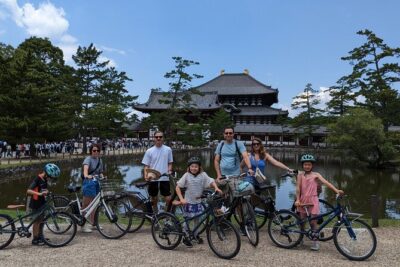
Biking with deer is a very Nara thing. This e-bike tour strings together the biggest landmarks around Nara Park, from the Tōdai-ji gate to Kasuga Taisha lanterns, with just enough culture stops to make it feel more like a guided walk than a quick drive-by.
I particularly love how the route uses two wheels to cover ground without crushing your day. I also like the mix of experiences, deer etiquette plus a hands-on style intro to Japanese cutlery, including help if you want to buy a knife or souvenir.
One consideration: the ride can feel like a forward pace, so if you want super slow, casual sightseeing, this might not match your style. Also, e-bike quality and fit can vary by bike and rider size.
In This Review
- Key Highlights at a Glance
- Getting Oriented Near Kintetsu Nara and Your E-bike
- Nara Park on Two Wheels, Plus the Deer Feeding Etiquette
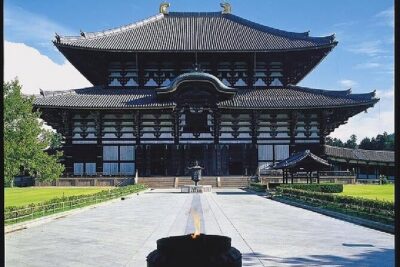
- Nandaimon Gate and Tōdai-ji: Seeing the Scale Up Close
- Mt. Wakakusa Pass-By Views That Feel Worth the Effort
- Kikuichimonjushirokanenaga honten and Learning Japanese Cutlery
- Kasuga Taisha and the Thousand Lantern Atmosphere
- The Nara Park Loop: A Few Extra Moments That Add Up
- Pace, Timing, and Weather: How 210 Minutes Really Plays
- Value Check: Why This Costs About $90 and What You Get
- Who Should Book This Nara E-bike Tour
- Should You Book This Nara E-bike Tour?
- FAQ
- Where does the tour start?
- How long is the experience?
- How much does it cost?
- What languages do the guides speak?
- Is a helmet provided?
- Is deer feeding included?
- Are entrance fees included for Todaiji?
- Is Japanese cutlery taught on the tour?
- What should I bring?
- What is not allowed or not included?
Key Highlights at a Glance

- E-bike touring around Nara Park, saving your legs for the real temple walking
- Nandaimon Gate to Tōdai-ji, with guided context and entrance included
- Deer-feeding rules in Nara Park, with deer cookies provided
- Japanese cutlery introduction plus a stop at Kikuichimonjushirokanenaga honten
- Kasuga Taisha Shrine and its famous thousand lantern atmosphere
A half day in Nara goes several ways
- World Heritage Kyoto & Nara Uji Authentic Matcha Experience
★ 5.0 · 1,573 reviews - Nara Half Day Trip Walking Tour (Private Option Available)
★ 5.0 · 937 reviews - Nara Early Morning Tour (Kyoto or Osaka Departure Available)
★ 5.0 · 676 reviews - Osaka: Nara and Uji Day Trip with Deer Park and Hot Spring
★ 4.4 · 302 reviews
Getting Oriented Near Kintetsu Nara and Your E-bike
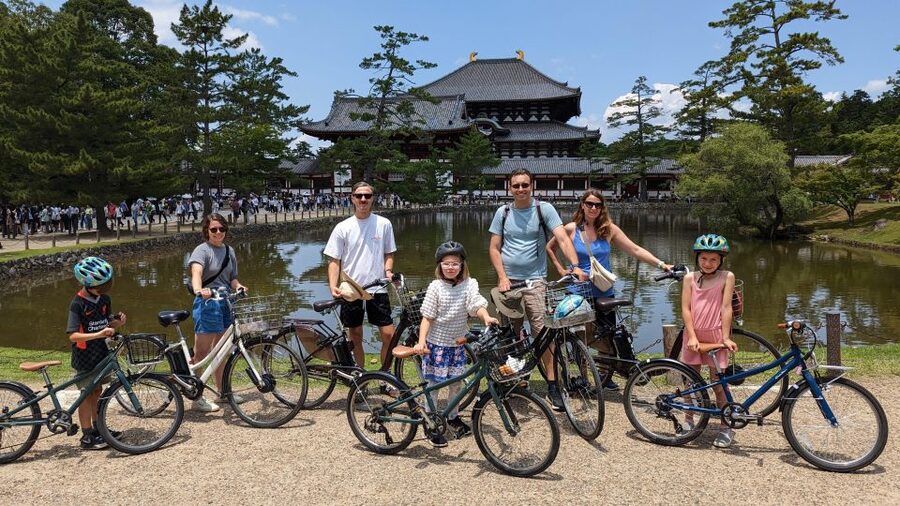
The easiest part of this tour is where it starts. Meet your guide a few minutes walk from KINTETSU NARA Station only, not JR, in front of the building LIFE 21 at the bike base. Plan to arrive 15 minutes early so you can get set up without stress.
Once you’re there, you’ll get the e-bike assigned and a short run-through so you can feel steady before the ride begins. Helmets are available if you request one (within availability), and the guides wear a clear uniform, a navy cap and red polo shirt, so it’s easy to spot your group.
Duration is 210 minutes, about 3.5 hours, which is a sweet spot in Nara. It gives time for multiple major stops without needing a full day of walking. And because the route uses e-bikes, you can handle hills around Nara Park area without turning your sightseeing into a leg day.
Nara Park on Two Wheels, Plus the Deer Feeding Etiquette
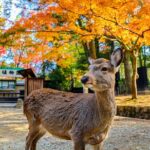
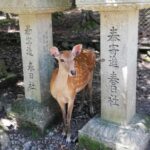
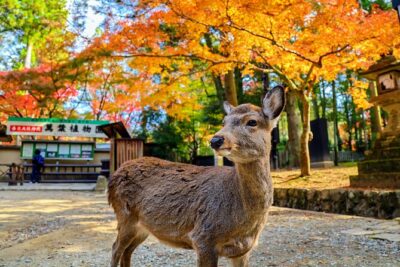
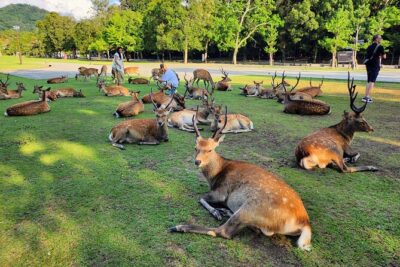
The tour starts by getting you into Nara Park quickly, with a short stretch designed for getting comfortable on the bike. You’ll pass by scenic areas en route and get a wildlife viewing moment built in, which matters because deer are not just a photo prop here. They are part of the park rhythm, and there are rules.
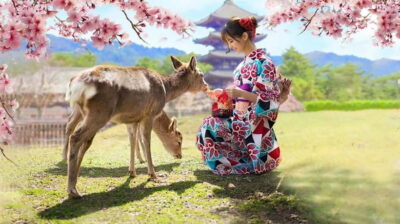
When it’s time to feed the deer, you do it the Nara way, using the deer cookies provided for the tour. You’ll get guidance on how to interact safely and respectfully, which is the difference between a fun moment and a chaotic one. This is also one of those experiences that makes Nara feel uniquely local, not like another temple town.
Practical tip: keep your hands and the cookie timing coordinated. Deer can be fast, and your guide’s instructions are what keep things smooth. If you’re visiting with kids, the e-bike helps a lot because you can move as a family unit instead of zigzagging with strollers or splitting up.
Nandaimon Gate and Tōdai-ji: Seeing the Scale Up Close
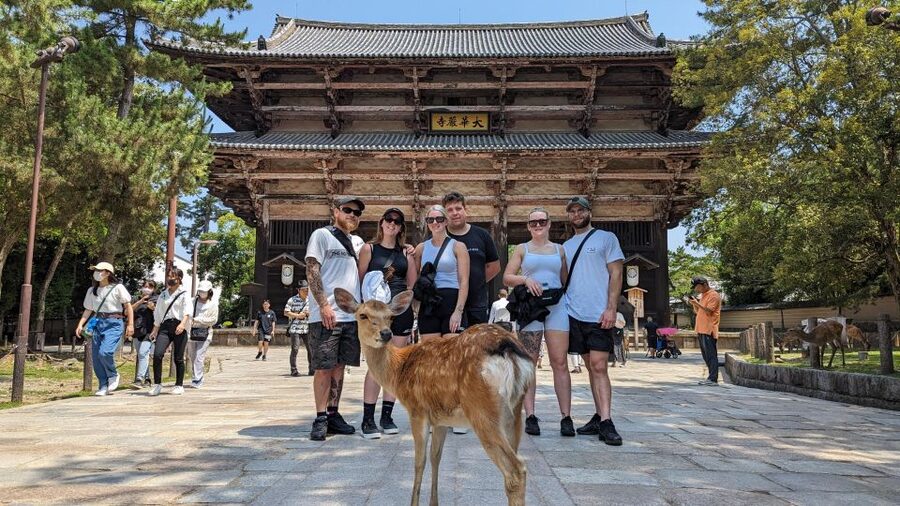
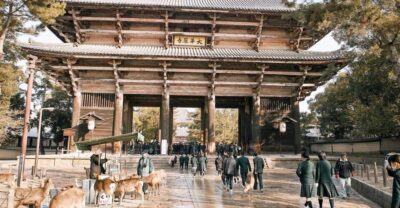
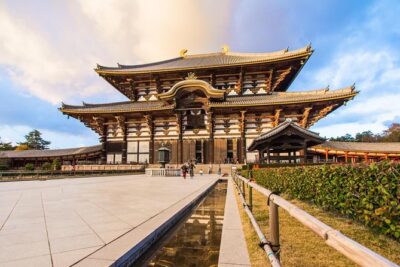
Next comes one of Nara’s headline sights, the Nandaimon Gate at Tōdai-ji. You’ll have a photo stop and guided time, plus free space to look around at your own pace. This is a classic “pause and let it land” moment, because the size and placement of the gate makes you feel small in the best way.
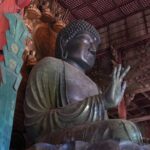
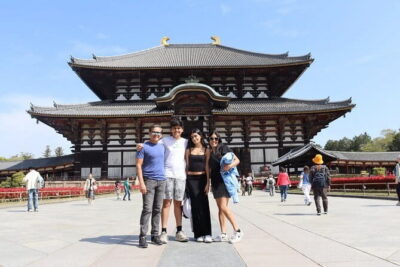
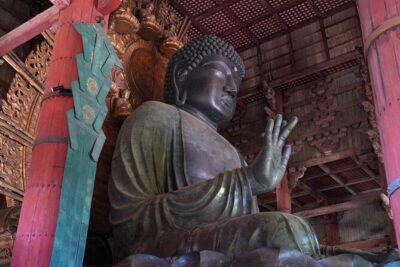
From there, you move into Tōdai-ji itself. You’ll get a guided introduction, time to explore, and you’ll also have enough walking to feel like you visited, not just passed. The entrance fee for Tōdai-ji is included, so you’re not scrambling at a ticket gate while the group is waiting.
One detail I like: you get both guided and self-guided time. The guide can point out what to notice first, but you still control how long you linger on the parts that pull your attention. If you like temples because of atmosphere and craftsmanship, this stop gives you that without forcing you into a strict checklist.
If you’re traveling in hotter months, the e-bike portions help you arrive less sweaty. A couple of riders also noted the tour timing worked well when they wanted to avoid some crowds, especially on morning departures, so plan your day with that in mind.
Cover Nara on two wheels instead
- E-Bike Nara Highlights – Todaiji, Knives, Deer, Shrine★ 4.8 · 186 reviews
- Nara: Bike Tour in Ancient Capital UNESCO World Heritage★ 5.0 · 43 reviews
- E-Bike Nara Highlights – Todaiji, Knives, Deer, Shrine, and Gems★ 4.5 · 34 reviews
- Nara: City Highlights Shared Group or Private Bike Tour★ 4.9 · 34 reviews
Mt. Wakakusa Pass-By Views That Feel Worth the Effort
Between major temple and shrine stops, you’ll get a photo moment at Mt. Wakakusa and a scenic pass-by on the bike. Even though this segment is shorter, it’s strategically placed so you get a change of view and a breather for your brain.
The hillier terrain around Nara is exactly why e-bikes make sense here. You get the sightline benefits without treating the ride like an endurance event. If you want to keep your energy for the most important walking moments, this is a smart pacing choice.
Kikuichimonjushirokanenaga honten and Learning Japanese Cutlery

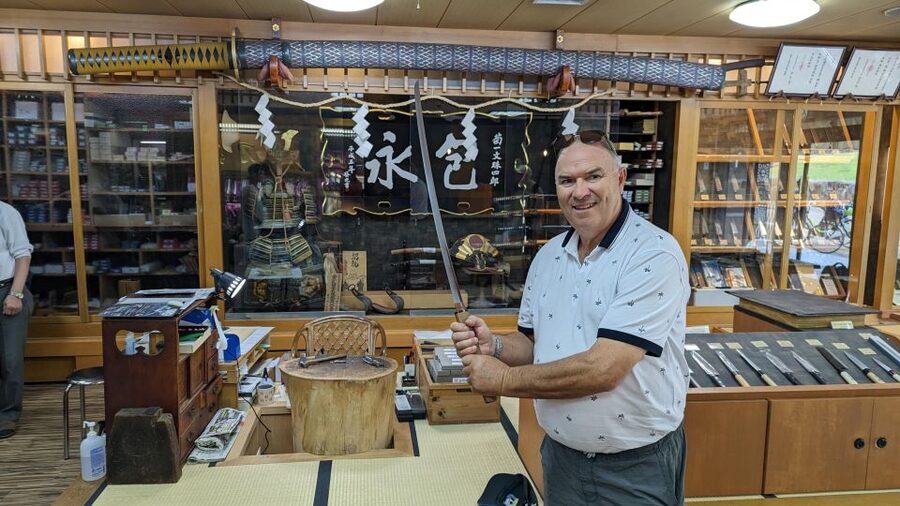
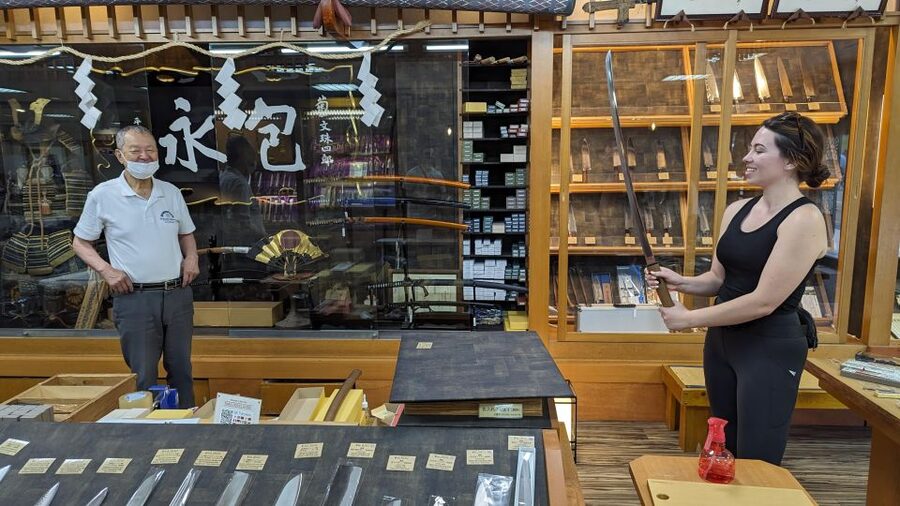
One of the most surprising value adds is the stop for Japanese cutlery. You’ll get an introduction to Japanese cutlery, with context that goes beyond what’s written on a shop sign. Then you’ll visit the Kikuichimonjushirokanenaga honten location, with a break period, photo stop, time to browse, and help if you want to shop.
If you have even a mild interest in cooking tools, this part is worth paying attention to. A few guides in the past have been especially helpful at explaining what you’re looking at and how knives and related items are used. Some riders even said they ended up buying gifts, then felt glad they did, especially because the shopping help made it less intimidating.
That shopping assistance is important. Without it, a knife shop can feel like a maze of steel sizes and names you cannot compare. With help, you can match the souvenir to what you actually need or can realistically carry home.
What’s included here matters too. You get one Japanese snack called Kanoko for each guest. You do not get extra food or drinks, so bring water if you tend to get thirsty on rides, especially in summer.
Practical tip: have cash on you. The tour says to bring cash, and shopping is a real possibility here even if you’re trying to be disciplined.
Kasuga Taisha and the Thousand Lantern Atmosphere
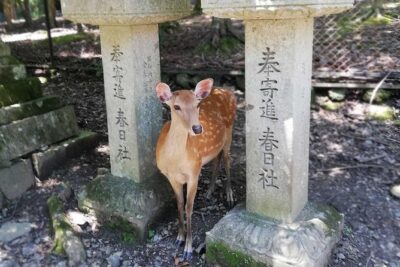
The tour culminates in a shrine experience with serious atmosphere, Kasuga Taisha. You’ll have a photo stop and guided visit time, then you’ll walk around with wildlife viewing time built in. If deer have been your theme so far, you’ll see how they fit into the shrine landscape too.
Kasuga Taisha is known for its thousand lantern feel, and the experience is about more than the number on a sign. You’re moving through a setting where light, quiet walking rhythms, and the sense of continuity in the sacred space all work together.
If you’re the type who likes to understand what you’re seeing, this is where the guide’s explanations can make the place click. Riders in the past have highlighted that their guide connected shrine culture with broader Japan context, which tends to be the difference between seeing lanterns and understanding why they matter.
The Nara Park Loop: A Few Extra Moments That Add Up
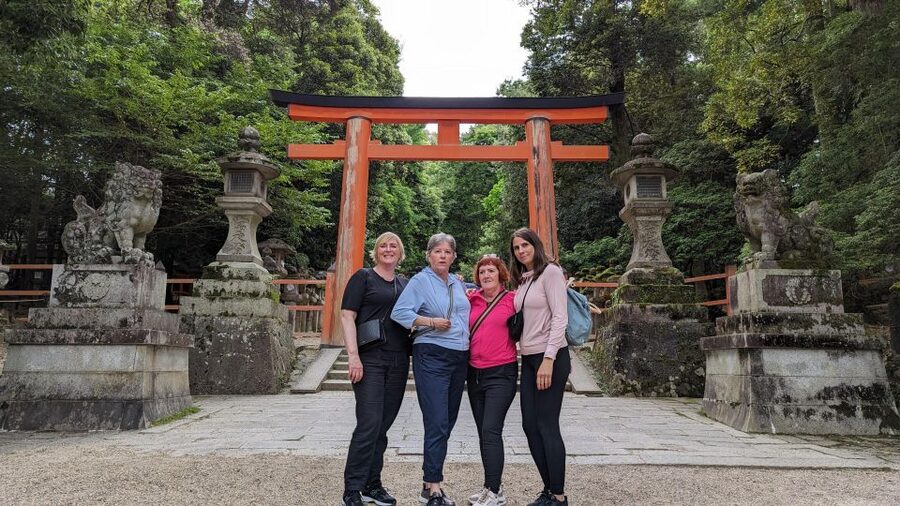
After Kasuga Taisha, you get more Nara Park time and a couple short stops, including Ukimido. These aren’t giant “hour-long” segments, but they help you round out the Nara Park experience. The tour doesn’t end right after the big shrine moment, so you get a more complete feel for the area.
You’ll also do a couple bike pass-bys and short scenic segments on the way back. This is helpful because it prevents the day from turning into a rush through the highlights only. You get enough time to breathe between landmarks.
The return is back to the starting point at 16-1 Takamaichichō, so you’re not dealing with complicated end-of-tour transfers. It’s one of those logistics choices that keeps a 3.5-hour experience from feeling fragmented.
Pace, Timing, and Weather: How 210 Minutes Really Plays
This tour is built for efficiency, but it isn’t “sit on the bike and glide.” One important note from prior participants: the biking portions can run at a forward pace. If you expect something slow and leisurely, ask yourself honestly if you enjoy steady movement.
That said, the ride structure usually works. You get short bike stretches and then actual sightseeing walking. It’s a good compromise for people who want to see a lot but also don’t want to spend the entire day in sandals.
Weather can also change the feel. Some groups have done it in rain and cold and still described it as enjoyable, largely because the route is planned with stops that keep you from feeling stranded. Still, wear clothes that handle rain or chilly wind, since you’re outdoors for most of the tour time.
If you tend to be photos-first, build a little slack into your schedule. One participant noted the tour can run long, so I’d avoid booking tight train connections immediately afterward.
Value Check: Why This Costs About $90 and What You Get
At around $90 per person for about 210 minutes, you’re paying for more than bike rental. You’re paying for guided time at the big sacred sites, entrance fees for Tōdai-ji, deer cookies, and a cutlery learning component that most standard sightseeing tours skip.
Here’s what you get that usually justifies the price:
- E-bike rental for the duration
- Todaiji entrance fees included
- Deer cookies included for the feeding moment
- Japanese cutlery introduction, plus a shop stop with help
- Kanoko snack included
Where value can depend on you: if you don’t care much about cutlery shopping or you’re not into shrine walking, you might feel like you only used part of the offering. On the other hand, if you like one culture-themed stop beyond the big temple, this tour is well matched.
Bike quality and fit are also part of the value story. Most people mention the bikes are in great condition. A smaller number of riders noted issues for taller sizes, so if you’re tall, bring that up when you book, and be ready to ask for the best-fit option available.
Who Should Book This Nara E-bike Tour
I think this is a strong fit for:
- You want maximum Nara highlights in half a day
- You like guided context, not just wandering
- You want the deer feeding experience with rules and timing
- You’d enjoy one extra cultural stop beyond temples, the Japanese cutlery learning and shop visit
It’s not the best match if:
- You prefer extremely slow pacing and lots of standing around
- You dislike shopping segments, even with shopping assistance
- You get uncomfortable on bikes, even with e-bike help, since you do need to ride for multiple segments
Guide quality seems to make a real difference, and names like Chris, Christian, Remi, Robert, Melody, Elodie, Jean-Yves, and Mattheus appear in past groups. That’s a good sign that the company draws from guides who can explain both local sights and broader Japan context. If you have a francophone preference, it’s worth planning ahead because French-language availability for shared groups is not guaranteed.
Should You Book This Nara E-bike Tour?
If your time in Nara is short, I’d seriously consider booking. It’s hard to beat the combo of Nara Park deer feeding, Tōdai-ji’s Nandaimon and temple experience, and Kasuga Taisha’s lantern atmosphere, all within a realistic 3.5 hours. The e-bike makes the route practical, and the cutlery stop adds a meaningful twist that doesn’t feel like random tourist retail.
Book it if you want a structured day with breathing room, helpful guides, and enough motion to keep your sightseeing energy up. Skip it if you want a purely temple-focused stroll with long quiet pauses and you do not want any involvement in the knife shop segment.
FAQ
Where does the tour start?
You meet your guide a few minutes walk from Kintetsu Nara Station, not JR Station, in front of the building LIFE 21 at the bike base (address listed as 16-1 Takamaichichō).
How long is the experience?
The tour duration is 210 minutes.
How much does it cost?
The price is listed as $90 per person.
What languages do the guides speak?
The tour offers live guiding in English and French.
Is a helmet provided?
A helmet is provided if requested, within availability.
Is deer feeding included?
Yes. You receive deer cookies for feeding the deer in Nara Park.
Are entrance fees included for Todaiji?
Yes. Todaiji Temple entrance fees are included.
Is Japanese cutlery taught on the tour?
Yes. The tour includes an introduction to Japanese cutlery.
What should I bring?
Bring a passport, comfortable shoes, comfortable clothes, and cash.
What is not allowed or not included?
Pets are not allowed, and audio recording is not allowed. Extra deer cookies, extra food and drinks, tips for the guide, and bicycle insurance are not included.
Bicycles and E-Bikes We Have Ridden
Half a Day in Nara
Newest Nara write-ups from the Loving Japan desk

Nara Deer Park and Todai-ji, side by side.
 ★ 5.0World Heritage Kyoto & Nara Uji Authentic Matcha ExperienceFrom $1291,573 reviews
 ★ 4.7Kyoto/Osaka: Nara, Fushimi Inari Taisha, Arashiyama Bus TourFrom $521,275 reviews
 ★ 5.0Nara Half Day Trip Walking Tour (Private Option Available)From $105937 reviews
 ★ 4.4Osaka/Kyoto: Arashiyama, Nara & Fushimi Inari Shrine w/LunchFrom $61754 reviews
 ★ 5.0Nara Early Morning Tour (Kyoto or Osaka Departure Available)From $61676 reviews
 ★ 4.5Kyoto and Nara Day Trip from KyotoFrom $194445 reviews
 ★ 5.0Full Day Guided Tour to Kyoto and Nara from Osaka by VanFrom $106420 reviews
 ★ 4.5Nara Afternoon Tour from Kyoto or OsakaFrom $102390 reviews
Filed on these lists too