
REVIEW · NARA DEER PARK AND TODAI-JI
Nara 6hr Private Tour with Government-Licensed Guide
Nara is a temple buffet, minus the chaos. This private, licensed guide day in Nara works because you meet at Nara Station and build a route around the sites you actually want. I also like that it is a walking tour where the guide keeps you moving with context, not just directions.
Two things I really like about this experience. First, you get customizable stops (choose 3 or 4) from a solid menu, so you do not waste the day on places you care less about. Second, the guides have earned repeat praise for clear explanations and smooth English, including practical trip tips that help you understand what you are seeing, from Buddhist temples to Shinto shrines.
One drawback to plan for: this is not a drive-around sightseeing bus. You will walk a lot, and several sites have admission tickets and stair-heavy sections, so wear good shoes and expect extra costs for entry and meals.
In This Review
- Key points to know before you go
- Nara in 6 hours: what a private guide really changes
- Price and what you are actually paying for
- Meeting at Nara Station and how the walking flow works
- Choosing your 3 or 4 stops: how each site changes the day
- Todai-ji, deer, and the Shinto versus Buddhism puzzle
- Practical tips: stairs, weather, and how to stay in control of the pace
- Food breaks and smart stop selection when lunch is on you
- Who should book this private Nara tour
- Should you book this Nara 6-hour private tour?
- FAQ
- How long is the Nara private tour?
- Where do we meet the guide?
- How many sites can I choose?
- Are entrance fees and lunch included?
- Is this tour done by car or by walking?
- Is it really private, or will I join other groups?
- Can I cancel for a full refund?
Key points to know before you go
- Meet near Nara Station and start by walking, so you get oriented fast
- Pick 3 or 4 sites from the highlight list, which keeps the day feeling personal
- Entry fees and lunch are on you, so budget cash or cards for tickets and food
- Expect stairs and real walking, especially around major temples and hills
- Guides are repeatedly praised for English and storytelling, plus smart timing around crowds
- Your group stays private, and tour groups are not combined with others
A half day in Nara goes several ways
- World Heritage Kyoto & Nara Uji Authentic Matcha Experience
★ 5.0 · 1,573 reviews - Nara Half Day Trip Walking Tour (Private Option Available)
★ 5.0 · 937 reviews - Nara Early Morning Tour (Kyoto or Osaka Departure Available)
★ 5.0 · 676 reviews - Osaka: Nara and Uji Day Trip with Deer Park and Hot Spring
★ 4.4 · 302 reviews
Nara in 6 hours: what a private guide really changes
Nara can feel intimidating if you are trying to plan on the fly. You have deer everywhere, huge temple grounds, and a lot of religious terms that do not line up neatly in your head. With a private guide, you get a simple job: show up, choose a few stops, and let the day make sense.
I like that the tour is built for your pace. You select 3 or 4 sites, so you can go big on the famous classics, or focus more on gardens and quieter corners. Guides also tend to explain not just the facts, but how Shinto and Buddhism show up side by side in Nara culture.
The best value here is not magic. It is time and clarity. When you are only in Nara for a short window, a licensed English guide helps you prioritize and connect the dots, instead of spending your day reading signs while you are hungry and tired.
Price and what you are actually paying for
At $155.86 per person for about 6 hours, the price is basically paying for three things: a private, licensed English-speaking guide, on-foot routing between major sights, and customization. If you were DIY-ing, you would still pay for trains or taxis, and you would still likely buy tickets. You would just lose the “why this matters” part.
Here is the catch: admission tickets and meals are not included, and transportation fees are not included either. So the real cost of the day is your guide plus entry fees where they apply. Also, guide entry fees are only covered for sights you select, so if you go off-list, you may end up paying extra.
This tour can still be a strong value if you are traveling with kids, planning around weather, or you care about history and want clean explanations. Guides in past tours have also been noted for planning routes that help you avoid peak crush at the big-name temples.
Meeting at Nara Station and how the walking flow works
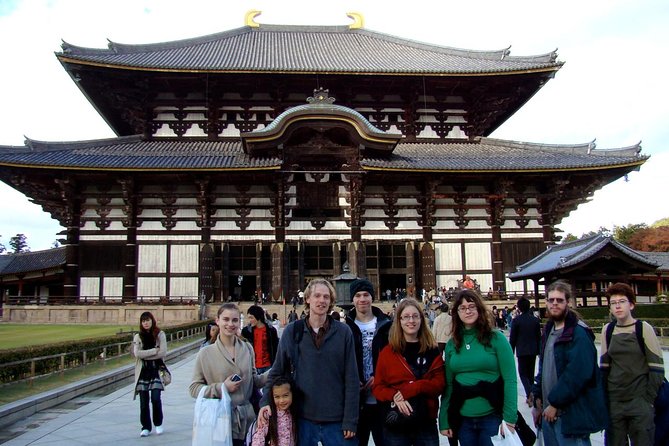
The meeting style is straightforward. You connect with your guide around Nara Station and start walking from a designated area. Pickup is offered, but it is not a “car picks you up and drops you at every gate” situation. It is a walking day where the guide manages the route and timing.
Because you are on foot, your start time matters. If you arrive early and meet promptly, you tend to get a calmer first stop and a better overall rhythm. If you arrive late, you can feel the squeeze quickly, since the day is built around moving between 3 or 4 locations.
Also, the tour is private to your group. You do not need to merge with another party or wait around for strangers. That tends to make a big difference in how the guide can pace explanations, photo breaks, and restroom stops.
- Kyoto/Osaka: Kinkakuji, Bamboo Forest, and Nara Deer Park★ 4.4 · 265 reviews
- Nara 6hr Private Tour with Government-Licensed Guide★ 5.0 · 219 reviews
- E-Bike Nara Highlights – Todaiji, Knives, Deer, Shrine★ 4.8 · 186 reviews
- Nara Early Bird Tour (Kyoto Departure Option Available)★ 4.9 · 142 reviews
- Nara:Authentic Tea Ceremony(Max 5 ppl) -Master Matcha Making★ 5.0 · 119 reviews
Choosing your 3 or 4 stops: how each site changes the day
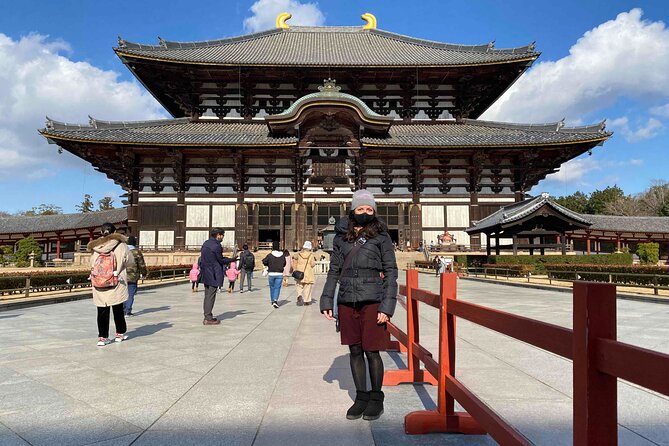
You select your route from the highlights list. That is the real superpower. Below is what each option adds, and what to consider, so you can choose wisely.
Todai-ji Temple (Great Eastern Temple)
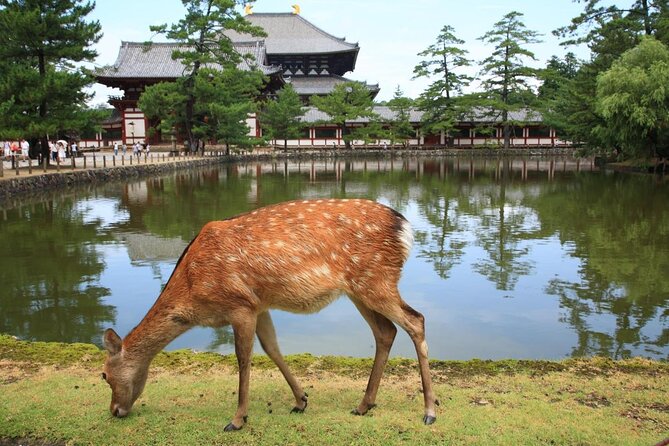
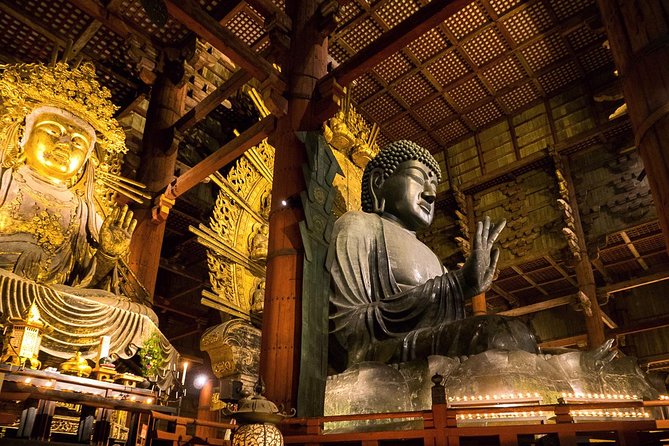
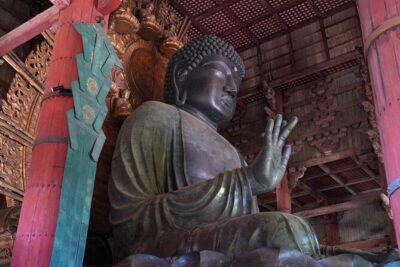
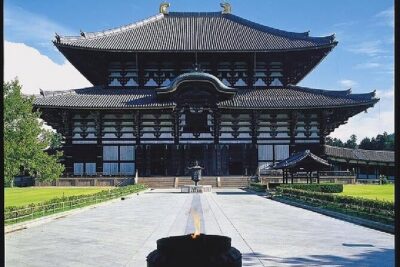
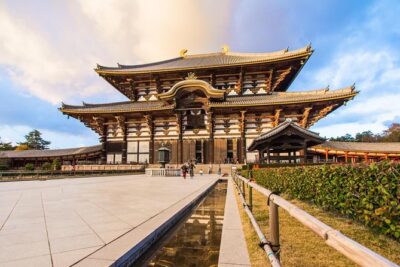
If you want the headline Nara moment, this is it. Todai-ji was constructed in 752 and is one of Japan’s most famous historic temples. The experience is usually about scale and significance, and it is a must if you care about ancient Japanese Buddhism. Plan for stairs and crowds at peak hours, and note that admission is not included.
Nara Park (deer everywhere, including deer-park chaos)
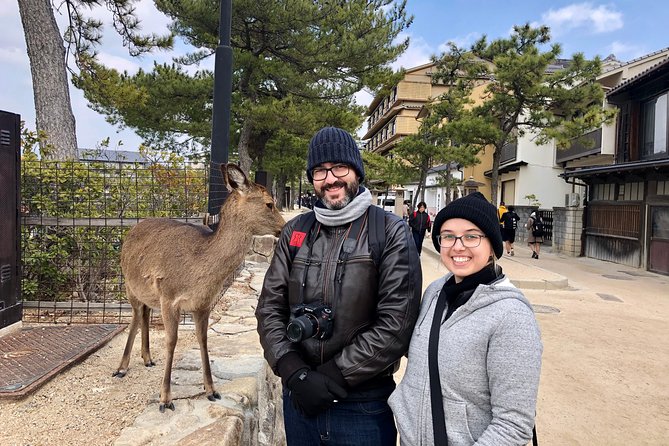
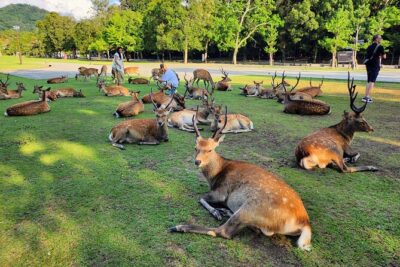
This is where Nara goes from historic to immediate. Nara Park is central, established in 1880, and it sits right by several major attractions. If you want a break that still feels like Nara, this is the stop. It is also free, but you should manage deer expectations, since the deer can be bold. Bring calm energy and do not treat them like a petting zoo.
Kasugataisha Shrine
Kasuga Taisha is one of Nara’s most celebrated shrine experiences. It was established at the same time as the capital and is dedicated to a deity believed to protect the city. This stop is ideal if you want the Shinto side of Nara, not just the Buddhist temples. It is free, but like many shrines, you will still do some walking within the grounds.
Wakakusayama Hill (views and a workout)
Wakakusayama is the grass-covered hill behind Nara Park. It is around 350 meters tall and gives views over Nara, so it is a great choice if you like seeing the city from above. Admission is not included, but you should expect incline effort, especially if you pick it as one of your later stops.
Horyu-ji Temple
Horyu-ji connects Nara to even earlier Japanese Buddhism. It was founded in 607 by Prince Shotoku, and it is considered one of Japan’s oldest temples. This is a smart pick if you want a “before Nara became a capital” feeling, or if you love early Buddhist architecture. Admission is not included, and it tends to reward slower, attentive viewing.
Naramachi (merchant district, old town feel)
If temples start to blend together, Naramachi helps you breathe. It is the former merchant district with traditional residential buildings and preserved warehouses, plus shops and cafes. This is free and a nice change of pace after the heavy temple stops. It is also a good way to find a calmer route for photos.
Kofuku-ji Temple
Kofuku-ji used to be the Fujiwara family temple, tied to the powerful aristocratic clan in the Nara and Heian periods. If your brain loves political history and royal influence, this stop gives context. Admission is not included, and expect the site experience to be more about historical layering than a single “one big thing” moment.
Yakushiji Temple
Yakushiji dates back to the late 7th century and has a strictly symmetric layout, with a main hall at the center. It is one of the oldest temples in Japan, so it is a solid choice if you want architecture and formal design. Admission is not included, and symmetry usually means you get the best effect when you slow down and look from different angles.
Shin-Yakushiji Temple
Shin-Yakushiji is devoted to Yakushi Buddha, the patron of medicine in Japanese Buddhism. It was founded during the Nara Period by an empress for an ailing emperor. If you like thematic religion, this is a great stop, because the story is built into why the place exists. Admission is not included.
Nara National Museum
This is for when you want the explanations to turn into objects. The museum mainly displays Japanese Buddhist art, established in 1889. Admission is not included, but it can add a lot if you want to understand what you saw in temples and why certain styles matter.
Heijō Palace Site Historical Park
If you want the “ancient capital” feeling instead of only temple hopping, this helps. During the Nara Period, Japan’s capital was Heijo-kyo, and the palace covered about one kilometer by one kilometer. Admission is not included, and the stop is short in time, so it works best as one of your picks if you want context without extra walking.
Toshodai-ji
Toshodai-ji was founded in 759 by Ganjin, a Chinese priest invited to Japan to train priests and improve Buddhism. This is a strong choice if you like the cross-cultural thread between China and Japan. Admission is not included, and it is often an excellent “history nerd” stop.
Isuien Garden
Isuien Garden uses “borrowed scenery,” including elements like Todaiji’s Nandaimon Gate and Mount Wakakusayama as part of the view. This is one of the most peaceful options on the list, and it is a great counterbalance to temple intensity. Admission is not included, but the time block is short, so you should use it for slow looking, not just photos.
Yoshikien Garden
Yoshikien is another garden option in central Nara, built on the site of former Kofukuji priests’ area. It is named after the Yoshikigawa River beside it. Admission is not included, and like Isuien, it is a good way to soften the day and get calmer walking between big sights.
Todai-ji, deer, and the Shinto versus Buddhism puzzle
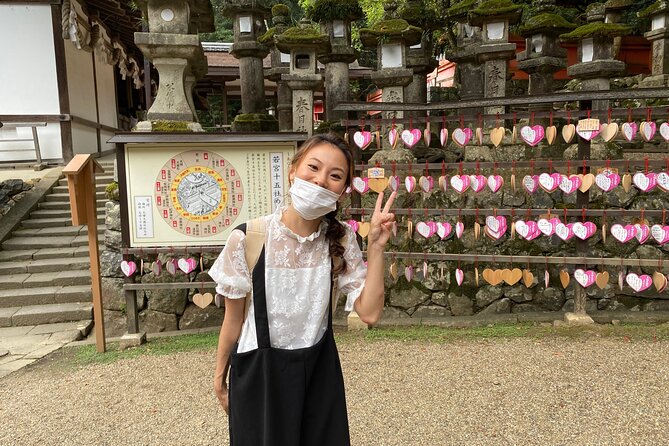
Nara works best when you understand it as a place where religions live side by side. You see Buddhism in the temples tied to emperors, priests, and art traditions. You see Shinto through shrines connected to the protection of the city and spiritual life.
A private guide helps because they can explain the logic as you walk. In past guided days, guides often highlighted how to read each site in plain terms, then connected it to the bigger story of Japan starting in the Nara period. That is what turns a list of stops into a coherent day.
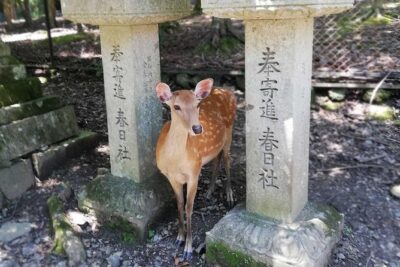
Also, the deer are not just a cute bonus. They affect how you move through Nara Park and how you experience the space. Guides often help you handle deer interactions with the right attitude, which matters because the deer can be forward and the area can get crowded.
Practical tips: stairs, weather, and how to stay in control of the pace
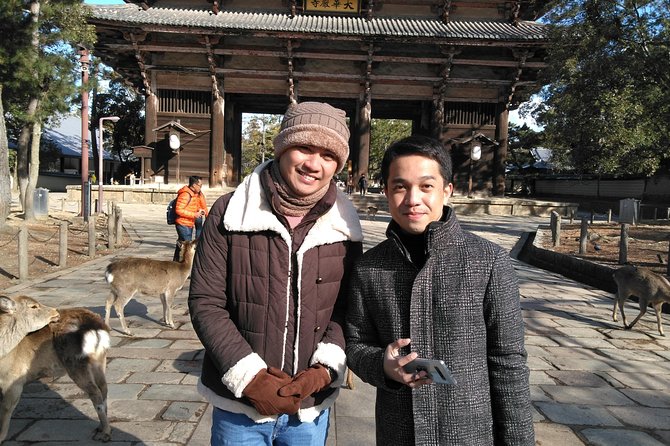
This tour is a walking experience, and the itinerary structure does not hide that fact. Several stops involve stairs, and you can end up walking more than you expected if you choose multiple temple-heavy sites.
So pack like it is a day hike with religious stops:
- Wear shoes with good grip.
- Bring a layer for wind or cold, since Nara can feel chilly even when the sun looks friendly.
- If it is hot, plan water breaks. One guide experience specifically noted that the day can be challenging in hot weather.
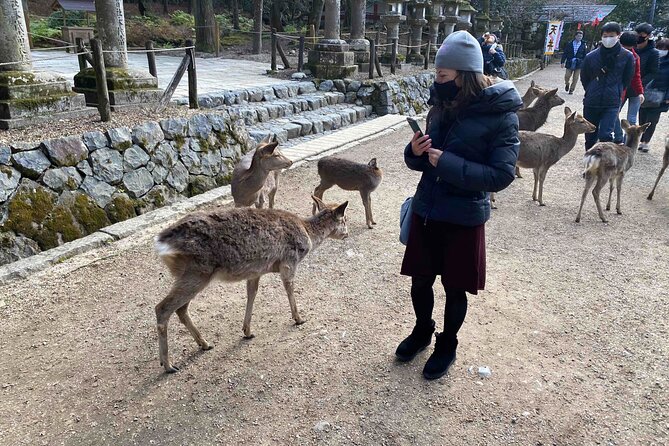
Deer etiquette is another real-world factor. Treat the deer calmly and keep your distance when needed. If you stand too close or move too fast, you will feel the chaos in seconds.
Finally, pacing. One less-than-perfect experience involved feeling hurried, including a longer-than-expected walk near the end. You can prevent that by being direct early. Tell your guide which sites you picked, and ask for the pace you want, plus what you want to prioritize if you feel the day tightening.
Food breaks and smart stop selection when lunch is on you
Lunch and entry fees are on your own dime, but you are not stuck guessing. Guides in past private days have helped pick good options, including udon lunch spots and quick bites near the route. Since you are already walking between landmarks, a guide can also save you from going too far off track.
For planning, choose your stops with food timing in mind. If you pick a mix like Todai-ji plus Nara Park plus Kasugataisha, you will likely want a proper meal break around the middle. If you balance temples with gardens like Isuien or Yoshikien, you may find it easier to handle snack breaks without losing the mood.
Some guides have also offered special add-ons like sake tasting. That kind of thing can be a bonus, but it is not guaranteed in the included value, so think of it as something your guide might suggest when it fits your selected stops and your energy level.
Who should book this private Nara tour
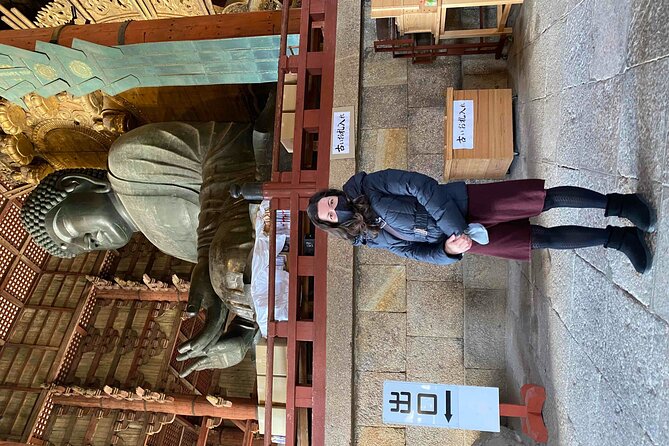
Book this if you want Nara to feel understandable, not just photographed. It is ideal for:
- History and culture lovers who want clear context
- First-time visitors who do not want to build a detailed route alone
- Families who want a flexible day with a guide who can answer questions
- People who care about the Shinto and Buddhism connection, and how Nara represents both
I would also say it is a good fit if you plan to spend the rest of your Kansai trip moving between bigger cities. Nara can feel small on a map, but it is heavy on meaning, so a guide helps it stick.
If you prefer slow wandering with no structured timing, or if you have a strong sense of direction and are fine reading on your own, DIY can work too. You just need to accept that lines, stairs, and religious context can take longer to untangle.
Should you book this Nara 6-hour private tour?
Yes, if your priority is a guided, high-context day with customizable sites. The route flexibility and the licensed English guiding are the main reasons it tends to score so high, and the walking format can actually be a plus because Nara is best enjoyed on foot.
Skip it or think twice if you hate walking, you want everything fully included (entry fees and meals are extra), or you are very sensitive to pace. If you book, pick your 3 or 4 sites carefully, then tell your guide you want a specific pace and you want them to keep time for your chosen stops.
My practical call: if Nara is one of your only Japanese stops where you really want the background behind the icons, this is a strong way to spend your time.
FAQ
How long is the Nara private tour?
The tour is listed as about 6 hours.
Where do we meet the guide?
You meet your guide at Nara Station, and pickup is offered on foot within a designated area.
How many sites can I choose?
You can select 3 or 4 sites from a prepared list of Nara highlights.
Are entrance fees and lunch included?
No. Entry fees and meals are at your own expense, and guide entry fees are only covered for the sights listed under what to expect.
Is this tour done by car or by walking?
It is a walking tour. There is no private vehicle included.
Is it really private, or will I join other groups?
It is private, meaning only your group participates. Multiple tour groups cannot be combined.
Can I cancel for a full refund?
Yes. Free cancellation is available up to 24 hours in advance for a full refund.
Half a Day in Nara
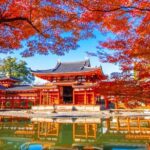

Newest Nara write-ups from the Loving Japan desk
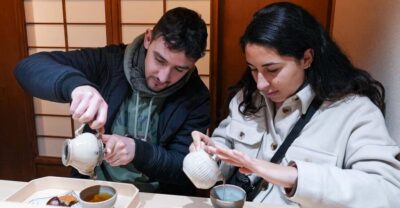
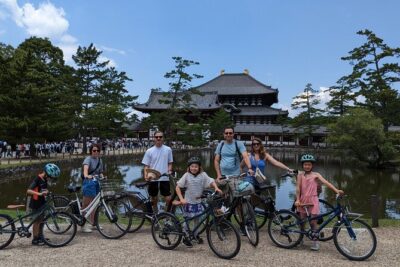
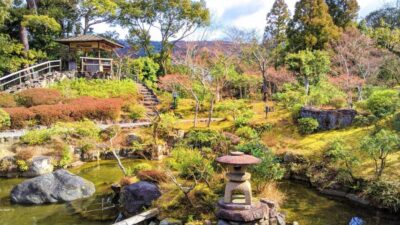

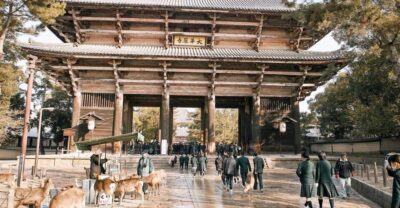
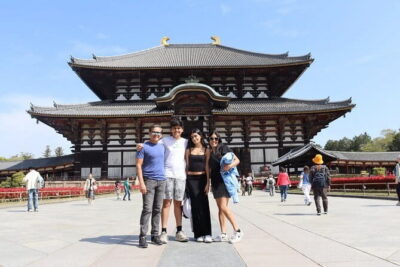
Nara Deer Park and Todai-ji, side by side.
 ★ 5.0World Heritage Kyoto & Nara Uji Authentic Matcha ExperienceFrom $1291,573 reviews
 ★ 4.7Kyoto/Osaka: Nara, Fushimi Inari Taisha, Arashiyama Bus TourFrom $521,275 reviews
 ★ 5.0Nara Half Day Trip Walking Tour (Private Option Available)From $105937 reviews
 ★ 4.4Osaka/Kyoto: Arashiyama, Nara & Fushimi Inari Shrine w/LunchFrom $61754 reviews
 ★ 5.0Nara Early Morning Tour (Kyoto or Osaka Departure Available)From $61676 reviews
 ★ 4.5Kyoto and Nara Day Trip from KyotoFrom $194445 reviews
 ★ 5.0Full Day Guided Tour to Kyoto and Nara from Osaka by VanFrom $106420 reviews
 ★ 4.5Nara Afternoon Tour from Kyoto or OsakaFrom $102390 reviews
Filed on these lists too