
REVIEW · KYOTO TEA CEREMONIES AND MATCHA
Kyoto: Tea Ceremony with Kimono and Photoshoot
A kimono and matcha in Kyoto beats souvenir shopping. I like how the tea ceremony is explained in English, and you get to whisk matcha yourself. One thing to plan for: the timing is strict, and if you are more than 10 minutes late you cannot join.
My favorite part is the calm, step-by-step flow led by a friendly tea master, like Mami, who keeps things clear and respectful. You also leave with three professionally taken photos, which is a real upgrade from most quick photo setups.
In This Review
- Key Things That Make This Kyoto Tea Ceremony Special
- Kyoto Tea Ceremony With Kimono and Photoshoot, in 90 Minutes
- Before You Go: Kimono Basics, Indoor Rules, and Your Timing
- Choosing Your Kimono Look, and Why It Changes the Whole Experience
- The English Tea Ceremony Demo: History, Purification, and Matcha Making
- The Photoshoot Moment: 3 Photos Plus Time to Enjoy Kyoto
- Nishiki Market vs Gion: Picking the Right Kyoto Side
- How the 90 Minutes Feels on the Ground
- Price and Value: Why $127 Often Makes Sense Here
- Who This Works For (and Who Should Rethink)
- My Booking Advice: Smoothest Way to Enjoy It
- Should You Book This Kyoto Tea Ceremony With Kimono and Photoshoot?
- FAQ
- How long is the Kyoto tea ceremony with kimono experience?
- Where does it take place in Kyoto?
- What time do I need to return the kimono?
- What is included in the price?
- Is the tea ceremony taught in English?
- Is this a small group activity?
- Are shoes allowed indoors?
- Is smoking allowed?
- What happens if I arrive late?
- Is this experience suitable for young children or wheelchair users?
- What information do you need in advance for the kimono?
Key Things That Make This Kyoto Tea Ceremony Special
- Two Kyoto locations, two different kimono return times (Nishiki Market 6:00 PM, Gion 5:00 PM)
- Kimono dressing with choice and details, including hair accessories if you are joining as a female participant
- An English tea ceremony demo, plus hands-on matcha making and Japanese sweets
- A professional photoshoot with 3 finished photos to keep as a memento
- Strict indoor rules, including no smoking and no shoes indoors
- Small group size (max 10), which keeps the experience feeling personal rather than rushed
Sit down somewhere quieter. Other tea rooms we booked
- Kyoto: Tea Ceremony in a Traditional Tea House in Kiyomizu
★ 4.9 · 3,519 reviews - Kyoto: Tea Ceremony Ju-An at Jotokuji Temple
★ 4.9 · 3,207 reviews - Kyoto: 45-Minute Tea Ceremony Lesson Experience
★ 4.3 · 2,378 reviews - Kyoto: Table-Style Tea Ceremony at a Kyo-Machiya
★ 4.9 · 1,211 reviews
Kyoto Tea Ceremony With Kimono and Photoshoot, in 90 Minutes
This is a compact, well-run Kyoto experience built around three things people usually want in Japan: a meaningful cultural moment, a classic outfit, and a photo you do not have to beg someone else to take. In about 90 minutes, you move from dressing to learning to sipping matcha, then cap it with a professional shoot in your kimono.
If you want the full feel of a traditional tea ceremony but do not have time for a half-day program, this hits the sweet spot. It is also in central areas, so you can roll right into sightseeing afterward while you are still in the mood.
Before You Go: Kimono Basics, Indoor Rules, and Your Timing
The kimono part is not just a costume moment. It is part of the ritual, and it comes with a few practical rules you should respect from the start.
You must follow two big indoor restrictions: no smoking and no shoes indoors. Plan on being barefoot or in footwear-free indoor spaces during the tea portion, and keep your attention on where you step.
Time matters here more than usual. If you are later than 10 minutes from the starting time, you cannot join, and there is no refund. That means you should build buffer time into your Kyoto day, especially if you are coming from another neighborhood.
Also, your kimono is prepared in advance. You need to provide your height and gender for kimono preparation, so do that when booking. If you have any food allergies, tell the team in advance, because you will be served matcha with sweets.
Choosing Your Kimono Look, and Why It Changes the Whole Experience
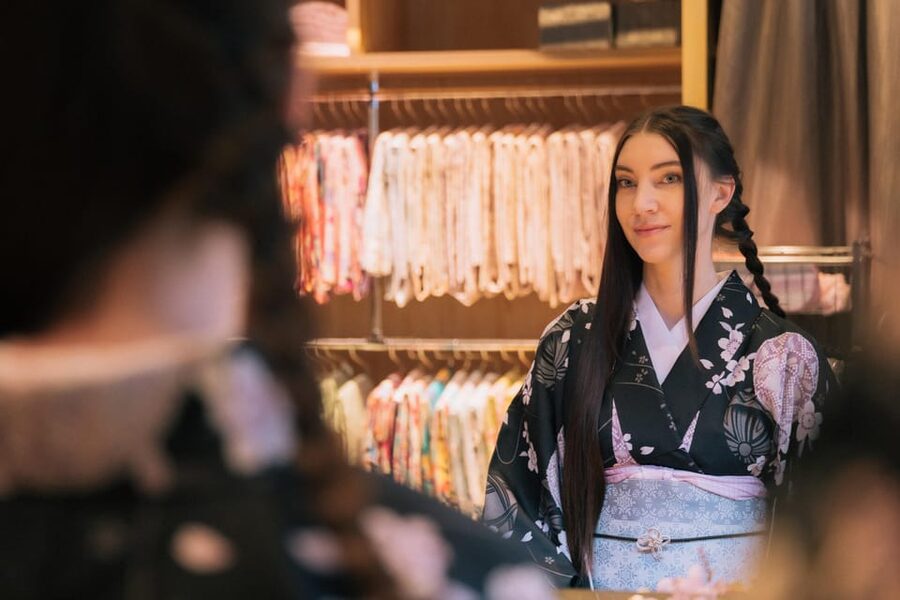
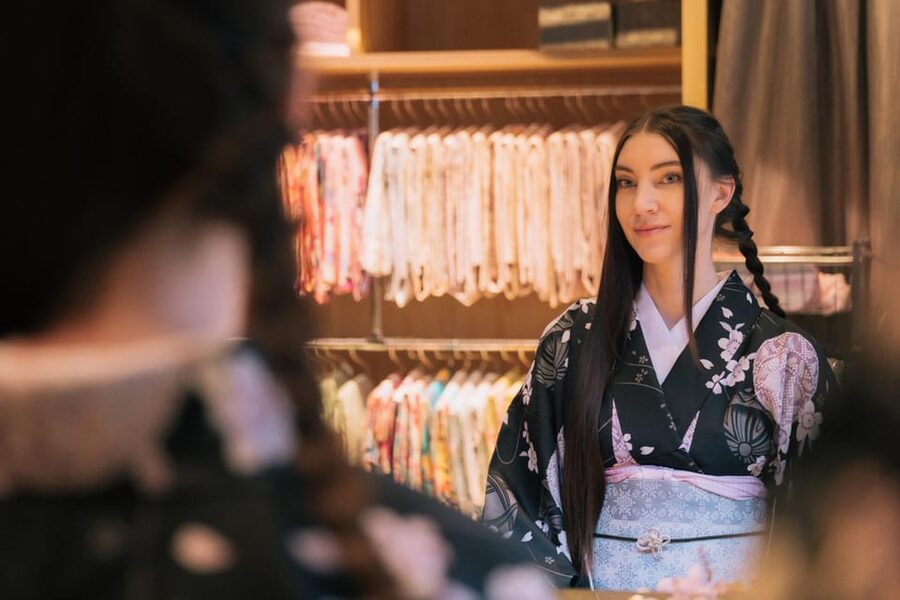
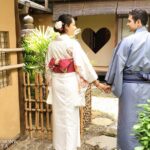
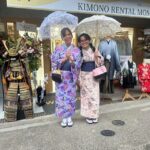
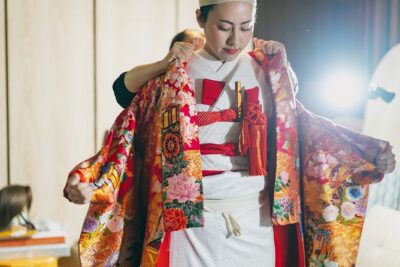
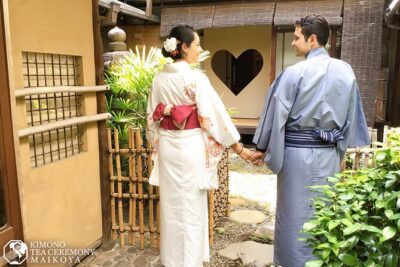
One reason people love this experience is the dressing process. You are not just shoved into a single standard outfit. You choose the kimono fabric color, and you can add details like accessories.
If you are joining as a female participant, you may also be able to select hair accessories, which helps make the look feel personal. One review also highlighted that the team guides people into male and female change rooms, so the dressing process is handled in a structured, comfortable way.
What I like about the kimono setup is that it does not feel like a rushed photo-waiting line. You are guided step-by-step, and you end up with a look that matches how you want to be remembered in Kyoto. Just treat the kimono respectfully, because it is worn during the tea ceremony, not just for pictures.
Rental shops we have actually walked into
- Kimono Tea Ceremony at Kyoto Maikoya, NISHIKI★ 5.0 · 911 reviews
- Kyoto: Kimono Rental with Hairstyling and Accessories★ 4.8 · 653 reviews
- Kyoto: Kimono Tea Ceremony at Orizuruya Gion★ 4.9 · 618 reviews
- KYOTO Tea Ceremony with kimono near by Imamiya Jinjya Shrine★ 5.0 · 343 reviews
- Kyoto: Kimono and Tea Ceremony Experience at Cultural Asset★ 4.3 · 306 reviews
The English Tea Ceremony Demo: History, Purification, and Matcha Making
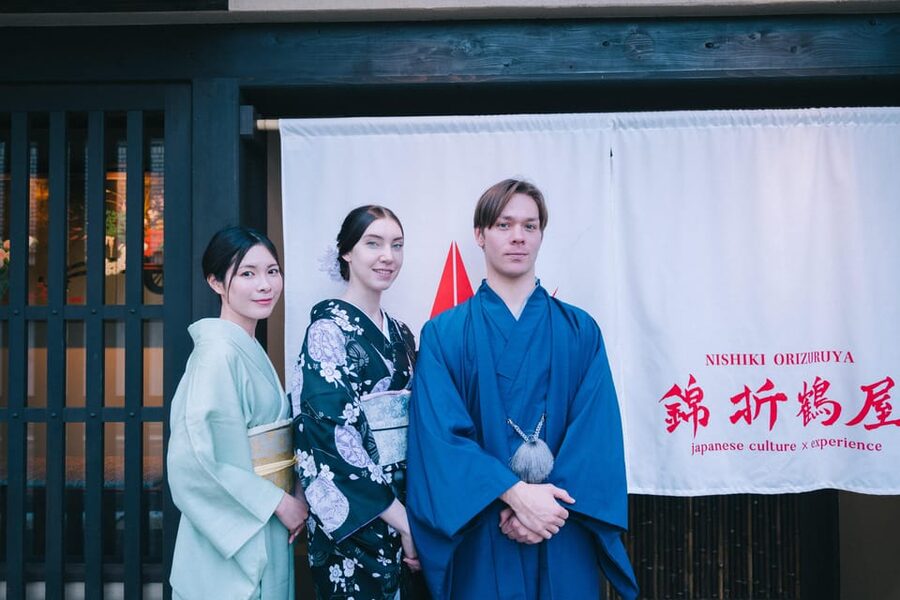
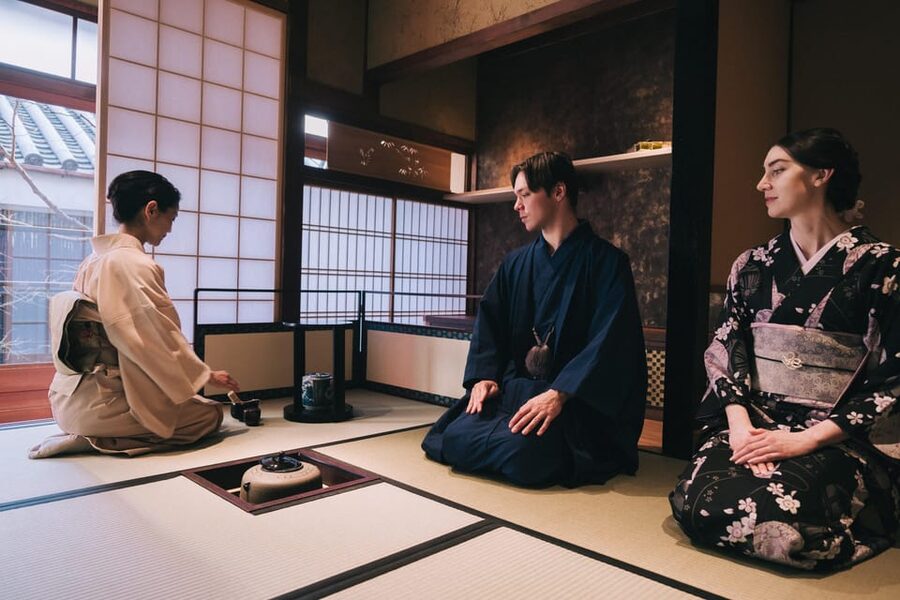
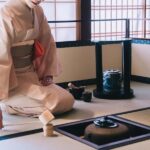
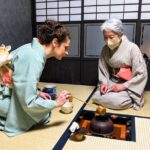
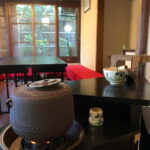
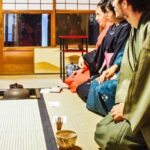
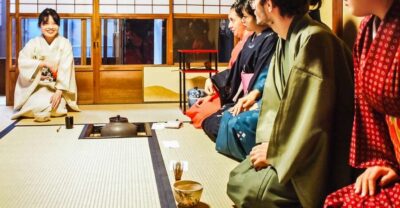
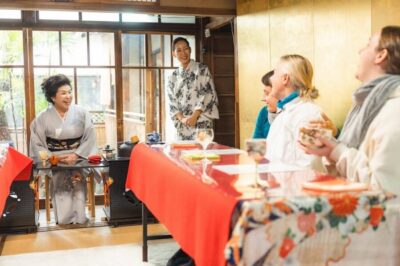
This is the heart of the experience. You enter the tea room, watch a tea ceremony demonstration led by an English-speaking tea master, and then you get your turn to make matcha.
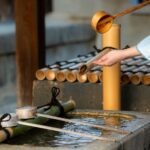
The explanation includes the history and culture of the tea ceremony, but it is delivered in a relaxed, easy-to-follow way. You also learn about what goes into the ritual beyond just drinking green tea. In reviews, people mentioned the purification and blessing elements, and you should expect a clear walkthrough of why those steps matter.
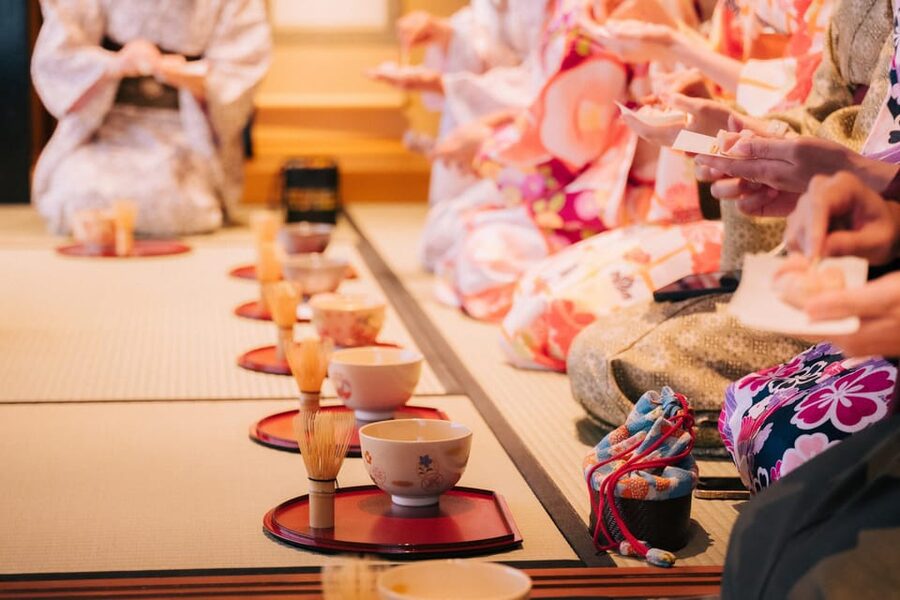
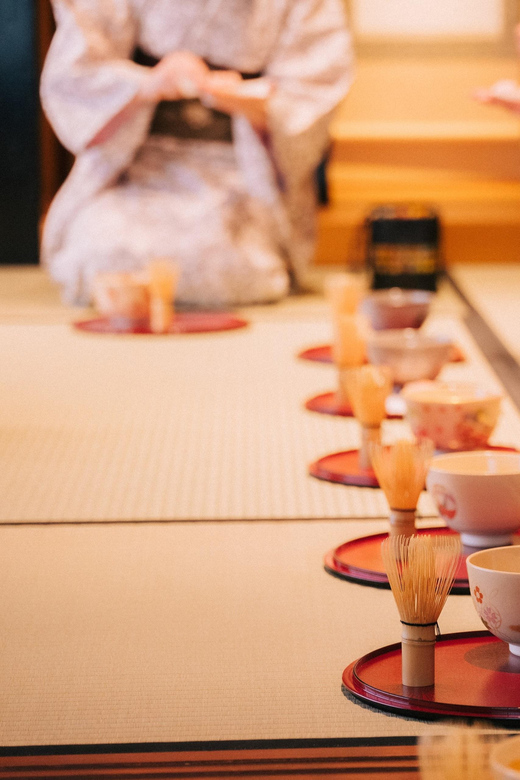
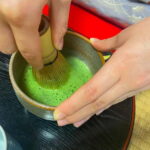
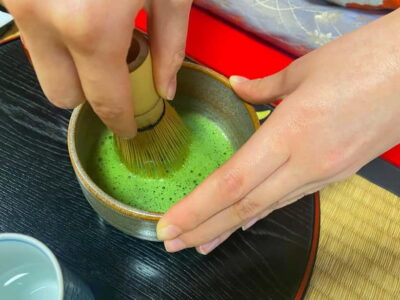
After the demonstration, you make the matcha yourself. You will prepare matcha green tea and enjoy it with Japanese sweets. This is where the experience becomes more than watching. You get to participate in a small, repeatable craft, and you get to taste the result right away.
If you love food culture, this part is especially satisfying. You are learning how matcha is handled in a traditional context, not just ordering a drink and moving on.
The Photoshoot Moment: 3 Photos Plus Time to Enjoy Kyoto
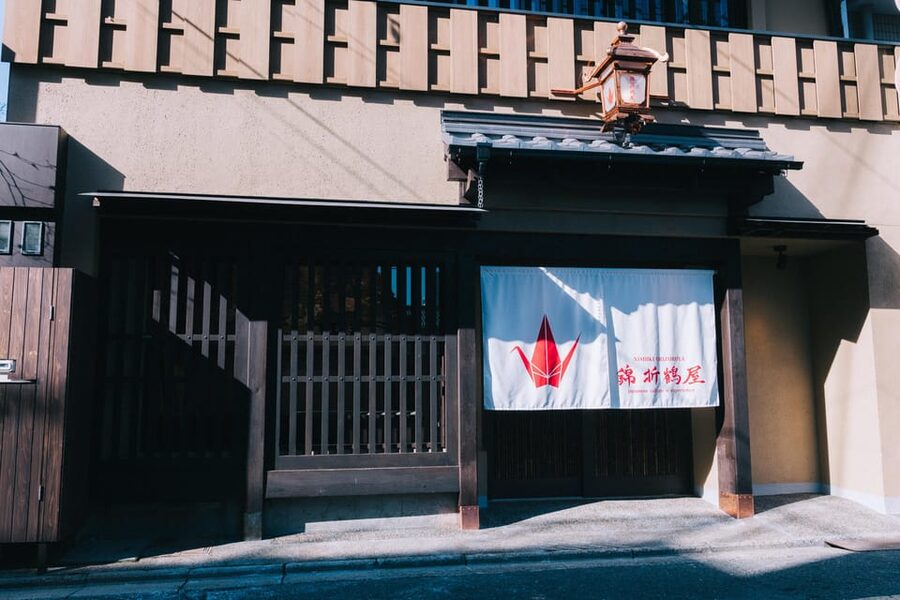
You get a professional photographer who captures your memorable moments in your kimono. The included package includes 3 photos taken during the experience.
What is smart here is that you are not locked into only posed shots. Reviews also mention that there is time for you to take additional photos on your own, so you can mix the professional portraits with your own angles. If you care about getting a photo that looks like Kyoto instead of like a rental studio, this balance helps.
Another practical benefit is that you leave with ready-to-share images. Most people do not want to spend their last hour in Kyoto trying to find someone free with decent camera skills. With this, you are covered.
Nishiki Market vs Gion: Picking the Right Kyoto Side
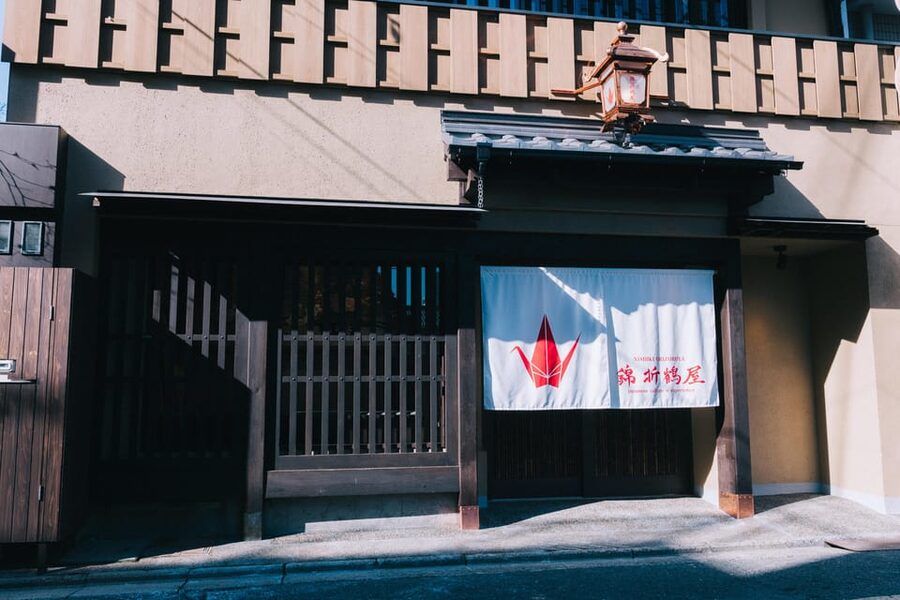
This experience runs from two locations. You need to select the correct option when booking, because arriving at the wrong shop means you cannot join.
- Nishiki Market location: kimono return by 6:00 PM
- Gion location: kimono return by 5:00 PM
I like having a choice, because it changes the feeling of your before-and-after time. Nishiki Market is a good fit if you want a lively central start and a smooth transition into food browsing. Gion feels more atmospheric if your day already includes classic Kyoto streets and traditional scenery.
Meeting points can vary depending on which option you book, so double-check the start location message you receive and plan to arrive calmly. Since being late can mean losing the experience, I treat the meeting point like a museum entry time, not a casual meetup.
How the 90 Minutes Feels on the Ground
Ninety minutes is tight enough to keep the energy up, but long enough for a real flow. You have time for dressing, a tea ceremony demonstration in English, hands-on matcha making, and then the photos.
A real-world consideration from one review is waiting time. If your reservation time feels early compared to the moment the ceremony actually starts, you might spend part of the session waiting before entering the tea room. That does not mean the experience is disorganized, but it does mean you should not schedule something right before or right after with zero buffer.
My advice is to treat this as your anchor activity. Let other plans orbit around it, not compete with it.
Price and Value: Why $127 Often Makes Sense Here
At $127 per person, you are paying for more than a simple tea tasting. The cost covers kimono dressing, an English tea ceremony demonstration, hands-on matcha and sweets, and a professional photoshoot with three included photos.
If you compare that to paying separately for a kimono rental, booking a tea class, and then arranging photos, the bundle starts to look like the efficient route. Also, the group size is capped at 10 participants, which usually means you get closer guidance rather than getting shuffled through a big production line.
There is still a personal value question: do you want the photo memento and kimono dressing, or would you rather just do tea? If you want both, this price is closer to a “full experience” package than a single attraction.
Who This Works For (and Who Should Rethink)
This is a good fit if you:
- want a cultural activity you can understand in English
- like hands-on experiences, not just watching
- want a kimono memory without handling rental logistics alone
- care about getting photos that look intentional
It is not ideal for everyone. It is not suitable for children under 5, and wheelchair users are not accommodated. If you have food allergies, you should share that in advance so the sweets part can be handled safely.
The other “should I book” check is your schedule reliability. Because you cannot join if you are more than 10 minutes late, this is best for days where you are not sprinting between Kyoto stops.
My Booking Advice: Smoothest Way to Enjoy It
If you want the least stress, do these things:
- Choose Nishiki Market or Gion carefully, then commit to that plan.
- Provide your height and gender when prompted for kimono preparation.
- Tell them about food allergies before the day.
- Build in extra time so you are not cutting it close to the starting time.
Once you arrive, lean into the slower rhythm. This is not the kind of activity where you should multitask. The value is in the calm structure: dressing, learning, making matcha, then letting the photographer do the work.
And after it ends, you can stroll around in your kimono for a bit. Just remember you must return it by the same-day deadline for your location.
Should You Book This Kyoto Tea Ceremony With Kimono and Photoshoot?
Book it if you want a complete Kyoto cultural moment in a compact time window, with clear English guidance, hands-on matcha making, and a real photo payoff. The kimono dressing plus professional photos makes this feel like a memory package, not just a lesson.
Skip it or look for an alternative if you are worried about strict timing, you need wheelchair accessibility, or you are hoping for a short kimono rental or tea ceremony only. This experience is designed as one connected flow, so it works best when you treat it as the plan for that hour and a half.
If you are aiming for a Kyoto day with meaning and a keepsake you will actually use, this one is a strong choice.
FAQ
How long is the Kyoto tea ceremony with kimono experience?
The experience lasts 90 minutes.
Where does it take place in Kyoto?
You can choose between two locations: Nishiki Market and Gion. The meeting point depends on which option you book.
What time do I need to return the kimono?
If you book the Nishiki Market location, you must return the kimono by 6:00 PM. If you book the Gion location, you must return the kimono by 5:00 PM on the same day.
What is included in the price?
It includes a tea ceremony demonstration in English, kimono dressing, matcha green tea and Japanese sweets, and 3 photos taken by a professional photographer.
Is the tea ceremony taught in English?
Yes. The instructor and tea ceremony demonstration are in English.
Is this a small group activity?
Yes. It is limited to a small group of up to 10 participants.
Are shoes allowed indoors?
No. Shoes are not allowed indoors.
Is smoking allowed?
No. Smoking is not allowed.
What happens if I arrive late?
If you are later than 10 minutes from the starting time, you are not allowed to join, and no refund is available.
Is this experience suitable for young children or wheelchair users?
It is not suitable for children under 5, and it is not available for wheelchair users.
What information do you need in advance for the kimono?
The team needs your height and gender to prepare the kimono. If you have any food allergies, you should also tell them in advance.
Rental Counters, Compared
Kyoto by the Bowl
Newest Kyoto write-ups from the Loving Japan desk
Kyoto Tea Ceremonies and Matcha, side by side.
 ★ 4.9Tea Ceremony in a Traditional Tea House in KiyomizuFrom $493,519 reviews
 ★ 4.9Tea Ceremony Ju-An at Jotokuji TempleFrom $293,207 reviews
 ★ 4.345-Minute Tea Ceremony Lesson ExperienceFrom $222,378 reviews
 ★ 5.0World Heritage Kyoto & Nara Uji Authentic Matcha ExperienceFrom $1291,573 reviews
 ★ 4.9Tea Ceremony ExperienceFrom $251,426 reviews
 ★ 4.9Table-Style Tea Ceremony at a Kyo-MachiyaFrom $451,211 reviews
 ★ 4.8Kenrokuen Tea Ceremony ExperienceFrom $351,139 reviews
 ★ 5.0Kimono Tea Ceremony at Kyoto Maikoya, NISHIKIFrom $65911 reviews