
REVIEW · NARA DEER PARK AND TODAI-JI
Nara Deer Park, Uji Matcha, & Hot Spring Full-Day Tour from Osaka
A day with deer and matcha? Sounds like a win. This full-day route from Osaka pairs iconic sights like Todai-ji with hands-on fun at Nara Park, then finishes with Uji tea shopping and a real Japanese onsen soak.
I especially like the built-in pacing, because you get generous time to roam, then regroup with the group before the next stop. I also like that the tour includes round-trip air-conditioned transport and a multilingual guide, so you are not doing the logistics scramble all day.
One thing to consider: it is a shared group tour, so the amount of English you hear can vary by guide and group mix, and some visits can feel more “see, then explore on your own” than deep lecture mode.
In This Review
- Key Highlights Worth Marking
- The Real Hook: One Day, Two Icons, Then You Unwind
- How the Day Flows From Osaka, Stop to Stop
- Nara Park: Deer, Autumn Vibes, and Feeding Without Drama
- Todai-ji Temple: The Great Buddha in Real Life
- Uji Matcha Street and the Byodo-in Area: Tea Shopping With Real Options
- Genji-no-Yu Hot Spring: The Best Way to End a Long Day
- Price and Value: What You Pay, What You Still Need to Bring
- Group Size, Guide Styles, and Language Reality
- What This Tour Feels Like on the Ground
- Bring This Stuff and You Will Enjoy It More
- Who Should Book This Nara and Uji Tour
- Should You Book This Nara Deer Park, Uji Matcha, and Hot Spring Tour?
- FAQ
- What is the duration of the Nara Deer Park, Uji Matcha, and hot spring full-day tour?
- Where do I meet the guide in Osaka?
- What time does the tour start?
- Is lunch included?
- Do I need to pay for Todai-ji Temple admission?
- Do I need to pay for the hot spring entry?
- Does the tour provide a guide and what languages are offered?
- Is this a private tour?
- Are tattoos allowed in the hot spring?
- What is the cancellation rule?
Key Highlights Worth Marking
- Nara Park deer time with practical feeding tips and a full nature setting (including seasonal scenery)
- Todaiji’s Great Buddha area as a UNESCO World Heritage must-see, with your entry fee handled on-site
- Uji Matcha Street walking where you can snack your way through tea culture at your own pace
- Genji-no-Yu onsen using natural hot spring water, plus the chance to end the day by slowing down
- Mobile ticket + shared-group transport that keeps travel stress low, even with a 9-hour schedule
Sit down somewhere quieter. Other tea rooms we booked
- Osaka: Tea Ceremony Experience
★ 4.9 · 1,426 reviews - Tea Ceremony Experience in Osaka Doutonbori
★ 5.0 · 754 reviews - Matcha Making Class in Osaka with Authentic Japanese Sweets Set
★ 5.0 · 509 reviews - Osaka: Matcha Making Experience with Japanese Sweets
★ 5.0 · 146 reviews
The Real Hook: One Day, Two Icons, Then You Unwind
This is the kind of day trip that works when you want big-name Japan without the “where do we go next?” anxiety. You start in Osaka, head to Nara for deer and temple highlights, then shift to Uji for matcha-focused strolling, and finally end in a hot spring that is actually in the area.
The value here is not just the stops. It is the fact that you get round-trip transportation and a guide who helps you stay on track with timing, meeting points, and what to prioritize at each site. That matters because Nara and Uji can eat hours fast when you are navigating on your own.
The main watch-out is that guide style can change a lot. In some groups, the tour is more of a guided drop-off and pick-up with short commentary, not a nonstop narration. If you love being led step-by-step, ask yourself if you are okay with that rhythm.
How the Day Flows From Osaka, Stop to Stop
The schedule runs about 9 hours total. You meet near Namba Shinsaibashi around 8:30 am, and the guide shows up holding a yellow Gogoday flag. You will want to arrive about 15 minutes early because late arrivals can cut your day short and there are no refunds for no-shows.
From there the order is straightforward:
- Nara Park first, where you spend about 1 hour 30 minutes
- Todai-ji next, about 40 minutes (and you pay the temple admission separately)
- Uji after that, about 1 hour 30 minutes focused on matcha shopping streets and the Byodo-in area
- Genji-no-Yu hot spring at the end for about 1 hour (with the onsen admission paid separately)
Because the hot spring is last, you can keep your day plan simple. You do not have to rush back to Osaka for dinner right away, and you can treat the onsen as your “close the laptop, turn off your brain” moment.
Nara Park: Deer, Autumn Vibes, and Feeding Without Drama
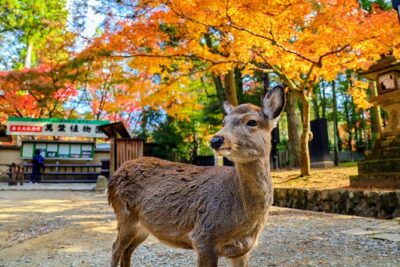
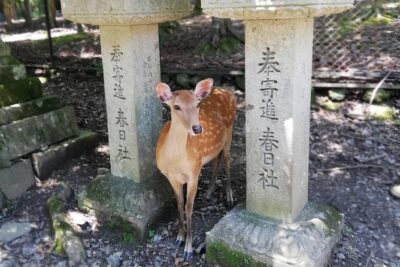
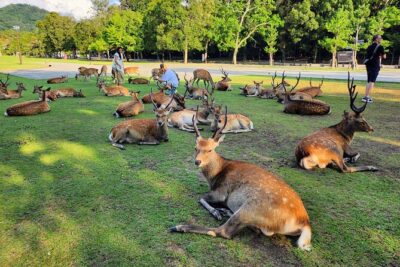
Nara Park is the part most people picture first, and it is still the right place to start. You will be in an area with thousands of freely roaming deer at the foot of Mt. Wakakusa, and the setting can be especially pretty in autumn, with the trees framing the whole experience.
What makes your time there work is the combination of freedom and simple rules. You are given time to walk, get photos, and interact with the deer, but you still want to follow the feeding guidance so it stays fun and not chaotic.
A few practical tips:
- Be calm and keep your snack handling orderly. Deer can get bold once they realize you have food.
- Expect some deer to be persistent, not polite. If one gets pushy, step back slightly and keep moving.
- Watch where people are standing. Tripping around other photo-takers is the real danger.
In reviews, the deer stop often gets the biggest praise, especially when the guide gives clear, useful advice on feeding and behavior. That can turn Nara from cute to genuinely memorable.
A half day in Nara goes several ways
- Ancient Capital Tour: Kyoto and Nara Highlights from Kyoto/Osaka★ 4.5 · 332 reviews
- Kyoto and Nara Day Trip from Osaka★ 4.0 · 175 reviews
- Discover Himeji, Kobe and Nara from Osaka★ 5.0 · 101 reviews
- Kyoto & Nara Private customized tour with English speaking Guide★ 4.5 · 99 reviews
- Kyoto and Nara UNESCO Highlights Full-day Tour From Osaka★ 4.5 · 50 reviews
Todai-ji Temple: The Great Buddha in Real Life
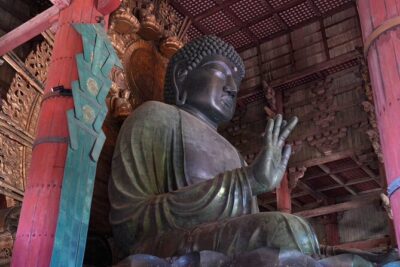
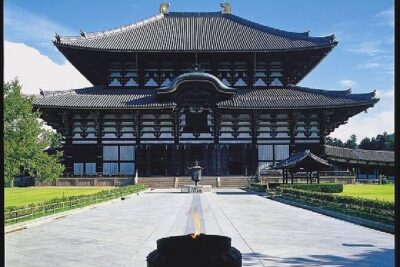
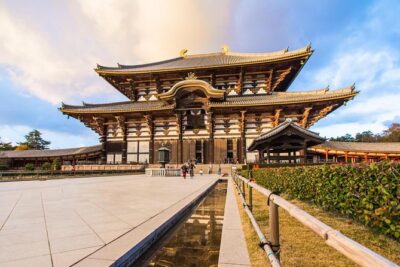
Todai-ji is the temple stop that people talk about for a reason. This UNESCO site is famous for its enormous Buddha statue and the temple complex atmosphere that feels both historical and slightly overwhelming, in a good way.
You get around 40 minutes here. That is enough time to see the main highlights without turning it into a sprint, but it is not enough for slow wandering through every corner like you might do on a solo visit. Think of this as your “hit the big icons” window.
Key value for you:
- You get the context of what you are seeing from a guide, which can make the scale and symbolism feel more real instead of just wow-big.
- You are not stuck paying and coordinating everything by yourself since the tour handles transport and timing.
Entry is not included, so you should plan on paying the Todai-ji admission (listed as $5 per person). Bring cash just in case, because some places along the way may not take credit cards.
Uji Matcha Street and the Byodo-in Area: Tea Shopping With Real Options
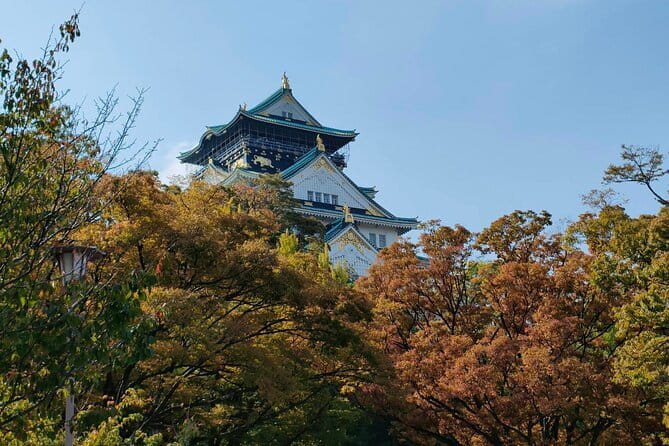
After Nara, the pace shifts. Uji feels smaller, calmer, and very food-focused, especially for matcha lovers. Your stop includes Uji Matcha Street, where you can browse matcha ice cream, matcha cakes, and other tea-themed snacks.
The fun here is that you are not forced into a single tasting. You can sample a little, walk a lot, and choose what fits your taste and budget. With about 1 hour 30 minutes, you will likely have enough time to walk the street, grab one or two items, and still reach the Byodo-in area without stress.
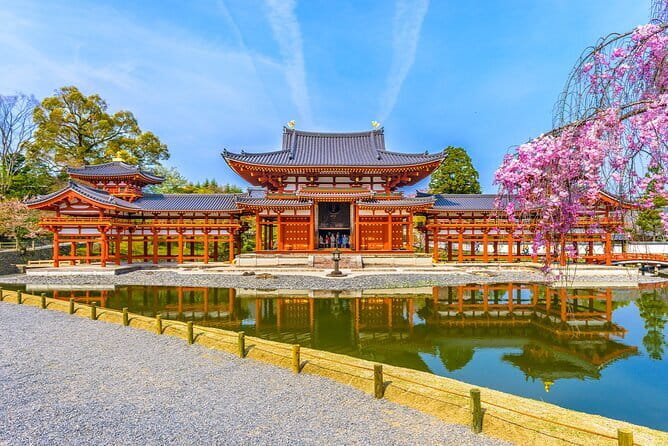
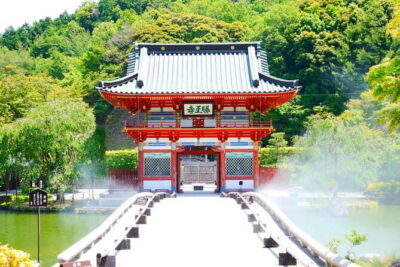
You may also get to see the Byodo-in Temple as part of the planned route, since the tour description frames the day around the Byodo-in Omotesando Street and this UNESCO site. Even if you mainly care about matcha, this temple backdrop makes the tea stop feel like more than just shopping.
Two smart moves:
- Decide what you want before you start buying. Matcha snacks tempt you into overspending fast.
- Take photos early, then eat. Food waits. Catching the walkway and temple visuals while the crowds are thinner can make your memories better.
Genji-no-Yu Hot Spring: The Best Way to End a Long Day
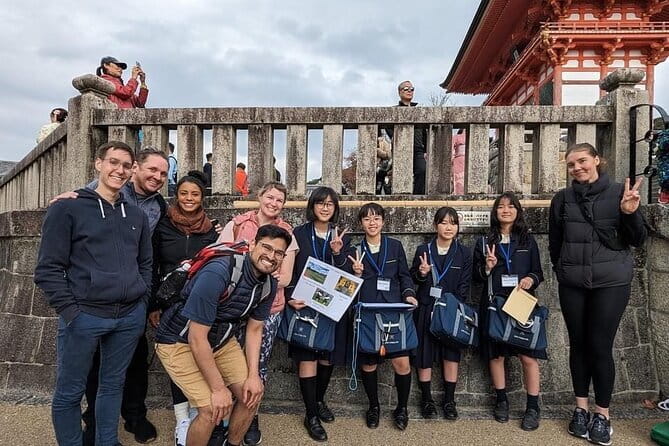
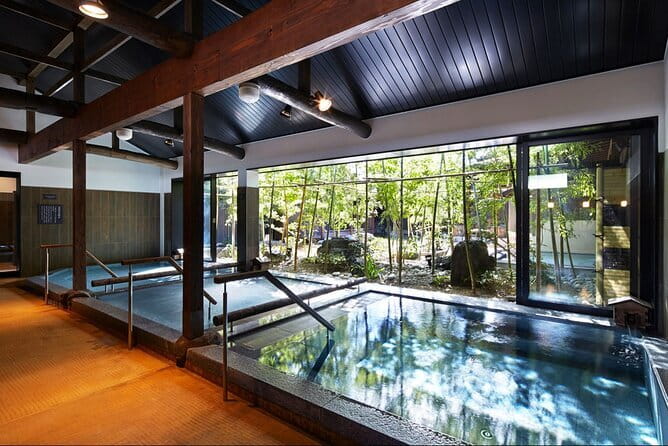
Ending with Genji-no-Yu is a practical win. Your onsen stop lasts about 1 hour, and it is one of the natural hot spring spots in Uji. The water comes from about 1111 meters underground, and the setting is traditional Japanese-style, which makes the whole “I worked all day, now I recover” moment feel more grounded.
Onsen basics you should plan for:
- The bathing experience is done without clothing.
- Tattoos are not permitted in most Japanese hot springs, so if you have visible tattoos, you will want to check first.
- Entry is not included, listed as $9 per person.
This is also where the tour’s value becomes obvious. You are tired from walking and transit, and the onsen gives you a structured way to decompress instead of trying to find a random facility on your own after a full day.
If you get a good guide, you may also get quick “how to handle the bath” tips. That kind of guidance is small, but it helps you avoid awkward confusion when you just want to relax.
Price and Value: What You Pay, What You Still Need to Bring
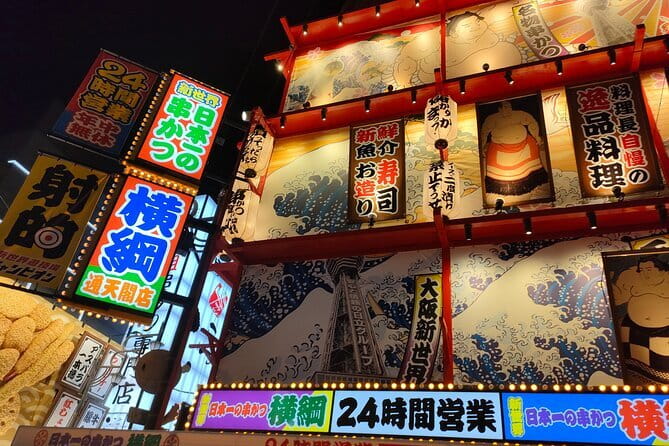
At $49.84 per person, the headline price looks great for a full day. Here is what you should understand about value in plain terms:
Included in the price:
- Round-trip transportation in an air-conditioned vehicle
- Pickup from the Osaka meeting point
- Professional multilingual guide
- Driver and guide service fees
- Mobile ticket
Not included:
- Lunch
- Todai-ji Temple admission, listed as $5 per person
- Hot spring entry, listed as $9 per person
So your “real” spend depends on what you do for lunch and snacks. But even with those extra fees, you are still likely getting solid value for the transport, the time-saving route planning, and the fact that you are hitting two areas most people normally need separate planning for.
The biggest way to judge value for you is this: do you want someone else to manage the day flow? If yes, this price makes sense. If you prefer total independence, you might find you can do it cheaper, but you will spend more time coordinating and commuting on your own.
Group Size, Guide Styles, and Language Reality
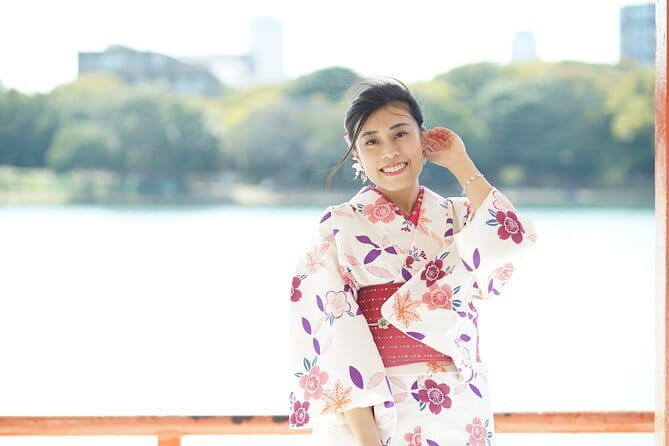
This tour runs as a shared group experience with a maximum of 40 travelers. It can be a mixed international crowd, and your guide provides multilingual explanations in English, Japanese, and Traditional Chinese.
Here is the honest consideration based on guide behavior patterns from past tours:
- If the group is mostly Chinese-speaking, you might hear longer Chinese segments and less English at times.
- Some guides give clear instructions and memorable on-the-ground tips, including deer feeding guidance.
- If there are fewer than 13 participants, the guide may also drive and provide only basic commentary, which can make the trip feel more like transport plus drop-offs.
So if your main goal is a story-heavy, nonstop lecture in English, you should manage expectations. You can still have a great day, but plan to learn by looking, asking quick questions during stops, and using the free time to explore.
On the positive side, names that came up for great experiences include Leo and Etta. Multiple reviews praised guides who gave helpful deer feeding tips, made photo stops easier, and kept the vibe friendly and organized. If you get someone like that, the day feels smoother.
What This Tour Feels Like on the Ground
This is not a “rush from one single building to another with zero breaks” kind of trip. You do have distinct windows at each stop, and the deer park and matcha street blocks are long enough to actually enjoy the setting instead of just standing in a line.
Still, it is shared-group timing. That means:
- You need to return to the pick-up points on time.
- You should treat the temple and shopping stops as “see the key sights, then enjoy your own pace” rather than full guided walking tours for every minute.
In some reviews, people even called it closer to a private shuttle with brief instructions, which is a helpful way to frame it. I see that as a trade-off: less interpretive depth, but more convenience and structure.
Bring This Stuff and You Will Enjoy It More
You will walk, you will snack, and you will then bathe. A few practical items can make the day easier:
- Cash for the temple and hot spring admissions, since some places may not take credit cards
- Comfortable shoes for Nara walking and Uji strolling
- A small plan for lunch, since lunch is not included
- If you have tattoos, plan around the hot spring rules ahead of time
- A bit of patience for crowds around deer feeding and matcha street browsing
Also, bring a lightweight layer. You are outdoors in Nara and then transitioning into indoor or covered spaces, and temperature can swing depending on the season.
Who Should Book This Nara and Uji Tour
This works best for you if:
- You want the highlights of Nara and Uji in one day without complicated planning
- You love matcha and do not mind buying snacks at your own pace
- You want a relaxing ending with Genji-no-Yu rather than a frantic return to Osaka immediately
- You like group structure, clear timing, and convenient transportation
It might not be your best fit if:
- You want a detailed, continuous English narration the whole time
- You hate shared-group pacing and prefer total independence
Should You Book This Nara Deer Park, Uji Matcha, and Hot Spring Tour?
I would book it when you want convenience and the “big icons plus fun extras” combo. Nara Park’s deer time is genuinely memorable when the guide gives clear feeding guidance, and Uji is a smart matcha stop that feels different from Kyoto shopping. Ending at Genji-no-Yu is a big quality-of-life win, especially after a long day on your feet.
If you are picky about tour narration, pick a mindset shift instead of skipping the tour. Use the guide for navigation and practical tips, then let the sites do their job while you explore during your allotted time blocks.
If you want a smooth, efficient day with transport handled and real onsen time at the end, this is a solid choice.
FAQ
What is the duration of the Nara Deer Park, Uji Matcha, and hot spring full-day tour?
The tour runs about 9 hours (approx.).
Where do I meet the guide in Osaka?
The meeting point is 1-chōme-3-6 Nipponbashi, Chuo Ward, Osaka, 542-0073, Japan. You are also listed as meeting near Nipponbashi Exit 2 (Namba Shinsaibashi area).
What time does the tour start?
Start time is listed as 8:30 am, with the guide meeting you in the morning area.
Is lunch included?
No. Lunch is not included.
Do I need to pay for Todai-ji Temple admission?
Yes. Todai-ji Temple admission is not included and is listed as $5.00 per person.
Do I need to pay for the hot spring entry?
Yes. Hot spring entry is not included and is listed as $9.00 per person.
Does the tour provide a guide and what languages are offered?
Yes. A professional multilingual guide is included, with English, Japanese, and Traditional Chinese.
Is this a private tour?
No. It is a shared group tour, with a maximum of 40 travelers.
Are tattoos allowed in the hot spring?
Guests with tattoos are not permitted in most Japanese hot springs.
What is the cancellation rule?
Free cancellation is available up to 24 hours in advance of the experience start time for a full refund. If you cancel less than 24 hours before, the amount you paid will not be refunded.
Half a Day in Nara
Kyoto by the Bowl
Newest Osaka write-ups from the Loving Japan desk


Nara Deer Park and Todai-ji, side by side.
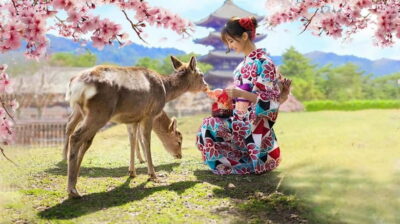
 ★ 5.0World Heritage Kyoto & Nara Uji Authentic Matcha ExperienceFrom $1291,573 reviews
 ★ 4.7Kyoto/Osaka: Nara, Fushimi Inari Taisha, Arashiyama Bus TourFrom $521,275 reviews
 ★ 5.0Nara Half Day Trip Walking Tour (Private Option Available)From $105937 reviews
 ★ 4.4Osaka/Kyoto: Arashiyama, Nara & Fushimi Inari Shrine w/LunchFrom $61754 reviews
 ★ 5.0Nara Early Morning Tour (Kyoto or Osaka Departure Available)From $61676 reviews
 ★ 4.5Kyoto and Nara Day Trip from KyotoFrom $194445 reviews
 ★ 5.0Full Day Guided Tour to Kyoto and Nara from Osaka by VanFrom $106420 reviews
 ★ 4.5Nara Afternoon Tour from Kyoto or OsakaFrom $102390 reviews