
REVIEW · NARA DEER PARK AND TODAI-JI
Osaka: Kyoto & Nara & Uji Historical and Scenic One-Day Tour
One day, four destinations, big sights. This Osaka-Kyoto-Nara-Uji day tour strings together the kind of landmarks most people only see on multiple trips, from Nara deer encounters to Kyoto’s famous shrine tunnels of red torii. I like that the schedule is guided end-to-end, so you spend less time figuring out transit and more time looking around.
Two things I really like are the English-speaking guide with clear, vivid explanations and the chance to walk the Fushimi Inari Taisha torii corridor instead of just taking quick photos. One thing to consider up front is that it is a long day with travel time between regions, so some stops feel time-limited if you love lingering.
In This Review
- Key highlights I’d plan around
- The core idea: seeing three major cities plus Uji in one day
- Nara Park: the deer encounter you should treat like a mini photo assignment
- A small reality check
- Todai-ji Temple: the big bronze Buddha and the feel of a pilgrimage
- How to make the most of only 30 minutes
- Uji River and the matcha-focused day rhythm
- What matcha culture feels like here
- The calmer tone you’ll want after Nara
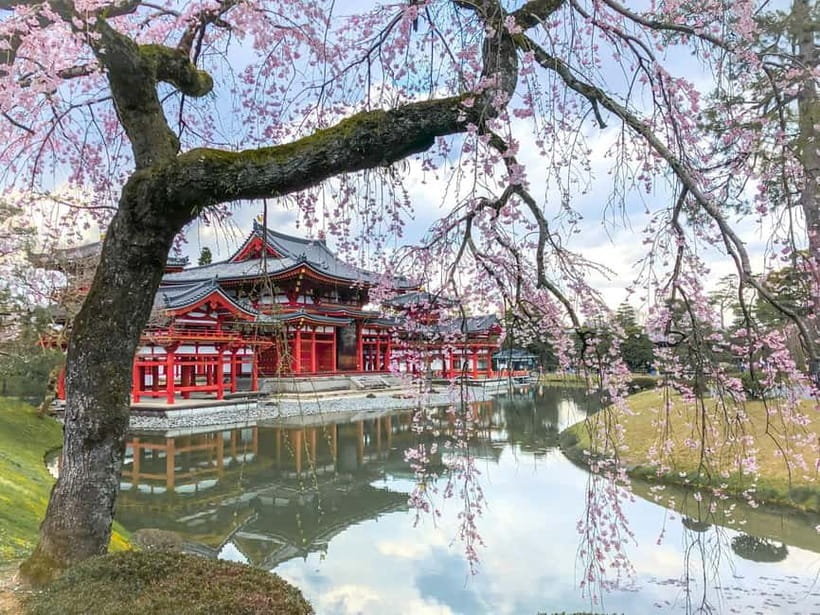
- Byodoin Temple: quiet, solemn, and worth your attention
- One practical tip
- Fushimi Inari Taisha: red torii gates and that corridor walk
- How to walk it without burning out
- The Murasaki Shikibu statue stop: a small detour with a big context feel
- How the timing really works across 8 to 10 hours
- My advice: choose your priorities before you board
- Price and value: what you actually get for $56
- When this price feels especially fair
- When it might feel overpriced
- Guide style: English explanations and keeping you coordinated
- What that means for you
- Practical tips that make the day smoother
- What to bring and wear
- How to handle the deer moment
- Waiver note for certain ages or pregnancy
- Who should book this Osaka to Kyoto to Nara to Uji day tour?
- Should you book? My honest take
- FAQ
- How long is the Osaka to Kyoto to Nara to Uji day tour?
- Is pickup available, and where do I meet the guide?
- Are tickets to Todaiji Temple and Byodoin Temple included?
- What languages does the tour guide speak?
- What should I bring?
- Is the tour suitable for wheelchair users?
- Are meals included?
Key highlights I’d plan around
- Nara Park deer time (with snack guidance): Get up close with Nara’s famous deer and follow the guide’s feeding instructions.
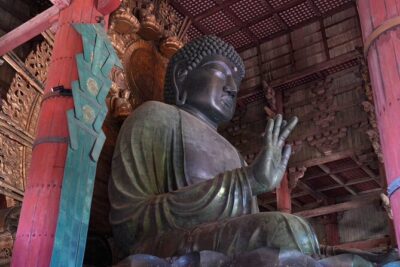
- Todaiji Temple’s Vairocana Buddha: You get a focused look at the huge bronze Buddha within a UNESCO World Cultural Heritage setting.
- Uji River walking plus matcha culture: A full stretch of time for Uji sights and matcha tasting options.
- Byodoin Temple tranquility: A calmer, more solemn stop after the busier shrine crowds.
- Fushimi Inari’s thousand torii walk: About 70 minutes for photos and sightseeing, with that iconic red-tunnel feeling.
Sit down somewhere quieter. Other tea rooms we booked
- Osaka: Tea Ceremony Experience
★ 4.9 · 1,426 reviews - Tea Ceremony Experience in Osaka Doutonbori
★ 5.0 · 754 reviews - Matcha Making Class in Osaka with Authentic Japanese Sweets Set
★ 5.0 · 509 reviews - Osaka: Matcha Making Experience with Japanese Sweets
★ 5.0 · 146 reviews
The core idea: seeing three major cities plus Uji in one day
If your Japan schedule is tight, this kind of one-day crossing tour is a practical fix. You pack Osaka-area convenience into the mix, then spend the day working through the core “must-see” locations people chase in Kansai. The win here is not that you get every detail, it’s that you hit the biggest cultural and scenic moments without constantly changing plans.
The tour runs about 8 to 10 hours, and the rhythm is clear: a block of time in Nara, a block in Uji, then the Kyoto-style highlights, finishing with Fushimi Inari. That structure helps, because each stop has a job. Nara is your animal-meets-temple contrast. Uji is your slower, tea-oriented tone shift. Kyoto closes the day with an iconic shrine walk.
Nara Park: the deer encounter you should treat like a mini photo assignment
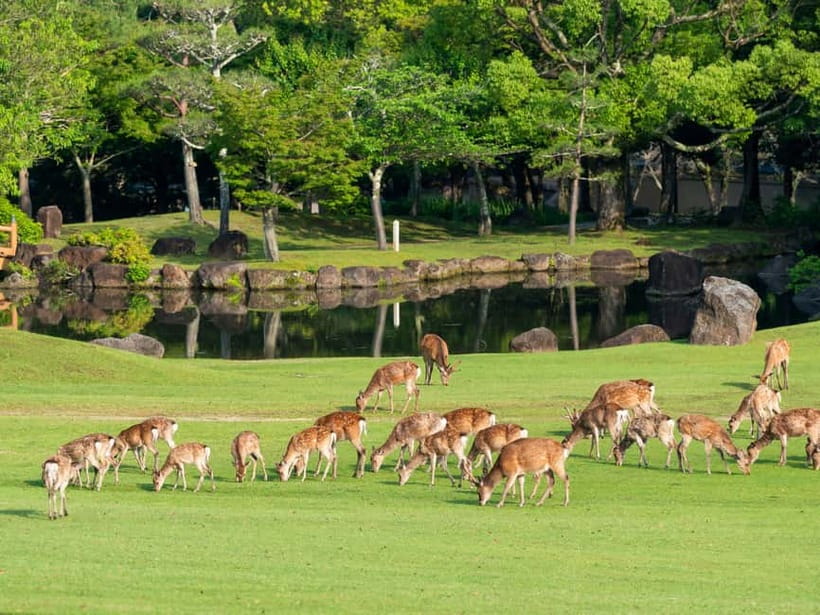
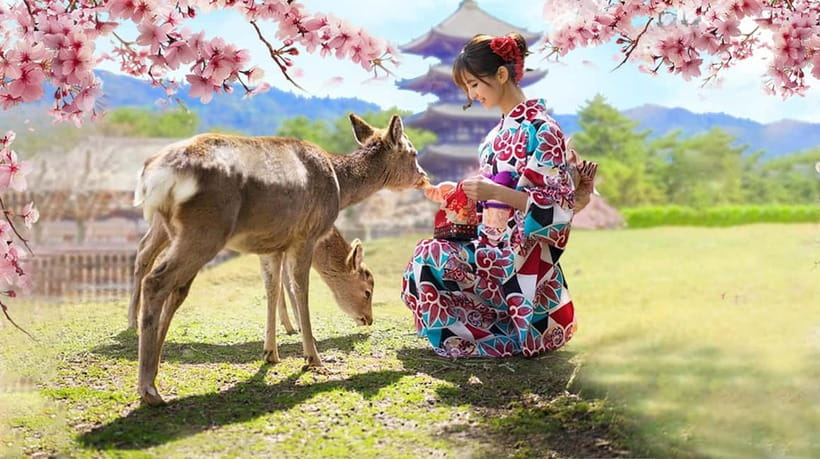
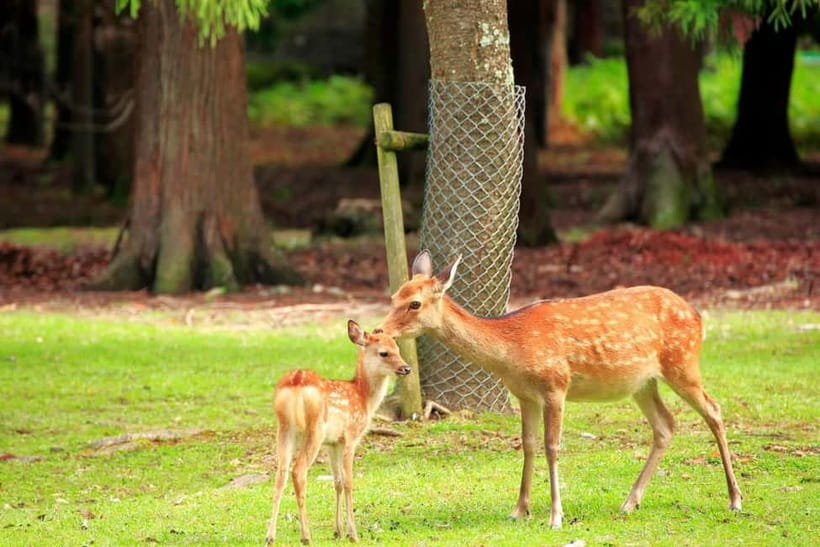
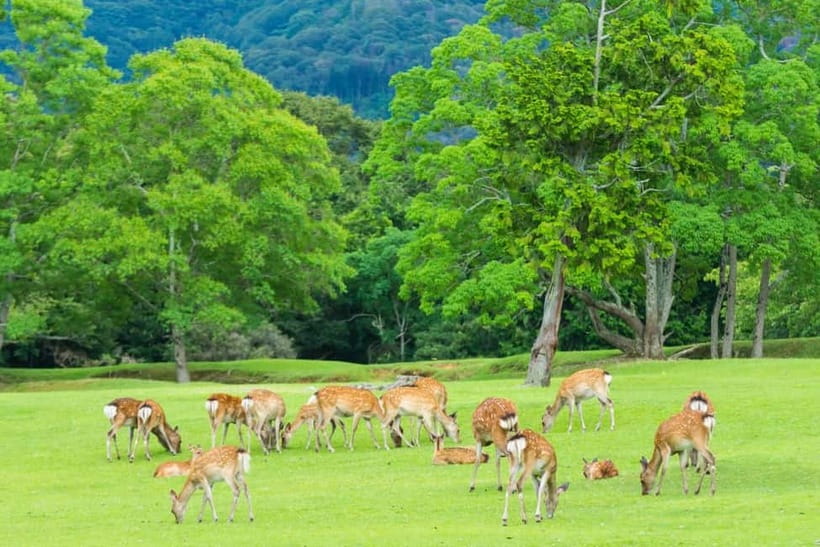
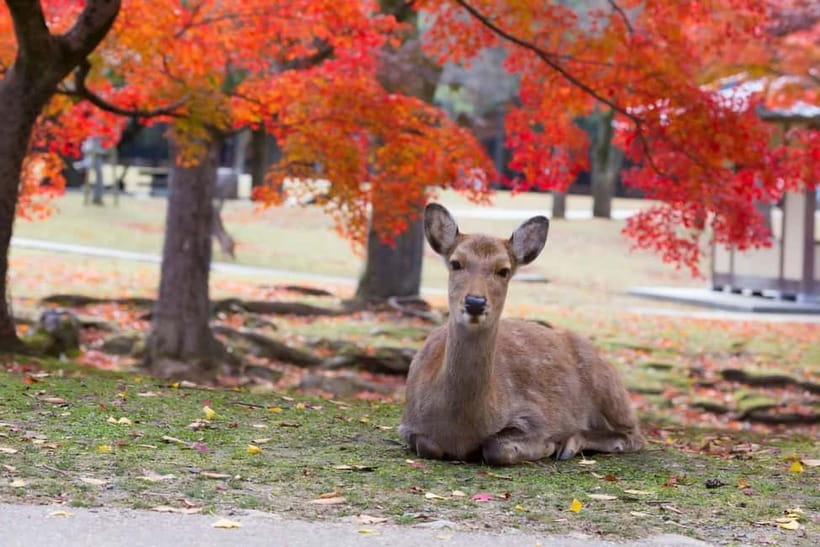
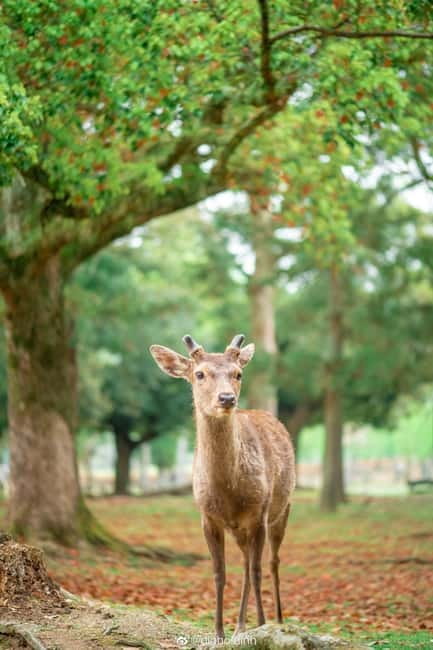
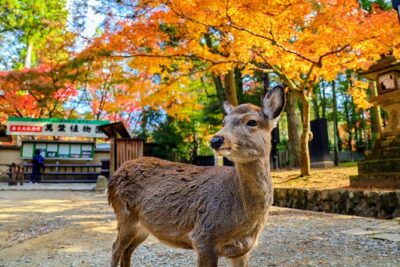
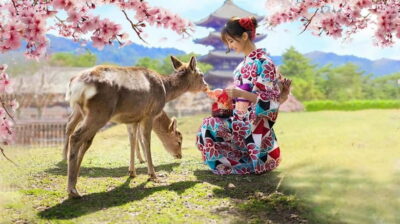
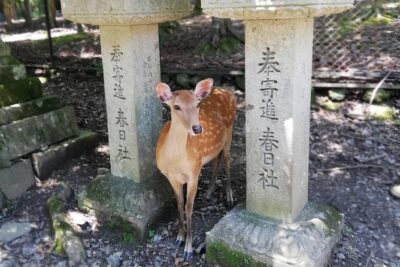
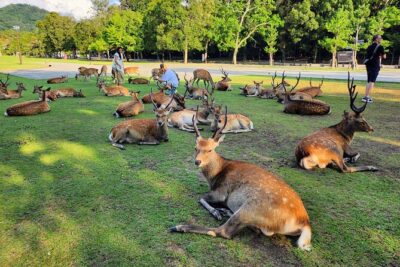
Nara Park is where the tour starts leaning into fun immediately. You get a 45-minute free time window to stroll around and see the deer up close. The focus is simple: meet the deer, feed them using the guide’s instructions, and take pictures while you still have energy.
I like this stop because it is not just watching from a distance. The deer are part of the city’s identity, and you can feel that right away. Just remember the rules of the moment: deer are wild animals, and you should follow the guide’s directions for feeding. That keeps things safe for you and the deer, and it also prevents the whole experience from turning into a chaotic free-for-all.
A small reality check
Because the time is limited, this is not the place to wander off and get lost. If you want the best shots, keep your eyes open for deer clusters early, feed when it’s your turn, and then use the remaining time to walk toward the nearby sights.
A half day in Nara goes several ways
- Ancient Capital Tour: Kyoto and Nara Highlights from Kyoto/Osaka★ 4.5 · 332 reviews
- Kyoto and Nara Day Trip from Osaka★ 4.0 · 175 reviews
- Discover Himeji, Kobe and Nara from Osaka★ 5.0 · 101 reviews
- Kyoto & Nara Private customized tour with English speaking Guide★ 4.5 · 99 reviews
- Kyoto and Nara UNESCO Highlights Full-day Tour From Osaka★ 4.5 · 50 reviews
Todai-ji Temple: the big bronze Buddha and the feel of a pilgrimage
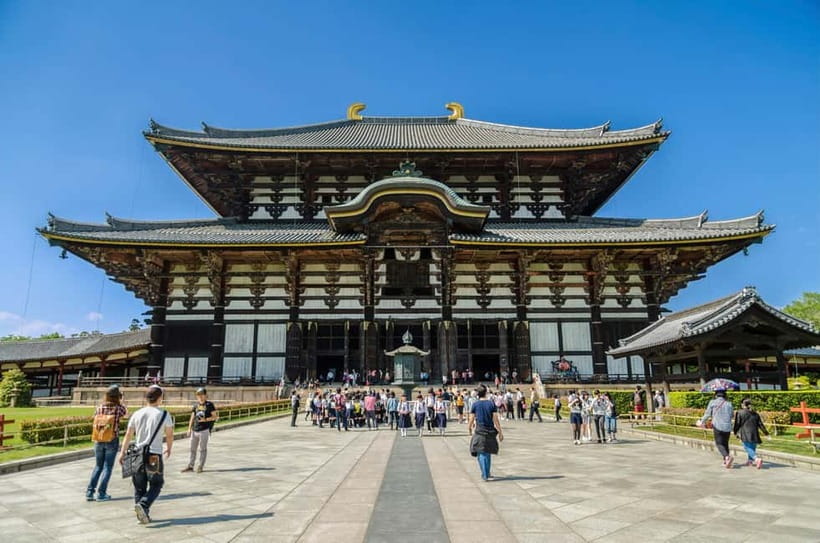
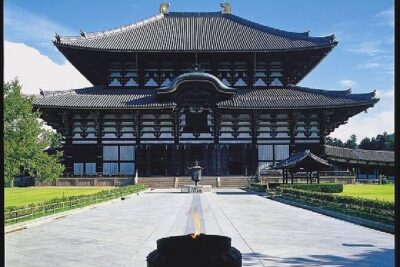
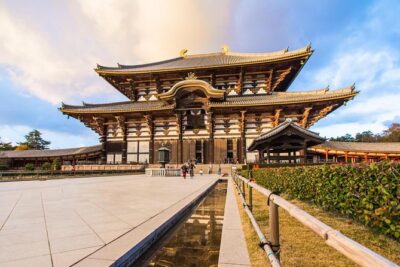
Next up is Todaiji Temple, with about 30 minutes of sightseeing. This is one of those stops where the scale does the talking. The headline is the Vairocana Buddha statue, described as an enormous bronze Buddha standing tall, with the temple framed as a world cultural heritage site.
Even in a short visit, you can feel why this place matters. It’s not a quick checklist stop. It has a solemn, heavy tone, and the guide-led pacing helps you take in what you are seeing instead of racing through. Think of it as a focused “first look” stop, like walking into the main hall and letting the space reset your brain.
How to make the most of only 30 minutes
Go in with one intention: look up first, then slow down. Spend time at the main statue area, then only move on once you have your bearings. If you rush, you risk seeing the walls instead of the icon.
Uji River and the matcha-focused day rhythm
Uji is your longer stop, about 2 hours, and it changes the pace of the day. You walk around the Uji River, then you see the Statue of Murasaki Shikibu, then continue toward the Byodo-in Temple and related park and street areas. The tour’s framing is matcha culture at the center, and the guide sets you up to experience it in a practical way.
What matcha culture feels like here
Uji is presented as the source of matcha, and the schedule reflects that. You have time around the Byodo-in Omotesando street area where local foods are available, and you also have a chance at Uji Matcha Food Street to taste matcha desserts. You should plan on paying for your own treats since meals and drinks are not included.
I like this part because it gives you choices. Some people want a cool drink or a dessert. Others just want to browse storefronts and watch how matcha is packaged and served. Either way, it fits well in a one-day tour because it is hands-on and easy to enjoy even when you only have a few hours.
The calmer tone you’ll want after Nara
By the time you reach the Byodo-in area, you are coming off the deer energy and the temple intensity at Todaiji. Byodoin is described as tranquil and solemn, which makes the transition feel purposeful rather than random. In other words, Uji is not just a filler stop. It gives you a different mood.
Byodoin Temple: quiet, solemn, and worth your attention
At Byodoin Temple, the tour slows its tone. You get sightseeing time here as part of the Uji segment, along with a look around the surrounding Byodo-in Omotesando area and Kyoto Prefectural Uji Park.
The standout detail is the atmosphere. Byodoin is described as tranquil and solemn, which matches how these estate-temple spaces tend to feel: more reflective, less in-your-face crowd energy than a major shrine corridor. If you care about stillness as much as landmarks, this is the place to channel it.
One practical tip
Since your total day is packed, treat Byodoin as a “stand and look” stop. Don’t plan to do ten things at once. Pick a view point, take in the setting, and then move on only when you have your mental picture.
Fushimi Inari Taisha: red torii gates and that corridor walk
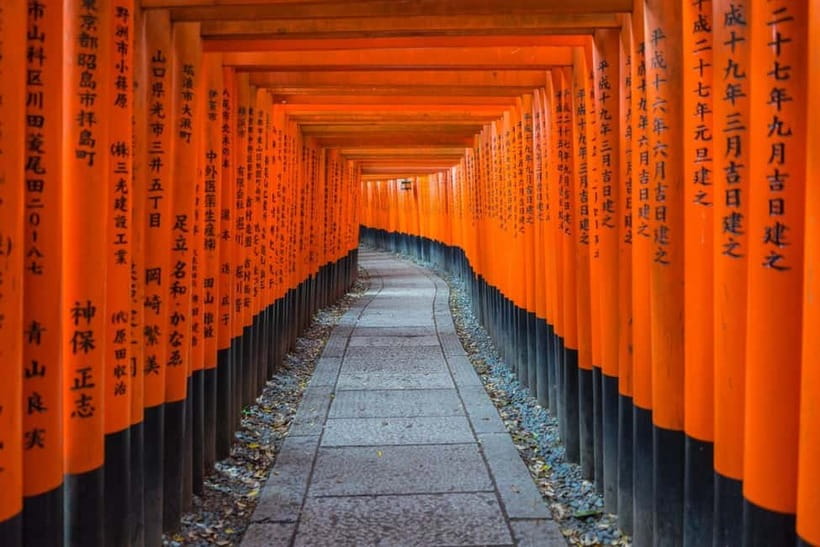
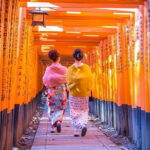
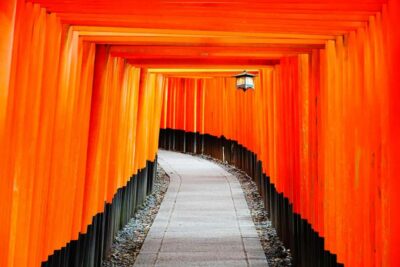
Finally, the tour lands at Fushimi Inari Taisha, famous for the red torii gates. The key highlight is the “thousand torii corridor” and the sunlight pattern through the gaps, which the tour describes as creating a mysterious and solemn mood.
You get about 70 minutes that includes break time, photo stops, free time, and sightseeing plus walking. This is the part of the day where you will likely want more than you think. Torii scenes are incredibly photogenic from multiple angles, and the corridor feeling grows as you move deeper.
How to walk it without burning out
Keep your pace steady. There is a lot to see visually, but your goal is not to sprint to the far end. If you want a balanced experience, walk in far enough to feel the tunnel effect, pause for photos, then head back before you feel rushed.
Also, plan your stamina. By the time you reach Fushimi Inari, you have already been on foot in Nara and Uji. Comfortable shoes matter here.
The Murasaki Shikibu statue stop: a small detour with a big context feel
You also stop for sightseeing at the Statue of Murasaki Shikibu. The data doesn’t describe more than the statue itself, so I won’t pretend there is a long cultural lecture hidden behind it. Still, it works in the tour because it reinforces that Uji is tied to literature and storytelling vibes, not just shopping for matcha.
Think of it as a quick pause to reset your eyes between the river walk and the temple area. If you like photo moments, statues are easy subjects. If you prefer quieter stretches, treat it as a short breather.
How the timing really works across 8 to 10 hours
This is where expectations matter. You are visiting multiple regions in one day, and that means you spend time traveling. One reviewer experience called out that there can be too much road time and not enough time at attractions, even though the guide did their best to keep everyone on track. That is a real tradeoff with the “great cities in one day” concept.
My advice: choose your priorities before you board
If you love animals, Nara Park will be your favorite energy burst. If you want temple scale and artistry, Todaiji is the heavy hitter. If you want a calmer pace plus matcha stops, Uji is your focus zone. If you want the signature Kyoto shrine walk, Fushimi Inari is your must-do.
If your priority is deep, slow immersion at only one or two places, this might feel like a speed-run. If your priority is broad coverage with a guided plan, it is a strong match.
Price and value: what you actually get for $56
At $56 per person, the price is relatively accessible for a day that includes structured sightseeing across several major areas. What you are paying for is not just entrance or sights, it is the working logistics: round-trip transportation by air-conditioned vehicle, plus toll fees, parking fees, and fuel fees, and an English-speaking tour guide.
What is not included is also important for value math. Admission to Todaiji Temple and Byodoin Temple is not included, and meals and beverages are not included. That means your total day cost will go up based on what you choose to eat, drink, and the exact ticket amounts at those temples.
When this price feels especially fair
This tour makes more sense if:
- you do not want to coordinate trains or multiple transfers
- you want an English guide to keep the day organized
- you want to knock out the major “great sights” in a single day
When it might feel overpriced
If you already have your transit route dialed and you prefer free time without a timetable, you might feel boxed in. This is a guided schedule, not a flexible hangout day.
Guide style: English explanations and keeping you coordinated
The tour includes an English-speaking guide, with languages listed as Chinese and English. Based on a guide experience I learned from, the explanations can be humorous, vivid, and detailed, and the guide can also share practical local tips, including where to shop for matcha-related items.
One helpful detail is that coordination tools can matter on a packed day. In one experience tied to a guide named Mia, the guide used WhatsApp to connect with the group, which can be a big help if you lose track in a crowded area.
What that means for you
You will likely get better results from this day if you listen for the timing cues. The “right place, right moment” effect is real at deer feeding areas and at Fushimi Inari’s corridor. A good guide keeps you moving at the pace the day allows.
Practical tips that make the day smoother
This tour gives you the essentials in plain terms, and you should follow them.
What to bring and wear
- Comfortable shoes (you will walk)
- Water
Also remember the rule about no smoking during the tour.
How to handle the deer moment
Deer are wild animals. That means your best plan is not to freestyle. Follow the guide’s instructions for feeding, and keep calm if the deer are close to your feet. If you have an animal allergy, this tour is not suitable.
Waiver note for certain ages or pregnancy
If you are pregnant or aged 70 and above, you are asked to sign a travel waiver upon arrival. This is worth planning for so it does not surprise you at check-in.
Who should book this Osaka to Kyoto to Nara to Uji day tour?
I think this tour fits best if you want a guided “hits and tastes” day and you are okay with shorter sightseeing blocks.
It is a good pick for:
- first-time visitors who want the iconic visuals fast
- people who value transportation handled for you
- anyone who wants both a temple day and a matcha day
It is not ideal for:
- anyone needing wheelchair accessibility
- people with animal allergies
- travelers who hate time limits at attractions and would rather spend a half-day or full day at one place instead
Should you book? My honest take
If your goal is to see Nara’s deer, Todaiji’s giant Buddha, Uji’s matcha culture, and Fushimi Inari’s thousand torii in a single day, this tour is a smart way to do it without wrangling transit. The value is strongest when you treat it as a curated highlights sampler.
If you hate long travel days or you want to linger, you may feel rushed. In that case, consider taking one or two neighborhoods and going slower, especially if you are the type who reads every sign and stays for quiet moments.
FAQ
How long is the Osaka to Kyoto to Nara to Uji day tour?
The duration is about 8 to 10 hours.
Is pickup available, and where do I meet the guide?
Pickup is optional. The meeting point depends on the option you book, and pickup details are emailed to you by 8:00 pm the evening before. Arrive at the meeting point 15 minutes early, and if pickup is offered, wait in the hotel lobby 10 minutes early.
Are tickets to Todaiji Temple and Byodoin Temple included?
No. Admission to Todaiji Temple and Byodoin Temple is not included.
What languages does the tour guide speak?
The tour guide provides live guidance in Chinese and English.
What should I bring?
Bring comfortable shoes and water.
Is the tour suitable for wheelchair users?
No. The tour is not suitable for wheelchair users.
Are meals included?
No. Meals and beverages are not included.
Half a Day in Nara

Kyoto by the Bowl

Newest Osaka write-ups from the Loving Japan desk



Nara Deer Park and Todai-ji, side by side.
 ★ 5.0World Heritage Kyoto & Nara Uji Authentic Matcha ExperienceFrom $1291,573 reviews
 ★ 4.7Kyoto/Osaka: Nara, Fushimi Inari Taisha, Arashiyama Bus TourFrom $521,275 reviews
 ★ 5.0Nara Half Day Trip Walking Tour (Private Option Available)From $105937 reviews
 ★ 4.4Osaka/Kyoto: Arashiyama, Nara & Fushimi Inari Shrine w/LunchFrom $61754 reviews
 ★ 5.0Nara Early Morning Tour (Kyoto or Osaka Departure Available)From $61676 reviews
 ★ 4.5Kyoto and Nara Day Trip from KyotoFrom $194445 reviews
 ★ 5.0Full Day Guided Tour to Kyoto and Nara from Osaka by VanFrom $106420 reviews
 ★ 4.5Nara Afternoon Tour from Kyoto or OsakaFrom $102390 reviews
Filed on these lists too