
REVIEW · HISTORICAL TOURS
Private Guided Historical Sightseeing Tour in Kyoto
Torii gates pull you into Kyoto fast. This private 4-hour tour is built for first-timers who want the big spiritual sights plus the city streets that make Kyoto feel like Kyoto. I especially like how Fushimi Inari-taisha sets the tone immediately, with its famous trail and shrine atmosphere right up front.
I also really like the pacing and format. You get a true private group experience, and the schedule includes timed visits at major stops, so you spend less time guessing where to go next and more time looking up at what matters.
One drawback to consider is reliability. The overall rating is mixed, with several reports about a guide not showing and poor communication, so I’d treat confirmation and being ready at the meeting point as part of your job on this one.
In This Review
- Key highlights you will actually feel during the walk
- Hitting Kyoto’s big spiritual sights in the first half of the day
- Fushimi Inari-taisha: where the day gets dramatic
- Kiyomizu-dera: UNESCO terrace views, without the all-day commitment
- Kennin-ji: a Zen-like pause in the middle of the walk
- Yasaka Shrine: spiritual heritage with an everyday, local energy
- Nishiki Market: a snack-and-stroll education in 30 minutes
- Pontocho: the old-street atmosphere along the river
- Gion: seeing the historic district with respect and good timing
- Price and what your $85 is really buying you
- Guides and the quality factor: the good names you may get
- The main risk: no-shows and communication problems
- Who should book this private Kyoto walk
- Should you book this Kyoto tour?
- FAQ
- How long is the Private Guided Historical Sightseeing Tour in Kyoto?
- What is the price per person?
- Is this tour private?
- Is pickup offered?
- Are mobile tickets provided?
- Are admission tickets included?
- Where does the tour visit?
- Is the tour near public transportation?
- What happens if the weather is poor?
- Can I get a full refund if I cancel?
Key highlights you will actually feel during the walk
- Fushimi Inari-taisha first, so you start with momentum and one of Kyoto’s most memorable shrine experiences
- Kiyomizu-dera’s UNESCO terrace view, with a short, focused visit that makes the most of limited time
- Kennin-ji Zen calm, a mental gear shift from crowds to quieter temple energy
- Nishiki Market food-window shopping, where 30 minutes can still turn into real snack finds
- Pontocho and Gion, for the atmosphere along the river and the historic streets that people come to see
Still weighing up options in Kyoto? These are the ones our reviewers rated highest.
- PERFECT KYOTO 1-Day Bus Tour
★ 5.0 · 13,518 reviews - Kyoto: Fushimi Inari, Kinkakuji, Bamboo Grove 1 Day Bus Tour
★ 4.8 · 4,316 reviews - Kyoto: Tea Ceremony in a Traditional Tea House in Kiyomizu
★ 4.9 · 3,519 reviews - Kyoto Geisha Walking Tour: Gion District & Hidden Gems
★ 4.7 · 3,273 reviews
Hitting Kyoto’s big spiritual sights in the first half of the day
Kyoto can be overwhelming. This tour makes it manageable by stacking famous religious sites in a logical flow. You start at Fushimi Inari-taisha, then move to Kiyomizu-dera, and from there shift into quieter temple and shrine spaces before heading into shopping and old-city streets.
This structure is smart for most schedules because it front-loads the landmarks that are hardest to plan on your own. It also gives you a quick sense of Kyoto’s two main threads: Shinto shrine life and Buddhist temple practice, side by side but with very different vibes.
Also, admission tickets are listed as included for the stops, which matters in real life. When tickets are covered, you avoid the small friction of figuring out pricing and entry procedures while you’re already on foot and on time.
Fushimi Inari-taisha: where the day gets dramatic
Fushimi Inari-taisha is the obvious opener, and for good reason. The shrine sits at the base of Mount Inari, and the signature look comes from the long run of torii gates that funnel you forward. Even with a limited visit time, you can still get the key experience: the feeling of walking through Kyoto’s most iconic shrine landmark.
In practice, your 30 minutes here is best used early in the walk, not late. Go for the parts where the torii tunnel effect is strongest, take a few steady photos, and then look for small side details along the way. That’s where the place stops being just a postcard and becomes a shrine you can read with your eyes.
One practical tip: wear shoes that can handle stone and slopes. The route inside shrine areas often includes uneven ground, and you will want to keep moving without thinking about your footing.
Kiyomizu-dera: UNESCO terrace views, without the all-day commitment
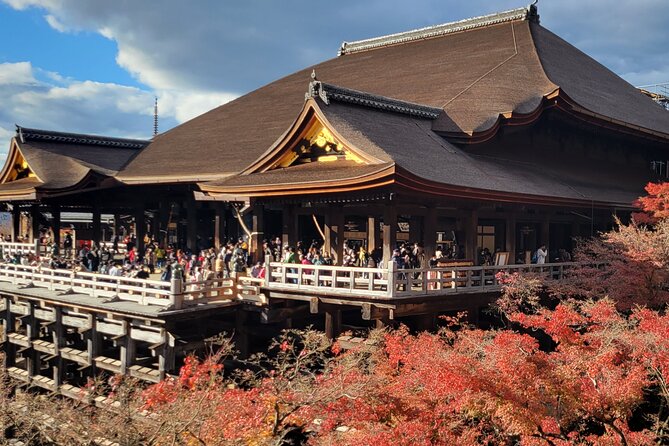
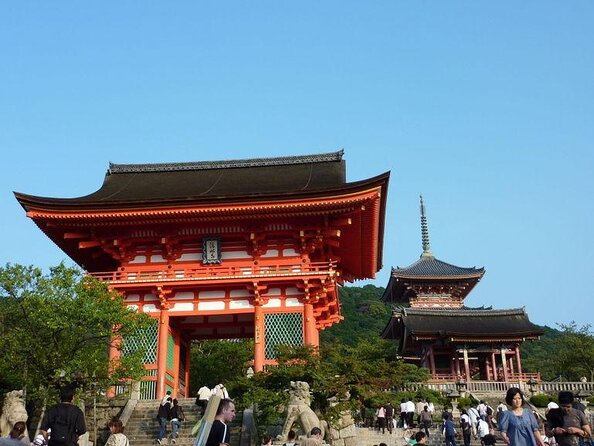
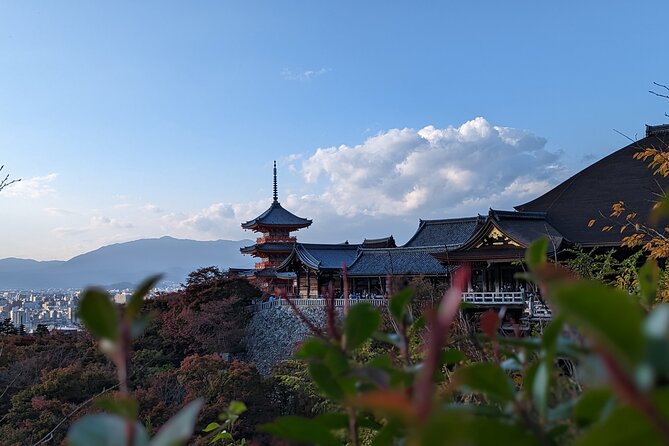
Kiyomizu-dera is one of those sites where the main attraction hits fast. You can take in the famous wooden terrace areas and the big view angles that make this temple so widely photographed. With a 30-minute stop, you are not getting an all-day meditation session, but you are getting the essentials at a time you can actually fit into a 4-hour plan.
This is also a good stop to understand why Kyoto people care about temples as living cultural anchors. Kiyomizu-dera is not only about architecture, it is about how people experience space, worship, and viewpoints in a place built for crowds and reverence.
If you are sensitive to crowds, the early start is helpful. Start with your must-see angles first, then use any remaining minutes for extra details like temple features and the surrounding pathways.
- PERFECT KYOTO 1-Day Bus Tour★ 5.0 · 13,518 reviews
- Kyoto: Fushimi Inari, Kinkakuji, Bamboo Grove 1 Day Bus Tour★ 4.8 · 4,316 reviews
- Kyoto: Tea Ceremony in a Traditional Tea House in Kiyomizu★ 4.9 · 3,519 reviews
- Kyoto: Tea Ceremony Ju-An at Jotokuji Temple★ 4.9 · 3,207 reviews
- Kyoto: 45-Minute Tea Ceremony Lesson Experience★ 4.3 · 2,378 reviews
Kennin-ji: a Zen-like pause in the middle of the walk
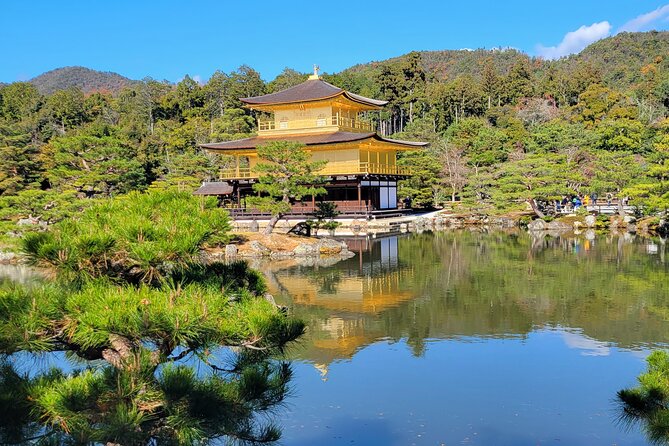
Kennin-ji is where the tour changes its emotional speed. After the bigger, more famous stops, you get a Zen Buddhist sanctuary experience with a calmer feel. The point here is not just to see another building, it is to feel the shift from spectacle to stillness.
Your stop is listed at about 30 minutes, which is enough to walk the grounds at an unhurried pace, notice how people behave differently in temple spaces, and absorb the quieter symbolism. If you want a moment to reset before the shrine districts and shopping streets, this is the moment.
I like this stop for another reason too. It helps you connect Kyoto’s spirituality to everyday behavior. Temples like this teach that faith in Kyoto is not just something you watch from the outside, it affects movement, silence, and attention.
Yasaka Shrine: spiritual heritage with an everyday, local energy
Yasaka Shrine is another major spiritual site, and the value here is its sense of continuity. You get a focused visit, around 30 minutes, that gives you context for how Shinto shrines fit into the city’s life. There is usually a lived-in atmosphere, the kind you feel even when you are only there for a short time.
This is a good stop for quick questions. If your guide is the type who answers well, you will likely come away with more than a photo. You can understand why people visit, what to notice in shrine architecture and offerings, and how the shrine connects to wider Kyoto traditions.
Timing matters at shrine stops. Since your tour keeps moving, use your minutes to find one strong viewing angle and then explore smaller features at walking pace. You’ll get more value that way than trying to see every single corner.
Nishiki Market: a snack-and-stroll education in 30 minutes
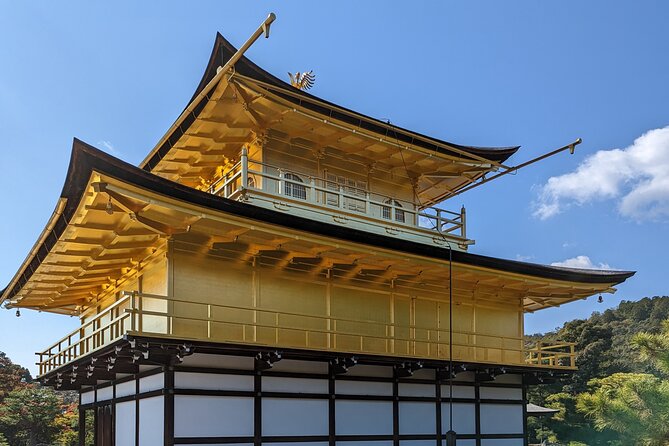
Nishiki Market Shopping District is where history turns into appetite. This stop gives you a 30-minute window in Kyoto’s famous market lane scene. Even if you do not plan a full meal, this is the easiest place to sample small bites and get a sense of local flavors without turning the day into a food marathon.
What I like about this kind of market stop inside a tour is the guided filter. In a market this busy, a guide can help you choose what to try, or at least point you toward common Kyoto items that make sense for a visitor to taste.
A realistic consideration: 30 minutes is short. If you want to shop for gifts, prioritize right away, and decide on your must-buy items before you get distracted by the sights and smells. Keep your feet moving and your choices simple, and you will leave happy rather than rushed.
Pontocho: the old-street atmosphere along the river
Pontocho District gets about an hour, which is a luxury compared to the shorter temple stops. This area is famous for its narrow streets and the riverside setting near the Kamogawa. The tour gives you enough time to walk, slow down for photos, and feel the rhythm of an old Kyoto lane system.
In my view, this is one of the best “Kyoto feel” segments of the day. Temples are about sacred architecture, and markets are about food and daily commerce. Pontocho is where you get the atmosphere that connects both, old streets that look great even when you are just strolling.
If you are doing this tour earlier in the day, Pontocho will feel different than evening. Either way, use the hour for walking and observation, not strict sightseeing checklists. The value is in the vibe.
Gion: seeing the historic district with respect and good timing
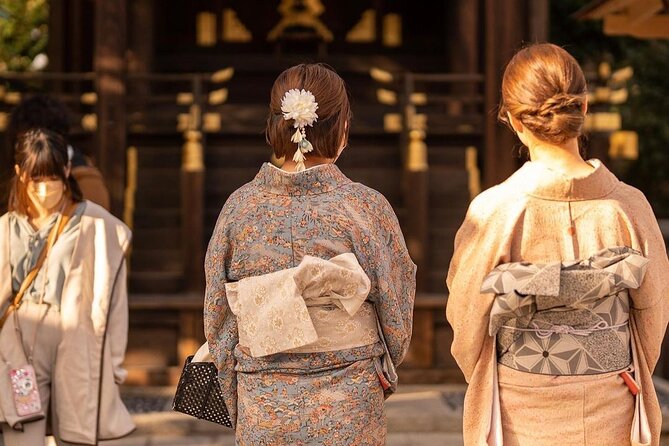
Gion is the final major named stop, with about 30 minutes set aside. This is where people go to see the historic district tied to geisha culture. Even when you do not know exactly what you are looking for, you can still enjoy the streets, the old architecture, and the sense of place.
Two things matter here. First, 30 minutes goes fast, so keep your route simple. Second, be respectful. In Kyoto, this kind of district is not a theme park. Watch quietly, move politely, and you’ll enjoy it more.
If you want the best chance of spotting something special, be aware that timing and luck play a role. Your time is brief, so focus on the street experience itself. Gion looks like Kyoto even without any dramatic surprise.
Price and what your $85 is really buying you
At $85 per person for about 4 hours, this is positioned as a midrange private experience. The key value drivers in the data are pickup offered and admission tickets included at the major stops.
Pickup can be a big deal in Kyoto. The city is easy to get around, but it is also easy to lose time. If your guide meets you at your hotel or uses a planned meeting point near public transportation, you reduce the risk of starting late and burning your short visit time on transit.
Admission inclusion is the other real value piece. Temples and shrines add up, and even small ticket costs plus time spent in lines can shrink your day. If your tour day covers those entries for each stop, you are paying more for planning and less for admin.
One note: some experiences list tickets included, but not everything is always covered. Here, the stops shown all state admission tickets included, but if you have allergies, special needs, or want specific add-ons at the market, you will still be responsible for personal expenses like food and purchases.
Guides and the quality factor: the good names you may get
The biggest difference between a great Kyoto tour and a frustrating one is the guide. In the feedback patterns included here, guides like Julian, Riccardo, Oscar, Robert, Andrea, Johannes, Diego, and Ken are repeatedly praised for clear explanations and strong English. Several people also highlight that guides adjusted pacing for different group needs, like older visitors who needed a slower walk.
That matters on a schedule like this. When you have only a few hours, a good guide helps you decide what to notice quickly and what to skip without regret. You’ll also be more likely to understand the meaning behind what you see, not just capture images.
Still, the mixed rating is real. Some reports describe no-shows and failures to contact the guide. That is not something you can fully fix as a traveler, but you can reduce risk by treating day-of time as strict and staying ready to confirm.
The main risk: no-shows and communication problems
Here is the practical truth. The overall rating sits at 3.5 with 24 reviews, and multiple low-score entries describe guides who did not show up and difficulty contacting the provider. That is the risk category to take seriously, especially because this tour is only 4 hours long. If your guide misses the start, your whole day can feel derailed.
How do you protect yourself? Be early at the meeting point. Double-check pickup details before you leave, and keep your booking confirmation handy on your phone. If you are traveling with limited flexibility, consider having a Plan B in the same area, like a museum or a nearby temple you can reach independently.
Also, remember that a private tour is only your group. If something goes wrong, there is no other group to carry the time forward. So your preparation matters more than on a big group bus tour.
Who should book this private Kyoto walk
This is a strong fit if you want:
- A concentrated taste of Kyoto’s temple and shrine highlights in one go
- A structured route that takes the guesswork out of where to spend time
- A private format for couples, families, or small groups who move at their own pace
It is also a good choice if you are on a time crunch and want your day arranged logically. Starting at Fushimi Inari and ending in Gion makes sense. You see the spiritual anchors early, then transition toward street atmosphere and shopping.
But it might not be ideal if:
- You cannot handle any scheduling problems at all
- You have an inflexible tight itinerary where a missed start ruins your day
- You require very long stays at sites, since most stops here are about 30 minutes
If your goal is a slow, deep temple day, this tour is too short for that. If your goal is a high-impact introduction, it is well shaped.
Should you book this Kyoto tour?
I think this tour is worth considering for the itinerary and structure. You get a focused hit list: Fushimi Inari-taisha, Kiyomizu-dera, Kennin-ji, Yasaka Shrine, Nishiki Market, Pontocho, and Gion, all within about 4 hours, with admission tickets indicated as included.
The main reason to hesitate is reliability. Mixed feedback with guide no-shows means you should plan like a grown-up and do your confirmation homework. If you have flexible backup options, the upside is big: a guided path through Kyoto’s most recognizable places without spending your day lost in decision-making.
If you book, show up early, keep your phone ready, and treat this like a guided walk where your attention matters. Done right, you’ll leave with both photos and a clearer sense of what Kyoto’s sacred sites and old streets are saying.
FAQ
How long is the Private Guided Historical Sightseeing Tour in Kyoto?
The tour is about 4 hours.
What is the price per person?
The price is $85.00 per person.
Is this tour private?
Yes. It is private, so only your group participates.
Is pickup offered?
Yes, pickup is offered.
Are mobile tickets provided?
Yes. A mobile ticket is included.
Are admission tickets included?
Admission tickets are included for the listed stops.
Where does the tour visit?
The tour includes Fushimi Inari-taisha Shrine, Kiyomizu-dera Temple, Kennin-ji Temple, Yasaka Shrine, Nishiki Market Shopping District, Pontocho District, and Gion.
Is the tour near public transportation?
Yes. It is near public transportation.
What happens if the weather is poor?
This experience requires good weather. If it is canceled due to poor weather, you will be offered a different date or a full refund.
Can I get a full refund if I cancel?
Yes. You can cancel up to 24 hours in advance for a full refund.
Newest Kyoto write-ups from the Loving Japan desk
Historical Tours, side by side.
 ★ 5.0World Heritage Shirakawa-go and Experience Tours from KanazawaFrom $1224,049 reviews
 ★ 5.0Imperial Palace and Shogun Historical Walking TourFrom $222,251 reviews
 ★ 5.0World Heritage Kyoto & Nara Uji Authentic Matcha ExperienceFrom $1291,573 reviews
 ★ 5.0Kyoto Gion: 2-Hour Geisha Culture & History Walking TourFrom $231,186 reviews
 ★ 4.9World Heritage Shirakawa-go Morning Guided TourFrom $77988 reviews
 ★ 4.9Imperial Palace Japanese History Walking TourFrom $32987 reviews
 ★ 4.8Hiroshima Historical Walking Tour – Why A-Bomb was DroppedFrom $35893 reviews
 ★ 5.0Hiroshima Peace (Heiwa) Walking Tour at World Heritage SitesFrom $94872 reviews
Filed on these lists too