
REVIEW · TAIKO DRUMMING AND TRADITIONAL PERFORMING ARTS
Private Koto Lesson in Kyoto with a Professional Koto Performer
One hour with a koto teacher in Kyoto. At 箏春庵 soushunan, you get a private lesson from a professional performer, with a clear path from first pluck to playing Sakura. It is one of those experiences where the instrument feels instantly more than a souvenir.
I love two things most. First, you are working one-on-one with a pro Koto performer, so you get feedback that actually fixes your hand position and timing. Second, the lesson is built around a real piece, Sakura, and it is approachable for kids and adults alike.
One thing to consider: private transportation is not included, so you will want to plan your own ride or walk to the Kamigyo Ward meeting point.
In This Review
- Key highlights you will feel right away
- Why a private koto lesson feels personal in Kyoto
- Inside 箏春庵 soushunan: your start point and first steps
- Learning Sakura: what you practice and why it matters
- Your 1 hour 20 minutes: a realistic lesson flow
- What you do not need to bring (and what you do)
- Tea break and teacher performance: turning notes into culture
- Price and value: is $60 worth it?
- Who should book this koto session (and who should think twice)
- FAQ
- How long is the private koto lesson?
- What song will I learn?
- Is this lesson private or shared with other people?
- What is included in the price?
- Do I need to bring a koto or sheet music?
- Is tea included?
- What is not included?
- Where do we meet?
- Is the activity suitable for children?
- When will I receive confirmation after booking?
- Should you book this koto lesson in Kyoto?
Key highlights you will feel right away
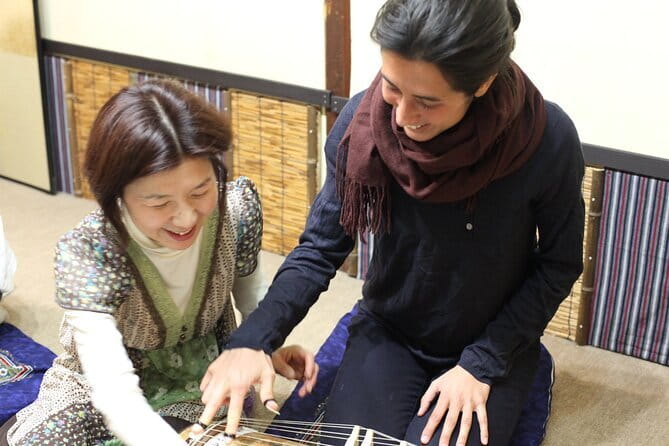
- Professional instruction at 箏春庵 soushunan: you learn from an expert performer, not a casual demo.
- Learning Sakura, a traditional classic: you practice a piece that connects to Japanese ceremony and formality.
- Everything is provided: koto instrument usage and music notation are included.
- Family-friendly learning (about ages 3 and up): you can make this a shared activity across generations.
- Tea break plus teacher performance: you do hands-on playing, then you get to enjoy the master side.
Loud rooms and quiet stages around Kyoto
- Kyoto: Nishiki Market Tea Ceremony with Koto Performance
★ 4.8 · 294 reviews - Kyoto: Japanese Archery Workshop with Experienced Instructor
★ 4.9 · 132 reviews - TAIKO, Japanese Drum Experience from Kyoto
★ 5.0 · 86 reviews - Shamisen Experience in Kyoto 【Private】
★ 5.0 · 82 reviews
Why a private koto lesson feels personal in Kyoto
Kyoto has plenty of culture shows. This is different. This is hands-on music coaching, and the private setup changes everything.
When you are alone with an instructor, you can ask questions in real time, and you can get immediate corrections. Koto is not hard in the sense that you need years of training to enjoy it, but it is technical in the sense that finger placement and movement matter. A pro can spot what you are doing wrong quickly, then adjust your approach.
I also like that this lesson is built around Sakura, not random noise or a pretend performance. Traditional songs have structure. Learning one helps you hear patterns, not just individual notes. And because the session is described as suitable for people from 3 years old to elderly, you know the teaching style is designed to work across different comfort levels.
The big payoff is emotional, too. You leave with a melody you can recognize and carry forward, instead of just having watched someone else play.
Inside 箏春庵 soushunan: your start point and first steps
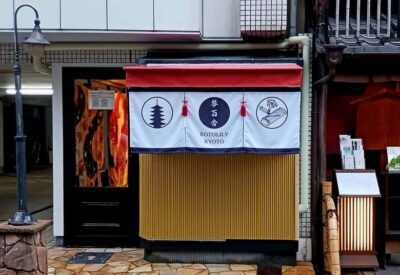
Your lesson meets at 箏春庵 soushunan in Kamigyo Ward (KYoto). The address is in Higashishinmeichō, so it is a fairly straightforward stop once you plug it into your navigation app.
A couple practical notes matter here:
- You get a mobile ticket, so have that ready on your phone when you arrive.
- The venue is near public transportation, which helps if you are building this into a day that already includes temples and neighborhoods.
On arrival, you can expect an organized, calm start. The session format is focused: the point is to help you physically handle the instrument and start producing the song. With a koto workshop, the first few minutes are about setup and comfort. If the instrument is awkward, everything else gets harder. The good news is the koto and the lesson materials are available through the service.
Learning Sakura: what you practice and why it matters
The core goal is simple: learn to play a traditional Japanese song on the koto, specifically Sakura.
This song is a perfect choice for a beginner lesson for two reasons. First, it is recognizable and meaningful. Second, it gives you enough structure to learn something that feels like music, not just isolated notes.
The lesson also includes the background. You will get history and tradition tied to how the koto fits into Japanese formal ceremonies. That context matters more than you might expect. When you understand that the koto is not just a folk instrument, you play more respectfully. Your focus improves because you know why the sound and style are treated carefully.
And because the experience is positioned for ages 3 to elderly, you should not expect a lecture-only class. You will get instruction that translates into action, finger movement, and sound right away. The teaching approach is described as guided, with support for playing, plus a chance to learn the traditional song itself.
- PERFECT KYOTO 1-Day Bus Tour★ 5.0 · 13,518 reviews
- Kyoto: Fushimi Inari, Kinkakuji, Bamboo Grove 1 Day Bus Tour★ 4.8 · 4,316 reviews
- Kyoto: Tea Ceremony in a Traditional Tea House in Kiyomizu★ 4.9 · 3,519 reviews
- Kyoto: Tea Ceremony Ju-An at Jotokuji Temple★ 4.9 · 3,207 reviews
- Kyoto: 45-Minute Tea Ceremony Lesson Experience★ 4.3 · 2,378 reviews
Your 1 hour 20 minutes: a realistic lesson flow
The duration is listed as about 1 hour 20 minutes, so this is not an endless slow practice session. It is paced for beginners, families, and people who want real results without burning the whole day.
Here is what your time is likely to look like, based on how the experience is described:
1) Welcome and setup
You start at Soushunan. Then you move into instrument setup and the basic mechanics of playing. Koto playing has its own physical rhythm, so expect the instructor to focus on how to hold and move your hands to get the notes clean.
2) Learning the song, with active guidance
The service describes hands-on coaching as you learn to play Sakura. This is where the pro instruction pays off. You are not just memorizing a sequence. You are learning how to reproduce it consistently.
3) The tradition and history piece
There is time to learn the history and tradition behind koto and the song. This part helps your practice feel grounded. You are not only doing mechanics, you are learning what makes the music matter in Japanese culture.
4) Rehearsal within the session
A short lesson still needs repetition. You will likely revisit parts of the song while the instructor corrects small issues. Even within a limited time window, that iterative practice is how beginners start sounding like they are actually playing something.
5) Tea break
After your practice, you can enjoy a tea break. This is a nice reset. It also gives you a chance to feel what you just learned before you hear the instrument again from the teacher.
6) Teacher performance
Then you get to enjoy your teacher’s performance. This is not a random extra. It is how you connect what you just tried with what mastery sounds like.
What you do not need to bring (and what you do)
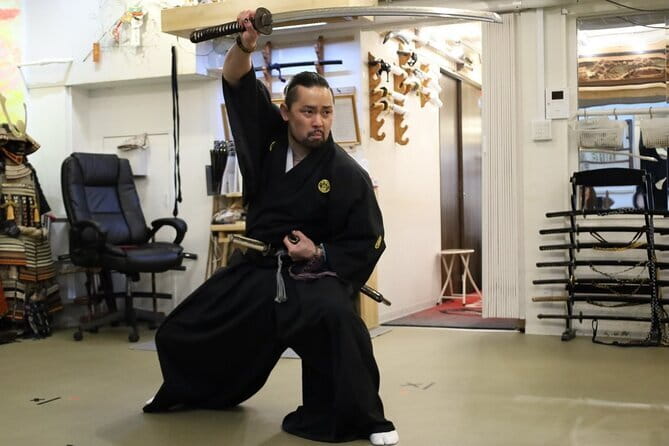
The experience is built so you do not have to scramble for gear.
Included:
- Koto instrument usage fee
- Lesson fee
- All fees and taxes
Also mentioned as available during the lesson:
- Musical instruments
- Music notation
So you should plan to arrive ready to play, not ready to shop.
Not included:
- Private transportation
That is the main practical “you need to handle this” item. If you are in central Kyoto, you will probably combine this with a walk or public transit hop. The good part is that the meeting point is near public transportation, so you are not stuck with a car dependency.
What about materials like pens, music apps, or notebooks? The data only confirms music notation is available. If you like to track your progress, you might still bring a small notebook, but you do not need to. The lesson format is designed to supply what you need for the session.
Tea break and teacher performance: turning notes into culture
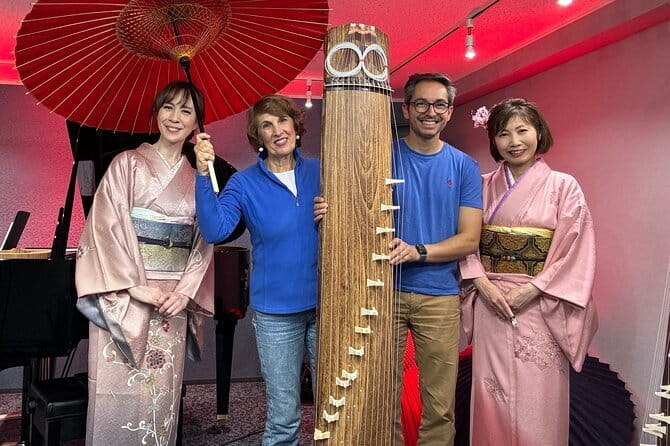
This is one of my favorite parts of koto experiences that are taught by working performers. You do the physical work, then you get to step back and listen.
The lesson includes a tea break after your playing session, then you can enjoy the teacher’s performance. That pairing helps you in two ways:
- It lets you compare your learning with the real thing. After you struggle for a bit to get the sound right, the performance makes the structure click.
- It changes the mood. You go from concentrating on your hands to absorbing the sound and style, with time to breathe.
If you care about authenticity, this format is a strong signal. The teacher is not only providing instruction, they are also presenting the instrument as a living tradition.
Price and value: is $60 worth it?
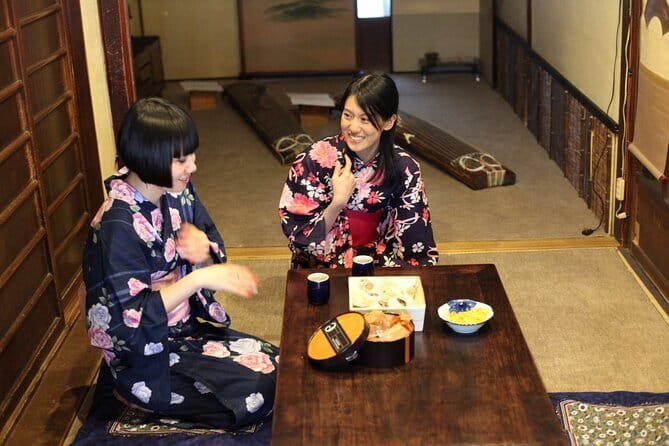
The price is $60.00 per person for an experience lasting about 1 hour 20 minutes.
At first glance, it is not a “cheap activity.” But here is what makes the value feel reasonable:
- You get a private session for your group, not a crowded class where feedback is minimal.
- The koto instrument usage fee and the lesson fee are included.
- The service also includes music notation and the core teaching that covers both playing and tradition.
So your money is paying for time with a professional performer and the real overhead of providing an instrument and instruction. If you have ever taken a music class where you show up and realize nobody is really coaching you, you know how fast “low-cost” can become frustrating. This experience is priced like a true lesson.
Also consider timing. You spend about 80 minutes total, which is perfect for busy Kyoto days. You can fit it in without sacrificing a whole afternoon.
One watch-out for value is transportation. Private transportation is not included, so factor in how you will reach Soushunan. If you are relying on taxis, the total cost can climb.
Who should book this koto session (and who should think twice)
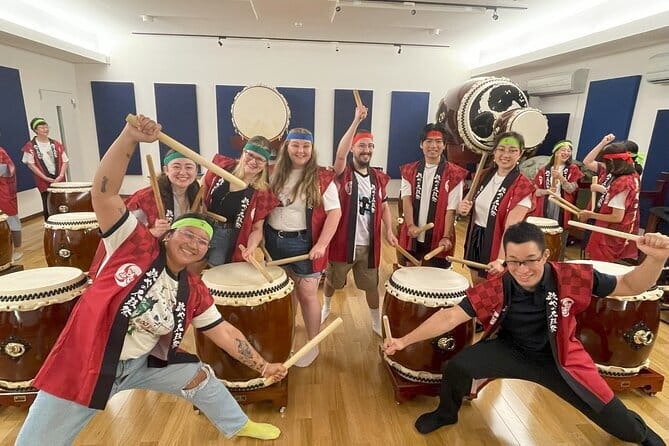
This lesson makes the most sense if you meet at least one of these needs:
- You want a cultural experience with hands-on payoff, not just watching.
- You are traveling with family and want something that can work across different ages.
- You like traditional Japanese arts and want a clear entry point.
- You want a skill you can practice later, because you learn a real piece, Sakura.
It is also a good fit if your group includes beginners. The format is described as doable for people as young as 3 and as old as elderly learners, which strongly suggests the teaching is adapted to varied experience levels.
When might you want to think twice?
If you already know you will only be interested in a long, performance-level training track, this time window may feel short. This is a starting lesson. The goal is not to turn you into a koto player overnight, it is to teach you to play and understand the tradition enough to carry it forward.
And if you struggle with finding the right meeting point area or you have no easy plan for getting there, the “no transportation included” part might be annoying. Still solvable, just not included.
FAQ
How long is the private koto lesson?
It lasts about 1 hour 20 minutes.
What song will I learn?
You will be taught to play Sakura.
Is this lesson private or shared with other people?
It is private. Only your group participates.
What is included in the price?
All fees and taxes are included, along with the koto instrument usage fee and the lesson fee.
Do I need to bring a koto or sheet music?
No. The musical instruments and music notation are available for the lesson.
Is tea included?
Yes. After the lesson, you can take a tea break, and you can also enjoy your teacher’s performance.
What is not included?
Private transportation is not included.
Where do we meet?
The meeting point is 箏春庵 soushunan, located at soushunan288-2 Higashishinmeichō, Kamigyo Ward, Kyoto, 602-8162, Japan.
Is the activity suitable for children?
Yes. It is described as possible for people from about 3 years old to elderly participants.
When will I receive confirmation after booking?
You will receive confirmation within 48 hours of booking, subject to availability.
Should you book this koto lesson in Kyoto?
If you want a Kyoto activity that is both culturally meaningful and actually gives you a skill, I think this is an easy yes. The private format plus instruction by a professional koto performer is the key combo. You are not just learning about the instrument, you are learning how to make it sound like the tradition you came for.
Book it if you are traveling with family, because the age range is genuinely part of the experience. And book it if you like having a clear goal, since Sakura gives the lesson a concrete finish.
Only hold off if you do not want to manage your own transportation to the meeting point, or if you are looking for a long training program rather than a focused first lesson. For a one-session introduction with real payoff, this hits the sweet spot.
Stages, Loud and Quiet

Newest Kyoto write-ups from the Loving Japan desk
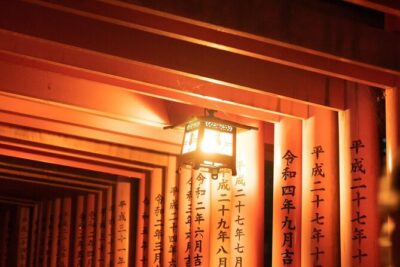
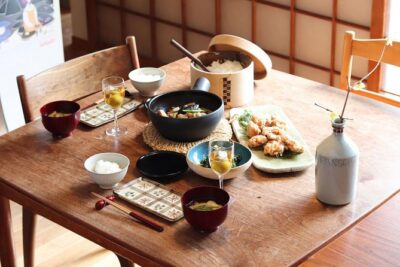
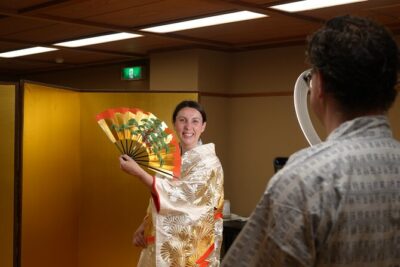

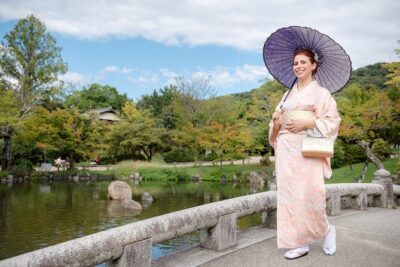
Taiko Drumming and Traditional Performing Arts, side by side.
 ★ 4.0Mt Fuji & Hakone Cruise, Drum Show Bullet Train 1 Day from TokyoFrom $1497,413 reviews
 ★ 4.0Mt Fuji & Hakone Cruise, Drum Show Bus 1 Day from TokyoFrom $1221,287 reviews
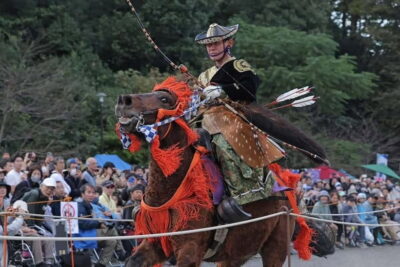 ★ 5.0Samurai Sword & Archery Class from Samurai DescendantFrom $193603 reviews
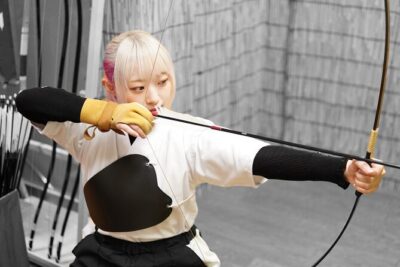 ★ 5.0Japanesel Archery Experience HIROSHIMA CASTLE SHARAKUFrom $43387 reviews
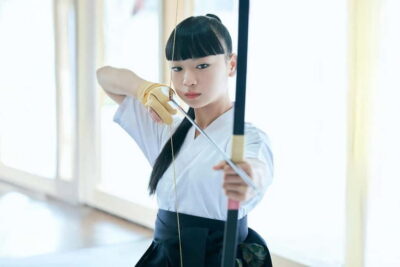 ★ 4.8Traditional Japanese Archery ExperienceFrom $41351 reviews
 ★ 5.0Mt Fuji & Hakone Cruise, Drum Show Bus 1 Day from Tokyo Sta. AreaFrom $123295 reviews
 ★ 4.8Nishiki Market Tea Ceremony with Koto PerformanceFrom $56294 reviews
 ★ 4.8Open-air theater “Tao- no-Oka” Drum TAO Live performanceFrom $30191 reviews
Filed on these lists too